


 Claim Ownership
Intel Focus: The Intelligence Spotlight Series
Subscribed: 4Played: 23
Subscribe

© Intel Focus
Description
The Intelligence Spotlight Series is your gateway into the OSINT, geopolitics and intelligence world . In each episode, we bring you conversations with leading investigators, journalists, academics, and experts who share their latest work, the use of OSINT tools and techniques, simplifying complex topics and knowledge sharing. Whether you're a professional in the field or just curious about how digital investigations unfold, this series gives you a front-row seat to the challenges and innovations in intelligence, media verification, and fact-checking.
21 Episodes
Reverse
In this episode of the Intelligence Spotlight, Baptiste Robert, an ethical hacker and founder of Predictor Lab, discusses the nuances of hacking, the importance of ethical frameworks, and the role of open-source intelligence (OSINT) in modern investigations. He shares his journey from a grey hat hacker to an entrepreneur, emphasising the responsibilities that come with hacking skills. The discussion also covers the ethical considerations in developing investigative tools, the personal impact of working in OSINT, and the future of cybersecurity, highlighting the need for collaboration between the private and public sectors to foster innovation and skill development.Note: Intel Focus is run fully independently, voluntarily and has no revenue streams. Consider supporting us, our email: info@intelfocus.orgChapters:00:00 Understanding Hacking: Beyond Malice01:28 The Role of Ethical Hacking02:00 Baptiste Robert: Journey from Hacker to Entrepreneur09:58 The Birth of Predictor Lab14:08 The Importance of OSINT in Investigations17:51 Building Tools for Ethical Use20:55 Ethical Considerations in Tool Development30:07 The Personal Impact of OSINT Work35:00 Mistakes Beginners Make in OSINT and Ethical Hacking38:53 The Future of Cybersecurity and OSINT

In this conversation, Gemma Terés Arilla discusses the challenges and lessons learned in independent journalism, particularly in the context of leadership, networking, and the impact of censorship. She emphasises the importance of local journalism in rebuilding trust and the need to break away from clichéd narratives in reporting on global issues. The discussion also touches on the role of emergency fellowships in supporting journalists at risk and the interconnectedness of global stories. You can also apply for the fully-funded Rest & Resilience Fellowship announced by Taz Panter Foundation, the deadline is January 15, 2026: https://taz.de/taz-panter-stiftung/rest-resilience-fellowship/!v=2c0b2d3c-7081-46a5-9256-f9fb6ebf81f2/ Note: Intel Focus is run fully independently, voluntarily and has no revenue streams. Consider supporting us, our email: info@intelfocus.org

In this episode, Qais Alamdar and Alice Echtermann explore the pressing issue of disinformation, particularly in the context of Germany. They discuss the evolving landscape of misinformation, the challenges faced by fact-checkers, and the role of technology, especially AI, in exacerbating these issues. Alice shares insights from her work in investigating scams related to humanitarian crises, emphasizing the need for media literacy and the shared responsibility of platforms, journalists, and the public in combating disinformation. The conversation highlights the emotional toll of fact-checking and the importance of critical thinking in the digital age.00:00 The Impact of Disinformation03:16 Awareness vs. Capability in Spotting Disinformation06:00 Emerging Threats in the Age of AI10:15 Challenges in Fact-Checking Today11:24 Shared Responsibility in Information Dissemination14:15 Strengthening Media Literacy and Journalism16:31 Investigating the Gaza Donation Scam20:23 The Complexity of Humanitarian Scams25:03 Identifying Red Flags in Donations28:12 Balancing Empathy with Verification32:37 Teaching Media Literacy to Younger Audiences
In this episode of the Intelligence Spotlight, host Qais Alamdar and guest Daniel Iriarte discuss the complexities of modern warfare, focusing on cognitive warfare and the manipulation of information. They discuss how the battlefield has shifted from physical confrontations to the realm of perception and belief, emphasizing the role of disinformation and propaganda in shaping public opinion. The discussion highlights the emotional impact of misinformation, the rise of AI in creating deepfakes, and the importance of education and awareness in combating these challenges. They also explore the responsibilities of newsrooms in crisis situations and the philosophical implications of truth in the age of disinformation.00:00 The Evolution of Warfare: From Steel to Signals02:43 Cognitive Warfare: The New Battlefield05:15 Understanding Cognitive Walls and Their Impact07:42 The Shift from Propaganda to Cognitive Warfare10:28 The Role of Emotion in Information Warfare13:17 Perception vs. Reality: The Power of Belief15:44 The Psychological Toll of Analyzing Disinformation18:39 The Future of Disinformation: AI and Deepfakes22:41 The Impact of Disinformation in Politics24:47 Artificial Intelligence and Micro-Targeting27:16 Public Awareness and Adaptation to Disinformation29:49 The Speed of Information and Misinformation34:25 Educational Approaches to Combat Disinformation37:04 Navigating Deep Fakes in Journalism42:48 The Nature of Truth and Conspiracy TheoriesNote: We operate fully independently and voluntarily. Support us: info@intelfocus.org
In this episode, host Qais Alamdar talks with Shay Maman, a senior intelligence researcher, about the hidden parts of the internet, including the deep web and dark web. Shay shares his journey into cybersecurity, the unexpected faces behind cybercrime, and the tactics used for online radicalization. The discussion also covers the resilience of illicit online markets and the importance of open-source intelligence (OSINT) and human intelligence in combating these threats. Shay emphasizes the need for internet safety and awareness, especially among vulnerable populations like teenagers.Chapters00:00 Introduction to Intelligence and Cybersecurity02:57 Shai Mammon's Journey into Cyber Intelligence05:26 Understanding Penetration Testing07:58 Exploring the Deep Web and Dark Web10:28 The Nature of Hidden Online Spaces13:03 Profiles of Individuals in the Dark Web15:07 The Reality of Online Criminals17:39 Online Recruitment and Radicalization19:29 The Role of Social Media in Extremism19:48 The Influence of Propaganda on Youth22:21 Understanding Radicalization and Lone Wolf Attacks24:22 The Role of Algorithms in Radicalization26:29 The Resilience of Illicit Markets29:49 The Intersection of OSINT and Human Intelligence32:53 Case Studies in Cybercrime and Mistakes of Perpetrators36:28 Navigating the Internet Safely
In this conversation, Sohan DSouza discusses the evolving landscape of information warfare, the role of AI in misinformation, and the importance of human oversight in open-source intelligence (OSINT). He emphasizes the need for media and AI literacy, the challenges posed by automated systems, and the future norms that investigative journalists should adopt. Sohan also highlights the complexities of the digital asset market and the tactics used in misinformation campaigns, including the concept of misinformation about misinformation.00:00 Introduction to Sohan DSouza and His Work02:10 Defining Information Warfare04:34 The Role of AI in Information Warfare07:17 Detecting Inauthentic Behavior in 202510:04 The Importance of OSINT Methodologies12:47 Human Oversight in Automated Investigations15:20 Ethical Considerations in AI and OSINT17:50 Evaluating AI-Generated Reports20:37 Future of Information Warfare and AI22:52 The Need for Collaboration in Investigations25:24 Emerging Trends in AI and OSINT27:59 Case Studies and Lessons Learned30:23 Skills for New Analysts32:54 Looking Ahead: The Next Five Years35:27 Conclusion and Final ThoughtsNote: We operate with no funding and completely voluntarily. If you can support us in any way or volunteer with us, please reach out at: intelfocus@protonmail.com
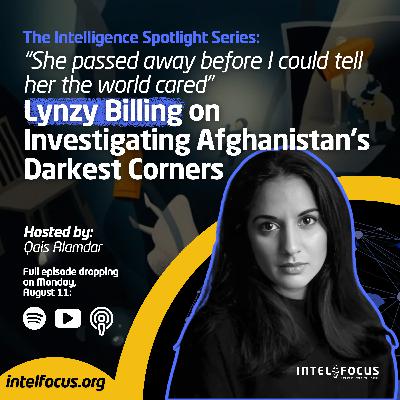
In this episode of the Intelligence Spotlight, investigative journalist Lynzy Billing discusses her journey into journalism, the challenges of gaining trust in war-torn regions, and the emotional toll of reporting on traumatic events. She emphasises the importance of balancing data with human stories, the environmental impact of war, and the misconceptions surrounding investigative journalism. Lynzy also offers advice for aspiring journalists, highlighting the need for curiosity and persistence in uncovering the truth.Note: We operate with no funding and completely voluntarily. If you can support us in any way or volunteer with us, please reach out at: intelfocus@protonmail.com
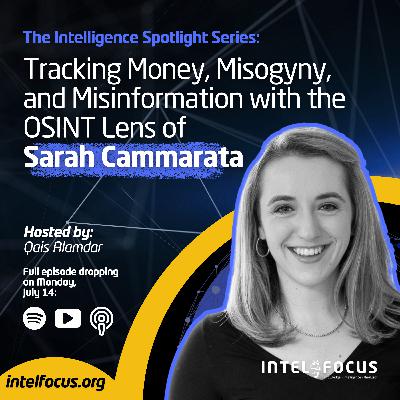
In this episode of the Intelligence Spotlight Series, Qais Alamdar interviews Sarah Cammarata, a senior intelligence analyst and OSINT specialist. They discuss Sarah's transition from journalism to intelligence analysis, the application of open-source techniques in financial investigations, and the challenges of investigating gender-based online abuse. The conversation also explores the evolution of hate speech on social media, recent investigations into Telegram groups, and the importance of mental health in investigative work. Sarah emphasizes the need for self-care in this demanding field and shares insights on the role of AI in future investigations.

In this episode of the Intelligence Spotlight series, Jenna Dolecek delves into the evolving landscape of open source intelligence (OSINT) and its growing relevance in human rights investigations. Drawing on over a decade of experience, she reflects on the ethical dilemmas, the influence of artificial intelligence, and widespread misconceptions that continue to shape the field. Jenna joins Qais Alamdar in a wide-ranging conversation that explores the discipline’s demands — from the emotional toll of secondary trauma to the practical realities of verifying content in complex environments. Together, they unpack the balance between speed and accuracy, the pitfalls of bias, and the quiet power of patience in OSINT work. From the misuse of terminology to the critical role of tools like reverse image search, this episode offers both a sharp critique and a grounded look at the investigative process, including the often-ignored crisis of missing Indigenous people in North America and the urgent need for support systems for those on the frontlines of digital investigations. Check our website: intelfocus.orgChapters00:00 Introduction to Open Source Intelligence and Jena Dolecek03:07 The Role of OSINT in Legal Accountability05:58 Ethics in Open Source Investigations08:50 Navigating Trauma in Investigative Work11:48 AI's Impact on OSINT14:56 Misconceptions in Open Source Intelligence17:59 Terminology and Definitions in OSINT25:16 The Importance of Patience and Credibility in Investigations26:10 Balancing Speed and Accuracy in Open Source Investigations30:07 Understanding Bias and Its Impact on Investigative Work32:30 Underrated Tools in OSINT: The Power of Reverse Image Search37:20 Addressing the Epidemic of Missing Indigenous People41:02 The Significance of Secondary Trauma AwarenessNote: We operate with no funding and completely voluntarily. If you can support us in any way or volunteer with us, please reach out at: intelfocus@protonmail.com
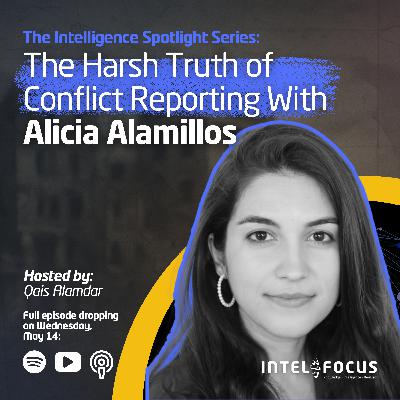
In this episode of the Intelligence Spotlight series, Qais Alamdar and Alicia Alamillos delve into the complexities of conflict reporting. They discuss the critical role of journalists in war zones, the ethical dilemmas they face, and the importance of storytelling in conveying the human experience of conflict. Alicia shares her personal experiences from the field, highlighting the challenges of navigating disinformation and the impact of her field experience on her editorial decisions. The conversation also touches on the evolving landscape of journalism and offers valuable advice for aspiring journalists.Chapters00:00 The Reality of Conflict Reporting03:34 Alicia Alamillos: A Journey Through Conflict Zones08:38 The Importance of Context in Storytelling11:51 Ethical Dilemmas in Conflict Journalism18:08 Navigating Disinformation and Propaganda21:00 The Crisis of Trust in Journalism24:04 Challenges of Reporting in Conflict Zones26:46 The Role of OSINT in Modern Journalism28:37 Field Experience Shaping Editorial Decisions35:18 Navigating the Future of Journalism
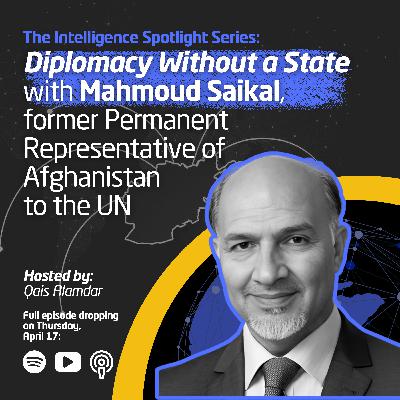
In this episode of The Intelligence Spotlight, Qais Alamdar hosts Ambassador Mahmoud Saikal, Afghanistan’s former Permanent Representative to the United Nations and Deputy Foreign Minister for Economic Affairs. From his early dream of becoming an architect to navigating the highest corridors of diplomacy, Ambassador Saikal shares personal reflections and political insights that cut through the noise. The conversation spans the meaning of soft power in a post-conflict state, the Afghan diaspora’s fragmented efforts, the enablers of effective diplomacy, and the painful lessons of missed opportunities during the Republic era. Saikal underscores the need for strategic resistance, internal legitimacy, and a sober review of the past 20 years to avoid repeating old mistakes. Through calm conviction, he reminds us that Afghanistan’s future must be built through resistance and a commitment to governance, unity, and people-centred strategy.

The first virtual panel of the Intelligence Spotlight series features two distinguished guests from Italy and the UK. Guest speakers bio:Nick Vant is a UK Fact-Checking Producer at Reuters Fact Check – Reuters news agency’s specialised fact-checking unit within its editorial department. He investigates cases of online mis- and disinformation with a focus on UK social media users. Before joining Reuters in mid-2023, Nick worked as a researcher on a range of global and social issues, including misinformation and media consumption habits.Leila Belhadj Mohamed is a freelance geopolitical journalist and board member of Privacy Network. She specialises in migration, human rights, digital rights, and the geopolitics of Africa and Southwest Asia. Leila is also a transfeminist activist, contributing to various podcasts and radio programs to discuss complex social issues. In this panel, both panellists shared their insights as journalists and fact-checker and also some important tips for everyone actively consuming news online.The panel was moderated by Qais Alamdar, founder of Intel Focus and OSINT analyst.
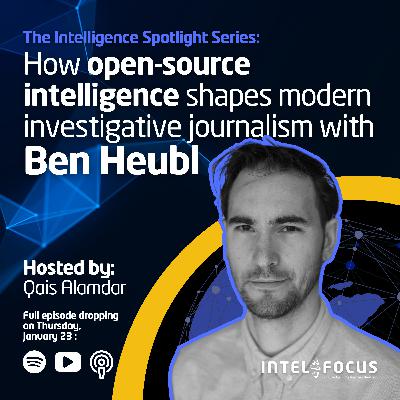
In this episode of the Intelligence Spotlight Series, hosted by Qais Alamdar, we are joined by Ben Heubl, an esteemed investigative journalist at Süddeutsche Zeitung. Ben delves into his journey with open source intelligence (OSINT) and how he utilizes these techniques to uncover critical stories on global security, human rights, and environmental issues.
From his early days at The Economist and Financial Times to his current role in Germany, Ben shares insights into the evolving field of OSINT, the ethical principles guiding investigations, and the tools and methodologies that drive successful journalism.
Join us for an insightful conversation on the power of OSINT in modern investigative reporting.
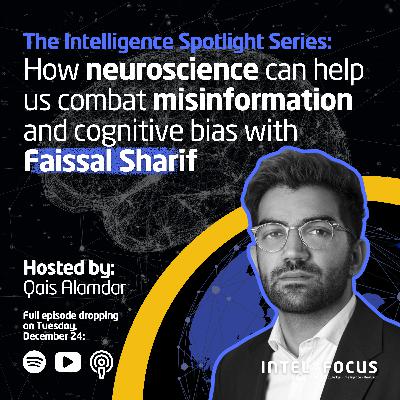
In this episode of the Intelligence Spotlight Series, host Qais Alamdar welcomes Faissal Sharif, a neuroscientist at the University of Oxford. Faissal discusses his journey into neuroscience, his work on neurotechnology's role in mental health, and the platform he co-founded for BIPOC communities. The conversation delves into cognitive biases, the effects of stress and anxiety on decision-making, and the ethical implications of emerging neurotechnologies. Join us for a deep dive into how neuroscience can bridge science, society, and digital health.
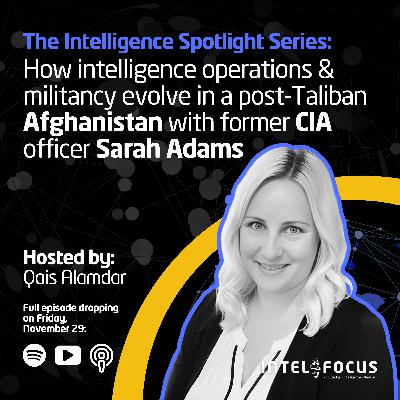
In this episode of the Intelligence Spotlight series, Qais Alamdar welcomes Sarah Adams, a renowned national security expert and former CIA targeting officer. Join us as Sarah delves into her extensive career in counterterrorism focusing on the Taliban, Afghanistan, and Al Qaeda. She provides insights into her role in the CIA, the intricacies of targeting operations, and the importance of open-source intelligence. Sarah also discusses the complex dynamics in Afghanistan post-Taliban takeover, the roles of various global players, and the intertwined relationships of militant groups in the region. Gain a deeper understanding of the ongoing evolving threats and the strategic responses needed to combat them. Don't miss this enlightening discussion with one of the leading minds in national security.
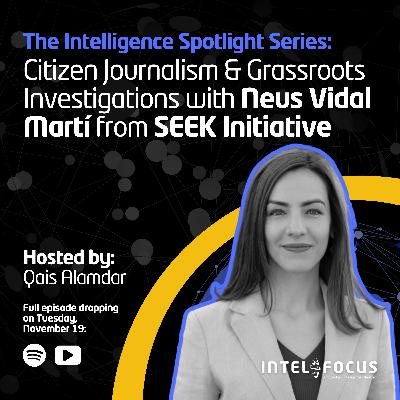
In this episode of the Intelligence Spotlight Series, host Qais Alamdar interviews Neus Vidal Martí, Executive Director of the Seek Initiative, journalist, and political scientist. Neus shares her career journey from investigative journalism to leading an organisation that empowers citizen journalists and grassroots investigators. She discusses the importance of access to information, media freedom, and the public interest, providing practical tips for aspiring investigators. Neus also highlights the challenges of maintaining credibility and ethics in grassroots investigations and calls for greater harmonisation of Freedom of Information laws in Europe.
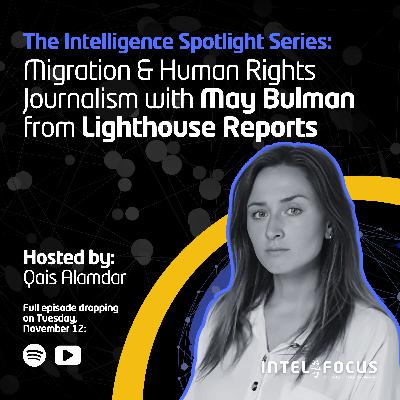
In this episode of the Intelligence Spotlight series, hosted by Qais Alamdar, we feature renowned journalist May Bulman, the Investigations Editor at Lighthouse Reports. With a prolific background in reporting on migration, human rights, and government accountability, May shares her journey from early writing pursuits to impactful investigative journalism. She discusses her work on crucial topics, from systemic injustices within the UK's asylum and welfare systems to EU-funded deportations in Turkey. May also highlights the importance of perseverance, humane reporting, and the invaluable role of OSINT (Open Source Intelligence) in uncovering the truth.
Join us for an enlightening conversation that delves into the challenges and principles of investigative journalism.
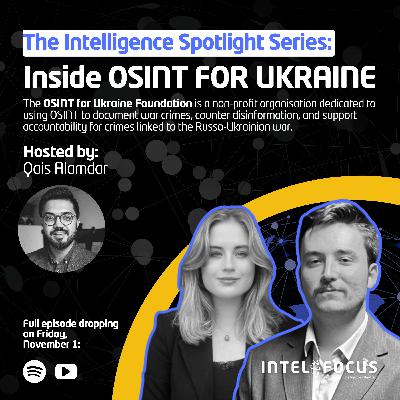
In this episode of the Intelligence Spotlight Series, hosted by Qais Alamdar, we explore the impactful work of OSINT for Ukraine, a nonprofit foundation dedicated to using open-source intelligence to document war crimes, counter disinformation, and support accountability related to the Russo-Ukraine war. Founded in 2022, the organization collaborates with other investigative bodies to verify and archive evidence for future legal proceedings and historical documentation. Featuring conversations with Deniz Dirisu, Chairman and General Director, and Janthe van Schaik, co-Director of the Center for Influence and Disinformation, this episode delves into their personal journeys, the foundation’s projects like Project Mariupol, and the innovative methodologies they employ to achieve their mission. Discover how OSINT for Ukraine supports justice, transparency, and truth in one of the most challenging conflicts of our time.
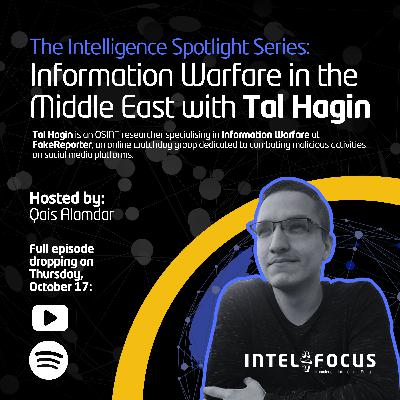
Decoding Digital Deception: Mastering OSINT and Combating Misinformation
Join us in this compelling episode of the Intelligence Spotlight series as we explore the captivating realm of Open Source Intelligence (OSINT) with expert Tal Higgins. Discover the intricacies of analysing digital communication in conflict zones and the crucial role of social media platforms like Telegram in modern psychological warfare, particularly within the Israel-Palestine conflict. Tal delves into the distinctions between misinformation, disinformation, and malinformation, offering insight into the challenges faced by researchers in debunking false narratives. We also discuss the growing impact of AI-generated content, the responsibilities of information consumers, and the critical balance between government regulation and personal accountability. Equip yourself with practical tips for verifying information online using tools like Google Lens and learn about the importance of fact-checking in today's digital age. This episode underscores the evolving tactics of misinformation and the collective efforts needed to safeguard the integrity of public perception.
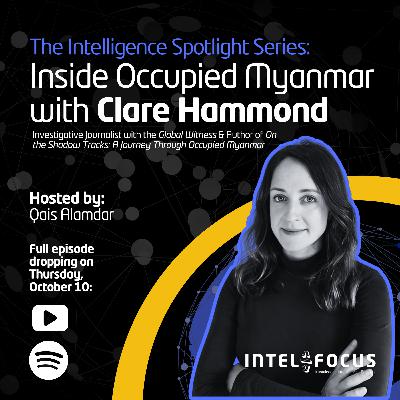
In this episode of the Intelligence Spotlight series, hosted by Qais Alamdar, investigative journalist Clare Hammond shares her journey and insights into open-source intelligence (OSINT), focusing on her experiences in Myanmar.
Clare discusses her career path, influenced by her parents' work in Zambia, and her academic awakening to the troubled history of British colonialism. With her work at Global Witness, Clare delves into natural resource conflicts, tackling issues like rare earth mining funding the military junta in Myanmar. Her acclaimed book, 'On the Shadow Tracks,' sheds light on Myanmar's secretive railway lines and the nation's complex history. Clare's exploration is a blend of rich storytelling and investigative journalism, providing an in-depth understanding of the challenges and intricacies journalists face in underreported regions.
Her advice to aspiring journalists stresses collaboration and the importance of local expertise in navigating sensitive, inaccessible areas.

Comments

Download from Google Play

Download from App Store
 United States