


 Claim Ownership
Transplant Talks
Subscribed: 0Played: 35
Subscribe

© 2024 Transplant Talks
Description
In Transplant Talks, psychiatrist and living liver donor, Rachel Davis, MD and Anastasia Henry, Executive Director of the American Transplant Foundation, interview living donors, healthcare experts, and transplant recipients to bring you stories of courage, hope, and innovation in the world of organ transplantation. These stories will demystify the process of living liver and kidney donation and debunk common organ donation myths. Organ transplantation changes lives every day, and Transplant Talks shines a light on some of the most incredible stories in the Transplant world.
28 Episodes
Reverse

🎙️In this episode of Transplant Talks, living liver donor Maureen Carrig shares the deeply personal story behind her decision to donate. After hearing about the critical need for pediatric liver transplants at Children’s Hospital Colorado, Maureen felt moved to act—and made her decision within just a few days. She describes the nerves of telling people, the weight of choosing something so life-altering, and the quiet certainty that kept her moving forward.
Maureen ended up donating to an adult and was one of the first donors at her center to undergo robotic right lobe donation using the Da Vinci system—resulting in tiny incisions that “look almost like pinpricks,” in stark contrast to the full midline incision co-host Rachel Davis experienced during her own donation. Together, Rachel and Maureen compare their recoveries: the upper back and shoulder pain from laparoscopic gas inflation versus the intense incisional pain of open surgery, and the shared challenge of overwhelming fatigue as their livers regenerated. Early recovery was difficult for both—walking even half a block was initially exhausting.
They discuss the emotional impact of donation, the importance of strong caregivers, and the unexpected ways the experience reshaped their lives. Rachel talks about feeling empowered by what her body could do, eventually running five half-marathons. Maureen reflects on how she has exchanged letters with her recipient, while Rachel has met hers in New Mexico. Both donors say without hesitation that they would do it again.
As Maureen puts it: “I thought I was doing something positive for someone else. I didn’t realize how much it would benefit me as well.”
For more information on organ transplantation:
https://www.americantransplantfoundation.org
https://www.livingliverdonation.com
Follow us on social media: https://www.instagram.com/american_transplant_foundation/ https://www.facebook.com/AmericanTransplantFoundation/ https://www.tiktok.com/@americantransplant https://x.com/amertransplant
💚If you are interested in sponsoring an episode, reach out to Rachel.Davis@CUAnschutz.edu

🎙️⭐Don't forget to 👍🏻and subscribe!
🚁When flight nurse Dave lifted off for what seemed like a routine helicopter transport, he had no idea it would end in catastrophe. Moments after takeoff, the helicopter crashed—killing the pilot, leaving Dave with burns over 90% of his body, and injuring his partner, who managed to scramble out. Dave was airlifted once again—this time as the patient—to a burn center where doctors gave him a negative 140% chance of survival. After 397 days in the hospital, countless surgeries, dialysis, and the loss of circulation to his limbs, Dave defied every medical prediction. He spent 5½ months in a coma, waking up unable to move or speak—a nightmare come true for both him and his wife, Amanda, who is also a nurse. Amanda was by his side every single day, advocating, hoping, and helping him find strength when he couldn’t see it himself.
Dave’s first words were, “I want to die.” But the next morning, when he realized he could move and speak, he made a choice—to fight. From that moment, he and his wife built a path forward together. For nearly a year, Dave hovered at death’s door, facing every imaginable complication and losing half his body weight. When his kidneys failed, an acquaintance named Matt—“he barely even knew me, just knew my name”—stepped up as a living donor, giving Dave the gift of life once again.
Today, Dave and his wife are powerful advocates for burn survivors, living donation, and helicopter safety, determined that no one else should have to go through what they did. They’ve turned tragedy into purpose, finding meaning and grace in survival itself.
“It helps us heal every time we tell our story.”
“When you recognize you’ve been given a gift—you get to go forward.”
Now back to driving, hiking, and running rivers in an inflatable kayak, Dave continues to redefine what it means to survive—and to truly live.
Also listen on Spotify or Apple Podcasts: https://open.spotify.com/show/6yPv16c... https://podcasts.apple.com/us/podcast...
For more information on organ transplantation: https://www.americantransplantfoundat... https://www.livingliverdonation.com
Follow us on social media: / american_transplant_foundation / americantransplantfoundation / americantransplant https://x.com/amertransplant

https://strengthofmyscars.com/
🎙️Today’s guest, Dr. Baimas-George, describes her transplant surgery fellowship as the hardest challenge of her career — one that brought her face to face with the full spectrum of organ donation, including the extraordinary commitment of living donors who undergo surgery they don’t medically need. She calls it “controlled mutilation” — a deliberate act of harm to the body, transformed into the gift of life for someone else.
Beyond the operating room, she is equally passionate about correcting myths and misconceptions around organ donation — like sensational claims that registered donors won’t receive full medical care. In reality, donation often brings patients and families profound comfort.
Her story also has a creative twist. During residency, Dr. Baimas-George began writing and illustrating children’s books to help young patients understand their procedures. When publishers weren’t interested, she proved the impact herself with a randomized controlled trial showing that her illustrated books reduced anxiety for kids and caregivers. Since then, she’s authored more than 40 books for children and adults, expanding her mission to tackle one of medicine’s biggest blind spots: health literacy. In the U.S., too many pamphlets and handouts are written at levels patients can’t easily understand — and in transplant, low health literacy leads to worse outcomes.
In this episode, Dr. Baimas-George reflects on the demands of transplant surgery and how creativity can make healthcare clearer and more humane for patients and families. 🎨🖌️⚕️
For more information on organ transplantation: https://www.americantransplantfoundation.org
Follow us on social media:
https://www.instagram.com/american_transplant_foundation/ https://www.facebook.com/AmericanTransplantFoundation/ https://www.tiktok.com/@americantransplant https://x.com/amertransplant
💚If you are interested in sponsoring an episode, reach out to Delaney@americantransplantfoundation.org💚
👍Don't forget to like and subscribe! 💚
🎙️In this powerful episode of #TransplantTalks we hear from Kelsey, who was diagnosed with medullary cystic kidney disease at just 17 years old after routine lab work before college revealed she was already in kidney failure. Forced to delay college and begin hemodialysis, Kelsey's journey began with a selfless act from her father, Steve, who became her first kidney donor. When her body rejected his kidney—a devastating blow—Steve channeled his heartbreak into determination, launching a mission to find another perfect match. Kelsey’s path wasn’t easy. Her immune system rejected two more kidneys from living donors before a stranger, moved by a billboard sharing her need, donated the kidney that has now sustained her for nine years. Throughout it all, Kelsey’s resilience shone through. “I just had to keep pushing forward,” she says—a mindset that continues to guide her in her current role as a social worker in a dialysis center, supporting others through the same challenges she once faced. This episode is a testament to perseverance, family love, and the power of strangers to change lives.
💚If you are interested in sponsoring an episode, reach out to Delaney@americantransplantfoundation.org.💚
In this powerful and deeply personal episode, we sit down with Dr. Jeff Druck, an emergency medicine physician and Vice Chair for Faculty Advancement, Transformation, and Wellbeing at The University of Utah. Dr. Druck shares his experience with depression, including the months it took him to recognize that something was wrong, and the painful reality of having suicidal thoughts. He sheds light on the stigma that continues to silence many healthcare professionals and explains how his drive to continue practicing medicine ultimately kept him going.
Dr. Rachel Davis, psychiatrist at University of Colorado Anschutz and living liver donor, also opens up about her own experiences with OCD and depression, discussing the cultural and professional barriers that made it difficult to seek help. Together, they explore the complex intersection of burnout and mental illness, and the very real fears clinicians face about potential repercussions on licensure when they disclose a diagnosis.
Adding another dimension to the conversation, Anastasia Henry, Executive Director of the American Transplant Foundation and co-host of the Transplant Talks podcast, shares her insights into burnout among nonprofit professionals. She highlights the emotional toll of mission-driven work and the silence that often surrounds mental health challenges in the nonprofit sector. Anastasia emphasizes the importance of proactive stress management strategies.
https://www.vibrantlifeunlocked.com/newsletter/
This episode also touches on a disheartening reality: after reaching out to over 100 transplant professionals, not one felt safe enough to publicly share their own struggles with depression or other mental illness. Why is it still so hard to talk about this?
We dive into what needs to change—how to truly destigmatize mental illness in medicine and nonprofit work, and what institutions can do to support medical students, nonprofit professionals, and practicing clinicians alike.
💚If you are interested in sponsoring and episode, reach out to Delaney@americantransplantfoundation.org
https://drlornabreen.org/
https://drlornabreen.org/removebarriers
https://988lifeline.org
https://www.fsphp.org/physician-suicide-prevention-resources
🎙️Don't forget to like and subscribe!👍🎙️💚
The day after her 50th birthday - also the day after she was convinced she was going to die - Kerre received the gift of life: a liver transplant. Her diagnosis was elusive, with her doctors suspecting Wilson’s disease, a rare condition that usually presents in childhood. Despite the uncertainty and the gravity of her illness, Kerre’s mindset never wavered. Kerre has been accused of having “toxic positivity,” but her optimism has served her well in life - as a senior executive and mother, and recently, through her diagnosis of end-stage liver disease and transplant journey. Now, she uses her experience to support and inspire others, and she’s become a passionate advocate for organ donation.
💚If you're interested in sponsoring the Transplant Talks podcast, please reach out to Delaney@americantransplantfoundation.org💚
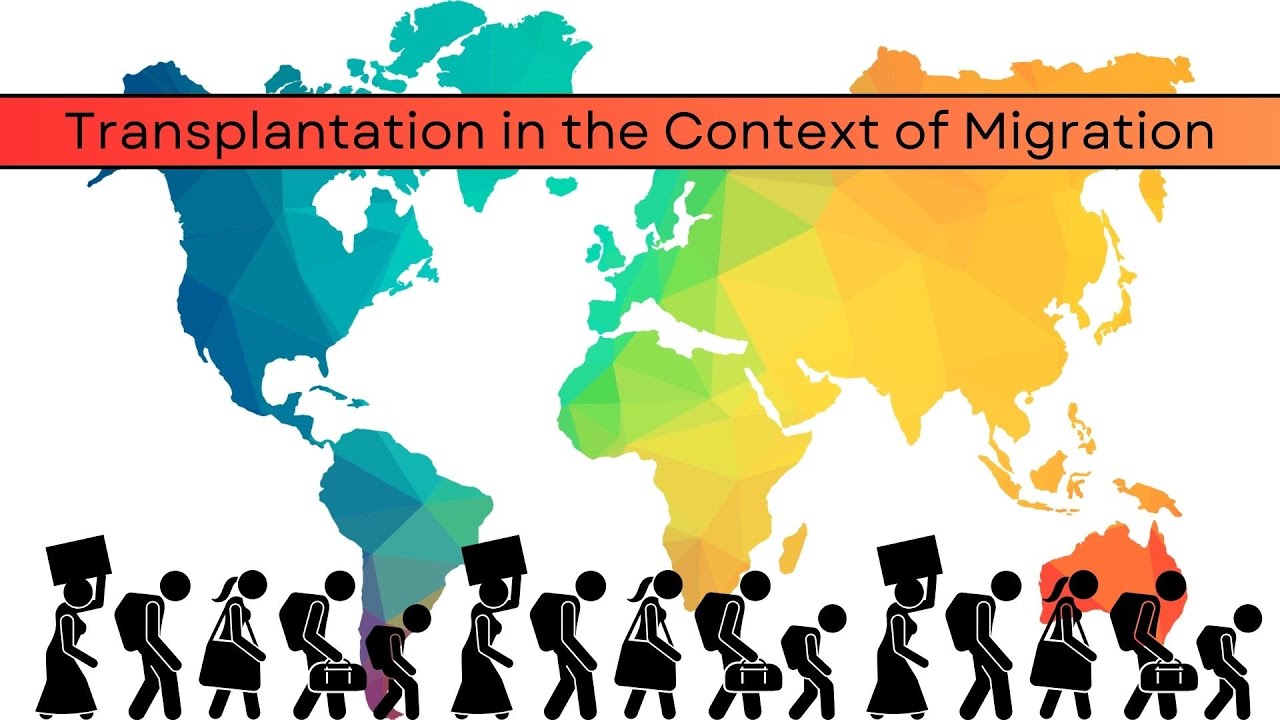
In this episode, Dr. Sixto Giusti joins us for an important conversation about the critical yet controversial topic of transplantation in the context of migration, with a particular focus on undocumented immigrants in the United States. Sixto Giusti, MD, FASN is Associate Professor of Medicine in the Division of Renal Diseases and Hypertension and Director of the Hispanic Transplant Clinic.
The number of forcibly displaced people has been rising for the past two decades, reaching 117.3 million by the end of 2023. People flee their home countries due to war, violence, persecution, human rights violations, and public unrest, and mass migration presents significant challenges to healthcare systems worldwide. Among these challenges, the impact of end-stage organ disease in migrant populations is profound, raising complex medical, ethical, and policy questions.
Dr. Giusti challenges several common myths surrounding transplantation in non-citizen U.S. residents, including:
🔹 "They don’t contribute to the system, so why should they get access to organs?"
🔹 "Allowing non-citizens into the transplant system will reduce access for U.S. citizens."
🔹 "Non-citizens will have poor transplant outcomes due to inadequate post-transplant care."
🔹 "Migrants are crossing the border just to seek transplants or treatment."
Drawing from global experiences in managing transplantation for refugees, Dr. Giusti explores how different countries approach organ allocation and provides insights into how Colorado is addressing healthcare access for non-U.S. citizens with end-stage organ disease.
Join us as we navigate the intersection of ethics, policy, and medicine, examining what is fair, what is financially responsible, and what the future holds for transplantation in migrant populations.
💚If you're interested in sponsoring the Transplant Talks podcast, please reach out to delaney@americantransplantfoundation.org💚
🎙️leave a review: https://tinyurl.com/5bp9ytx
👍Don't forget to like and subscribe!
In this episode of @TransplantTalks-Podcast Dr. Sixto Giusti of @CUAnschutz and @UniversityofColoradoHealth joins us for an important conversation about the critical yet controversial topic of transplantation in the context of migration, with a particular focus on undocumented immigrants in the United States. Sixto Giusti, MD, FASN is Associate Professor of Medicine in the Division of Renal Diseases and Hypertension and Director of the Hispanic Transplant Clinic. @CUAnschutzDOM
The number of forcibly displaced people has been rising for the past two decades, reaching 117.3 million by the end of 2023. People flee their home countries due to war, violence, persecution, human rights violations, and public unrest, and mass migration presents significant challenges to healthcare systems worldwide. Among these challenges, the impact of end-stage organ disease in migrant populations is profound, raising complex medical, ethical, and policy questions.
Dr. Giusti challenges several common myths surrounding transplantation in non-citizen U.S. residents, including:
🔹 "They don’t contribute to the system, so why should they get access to organs?"
🔹 "Allowing non-citizens into the transplant system will reduce access for U.S. citizens."
🔹 "Non-citizens will have poor transplant outcomes due to inadequate post-transplant care."
🔹 "Migrants are crossing the border just to seek transplants or treatment."
Drawing from global experiences in managing transplantation for refugees, Dr. Giusti explores how different countries approach organ allocation and provides insights into how Colorado is addressing healthcare access for non-U.S. citizens with end-stage organ disease.
Join us as we navigate the intersection of ethics, policy, and medicine, examining what is fair, what is financially responsible, and what the future holds for transplantation in migrant populations.
@americantransplant
💚If you're interested in sponsoring the Transplant Talks podcast, please reach out to delaney@americantransplantfoundation.org💚
Also listen on @Spotify or @Apple podcasts:
https://open.spotify.com/show/6yPv16c6bl9Al4oYs6Iqih?si=0db7c872ef9c42a2
https://podcasts.apple.com/us/podcast/transplant-talks/id1775090608
For more information on organ transplantation: https://www.americantransplantfoundation.org www.livingliverdonation.com
Follow us on social media:
https://www.instagram.com/american_transplant_foundation/ https://www.facebook.com/AmericanTransplantFoundation/ https://www.tiktok.com/@americantransplant https://x.com/amertransplant
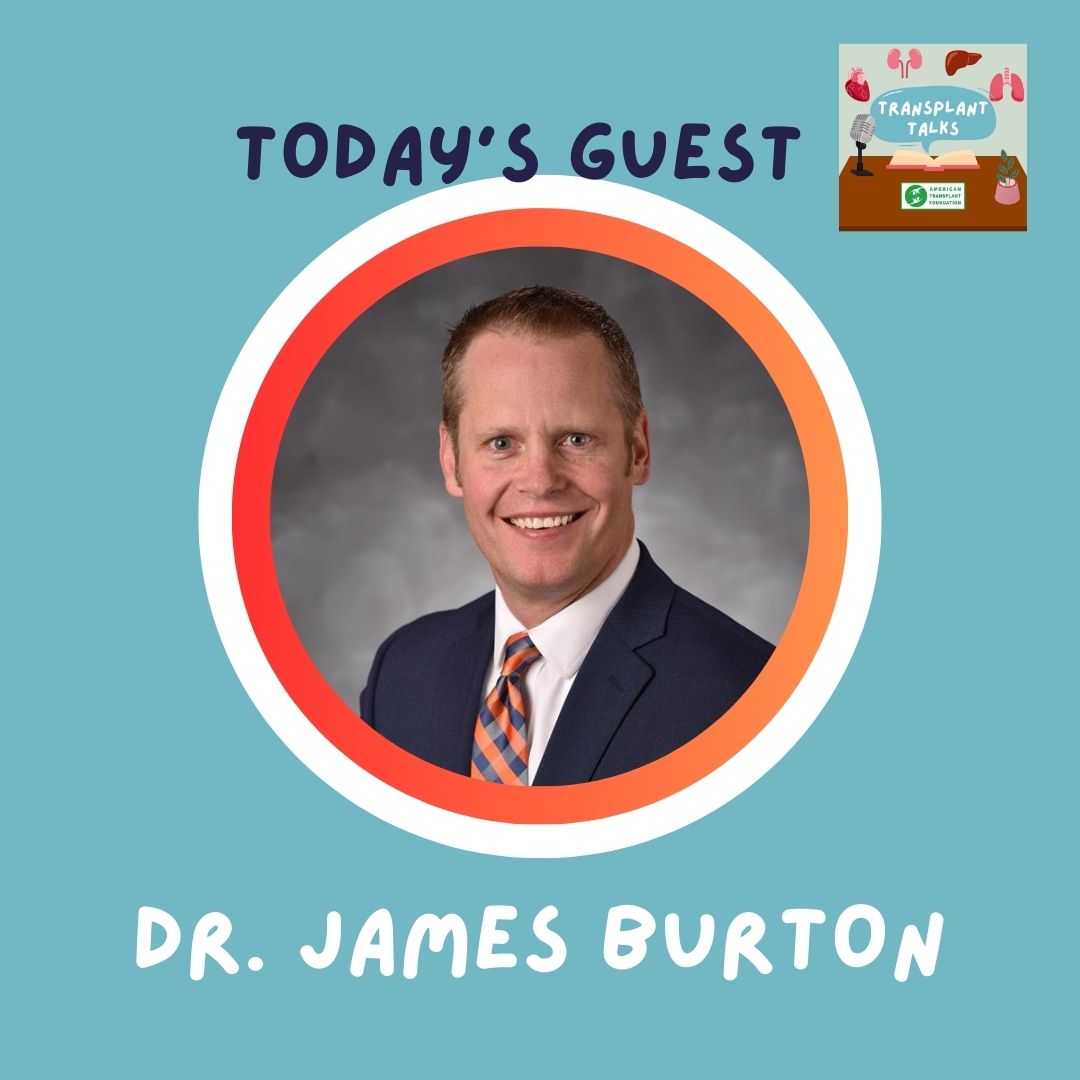
In this episode of Transplant Talks, @CUAnschutz liver expert, Dr. James Burton talks with us about all things liver related. Have you ever wondered how alcohol leads to liver damage? Or if binge drinking is as bad as daily drinking? What about liver cleanses - are they any good? Is acetaminophen safe when you already have liver disease? How about ibuprofen? And much more! #hepatology #liverhealth @americantransplant
Alcohol-related health tools:
https://auditscreen.org/check-your-drinking/
https://www.cdc.gov/alcohol/php/online-tools/index.html
For more information on organ transplantation: https://www.americantransplantfoundation.org https://www.livingliverdonation.com
Follow us on social media:
https://www.instagram.com/american_transplant_foundation/ https://www.facebook.com/AmericanTransplantFoundation/
https://www.tiktok.com/@americantransplant
https://x.com/amertransplant
In this episode of Transplant Talks, @CUAnschutz liver expert, Dr. James Burton talks with us about all things liver related. Have you ever wondered how alcohol leads to liver damage? Or if binge drinking is as bad as daily drinking? What about liver cleanses - are they any good? Is acetaminophen safe when you already have liver disease? How about ibuprofen? And much more!
#hepatology #liverhealth @americantransplant
Alcohol-related health tools:
https://auditscreen.org/check-your-drinking/
https://www.cdc.gov/alcohol/php/online-tools/index.html
Also listen on Spotify or Apple Podcasts: https://open.spotify.com/show/6yPv16c6bl9Al4oYs6Iqih?si=0db7c872ef9c42a2
https://podcasts.apple.com/us/podcast/transplant-talks/id1775090608
For more information on organ transplantation: https://www.americantransplantfoundation.org
https://www.livingliverdonation.com
Follow us on social media:
https://www.instagram.com/american_transplant_foundation/ https://www.facebook.com/AmericanTransplantFoundation/ https://www.tiktok.com/@americantransplant https://x.com/amertransplant

Emma is 31 years old and a native of Florida. She had worked as a bar manager for most of her adult life. She describes, “I always was too enthusiastic of a drinker and drank more than my friends,” but things got worse during COVID. It was difficult to be home for months, and she found herself just doing shot after shot all day. After COVID, she quit drinking on and off but kept falling back into binge drinking. She would drink around the clock, get very sick, and then stop for a bit. She started having symptoms of liver disease but didn’t really know much about this and convinced herself they were “normal,” even when she started turning yellow, couldn’t stop vomiting, and became so confused she couldn’t do her job. She finally went to the emergency room when she was having trouble breathing. Her oxygen saturation was 54%, which is dangerously low, and she had a bloodstream infection, basically on the brink of death. She was told her only chance of survival was a liver transplant, and she didn’t leave the hospital until this happened. Her team at Tampa General Hospital took a chance on her because it’s still not common to do transplants in people who don’t have an extended period of sobriety – Emma had less than two months.
Emma didn’t have a lot of (or any) time to learn new coping strategies. She found the help of her therapist, support groups, and a recovery app invaluable. “I never thought about drinking again. It was kind of like a switch flipped.” She immediately started doing advocacy work while she was recovering and is now a mentor with the American Transplant Foundation, an advocate for the American Liver Foundation, and an Ambassador for UNOS. She is determined to fight the stigma and raise awareness so people don’t have to suffer alone or feel such immense shame, like she did. She has been writing back and forth with her donor’s family, and they are planning to meet. She feels immense gratitude for her young donor but also guilt. She manages all the uncertainty of having a transplant by noticing what she can do instead of can’t do.
“My life is so full now…now I don’t do anything that doesn’t make my life feel full.”
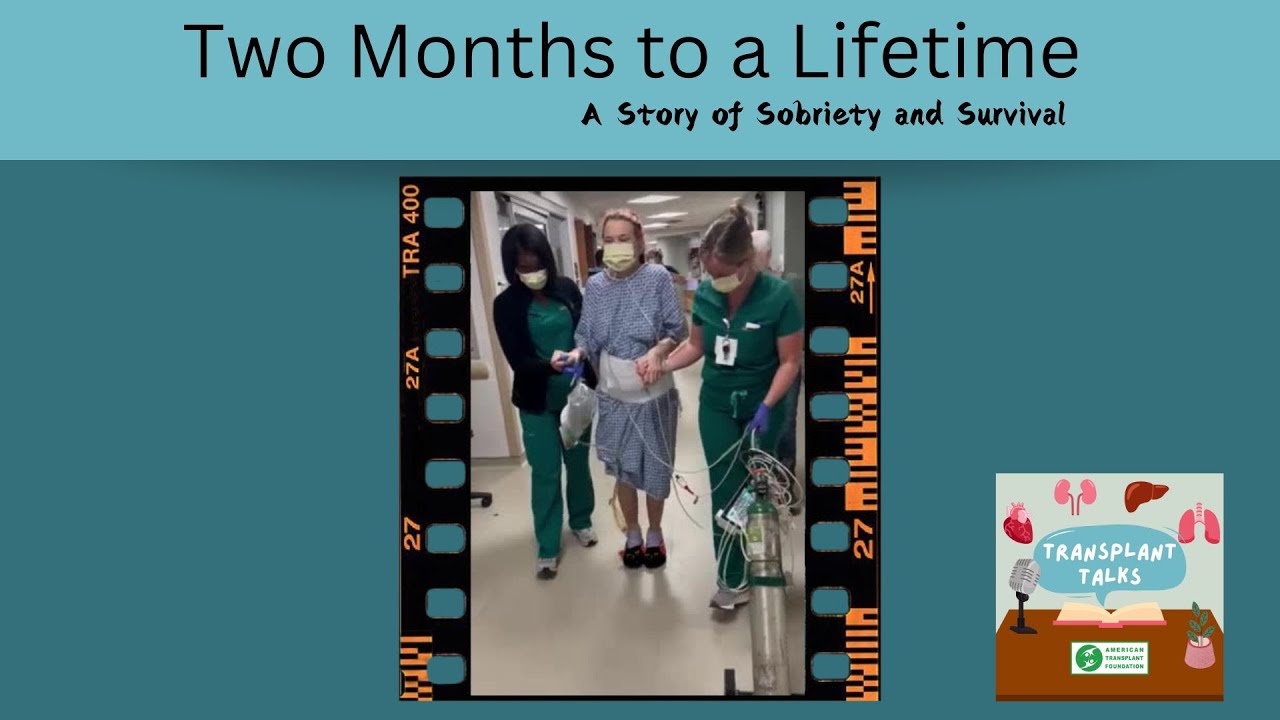
Emma is 31 years old and a native of Florida. She had worked as a bar manager for most of her adult life. She describes, “I always was too enthusiastic of a drinker and drank more than my friends,” but things got worse during COVID. It was difficult to be home for months, and she found herself just doing shot after shot all day. After COVID, she quit drinking on and off but kept falling back into binge drinking. She would drink around the clock, get very sick, and then stop for a bit. She started having symptoms of liver disease but didn’t really know much about this and convinced herself they were “normal,” even when she started turning yellow, couldn’t stop vomiting, and became so confused she couldn’t do her job. She finally went to the emergency room when she was having trouble breathing. Her oxygen saturation was 54%, which is dangerously low, and she had a bloodstream infection, basically on the brink of death. She was told her only chance of survival was a liver transplant, and she didn’t leave the hospital until this happened. Her team at @tampageneralhospital took a chance on her because it’s still not common to do transplants in people who don’t have an extended period of sobriety – Emma had less than two months.
Emma didn’t have a lot of (or any) time to learn new coping strategies. She found the help of her therapist, support groups, and a recovery app invaluable. “I never thought about drinking again. It was kind of like a switch flipped.” She immediately started doing advocacy work while she was recovering and is now a mentor with the American Transplant Foundation, an advocate for the American Liver Foundation, and an Ambassador for UNOS. She is determined to fight the stigma and raise awareness so people don’t have to suffer alone or feel such immense shame, like she did. She has been writing back and forth with her donor’s family, and they are planning to meet. She feels immense gratitude for her young donor but also guilt. She manages all the uncertainty of having a transplant by noticing what she can do instead of can’t do.
“My life is so full now…now I don’t do anything that doesn’t make my life feel full.”
@americantransplant
Check out this list of recovery resources that she compiled: https://linktr.ee/elillibridge?fbclid=PAZXh0bgNhZW0CMTEAAab5o2lL1-cdFYPQRMJy3Ns9mqsAwlOcsY8lJiFlPvzsTFlRLeEhRxz8mY_aem_KmL_bcgC7DHIzg1YvsnELg
Also listen on Spotify or Apple Podcasts: https://open.spotify.com/show/6yPv16c6bl9Al4oYs6Iqih?si=0db7c872ef9c42a2
https://podcasts.apple.com/us/podcast/transplant-talks/id1775090608
For more information on organ transplantation: https://www.americantransplantfoundation.org www.livingliverdonation.com
Follow us on social media:
https://www.instagram.com/american_transplant_foundation/ https://www.facebook.com/AmericanTransplantFoundation/ https://www.tiktok.com/@americantransplant https://x.com/amertransplant
Matison Deaton is a remarkable woman, with perseverance that most cannot even imagine. She was diagnosed with cystic fibrosis when she was 1 1/2 years old, so her life was filled with lots of doctors’ appointments and all kinds of things that kids just shouldn’t have to experience. She knew from a young age that she may one day need a lung transplant. Her doctors didn’t tell her she had kidney disease – she found out from her “after-visit summary” and later learned she would need both a double lung and a kidney transplant. Mattie also found out from her notes that she was estimated to have 5-7 years left to live. It was 6 years into this span that she finally found a transplant center willing to take a risk, the University of California at San Francisco (UCSF). This was only after being rejected 13 times from other centers, due to being thought to be “too high risk” because she had a multi-drug-resistant lung infection. Mattie says that it was almost “out of spite” that she kept trying…and because she didn’t want others to have to go through what she did. “One day, you guys could be wrong.” And they were.
Mattie offers insight into what it is like to navigate the complex emotions of receiving a gift that is someone else’s loss…to feel excitement and hope mixed with grief that is not her own. Recovery was so difficult that, at one point, she felt regret. But, about 6 months later, she was moving forward. She describes what it is like now to be able to change her own sheets, to laugh without worrying about vomiting, and finally, to dance. She also talks about navigating the uncertainty of figuring out how to build a life that is not just filled with illness.
For more information on organ transplantation:
https://www.americantransplantfoundation.org
www.livingliverdonation.com
Follow us on social media:
https://www.instagram.com/american_transplant_foundation/
https://www.facebook.com/AmericanTransplantFoundation/
https://www.tiktok.com/@americantransplant
https://x.com/amertransplant
Nic grew up around airplanes his entire childhood - his parents started a charter company right after he was born. He has always wanted to learn to fly, but he was diagnosed with a rare heart condition that required open heart surgery at the age of 15. This meant he was unable to get a pilot medical certificate, so he pursued a sports pilot's license to fly for fun. He became a nurse practitioner and has been working in an ER in rural Iowa for the last 5 years. After years of good health and lots of testing, he was approved for a flight medical certificate. After completing many levels of training, he and his father took their first organ transplant flight. He says, "After that, we were sold on flying with a purpose." In 2023, he and his father transported 243 organs for transplantation.
For more information on organ transplantation:
https://www.americantransplantfoundation.org
Instagram
Facebook
TikTok
X
Mariela started dancing when she was 12 years old in Ecuador. She trained in the conservatory and then moved to New York City to attend the Martha Graham School of Contemporary Dance. For her, dancing is like breathing, is part of her culture, and is a way of meditation. In 2014, she ended up in the hospital with liver problems, but no one really knew what was going on. Mariela and her family thought it might be related to her emotions and sadness, “something from the soul.” After years of mysterious symptoms on and off, she was eventually diagnosed with autoimmune hepatitis. Mariela shares her difficulty navigating the U.S. healthcare system and what it is like to be someone with chronic illness in a society that doesn’t understand and where healthcare is not a basic right. At first, she didn’t want a transplant – she didn’t feel deserving, and she didn’t want to be cut open. But she realized how much her students and sister were hurting, and “I realized how much I was loved. Love made me change my decision.” By the time she was listed for a transplant, she only had to wait 2 weeks until being matched with a deceased donor liver. She describes her transplant as a series of miracles for which she is very grateful.
For more information on organ transplantation:
https://www.americantransplantfoundation.org
Instagram
Facebook
TikTok
X
Mike is a business owner, tattoo artist, and marathoner. He ran the Boston Marathon just 32 days after donating his kidney to a stranger. The same strength and determination that led Mike to pursue sobriety more than ten years ago led him to not even think twice when he learned his friend and running buddy needed a kidney. He donated a kidney anonymously at University of Colorado Hospital to receive a voucher from the National Kidney Foundation which moved his friend to the top of the waitlist for a kidney from a matching living donor. He says, "It felt right...I had no anxiety or hesitation."
For more information on organ transplantation:
https://www.americantransplantfoundation.org
Instagram
Facebook
TikTok
X
Casana Fink is an author, entrepreneur, Miss America Contestant, and organ donation advocate. Casana knows she wants to be a living donor at some point but isn't sure on the right timing. In this episode of Transplant Talks, co-hosts Anastasia Henry and Rachel Davis, MD, talk through this decision with Casana Fink. They discuss the differences between living kidney versus liver donation and explore various concerns and considerations.
For more information on organ transplantation:
https://www.americantransplantfoundation.org
Instagram
Facebook
TikTok
X
Miss Tampa, Casana Fink, is an author, entrepreneur, Miss America contestant, and organ donation advocate. After her father received an organ transplant in 2013, she has devoted herself to championing this cause. Anastasia Henry, Executive Director of the American Transplant Foundation joins psychiatrist and living liver donor, Rachel Davis, MD, to talk with Casana about her own experiences, her advocacy work, and some fun beauty tips!
For more information on organ transplantation:
https://www.americantransplantfoundation.org
Instagram
Facebook
TikTok
X
Lydia donated more than half of her liver to her childhood friend, Molly, just a few months ago. They are both incredible people, and their story is one of perseverance, strength, and the strongest kind of friendship. Due to their religious beliefs, they did not want to receive blood products, and they had the utmost confidence in their surgeon, Dr. Abhi Humar, and his team at University of Pittsburgh Medical Center.
For more information on organ transplantation:
https://www.americantransplantfoundation.org
Instagram
Facebook
TikTok
X

🎙️Audio only (Originally published April 9, 2024)
Season 1, Episode 6
Dr. Marsh, a professor of psychology and an altruism researcher at Georgetown University, collaborates with our Director of Psychological Services, Dr. Tyler Branagan, alongside our host and psychiatrist, Dr. Rachel Davis.
Together, they delve into the driving forces behind altruism and how it manifests in the actions of living donors!

Comments

Download from Google Play

Download from App Store
 United States