


 Claim Ownership
Other People's Money with Max Wiethe
Subscribed: 16Played: 516
Subscribe
Description
Other People's Money is the premier podcast about the business side of the fund management industry. Every week Max Wiethe sits down to learn from some of the best entrepreneurial fund managers about their experience launching and growing a fund management business. OPM is not a show about the next hot stock pick or big trade but an inside look at an opaque and misunderstood industry guided by real professional fund managers who've done it themselves.
Follow us on:
Max's Twitter: https://x.com/maxwiethe
OPM on Twitter: https://x.com/opmpod
Watch OPM and our Partner Show Monetary Matters on YouTube: https://www.youtube.com/channel/UCeyqw1Ns_cnhSJh5XvXPWgw
58 Episodes
Reverse
This episode is sponsored by Pictet Asset Management and its AI-enhanced equity ETFs.
Pictet AI Enhanced US Equity ETF (PQUS):
https://etf.am.pictet.com/pqus/?utm_campaign=usetf&cid=2826077237&utm_source=jfmv&utm_content=pquslp&utm_medium=podcast_02&utm_term=noterm
Pictet AI Enhanced International Equity ETF (PQNT):
https://etf.am.pictet.com/pqnt/?utm_campaign=usetf&cid=2715538577&utm_source=jfmv&utm_content=pqnt&utm_medium=podcast_02&utm_term=noterm
Max Wiethe sits down with Ben Topor, founder of Titan Capital Partners and author of Decoding the Software Landscape, to unpack the seismic shifts happening in the tech investment world. Topor explains how AI is commoditizing the software application layer and shares why the recent correction in software valuations makes this a prime time to invest. The conversation also delves into the booming secondary market, the structural differences between US and Israeli tech hubs, and how startups can build unbreachable AI-proof moats through distribution and proprietary data. Finally, Topor reveals the strategic tactics founders use to outmaneuver tech giants by moving in silence and misdirecting competitors.
Follow Ben Topor: https://x.com/ben_topor
Follow Max on X: https://x.com/maxwiethe
Follow Other People’s Money on:
Apple Podcast https://bit.ly/4e7QJ1M
Spotify https://bit.ly/3Yhaazi
YouTube https://bit.ly/3C63VXR
X https://x.com/opmpod
Timestamps:
00:00 Intro
02:10 Mapping the Software Landscape
03:45 What AI Changes in Software
09:13 AI Led M&A Wave
13:36 Valuations and Timing
15:34 Secondaries Liquidity Thesis
17:33 Pictet AI-Enhanced Equity ETFs
19:08 How Titan Buys Secondaries
21:07 Why Companies Stay Private
23:00 Finding Category Leaders
26:47 Reading Financial Symptoms
28:37 Mispriced Gems or Turnarounds?
31:25 Exit Paths Today
35:17 Investing in Israel
38:16 Cybersecurity Edge
41:08 Too Much Capital
43:38 AI Proof Moats
45:17 What Counts as Data
46:40 Private Credit Risks
50:36 Down Rounds Reframed
53:51 Titan’s Value Add
57:18 Competitive Maneuvering
01:02:37 Conclusion
This episode is sponsored by Pictet Asset Management and its AI-enhanced equity ETFs. Pictet AI Enhanced US Equity ETF (PQUS):
https://etf.am.pictet.com/pqus/?utm_campaign=usetf&cid=2826077237&utm_source=jfmv&utm_content=pquslp&utm_medium=podcast_02&utm_term=noterm
Pictet AI Enhanced International Equity ETF (PQNT):
https://etf.am.pictet.com/pqnt/?utm_campaign=usetf&cid=2715538577&utm_source=jfmv&utm_content=pqnt&utm_medium=podcast_02&utm_term=noterm
Emerging market outperformance is turning investors’ heads and in this episode of Other People’s Money, Robert Koenigsberger, CIO and founder of multi-billion dollar EM alternative asset manager Gramercy, explains why the macro environment has emerging markets looking more developed than some developed markets, particularly in how swiftly their central banks acted to combat inflation. He also explains how passive index investing can do damage to an emerging market portfolio and why the typical EM approach focusing on exposure is all wrong. Koenigsberger also dives into the structural advantages of emerging market private credit over its developed market counterparts, emphasizing the importance of local networks, senior secured collateral, and having a positive influence on corporate governance.
Follow Robert Koenigsberger on X: https://x.com/GramercyRK
Follow Max on X: https://x.com/maxwiethe
Follow Other People’s Money on:
Apple Podcast https://bit.ly/4e7QJ1M
Spotify https://bit.ly/3Yhaazi
YouTube https://bit.ly/3C63VXR
X https://x.com/opmpod
Timestamps:
00:00 Intro
00:36 Pictet AI ETFs
01:54 How EM Investing Evolved
02:48 Why EMs Outperformed
04:08 Debt vs Equity Returns
06:09 Policy Convergence EM vs. DM
08:33 Diversifying Beyond Dollar
11:30 EM Private Credit
14:57 Pictet AI ETFs
16:32 Why Borrowers Choose Private
21:06 Defining EM Alpha
25:23 Index Construction Pitfalls
28:57 True Distress and Asymmetry
33:14 China Property Deep Value
35:15 Picking Winners at Five Cents
38:33 Sovereign Timing Checklist
40:07 Sanctions and “Uninvestibility”
43:37 Structuring Downside Control
44:58 Creditor Groups Collaboration
48:55 Restructuring Deal Template
50:23 Warrants Windfalls Risks
53:19 Governance in Private Credit
59:02 Underwriting People Networks
01:02:43 Hedging Without Shorting
01:05:49 Allocator Case for EM Credit
01:08:40 Liquidity Myths and Cycles

This episode is sponsored by Pictet Asset Management and its AI-enhanced equity ETFs. Pictet AI Enhanced US Equity ETF (PQUS):
https://etf.am.pictet.com/pqus/?utm_campaign=usetf&cid=2826077237&utm_source=jfmv&utm_content=pquslp&utm_medium=podcast_02&utm_term=noterm
Pictet AI Enhanced International Equity ETF (PQNT):
https://etf.am.pictet.com/pqnt/?utm_campaign=usetf&cid=2715538577&utm_source=jfmv&utm_content=pqnt&utm_medium=podcast_02&utm_term=noterm
Join Max Wiethe on "Other People's Money" as he sits down with world-renowned performance coach Dr. Gio Valiante. Dr. Valiante has spent decades coaching elite performers, from PGA Tour champions like Jordan Spieth to legendary portfolio managers at Point 72 and Citadel. In this deep-dive podcast, Dr. Valiante pulls back the curtain on the psychology of the world’s most successful investors. He explains that top traders operate with the discipline and optimization of elite athletes—"investor athletes"—who must manage fear, detach from ego, and master their environment.
Follow Dr. Gio: https://x.com/GioValiante
Follow Max on X: https://x.com/maxwiethe
Follow Other People’s Money on:
Apple Podcast https://bit.ly/4e7QJ1M
Spotify https://bit.ly/3Yhaazi
YouTube https://bit.ly/3C63VXR
X https://x.com/opmpod
Timestamps:
00:00 Intro
00:42 Pictet ETFs
00:55 Why Pods Took Over
03:04 Culture and Incentives Matter
05:19 Fear in Trading Explained
08:53 Embarrassment and Risk Aversion
12:03 Playing to Win vs Not Lose
13:21 Elite Funds Audit Process
14:34 Regret and Missed Trades
19:21 Pictet AI ETFs
20:56 Detaching from Short Term PnL
22:21 Weekends Recovery for PMs
24:15 Handling Weekend News Cycles
28:41 Regulation Favors Big Platforms
32:30 Spinoffs Vs Bootstrapping
33:29 Bootstrapped Edge
34:33 Leaving Pod Shop Reality
36:05 Situated Cognition Explained
37:55 Culture Sparks Ideas
39:43 Mandates and Opportunity Cost
41:17 Ego Identity and Seat
45:04 Capital Cycles Perspective
48:46 Entitlement Versus Humility
54:39 Performance Hierarchy
57:57 Why Hedge Funds Matter
01:00:18 Masters Picks and Wrap
01:01:54 Pictet AI ETFs
Learn more about Teucrium’s CORN ETF (CORN) here: https://teucrium.com/corn
Nadia Martin Wiggen, Director at Svelland Capital joins Other People’s Money for a timely update on energy and shipping markets in light of the “5-day pause” Truth Social post that sent equity markets ripping higher and oil prices dipping lower. She explains why Svelland Capital believes May is the real timeline for controlling the Strait, how refining margins and refined product hoarding create a persistent bid for oil and gas, and how global energy supply chains have shifted with many ships sailing well outside of typical trade routes in their quest for alternative sources of oil. She also touches on how a protracted crisis would harm Asia, Australia, and emerging markets the most.
Svelland Capital: https://www.svelland.com/
Follow Max on X: https://x.com/maxwiethe
Follow Other People’s Money on:
Apple Podcast https://bit.ly/4e7QJ1M
Spotify https://bit.ly/3Yhaazi
YouTube https://bit.ly/3C63VXR
X https://x.com/opmpod
This episode is sponsored by the Teucrium Corn Fund (CORN). Download our free eBook, "Why Investors Are Increasingly Turning to Commodity ETFs," to explore the macro forces shaping commodity markets today. Download the eBook: insights.teucrium.com/why-investors-turning-to-commodity-etfs CORN Fund Page & Prospectus: www.teucrium.com/corn
This material must be preceded or accompanied by a prospectus. The prospectus is available at https://teucrium.com/corn. Investing involves risk, including the possible loss of principal. Commodities and futures generally are volatile, and instruments whose underlying investments include commodities and futures are not suitable for all investors. Past performance does not guarantee future results. For further discussion of these and additional risks associated with an investment in the Funds please read the respective Fund Prospectus before investing.
CORN, CANE, SOYB, and WEAT are commodity pools regulated by the Commodity Futures Trading Commission (CFTC). The Funds do not track the spot price of corn, sugar, soybeans or wheat. These Funds, which are ETPs, are not a mutual fund or any other type of Investment Company within the meaning of the Investment Company Act of 1940, as amended, and are not subject to regulation thereunder. Teucrium Trading, LLC is the Sponsor for CORN, CANE, SOYB, and WEAT. PINE Distributors LLC is the Marketing Agent for CORN, CANE, SOYB, and WEAT and is not affiliated with Teucrium Investment Advisors, LLC and Teucrium Trading, LLC.
Timestamps:
00:00 Intro
00:46 Reaction to Trump Announcement and State of the Strait
01:57 Strait Reality Check
05:53 Oil Flows and Bottlenecks
09:32 Asia Scrambles for Supply
12:55 China Refined Export Ban
14:01 Demand Destruction Thresholds
15:05 Military Path to Reopen
17:09 CORN Mid Roll
18:46 New Oil Price Floor
21:28 Broader Market Repricing
25:06 Shipping Rates and Europe Pull
27:33 Export Bans and Hoarding Spiral
30:11 US Refining Edge and Australia
34:37 LNG Shortfall and Europe Risk
41:00 Long Term Diversification
41:33 Trading Signals and Logistics
45:16 Most Vulnerable Products
Learn more about Teucrium’s Soybean ETF (SOYB) here: https://teucrium.com/soyb
In this episode of Other People's Money, Max sits down with Chris Morris, President of LandFund Partners, to explore why they believe U.S. row crop farmland is the ultimate hard asset. Chris details how farmland performed as a portfolio diversifier during the Great Financial Crisis and explains why the relative value compared to other regions and essentially free access to 300-years of groundwater them has focusing on the U.S. Mid-South region. He highlights global water scarcity, food security, and inflation as macro drivers for this farmland, but he also argues that rising values and yields from technological improvements and increased demand for non-farming purposes like solar power are how they have delivered S&P 500 beating net returns since 2021.
LandFund Partners website: https://www.landfundpartners.com/
Follow LandFund Partners on X: https://x.com/LandFundLP
Follow Max on X: https://x.com/maxwiethe
Follow Other People’s Money on:
Apple Podcast https://bit.ly/4e7QJ1M
Spotify https://bit.ly/3Yhaazi
YouTube https://bit.ly/3C63VXR
X https://x.com/opmpod
Timestamps:
00:00 Intro
00:40 Teucrium SOYB
01:00 Investing in Farmland
04:26 Diversification and Correlation
06:07 Real Assets and New Macro Risks
09:13 Scarcity and Water Thesis
10:48 Protein Demand Multiplier
12:45 How Farmland Returns Work
15:00 AI and Renewable Energy
15:41 Teucrium SOYB
17:02 Community Impact and Ethics
20:21 Who Buys Farmland?
22:47 Why the Mid-South
26:33 Valuation Gap Explained
28:25 Water Rights and Water Scarcity
35:06 Solar Leases Beat Crops
39:23 AI Boosts Farm Profits
42:22 Regenerative Farming and the Three Fs
44:35 Iran Conflict Inputs and Crops
48:26 Subsidies and Rent Security
54:02 Fund Focus and Growth Plans
57:30 Conclusion
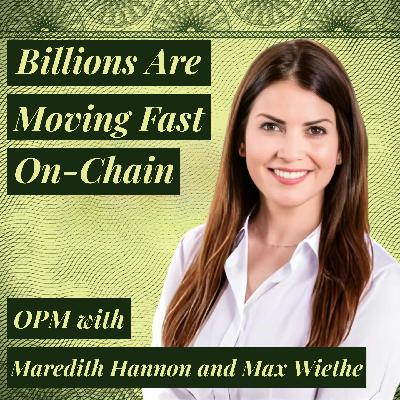
Maredith Hannon, Head of Business Development at Wisdom Tree Digital, joins Other People’s Money to discuss how tokenized real-world assets are taking off at a pace eerily similar to the early growth of ETFs. Crypto enthusiasts have long touted the potential for fund vehicles to be tokenized and put on chain. That story is quickly becoming a reality with rapid AUM growth and established players like WisdomTree with over $100B in AUM quickly launching funds from money market and equity to alternatives like private credit. Hannon also discuss the additional utility that on chain funds provide and how they are giving access to retail and institutional clients alike with platforms like WisdomTree Prime and WisdomTree Connect.
Follow Maredith Hannon on X: https://x.com/MaredithH1
Follow Max on X: https://x.com/maxwiethe
Follow Other People’s Money on:
Apple Podcast https://bit.ly/4e7QJ1M
Spotify https://bit.ly/3Yhaazi
YouTube https://bit.ly/3C63VXR
X https://x.com/opmpod
Timestamps:
00:00 Introduction
00:54 The Rise of Tokenization
02:20 WisdomTree's Tokenized Funds
04:35 Comparing ETFs and Tokenized Funds
10:35 User Experience in Tokenized Assets
20:29 Regulation and Future of Tokenized Funds
25:12 Tokenized Private Credit
26:01 Liquidity and Redemption in Private Credit Funds
28:08 Secondary Market and Peer-to-Peer Transfers
29:34 Transparency and Daily Updates
37:10 Future of KYC and Identity Verification
43:12 Global Expansion and New Use Cases
46:10 Getting Started with WisdomTree Prime
This episode is brought to you by CAIA.nxt. Learn more about their alternatives education courses for investment advisors and get 10% off with code MMTEN: https://caia.org/content/welcome-monetary-matters-and-other-peoples-money-listeners
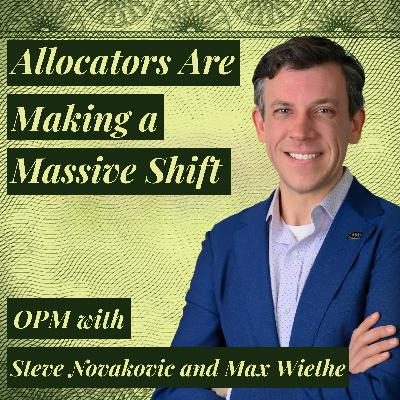
Steven Novakovic, Managing Director of Educational Programs at CAIA, discusses the monumental shift from strategic asset allocation to the Total Portfolio Approach (TPA), a change recently highlighted by major moves at CalPERS. The conversation explores the evolving landscape of private markets, specifically how secondary markets are providing crucial liquidity and entry points for investors dealing with slowed distributions and the "denominator effect". Novakovic also provides a candid look at the friction between hedge fund fees and beta-heavy returns, arguing that sophisticated limited partners will not pay for beta. As alternative investments become more accessible to retail wealth, he emphasizes the critical need for education regarding evergreen funds and the unique risks of private market liquidity. Finally, the episode looks forward to 2026 educational initiatives at CAIA.
Follow Steve Novakovic on LinkedIn: https://www.linkedin.com/in/steven-novakovic-caia/
Follow Max on X: https://x.com/maxwiethe
Follow Other People’s Money on:
Apple Podcast https://bit.ly/4e7QJ1M
Spotify https://bit.ly/3Yhaazi
YouTube https://bit.ly/3C63VXR
X https://x.com/opmpod
Timestamps:
00:00 Introduction to Governance Changes in Pension Plans
00:45 Strategic Asset Allocation vs. Total Portfolio Approach
03:24 Early Adopters and Global Trends in TPA
05:06 Benchmarking and Decision-Making Shifts
09:58 CalPERS Case Study: Governance and Tactical Opportunities
17:32 Impact on Managers and Investment Strategies
22:08 Current Market Trends and Private Credit
25:54 Private Equity Distributions and Secondary Markets
35:32 Reinvesting Portfolio Proceeds
36:39 Understanding Secondary Market Buyers
37:09 Benefits of Secondary Allocations
39:14 Challenges and Strategies in Secondary Markets
45:03 Hedge Funds vs. Equity Markets
46:35 Evaluating Hedge Fund Performance
49:02 Active Management and Fee Structures
56:53 Educating Investors on Alternatives
01:03:00 CAIA's Educational Resources
01:05:44 Upcoming CAIA Programs
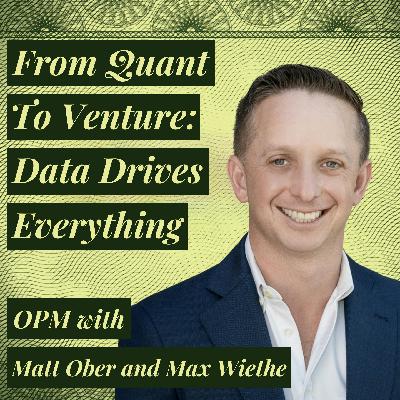
In this episode of Other People’s Money, Matt Ober, General Partner at Social Leverage, discusses how the data economy is evolving for providers, vendors, and investors. He explains how AI is reshaping data business models, highlights emerging data sources in what he calls the “degenerate economy,” and argues that many alternative data sets once considered sources of alpha are rapidly becoming commoditized beta.
Matt also shares how Social Leverage uses data to make seed stage venture investments, how its approach differs from that of mega VC firms, and where the firm is currently focused. He reflects on his career path from quantitative hedge funds to venture capital and how the expanding role of data shaped his trajectory in the investment business.
Before joining Social Leverage, Matt was Chief Data Scientist at Third Point, where he built the firm’s data analytics and technology platform supporting investments across equities, structured credit, venture capital, and cryptocurrency. Earlier, he was Head of Data Strategy at WorldQuant and a founding member of WorldQuant Ventures, focused on private investments in fintech, data, and technology.
Sign up for Matt’s newsletter The Rollup: https://www.mattober.co/
Follow Matt on X: https://x.com/obermattj
Follow Max on X: https://x.com/maxwiethe
Follow Other People’s Money on:
Apple Podcast https://bit.ly/4e7QJ1M
Spotify https://bit.ly/3Yhaazi
YouTube https://bit.ly/3C63VXR
X https://x.com/opmpod
Timestamps:
00:00 Introduction
01:21 The Business of Data
03:28 Data Pricing and AI Impact
04:36 Challenges for Data Companies
07:31 Emerging Data Sets and Buyers
14:25 Social Leverage's Investment Strategy
17:07 Venture Capital Market Dynamics
21:22 Fund of Funds and Network Value
22:40 Insights on Software and AI
25:54 Beehive vs. Substack
29:46 Hedge Fund Journey and Data Evolution
31:41 The Data-Driven Investment Strategy
32:05 Scaling Up: From Millions to Billions
32:24 Global Data Acquisition
32:49 Building a Data-Driven Ecosystem
33:06 Transition to Third Point
33:43 Integrating Data with Investment Processes
34:34 Challenges and Politics in Hedge Funds
35:49 Evaluating Data Sets and Their Impact
37:43 The Evolution of Data in Investment
38:49 The Role of Data in Hedge Fund Success
43:10 From Hedge Funds to Venture Capital
52:08 The Future of Wealth Management
55:00 The Rise of Prediction Markets
59:35 Conclusion and Final Thoughts
This episode is brought to you by Fiscal.ai. Sign up for a 2-week free trial and get 15% off any paid tier at: http://fiscal.ai/mm
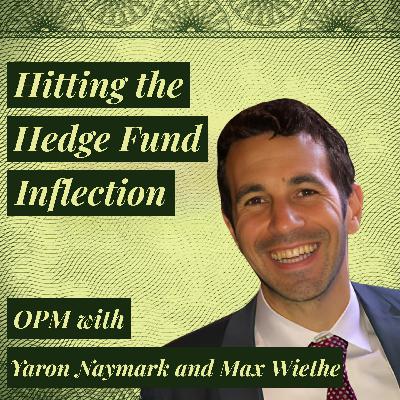
Over the last 8 years, Yaron Naymark, founder and managing partner of 1 Main Capital, has patiently grown his concentrated long-biased hedge fund by outperforming major equity benchmarks like the S&P 500. Any manager who has been in his shoes though will tell you that outperforming the market isn’t enough to attract the institutional capital necessary to seriously scale a fund. Here he discusses the importance of consistency of communication with investors, how his portfolio management has evolved, and the other operational improvements he has made that have helped spur growth. He also discusses a $20m strategic investment from Cannell Capital he took in 2025 and how he thinks about these types of “seed” deals.
Sign up for 1 Main Capital’s distribution list: https://www.1maincapital.com
Follow Yaron Naymark on X: https://x.com/1MainCapital
Follow Max on X: https://x.com/maxwiethe
Follow Other People’s Money on:
Apple Podcast https://bit.ly/4e7QJ1M
Spotify https://bit.ly/3Yhaazi
YouTube https://bit.ly/3C63VXR
X https://x.com/opmpod
Timestamps
00:00 Introduction and Personal Insights on Investing
00:43 Guest Introduction and Fund Background
00:55 Fund Growth and Milestones
02:41 Challenges and Turning Points
03:20 Marketing and Investor Relations
07:41 Economic Considerations and Fund Management
10:51 Investment Philosophy and Strategy
27:08 Podcasting and Public Engagement
28:55 Transparency in Investment Strategies
29:41 Audience Growth and Distribution
31:03 Pitching Ideas and Raising Capital
32:20 Investment Minimums and Investor Relations
33:37 Marketing and Outreach Strategies
36:57 Switching to Jefferies and Other Service Providers
42:57 Strategic Investment from Cannell Capital
51:54 Hiring an Analyst and Future Plans
55:19 Managing Fund Capacity and Performance
58:40 Conclusion and Contact Information
This episode is brought to you by VanEck. Learn more about the VanEck Rare Earth and Strategic Metals ETF: http://vaneck.com/REMXMax
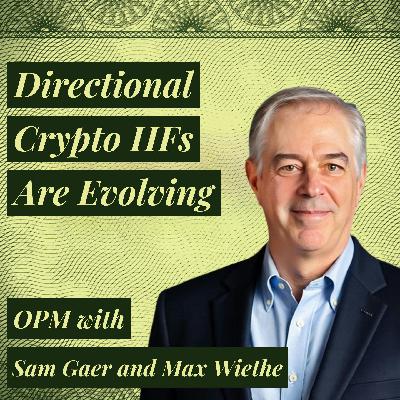
Sam Gaer, CIO of Directional Strategies at Monarq Asset Management, joins Other People’s Money to discuss how he uses quantitative directional strategies to trade crypto assets and produce an institutional quality return stream that has outperformed bitcoin at scale. He explains how his experience as a market maker, executive, and self-taught electronic exchange technologist driving some of the most important technological advances in finance led him to “burn the boats,” leave tradfi, and go all in on building institutional crypto strategies with Monarq. He also discusses how institutional appetite for crypto hedge fund strategies is growing with increased regulatory clarity, greater availability of institutional level funds, and evolving market opportunities in crypto-native and crypto-linked tradfi assets.
Follow Sam Gaer on X: https://x.com/samg67
Follow Monarq on X: https://x.com/monarq_mgmt
Follow VanEck on X: https://x.com/vaneck_us
Follow Max on X: https://x.com/maxwiethe
Follow Other People’s Money on:
Apple Podcast https://bit.ly/4e7QJ1M
Spotify https://bit.ly/3Yhaazi
YouTube https://bit.ly/3C63VXR
X https://x.com/opmpod
Timestamps
00:00 Intro
01:43 Q4 Crypto Volatility
06:21 A Disappointing Year for Crypto Bulls
10:29 Taking Advantage of Extreme Volatility
12:50 Triple Barrier Risk Management
15:43 $REMX
16:26 Responsible Leverage
17:17 Is the 4-Year Cycle Over
21:55 Early Days Pit Trading
24:16 Building Electronic Exchange Technology
26:38 CEO of NYMEX Europe and NYMEX IPO
27:24 Move to FINRA
28:43 Building and Selling a Volatility Hedge Fund
29:15 Burn the Boats
32:14 Joining Monarq
37:14 Differences Between Crypto Fund Managers and TradFi
39:17 Institutional Adoption of Crypto Hedge Funds
44:27 Can Crypto Strategies Scale to Meet the Demand?
47:19 The Crypto TradFi Collision
49:57 The Difference Between Institutional and Non-institutional Quality Crypto Funds
54:13 Hyper Liquid and Other Market Improvements in Crypto
59:26 Will TradFi Take Over Crypto?
01:01:31 Digital Asset Treasuries
01:08:46 The Next Stage for Monarq

This Other People’s Money episode is brought to you by CAIA.nxt. Learn more about their alternatives education courses for investment advisors and get 10% off with code MMTEN: https://caia.org/content/welcome-monetary-matters-and-other-peoples-money-listeners
James Wang, General Partner at Creative Ventures and author of “What You Need to Know About AI” joins Other People’s Money to discuss the most pressing issues facing venture capital right now including: VC’s collision with public markets, the “RIAifaction” of VC firms, and the reality that there is still too much dry powder propping up venture valuations. Wang also discusses the difficulty of judging VC funds off of typical metrics like MOIC and TVPI, especially when the fund is still in the middle of its life cycle. Wang closes the podcast with his views on AI as expressed in his new book and the reasons why he believes many are being distracted by first-order effects.
Follow James Wang on X: https://x.com/AJamesWang
Read Weighty Thoughts: https://weightythoughts.com
Follow Max on X: https://x.com/maxwiethe
Follow Other People’s Money on:
Apple Podcast https://bit.ly/4e7QJ1M
Spotify https://bit.ly/3Yhaazi
YouTube https://bit.ly/3C63VXR
X https://x.com/opmpod
Timestamps
00:00 Intro
01:22 The Collision of Public and Private Markets
04:13 Venture Capital is Following the Same Path as Other Asset Classes
05:52 Venture's Shifting Role in Portfolios
13:36 Venture Capital Emerging Managers
18:39 Corporate Venture Capital
20:58 The Most Active Venture LPs
22:45 Sovereign Wealth Funds and Strategic Venture
26:56 RIAs and Private Wealth as the Next Source of Capital
31:58 The Emergence of Star Athletes and Actors as VCs
33:41 Most VCs Don't Add Value to Portfolio Companies
35:31 Comparing VC Funds: The Metrics That Lie
43:32 Sneaky VC Marketing Tricks and Marketing Materials
48:33 Reference Checks and Speaking with Founders
50:17 The Dry Powder Bubble
57:41 What You Need to Know About AI
59:47 Tracking AI Progress
01:03:42 The Politics of AI
01:07:32 The Next Stage of Training AI Models

This Other People’s Money episode is brought you by Fiscal.ai. Sign up for a 2-week free trial and get 15% off any paid tier at: http://fiscal.ai/mm
Fundamental long-short equity investing has been in decline with fewer new fund launches and dwindling assets, but David Stemerman, CEO, CIO and Co-founder of CenterBook Partners believes data clearly shows these investors still have significant investing skill. He argues that single manger hedge fund data collected using alpha capture can be used to construct new portfolios and strategies that will be more attractive for institutional investors. Through a combination of direct payments, data sharing, and partnering with single managers on custom strategies he believes that that alpha capture can revitalize single manager hedge funds. Not all alpha capture strategies are made equal though and one of the biggest problems he is trying to solve is convincing managers and their LPs that alpha capture can be done without harming the returns of the manager.
Read the white paper: https://www.centerbook.com/ACPaper
Become a CenterBook Partners partner fund: https://www.centerbook.com/contributors
Follow Max on X: https://x.com/maxwiethe
Follow Other People’s Money on:
Apple Podcast https://bit.ly/4e7QJ1M
Spotify https://bit.ly/3Yhaazi
YouTube https://bit.ly/3C63VXR
X https://x.com/opmpod
Timestamps
00:00 Intro
00:40 Fiscal.ai
01:34 Single Manager & Tiger Cub Origins
02:45 Fundamental Long Short Equity Under Pressure
07:21 History of Alpha Capture
09:07 Responsible Alpha Capture
16:40 Fiscal.ai
17:58 Why Don’t Managers Adapt to Allocator Demands?
26:48 CenterBook's Current Alpha Capture Strategy
33:14 How Do You Manage External Partners?
35:38 Reactions From LPs at Partner Funds
39:46 Types of Allocators Are Interested in Alpha Capture?
41:53 Types of Managers Partnering with CenterBook
43:04 Is Alpha Theory a Requirement?
46:03 Scale Limits for CenterBook
48:39 Do Most Managers Have Skill?
53:15 Active Extension: The Future of Active Management?
01:03:13 Timeline for Single Manager Active Extensions

This Other People’s Money episode is brought you by Fiscal.ai. Sign up for a 2-week free trial and get 15% off any paid tier at: http://fiscal.ai/mm
Corey Hoffstein, CEO and CIO of Newfound Research and co-founder and PM of Return Stacked ETFs, joins OPM to discuss his journey in the investment management business. He argues that beating the market is a commoditized value proposition and that investment managers need to solve other problems for their clients to attract assets. He also discusses his experience licensing research to other asset managers, his belief that distribution is the key question of success in the asset management business, and how quantitative research and other forms of content like podcasts and social media can help build brand awareness.
Follow Corey on X: https://x.com/choffstein
Follow Max on X: https://x.com/maxwiethe
Follow Other People’s Money on:
Apple Podcast https://bit.ly/4e7QJ1M
Spotify https://bit.ly/3Yhaazi
YouTube https://bit.ly/3C63VXR
X https://x.com/opmpod
Timestamps
00:00 Intro
00:27 Fiscal AI
01:16 The Difference Between Quant and Systematic Investing
03:18 Can Market Bubbles Be Measured?
05:05 Is Market Timing a Good Bet?
09:31 Evolving Risk Premia and Market Inefficiencies
16:41 Fiscal AI
18:20 Beginnings in Investment Management
23:04 Licensing Indexes to Other Managers
27:35 Providing Education Materials
31:26 Moving Into Asset Management
36:47 Evolving into Current Strategies
40:06 Thinking About the Investment Product Wrapper
43:11 Asset Management vs Investment Management
47:27 Solving Behavioral Finance Problems and Market Problems
51:28 Different Ways of Using Leverage
52:41 Knowing Your Client Base Isn’t Institutional
55:45 Content Creation and Brand Building
59:27 Growing an Audience: What Financial Content Goes Viral?
01:04:27 Dealing with Compliance and Education
01:07:22 How To Read and Interpret Quantitative Research as a Normie
01:12:22 How Is AI Being Used by Quants?
01:15:48 Conclusion
This Other People’s Money episode is brought to you by CAIA.nxt. Learn more about their alternatives education courses for investment advisors and get 10% off with code MMTEN: https://caia.org/content/welcome-monetary-matters-and-other-peoples-money-listeners
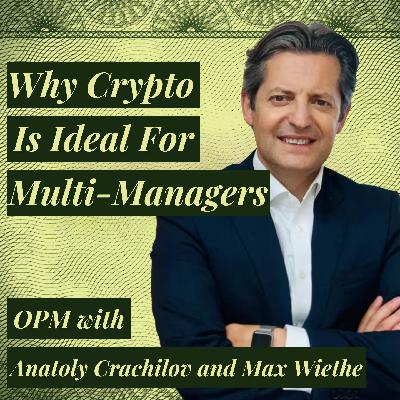
Anatoly Crachilov, CEO and Co-Founder of Nickel Digital Asset Management, joins Other People’s Money to discuss why crypto is the perfect asset class for the multi-manager pod shop model. He also explains how Nickel is taking a “West Berlin” approach to partnering with external traders compared to the “East Berlin” approach of many traditional pod shops where non-competes and strict control of IP is the norm. He also discusses why 2025 has been a difficult year for crypto traders, how their team is managing the choppy markets, and how scaled up pods and incubation stage pods managed the extreme volatility in October.
Follow Anatoly Crachilov on LinkedIn: https://www.linkedin.com/in/anatoly-crachilov/
Follow Max on X: https://x.com/maxwiethe
Follow Other People’s Money on:
Apple Podcast https://bit.ly/4e7QJ1M
Spotify https://bit.ly/3Yhaazi
YouTube https://bit.ly/3C63VXR
X https://x.com/opmpod
Timestamps
00:00 Intro
00:38 CAIA.nxt
01:24 Multi-Manager Origin Story
03:12 No Central Book or Alpha Capture
04:32 Expanding Number of Pods
06:15 Technology Enabled Growth
10:09 Onboarding a New Pod
14:38 Benefits of Crypto's Infinite Divisibility
15:58 CAIA.nxt
16:54 Determining the Scalability of Strategies
18:03 Minimum & Maximum Pod Sizes at Scale
18:33 Measuring Risk Adjusted Returns
20:34 Pod Compensation and Fund Level Fees
24:43 Winning the War for Talent
29:29 Pods Can Be Independent Prop Shops and Single Managers
35:03 Demand for Crypto Multi-Manager Funds
39:02 Reducing Risk in Crypto with 3rd Party Settlement & Custodians
46:08 Crypto Still Has Low Liquidity
49:41 The Cost of Poor Trade Execution in Crypto
53:16 Current Environment for Crypto
58:22 Risk Management Adjustments in a Choppy Year
01:02:04 Different Testing Environments for New Pods
01:06:30 What Happens When a Scaled Pod Has a Drawdown?
01:09:35 Conclusion
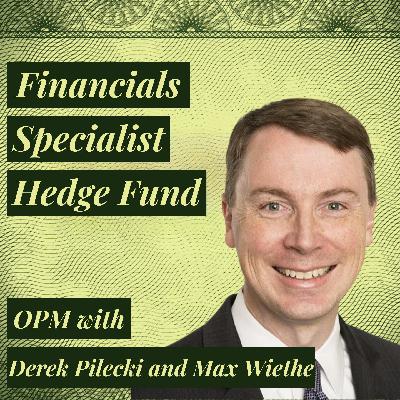
Derek Pilecki’s hedge fund Gator Capital has outperformed the S&P 500, compounding at over 22% since inception while focusing exclusively on financial sector stocks. In this interview Derek discusses why he thinks recent concern in the financial sector is overblown, how he has grown his firm’s assets to over $300m, and why he believes that good performance is simply not enough to grow a successful hedge fund. Derek also discusses how he manages his mutual fund alongside his hedge fund and why he doesn’t see the vehicles as competing but serving two separate investor bases.
Sign up for Gator Capital's distribution list: https://www.gatorcapital.com/
Follow Derek on X: https://x.com/gatorcapital
Follow Max on X: https://x.com/maxwiethe
Follow Other People’s Money on:
Apple Podcast https://bit.ly/4e7QJ1M
Spotify https://bit.ly/3Yhaazi
YouTube https://bit.ly/3C63VXR
X https://x.com/opmpod
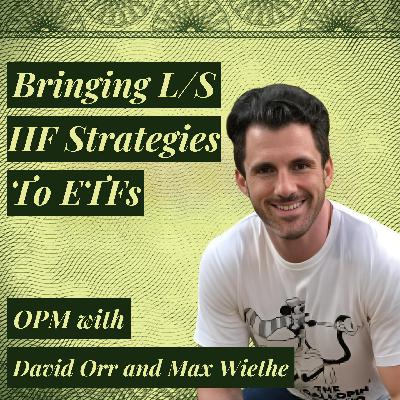
This is a special bonus episode of OPM with David Orr. In my first conversation with David, we only discussed his hedge fund that has crushed the S&P 500 since its inception in 2021. In addition to his hedge fund, he also runs the Militia Long/Short Equity ETF ($ORR) which since its inception in January 2025 has also beaten the S&P 500 running a similar but still distinct long/short strategy from the one he employs at his hedge fund. We discuss his unorthodox decision to launch the ETF when the hedge fund was going so well, how he is managing the different liquidity needs, his dual fiduciary duties, differing compliance realities, and the increased transparency of the ETF wrapper.
Follow David Orr on X: https://x.com/orrdavid
Follow Max on X: https://x.com/maxwiethe
Follow Other People’s Money on:
Apple Podcast https://bit.ly/4e7QJ1M
Spotify https://bit.ly/3Yhaazi
YouTube https://bit.ly/3C63VXR
X https://x.com/opmpod
This is a special previously unaired bonus episode of OPM with one of my most popular guests @hfreflection where we dive into the important topic of hedge fund compensation, with a particular focus on analysts and the investment team. How a hedge fund founder structures compensation and incentives for the investment team has a huge impact on the way investment research gets done. It can influence whether ideas are shared or hoarded and whether preventing mistakes is rewarded equally with finding new ideas. We also discuss when analysts should get points and how founders should deal with the reality that all analysts have different ideas about what they want their career path to look like.
Follow HF Reflections on X: https://x.com/hfreflection
Follow Max on X: https://x.com/maxwiethe
Follow Other People’s Money on:
Apple Podcast https://bit.ly/4e7QJ1M
Spotify https://bit.ly/3Yhaazi
YouTube https://bit.ly/3C63VXR
X https://x.com/opmpod

This Other People’s Money episode is brought to you by VanEck.
Learn more about the VanEck Semiconductor ETF (SMH): http://vaneck.com/SMHMax
Learn more about the VanEck Fabless Semiconductor ETF (SMHX): http://vaneck.com/SMHXMax
Jeremy Boynton and Zach Lindquist, managing partners at Pure Crypto, have built one of the best performing crypto fund of funds since their inception 2018. In this interview they discuss their view that the crypto market structure is being changed by ETFs and crypto treasury companies, how they think about manager selection, the subtle differences between crypto VCs and crypto hedge funds, and why they are eschewing new entrants into the crypto fund space in favor of OGs who have managed capital and survived multiple market cycles. They also explain why they are volatility agnostic and prefer to take on crypto market beta rather than invest in market neutral and multi-manager crypto funds.
Follow Zach Lindquist on X: https://x.com/PureCryptoLP
Follow Max on X: https://x.com/maxwiethe
Follow Other People’s Money on:
Apple Podcast https://bit.ly/4e7QJ1M
Spotify https://bit.ly/3Yhaazi
YouTube https://bit.ly/3C63VXR
X https://x.com/opmpod
An investment in the VanEck Semiconductor ETF (SMH) and VanEck Fabless Semiconductor ETF (SMHX) may be subject to risks which include, among others, risks related to investing in the semiconductor industry, special risk considerations of investing in Taiwanese issuers, equity securities, small-, medium and large-capitalization companies, foreign securities, emerging market issuers, foreign currency, depositary receipts, issuer-specific changes, market, operational, index tracking, authorized participant concentration, new fund, no guarantee of active trading market, trading issues, passive management, fund shares trading, premium/discount and liquidity of fund shares, non-diversified, and index-related concentration risks, all of which may adversely affect the Fund. Small, medium and large-capitalization companies may be subject to elevated risks. Emerging market issuers and foreign securities may be subject to securities markets, political and economic, investment and repatriation restrictions, different rules and regulations, less publicly available financial information, foreign currency and exchange rates, operational and settlement, and corporate and securities laws risks.
Investing involves substantial risk and high volatility, including possible loss of principal. An investor should consider the investment objective, risks, charges and expenses of a Fund carefully before investing. To obtain a prospectus and summary prospectus, which contain this and other information, call 800.826.2333 or visit vaneck.com. Please read the prospectus and summary prospectus carefully before investing.
© Van Eck Securities Corporation, Distributor, a wholly owned subsidiary of Van Eck Associates Corporation
This Other People’s Money episode is brought to you by VanEck.
Learn more about the VanEck Semiconductor ETF (SMH): http://vaneck.com/SMHMax
Learn more about the VanEck Fabless Semiconductor ETF (SMHX): http://vaneck.com/SMHXMax
Since launching Militia Capital in 2021, David Orr has crushed the S&P 500 and is up over 500% net of fees. In fact, during this period, he’s one of few managers to have set the S&P 500 as the hurdle rate for the fund to earn performance fees. In this interview Orr discusses Militia Capital’s growth from $3m to over $160m today, the expansion of the strategy to include two additional external portfolio managers, and why he thinks most hedge fund managers have social media and compliance all wrong. He also discusses his investment philosophy and belief that most “value trap” investors and “story stock” investors don’t know the first thing about real investing.
Follow David Orr on X: https://x.com/orrdavid
Follow Max on X: https://x.com/maxwiethe
Follow Other People’s Money on:
Apple Podcast https://bit.ly/4e7QJ1M
Spotify https://bit.ly/3Yhaazi
YouTube https://bit.ly/3C63VXR
X https://x.com/opmpod
An investment in the VanEck Semiconductor ETF (SMH) and VanEck Fabless Semiconductor ETF (SMHX) may be subject to risks which include, among others, risks related to investing in the semiconductor industry, special risk considerations of investing in Taiwanese issuers, equity securities, small-, medium and large-capitalization companies, foreign securities, emerging market issuers, foreign currency, depositary receipts, issuer-specific changes, market, operational, index tracking, authorized participant concentration, new fund, no guarantee of active trading market, trading issues, passive management, fund shares trading, premium/discount and liquidity of fund shares, non-diversified, and index-related concentration risks, all of which may adversely affect the Fund. Small, medium and large-capitalization companies may be subject to elevated risks. Emerging market issuers and foreign securities may be subject to securities markets, political and economic, investment and repatriation restrictions, different rules and regulations, less publicly available financial information, foreign currency and exchange rates, operational and settlement, and corporate and securities laws risks.
Investing involves substantial risk and high volatility, including possible loss of principal. An investor should consider the investment objective, risks, charges and expenses of a Fund carefully before investing. To obtain a prospectus and summary prospectus, which contain this and other information, call 800.826.2333 or visit vaneck.com. Please read the prospectus and summary prospectus carefully before investing.
© Van Eck Securities Corporation, Distributor, a wholly owned subsidiary of Van Eck Associates Corporation
Timestamps
00:00 Intro
00:31 $SMH & SMHX
01:21 Militia Capital’s Growth Into a Multi-Manager
04:57 Twitter & Social Media
07:33 Marketing & 506(c) Hedge Funds
11:11 Benchmarking to the S&P 500
15:00 Comparing to Large Multi-Manager Funds
17:11 VanEck Mid-Roll
18:06 Risk Managing Other PMs & Collaboration
20:06 David’s Investing Philosophy
27:36 Investors Who Don’t Know Anything
38:51 Market timing & the Current Environment
45:40 Trading Macro
48:14 Hunting For New Portfolio Managers
51:32 David’s Favorite Accounts on Twitter
54:04 Rethinking Compliance
57:52 Outro
This episode is brought to you by Fundamental Edge. Learn more about their new AI Academy for buyside professionals: https://www.fundamentedge.com/ai-academy
Raj Shah and Cullen Rose of Stoic Point Capital Management join OPM to explore their winding path to scale and how adapting to the opportunities from the SPAC boom of 2021 brought them new investors and strategies. They also discuss how AI has drastically changed their investing process and their cost structure, the importance of negotiating and changing service providers, and why hedge fund marketing is an active endeavor.
Follow Stoic Point Capital Management on X: https://x.com/stoic_point
Follow Max on X: https://x.com/maxwiethe
Follow Other People’s Money on:
Apple Podcast https://bit.ly/4e7QJ1M
Spotify https://bit.ly/3Yhaazi
YouTube https://bit.ly/3C63VXR
X https://x.com/opmpod

Comments

Download from Google Play

Download from App Store
 United States