


 Claim Ownership
The Impact Equation
Subscribed: 9Played: 156
Subscribe

© Rafi Addlestone and Adam Pike
Description
Welcome to The Impact Equation, conversations with leaders shaping a brighter future, hosted by Adam Pike, social entrepreneur, and Rafi Addlestone, impact advisor, With our special guests, we unlock the secrets of those who dare to transform our world. We talk to architects of change, pioneers in their fields, working toward a brighter future for us all. In each episode, we dig into each element of the impact equation.
Hosted on Acast. See acast.com/privacy for more information.
84 Episodes
Reverse
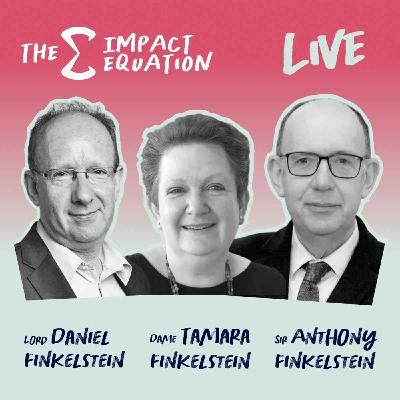
To mark Yom HaShoah, Holocaust Remembrance Day, on 13th April, Rafi and Adam interview three remarkable figures in British public life: Professor Sir Anthony Finkelstein, Lord Daniel Finkelstein OBE, and Dame Tamara Finkelstein DCB. The children of two survivors who endured the camps of the Holocaust and the wastes of the Siberian Gulag, they have together risen to eminence in journalism, the civil service, and science, making a truly significant impact to Britain and the wider world. Recorded before a packed audience at JW3, London’s Jewish cultural centre, this is the first time all three siblings have appeared together in a public conversation of this kind. Hosted on Acast. See acast.com/privacy for more information.
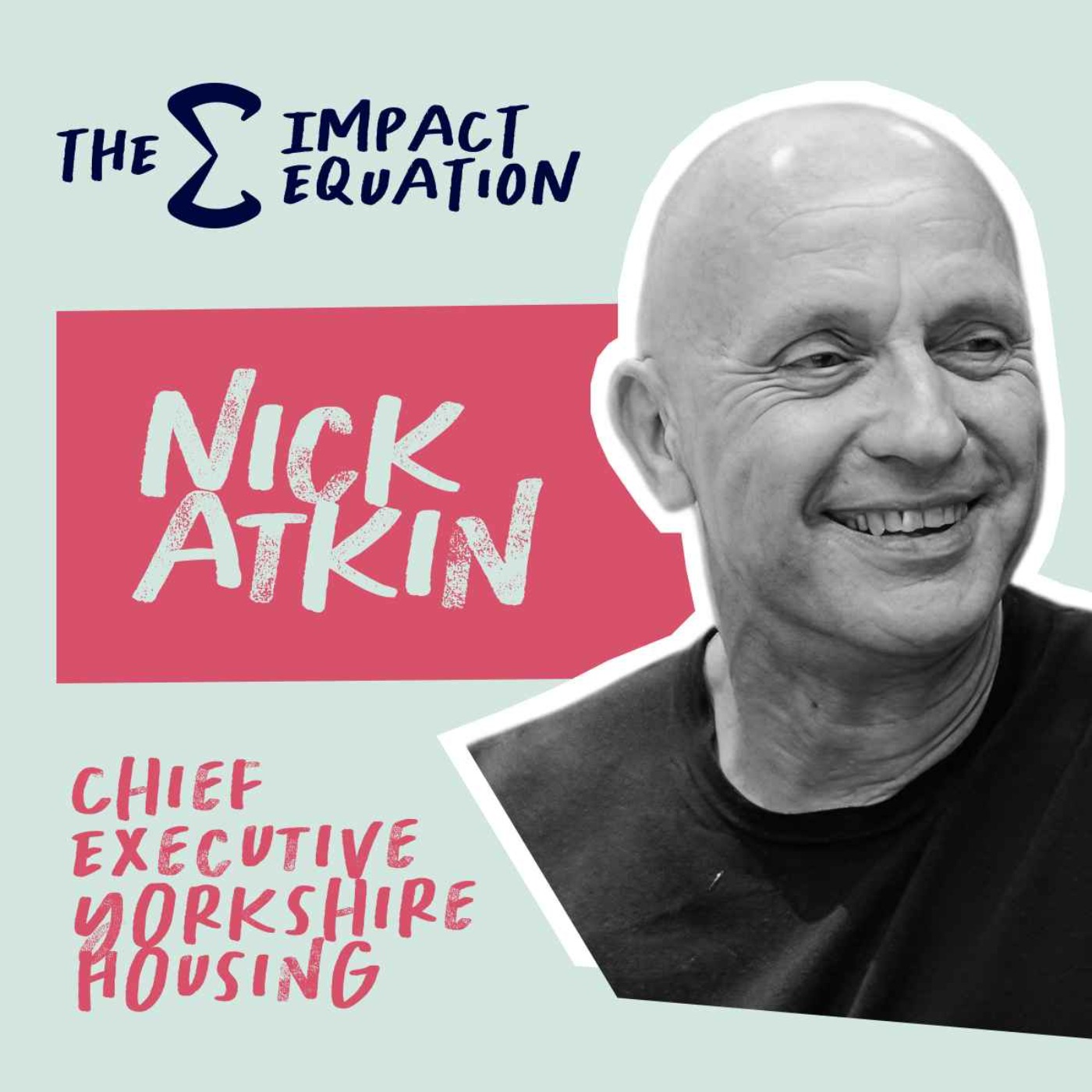
As Chief Executive of Yorkshire Housing, Nick Atkin leads the region’s largest provider of affordable, eco-friendly homes. He also chairs major regional partnerships and is pushing the government to treat housebuilding as a national priority. His team is at the vanguard of using data, sensors and AI to make housing services work better for the people living in those homes. In this episode of The Impact Equation, Nick joins Adam and Rafi to talk about why housing matters so much to health, dignity and life chances, and why leaders in the sector cannot afford to get stuck in spreadsheets and slide decks. Hosted on Acast. See acast.com/privacy for more information.
In their latest wash up episode, Adam and Rafi reflect on recent episodes to explore how systemic change happens at a local and global level. They discuss the "triumph of place-based localism" through Simon Case’s work in Barrow and Claudine Blamey’s community-led flood resilience at Aviva, emphasizing that impact is most effective when rooted in the reality of people's lives. They examine the power of "harnessing capitalism for climate," contrasting Alyssa Gilbert’s focus on scaling innovation at Imperial with Luke Leslie’s investor-led approach to carbon markets and nature-based assets. The conversation also highlights the human side of leadership, from Madlin Sadler’s evidence-based humanitarian work at the IRC and Edward Timpson’s navigating of complex legislative systems for children's services, to Ed Davey’s "clear-eyed hope" regarding international cooperation and land use. Hosted on Acast. See acast.com/privacy for more information.
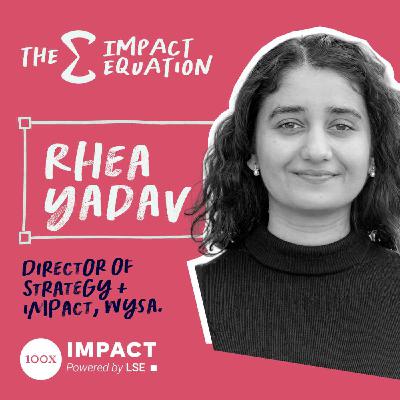
This is the first episode in our second series, Scaling Tomorrow's Social Unicorns, with 100x Impact. Rhea Yadav leads impact and strategy at Wysa, the AI-led mental health platform that has supported more than 7 million people across 95 countries. She founded the organisation’s impact business and now works across governments, health systems, NGOs and employers to take evidence-based mental health support into places where care is scarce. Hosted on Acast. See acast.com/privacy for more information.
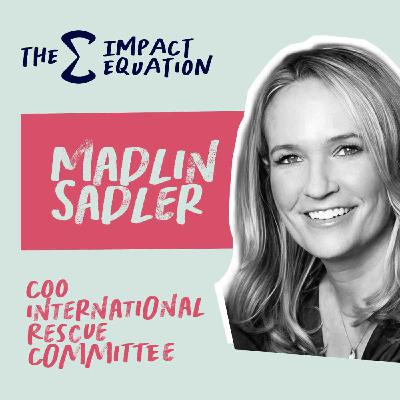
What does it really take to deliver humanitarian aid in the world’s most fragile places? In this episode of The Impact Equation, we sit down with Madlin Sadler, Chief Operating Officer at the International Rescue Committee - an organisation working at the sharpest edge of conflict, disaster and displacement.Madlin offers a rare, inside view of what it means to operate in over 40 of the world’s most crisis-affected countries; where systems have broken down, need is accelerating, and resources are shrinking. Madlin shares what it looks like to deliver vaccines to children in remote conflict zones; how humanitarian organisations make impossible decisions when funding is cut; why evidence, cost-effectiveness, and scale matter when lives are at stake; and why, despite everything, she still feels lucky to do this work. Hosted on Acast. See acast.com/privacy for more information.
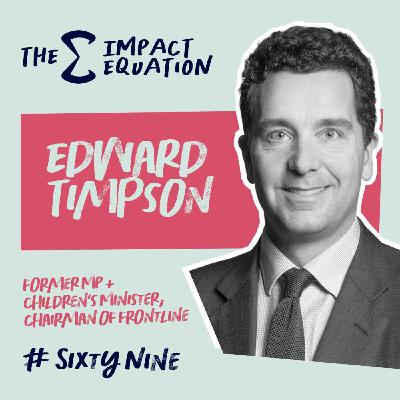
Edward Timpson is the former Children’s Minister, part of the family behind Timpson, and brother of Lord James Timpson, now a Labour prisons minister. In this conversation with Rafi’s former Ministerial boss, Edward reflects on growing up in a family that fostered more than 80 children, alongside one of the UK’s best-known family businesses, recognised for both its high street services and a culture built on trust, kindness and second chances. That experience shaped everything that followed: family law, politics, reform in government, and his work today across children’s services and family care. Edward’s life and career show what stability, love and belief can do in a child’s life. This is an episode about childhood, public service, fostering, politics, and the decisions that can alter a life’s direction. Hosted on Acast. See acast.com/privacy for more information.
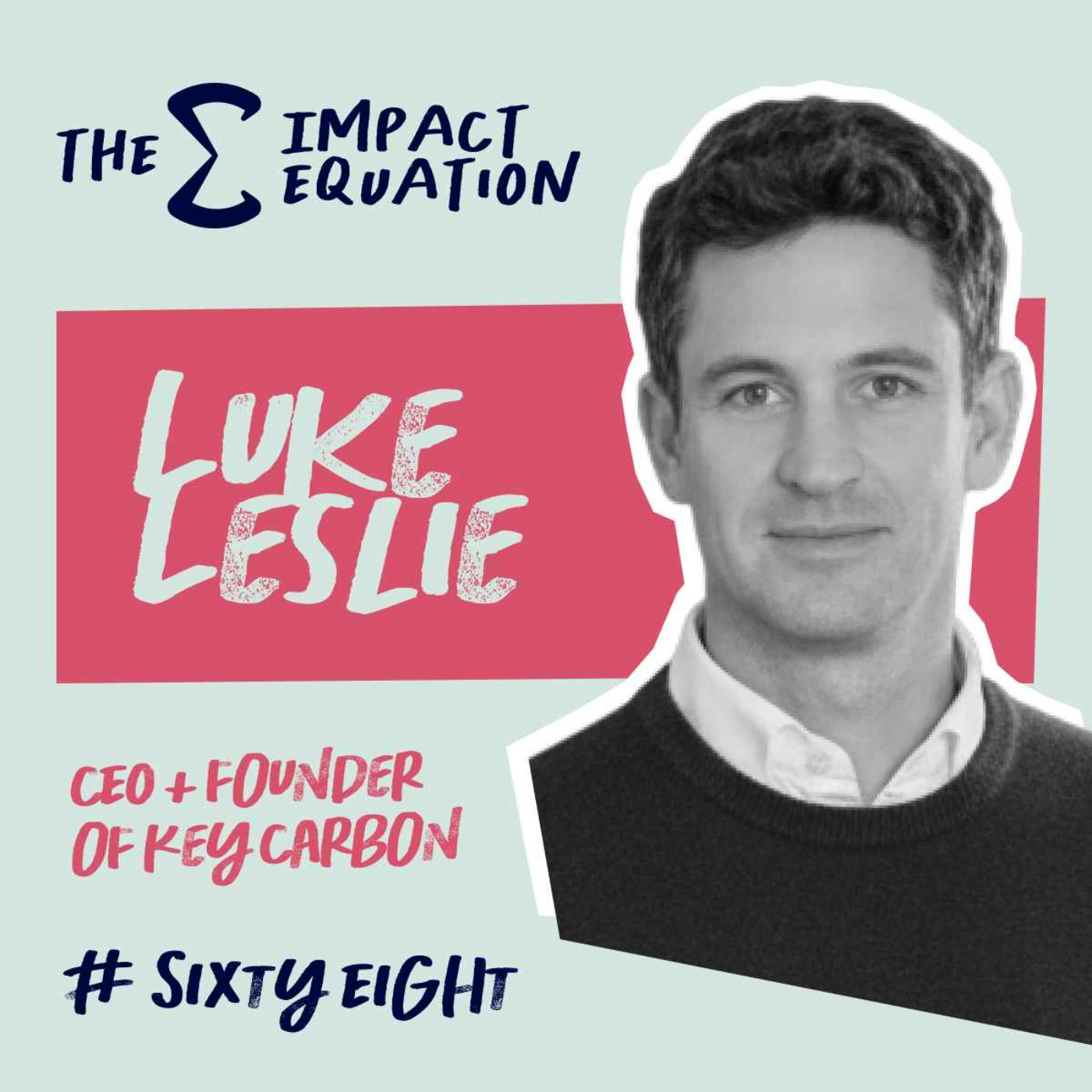
Luke Leslie is the co-founder and CEO of Key Carbon, investing directly into businesses generating high integrity carbon credits, from clean cooking stoves in sub-Saharan Africa to regenerative agriculture in Europe and mangrove restoration in Myanmar. Luke explains how Key Carbon has borrowed from royalty and streaming models used in mining, then adapted them for carbon markets. The result is a more hands-on and structured approach that is attracting hundreds of millions of dollars of institutional finance into nature investment. Hosted on Acast. See acast.com/privacy for more information.
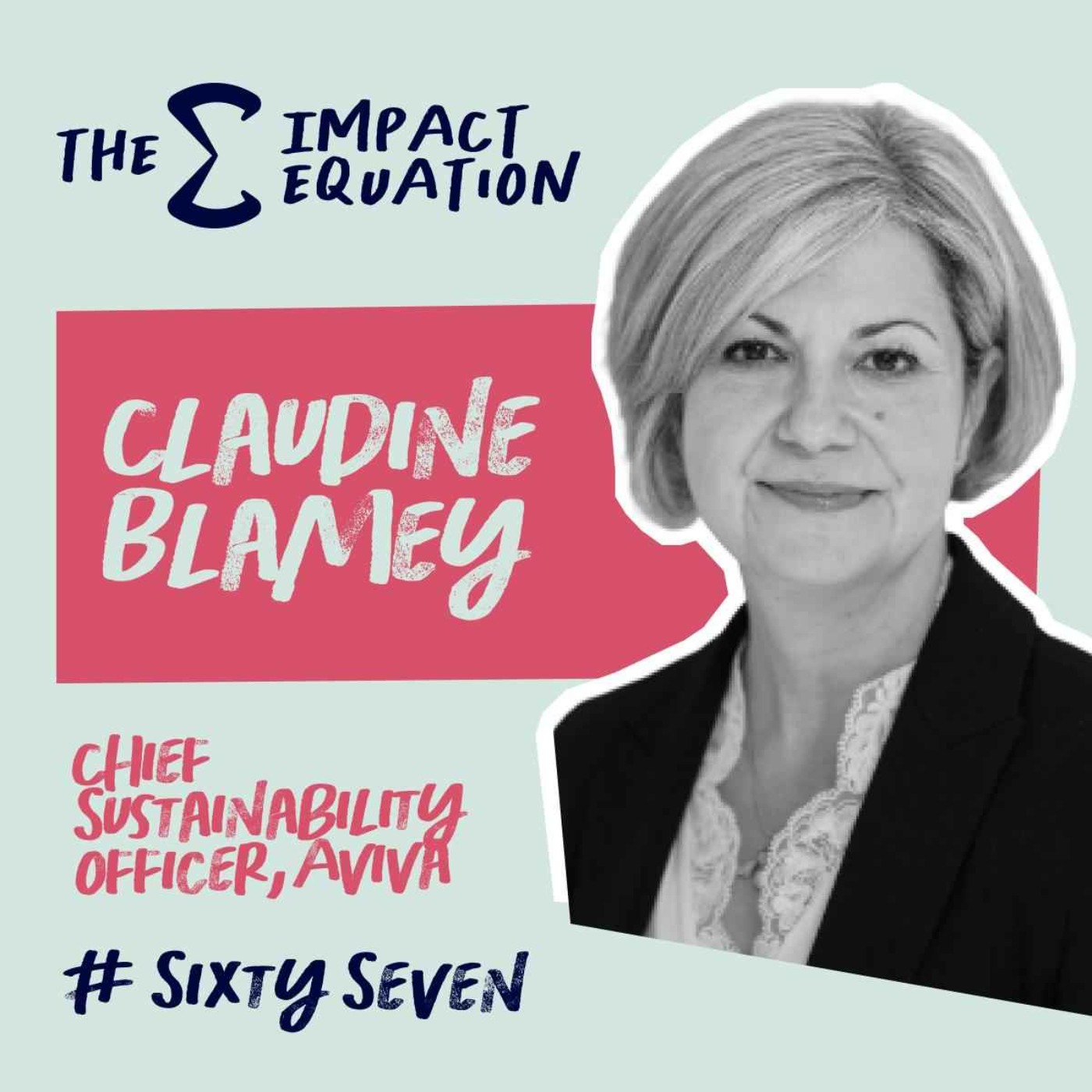
In this episode, Rafi sits down with Claudine Blamey, Chief Sustainability Officer at Aviva. Claudine’s story starts far from the boardrooms of British business. She arrived in London from Tehran as a child, speaking no English. That experience shaped a mindset that has stayed with her throughout her career: nothing is forever, and even the most complex situations can be navigated. Three decades later, Claudine has helped shape sustainability strategy across sectors – from sustainable buildings at British Land to aviation’s first net-zero strategy at easyJet, and now climate and nature strategy at Aviva. In this conversation, she reflects on how her early experiences of migration shaped her resilience and leadership; why insurers have a unique role in managing and pricing climate risk; the growing reality that parts of the UK could become uninsurable due to climate impacts; Why nature restoration could become a major global asset class; And, how sustainability leaders are shifting from ambition-setting to systemic change. Hosted on Acast. See acast.com/privacy for more information.
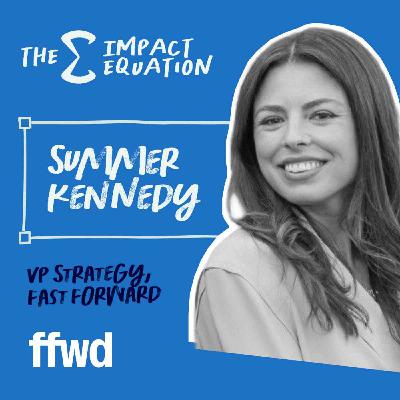
This episode we're joined by Summer Kennedy for a special episode looking back at our first series with Fast Forward. In this series, we’ve featured three amazing entrepreneurs backed by Fast Forward, a trailblazing accelerator backing tech nonprofits solving urgent, global problems at scale. Summer quite literally drives Fast Forward forward; shaping the strategic vision and building the systems that get the organisation there. Her path to leadership has been anything but linear: from teaching first grade in Oakland to spearheading tech-for-good initiatives, Summer’s career proves that the most impactful journeys don’t follow a straight line. We reflect on three conversations with Fast Forward investments - Sunny Patel of Vector Cam, Alysia Garmulewicz of Materiom and Michelle Brown of CommonLit. Hosted on Acast. See acast.com/privacy for more information.
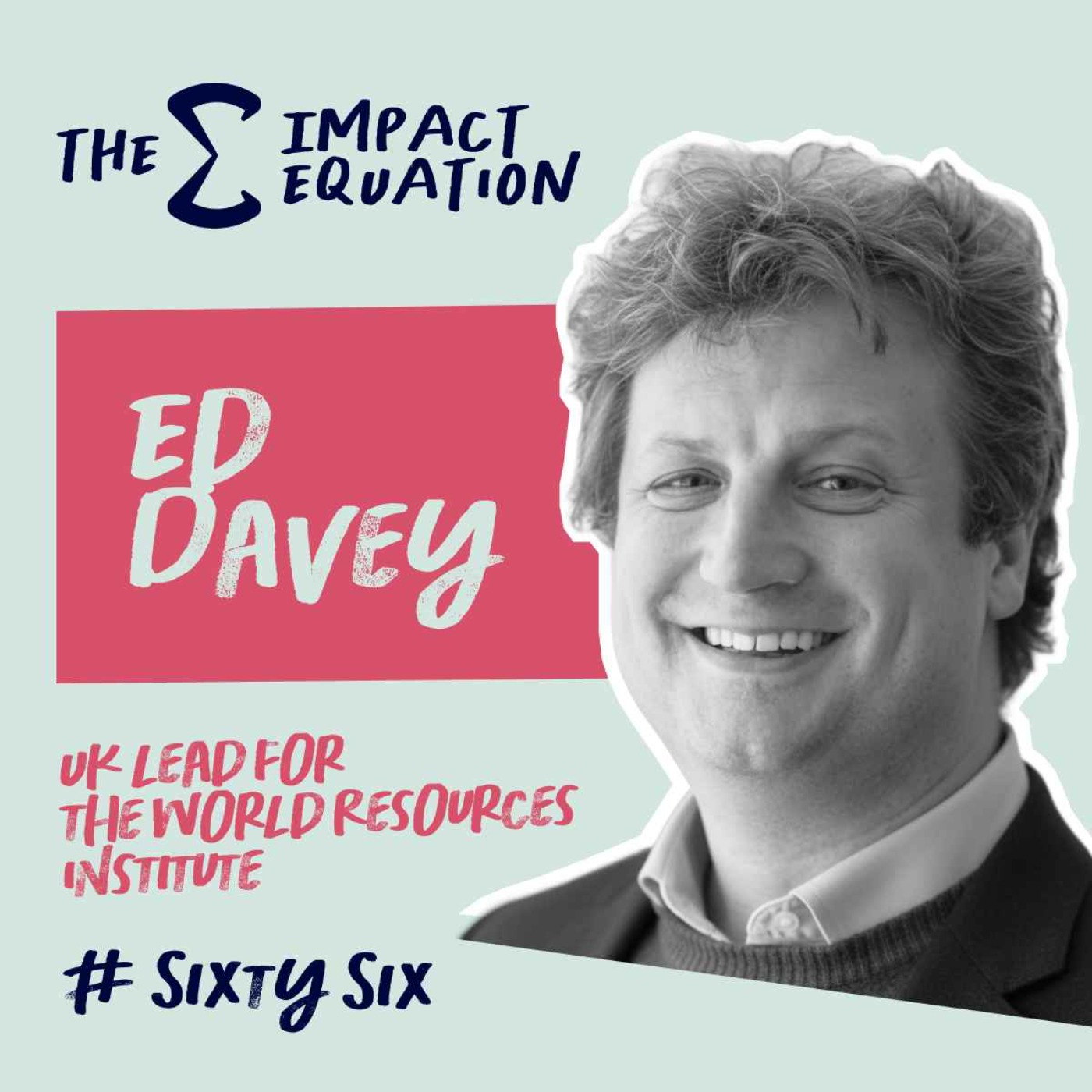
This episode we're not joined by Ed Davey, the leader of the Liberal Democrats, but a pioneer on forests, agriculture and food security who has worked all over the world, from Tibet to Yemen and Colombia. With roots in social justice and anti-poverty campaigning, Ed cut his teeth in efforts around debt, poverty, and development with organisations like Oxfam and the wider Make Poverty History movement before joining the then Prince of Wales – now King – to drive high-level work on forests, sustainable agriculture, and climate through his International Sustainability Unit. Since then, Ed has become a driving force in the world of sustainable food, nature and climate, helping drive the work of the World Resources Institute and advising the Food and Land Use Coalition and its push to transform how the world grows and eats. Hosted on Acast. See acast.com/privacy for more information.

Lord Simon Case served four British Prime Ministers as head of the UK's civil service from Boris Johnson in 2020, to Liz Truss, Rishi Sunak and Sir Keir Starmer. Lord Case held the most senior civil service role just as the government hit a run of shocks: Brexit implementation, Covid, war in Europe, economic turbulence, and rapid technological change. In this episode, he’s candid about what it feels like at the centre of crisis decision-making, and why government too often drifts into a self-obsessed “bubble” that’s disconnected from daily life. He also shares what gave him hope: meeting frontline civil servants, and seeing what changes when power and money are tied to real places. We talk about Barrow Rising; a place-based partnership bringing central government, local government, industry and community together around the long-term transformation of Barrow-in-Furness. What does it take to turn billions of public spend next door into better health, education, and opportunity? And can Barrow become a blueprint others can borrow from? Hosted on Acast. See acast.com/privacy for more information.
Alyssa Gilbert sits in a rare seat in UK climate innovation: translating world-class science into ventures that can survive the messy reality of markets, regulation, pilots, and procurement. In this episode, Alyssa shares what Undaunted at Imperial College London looks for at the earliest stages, why credibility and communication matter as much as the tech, and what actually helps founders move from “tested in a lab” to “traction in the market”. We also get into the built environment: waste-to-materials, energy management, and the very real barrier of being “the first” in a traditional sector. Hosted on Acast. See acast.com/privacy for more information.
Hosted on Acast. See acast.com/privacy for more information.
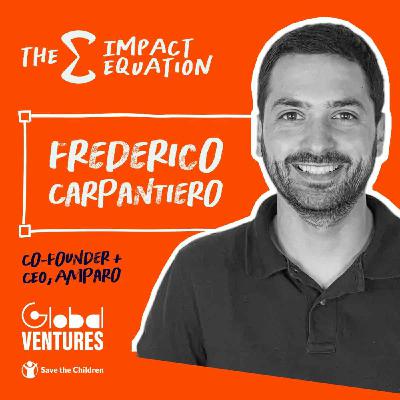
This episode is the first in our series with Save the Children Global Ventures, the impact investment arm of Save the Children, backing bold entrepreneurs tackling some of the world’s toughest challenges. In the first episode of the series, we’re joined by Fred Carpinteiro, Founder and CEO of Amparo Prosthetics, a company reimagining prosthetic care for people with limb loss across the world. Amparo is delivering lifetime prosthetic care across 6 continents, using smart technologies to dramatically improve comfort, fit, and user experience for lower-limb prosthetic users. With over 6,000 patients fitted in more than 45 countries, and products now used in 250+ clinics worldwide, Amparo is quietly building one of the most globally distributed prosthetic care platforms. Hosted on Acast. See acast.com/privacy for more information.
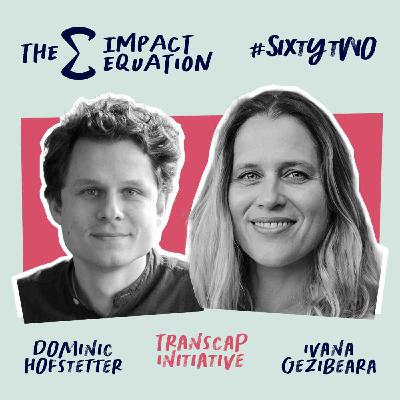
In our latest episode of The Impact Equation, we’re joined by Dominic Hofstetter and Ivana Gazibara from the Transcap Initiative, an NGO focused on developing and scaling systemic investing. Most of us start with a pool of capital and ask: what can this money do? Dominic and Ivana flip it: start with the challenge, diagnose the system, then “reprogramme” how money flows to multiple initiatives at once, so capital can actually shift outcomes, not just fund isolated projects. We talk about why “single-asset” investing struggles to deliver systems change, why place-based investing is close (but not always transformative), and their big idea: the “financial backbone”; an actor designed to orchestrate coalitions across philanthropy, public finance, investment capital, insurance and corporate commitments. Hosted on Acast. See acast.com/privacy for more information.
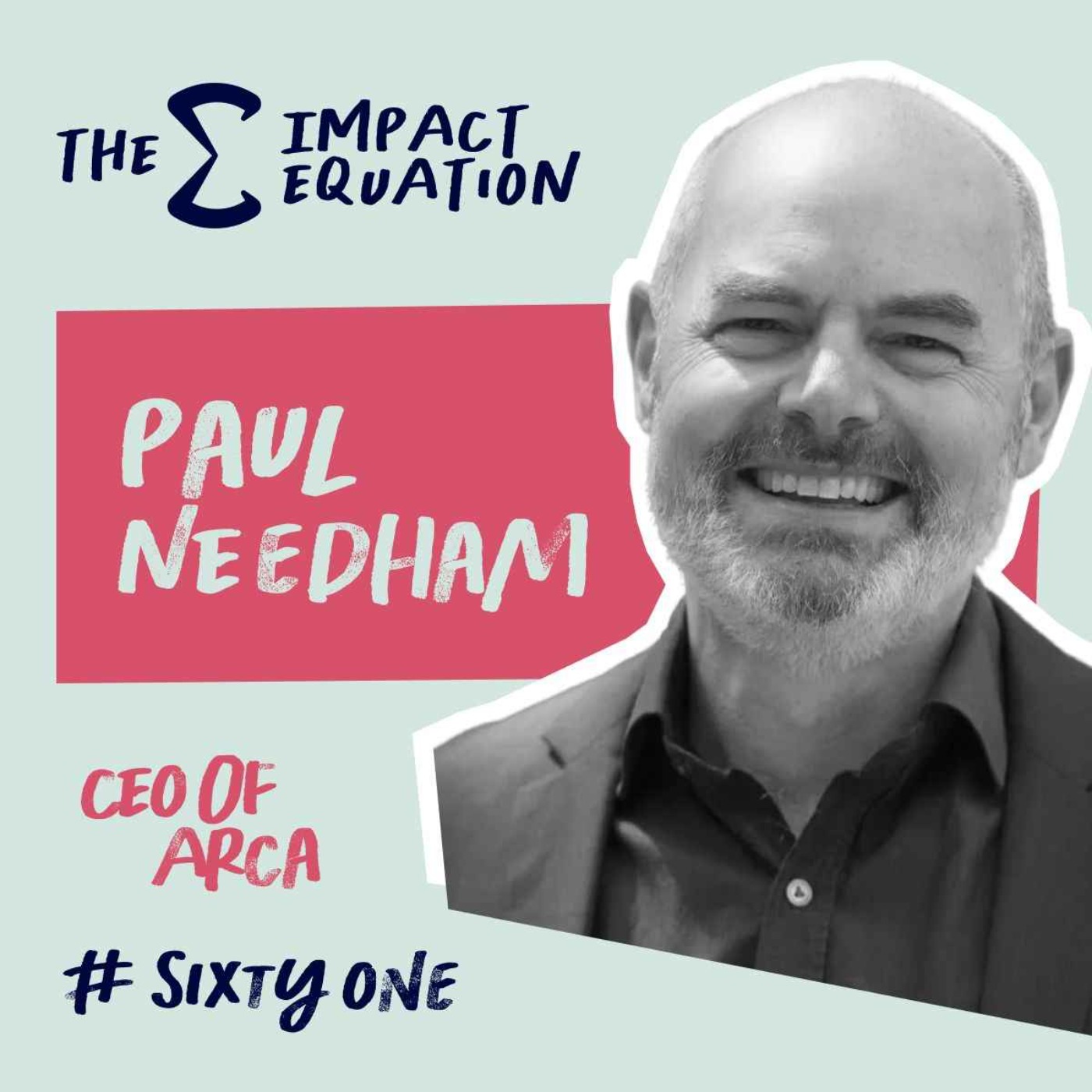
In this episode, we go deep into chemistry and mining with Paul Needham, CEO of ARCA, a company using carbon mineralisation to turn mine waste into giant, permanent carbon sponges. In 2025, Arca signed a 10-year deal with Microsoft to remove 300,000 tonnes of carbon from the atmosphere. Certain rocks naturally react with CO₂, pulling it out of the air and locking it away forever as stone. ARCA has found a way to massively accelerate that natural process, transforming mining tailings from an environmental liability into a climate solution. Paul's no stranger to scaling impact: he previously built Simpa Networks, bringing pay-as-you-go solar to hundreds of thousands of people in rural India. In this episode we learn about scaling pay-as-you go solar in India and how carbon mineralisation turns mining waste into carbon removal at scale. Hosted on Acast. See acast.com/privacy for more information.
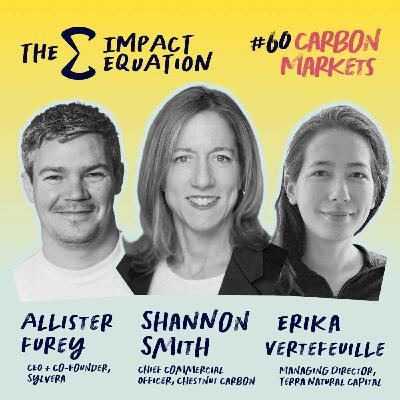
Carbon markets tend to trigger strong reactions. For some, they’re a vital bridge - a way to fund climate action at scale while the harder work of reducing emissions catches up. For others, they feel like a distraction, or worse, a way of outsourcing responsibility. So rather than arguing for or against them, we wanted to ask a different question: What would it take for carbon markets to actually work - with credibility and scale? In our latest Impact Equation roundtable, we brought together three people working on different parts of the system: Alastair is focused on data and transparency, Shannon is building projects on the ground, and Erika is making the sector investable for serious capital. Hosted on Acast. See acast.com/privacy for more information.
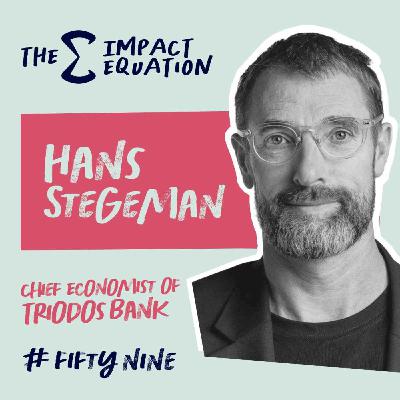
What if the way we think about money is fundamentally wrong? In our latest episode of The Impact Equation, Rafi and Adam sit down with Hans Stegeman, Chief Economist at Triodos Bank - one of the few banks where sustainability isn’t a bolt-on, but the organising principle. Hans’s central critique is this: we haven’t just chosen economic growth - we’ve hard-wired it into everything. Our markets, financial returns, debt system, pensions, and public budgets all depend on the assumption that the economy must keep expanding. The problem is that this version of growth is material by design, and material growth always comes with ecological and social costs. His argument isn’t that progress is bad - it’s that we’ve confused progress with GDP. No amount of “green” investing can fix a system that structurally requires ever-greater extraction, consumption, and future growth just to stay standing. So what does he want to change? Hans calls for an economy, and a financial system, that is less dependent on growth, and that fundamentally success ought to be measured in wellbeing, resilience, and social outcomes, not just economic output. In this episode, Hans challenges us to question our assumptions and what we’ve accepted as “just how the world works”. Hosted on Acast. See acast.com/privacy for more information.
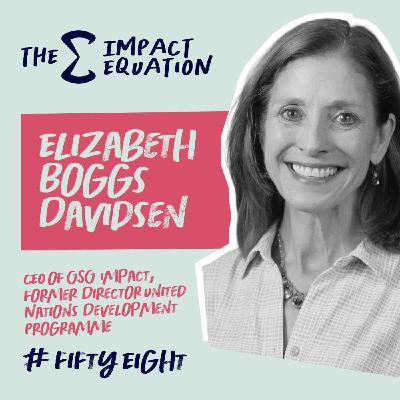
In this episode, GSG Impact CEO Elizabeth Boggs Davidsen joins the show to share her journey from being mentored by Madeleine Albright to leading global efforts in impact investing. Drawing on her formative years working in conflict zones like Sudan and Afghanistan, Elizabeth explains how those experiences shaped her belief that traditional aid isn't enough and that we need new models to drive change. She dives into her work pioneering a $1 billion "blended finance" fund in Latin America and her time in the Biden administration, before looking ahead to the 2026 launch of the "Impact Economy Index"—a new tool designed to spark a "race to the top" for countries prioritizing people and the planet. It’s a fascinating look at how capital can be a force for good, wrapped in some great advice for anyone starting a career in social justice. Hosted on Acast. See acast.com/privacy for more information.
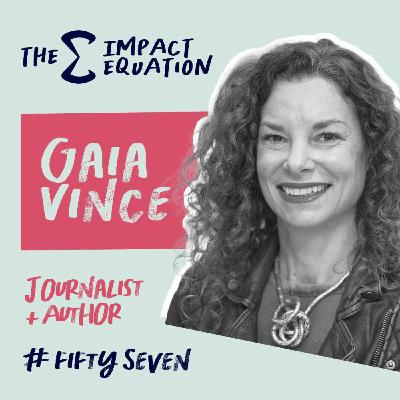
This podcast episode features Gaia Vince, a trailblazing journalist, broadcaster, and award-winning author, discussing the profound intersections of climate change and human migration. In this episode, Rafi explores Vince’s career shift from science journalism to documenting the "front lines" of our changing planet, culminating in the urgent thesis of her latest book, Nomad Century. You can buy her book here: https://amzn.to/49b8ltk Hosted on Acast. See acast.com/privacy for more information.

Comments

Download from Google Play

Download from App Store
 United States