


 Claim Ownership
Behind The Product
Subscribed: 4Played: 219
Subscribe

© Software Engineering Professionals, Inc.
Description
Behind The Product takes a behind-the-scenes look at how software products are made. From the people who innovate, to the makers who use their craft, each influencing products in different ways. We will put the spotlight on the practices that guide decision-makers to solve some of the toughest challenges and the people who make it happen. For more information visit www.sep.com/podcast.
60 Episodes
Reverse
In this episode of Behind the Product, host Zac Darnell and co-host Raman Ohri sit down with AI strategist Angie Carel for a refreshingly candid conversation about the human side of AI adoption. From why skipping AI literacy is a guaranteed misstep, to how “corporate recess” can spark innovation. Angie brings clarity, empathy, and a touch of urgency to a rapidly evolving space. Whether you're a seasoned leader or just dipping your toes into the AI space, this one’s packed with insight and inspiration.3 Key Takeaways:AI Literacy is Non-Negotiable: Organizations fail when they skip foundational education. Without a baseline understanding, fear and misuse take hold.Adoption Starts with Play: Introducing “corporate recess” gives employees a low-risk space to experiment, share, and discover meaningful use cases.Experience Still Matters: Great outputs from GenAI come when real-world knowledge meets strong prompting—tools don’t replace wisdom.We'd love to hear from you! Reach out to podcast@sep.com to share your feedback on this show.You can find more information about this podcast at sep.com/podcast and subscribe wherever you get your podcasts. Thanks for listening!
In this episode of Behind the Product, Zac Darnell is joined by Yana Welinder, co-founder and CEO of Kraftful, an AI-powered toolkit for product teams. Together they explore how AI is transforming product management—from turning user feedback into actionable insights to evolving the very role of the product manager. Yana also shares her views on trust, regulation, and what it takes to stay ahead in a fast-moving AI landscape.Key Takeaways:AI as a Collaborator, Not a Replacement - Kraftful leverages AI to analyze user feedback and generate PRDs and user stories—giving product teams a head start while preserving human creativity and oversight.Evolving Role of the PM - As AI automates tasks like project management, tomorrow’s product managers will become product builders—more strategic, hands-on, and deeply integrated into the creative process.Building Trust in AI Tools - Transparency and control are essential. Kraftful emphasizes user trust by making AI decisions visible and editable—letting humans stay in the loop and in control.We'd love to hear from you! Reach out to podcast@sep.com to share your feedback on this show.You can find more information about this podcast at sep.com/podcast and subscribe wherever you get your podcasts. Thanks for listening!Timestamps:02:51 - The Role of AI in Product Development15:50 - The Evolution of Kraftful: From Concept to Launch18:51 - Navigating AI Regulations and User Trust29:51 - The Evolution of Product Management in the Age of AI34:12 - Navigating Change in Product Management

We thought it would be fun to share some of our favorite 'things' from 2024 as a way to reflect on the year and share things we've been learning. Pod regular Chris Shinkle and host Zac Darnell share our favorite products, thought-leaders, habits, and advice from 2024. We'd love to hear from you! Reach out to podcast@sep.com to share your feedback on this show.You can find more information about this podcast at sep.com/podcast and subscribe wherever you get your podcasts. Thanks for listening!
In this episode of Behind the Product, host Zac Darnell talks with Satya Ganni, CEO of Userflow and Beamer, about the evolving landscape of user-centric product design and its implications for product management.Key Points from this episode:User-Centric Product Experience: Satya emphasizes the importance of measuring "time to value" for first-time users and "time to outcome" for repeat users. He argues that a product should enable users to achieve their goals efficiently, minimizing the need for human intervention in support and customer service.Macroeconomic Trends and Product Development: The conversation delves into how macroeconomic factors and the pandemic have influenced the rise of user-centric experiences. Satya notes that products must cater to a global audience, requiring teams to prioritize compelling user experiences that can operate independently across diverse geographies.Strategies for Scaling: Satya outlines a strategic approach for product teams looking to scale, which includes identifying their current development stage, clarifying strategy and resource needs, and hiring experienced individuals who can guide them through the scaling process. This structured approach is vital for building effective systems that support growth.We'd love to hear from you! Reach out to podcast@sep.com to share your feedback on this show.You can find more information about this podcast at sep.com/podcast and subscribe wherever you get your podcasts. Thanks for listening!
In this episode of "Behind the Product," we sit down with Ryan Locke and Natasha Jensen-Matta from the Indiana Economic Development Corporation (IEDC) to explore how this unique quasi-government organization is driving economic growth in Indiana. From supporting early-stage startups to attracting international businesses, the IEDC plays a pivotal role in the state's business ecosystem. Ryan and Natasha share insights on how they leverage public resources to spur private investment, bridge market gaps, and support entrepreneurs across Indiana. Whether you're in a startup, BigCo, or investment firm; understanding this ecosystem could help you move your innovation forward. A few key moments:The role of IEDC in Economic DevelopmentThe support for Diverse Business ModelsPublic-Private Collaboration and Market AdaptationWe'd love to hear from you! Reach out to podcast@sep.com to share your feedback on this show.You can find more information about this podcast at sep.com/podcast and subscribe wherever you get your podcasts. Thanks for listening!
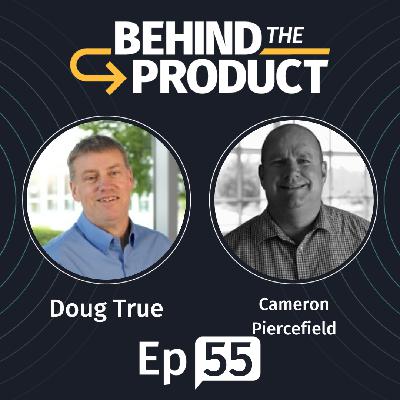
We welcomed CEO, Doug True and CTO, Cameron Piercefield with FORUM Credit Union. FORUM has a long history of embracing technology to better serve its members, from being an early online banking pioneer to developing in-house software solutions. Their member-centric approach and cooperative philosophy have been key drivers, involving members in the design process and sharing innovations with other credit unions. Through partnerships, FORUM continues to enhance its offerings to best serve their members. In this episode we discuss many aspects of FORUM's journey with a few key points:FORUM Credit Union was an early adopter of online banking, offering it in the mid-1990s via floppy disks and modems.They developed their own online banking platform in-house after their initial vendor went bankrupt, leveraging their experience building a loan origination system.FORUM took a member-centric approach, involving members in the design process through storyboarding sessions and pilot groups.They embraced a cooperative philosophy, sharing their lending software with other credit unions to improve the product.They successfully migrated from a 40+ year old system over a three year long project. We'd love to hear from you! Reach out to podcast@sep.com to share your feedback on this show.You can find more information about this podcast at sep.com/podcast and subscribe wherever you get your podcasts. Thanks for listening!

In this episode, our guests are Chris Shinkle and Mike Cronin from SEP to discuss how the company approaches product strategy engagements with clients. They explain SEP's philosophy of clarifying the problem, defining a guiding policy, and outlining coherent actions - going beyond just creating a PowerPoint strategy deck. They share examples of helping clients align stakeholders, refine roadmaps to reflect the true strategy, and rapidly validate technical feasibility through prototyping. They emphasize the importance of a roadmap as a "prototype of strategy" and a starting point for productive strategy conversations. Some key points:Many clients come to SEP with a broad idea or goal for a product, but lack clarity on the specific challenge, approach, and steps needed to execute successfullyA major differentiator for SEP is rapidly validating the technical feasibility of the roadmap through prototyping and proof-of-concepts, giving clients confidence in their ability to deliver the strategyProduct strategy involves understanding the problem to be solved, having a guiding policy on how to approach it, and defining a coherent set of actions to takeWe'd love to hear from you! Reach out to podcast@sep.com to share your feedback on this show.You can find more information about this podcast at sep.com/podcast and subscribe wherever you get your podcasts. Thanks for listening!
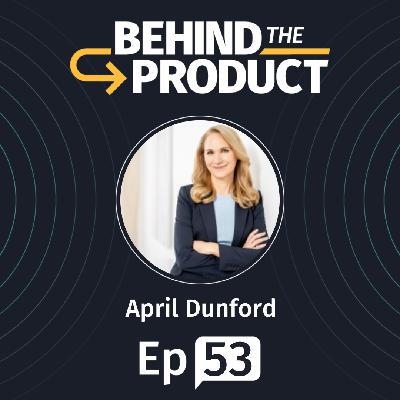
In this episode, we sit down with April Dunford, founder of Ambient Strategy and author of the books "Sales Pitch" and "Obviously Awesome". She is most known for her expertise in market positioning, having personally launched 16 products and influenced many others. Our conversation covers several key insights from Dunford's work:The disconnect between how marketing and sales teams communicate product value, with marketing focused on perfect messaging while sales reverts to feature-dumping demos.The importance of crafting a sales pitch that tells a compelling story about why a customer should choose your product over competitors, rather than just listing product capabilities.Her experience launching her own positioning-focused podcast, where she was able to dive deeper into niche positioning topics than is typically possible as a guest on other shows.This episode offers valuable lessons for anyone involved in product marketing, sales, or positioning - whether at a tech company or any other type of business. Dunford's insights provide a framework for crafting more effective, customer-centric sales and marketing narratives. A big thank you to our guest co-host, Josh Colter. Josh is the CEO of Cardboardit and has great experience in marketing and positioning. We'd love to hear from you! Reach out to podcast@sep.com to share your feedback on this show.You can find more information about this podcast at sep.com/podcast and subscribe wherever you get your podcasts. Thanks for listening!
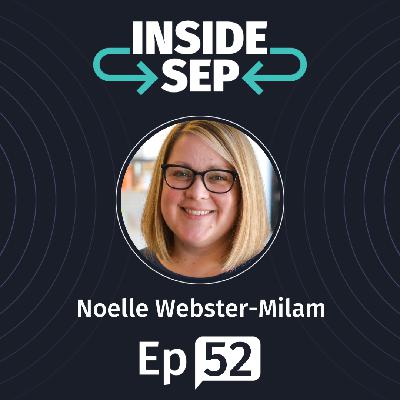
In this episode, Zac and Noelle Webster-Milam delve into the world of design, aiming to demystify its complexities and shed light on its significance in building great products. Noelle shares her thoughts on how design brings value to software product development as a key team member, alongside engineering and product management. She also shares how SEP thinks about design and has organized our practice to serve our clients. Key Takeaways:Software design sits at the crossroads of business and art, focusing on delivering user-centric solutions while meeting business objectives.Design involves more than just visual aesthetics; it encompasses system design, user experience, and addressing user needs efficiently.Balancing user goals with business needs is crucial to avoid misalignment and ensure product success in the marketplace.Design roles at SEP include interaction designers and UX designers, each contributing unique skills to create cohesive and user-friendly products.The value of design lies in its ability to enhance user experiences, solve business problems effectively, and contribute to de-risking strategies in product development.We'd love to hear from you! Reach out to podcast@sep.com to share your feedback on this show.You can find more information about this podcast at sep.com/podcast and subscribe wherever you get your podcasts. Thanks for listening!

This episode features a dynamic conversation with Oji and Ezinne Udezue, both Chief Product Officers at Typeform and WP Engine, respectively. The Udezue’s draw from their extensive experience as product leaders to discuss the concept of customer listening and its role in full stack product management. They emphasize the shift from treating product releases as fixed-time projects to ongoing products that require continuous tracking, support, and market engagement. The discussion centers on the importance of balancing business demands with customer delight and the need to build a "listening machine" within organizations to continuously gather and integrate customer feedback into the product development process. Our conversation provides practical insights for product leaders on how to effectively listen to customers, drive product improvement, and enhance customer retention.A few highlights:Transition from Project to Product: The modern market expects products to be enduring concerns, rather than fixed-time projects. This shift necessitates continuous tracking, support, and market engagement for products, impacting the brand and its market approach.Importance of Customer Listening: Oji and Ezinne emphasize the importance of listening to customers to refine products and achieve customer delight. They argue that delight leads to customer loyalty and retention, which are crucial for profitable growth. They also distinguish between listening (tuning into existing feedback channels) and discovery (finding new opportunities).Building a Listening Machine: Product leaders should create systems within their organizations to continuously listen to customers and inform the product roadmap. This process involves collecting customer feedback, triaging it, and integrating it into the product development process. Our guests describe this as building a "listening machine" that operates continuously, much like a circulatory system in a body.We'd love to hear from you! Reach out to podcast@sep.com to share your feedback on this show.You can find more information about this podcast at sep.com/podcast and subscribe wherever you get your podcasts. Thanks for listening!

SEP's Director of Engineering, Jon Fuller, explains his starting points for helping customers make intentional choices before they build applications in cloud environments. Whether you're building a brand new application or need to migrate from something deployed on-prem, these areas will help you make a more thoughtful choice. Jon lays out 3 areas you should think through:Risk Cost Existing infrastructure/talentWe'd love to hear from you! Reach out to podcast@sep.com to share your feedback on this show.You can find more information about this podcast at sep.com/podcast and subscribe wherever you get your podcasts. Thanks for listening!
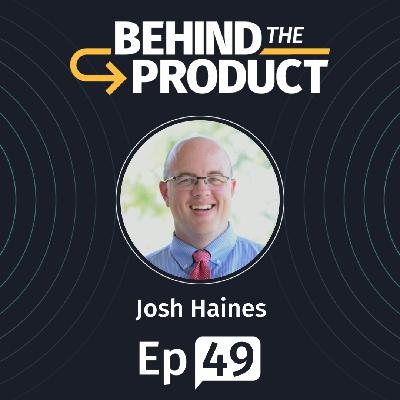
This episode’s guest is Josh Haines, he is the Global DevSecOps Capability Manager & Software Factory Founder at Rolls-Royce. In this episode Josh shares his journey over the past few years focusing on Digital Transformation within the Defense organization at Rolls-Royce. His mission has been to empower the development of modern applications to both serve his business partners within the organization and their customers. Josh hasn’t done this alone and he shared many of the things he’s learned and the resources that have helped he and his team to reach many milestones. We talk about many things but a few to point out:Don’t just rely on your technical skills, lean into the people sideLearn from resources from outside your organization, books are your friendStart small and build the value flywheel over timeGive yourself time, this is a marathon We'd love to hear from you! Reach out to podcast@sep.com to share your feedback on this show.You can find more information about this podcast at sep.com/podcast and subscribe wherever you get your podcasts. Thanks for listening!
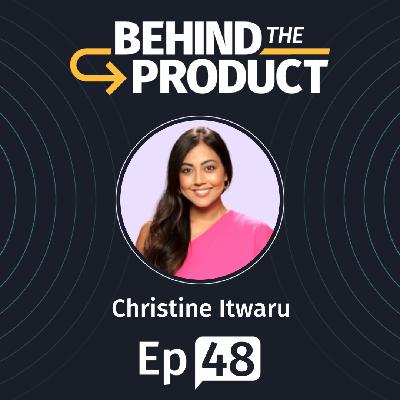
Our guest is Christine Itwaru, she is the head of Product at Vitality.io. Christine recently gave a talk at Industry: A Product Conference on utilizing AI in the Product Management Lifecycle and we dove into this subject a little deeper. Our conversation took a few turns into:Considerations of AI in productsThe importance of leaning into data-driven decision making as a Product LeaderCognitive biasGetting comfortable not being right and the importance of making betsChristine has a wealth of experience and her road to Product and organizational strategy was really interesting to me. Anyone heading in either of those directions would benefit from hearing her thoughts. We'd love to hear from you! Reach out to podcast@sep.com to share your feedback on this show.You can find more information about this podcast at sep.com/podcast and subscribe wherever you get your podcasts. Thanks for listening!
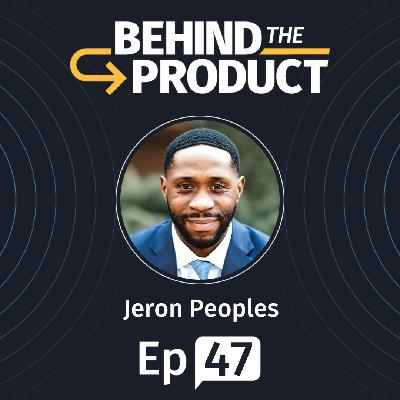
Our guest is Jeron Peoples, he’s responsible for strategy at ARI and Sports Tech HQ. Wearing multiple hats within two organizations is fun and challenging. Our conversation focused on a few areas:Context setting on what ARI and Sports Tech HQ are and where they focusA deep dive on the Indy Tech EcosystemJeron’s lens on some recent news in Indy and where he sees things headedThe most interesting part of conversation to me was his view on strategy. As someone who loves to learn and challenge my own thinking in this area, I really appreciated his candor and perspective. This conversation left me thinking a little differently for one of the hats I wear here at SEP. We'd love to hear from you! Reach out to podcast@sep.com to share your feedback on this show.You can find more information about this podcast at sep.com/podcast and subscribe wherever you get your podcasts. Thanks for listening!
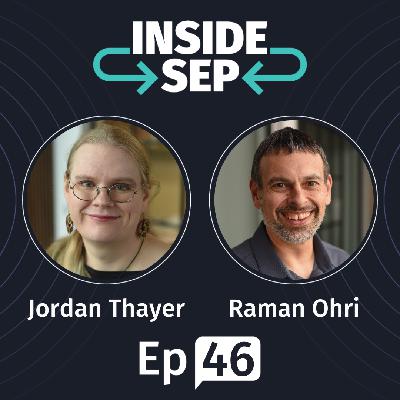
A new format for Behind The Product, this episode features Jordan Thayer and Raman Ohri with SEP. Jordan is the AI Practice Lead at SEP, with a PhD in artificial intelligence. Raman is SEP’s CEO and has been at SEP for over 30 years. We asked each of them to share their perspective on the recent executive order on AI, including the effect on our industry, who may or may not be impacted, and some things you may want to consider for yourself or your business. A quick disclaimer: this is only our opinion as product development leaders. We are not legal experts, so please seek proper counsel when making decisions for yourself or your company.We'd love to hear from you! Reach out to podcast@sep.com to share your feedback on this show.You can find more information about this podcast at sep.com/podcast and subscribe wherever you get your podcasts. Thanks for listening!
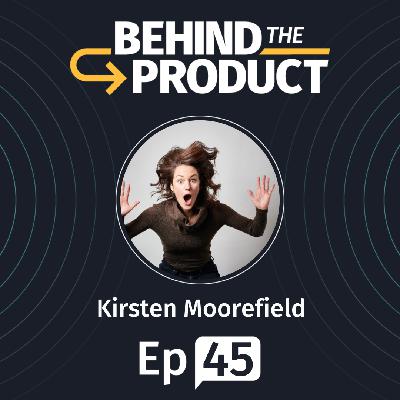
Our guest is Kirsten Moorfield, she’s the cofounder and COO at Cloverleaf. We got to hear Kirsten on a panel at a conference here in Indy and really resonated with a lot of what she shared. Our conversation went a few directions but a few things stood out to us. How Kirsten made a massive pivot to start a tech companyWhy she finds the work at Cloverleaf so encouragingKirsten’s ‘Ah Ha’ moments in building this product. The most surprising thing we talked about was how she discovered that less time for users on their platform was a good thing. Cloverleaf is an automated and scalable coaching platform for companies who want to help their employees be the best versions of themselves. You can find out more information about them and even try them out for free at Cloverleaf.me. We'd love to hear from you! Reach out to podcast@sep.com to share your feedback on this show.You can find more information about this podcast at sep.com/podcast and subscribe wherever you get your podcasts. Thanks for listening!
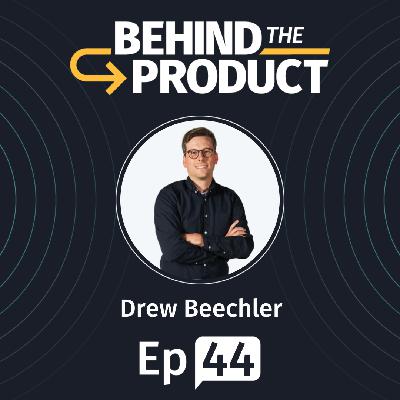
In this episode, Drew Beechler from Holder shares why he wanted to build a Web3 tech company in the marketing space. He left us with some new insights and thoughts on preconceived notions of Web3 anonymity. Whether you’re a blockchain expert or new to the space, Drew had interesting thoughts on why more people should learn about this world. He also shared some ideas on why this technology is a barrier for some folks and what might need to be true to overcome them. If Marketing is your thing or you find it interesting, Holder’s platform offers some unique advantages due to the underlying technology it’s built on. We'd love to hear from you! Reach out to podcast@sep.com to share your feedback on this show.You can find more information about this podcast at sep.com/podcast and subscribe wherever you get your podcasts. Thanks for listening!
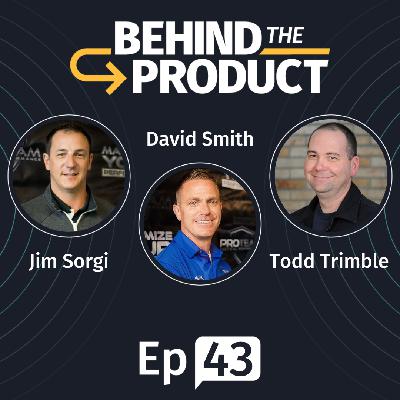
In this episode, Jim Sorgi and David Smith from ProTeam Tactical share why ProTeam came to be and their mission of serving First Responders with the best mental health app. They take us through their journey to tackle the behavioral health aspects of the job for First Responders by applying technology to an underserved group who greatly need the support and resources!Jim and his partner Joey Vandever, also a former professional athlete, knew they needed to up the level of care for these men and woman who serve our community. They spent the first years focusing on the physical needs of the job with tremendous success. And most recently they saw the need to care for the behavioral health side of the job for these First Responders. So they embarked on building SHIELD, a mobile-first product that launched earlier in 2023 to help First Responders assess where they are in 6 key categories.SleepStressPTSDAnxietyDepressionSubstance AbuseFinancial Wellness (**Soon to be released**)ProTeam is not a typical tech company, they are more tech enabled; and yet their journey to build a digital product to aid in this pursuit was one of learning and compromise. There will always be more features than time and money allow for. This team learned how to focus on the most important features to get the most for the users they serve. There are practical take-a-ways from this conversation: why deciding to say no to a feature is good, why a solution in search of a problem can hinder success, and the power of getting feedback from your target users. We'd love to hear from you! Reach out to podcast@sep.com to share your feedback on this show.You can find more information about this podcast at sep.com/podcast and subscribe wherever you get your podcasts. Thanks for listening!
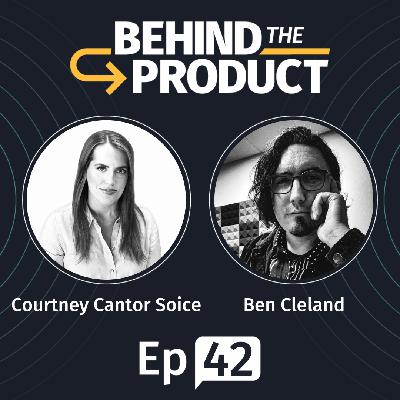
In this episode, Courtney Cantor Soice and Ben Cleland from Hamilton share insights from the world of event marketing. Join us to learn how Hamilton adapts ideas from diverse industries, tackles challenges, and responds to change.Courtney and Ben share how they balance ambitious visions with budget constraints through "objective development," aligning event goals with practical booth designs. They also discuss how Hamilton quickly adapted during the pandemic, pivoting to remote immersive experiences that lower friction for both clients and attendees.We'd love to hear from you! Reach out to podcast@sep.com to share your feedback on this show.You can find more information about this podcast at sep.com/podcast and subscribe wherever you get your podcasts. Thanks for listening!

To celebrate three years of the Behind the Product podcast, we're revisiting the top three episodes from the past year.Lindsay Boccardo - Episode 26Speaker, trainer, and coach Lindsay Boccardo shares how we can navigate generational divides and bridge the gap between a variety of perspectives. You can find our full conversation with Lindsay on Episode 26.Bob Moesta - Episode 30Author, speaker, and thought leader Bob Moesta shares tools, philosophies, and practices for optimizing product management. You can find our full conversation with Bob on Episode 30.Abhishek Nayak - Episode 25Abhishek Nayak, Co-Founder and CEO of Appsmith, shares what he's learned through founding multiple startups and how he pursues simplicity at scale. You can find our full conversation with Abhishek on Episode 25.We'd love to hear from you! Reach out to podcast@sep.com to share your feedback on this show.You can find more information about this podcast at sep.com/podcast and subscribe wherever you get your podcasts. Thanks for listening!

Comments

Download from Google Play

Download from App Store
 United States