


 Claim Ownership
Retained Trust
Subscribed: 0Played: 0
Subscribe

© Copyright 2026 Karl Hughes
Description
Want to know what it takes to build, scale, and sell your agency?
Retained Trust is a weekly podcast where host Karl Hughes goes deep with digital service business owners to uncover the habits, tactics, and strategies they’ve learned to grow successful companies. Along the way, you’ll hear about Karl’s journey running and acquiring niche digital agencies as he learns from guests with a variety of backgrounds and experience levels.
Retained Trust is a weekly podcast where host Karl Hughes goes deep with digital service business owners to uncover the habits, tactics, and strategies they’ve learned to grow successful companies. Along the way, you’ll hear about Karl’s journey running and acquiring niche digital agencies as he learns from guests with a variety of backgrounds and experience levels.
60 Episodes
Reverse
In this episode of Retained Trust, host Karl Hughes speaks with Kimley Cox, founder of Drive Talent, a retained search firm specializing in precision manufacturing. Kimley shares her journey from decades in recruiting to launching her own firm and refining a niche focus. The conversation examines how specialization builds trust, why many founders struggle to hire senior leaders, and how to evaluate candidates beyond resumes. Kimley also outlines practical hiring strategies, from proactive recruiting to structured assessments, while emphasizing culture fit, adaptability, and self-awareness as critical traits for long-term success. Key Points From This Episode:[00:00:00] Introduction to the podcast and focus on building and scaling agencies.[00:01:34] Kimley Cox’s background and founding of Drive Talent in precision manufacturing.[00:02:29] Transition from psychology to recruiting and early career journey.[00:04:44] Experience co-founding a recruiting firm and lessons from rapid growth.[00:06:39] Early challenges at Drive Talent, including pandemic-related business loss.[00:07:49] Importance of niching down and being known for a specific expertise.[00:08:55] How understanding industry language builds trust and improves sales.[00:10:31] Talent shortages in manufacturing and the impact of workforce retirement.[00:11:57] Proactive recruiting and building relationships before hiring needs arise.[00:13:00] Pitfalls of overly detailed job descriptions and the “perfect candidate” trap.[00:15:02] Evaluating leadership candidates based on culture, values, and adaptability.[00:16:07] Using a consultative approach to define the right role before hiring.[00:18:00] Overcoming founder insecurity when hiring more experienced leaders.[00:19:35] Using case studies and practical exercises to assess candidates objectively.[00:22:07] Leveraging assessments like StrengthsFinder to evaluate team fit.[00:23:30] “Journey” interview method to uncover candidate decision-making and character.[00:25:15] Importance of adaptability and accountability in leadership roles.[00:27:30] Attracting top talent to small businesses through vision and impact.[00:30:24] Red flags in candidates, including inconsistency and lack of self-awareness.[00:33:48] Balancing intuition with structured hiring processes.[00:36:58] Effective hiring strategies, including proactive outreach and referrals.[00:38:30] Keeping interview processes efficient to secure top candidates.[00:40:25] Using exploratory conversations to refine job requirements and attract talent.[00:44:55] Book recommendations and personal development influences.[00:46:59] Where to connect with Kimley Cox and learn more about Drive Talent.Links:Greg Heilers on LinkedIn: https://www.linkedin.com/in/kimley-cox-05baa61/Drive Talent: https://drivetalent.co/ Karl Hughes on LinkedIn: https://www.linkedin.com/in/karllhughesProduction and editing by The Podcast Consultant: https://thepodcastconsultant.com
In this special episode of Retained Trust, host Karl Hughes distills lessons from dozens of conversations with agency founders, consultants, and acquirers into a focused breakdown of what drives agency growth. The discussion covers the importance of maintaining a consistent sales pipeline, the impact of niching down, and why founders must take ownership of sales early on. Karl also examines the realities of inbound and outbound marketing, the risks of relying too heavily on referrals, and how pricing decisions affect profitability. The episode highlights practical approaches to building momentum, standing out in a crowded market, and creating a business that can scale beyond the founder.Key Points From This Episode:[00:00:00] Introduction[00:01:14] Pipeline as the foundation of agency growth and the risks of neglecting business development[00:01:30] How founders get stuck in delivery work and allow their pipeline to dry up[00:02:18] The importance of consistent sales effort and maintaining momentum[00:02:55] Relationship between close rates and required pipeline volume[00:03:05] Why niching down leads to clearer positioning, easier sales, and faster growth[00:03:56] Building authority by becoming highly specialized in a defined niche[00:04:40] The trap of offering broad services and staying stuck in client delivery[00:05:53] Clear positioning and messaging as a driver of referrals and recognition[00:07:01] Founders transitioning into sales roles regardless of original skillset[00:07:26] Why founders must learn sales before hiring dedicated salespeople[00:08:42] Common mistake of pitching too early instead of listening to prospects[00:09:48] The reality of inbound marketing requiring long-term consistency[00:10:39] Content creation as both a marketing channel and a way to refine thinking[00:10:56] The “momentum trap” of inconsistent content and marketing efforts[00:11:16] Marketing timelines and the challenge of committing long enough to see results[00:12:30] Outbound sales as a faster but often underutilized growth lever[00:12:33] Starting small with outbound and building consistency over time[00:12:57] Importance of understanding target customers and speaking their language[00:13:52] Multi-threading outreach within organizations to improve conversion[00:14:09] Managing long sales cycles by continuing conversations without pressure[00:14:30] Benefits and risks of relying heavily on referrals for growth[00:15:44] Why referral-only growth limits scalability and reduces business value[00:16:36] Pricing as a lever for growth and the impact of raising rates[00:17:59] Risks of over-customizing services and eroding margins[00:18:21] Negative economies of scale in agencies and increasing complexity with growth[00:18:43] Investing more in marketing to support long-term growth[00:18:57] Standing out in a crowded agency market through insight and differentiation[00:20:41] Leveraging authenticity and personality as a competitive advantage[00:21:31] Core takeaway: never stop selling, focus your niche, and build a scalable businessLinks:Karl Hughes on LinkedIn: https://www.linkedin.com/in/karllhughesProduction and editing by The Podcast Consultant: https://thepodcastconsultant.com
In this episode of Retained Trust, host Karl Hughes speaks with Greg Heilers, co-founder of Jolly SEO, an agency focused on earned link building and media placements. Greg shares his unconventional entrepreneurial journey, from volunteering around the world to launching multiple agencies and eventually building Jolly SEO into a productized service. The conversation examines lessons learned from early business failures, the value of partnerships, and the challenges of running service businesses through rapid technological change. Karl and Greg also analyze how generative AI is reshaping SEO, content marketing, and outreach—affecting workflows, team structures, and the broader digital marketing ecosystem. Key Points From This Episode: [00:00:00] Introduction to the Retained Trust podcast and guest Greg Heilers of Jolly SEO. [00:00:49] Greg explains Jolly SEO’s focus on earned link building and shares why he lives in China. [00:01:38] Greg’s entrepreneurial origin story, including volunteering abroad and starting his first agency. [00:03:43] Lessons from failed ventures, including attempts at software and early agency struggles. [00:05:56] Why productizing services helped Jolly SEO manage client expectations and avoid revision-heavy work. [00:07:45] How Jolly SEO connects clients with journalists and media outlets through earned media placements. [00:09:50] Overview of link building, ghostwriting debates, and the role of media mentions in SEO. [00:11:59] The volatility of marketing agencies and how external trends shape their growth cycles. [00:13:02] Greg shares tactical and emotional strategies for managing the ups and downs of entrepreneurship. [00:17:13] The benefits and challenges of running a company with a long-term business partner. [00:20:18] Greg’s side projects, including a HARO course and exploring acquisitions of traditional businesses. [00:24:52] How generative AI has changed workflows, delivery timelines, and pricing in agency services. [00:25:38] Internal experimentation with AI at Jolly SEO and the cost savings achieved through automation. [00:29:16] The leadership challenges of introducing AI to teams and helping employees adapt to new tools. [00:32:28] The emotional difficulty of workforce reductions and the human side of running a business. [00:36:17] How AI-generated content and mass outreach are making high-quality media placements harder. [00:38:26] The ongoing arms race between spam filters and automated outreach tools. [00:39:25] Discussion on AI detection tools, false positives, and challenges faced by non-native English writers. [00:41:45] Whether AI writing has reached a plateau or will soon match high-quality human content. [00:43:11] The future of long-form content and the rise of AI-generated summaries. [00:45:45] Reflections on technology’s impact on attention spans and digital media consumption. [00:47:09] Book recommendations including Think and Grow Rich, Who Not How, and Atomic Habits. [00:49:06] Karl shares a recommendation: The Top Five Regrets of the Dying and its impact on perspective. [00:51:43] Where to connect with Greg Heilers and learn more about Jolly SEO. Links: Greg Heilers on LinkedIn: https://www.linkedin.com/in/gregheilers/ Jolly SEO: https://jollyseo.com/ Karl Hughes on LinkedIn: https://www.linkedin.com/in/karllhughes Production and editing by The Podcast Consultant: https://thepodcastconsultant.com
In this episode of Retained Trust, host Karl Hughes speaks with Grant Hensel, founder of Nonprofit Megaphone and managing partner at Entrepreneur Capital. Grant shares how he built a highly specialized agency serving nonprofits through the Google Ad Grant program, why niche focus and EOS transformed the business, and how he transitioned into acquiring and investing in small, enduring companies. They examine entrepreneurship through acquisition, common mistakes buyers make, and what agency owners often overlook when scaling or preparing for a sale.Key Points From This Episode:[00:00:00] Grant’s entrepreneurial journey and building Nonprofit Megaphone into a 60+ person niche agency.[00:03:00] Why specialization and claiming “best in the world” positioning changed everything.[00:03:34] Implementing EOS and shifting from working in the business to improving the machine.[00:04:28] Hiring sales leadership early due to constraints and building process from the start.[00:06:13] The simple survey that validated the Google Ad Grant market opportunity.[00:09:51] Market size realities, customer lifetime value, and expanding services strategically.[00:13:13] Founder strengths, hiring great people, and not getting in their way.[00:17:43] Transitioning from agency operator to buyer and investor in small businesses.[00:20:43] Traditional vs. self-funded search funds explained.[00:23:40] Launching Entrepreneur Capital and forming a fund to invest in acquisitions.[00:26:30] Why investing in operators beat acquiring everything personally.[00:30:04] Types of businesses they invest in, from tombstone engraving to industrial distribution.[00:33:31] Working capital mistakes and why cash at close is critical.[00:34:34] Risk factors in acquisitions: family involvement, customer concentration, and capital expenditures.[00:37:25] The realities of adjusted EBITDA and questionable add-backs.[00:42:28] Entrepreneurship, work habits, and setting boundaries with a weekly Sabbath.[00:44:45] Book recommendations: The Goal and other works on Theory of Constraints.Links:Grant Hensel on LinkedIn: https://www.linkedin.com/in/granthenselNonprofit Megaphone: https://nonprofitmegaphone.com/Karl Hughes on LinkedIn: https://www.linkedin.com/in/karllhughesProduction and editing by The Podcast Consultant: https://thepodcastconsultant.com
In this episode of Retained Trust, host Karl Hughes speaks with Peter Kang, co-founder of Barrel and Barrel Holdings. Peter shares his 18-year journey in building a digital agency from the ground up, navigating the shift from generalist to e-commerce specialist, and eventually stepping away from daily operations. The conversation explores strategies behind launching new agencies, acquiring others, and managing leadership transitions. Peter offers grounded insights on financial structure, long-term sales planning, and why he believes in both holding and exiting businesses. Tune in for a tactical and honest discussion on what it takes to scale service businesses in a fast-evolving landscape.Key Points From This Episode:[00:00:00] Karl introduces Peter Kang[00:00:45] Peter shares how Barrel began and evolved into a portfolio of agencies.[00:03:54] How a niche "chose" them and why they pivoted toward e-commerce and Shopify.[00:07:20] The importance of choosing scalable niches and avoiding red oceans.[00:08:50] Lessons learned from W2-heavy hiring models and adopting a flexible team structure.[00:13:40] How different acquisition strategies influence cultural and staffing decisions.[00:15:27] Mistakes from the early Barrel years and how those lessons shaped BX Studio.[00:18:04] Why agency founders underinvest in sales and marketing—and how to fix it.[00:21:52] Peter’s transition out of Barrel and grooming internal leadership to succeed him.[00:26:11] Why downturns can be healthy tests for new leadership.[00:27:23] Experiences with hiring CEOs from outside the organization.[00:31:07] How Peter and his co-founder formed Barrel Holdings and adapted their strategy.[00:38:11] Platform risk, shifting tech trends, and how that shapes agency acquisition timelines.[00:39:37] What makes a small agency attractive to a buyer like Barrel Holdings.[00:43:33] Approaching seller expectations and early-stage valuation talks.[00:47:04] Peter’s structured system for staying in touch and networking consistently.[00:51:40] The book that helped Peter reshape his time horizon: 10x Is Easier Than 2x.[00:53:05] Final thoughts on intentionality, long-term planning, and Peter’s latest content.Links:Peter Kang on LinkedIn: https://www.linkedin.com/in/peterkang34/Barrel: https://www.barrelny.com/Karl Hughes on LinkedIn: https://www.linkedin.com/in/karllhughesProduction and editing by The Podcast Consultant: https://thepodcastconsultant.com
In this episode of Retained Trust, host Karl Hughes chats with Will Smith, host of Acquiring Minds and partner at Minds Capital. Will shares how his frustration with startup ideas led him to entrepreneurship through acquisition (ETA), and how a niche podcast turned into a full-time business and investment platform. The conversation explores the realities of buying and running small businesses, including the balance of humility and hubris, the hidden risks of acquisition, and the power of simply “getting in the game.” Will offers grounded advice for agency owners considering their next move—whether that's growth, sale, or acquisition. Key Points From This Episode: [00:00:00] Introduction to guest Will Smith and overview of Acquiring Minds [00:02:08] Will reflects on turning podcasting into a full-time career [00:04:17] His origin story: discovering ETA while seeking an entrepreneurial path [00:07:41] What is ETA? Exposure, education, and the appeal of buying businesses [00:10:16] Similarities between Acquiring Minds and Indie Hackers podcasts [00:14:35] How the podcast opened doors and led to launching Minds Capital [00:19:01] Why ideas, timing, and product-market fit are harder than they seem [00:22:11] Hubris vs. humility: the mental balance needed when acquiring businesses [00:27:10] Rethinking risk in ETA—especially with personal guarantees and SBA loans [00:32:37] Why failures in ETA often hurt more than in zero-to-one entrepreneurship [00:35:56] Top failure reason: seller fraud, and how to protect against it [00:39:44] How ETA skips the gradual leveling-up process and hits harder, faster [00:42:11] Should you buy small or go big? Pros, cons, and real-world implications [00:46:16] The value of getting in the game—even with a small business [00:49:57] Real-world examples: how being an owner opens doors to new deals [00:52:56] Book recs: Buy Back Your Time by Dan Martell and American Nations [00:55:47] Closing thoughts and what’s next for Will Links: Will Smith on LinkedIn: https://www.linkedin.com/in/willsmithsf/ Acquiring Minds: https://acquiringminds.co/ Karl Hughes on LinkedIn: https://www.linkedin.com/in/karllhughes Production and editing by The Podcast Consultant: https://thepodcastconsultant.com
In this episode of Retained Trust, host Karl Hughes talks with Mushfiq Sarker, an experienced entrepreneur and founder of webacquisition.com. Mushfiq shares how he transitioned from flipping content websites to acquiring agencies and other online businesses. He reflects on lessons learned from managing over 200 acquisitions, the operational differences between flipping and holding, and how he identifies distressed agency assets with untapped potential. The conversation covers his approach to deal structuring, outsourcing, team management, and why high revenue but low margin businesses catch his attention. Mushfiq also dives into his preference for niche agencies, the importance of diversified revenue, and how to build resilient operations without over-hiring. Key Points From This Episode: [00:00:00] Mushfiq’s background in digital acquisitions since 2008 [00:03:06] Why he pursued a PhD despite already earning online [00:05:24] Problems with too much VC funding and startup waste [00:08:39] Importance of repetitions in small business acquisitions [00:10:50] Managing multiple businesses with 80% efficiency and operators [00:13:32] Building a portfolio around his strength: lead generation [00:15:01] How Mushfiq handles personnel risk and team redundancy [00:19:17] Slack-based escalation rules for client service issues [00:20:58] Why he avoids structured operating systems like EOS [00:22:01] Buying agencies: “core” vs. distressed “tack-on” models [00:23:53] Structuring rev share and fixed-payment deals for dead agencies [00:28:37] Buying high-revenue, low-margin agencies for profit optimization [00:31:39] How Mushfiq restructures teams and P&Ls quickly [00:34:21] What makes an agency attractive to a buyer like Mushfiq [00:38:49] Only acquiring retainer-based, not one-off, service agencies [00:40:14] Learning through early failures and SEO experience [00:43:02] Why first-time buyers should start small or build something first [00:45:32] Mushfiq’s media diet: podcasts, YouTube, and Twitter Links: WebAcquisition: https://webacquisition.com Mushfiq Sarker on LinkedIn: https://www.linkedin.com/in/mushfiqsarker/ Karl Hughes on LinkedIn: https://www.linkedin.com/in/karllhughes Production and editing by The Podcast Consultant: https://thepodcastconsultant.com
In this episode of Retained Trust, host Karl Hughes talks with Mark Bealin, founder of SearchLab, a Chicago-based digital marketing agency specializing in local SEO and PPC. Mark recounts his journey from side-hustle entrepreneur to leading a 50-person agency and dives into the pivotal decisions that shaped his company’s growth. He shares lessons learned from early failures, the power of niche specialization, the value of hiring for fit, and how becoming a father sparked a deeper entrepreneurial drive. The conversation wraps with Mark’s personal transformation, tackling health challenges through endurance training and building resilience. Key Points From This Episode: [00:00:00] Mark introduces SearchLab and its tight focus on local SEO and PPC. [00:02:00] From side hustle to full-time: the agency's unofficial start in 2017. [00:04:45] Leveraging legacy print media sales reps to scale early growth. [00:07:40] Breaking through business plateaus and embracing high-stakes risks. [00:13:24] How becoming a father reshaped Mark's drive and business focus. [00:19:15] Lessons from a failed business partnership and realignment. [00:23:02] From generalist to specialist: how focus led to faster growth. [00:28:15] Improving profitability by cutting loss-leader services. [00:32:48] Hiring industry-recognized leaders and building a strong leadership team. [00:35:56] Navigating team culture shifts and turnover during the “Great Resignation.” [00:38:24] Using assessments like Culture Index to scale hiring intentionally. [00:41:40] Why customer-centered innovation drives SearchLab’s strategy. [00:45:30] Understanding the “jobs to be done” theory in agency services. [00:49:18] Facing market changes like AI and GEO with curiosity and customer insight. [00:52:12] Mark's health wake-up call and transformation through endurance training. Links: SearchLab: https://searchlabdigital.com/ Mark Bealin on LinkedIn: https://www.linkedin.com/in/markbealin/ Karl Hughes on LinkedIn: https://www.linkedin.com/in/karllhughes Production and editing by The Podcast Consultant: https://thepodcastconsultant.com
In this episode of Retained Trust, host Karl Hughes speaks with Dan Andrews—entrepreneur, podcaster, and co-creator of the Tropical MBA and Dynamite Circle. Dan recounts his entrepreneurial journey from corporate frustration to building and selling a successful business, and shares candid thoughts on passive income, business exits, and sustaining long-term value as a founder. They also explore the true leverage behind podcasting, building community, and why selling a business might not always bring fulfillment. From lifestyle design to strategic business thinking, Dan delivers a grounded and practical conversation for anyone running a company. Key Points From This Episode: [00:00:00] Dan Andrews introduces his podcast roots and the core idea behind Tropical MBA. [00:01:32] Why corporate life felt more risky than entrepreneurship for Dan. [00:03:27] The "corner office test" and how it sparked a change for Karl. [00:04:18] Realizing the limits of a traditional job—even with raises. [00:06:26] The four-hour life and time bankruptcy as motivation to build equity. [00:07:47] Dan's perspective on passive income and why it's real—but not simple. [00:09:36] Business defensibility, asset quality, and models for lasting income. [00:11:52] Passive income vs. low-barrier, high-effort businesses. [00:13:24] Why controlling your leverage points matters more than platform dependency. [00:14:26] Origins of the Dynamite Circle and how community became essential. [00:16:01] Why communities are rare and the power of in-person filters. [00:17:57] Building community through podcasting and top-funnel relationships. [00:21:37] Why most companies fail at podcasting—and the opportunity it leaves. [00:23:42] The "influence equation": exposure, positioning, and time.[00:24:12] Redefining podcast success through budget and business goals. [00:26:30] How to justify podcast investment with brand influence. [00:30:29] The opportunity of partnering with talent instead of DIY shows. [00:31:24] Regret, reflection, and the truth about selling a business. [00:34:40] Why most business exits underdeliver—and how to assess your number. [00:37:31] De-risking wealth by partially exiting or landing the plane. [00:39:25] Dan's current focus: simpler business, family, and better margins. [00:44:25] Exploring alien disclosure and first-principles curiosity. [00:46:46] The joy of intellectual curiosity in entrepreneurship. [00:48:09] Why system-building is the ultimate founder superpower. Links: Dynamite Circle: https://dynamitecircle.com/ Tropical MBA: https://tropicalmba.com/ Dan Andrews on LinkedIn: https://www.linkedin.com/in/dan-andrews-8735b266 Karl Hughes on LinkedIn: https://www.linkedin.com/in/karllhughes Production and editing by The Podcast Consultant: https://thepodcastconsultant.com
In this episode of Retained Trust, host Karl Hughes sits down with his co-founder Manuel Weiss for their quarterly update. They open up about recent challenges and wins across their portfolio, especially the contrasting trajectories of The Podcast Consultant and Draft.dev. From stepping back into the trenches of sales to refining product-market fit and repositioning offerings, Karl and Manuel dissect what’s working, what’s not, and how they’re adapting. They also share their personal reflections on identity, control, and emotional resilience in entrepreneurship—all while balancing travel, family, and a few good books. This episode offers a raw, behind-the-scenes look at the reality of building and sustaining digital service businesses. Key Points From This Episode: [00:00:00] The Podcast Consultant continues to run smoothly with minimal founder involvement. [00:03:20] A look at acquisition goals and the importance of freeing up time. [00:04:54] Outbound sales challenges and shifting focus back to events and inbound. [00:06:39] Event-based marketing yields stronger results compared to cold outreach. [00:07:31] Karl’s personal milestone: completing a half marathon after years off. [00:08:01] Transitioning into the lowlights: Draft.dev’s performance and early market signals. [00:09:02] Experimenting with repositioning Draft.dev around AI-driven changes in content. [00:11:55] The limitations of traditional salespeople in early-stage repositioning. [00:13:14] Shifting product strategy to match a more fear-driven market. [00:14:00] Combining fast content delivery with deep, strategic pieces. [00:16:08] Designing new offerings based on real client conversations and needs. [00:18:49] Split responsibilities between strategy and operations in repositioning. [00:20:23] Rediscovering the value of customer interviews and product-market fit. [00:22:23] Wrestling with opportunity cost: should time go to other ventures? [00:23:34] Draft.dev isn’t starting from zero—past brand equity still has value. [00:26:21] Emotional detachment: separating self-worth from business performance. [00:28:50] The internal struggle of tying personal value to business outcomes. [00:30:21] Finding clarity through mental distance and non-work activities. [00:32:48] The importance of outside perspectives, including coaches. [00:35:17] Control and trust dynamics when considering mergers or letting go. [00:37:33] Learning from a previous successful founder exit. [00:38:44] Decision-making under uncertainty vs. analysis paralysis. [00:40:01] What the co-founders are looking forward to in the next quarter. [00:41:59] Reading roundup: Charlie Munger, Warren Buffett, and more. [00:44:07] Reflections on AI speculation, WWI history, and long-term market shifts. [00:44:50] Final thoughts and gratitude to the listeners. Links: The Podcast Consultant: https://thepodcastconsultant.com/ Manuel Weiss on LinkedIn: https://www.linkedin.com/in/manuelweiss1986/?originalSubdomain=at Karl Hughes on LinkedIn: https://www.linkedin.com/in/karllhughes Production and editing by The Podcast Consultant: https://thepodcastconsultant.com
In this episode of Retained Trust, host Karl Hughes reconnects with Kurt Schnakenberg, founder of adbm.agency, to reflect on the agency’s growth, challenges, and pivotal lessons from its first 1.4 years. Kurt discusses the reality behind setting ambitious goals, reaching 300% growth, and shifting from founder-led sales to building a structured sales team. They explore the evolving product strategy, team dynamics, and the delicate balance of expansion and focus. Kurt also shares why reducing churn became a top priority—and how the sales flywheel reshaped his thinking. Tune in for a candid look at what it takes to grow an early-stage agency without losing momentum. Key Points From This Episode: [00:00:04] Karl welcomes Kurt Schnakenberg back to the show. [00:00:48] Kurt shares that adbm.agency is tracking toward 300% growth this year. [00:01:15] They discuss the mindset behind ambitious goal setting and growth. [00:02:13] adbm.agency's current placement numbers and where they stand against targets. [00:02:46] Why Kurt still supports audacious goal setting despite falling short. [00:04:24] Transitioning away from founder-led sales and the lessons learned. [00:05:33] Kurt explains the importance of consistency and momentum in sales. [00:08:26] How autonomy and team ownership are shaping adbm.agency’s sales structure. [00:09:15] The reality of building teams with varying strengths and ambitions. [00:09:58] Kurt discusses expanding beyond the building industry and offshore staff. [00:12:22] Piloting domestic recruiting as a potential service line. [00:13:38] Karl reflects on how new service lines complicate operations. [00:14:51] What worked: pausing growth to reduce churn and invest in quality. [00:16:03] Why businesses can’t fix everything at once—and shouldn’t try to. [00:16:55] Kurt explains shifting toward higher ROI expectations for investments. [00:19:00] How a simple income statement reframed internal decision-making. [00:19:38] Kurt recommends reading on the sales flywheel from Harvard Business Review. [00:51:13] Final thoughts on resilience, persistence, and taking action to grow your agency. Links: adbm.agency: https://adbm.agency/ Kurt Schnakenberg: https://www.linkedin.com/in/kurtschnakenberg/ Karl Hughes on LinkedIn: https://www.linkedin.com/in/karllhughes Production and editing by The Podcast Consultant: https://thepodcastconsultant.com
In this episode of Retained Trust, host Karl Hughes reconnects with Chris Gwinn, founder of Midwest CFO, to explore what he's learned in the first year of building his fractional CFO firm. Chris shares how refining driver-based forecasting models and digging into operational KPIs have helped his clients make smarter strategic decisions. The conversation covers the evolution of his sales approach, challenges in bookkeeping, and the critical importance of accurate gross margins. Chris also outlines how he's scaling the business and reflects on personal growth through parenting and reading.Key Points From This Episode[00:01:16] Chris reflects on key learnings from his first year in business.[00:03:56] The power of using operational KPIs to drive more accurate forecasts.[00:06:15] How conversations with prospects have shifted to focus on metrics and drivers.[00:07:54] Refining service delivery based on better understanding client needs.[00:08:52] Chris defines his updated target client profile.[00:09:26] Early steps toward hiring and scaling Midwest CFO’s team structure.[00:10:43] Common shortcomings in bookkeeping and chart of accounts setup.[00:13:02] Why breaking out revenue and costs improves financial decision-making.[00:16:46] Gross margin as a key metric for growth and acquisition readiness.[00:17:29] Current acquisition channels and early marketing efforts.[00:18:24] Chris’s roadmap for scaling, including hiring and sales engine development.[00:19:57] The value of 90-day planning and long-term clarity.[00:20:36] Chris shares a favorite recent book: Software as a Science.[00:22:00] Karl recommends Ego is the Enemy and reflects on personal challenges with ego.[00:23:18] Closing thoughts and gratitude for the conversation.Links:Chris Gwinn on LinkedIn: https://www.linkedin.com/in/chris-gwinn-cfa-96383b26/Midwest CFO: https://midwestcfo.com/Karl Hughes on LinkedIn: https://www.linkedin.com/in/karllhughesProduction and editing by The Podcast Consultant: https://thepodcastconsultant.com

In this episode of Retained Trust, host Karl Hughes speaks with Jon Schroeder, founder and CEO of Joy Fluent. Jon shares the journey behind BrewJoy, a new plant-based product designed to prevent coffee-related teeth stains, and digs into his broader mission of improving wellness through everyday habits. He reflects on lessons from past ventures in data privacy and elder care, his MBA experience at Kellogg, and the mental demands of entrepreneurship. The conversation probes the contrast between corporate and entrepreneurial leadership, managing decision fatigue, and the power of focus. Tune in for a candid, grounded look at what it really takes to build and lead a startup.Key Points From This Episode[00:00:42] Jon Schroeder introduces Joy Fluent and its first product, BrewJoy.[00:02:33] Background on Jon’s prior startup Datum and challenges with data monetization.[00:06:10] Tackling senior loneliness through transportation access solutions.[00:10:25] Lessons from failed ventures and entrepreneurial timing.[00:12:44] Jon’s decision to pursue an MBA and how it supported his entrepreneurship.[00:16:38] The value of elite networks, especially for underrepresented founders.[00:18:56] Differentiating leadership from management in corporate vs startup contexts.[00:23:41] The importance of adaptability in entrepreneurial management.[00:27:05] The concept of magnetism in entrepreneurial leadership.[00:31:11] Jon reflects on building emotional intelligence and influence.[00:34:22] Corporate vs startup hiring: micromanagement vs trust.[00:38:04] Cultural control and hiring involvement in different business types.[00:42:01] Mental and emotional stakes in entrepreneurship vs corporate roles.[00:46:10] Reducing decision fatigue through systems and habits.[00:48:59] Focus as a superpower: narrowing 2025 goals to two priorities.[00:51:48] Long-term vision for Joy Fluent beyond oral care.Links:Jon Schroeder on LinkedIn: https://www.linkedin.com/in/j-schroeder/Joy Fluent: https://drinkjoy.com/Karl Hughes on LinkedIn: https://www.linkedin.com/in/karllhughesProduction and editing by The Podcast Consultant: https://thepodcastconsultant.com
In this episode of Retained Trust, host Karl Hughes speaks with Jake Ward, founder and CEO of Data Protocol, a platform supporting developer education and experience. Jake shares his path from public affairs to tech entrepreneurship, including lessons from founding a trade association and working with major players like Google, Meta, and Intel. The conversation explores the complexities of developer engagement, sales in enterprise environments, and how empathy-driven design can deliver 30x industry engagement. Jake also introduces "experience operations"—a strategic framework to reduce friction and increase value across user interactions.Key Points From This Episode[00:00:00] Jake introduces himself and his dual role as CEO and utility player at Data Protocol.[00:02:10] Jake’s early insights into developer support while running the Application Developers Alliance.[00:05:57] Explanation of Data Protocol’s platform, design, and high engagement rates.[00:08:00] The initial platform vision and disconnect between developer needs and company support.[00:10:57] Transition to “experience operations” and reducing friction in user interactions.[00:12:37] Why Data Protocol builds its own content and the weaknesses of other developer video platforms.[00:15:06] Challenges with white-labeling and maintaining high-quality engagement.[00:17:26] Enterprise teams misaligned under marketing vs. product and its impact on DevRel.[00:19:00] Jake’s background and how past roles helped him close early big-name clients.[00:23:35] Learning enterprise sales without a traditional sales background.[00:28:14] Rethinking the offer to support a broader customer base and scale sales.[00:32:08] Misalignment between platform fit and developer ecosystem maturity.[00:34:19] How Jake builds long-term enterprise relationships through strategic conversations.[00:38:23] Maturing as a founder and shifting from short-term wins to long-term partnerships.[00:40:41] Jake’s leap into entrepreneurship and the emotional and mental toll of building a company.[00:47:01] Caring deeply about everything as a founder—and why it never gets easier.[00:50:13] Avoiding false accountability and democratizing decision-making inside the team.[00:53:54] Books that shaped Jake's thinking, including The Messy Middle and Isaacson’s Steve Jobs.[00:57:14] Why you shouldn’t start a company unless you feel compelled to make it real.Links:Jake Ward on LinkedIn: https://www.linkedin.com/in/jacobmward/ Data Protocol: https://dataprotocol.com/Karl Hughes on LinkedIn: https://www.linkedin.com/in/karllhughesProduction and editing by The Podcast Consultant: https://thepodcastconsultant.com
In this episode of Retained Trust, host Karl Hughes speaks with Derek Delost, who shares his path from digital marketing burnout to agency ownership through the acquisition of DotYeti. Derek explains why starting from scratch wasn’t the right fit for him, how he navigated the risks of buying a business, and the realities of leading a team after a transition. He dives into the emotional and strategic challenges of the process—from deal structure to team restructuring—and how he’s positioning DotYeti to thrive in an evolving creative market. A must-listen for agency operators and aspiring business buyers alike.Key Points From This Episode:[00:00:50] Derek introduces DotYeti and its flat-rate graphic design model.[00:02:02] Derek’s early career in digital marketing and creative collaboration.[00:04:06] Burnout, tech transitions, and reevaluating life goals post-2020.[00:05:07] How two books reshaped Derek’s view on entrepreneurship.[00:07:53] Struggles with freelancing and why zero-to-one wasn’t appealing.[00:10:14] The emotional cost of starting from scratch vs. buying a business.[00:13:46] Why Derek originally didn’t want an agency—and what changed.[00:15:18] Exploring “eternally profitable” service businesses.[00:17:31] Why industry alignment and passion matter more than spreadsheets.[00:19:24] Reframing the agency model as timeless, not obsolete.[00:21:08] Building broker relationships that surfaced DotYeti early.[00:23:03] LOIs, NDAs, and the initial deal structure.[00:25:33] De-risking: financing, legal teams, and reputable intermediaries.[00:28:06] The challenge of bank financing as a Canadian buyer.[00:33:22] The importance of alignment with the selling founders.[00:36:02] The risk of treating the transaction as purely transactional.[00:37:39] “Burning the boats”: The emotional cliff of closing the deal.[00:40:11] Breaking the news to a 40-person remote team.[00:44:08] The CEO seat: urgency, decision fatigue, and communication.[00:47:23] Navigating transparency and emotional weight in leadership.[00:48:09] Strategic changes: moving away from “unlimited” design model.[00:50:06] Restructuring the team to support higher-quality offerings.[00:52:09] Finding DotYeti’s position in a saturated, AI-impacted market.[00:54:10] Why service businesses can’t be truly passive income.[00:55:06] AI isn’t a threat—it’s a tool in skilled hands.[00:58:19] Book recommendation: How Brands Grow by Byron Sharp.Links:Derek Delost on LinkedIn: https://www.linkedin.com/in/derekdelostDotYeti: https://www.dotyeti.com/book-demoKarl Hughes on LinkedIn: https://www.linkedin.com/in/karllhughesProduction and editing by The Podcast Consultant: https://thepodcastconsultant.com
In this episode of Retained Trust, host Karl Hughes speaks with Christian Banach, a growth consultant for marketing agencies with a background that spans concert promotions, celebrity events, and enterprise sales. Christian shares how he started an events agency in high school and grew it into a 15-year business working with artists like Lady Gaga and Pitbull. He explains how those early lessons in relationship-building now inform his agency consulting work. The two explore how founders can build predictable deal flow, what it means to niche intentionally, and why long-term business development strategies outperform quick wins. Tune in for tactical advice on becoming the go-to partner in your niche.Key Points From This Episode:[00:00:0] Christian Banach shares how he started an events business in high school that grew into a celebrity-focused agency.[00:03:31] A marketing agency engagement sparks Christian’s pivot into experiential and event marketing.[00:04:47] Transition from concert promoter to business development expert in marketing agencies.[00:06:21] Relationship-building as a growth lever — and how Christian got access to A-list celebrities.[00:09:54] Why deal flow has slowed for many agencies and how to proactively address it.[00:11:46] The danger of relying too heavily on referrals to drive new business.[00:13:07] Importance of narrowing your agency’s focus to specific problems and audiences.[00:15:29] Overcoming the fear of specialization while still leaving room for flexibility.[00:17:39] Building a target account list and identifying ideal client profiles.[00:20:18] Creating thought leadership content with original research to drive brand awareness.[00:23:15] Tactical breakdown of how to conduct industry surveys and leverage them for outreach.[00:25:02] Why long-term marketing is essential—and why short-term hacks don’t scale.[00:28:16] The challenge of connecting with the right decision-makers in large organizations.[00:30:17] Using multi-touch engagement and content to reach both influencers and buyers.[00:31:08] How roundtables and virtual events can act as powerful lead-generation tools.[00:33:05] Understanding what your prospects want beyond just your service offering.[00:34:36] The reality of founder-led sales in early-stage agencies.[00:36:04] Splitting the roles of lead generation and deal closing for better efficiency.[00:37:53] Recommended budget for agency sales and marketing spend (8–12% of revenue).[00:40:59] Risks and strategies around ownership of client relationships as you scale.[00:43:22] How agencies can grow existing accounts through proactive ideation and internal marketing.[00:47:12] The value of rediscovery calls and virtual face time with clients.[00:48:32] Christian’s book recommendation: Winning Ugly by Brad Gilbert, and how it shaped his mindset.[00:51:13] Final thoughts on resilience, persistence, and taking action to grow your agency.Links:Christian Banach on LinkedIn: https://www.linkedin.com/in/christianbanachChristian Banach: https://christianbanach.com/Karl Hughes on LinkedIn: https://www.linkedin.com/in/karllhughesProduction and editing by The Podcast Consultant: https://thepodcastconsultant.com
In this episode of Retained Trust, host Karl Hughes speaks with Jesse Gilmore, founder of Niche in Control and author of The Agency Owner’s Guide to Freedom. Jesse shares his journey from hustle-heavy entrepreneurship to creating a structured program designed to help agency owners reclaim their time and build scalable, founder-independent businesses. They discuss the triggers that lead owners to rethink their roles, how to measure real freedom in business, and why defining success beyond revenue is essential. Jesse also opens up about building his team, recovering from personal loss, and staying aligned with a long-term purpose.Key Points From This Episode:[00:00:30] Introduction to Jesse Gilmore and his background as a half-marathon runner and entrepreneur.[00:01:39] Jesse’s inspiration for writing The Agency Owner’s Guide to Freedom.[00:02:52] The evolution of agency founders and the Leverage for Growth method.[00:04:11] Challenges of working with small agency owners and how Niche in Control addresses them.[00:06:29] Life events as pivotal motivators for agency transformation.[00:07:57] Rethinking success as freedom, not revenue.[00:10:22] Why personal freedom must come before financial freedom.[00:11:24] Breakdown of Jesse’s program structure, including coaching, collaboration, and training.[00:14:58] Typical bottlenecks for agency growth and where founders often get stuck.[00:17:12] The personal transformation required to grow beyond hustle mode.[00:19:17] Applying the 80/20 principle to reclaim time and scale smarter.[00:21:05] Helping founders identify their unique ability and redesign how they use their time.[00:24:16] Creating a life event and identity shift to anchor behavior change.[00:27:13] Measuring business freedom by time away and founder independence.[00:30:36] What founders should do with the freedom they gain.[00:32:01] Expanding goals beyond the business into body, being, and balance.[00:35:24] The CQ (Consistency → Quality → Confidence → Quantity) framework.[00:38:47] Building mastery through sustained creative practice.[00:39:59] Jesse’s evolving team and operations structure.[00:44:16] The impact of personal loss on business clarity and mission.[00:45:56] Book recommendations: 10x is Easier than 2x, Who Not How, Four Disciplines of Execution, The War of Art.[00:47:33] Where to learn more about Jesse’s events, book, and program.Links:Jesse Gilmore on LinkedIn: https://www.linkedin.com/in/jessepgilmoreNiche in Control: https://www.nicheincontrol.comMonthly events: https://events.nicheincontrol.comFree Guide: https://www.nicheincontrol.com/free-guideKarl Hughes on LinkedIn: https://www.linkedin.com/in/karllhughesProduction and editing by The Podcast Consultant: https://thepodcastconsultant.com
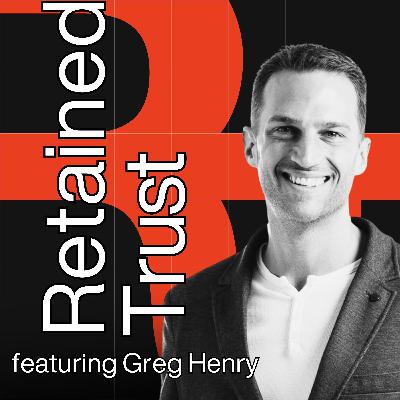
In this episode of Retained Trust, host Karl Hughes talks with Greg Henry, founder of Push10, about his evolution from solo freelancer to leading multiple specialized agency brands. Greg shares how a focus on higher-quality clients and strong branding work helped him scale, the lessons learned from targeting mission-driven organizations, and how splitting into niche sub-agencies opened new growth paths. They explore challenges in balancing resources across brands, navigating client budgets, and building recurring revenue. Greg also discusses the role of SEO in client acquisition, the importance of maintaining strategic partnerships with existing clients, and his long-term vision for a holding company structure. Key Points From This Episode: [00:00:00] Introduction to Greg Henry and Push10’s focus on nonprofits and social good organizations. [00:01:26] Moving from small clients to enterprise-level work by focusing on quality and strategy. [00:02:36] Lessons from adapting to disruptive tools like Squarespace and AI. [00:06:37] Greg’s early career path from mass communications to founding an agency. [00:09:31] Decision to hire, specialize, and expand into mission-driven branding. [00:11:43] Launching two additional niche brands for food & beverage and AEC clients. [00:13:40] Advantages of diversification across industries during downturns. [00:15:45] Pre-qualifying nonprofit leads to ensure budget alignment. [00:18:22] Narrowing niches within the mission-driven space to find higher-budget clients. [00:21:29] Starting with targeted landing pages before launching full niche brands. [00:22:26] Marketing challenges of running three agencies with shared resources. [00:24:47] Leveraging the parent agency’s scale alongside niche expertise in sales. [00:26:26] Early client acquisition via direct mail to agencies and using “we” instead of “I.” [00:28:42] Using SEO to dominate search terms in specialized niches. [00:30:53] How to identify and choose a niche based on data from past projects. [00:33:57] Retaining branding/web clients with maintenance packages and strategic check-ins. [00:37:50] Using six-month strategy reviews to reduce churn and upsell projects.[00:39:53] Splitting business development focus between new clients and upselling existing ones. [00:42:16] Encouraging the whole team to help with sales and brand promotion. [00:44:25] Greg’s long-term vision of a holding company with multiple specialized agencies. [00:47:41] Equity-based managing partners as a solution for scaling multiple brands. [00:48:28] Book recommendation: Profit First by Mike Michalowicz. Links: Greg Henry on LinkedIn: https://www.linkedin.com/in/greg-henry-push10 Push10: https://www.push10.com/ Karl Hughes on LinkedIn: https://www.linkedin.com/in/karllhughes Production and editing by The Podcast Consultant: https://thepodcastconsultant.com
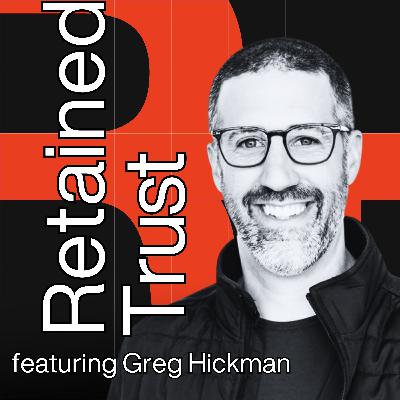
In this episode of Retained Trust, host Karl Hughes speaks with Greg Hickman, founder of Alt Agency. Greg shares his journey from running a full-service marketing automation agency to building a lean education and consulting company focused on helping agencies productize their services. They explore why productizing isn’t the enemy of creativity, how agency owners can structure a “service ladder” to match different buyer types, and the importance of self-awareness when defining success. Greg also breaks down the pitfalls of chasing scale without intention and why YouTube became his content platform of choice.Key Points From This Episode:[00:01:06] Greg Hickman’s background and the early evolution of Alt Agency[00:04:38] First leveraged offer and shift toward productized consulting[00:06:28] The “service ladder” and different types of agency buyers[00:10:04] A PPC agency example of tiered offerings across buyer types[00:13:34] Delivering the same outcome via different vehicles[00:18:46] What holds agencies back from productizing services[00:20:33] Common resistance among creative agency owners[00:23:48] Fears around limiting client work and missing opportunities[00:24:40] The influence of “Built to Sell” and the spectrum of productization[00:27:02] Scaling back from 13-person team to a leaner model[00:29:12] Creating a business that supports your ideal lifestyle[00:31:38] Avoiding blind emulation of others’ definitions of success[00:34:28] The value of entrepreneurial community and shared experience[00:36:37] Greg’s hot take on LinkedIn vs. YouTube for client acquisition[00:39:29] Picking content platforms that play to your strengths[00:43:54] Book recommendation: Die With Zero by Bill Perkins[00:47:52] Rethinking the size and complexity of successLinks:Greg Hickman on LinkedIn: https://www.linkedin.com/in/gregoryjhickmanAlt Agency: https://altagency.comKarl Hughes on LinkedIn: https://www.linkedin.com/in/karllhughesProduction and editing by The Podcast Consultant: https://thepodcastconsultant.com
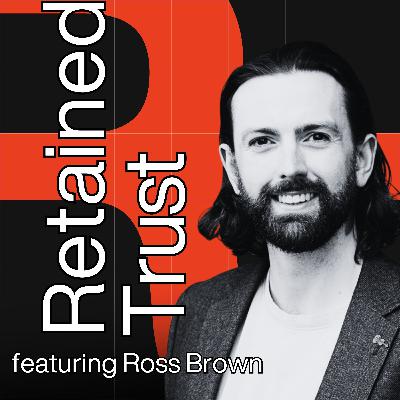
In this episode of Retained Trust, host Karl Hughes speaks with Ross Brown, founder of Flex Ops and former managing director of a fast-scaling influencer marketing agency. Ross shares lessons from helping agencies scale past early growth hurdles, revealing how fear, overcommitment, and lack of clarity often keep owners stuck below the $1 million mark. Together, they explore the emotional and operational challenges of niching down, letting go of difficult clients, and building consistent business development practices. Ross also reflects on his own journey into consulting and the mindset shift required to build a business that supports your personal goals.Key Points From This Episode:[00:00:00] Ross's early experience growing an agency from 3 to 40 people.[00:02:49] Foundational reasons behind rapid agency growth.[00:04:48] Why staying in your lane gave them a competitive edge.[00:05:14] What prevents agencies from niching down.[00:06:14] Fear of missing out vs. long-term growth strategy.[00:07:45] How founders often unknowingly stall their own growth.[00:10:12] The courage it takes to ask for help as an agency owner.[00:11:53] The emotional attachment that stops owners from letting go of problem clients[00:14:35] Typical signs that it’s time to drop unfit clients.[00:17:00] The dangers of inconsistent business development.[00:18:26] Contradictions between stated goals and behavior.[00:20:59] Why BD must happen even when your pipeline is full.[00:22:56] Creating deal flow that enables long-term client filtering.[00:23:40] Why closing key clients can take years.[00:26:38] The long-term mindset required to build client relationships.[00:27:29] Can an agency ever be truly passive?[00:28:52] Why many owners don’t actually know what they want.[00:31:09] How lack of direction shows up in daily operations.[00:32:14] What Flex Ops looks like today and Ross’s motivation behind it.[00:35:46] Why Ross intentionally stays lean and focused.[00:38:46] Long-term ambition to eventually run another agency.[00:40:59] The single biggest blocker to scaling past $1M.[00:43:19] Owners who succeed tend to take full responsibility.[00:43:34] Ross’s book recommendations:[00:46:27] Where to learn more about Ross and Flex Ops.Links:Ross Brown on LinkedIn: https://www.linkedin.com/in/rnabrown/?originalSubdomain=ieFlex Ops: http://flexops.co/Karl Hughes on LinkedIn: https://www.linkedin.com/in/karllhughesProduction and editing by The Podcast Consultant: https://thepodcastconsultant.com

Comments

Download from Google Play

Download from App Store
 United States