


 Claim Ownership
Layers of Now
Subscribed: 0Played: 0
Subscribe

© Keyana Miller
Description
Layers of Now is an audio journal that dives into the messy, ever-changing nature of our identities and experiences. With curiosity, humor, and raw honesty, I attempt to unravel how culture, philosophy, politics, and everyday life collide and shape who we are. Through reflections, storytelling, and discussions, it’s an invitation to slow down, question, and embrace the chaos of being human.
keyanajmiller.substack.com
keyanajmiller.substack.com
11 Episodes
Reverse
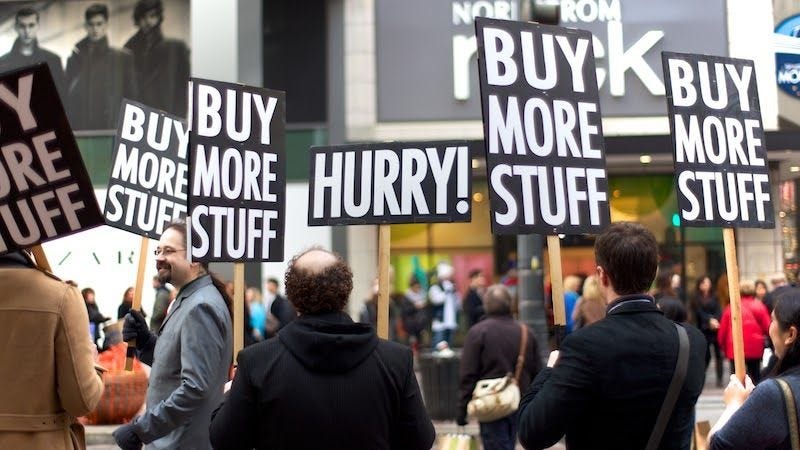
I am not your financial advisor. I am your financial bully.I hope to persuade you to discard, delete, cancel, and ignore the junk corporate oligarchs are trying to sell you. I hope to fear-monger a little. I hope you feel a bit shamed.Mostly, I pray I convince you.This is propaganda for a life-long strike from corporations that want your money for cheaply made items from god-knows-where and drop-shipped straight to your front door.You do not need those things. Your children don’t, your parents don’t, your pets don’t. The problem is that we keep participating in a system that only works if we keep buying. But everything falls apart when you stop participating, because no one can play a game by themselves.So stop playing! Because you are LOSING!01. the trash in questionEverything.The endless stream of products, subscriptions, upgrades, and services exist to keep your thumb on the “Checkout” button. Online shopping, fast fashion, food delivery, etc. — all touted as necessary parts of a good life.But most of this s**t is not necessary, it is just convenient. Convenience has become the most profitable product ever sold. In a couple of clicks you can have virtually anything shipped to your front door within days, even hours. The friction of acquiring goods has disappeared. And with it, the question of whether or not we needed those goods in the first place.02. refusalThe first step is to stop spending.No subscriptions.No food delivery.No unnecessary tech or car upgrades.No impulse shopping. No more Amazon, no more TikTok Shop, Temu, Shein, or Zara.Cut up your debit card and order a new one so online stores no longer have your payment information saved. Purchasing shouldn’t be this simple— friction is your friend. If you have to buy something online, make sure you at least have to find your debit card and manually enter the information, so there’s enough friction to discourage repeating the process.03. the mindful practice of moneyNow you need to know exactly how much money you have.Budget everything. You should know precisely how much money you have at all times. No approximately. Exactly.My biggest tip: use cash whenever you can. Cash forces awareness. When the money leaves your hands, it is gone. There is no swipe, no delayed realization, no vague sense that you spent too much. Digital clutter matters, too. It hides the signals that help you control your spending and amplifies the ones that encourage you to spend more. Most digital clutter is advertising, and it distracts us from important financial messages. When those signals are harder to see, it becomes harder to track where your money is going.If you actually use your personal email, clear it out. The only emails you should be receiving are from your doctor, the bank, and your job.Declutter your digital space. Declutter your physical space. The fewer messages trying to sell you something, the easier it becomes to ignore them. 04. change! NOWThere are two things you must prioritize this year, and for the rest of your life.* Become radically anti-consumerist.* Acquire life skills that offset consumer pitfalls.That means learning how to mend things instead of replacing them. Fix the belt loops on your pants. Learn how to replace the A/C blower motor behind your glove box that’s making that weird clicking noise.You should know how to repair small problems before they turn into large purchases, and you should know how to maintain the things you already own. No more buying s**t!05. e.g.I have spent an incredible amount of money on my hair.From birth to adulthood, my hair has been the single highest price tag in my life. Oils, serums, mousses, new styles, new products, wigs, weaves, you name it— over and over again.One day I realized that I was giving money to companies and businesses with histories I did not know, and with products whose origins are as unknown to me as the bottom of the ocean. All of this spending.Two years ago I loc’d my hair.Since then I’ve been using up the products I bought years ago. I still haven’t reached the end, and I’ve given many away.And I know I made the right decision because I’m still the hottest b***h in the room.06. what we’ve lostWe’ve stopped asking our neighbor for sugar.In our race for the best and most valued products and services, we have lost the need for mutual obligation within our local communities. Instead of relying on neighbors, friends, or family, we now try to own everything ourselves. We want every tool, every service, every product available at the push of a button so that we never have to rely on another human being ever again.When we stopped relying on each other, we started outsourcing our money to third-party sellers who send us soulless products from warehouses full of underpaid workers.Economic frameworks are also social frameworks. Our relationships, power dynamics, and long-term obligations are shaped by how we exchange goods and services, regardless of how the exchange happens.07. conclusionA major reason the economy stays afloat is consumer purchasing. When people stop purchasing, things change. Entire industries depend on the assumption that we will continue buying things we do not need. The system depends on participation.And the moment participation stops, the system becomes unstable.There must be a change in the way we acquire goods. We must start bartering, mending, and making things again. Immediately. No one in the world is more important than the next. We are the currency. Move accordingly. Get full access to common dilemmas at keyanajmiller.substack.com/subscribe
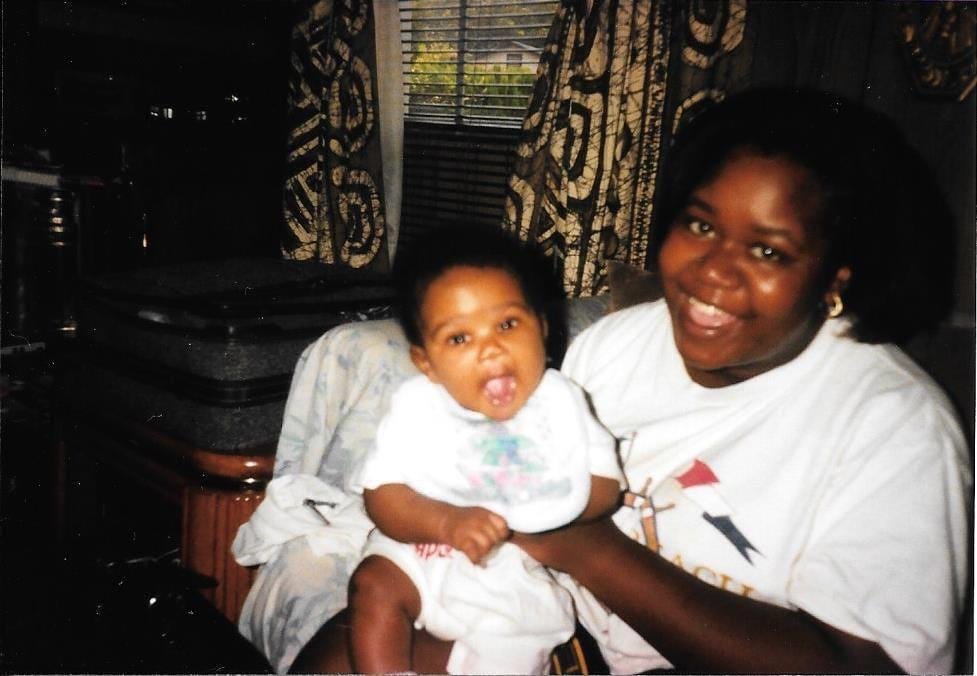
My only sister is the baby of the family. And in a hospital in Nashville, I heard her middle name for the first time— Ashanté.I’m unsure if she knows, but she shares her namesake with the Ghanian Ashanti people, a matrilineal society in West Africa that centers its women in inheritance and familial leadership. The Ashanti culture specifies tradition, family identity (like surnames), property, and power pass through the mother. In this cultural structure, the grandmothers are paramount and some of the most important people in the family. And as a Black woman from the south, I also see my grandmothers as pillars of the family itself. We are first children, then too quickly adults. But we always find ourselves back at our grandmama’s doorstep, waiting to hear her voice. There are some traditions the mind just knows.01. our grandmothers & an imbalance of DNAMy grandmothers raised children, grandchildren, and children that aren’t even related to them by blood. They have cooked, cleaned, wiped s**t off babies, cooked and cleaned again. When I think of my family, I think of my grandmothers. Though we live in a patriarchal society that primarily focuses around the father and his kin, I have only ever lived near my mother’s people. Perhaps that was because there was more help in Tennessee with my parent’s three young children, but it could also be because many Black people inherently align to the matrilineage of the mother, the grandmother.Today is November 26, 2025. Thanksgiving is tomorrow. I will be driving to my mama’s mama’s house to cook and clean and maybe wipe s**t off babies. It is simply what is done, and what we always do.As a daughter, I’ve inherited so much from my mother. Her face, for one. Her smile. Her poor eyesight. I inherited her zodiac sign. We share a love for information. I believe my love for reading came from her, too. I would also say my addictive personality was inherited from her, as well.She is also the eldest daughter, and it shows in how we both refuse to be wrong. There is no other way than our own, no other path need be taken. Even when we know we are wrong, there is rightness in our acknowledgment.The connection a (good) mother has with her daughter is something that can only be written about in poetry, or seen in art. Notice I say “good.” That is an important qualifier.subscribe if u like what u seeResearch states that we are all more related to our mothers than our fathers. Our mitochondrial DNA is passed down only from our mothers. This means that we all could, in theory, trace our mitochondrial DNA from our mothers to our grandmother and great-grandmother and so on, until we reach our first maternal ancestor. There’s no real way to follow this line for our fathers— and maybe that’s why men wish to tack their name over ours, to forever stake patriarchal claim to a woman’s biological heritage.That’s a bit presumptuous. But I didn’t stutter.The X chromosome from the mother also carries more DNA than the Y chromosome from the father, which means that even men are more closely relate to their mothers than their fathers. Even without any scientific explanation, this makes sense.Women raise children. Women bring life. Women have always, always created and carried and cared for.No angel stretched protecting wingsabove the heads of her children,fluttering and urging the winds of reasoninto the confusions of their lives.They sprouted like young weeds,but she could not shield their growthfrom the grinding blades of ignorance, norshape them into symbolic topiaries.She sent them away,underground, overland, in coaches andshoeless.When you learn, teach.When you get, give.As for me,I shall not be moved.—Maya Angelou, “Our Grandmothers”02. matrilineal themes in books, in lifeI’ve read two (very different) books this year that explicitly relate back to a Black woman’s matrilineage— and what our mothers’ ancestors give us. In both of these stories, though varied and not even slightly similar, I found that within all our mothers’ familial lines, there is trauma, as there is always trauma stored within the bodies of Black women. And this affliction is stamped onto our genealogy like livestock branding.Share with me your maladies, and I can tell you of your mother’s past. As an example, autoimmune diseases are disproportionately found more in women than men, and Black women comprise an even higher percentage of that rate as we are more likely to develop Lupus and Multiple Sclerosis than other race. So-and-so’s mama had this affliction, and her mother before her. Years of ailments passed on from mother to child, mother to child.Again, I say— share with me your suffering, and I might tell you where it started.In Tracy Deonn’s fantasy series The Legendborn Cycle, we follow a North Carolinian young girl named Bree that inherited novel powers from an ancestral grandmother named Vera. Bree’s story is told through a distinct YA fantasy lens, filled with romance and the hero’s journey, but her connection with her mother’s ancestry is a constant and unwavering undercurrent throughout the series. This lineage carries a real presence of power, but as she succumbs to its might, she falls deeper into the curse that binds every woman on her mother’s side. It’s a tragic and complex tale of birthright and magic told through a retelling of King Arthur’s knights at the round table.Honorée Fanonne Jeffers’ epic novel The Love Songs of W.E.B. Dubois is a tale of matrilineal ancestry from the first chapter. The protagonist Ailey finds herself at first detached, then mystified, and ultimately curious to the point of study about` her mother’s Georgian family line. In her research, and through the passage of time within the book, we follow her journey of understanding why her family is, as the reader observes the how. Often, I found myself deeply saddened by the woes of heritage throughout the book. It is a heavy read. I loved it.“We are the earth, the land. The tongue that speaks and trips on the names of the dead as it dares to tell these stories of a woman’s line. Her people and her dirt, her trees,”― Honorée Fanonne Jeffers, The Love Songs of W.E.B. Du Bois03. where our before-mothers goI do not know.I think sometimes they get lost in creating a new life for themselves with their new families. Our mothers became mothers and many stop being who they were before motherhood, though maybe that’s intentional. They lose their names, or their mother’s names. They are sometimes found with a new name entirely, or perhaps it’s hyphenated. Either way, our before-mothers are mostly lost to us.I know I hear my before-mother in my voice, and the way I talk. She exists in every blurry photo I take of myself. She’s in my hair. Her mother’s mother is still etched in my memory, a tiny woman that always had her gums lined with snuff. Always smelled faintly of tobacco. When I was younger, we lived with my great-grandma for a couple years. It was a household of three distinct generations of women— me and my sister, my mama, and our mama’s grandmama. Most days, my grandma would come over and we would fulfill a partial line of Bullock women, the matrilineal surname that goes back to my great-great-great grandmother’s mother born in or around the year 1834.We haven’t been able to confidently trace our familial heritage before then. There simply wasn’t any consistent documentation of slaves in West Tennessee and Virginia. Though the women in my family are making a valiant effort, it’s difficult. Not to mention, all our ancestors are hidden behind paywalls and geo-mapped proverbial tape… I digress.I sometimes envy those that can trace their ancestry back to a crest, or a name, or a time in history. I can only confidently name my great-great-grandmother’s mother, then vaguely gesture towards census data that spells her mother’s name differently on every document.It is no small task, to research your Black foremothers. To find documentation they existed and laughed and fought and cried and loved and cursed and watched their children grow up.But I know they did all these things, because I am here. And I’m every woman, ain’t I?04. a conclusionThough you may try to pry off your mother’s mother’s mother’s ironclad grip on your marrow, it will be in vain. She, an eternity of She’s, will be with you always. They will follow you to the birth of your own children, through heartache, through love, through pain.You inherited guardians, as well. Women that will forever be found in your DNA, down to the microscopic levels of you.05. poem called SacramentIt’s about the deity our mothers worship.Man made God, a man-made godOnce revered, never removedSpiritual, and yet so corporealSabotaged by HubrisToo large to carry on the back of man aloneSo He created GodTo share the weightHedonistically affixed to His likenessStaring back at HimselfTo a God that HissesGood boy, take HeedTake a wife, take a loverTake the landTake the world!—KJM Get full access to common dilemmas at keyanajmiller.substack.com/subscribe
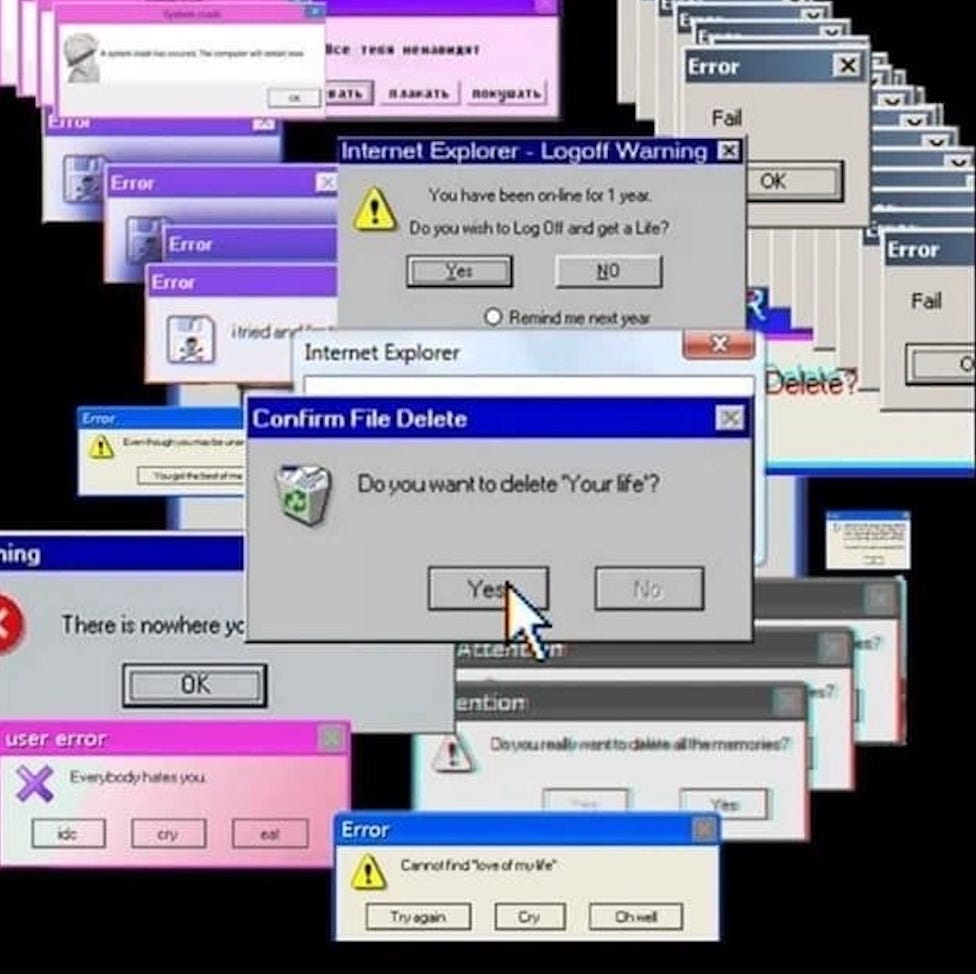
I am so, so tired of pretending like the internet is good for me!It is not helping me— I am falling apart after every scroll. I find myself searching for two or three specific people and either logging off due to inactivity or obsessing over what they’ve posted since I last checked. I post on social media sites like TikTok because I know there are certain people that will watch my videos. I also hope to be plucked from the anonymity of TikTok’s algorithm and one day be granted access to virality in such a way that I never have to work a day in my life every again, ignoring the thought that this could possibly affect every single personal relationship in my life for the worse. I’ll check three stories on Instagram, scroll through posts by people I do not know or do not like. I look at a DM from a friend, let the meme go without responding. Because none of it matters.I want things I don’t need, feel emotions I don’t have, and take stock of strangers’ lives in ways I was never meant to, all because of my personal relationship to social media. I turn twenty-nine next year, and I am finally ready to rid myself of the baggage that has plagued me my entire childhood and adult life— my excessive use of the algorithmic internet.I was raised in the age of Myspace, Tumblr, Oovoo, Skype, Facebook, Instagram, Vine, Twitter, etc. All of these social media sites likely still have my personal data, and are likely still selling it to ad companies to profit on my childhood fears and aspirations. I did not learn how to become myself— I was molded into who I am today by the images and words on my screens.01. the prosSocial media is entertaining— point blank. The interconnection between social media and pop culture was a catalyst for some of my favorite hyperfixations of my childhood. And when social media became the sole force for artists and performers to interact and reach their fanbase, it was kismet. Like the singularity, the universe exploded and grew exponentially.In the early age of social media, artists no longer had to cultivate their audience. The fans created space themselves— through stan and update accounts— and this use of socials pushed us into a new era of pop culture experiences. We knew everything about everyone. Oftentimes, too much. This was my niche on the internet, and I gained some amazing friends from the experience. But I did not need to know that much about anyone, much less artists that live half the world over. I believe we can see the residual effects of this constant surveillance of celebrities today, and I’m ashamed I had a small part in it.Social media is also a space where education and information can be widely distributed without paywalls or bureaucratic tape. Depending on the source, the information is actually incredibly useful and worth the time to learn and digest. Unfortunately, we normally just passively learn this information without taking the time to let our brain process. We simply scroll on.As an activist, and proclaimed socialist, I believe that civic engagement and community building are two of the most important things we can develop as a just and more empathetic society. Social media assists in the gathering, tracking, and marketing of events, vital information, and volunteer opportunities for our communities. Really, one of the last ways to share important civic information is through social media. This is a pro that I have a hard time losing, but I will find ways to overcome the deficit. Civic engagement and community outreach has existed long before the algorithm, and will exists long after.Finally, social media stimulates and facilitations connections— with family, friends, future partners, future friends. We can keep up with people with so much ease now that we might not feel the need to contact anyone directly through their phone number or even by letter. However, I think this type of passive connectivity is a reason why we are not more connected with our direct communities. When thinking about the sphere of influence, the closest sphere to the self is control. We cannot control what we see from our friends and families on social media, we cannot control the information they give us. However, we can control how we interact with the narratives they create. We can reach out ourselves and form our own 1:1 narratives without the third-party social media app showing us what it wants to show us.I no longer want to build my world around what the internet thinks I want to see— I want to build a space where I can share, learn, and find information that I desire and aspire to connect to and with.02. the consI was on Tumblr with #thinspo and #proana was thriving. And as a 12 year old Black girl raised in the US, some of it worked on me. I didn’t have many other cultural references in 2011. I wanted to look like the girls and women that were being reposted on my feed because popularity is its own form of currency. And please don’t prescribe to the idea that Eurocentric norms are only upheld by white people. Learn nuance. I only reposted the skinny Black girls, because that was the content that spoke to me. This is just one example of the ways in which the internet disturbed my childhood, just one detrimental experience after another in the age of social media. Parents couldn’t keep up with the fast-pace of their children’s social media usage, and it showed.Thus, as a teenager raised by social media, I became less and less happy with the physical world I was living in. I yearned for the reality I was creating for myself online. In hindsight, I believe this led to a panic disorder that did not loosen its grip on my nervous system until I turned twenty and my hormones started regulated themselves. My excessive use of social media apps has created a gap between what I do in a day and what I see in a day. What I do might be benign— wake up, work at my job, take a s**t, go for a run. But what I see in a day tells a different story. Within a six-minute timeframe, I can scroll from breaking news in a country I will never visit, a video about a stray dog three states over, to a story time of a woman manipulated by her abusive therapist— only to find out that the woman was using generative AI to dictate how she was behaving towards said therapist. None of these stories have anything in common other than that my algorithms believed I would be interested enough in all three to keep scrolling. And it’s almost always right.My avoidant attachment style also craves the anonymity of the social media, and that is another reason why I must cut a couple major cords. Avoidants really like learning and gathering intel about a person from afar, and social media is the perfect cyberspace for a girl like me to obsess and crush over someone without actually having to get to know them. I can simply create my own version of them in my head based on the limited information they’ve posted on the internet. And anyone can do the same for me, instead of actually speaking to me and getting to know my quirks in real time. Para-social relationships are ruining our world, and we don’t realize it because we assume these “connections” to be real.Truth be told, I’ve sometimes used dating apps as their own form of social media. I am sharing my best photos, with my wittiest commentary, in order to (hopefully) match with a decent human being that I may or may not meet in person. That gamble has led me to being detached in building relationships in the past, and often I found myself “liking” someone just because they’re there, and also craving affection (attention) from another human being. I can say that I’ve learned from this behavior, because I’ve met some really special people through dating apps since, but those are true outliers. And I had to unlearn some really unhealthy habits I’d harbored around romantic relationships and digital communication.The nuance of dating through social media has perverted the ways in which we find love, share love, and care ourselves and others. If I want to continue to find and cultivate connection, romantic or platonic, I first need to dissect the relationship with my For You page.The disinformation and rampant use of AI on social media is just the nail in the coffin. I hate AI, I hate the idea that society has decided to stop working on its media and reading literacy and we have succumbed to the reality that is fake news and AI videos of Tupac working at Arby’s. The type of brainrot, stupid b******t is going to ruin us in five year’s time (if it hasn’t already).Ultimately, the cons outweigh the pros. I will not continue using heavy algorithmic apps like TikTok, Instagram, or Facebook simply because that is where I can find people I know. If I need to know what my loved ones are doing, I will interact with them directly. And if I want to meet strangers, I will find them some other way.03. conclusionI lied at the beginning of this essay.I am not completely deleting myself from the internet, but I am taking myself out of the algorithmic spaces that have distorted my basic life philosophy, simply because social media was there and I wanted distraction. I will still use apps that will connect me with friends and family, but they will be niche and likely not popular places to visit. That is fine— I realized that I do not want every person I’ve ever come into contact with to have access to me.Instead, I will be updating all the contacts in my phone with birthdays, emails, and home addresses. People move and I haven’t sent snail mail to some of my friends in years. I want to know what my friends’ writing looks like, and I want to see what they thought would be the most interesting things to share with me in a letter. I want to be intentional with the information I share, and I want my friends to do the same.I also want my time back. Countless hours have been spent scrolling, staring, sharing. I do not know why or for whom. I yearn for a boredom that is solely derived from spending lots of time with
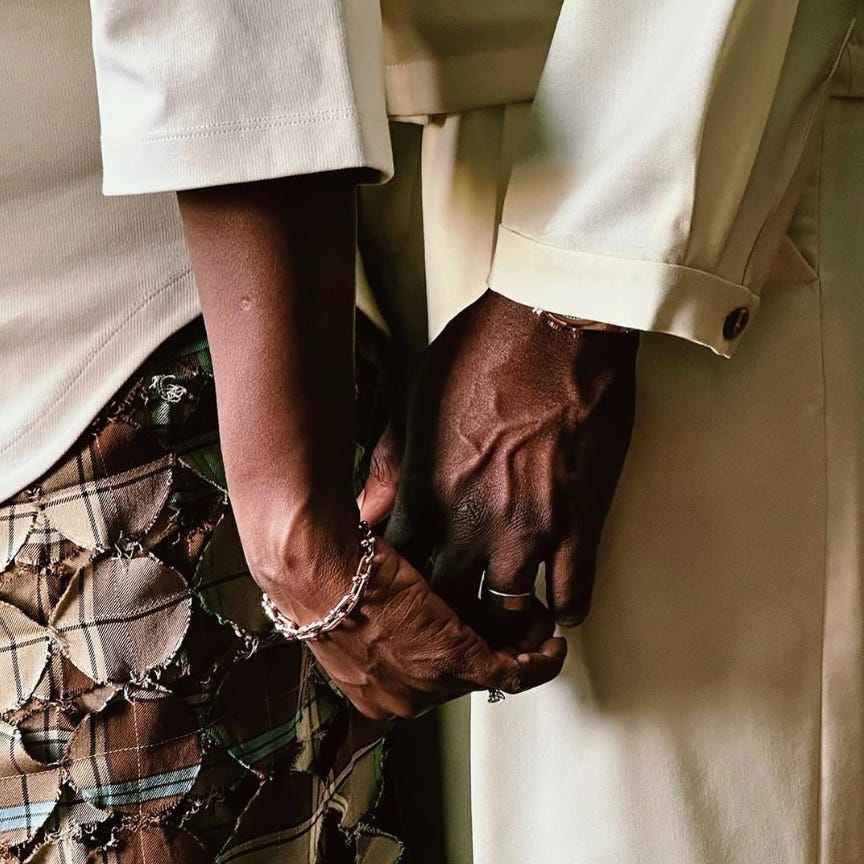
I love the way little children speak to strangers. There’s a familiarity already woven into the conversation— children will start a story in the middle, assuming you know the rest. They will give names and dates and emotions of people you’ve never met, and use words like “Mom” and “Daddy” in reference to family you don’t know. It’s always best when I hear children speak to each other for the first time. There’s a transparency that I find so pure in its honesty. Children want to know and be known. So do I.So do you, I believe.So, why doesn’t this unabashed curiosity exist in adult spaces? I think it’s because we’ve been taught to stay on the path of familiarity and routine. Life has also taught most adults to find and seek out security— whether that be in a person or something wholly different. To seek out newness, to be curious in any way, to acknowledge more than what is known, is to deviate from the schema we’ve created.I believe this schema has also made us isolated, divided, and created a society of misunderstood bobbleheads speaking and gesturing with words and symbols that no one else can decipher. We are all just trying to express ourselves in a world where context is everything, because no one person has lived the same life. In a utopia, this mode of thinking might’ve made everyone more open to expressing themselves freely, so that everyone’s attempts at interpretation could be shared. Alas, patriarchy and imperialism has made this a world of recluses, fighting off intimacy through understanding one hot-button topic at a time.Imagine trying to express the ideas and worldly understanding of your inverse. I’ll use the topic of marriage. Some think it’s the Right Way to Love, and although I disagree, I want to use this as a thought experiment to challenge my own believes and to hopefully acknowledge another’s with the expectation of becoming a bit more empathetic.“I am out with lanterns looking for myself.”Emily DickinsonThe ceremonial bond between a lovers has, throughout history, been seen as common and institutionalized for nearly 5,000 years. Although it hasn’t always been instated for love, its existence in modern society is not some new-aged understanding our grandparents created. People have long fastened themselves to one another, for money or property or legitimacy or some other ostentatious fourth thing. Men marry women to be deemed successful, women have historically married men to stay alive. Though marriage as an institution has been around much longer than the modern Bible, people also use that as means to legitimize the act of marriage. And I am from the US, so that book is very important to the fabric of the nation.As a woman, I am supposed to strive for marriage because it is a social, cultural, and financial means of proving my value. Marriage generally means I have settled down with someone I love, I am sharing my resources, and I am provided the status symbol of Wife. If I were to put myself in the mind of a religious, Christian woman, this would also mean that I have made it to the second-highest rank of womanhood, right behind Mother.To acknowledge this kind of ideology towards marriage is to agree that is worthy to exist next to my comparable indifference. I think we should be able to reconcile our own thoughts, without judgement, and place them next to another’s. This is strictly to learn to acknowledge difference, not to create division. We are all different, and that is something that is worth noting.Like children, we can blindly speak, accept, and learn from one another without judgement or pretense. There will be enough of that once we reach the inquiry phase in our life journeys. I’ll write about that one of these days.To acknowledge Nature is to notice the seasons changing, to walk in the rain.To acknowledge time is to notice aging, to observe it happening in real time.To acknowledge each other is to notice different with radical curiosity, separate from our own worldviews.To acknowledge is to learn intimacy and be misunderstood, over and over again.We can speak mutually, blindly and without reserve, in order to learn. We should aim for curiosity because it is inherently unbiased and faultless. It’s finding a rhythm in the murky sludge of acceptance. To acknowledge means to voice boundaries, and even if they’re not followed at first, we now know we can speak to our own limits.To acknowledge is to build confidence in your own ability to understand the world around you. I acknowledge that I don’t understand everything, and so I’m always curious to learn more. The dumbest and most ignorant of the human race are those that do not acknowledge or even feign curiosity. Their beliefs are not only their own law, but their believes should be followed by others, even strangers. This is the opposite of curiosity— indifference.So again I say: I acknowledge you, dear reader. I do not know you, but I see you. I understand that we hold differences, but I am not indifferent. I want to always learn more about the world we inhabit and hopefully more about you in the process.“I urge each one of us here to reach down into that deep place of knowledge inside herself and touch that terror and loathing of any difference that lives there. See whose face it wears.”Audre Lorde, The Master’s Tools Will Never Dismantle the Master’s House Get full access to common dilemmas at keyanajmiller.substack.com/subscribe
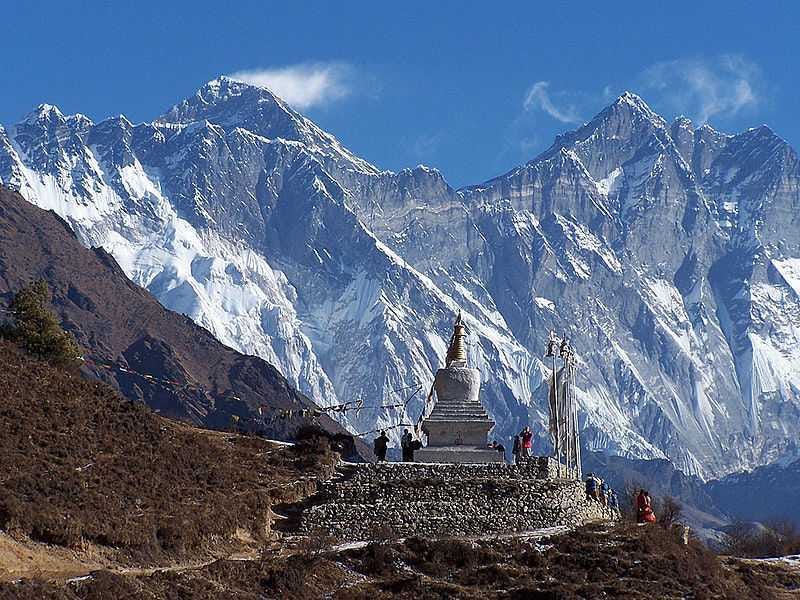
Rather than simply celebrating a mountain that Nature has brought forth as the highest peak on earth, some humans must conquer it. Stake claim. This is a hot take, but it has always been hard for me to feel remorse for the death of wealthy people that spend way too much money on their fatal hobbies. Rich folks will acquire more money than God then proceed to either crawl or climb the depths of the world’s more dangerous places… for fun? Clout?Or maybe just for the ability to say, “Been there, done that.”I’ll section this essay off into three questions: what is risk, what is sacred, what is justice?01. what is risk?I recently read an article that argues that the risk management approaches to tourism at Sagarmāthā have not included social and cultural circumstances around the climbing expeditions and the support staff (who complete most of the work within the expeditions).In my academic and Black-ass experience, this is what I have to say in response: The grass is also green, the sky is blue. Tell me something I don’t know. Schweinsberg and Hall do bring up an interesting theory, which is mainly what I want to discuss. Tourist sites like Sagarmāthā can and should be considered on the “edge of chaos,” meaning that the environment is constantly subject to a drastic triggering event that can change the entire landscape in an instant. They argue that tourist environs like Sagarmāthā will always be subject to major disruption and change, however, they lost me when they quoted another scholar describing how the climbing industry must, “…embrace the complex nature of the physical and social world; recognising that Sagarmāthā is ‘a place of intense learning, innovation and creativity where change can occur easily and spontaneously as the system breaks with the past and new systems of order emerge.”I just think white people should stop trying to climb dangerous mountains for fun, putting themselves and the community at risk.My definition of “risk” is anything that can cause harm to someone or something, both in the immediate present and the future. The problem lies in the fact that tourist destinations like mountaineering in remote mountain ranges are the direct reason for the tourism itself, so it’s a never-ending cycle. Tourist bring money to the local Nepali and Tibetan towns, but the direct consequence of that tourism ranges from water pollution to death. This is too broad a spectrum for a gal like me to even comprehend.I don’t think it’s completely fair to say that there is a net loss for the people that live in the valleys of the Himalayas, because the tourism might be invaluable to their economies. However, how important is an economy when your drinking water is possibly tainted by the 200+ bodies on a mountaintop? The tourism economy seems of little importance then.There is also the ideology of risk and risk management for the wealthy class. The edge of chaos phenomenon does not just exist in dangerous landscapes, it is felt by most poor people around the world every single day. At any given point in a poor person’s life, they can be subject to a drastic event that can change their entire life trajectory. One bad accident, one lost job. A payment missed one too many times, and there is a chain reaction that can be absolutely devastating. Much like an avalanche.Wealthy people that travel to the Himalayas do not know true risk. Therefore, they seek out their own fabricated risk as means to feel what the average human feels when they lose their only source of income.This class divide isn’t just a Western thing, though mainly Western climbers are the culprits. Poor people exist all over the world. And we all, at any given point, can experience an “edge of chaos” event that topple the fragile systems we create. Like Sagarmāthā, the poorest are subject to constant shifts in environment that can alter reality.02. what is sacred?The common Tibetan name for the highest peak in the world is Chomolungma, which means “Goddess Mother of the World” or “Goddess of the Valley.” The Sanskrit/Nepali name for the same peak, Sagarmāthā, literally means “Peak of Heaven.” And white people decided to name the same peak after some British guy that didn’t even want the mountain named after him. But just like any imperialist habit, they occupied the mountain by asserting a name never even uttered by the Tibetan or Nepali people at the time.Sagarmāthā is widely known as a sacred mountain for the indigenous people of the Himalayas. This mountain, and the range as a whole, has supplied the people with clean water for centuries. The Himalayas has also kept the people within the valleys of the range relatively self-governed in its remote nature, meaning they didn’t succumb to the plight of colonization due to their isolation from the rest of the world. Although one could argue that’s what’s happening now, in the guise of a tourist destination hub.There is a sacred journey carried out by Tibetan Buddhist called kora, in which they perform a circular pilgrimage around sacred sites, ultimately leading them to the base of Goddess Mother of the World. Though I can’t speak too much on what the journey might mean for those that pursue it, I think it represents a beautiful sense of connection of the self to the natural world above our heads and beneath our feet.And wealthy “mountaineers” have the audacity to litter this hallowed mountain with flags, oxygen tanks, tents, and bodies. Not to mention the indigenous guides that carry most of the supplies that these sovereign parasites must then employ so they can go back to their families in Perth or Seattle or Buckinghamshire or some other stupid, “safe” location all just to tell their good friends and acquaintances about their experience facing hardships and challenges on a mountain in Asia named after a white guy.03. what is justice?I don’t know. It wish it could be as simple as, “Stop taking the white man’s money.” Maybe it is, but I don’t know what systems need to be in place for that to happen. I think this a universal issue among non-white people around the world, but it’s magnified in locations like Sagarmāthā and the Himalayas, as a whole. However, community can be insular. If the means of production can be circular for a community, without help or guidance from outside sources, then maybe isolation from the capitalist hellscape that is Everest tourism is the right answer. But again, I don’t know. I’ve never been to the Himalayas and likely never will.I think justice, for now, might look like rainbow valley. This is a crass, dare I say somewhat vindictive, take on justice. The area commonly referred to on the mountain as “rainbow valley” is a section where the bodies of climbers wearing colorful clothing litter the white, snowy mountain face. This might be a form of cosmic justice.There is also a justice in the ever-growing long lines of climbers waiting to summit the peak of the mountain during the shriking summit season window. Imagine standing in a TSA line, nearly vertical, waiting your turn to stand atop a littered mountain peak while your oxygen levels deplete by the second! What a stupid and completely avoidable reality.04. conclusionThe essay is titled dilemma of the conquered, if you couldn’t already guess, is not in reference to conquering something as unconquerable as Sagarmāthā. This is a nod to all the very real bodies that lay frozen and unmoving on a mountain so vast that it is impossible to locate and retrieve every single person. We are the conquered, the fallen. Because even at the end of humanity, Sagarmāthā will remain. And yet, we all stand divided, trying in vain to challenge our bodies rather than challenging our beliefs. Although I do not believe the Goddess Mother of the World a brutal deity, I believe She is transparent in her severity. What She lacks is ease, she gains in beauty from afar. We must honor acts of nature that are so cruel and so sublime as Sagarmāthā, much like any god. And like all gods, the Goddess Mother of the World cannot be conquered or claimed by any mortal being. Get full access to common dilemmas at keyanajmiller.substack.com/subscribe
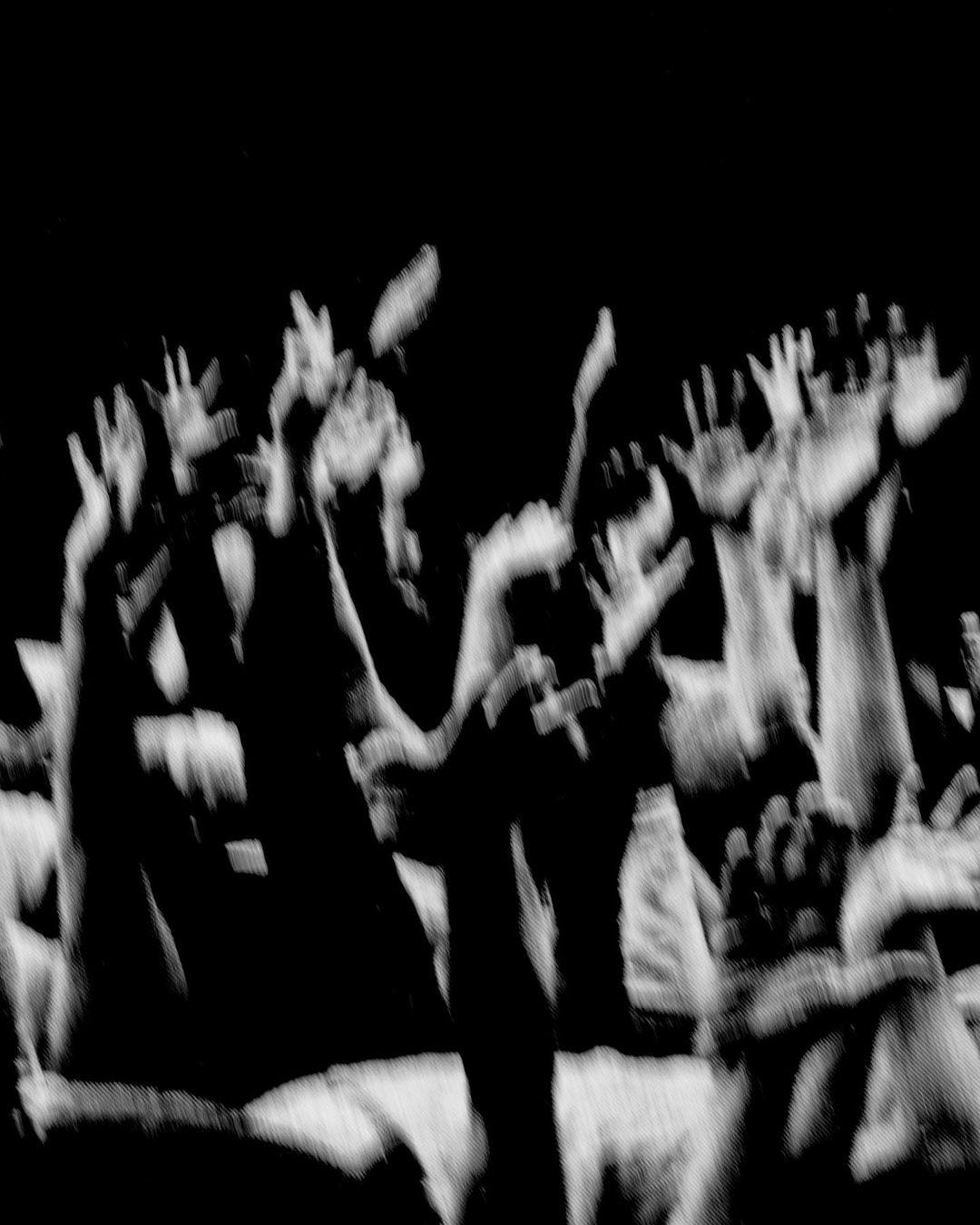
We are living through the clusterfuck our failing systems have placed us in. No matter what debts you have in your life and frivolous expenses you’ve amassed, none of it compares to the mayhem created for the sake of capitalism. I call it the plastic straw paradox: How can the average consumer make even the slightest dent in the amount of plastic that litters our world when the majority of plastic buyers are commercial companies? There is only one winner in Monopoly. And it’s the bank.We are watching a global phenomena I think of as dystrophy. You know, like when muscle tissues slowly break down and the body begins to lose its rigidity and suppleness? This can naturally occur when a person stops focusing on muscle retention, aka stops moving.This also can happen to people with physical disabilities, but we’ll get there.When you disregard, ignore, and neglect something, you lose it. Our government and governmental agencies have neglected the majority of the population, and so we will now suffer those consequences. Regardless of your political leanings, which mean jack-s**t to me, you are a victim to the failing economic systems that we have been forced into. I am afraid to go to the doctor, because I am unsure I can afford what might come from the visit. I treat my teeth like tiny gods, obsessing over them multiple times a day, because dental insurance is a scam. I buy second-hand, or not at all. I hide from the linear economy like it’s a plague, fearing for my life that I accidentally succumb to any single-use material in which I can’t get my money’s worth. If I am being neglected by the system, I want to remain hidden. Do not notice me. Pretend I’m not here.Unfortunately, in a world that operates on consuming, I cannot hide. Where I cut spending, I lose experiences with friends. I cancel trips, stay home, eat in. Even then, the hydra of consumptions finds a new head and gnaws away at my time. My energy. My joie de vivre. We’re all is just wasting away in our cars.And if I still find myself at my bleakest— prices still rise, and these men are richer than ever before. I’ve heard we’re getting our first trillionaire soon! As a fun thought experiment, I wanted to share this piece of information with you:* A million seconds is roughly 11.5 days* A billion seconds is roughly 31.7 years* A trillion seconds is 31,700 years, or 317 centuriesYou can’t even count to a trillion in your lifetime, and we can’t do that anyway, because we have to work until we die.Even if I remain hidden— go off grid, lay low— I am sacrificing friendships, family, and community that I can’t have because not everyone is willing to to check out of the system we find ourselves in. And that’s incredibly understandable. Our brains are hardwired to scope out threats, and lean towards the known versus the unknown.We will naturally choose the familiar Hell over an unfamiliar Heaven, every time.Even in our deaths, money is involved. We are not released from the mortal coil even in our final moments. This dystrophy, this malaise, will consume us until there’s nothing left. If we let it.Our own bodies do nor function linearly— I believe the most intelligent of us all must succumb to the moon cycle. And everyone has to retire to REM at some point. We do not function on a line, why must we live like it?What’s crazy to me is that it (ideas, behaviors, karmic energy) all does come back around eventually, because nothing is truly linear. Instead of a sustained circular model that reinforces the following step, the current economic, political, and social systems mimic the ouroboros, an ancient snake depicted eating its own tail.Intentionally returning to previous ideas, noticing old patterns, working them out— these processes are paramount. Like our weakened muscles, the only option is to start noticing what has gone severely neglected. Because our governments won’t do it, we will have to focus on each other. My belief is that we treat community building like we treat daily movement— good in theory but nearly impossible to practice. Because of the time! And all that cooking! And all the other excuses we’ve found to reinforce our apathy towards one another. I understand we’re mirroring the treatment we receive from the oligarchy, but as empathetic beings and not overlords, we must do better for ourselves.Build community like muscles, incrementally and with purpose. You have to feel the strain in order for the practice to work, because one of the prices of incremental success is inconvenience. Try something new, and if it doesn’t work or feels harmful, try something else. Talk to a stranger. Go to the library. Juggle tennis balls on the side of a busy street.Break into someone’s routine today, and relish in the experience. Then do it again. And again. Until you’ve built such a robust system around you that you’re basically indestructible.And for those with disabilities— we accommodate. Like any workout. Whether it be physical or mental or celestial. Your community works with you and not against, it conforms to the natural abilities you already possess. Community should never be hostile or uninviting. If it is, it is still acting under the eroding systems we’re currently in.And that is not community.I don’t really think I have a conclusion for this one. Just my thoughts, as I think them.Until next week Get full access to common dilemmas at keyanajmiller.substack.com/subscribe
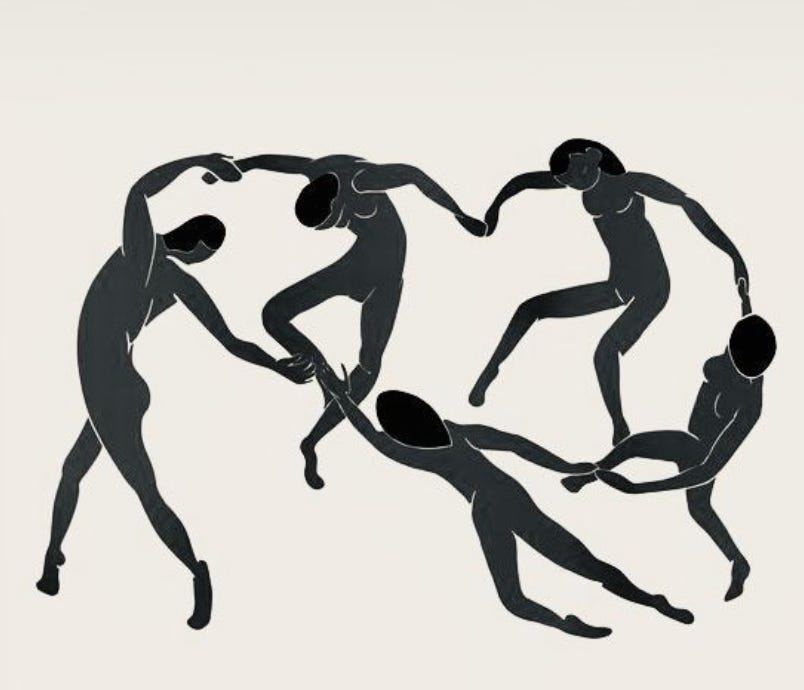
On my drive home from my grandma’s house this weekend, I sat in silence thinking about love. I came to this conclusion: my love language is martyrdom. In every friendship, bond, or romantic partnership, I love with unconditional bounty. I believe that love is a renewable resource that can be replenished over and over and over again.Love, to me, is an immovable, irrevocable, inequivocabile force of good on this planet and we should be doing everything in our power to reinforce it in our everyday lives.01. love as renewable resourceIf God herself called me to her gates and said, “If you die today, there will be no more war, no more suffering, and nature will heal,” I would go immediately. I don’t care how. That’s how strongly I love the world and the people in it. I believe that we all have the capacity to care for one another in ways that supersede the pain, mistrust, and anger we see in our day-to-day lives. But nature will always find a balance. There is no love without suffering, no death without life. This is a utopian dream that cannot actually occur, but I believe in it.There is no limit to love. You cannot use it up, lose it, or forget it exists. She is everywhere. I think that’s the foundation of martyrdom. In theory— love begets loss.02. a pillar of saltA martyr is a person that dies because of their beliefs. I think of Joan of Arc, MLK Jr., and I guess Jesus? I don’t want to focus on the historical ramifications of a martyr, but rather the belief system around martyrdom and why I think it relates to my interpretation of love— and how we all should love at some point in our lives. I also think it’s interesting to discuss the anti-martyr— someone that yearns to live but dies based on false belief and mistrust— like Lot’s wife. Again, I hate to get religious, but this story from the holy book has also fascinated me— the woman that could not simply walk away, even when God said not to. How does one actively defy God? But I guess we do every single day.I believe the mistrust or lack of a greater force than ourselves is why we are in such a disastrous place today. Not to say we all need to find religion and convert, but there is something integral to the human spirit in believing in something bigger than ourselves. Surveillance capitalism, a phrase coined by professor emeritus Shoshana Zuboff, and fascism are both repercussions of the 21st century human’s incapacity to view a world that can exist on empathy and belief in something better than what we can create in our own minds.Even the God created by monotheistic religious groups today is distinctly autonomous, lacking care for all people except the elite and chosen few in the billions of humans on earth. Is that not inherently distrustful? We are all Lot’s wife, who was never named in the Bible, looking back at the destruction and turmoil of our own making. Turning into pillars of salt because we do not trust there is anything better for us ahead.03. expectations of a lover-martyrI do not wish to die by the sword. I don’t think that’s justifiable in today’s era of love, because although I do love everybody, I don’t like most of y’all at all. There is a difference.I don’t want to die by the sword literally, but I would metaphorically. The love language of martyrdom, simply put, is that I trust my love is stronger than any obstacle, trial, issue, or quarrel that can occur in a relationship. Love squanders all. I believe love can destroy, too. Anything that powerful can destroy.I like to think myself a knight. I pledge fealty with love, my sword the physical manifestation of it. I place trust in love not to lead me astray. Notice how I say “trust in love” and not “trust in who I fall in love with” because that trust does not belong to anyone but me and my renewable resource, in which I tap into every single day without failure. I do automatically trust those that I love, I do not have to in order to love them. I trust that my love will influence those around me, make them better because it comes from a pure place. I trust in myself and my own intuition to tell me when I can act on love, and when it should simply be.I think there are certainly negative connotations to this type of perspective on love, but it’s simply a philosophy to live by. The only action tat needs to be taken is to actively care for other people, show and share empathy, ask for help and assist in return to anyone that needs it. You would do this with a lover, do it for a stranger.If I am a knight, my love my sword, who am I pledging this fealty to?You, of course! My grandmothers. My sister, my brother. The Walgreens cashier. I place my love in every person I meet, because every single person we’ve ever met has been loved, for some reason or another. That’s enough reason for me. As for romantic love, I think this idea of martyrdom can become grey. As I said before, this does not mean I place blind trust, faith, and care on everyone I fall in love with simply because they’re there. It does mean, however, that I give them reign to do with my love as they please. Cherish it, protect it, give it back. Neglecting it. None of these responses affects my personhood and how I move in the world, because my renewable resource of love will never lack.What a lover does with my sword will not harm me, because I am protected by something greater— the love that I have for myself. And without this, there is no martyrdom. There is only self-sacrifice with no purpose.The purpose is me. The cause is me. I can be both lost and gained. To die for a belief system (in this instance, love) means that I will lose myself, over and over and over again, in love shared with another as a accessory to my own, not as an alternative or replacement. Love cannot be sacrificed, but I can sacrifice my time, my trust, my faith and hope into another, in the name of love.That is the lover-martyr’s sacrifice. It is what we should all do, at some point in our lives. Allow yourself to fall in love and do not spare even your most vulnerable self out of fear. Fear is the mind-killer. Fear is one of the few true villains of love. Do not allow fear to halt you from sacrificing yourself in the hopes of becoming better, more empathetic, more reasonable. 04. to love thine enemyThe hardest way to love. Through anger.I love every person that’s ever wrong me, that’s ever wronged the people I care about, that’ve wronged the whole world. Because if I start making concessions for some and not others, not I’m being inclusive and instead I am choosing where my love should go, now aren’t I? Just like the religious deities we hide behind to spew hate and mistrust.I love all y’all, for real. I really mean it.I love my worst enemy the most. And that might be selfish, and maybe evil. But I never said love was good or evil. In fact, I said it has the power to destroy. My love really encompasses all that I do and believe in this world. Which means that I will love you to death, if I must. Hate spreads fast by love spreads easier.To those I’ve loved before, you will never get away from the words I said to you, the way I said certain things, maybe not even my social media, in the wake of 21st century communication. You may be reading this now.I am reminded by Stevie Nicks’ lyrics made infamous in Fleetwood Mac’s song Silver Spring:I'll follow you down'Til the sound of my voice will haunt youGive me just a chanceYou'll never get away from the soundOf the woman that loved youThis essay will probably not resonate with many. But to me and my Taurus Sun, Mercury, and Venus placements, this is simple and makes complete sense. Get full access to common dilemmas at keyanajmiller.substack.com/subscribe
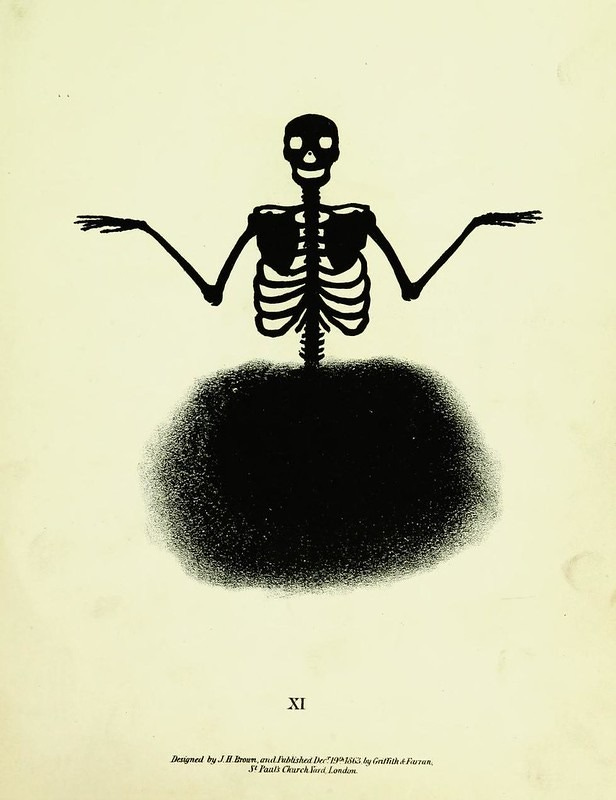
Welcome to the corpostate. Capitalism has won?In this episode, I dive into an exploration of a future where traditional nation-states give way to powerful corporations governing their own territories—a concept I call the "corpostate." I discuss the implications of this shift, including the potential erosion of democracy and individual freedoms, and invite you to consider the societal impacts of living under corporate rule. Is this a dystopian fantasy or a plausible future? The TikTok account I was referring to in the ep is @star.amerasu Get full access to common dilemmas at keyanajmiller.substack.com/subscribe

“Desire is a mirror. It shows us what we want and reflects our fears back at us.”In this audio journal, we dive into Challengers (2024), unpacking its tangled web of desire, longing, and ambition. Through vivid cinematography, dynamic performances, and deeply flawed characters, the film holds up a mirror to our own wants and insecurities. Join me as I explore the complexities of Art, Tashi, and Patrick’s relationships, and reflect on what desire reveals about us.Spoiler Warning: If you haven’t watched Challengers, bookmark this episode for later.Let’s talk desire: what did you take away from Challengers? This year I watch 35 films. What would you like to hear me yap about? Get full access to common dilemmas at keyanajmiller.substack.com/subscribe

In this episode of Layers of Now, I explore the tension between chaos and control in our everyday lives. Using the guiding words of Buddhist nuns, poets, philosophers, and authors, I reflect on the struggle to release our grip on life's messiness and find meaning in its uncontrollable twists and turns.I share personal reflections on why defying chaos is as futile—and as natural—as trying to defy gravity. This audio journal became my way of processing what it means to live without trying to micromanage every detail, especially since I missed therapy this week. Join me as I make sense of it all—or at least try to. Get full access to common dilemmas at keyanajmiller.substack.com/subscribe

We're all being manipulated.Ever feel like you’re not really in control of your thoughts? In my inaugural episode of Layers of Now, I’m breaking down how social media, algorithms, and constant information overload are messing with our minds. From quick dopamine hits to biases that keep us in echo chambers, we’re being manipulated in ways we don’t always see—and it’s exhausting.Join me as I explore why our brains are burned out, how our instinctual reactions are being hijacked, and what it really takes to slow down and reclaim your thoughts.My websiteMy Youtube Get full access to common dilemmas at keyanajmiller.substack.com/subscribe
Comments

Download from Google Play

Download from App Store
 United States