


 Claim Ownership
Paul G's Corner
Subscribed: 0Played: 0
Subscribe

© PAUL G NEWTON
Description
Where monsters don’t hide, heroes don’t come easy, and the only way to know the difference is to Think Your Way Through It.
paulgnewton.substack.com
paulgnewton.substack.com
67 Episodes
Reverse

This week in Paul G’s Corner, we sit down with Eugene Mandelcorn — a man who’s heard more bad film pitches than a Little League coach on a losing streak.Eugene ran an international filmmakers’ group for twenty years, spent another decade selling films around the globe, and now runs a studio without borders, walls, or patience for Hollywood clichés. We dig into his start in the industry, his unusual path from tents to Cannes, his philosophy of “solution films,” and some of the wild scripts he’s got cooking.It’s part filmmaking masterclass, part war story, and all in the unpredictable spirit of Paul G’s Corner. Get full access to Paul G's Corner at paulgnewton.substack.com/subscribe
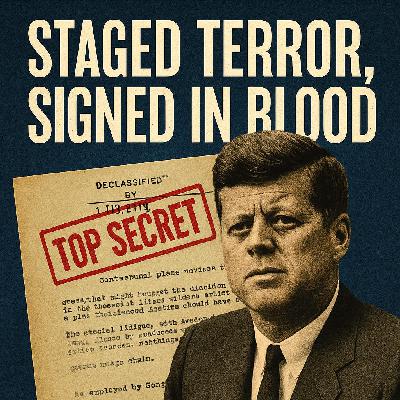
In 1962, the Pentagon’s highest brass drafted a plan that reads today like madness on paper. They called it Operation Northwoods. The logic was simple, the methods monstrous: stage terrorist attacks on American soil, blame Cuba, and unleash the cry for war.The proposals were not scribbles from a shadowy fringe. They were signed at the top. Blow up a U.S. ship in Guantánamo Bay. Hijack airliners, switch them for drones, then script fiery crashes on live television. Plant bombs in Miami. Even sink a boatload of refugees. Each idea cold, clinical, typed in black and white.The plan climbed to the Oval Office. And there, President John F. Kennedy said no. His refusal buried Northwoods—but not forever. Decades later, the files surfaced, signatures intact, proof that the unthinkable had once sat on America’s desk.This episode of Things I Want to Know: Voices drags that ghost back into the light. We move from the ashes of the Bay of Pigs to the thunder of the Cuban Missile Crisis, tracing how close the republic came to devouring itself in the name of war.Because history’s darkest truths are rarely foreign inventions. Sometimes, they are born at home. Get full access to Paul G's Corner at paulgnewton.substack.com/subscribe
They call it Project Broken Arrow. A phrase meant to sound clean, contained, under control. But the truth is anything but. Since the 1950s, American bombers have dropped nuclear weapons into oceans, onto farmland, even across foreign soil. Some were recovered. Others… vanished.The official line has always been the same: “no danger.” Yet behind those words lies a record of near-disasters, of one switch away from thermonuclear fire. At Tybee Island, Goldsboro, Palomares, and Thule, the United States came closer to catastrophe than it ever admitted.And in the shadows, it wasn’t presidents or generals who saved the world, but mid-level officers whose decisions in seconds kept us all alive.This is the story of the bombs America lost — and the terrifying truth that they’re still out there. Get full access to Paul G's Corner at paulgnewton.substack.com/subscribe

Karen Silkwood knew too much. What happened to her on that empty Oklahoma highway still echoes in Congress, in courtrooms—and in the dark.This is The Woman Who Glowed in the Dark.A true story. A corporate betrayal. A radioactive legacy. Get full access to Paul G's Corner at paulgnewton.substack.com/subscribe
In the trenches of World War I, death didn’t always come from bullets.Soldiers who survived the battlefield often fell to something worse—a silent, unseen force that slipped into their wounds, turning scratches into death sentences.One of those men was Private James Calloway.He didn’t die in the heat of battle. He didn’t go out in a blaze of glory. Instead, he lay in a field hospital, watching the light fade as something crawled through his body, unstoppable, inevitable.A doctor named Alex saw it happen.He had seen it before. He would see it again.Ten years later, that same doctor returned from a much-needed vacation to find his lab in ruins—stacks of petri dishes overgrown with things he didn’t care to examine. He almost threw them away.But then he saw it.A gap in the chaos. A hole in the devastation.Something had crept into his failed experiment—not to kill, but to fight back.He scraped it away. He studied it. He tested it.And still, he didn’t understand what he had found.Not yet.Years later, a policeman named Albert Alexander cut himself on a rose bush. Nothing serious. Nothing that should have mattered. But the thing that took James found Albert, too.It clawed into his body, hollowed him out, made his doctors whisper words his wife wasn’t ready to hear.Except this time, Alex was ready.He pulled a vial from his pocket. A golden liquid. A last chance.And it worked.For the first time in history, the thing that had taken so many men finally lost.Only then did the world learn his full name: Dr. Alexander Fleming.And only then did the world know the name of what he had found:Penicillin. Get full access to Paul G's Corner at paulgnewton.substack.com/subscribe
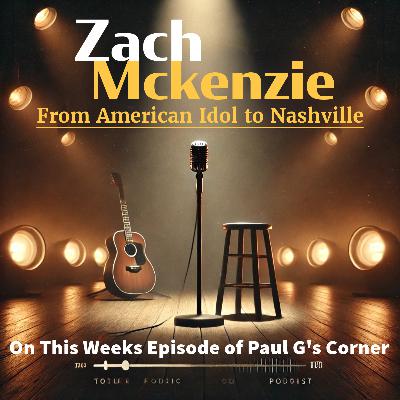
Country music has been through a lot lately—some of it good, some of it... let’s just say different. But if you’re looking for music that actually means something, music that hits where it’s supposed to, then you’re in the right place.This week on Paul G’s Corner, I’m talking to Zach McKenzie—Arkansas-born, American Idol alum, singer-songwriter, and a guy who knows how to tell a damn good story through music. His new single drops February 21st—Don’t Dish It Out If You Can’t Take It—and it’s packed with real emotion, real instruments, and real storytelling.But that’s not all—Zach’s also behind The Day That I Found You, a track that blends soul, country, and gospel influences into something straight-up unforgettable. And if you like a little honky-tonk grit, he’s bringing back Honky Tonk Ever with a brand-new recording that you don’t want to miss.What’s in This Episode?✅ What really happens behind the scenes on American Idol. You think it’s just walking in and singing? Think again.✅ How a small-town singing competition turned into a ticket to Hollywood. (Spoiler: Zach thought he was winning cash—ended up on national TV instead.)✅ The struggle of making money in music today. Why streaming pays pennies, and why buying the song actually helps artists survive.✅ Zach’s secret side gig: filmmaking. His short film Jonette Road might just turn into a full-length feature.✅ The current state of country music. Is it still about storytelling, or has the industry lost its way?✅ His #1 advice to young musicians: Make the music YOU want to make. Don’t chase trends. Create something real.Support the Artist—Like, ActuallyIf you like real music, real songwriting, and songs that actually connect, go buy the track. Don’t just stream it—own it.🎵 Pre-save & purchase Don’t Dish It Out If You Can’t Take It (Available 2/21/25)📌 All of Zach’s music & socials in one place: Zach McKenzie’s LinktreeWhere to ListenPaul G’s Corner is everywhere podcasts live. If you’re not listening, what are you even doing?📩 Hate mail? Praise? Music requests? Send it all to PaulG@PaulGNewton.com—I might even read the best (or worst) ones on air. Get full access to Paul G's Corner at paulgnewton.substack.com/subscribe
💀 AI is coming for your job. Cybercriminals are watching you. Hollywood is dying. Let’s talk about it.Welcome to Paul G’s Corner, where I only talk to people I actually want to talk to—no more randoms with an email address. Today’s guest? Kenneth Harrell—cybersecurity guru, AI enthusiast, sci-fi novelist, and probably the guy who knows exactly how much of your personal info is floating around on the dark web.🎙️ Inside this episode:💡 AI for Writers: Genius Assistant or Lazy Cheat Code? – Kenneth and I spill how we really use AI, and why it’s less about stealing your job and more about making your brain work better.💻 Cybersecurity Horror Stories – Ever wondered how easy it is to get hacked? Kenneth has. And trust me, you won’t sleep well after this conversation.🎬 Hollywood is Toast. Here’s Why. – Nobody’s watching their movies. AI is making indie creators unstoppable. We break down how the old system is collapsing and what’s coming next.👻 Talking to AI Characters (And When They Talk Back) – I built AI versions of my book characters. Then one told me to back off. Should I be worried?🔥 Is AI a tool, a threat, or a revolution? – Buckle up, because we’re diving in hard.⚡ You’re already here. Hit play, grab a drink, and let’s get into it.Thanks for reading PAUL G NEWTON! This post is public, so feel free to share it. Get full access to Paul G's Corner at paulgnewton.substack.com/subscribe

What happens when you combine a psychotherapist-turned-clown with a podcaster who refuses to pull punches? You get Paul G’s Corner: raw, unfiltered, and downright electric. This episode dives headfirst into the madness—killer pig farms, the wild reality of feral hog hunts, the art of turning personal chaos into comedy, and why the universe’s first joke might’ve been the Big Bang itself.Paul G and Jim Dalling don’t just discuss the dark corners of life—they revel in them. From savage truths about therapy’s shortcomings to why Germans sound like they’re yelling when they’re complimenting you, this no-holds-barred conversation will have you laughing, questioning, and maybe a little scared.This isn’t a podcast for the faint of heart—it’s for those who live for the strange, the dramatic, and the unapologetically human. Strap in. It’s going to get messy.Episode Notes:In this gripping and unpredictable episode of Paul G’s Corner, Paul sits down with psychotherapist, writer, and former clown Jim Dalling for a no-holds-barred exploration of life’s absurdities. Together, they uncover:* The terrifying truth about feral pigs and their connection to criminal cover-ups.* Why laughter might just be the ultimate therapy for humanity’s darkest moments.* The absurdity of road rage in Canada vs. America (spoiler: hockey sticks are involved).* How humor can turn life’s chaos into clarity—and why sometimes, it’s better to own your flaws than fix them.* A deep dive into the unsettling but fascinating world of serial killers and the unsung villains: pig farms.This episode isn’t just about conversation—it’s about confronting the chaos and finding the comedy in life’s darkest corners. Prepare to laugh, think, and maybe question everything you know about pigs.👉 Visit PaulGNewton.com for merch, updates, and more!Got a story stranger than fiction? Reach out and let Paul know—you might just end up in the corner. 🎙️PAUL G NEWTON is a reader-supported publication. To receive new posts and support my work, considerr becoming a free or paid subscriber. Get full access to Paul G's Corner at paulgnewton.substack.com/subscribe
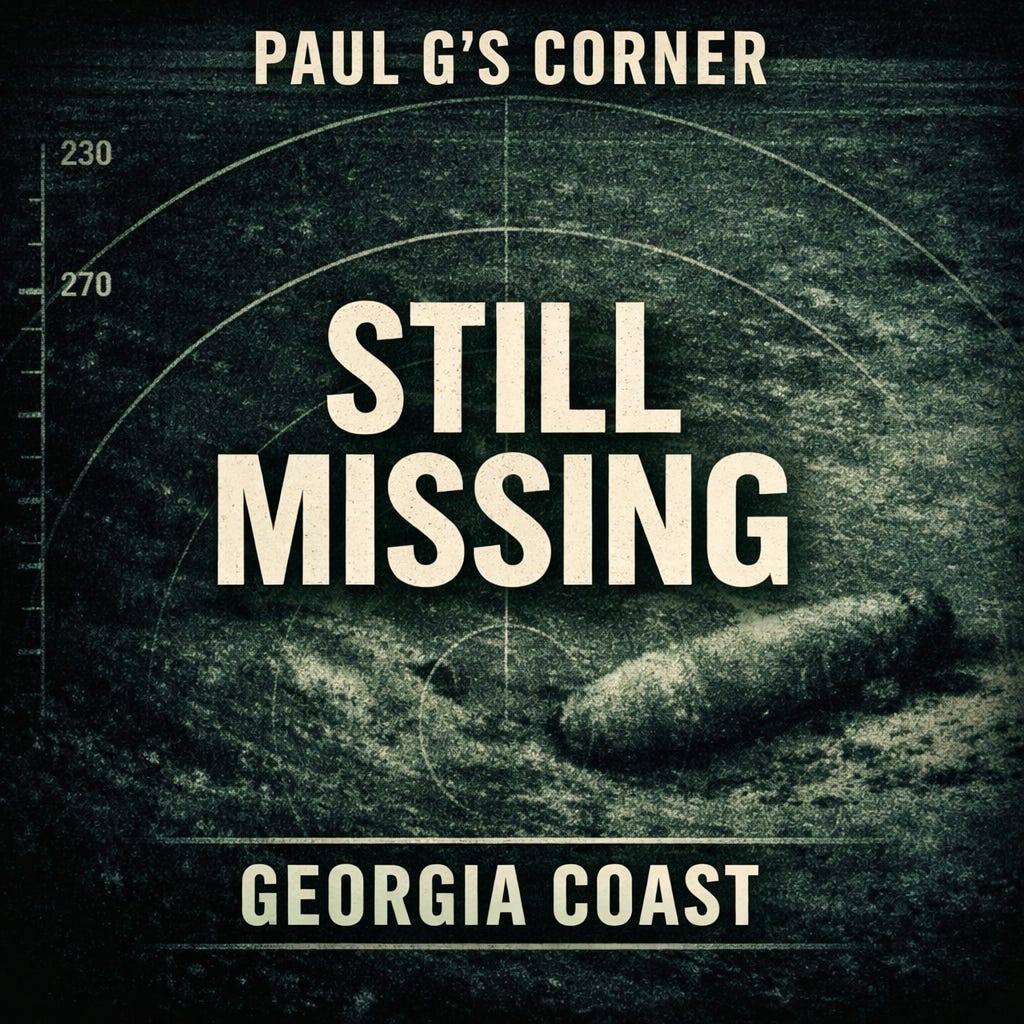
In this episode of Paul G’s CornerMost people think history is made up of dates, speeches, and grainy footage of important people standing behind microphones.But sometimes history is just an object.Something built, something carried, something dropped, and then something that was never found again.In 1958, a U.S. Air Force bomber collided with a fighter jet during a training exercise over the Georgia coast. The bomber was carrying a thermonuclear weapon. The aircraft was too damaged to land safely with the weight, so the crew did what they were trained to do. They opened the bomb bay doors and released it into the water near Tybee Island.The military searched for weeks. Ships, sonar, divers, and grid patterns across the water. At one point, they believed they had located it. When they went back, it was gone again. Covered, shifted, buried, or simply lost to bad coordinates and a moving seafloor.It was never recovered.Somewhere off the coast of Georgia, there is a weapon built for a war that never came, resting in the dark where no one can see it, in water that looks like any other stretch of ocean on any other map.Most people have never heard this story.But it happened. And as far as anyone can prove, it never unhappened. Get full access to Paul G's Corner at paulgnewton.substack.com/subscribe
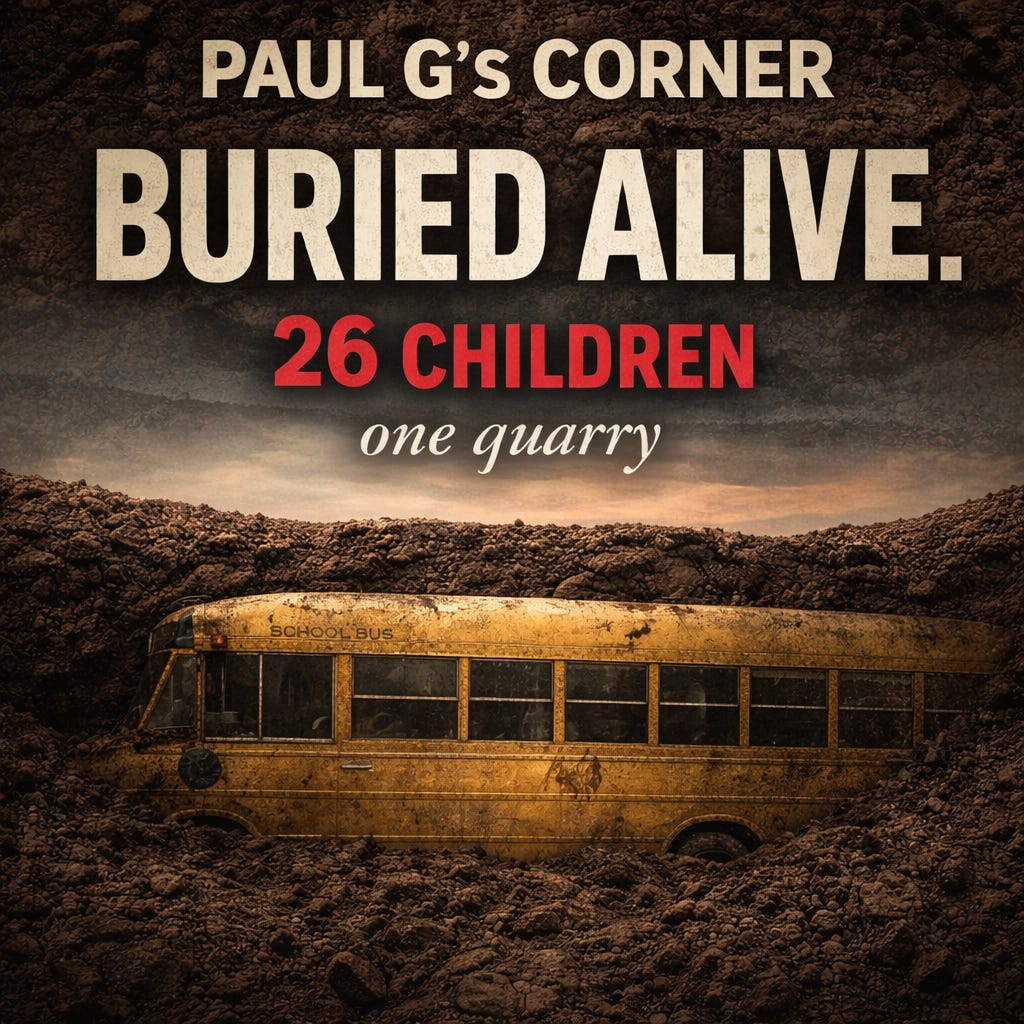
Buried Alive: 26 Children. One Quarry.Chowchilla, California – July 15, 1976We’ve all seen the buried-alive clock on television.The confined space.The ticking air supply.The rescue that comes down to inches.Most of the time it’s fiction.On July 15, 1976, it wasn’t.Twenty-six children and their bus driver were kidnapped in Chowchilla, California. They were driven to a quarry, forced into a moving van converted into an underground bunker, and buried beneath tons of earth while their kidnappers demanded five million dollars in ransom.The plan was clinical.Ventilation pipes.Water.Mattresses braced against metal doors.A battery-powered fan.And then soil.What the kidnappers did not calculate was the one variable they never controlled: the will of the people they buried.This episode covers:The mechanics of the kidnappingThe bunker construction and burialThe search and ransom demandHow the children and Ed Ray fought their way outThe arrests of Frederick Woods and the Schoenfeld brothersThe guilty pleas and life sentencesThe later parole hearings and releasesWhat it means when a crime becomes a television tropeBecause for most viewers, “buried alive” resets at the end of the episode.For the children of Chowchilla, it does not.Sources & Historical RecordPrimary court records and reporting from 1976–1978California Department of Corrections parole documentationContemporary newspaper archives covering the kidnapping, arrests, and plea agreementsPublic parole hearing transcripts (2012, 2015, 2022)You’re listening to Paul G’s Corner, where history proves that saying it can’t happen here usually means it already did.If you want to support the show and keep the archive growing, you can visit paulgnewton.com for official merch.Rate and review if you’re inclined.And if you ever see a television episode where someone is buried underground and it feels too cinematic to be real —You now know it wasn’t invented. Get full access to Paul G's Corner at paulgnewton.substack.com/subscribe
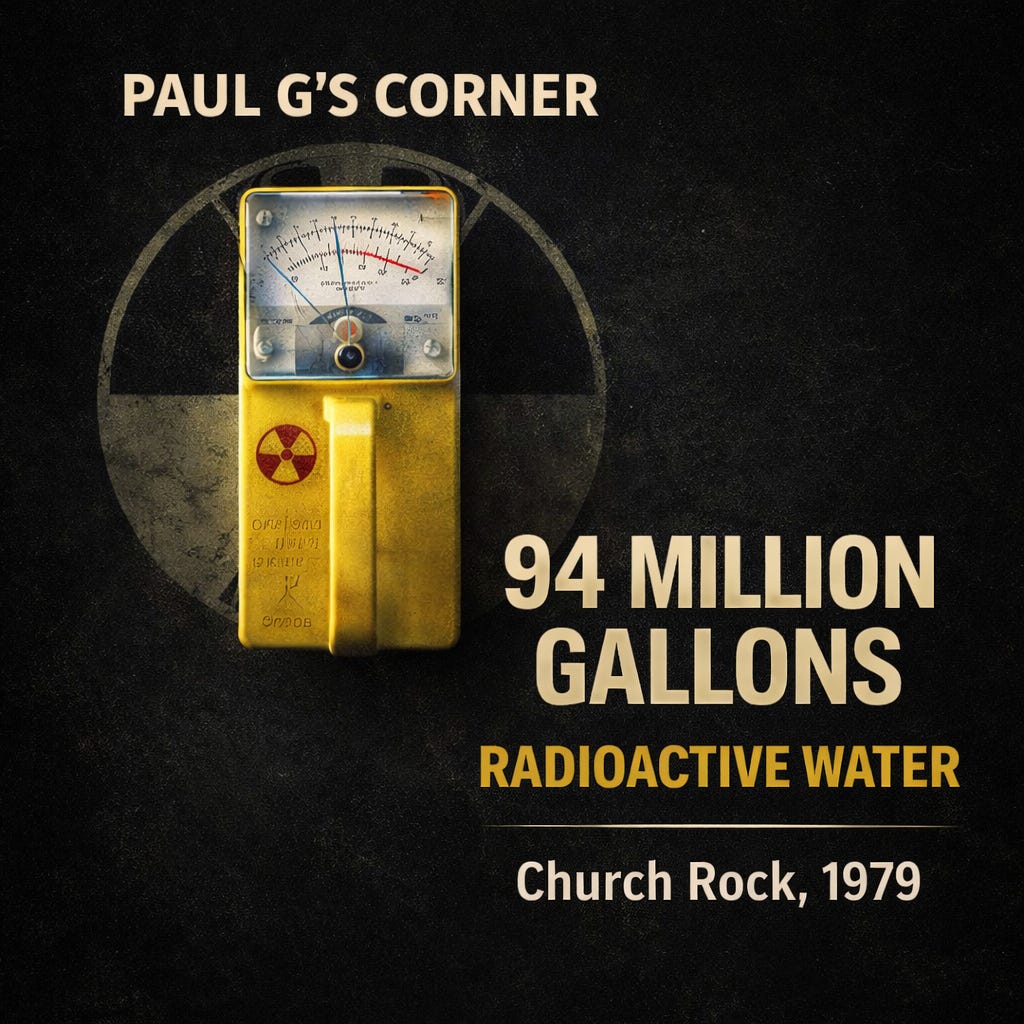
On July 16, 1979, at approximately 5:30 a.m., an earthen dam at the United Nuclear Corporation uranium mill in Church Rock, New Mexico, breached.The tailings pond behind it held acidic liquid waste and radioactive solids from uranium processing. When the dam gave way, an estimated 94 million gallons of contaminated liquid and roughly 1,100 tons of radioactive mill waste surged into Pipeline Arroyo and into the Rio Puerco.It remains the largest accidental release of radioactive material in United States history.It happened just four months after Three Mile Island.One event dominated national headlines and congressional hearings.The other mostly didn’t.Where It HappenedChurch Rock sits just east of Gallup, New Mexico, along Interstate 40, on the western edge of the Navajo Nation.The Rio Puerco is typically a dry wash, running seasonally after storms. When it runs, it carries whatever sits upstream.That July morning, it carried uranium mill waste.Why It FailedThe tailings dam was constructed of compacted earth, raised incrementally as the pond filled. Cracks and seepage had been documented prior to the breach. Later reviews pointed to foundation instability and uneven settlement beneath portions of the dam.There was no explosion.No dramatic plume.Just structural failure under sustained load.The system functioned the way it had been allowed to.Immediate ImpactRadioactive water traveled downstream across Navajo land.Sheep drank from it.Livestock deaths were reported in the days that followed. Families who relied on those animals for food and income absorbed the losses first.No immediate human fatalities were recorded.That absence shaped how the story was treated nationally.Legal FalloutThe Navajo Nation filed suit against United Nuclear Corporation. In 1983, a $10 million settlement was reached.It was compensation for livestock loss and land damage.It was not restoration.In 1990, Congress passed the Radiation Exposure Compensation Act, acknowledging harm to uranium workers and certain affected populations during the Cold War era. It took more than a decade after the spill for that recognition to exist in law.Even then, not all impacted residents qualified.The Long TailHundreds of abandoned uranium mines remain across the Navajo Nation today.Contamination in sediment and soil from the Rio Puerco area has been documented for decades. The Church Rock site later became part of long-term federal cleanup efforts.The spill did not disappear.It simply stopped being discussed.Why This MattersIn 1979, America was already focused on nuclear safety.Three Mile Island triggered national panic, televised coverage, and sweeping debate.Church Rock released more radioactive material into the environment.It did not become shorthand.There were no anniversary specials.No ritualized remembrance.Just paperwork.If you listened to the episode, you already know this isn’t about spectacle.It’s about scale.It’s about risk that doesn’t announce itself loudly enough.It’s about the difference between an event that becomes cultural memory and one that becomes a footnote.And if you’ve read this far, you are now among the minority who know the name Church Rock.If you want to support independent storytelling that goes digging through inspection reports and forgotten enforcement actions instead of doom scrolling, paulgnewton.com has the usual suspects.History does not always roar.Sometimes it leaks. Get full access to Paul G's Corner at paulgnewton.substack.com/subscribe
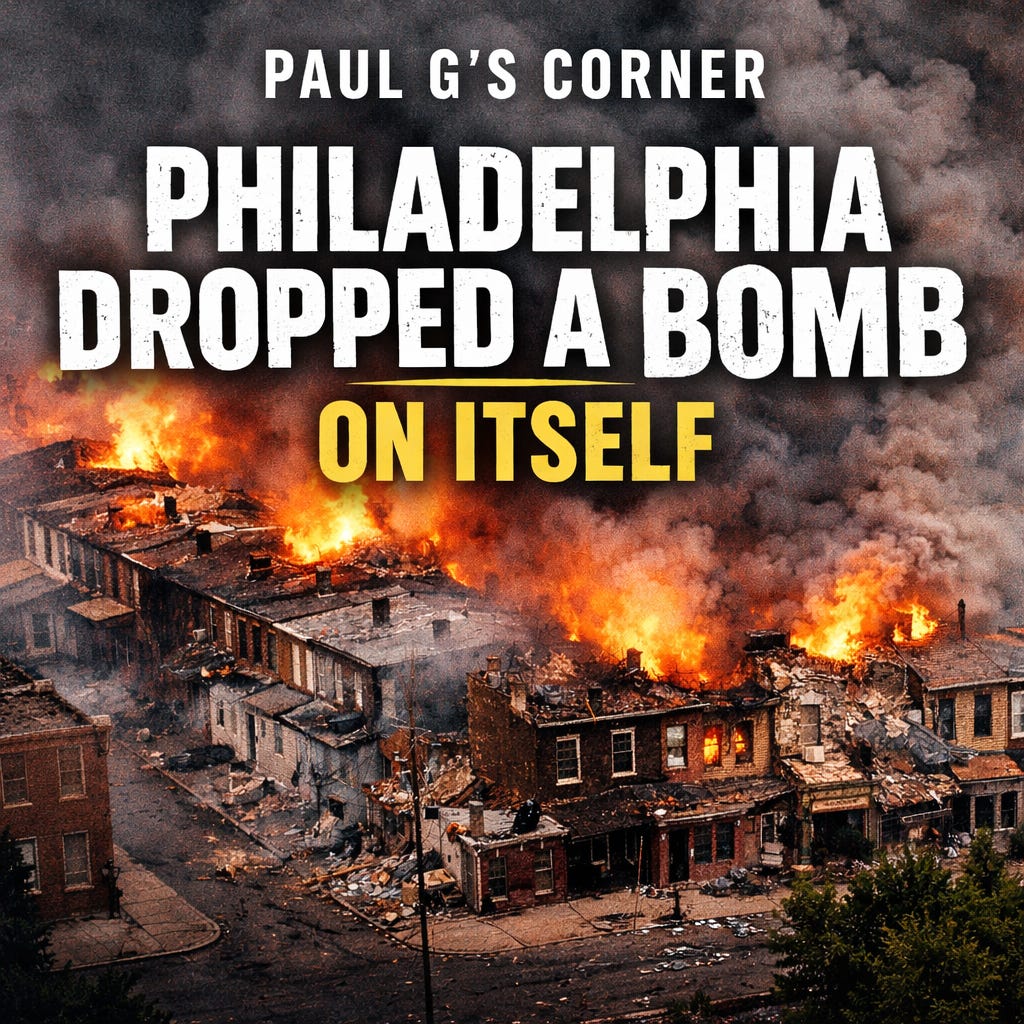
On May 13, 1985, Philadelphia dropped a bomb from a helicopter onto a residential neighborhood.That sentence is not metaphorical.In this episode of Paul G’s Corner, we examine the MOVE bombing on Osage Avenue. A standoff between the city and a radical communal group escalated step by step until authority, certainty, and momentum converged into fire. Eleven people died, including five children. Sixty-one homes were destroyed. The event unfolded live on television, and then, somehow, slipped out of collective memory.This is not a story about villains in dark rooms.It’s a story about reasonable people, confident plans, procedural logic, and the moment when “under control” quietly started meaning “let it burn.”Episode TitleThe Day Philadelphia Dropped a Bomb on ItselfWhen “under control” meant let it burnTopics CoveredThe MOVE organization and its leader, John AfricaMayor Wilson Goode and the city’s authority dilemmaPolice Commissioner Gregore Sambor and the final decisionThe helicopter drop and the fire that followedAftermath, accountability, and collective forgettingLearn More / Primary SourcesMOVE Bombing Overview (Encyclopedia Britannica):https://www.britannica.com/event/MOVE-bombingPhiladelphia Inquirer archive coverage:https://www.inquirer.com/philly/news/move-bombing-philadelphia-history.htmlPBS: Let the Fire Burn documentary background:https://www.pbs.org/independentlens/documentaries/let-the-fire-burn/City of Philadelphia official apology (2020):https://www.phila.gov/2020-11-13-philadelphia-apologizes-for-1985-move-bombing/Support the ShowIf you enjoy episodes like this, share it. Friends, family, coworkers, strangers on the internet, people you mildly resent. I’m not picky.You can also rate and review the show. Not because I’m chasing validation, but because the internet runs on math and gets weirdly hostile when you don’t.And if you want to support what I’m doing and grab the official swag, head to https://paulgnewton.com. I’ve got shirts and designs that pair nicely with the realization that most disasters don’t start with evil plans. They start with ordinary people, confident decisions, and the assumption that someone else will deal with the consequences.Just make sure you’re not the one expected to live next door to it. Get full access to Paul G's Corner at paulgnewton.substack.com/subscribe

n January 2014, something quietly broke in West Virginia.A storage tank leaked a coal-processing chemical called MCHM (meth-uhl cyclo-hex-ane meth-uh-nol) into the Elk River, just upstream from Charleston’s main water intake. Within hours, 300,000 people were told to stop using their tap water entirely. Not just drinking. Not cooking. Not bathing. And critically—not boiling.This episode follows the spill, the confusion, and the uneasy moment when officials declared the water “safe” while the smell still crept from faucets and shower heads. It’s a story about regulatory blind spots, acceptable risk, and what happens when the science runs out before the reassurance does.Because when the water smells wrong, numbers stop meaning much.And once trust evaporates, it doesn’t come back on command.You’re listening to Paul G’s Corner—where history proves that saying it can’t happen here usually means it already did.And don’t boil the water. Get full access to Paul G's Corner at paulgnewton.substack.com/subscribe
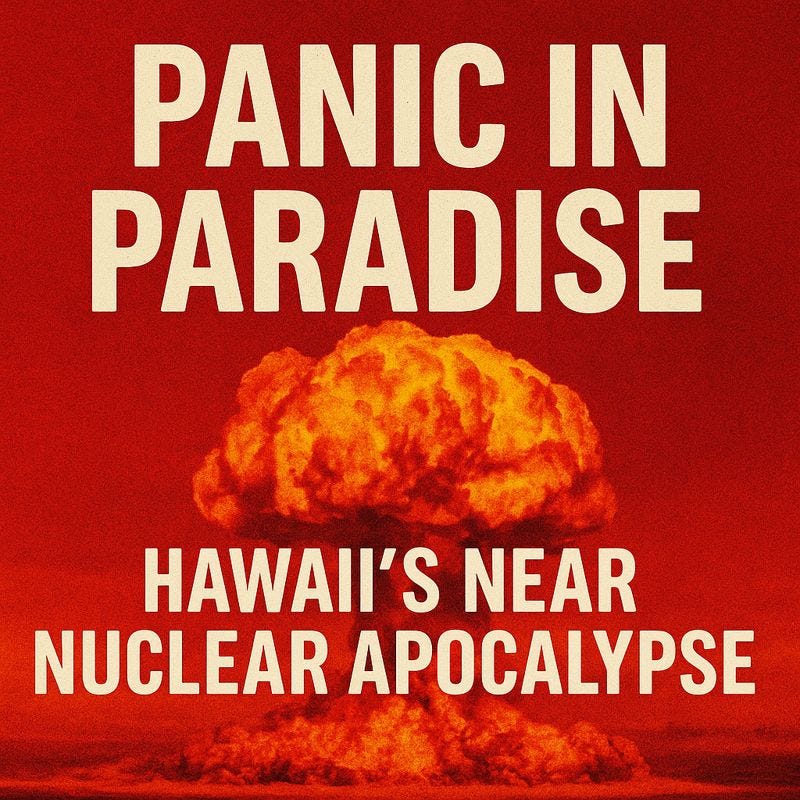
On a quiet Saturday morning in 2018, Hawaii got the worst text message imaginable:Ballistic missile inbound. This is not a drill.For 38 minutes, an entire state waited for nuclear fire that never came.This episode of Paul G’s Corner isn’t about the button that got pressed. It’s about the people who had to live inside the mistake. The officials trapped by broken systems. The public forced to confront the unthinkable. And a country that barely noticed before moving on.Panic in Paradise is a story about human error, institutional fragility, and what happens when paradise briefly becomes the front line of global fear.History didn’t explode.It hesitated.get your swag at www.paulgnewton.com Get full access to Paul G's Corner at paulgnewton.substack.com/subscribe
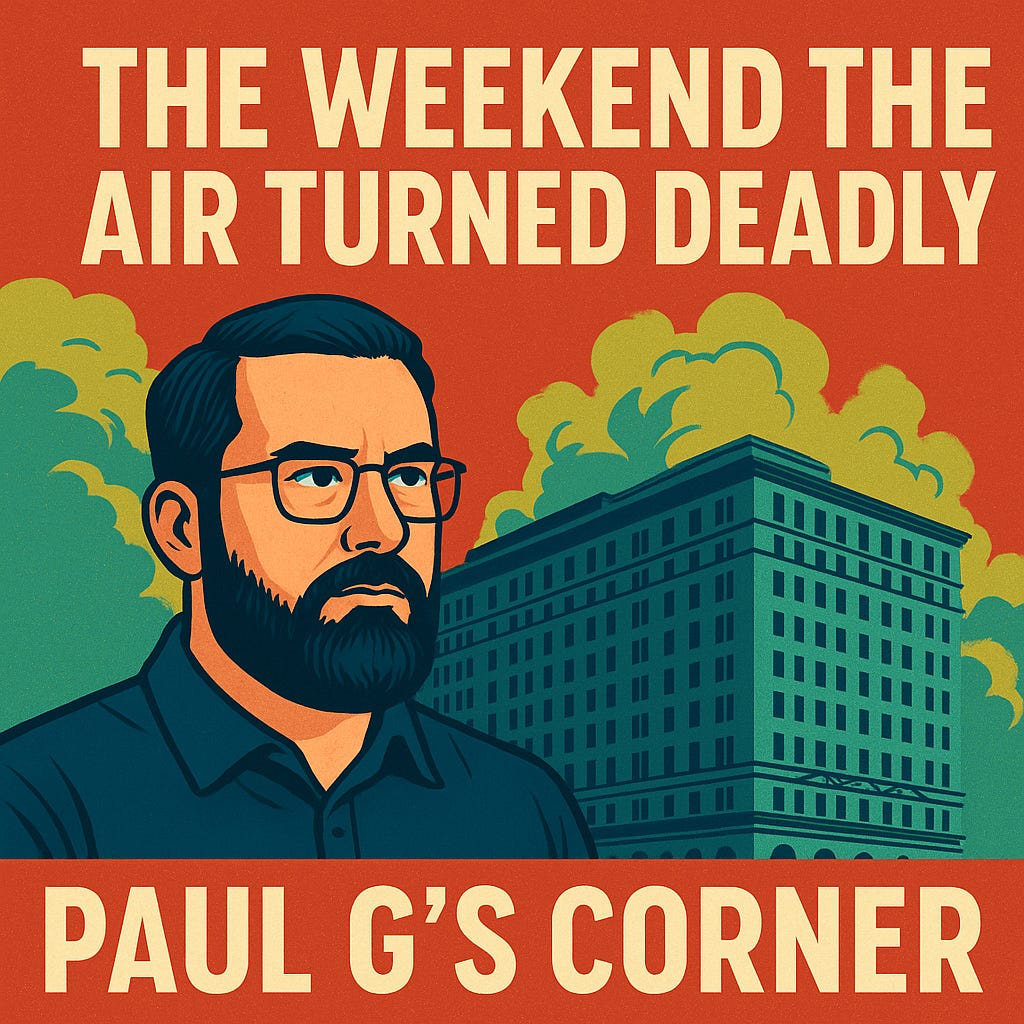
In 1976, hundreds of American Legion veterans walked into a Philadelphia hotel for a weekend of reunions, war stories, and cheap drinks. Within days, dozens would be dead. No suspect. No pattern. No explanation. Just fear, fever, and the unsettling sense that something in the building was hunting them.This is the story of Legionnaires’ disease — not the textbook version, but the human one. The air they breathed. The science that failed. And the terrifying truth that the killer wasn’t a person at all. Get full access to Paul G's Corner at paulgnewton.substack.com/subscribe
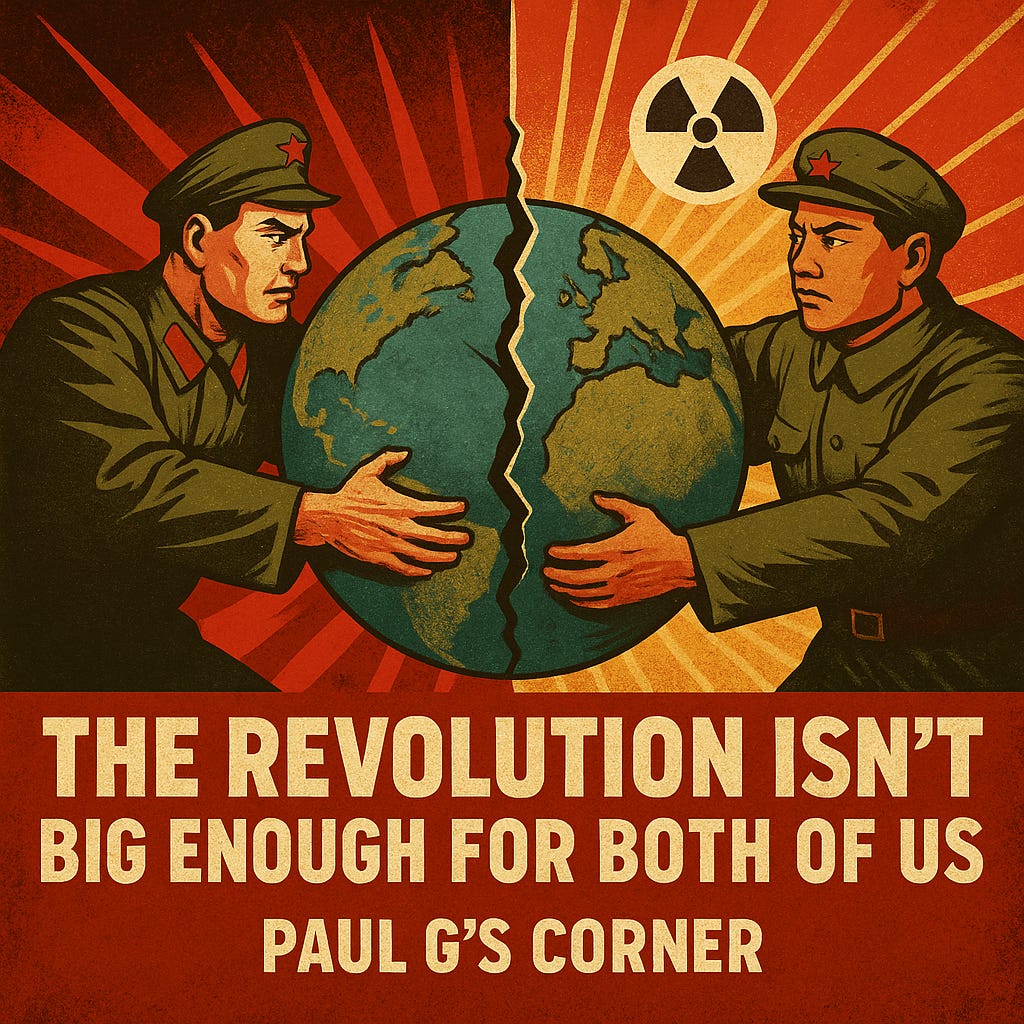
Nothing says welcome back to Paul G’s Corner like learning the world nearly cooked itself in 1969 while everyone was cheering for astronauts and yelling about Vietnam.History loves to hide the real disasters under a pile of shiny nonsense.That is where I come in. I bring you the stories that tried to stay quiet. I also have no interest in making you feel comfortable while I do it.This week, we look at the Sino Soviet crisis. A moment so intense and so ridiculous that it would feel like fiction if it were not painfully real. China was tearing itself apart. Moscow was convinced Beijing might try to prove something with its new nuclear toys. Nixon was stomping around the globe trying to look dangerous in every direction at once.And the prize that almost triggered a nuclear exchange was a frozen island smaller than a Walmart parking lot. Humanity nearly got reduced to loose atoms because two superpowers could not agree over a chunk of land that barely deserved a name.The best part is simple. Almost no one knows this happened. Your textbooks skipped it. Your teachers did not mention it. The news treated it like a weather report. The world spun on its axis and pretended everything was fine.The truth is harder. The great powers circled one another with real fear in their throats. One of them considered a first strike. The other panicked. Washington watched from the sidelines and acted just threatening enough to spook the right people.Then it ended. Quietly. No moral awakening. No heroic leadership. Just a rare moment in which everyone realized they were not fireproof and backed away from the edge.This episode walks through the entire mess with the exact mix of clarity and sarcasm you expect from me. You will understand what happened and why it mattered and how it shaped Nixon’s trip to China and why the world got lucky with a kind of luck that should never be trusted.And if you want to carry that slightly nauseating truth into daylight, there are shirts on paulgnewton.com that pair nicely with the realization that the human race survives most threats by tripping over them instead of meeting them head on.Go listen.Go learn the story the world forgot to remember.And enjoy the moment you realize how close we came to the kind of ending that does not get sequels.Welcome to the story.Try to sleep after this one.Want more of this madness in your daily life. The shirts at paulgnewton.com are waiting. Bring one home before history gets weird again. Support the show. Look good. Confuse strangers. Visit paulgnewton.com for shirts that fit the exact mood of everything you just read.Paul G's Corner is a reader-supported publication. To receive new posts and support my work, consider becoming a free or paid subscriber. Get full access to Paul G's Corner at paulgnewton.substack.com/subscribe
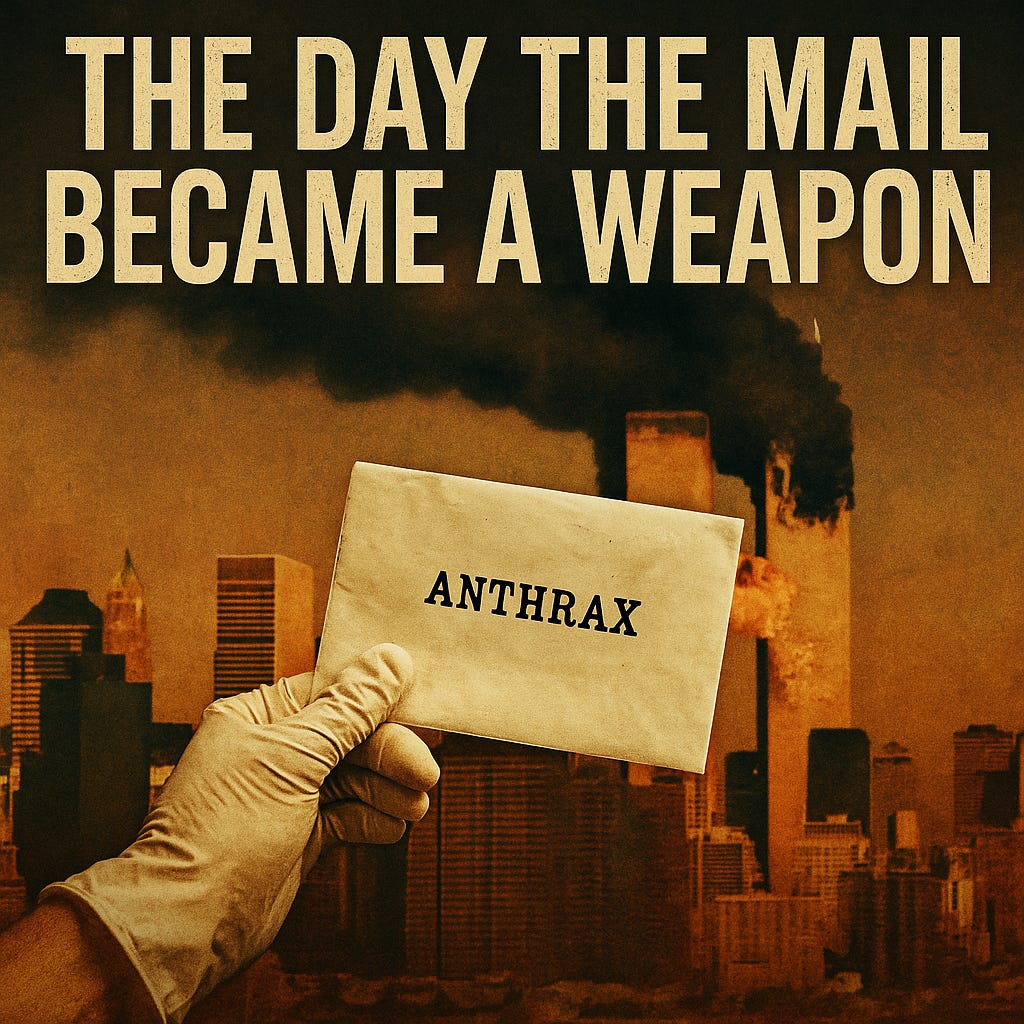
Most Americans remember the smoke, the debris, the sirens of September 11.Far fewer remember what came next.A week later, before the country even finished counting its dead, something quieter slipped into the bloodstream of daily life. Not a plane. Not a bomb. A letter.Inside it was dust — pale, weightless, and lethal.Anthrax.While the country stared at the holes in its skyline, another attack threaded itself through the postal system, turning mailrooms into quarantine zones and photo editors into patients. Five dead. Seventeen poisoned. Sorting hubs wrapped in plastic like crime scenes. And inside Fort Detrick, a scientist named Bruce Ivins watched every warning he’d ever given walk straight into the real world.This episode is not about conspiracy.It’s about catastrophe hiding in plain sight.It’s about a man who spent twenty-five years telling anyone who would listen that biology is patient, indifferent, and one mistake away from rewriting the news cycle.It’s about the investigation that turned a lab coat into a target, the genome that narrowed the search to a single flask, and the pressure that cracked a scientist until he couldn’t tell what was real anymore.And it’s about how the nation responded — with fear, with money, with urgency — and then, predictably, forgot.Because that’s what we do.Until the next envelope arrives.This episode dives into the days when the mail became a vector, a weapon, and a warning the country still hasn’t fully understood. It’s the story of a threat we dismissed, an investigation that still raises questions, and the uneasy truth that some dangers don’t vanish. They wait.Listen now, and then ask yourself:How many other quiet crises did we decide to forget?Support the madness:If you want to keep this corner of the internet burning a little brighter, swing by paulgnewton.com.Grab the CSI: Walmart Parking Lot tee if you enjoy treating everyday nonsense like it requires federal jurisdiction.Or pick up Squid Wars, perfect for people who know the universe is absurd and respond accordingly.It keeps the lights on, the mics warm, and helps me identify my own species out in the wild.Stay sharp.Stay curious.Stay awake to the quiet places where danger waits for an opening.Thanks for reading Paul G's Corner! This post is public so feel free to share it.Paul G's Corner is a reader-supported publication. To receive new posts and support my work, consider becoming a free or paid subscriber. Get full access to Paul G's Corner at paulgnewton.substack.com/subscribe
One word. Seventy-three dead.On Christmas Eve, 1913, someone yelled fire in a packed miner’s hall — and changed building safety forever.Every outward-swinging door, every glowing exit sign, exists because of that single night. This episode isn’t about tragedy — it’s about the price of progress.Written and read by Paul G.Find more stories that hit this hard at paulgnewton.com — and grab something while you’re there.Not charity. Not merch.Proof you were listening.Paul G's Substack is a reader-supported publication. To receive new posts and support my work, consider becoming a free or paid subscriber.Most of us don’t think about the little things that keep us alive — the glow of an exit sign, the cold push of a metal door, the way it swings out instead of in.Those aren’t design choices.They’re tombstones you can open.Christmas Eve, 1913.Calumet, Michigan — a mining town locked in ice and owned by a copper empire that never knew mercy. The Calumet & Hecla Mining Company controlled everything: wages, housing, even the stores where miners spent the same money they earned underground. When the men went on strike for fair pay and safety, the company cut off the heat.So when the Ladies’ Auxiliary of the Western Federation of Miners threw a Christmas party for the strikers’ families, it was more than celebration — it was rebellion disguised as joy.Four hundred people packed into the Italian Hall that night. The children sang carols in three languages. Parents smiled for the first time in months. For one fleeting hour, it felt like hope had found a way back through the snow.Then someone shouted a single word.Fire.There was no fire.But fear is faster than proof.The crowd surged toward the stairwell — narrow, steep, slick with melted snow. The doors at the bottom? Everyone said they opened inward. Maybe they did. Maybe they didn’t. Panic doesn’t care about geometry.When it was over, seventy-three people were dead. Fifty-nine of them were children. The youngest was three.It was the kind of horror that freezes a town in place. Yet out of that silence came design — not written in grief, but in resolve.Congress investigated. Newspapers screamed. Engineers went to work. Within a few years, new laws required outward-swinging doors, panic bars, and occupancy limits. Every change we now take for granted was written in their names, even if the world forgot to list them.That’s the truth about tragedy — it never ends cleanly. It mutates into instruction. It builds something stronger than mourning: prevention.The Italian Hall stood until 1984, when it was finally torn down. Only the archway remains — the same one the bodies passed through that night. Every Christmas Eve, people still leave toys beneath it. Not pity. Defiance. Proof that memory can outlast myth.And if you’ve ever pushed open a door to escape, you’ve already touched their legacy.Because safety isn’t free. It’s inherited — one hinge, one bolt, one story at a time.This is Paul G’s Corner.Written and read by Paul G.If stories like this remind you how close we still live to history — the real, bloody kind — then like, share, and subscribe. And when you’re done, head to paulgnewton.com and grab something.Not charity. Not merch.Proof you were listening. Get full access to Paul G's Corner at paulgnewton.substack.com/subscribe
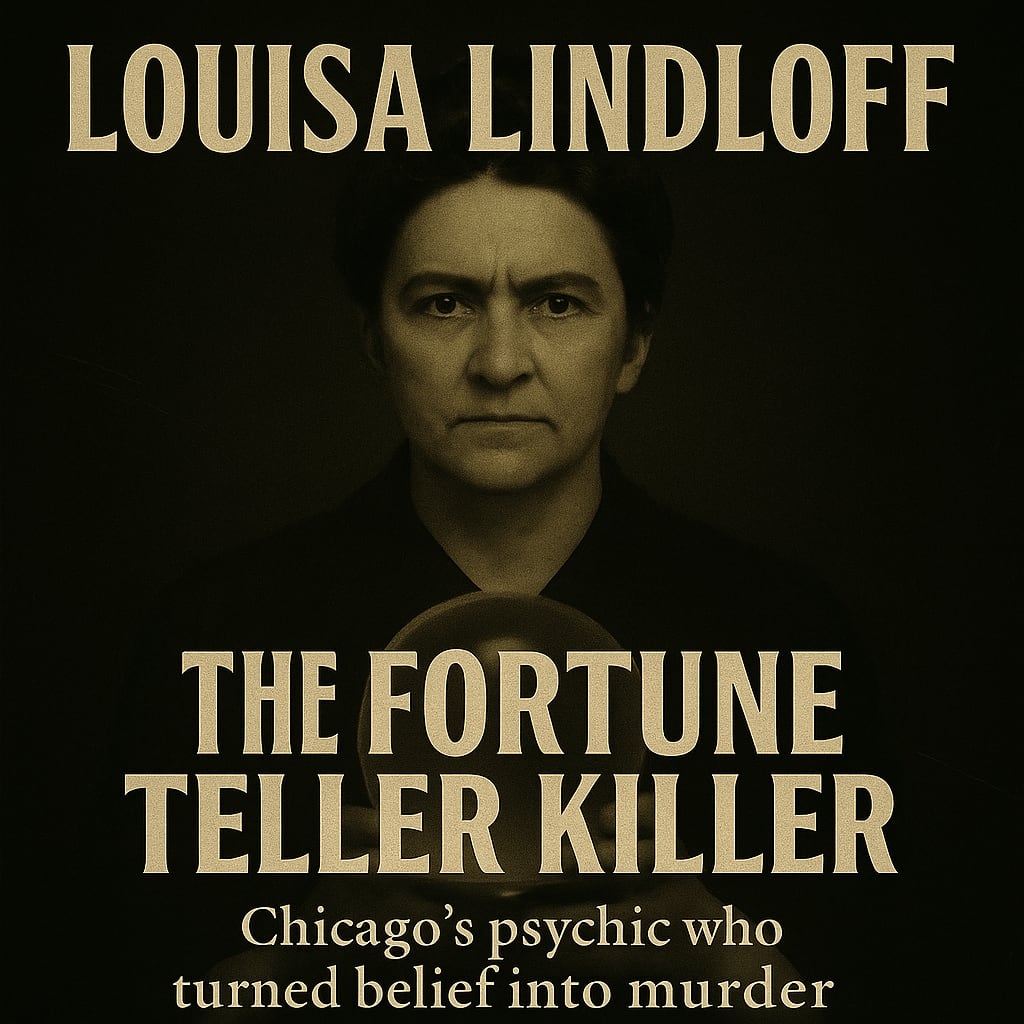
Chicago. 1912.The air hung heavy—coal smoke and lake wind trapped between brick tenements and unkept promises. It was an age of mediums and miracle cures, when grief was a business and hope came bottled or candle-lit.In a modest parlor on Ogden Avenue, Louisa Lindloff offered comfort to the grieving. No table-rapping, no hysterics. She simply sat still, hands folded and let silence do the work. A widow in black, a crystal ball at her elbow, and a gaze steady enough to make you question what she saw in you that you couldn’t.People believed her. That was the trick.They came with hair locks, old letters, and questions whispered through trembling fingers: Is he happy? Does he forgive me? Louisa answered softly, with the conviction of someone who has seen both sides and prefers neither. For a few coins, she made the unbearable seem negotiable.She wasn’t cruel. She was practical. Grief was endless, but groceries were not.The Ledger and the LiesHer husband, Arthur Lindloff, worked when he could and complained when he couldn’t. Their son, Arthur Jr., filled the silence with toy soldiers dragged across the floorboards. A boarder coughed through the nights upstairs, paying rent late but never leaving.Louisa kept a ledger—clients, payments, séances, debts—and like every ledger, it began to show its imbalance. The small sums she collected from widows and laborers didn’t stretch far enough to cover coal, rent, and the kind of respectability that kept a woman safe from gossip.Then came the insurance man with his stack of industrial policies: burial money for those too poor to die properly. Arthur scoffed. Louisa signed. A few cents a week for peace of mind, he’d said.Peace of mind turned out to be a matter of dosage.The ExperimentIt started, as most damnations do, with curiosity. Louisa had read about arsenic, this household staple in rat poison, common, unsuspicious. She studied it the way a pianist studies a new piece: slowly, with caution, until muscle memory took over.The first time, her hand trembled. The sound of the spoon against porcelain was louder than it should have been. Fear and resolve traded places until she couldn’t tell which one she wanted to win.When Arthur died, the doctor called it sunstroke. The neighbors called it tragedy. Louisa called it proof.The PatternChicago forgets quickly. Another death in another tenement doesn’t even make the paper.Weeks later, the boarder fell ill. She nursed him like someone who might have actually cared would be expected to. She brought him broth, a cool cloth, she whispered prayers. Even so, he died grateful. The next boarder moved in; she signed another set of forms. The ledger began to balance itself.For a time, Louisa felt relief, even pride. Order had returned to her world. But order built on death is fragile. It creaks. It leaks. And it invites company.Whispers followed her. Neighbors noticed the smell of a sweet, chemical, that now seems unmistakable. One woman swore she’d seen Louisa stirring something white into a teacup. Another claimed the widow’s calm was too calm.When Arthur Jr. became sick, the gossip turned to certainty. A mother who kills her husband might not stop there.The DiscoveryThe authorities came slowly, as they always do when the victims are poor and the killer polite. By the time they tested what remained in the kitchen, the evidence had dissolved into rumor and grief. But arsenic has a way of surviving paperwork.Louisa Lindloff was arrested in her black dress, the same one she wore to every séance and funeral. She didn’t protest. She didn’t cry. She simply said, “It must have been the tea.”The papers called her The Fortune Teller Killer. The city called her evil. But the truth is colder than that: she was efficient. She learned that belief can be the easiest poison of all—because people drink it willingly.The Afterlife of a LieToday, Louisa Lindloff’s name drifts somewhere between folklore and footnote. Some say she was a con artist, others a woman cornered by poverty and pride. Either way, she turned the oldest currency—trust—into tender for murder.Her story isn’t about arsenic. It’s about faith. About how desperation, when dressed in ritual and respectability, can look almost holy.In her world, death was not a crime; it was customer service.Why She Still MattersMore than a century later, Chicago has changed its skyline, but not its appetite. We still buy comfort. We still want to believe that someone out there knows the answers, even if it costs us a little piece of truth.Louisa didn’t invent deception; she perfected its tone. She made belief feel gentle while it killed you slowly.And that’s what makes her story stick—the quiet terror of realizing that the voice offering you peace might be the one stirring the poison.If you want to hear the full story—the séance, the suspicion, the arrest—you’ll find it in this episode “The Fortune Teller Killer.”You can stream it, share it, or play it loud enough to scare your neighbors. I won’t judge. (might even celebrate that, just sayin)And yes, if you’re into supporting this madness, there’s swag—shirts, mugs, and other questionable life choices—over at www.paulgnewton.com.They’re not haunted. Probably, well, hopefully. There is a hoodie that may be suspect.Hate mail, praise, and your own theories can all go to paulg@paulgnewton.com.I read them all. Eventually.Thanks for reading Paul G's Substack! This post is public so feel free to share it. Get full access to Paul G's Corner at paulgnewton.substack.com/subscribe
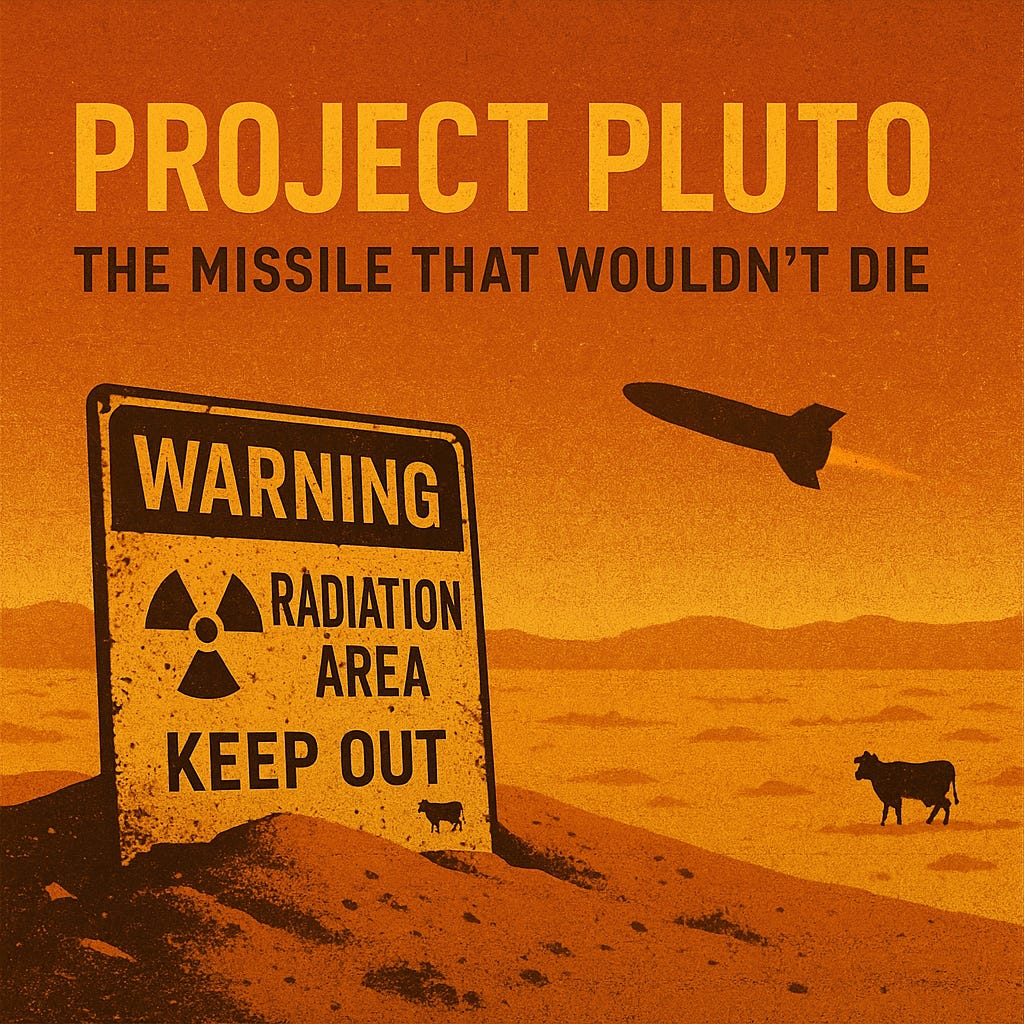
In 1964, deep in the Nevada desert, America tried to make a nuclear reactor fly.At a place called Jackass Flats — a name too perfect to be a coincidence — engineers tested an engine that could have changed the course of history or ended it entirely. They called it Project Pluto, a nuclear-powered cruise missile with unlimited range and a heart of uranium.Imagine a weapon that could fly forever — roaring just above treetops, armed with multiple hydrogen bombs, spewing radiation as it went. It wasn’t fiction. It was tested. It worked. And yet, the project died quietly, buried under its own brilliance and madness.This episode dives into the minds of the men who built it — pioneers, not monsters — who genuinely believed they were creating the next leap in defense technology. They didn’t fully understand what radiation could do, but they understood fear, progress, and pride. And for a few surreal years, that was enough to keep the engines running.Project Pluto: The Missile That Wouldn’t Die is the story of how Cold War genius danced with insanity — and how America’s obsession with being first almost built a flying apocalypse.Don’t miss this one. Then visit www.paulgnewton.com to grab some Things I Want to Know: Voices swag, support future episodes, and remind the world — don’t irradiate any cows. Get full access to Paul G's Corner at paulgnewton.substack.com/subscribe

Comments

Download from Google Play

Download from App Store
 United States