


 Claim Ownership
Dysfunctional
Subscribed: 49Played: 897
Subscribe

© Josh Connolly
Description
I am shaking up the wellness industry and addressing the things that people usually avoid. With relentless curiosity and refusal to sweep things under the rug, this podcast is for those who crave truth over comfort and honesty over surface level BS.
So, get yourself in the lotus position because I have no plan, no pretence and definitely no bypassing….. I’m Josh Connolly and this will probably be dysfunctional
Hosted on Acast. See acast.com/privacy for more information.
68 Episodes
Reverse
In this episode, I sit down with Laura Marston for one of the most raw and honest conversations we’ve had on Dysfunctional.Laura shares her journey from being labelled and sectioned, spending years in and out of psychiatric units, struggling with addiction, and being told she had a “disordered personality”… to beginning to understand her experiences through the lens of trauma.We talk about emotional neglect, family dysfunction, self-harm, psychosis, and what it’s like to grow up without your needs being met.But more than anything, this episode is about what happens when you stop seeing yourself as broken… and start taking your life back.We also explore:What psychosis actually felt like from the insideThe reality of psychiatric wards (and why they often don’t help)Being diagnosed vs understanding traumaAddiction, survival and coping mechanismsGoing no contact with familyBreaking generational patternsLearning to sit with yourself instead of escapingRebuilding your identity from the ground upLaura also shares how she’s now supporting others through resilience coaching and community, and what helped her move from survival mode into something that actually feels like living.This one is raw, emotional, and incredibly powerful.Trigger warning: This episode includes discussion of self-harm, suicide, childhood trauma, abuse, addiction and psychiatric hospitalisation. Hosted on Acast. See acast.com/privacy for more information.
In this episode of Dysfunctional, Josh sits down with Kevin Brown for a raw and honest conversation about men’s mental health, addiction, shame, and the long road from self-destruction to self-respect.Kev shares his journey through chaos, binge drinking, drug use, and living a double life, before a powerful moment of clarity helped him finally understand the impact of his childhood and the wounds he’d been carrying for years.They explore father wounds, generational patterns, endurance running, breathwork for emotional release, and why healing isn’t a single breakthrough moment, but a messy process of getting back up again and again.This episode is a grounded, deeply human conversation about learning to sit with the boy you once were… and becoming the man you choose to be.Find Kevin - https://www.instagram.com/mindmastersscotland?igsh=MTZzb2x5Z2RvMjlqMw==https://www.facebook.com/share/1BEhesPJTD/https://open.spotify.com/show/1dK4Zs6jcve7K3aWID7eAr?si=TJ2tlZ5cSG2dygMd5ueksw Hosted on Acast. See acast.com/privacy for more information.
Rich Finegan joins me for a powerful conversation about family estrangement, neurodivergence, anger, shame, and what it means to finally let yourself feel.We talk about emotional suppression, accountability, parenting, dyspraxia, and the relief that can come when you realise you’re not broken and you’re not alone.A deeply honest episode about healing, self-acceptance, and learning to show up for yourself. Hosted on Acast. See acast.com/privacy for more information.
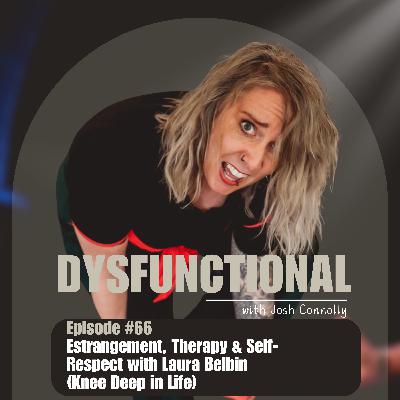
 1
1In this episode of Dysfunctional, Josh sits down with comedian and creator Laura Belbin, best known online as Knee Deep in Life, for a raw and wide-ranging conversation about healing, family estrangement, therapy, and self-respect.Laura opens up about growing up in a dysfunctional family system, surviving childhood sexual abuse, and the painful reality of walking away from family relationships that could no longer be healthy. Together, Josh and Laura explore the complexities of trauma, therapy, accountability, and what real healing actually looks like.They also discuss misogyny, relationships, emotional responsibility, Internal Family Systems (IFS), and the courage it takes to rebuild your life on your own terms.This is an honest conversation about healing, boundaries, and the messy, complicated work of becoming yourself. Hosted on Acast. See acast.com/privacy for more information.
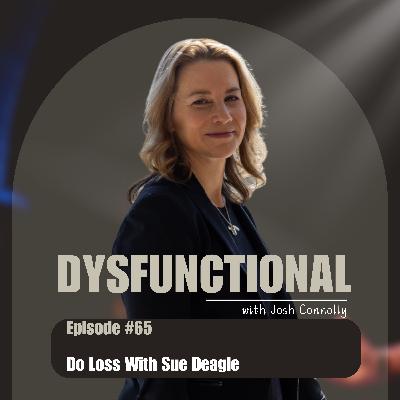
In this episode, Josh sits down with Sue Deagle for a powerful conversation about loss, grief, resilience, and life after everything changes.Sue shares the sudden loss of her husband and the journey of rebuilding a different kind of life in the aftermath. Together, Josh and Sue explore why grief and joy can exist at the same time, why people often struggle to support those in pain, and how loss is something we all face in different forms.They talk about friendship, courage, work, parenting through grief, and Sue’s powerful idea that after loss, a different kind of great is still possible.Let me know if you want an even tighter version.https://thedobook.co/products/do-loss-a-new-way-to-move-through-change?Format=eBook&mc_cid=d1b275e995&mc_eid=2cb75235bb Hosted on Acast. See acast.com/privacy for more information.
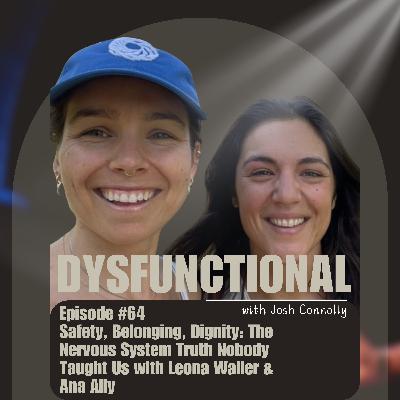
This week I’m joined by Leona Waller and Ana Ally, hosts of The Body Knows, for a conversation that goes way beyond “regulating your nervous system.”We explore the three things your body is constantly organising around — safety, belonging, and dignity — and why so many of us were taught to override them.We talk somatics vs embodiment, the productisation of healing, chronic illness, disconnection, and what it actually means to come home to your body.If you’ve been stuck in your head trying to fix yourself, this one might change how you see everything.Find them here - https://thebodyknows.substack.com Hosted on Acast. See acast.com/privacy for more information.
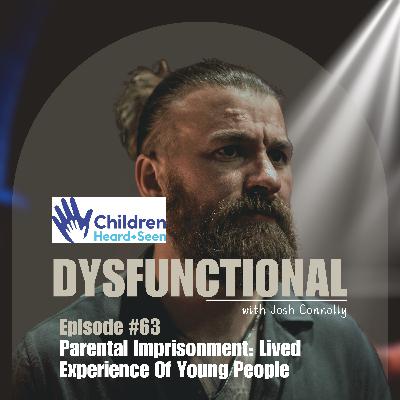
In this powerful episode, I sit down with five extraordinary young people to talk about what it’s really like to grow up with a parent in prison.The courage and maturity they bring to this conversation is breathtaking. They speak honestly about shame, stigma, anger, confusion and loss, but also about resilience, ambition and who they’ve chosen to become because of it.This isn’t just a conversation about hardship. It’s a conversation about strength, success and the voices we don’t hear enough. I have no doubt this episode will help a lot of people feel seen.https://childrenheardandseen.co.uk Hosted on Acast. See acast.com/privacy for more information.
Jolene Ironside is a trauma therapist specialising in teenagers and neurodiversity, a somatic mind-body coach, yoga teacher, and holistic therapist.In this conversation, we talk about what happens when you grow up around addiction, how perfectionism can be a survival strategy, and why “understanding it” isn’t the same as actually feeling it.We get into suicide and addiction with honesty (and a lot of love), the limits of talk therapy, and what it looks like to come back into your body after years of living in your head.We also talk neurodiversity, diagnosis, and why the system often labels people as “disordered” instead of simply giving them what they need.If you’ve ever felt like you’re doing all the healing things but still not actually here… this one will land.Find Jolene - https://www.heart-in-mind.com/about Hosted on Acast. See acast.com/privacy for more information.
n this episode of Dysfunctional, Josh Connolly is joined by Ian Stringer and Scott Murdoch to talk about Chasing Yesterday Marathons a powerful endurance challenge raising money and awareness for NACOA (National Association for Children of Alcoholics).We unpack what it’s like growing up with an alcoholic parent, the silence and shame that keeps families stuck, and why children of alcoholics often feel like they’re the problem. Ian shares the devastating story of losing his mum to alcoholism. Scott shares his journey from chaos to purpose, and the urgent need to get support into schools.We also explain the challenge: running a marathon in Samoa, then flying across the International Date Line to run another marathon “yesterday” in American Samoa all within 24 hours.👇 Donate / Sponsor / Support NACOA https://www.justgiving.com/page/chasingyesterdaymarathons?utm_medium=FR&utm_source=CLhttps://nacoa.org.uk Hosted on Acast. See acast.com/privacy for more information.
This week on Dysfunctional I’m joined by Kate King, author of Mend or Move On.We talk about the question so many people live inside for years: should I stay and try to repair this relationship, or should I move on and finally choose myself?In this episode we get into:Why “mending” gets glorified and “moving on” gets shamedThe 3 signs a relationship is genuinely toxic (not just difficult)Why leaving is rarely the “easy option” and what can escalate after you goNervous system truth: you can’t regulate in an unsafe environmentNeeds vs “needy”, reciprocity, and reclaiming autonomyKate’s book Mend or Move On is out now - https://a.co/d/3igvgLz Hosted on Acast. See acast.com/privacy for more information.
In this episode, Josh is joined by Karl Melvin to unpack the recent Beckham estrangement headlines, Oprah’s conversation on family estrangement, and why this topic provokes such strong reactions. Together, they explore abuse, validation, projection, and what actually helps when families break down — especially when children and parenting are part of the picture.To sign up to the event secure your spot here - https://www.eventbrite.ie/e/parenting-through-estrangement-tickets-1979401930458?aff=oddtdtcreatorFind out about Karl here - https://www.karlmelvin.com#beckham #estrangement Hosted on Acast. See acast.com/privacy for more information.
In this solo episode of Dysfunctional, I walk through the six chapters of the Inner You process and share why this work has been so important in my own healing.We talk about intention, self-compassion, meeting the different versions of yourself, healing relationships, and what inner child work actually looks like in real life.This is an honest, grounded conversation about integration, emotional safety, and learning to come home to yourself.If you’ve ever felt disconnected, reactive, or unsure why certain things hit you so hard, this episode is for you. Hosted on Acast. See acast.com/privacy for more information.
In this episode, I’m joined by Elaine Baxter, a breathwork facilitator who’s been through the full arc of modern wellness, from fixing and performing, to actually holding space in a way that’s real.We talk about ditching the “spiritual costume” and why so much of the healing industry rewards masks over authenticity. Elaine shares how breathwork helped her reconnect with feeling after years of numbness, grief, people-pleasing, and trying to hold everything together.We explore what trauma-informed actually looks like in practice, the difference between fixing and holding, and why safety, honesty, and grounded language matter more than aesthetics, labels, or vibes.This conversation is for anyone who wants deep work without the performance, and real healing without having to become someone they’re not.Elaine is a Breathwork Facilitator who has supported people in processing emotions through the breath since 2020 and is a qualified Inner You Breathwork Facilitator. At the heart of Elaine’s practice is a commitment to creating a safe, compassionate, and non-judgemental space, where people are met without pressure to change and genuine healing can naturally unfold.https://www.instagram.com/rebalance_with_elainehttps://misneachcentre.ie/allied-health-professionals/ Hosted on Acast. See acast.com/privacy for more information.
Leaving an abusive relationship doesn’t always mean the abuse stops.In this episode, Josh speaks with Miranda Allen, an ambassador for Mums in Need, about post-separation abuse and how control continues through courts, finances, smear campaigns, and children. Miranda shares her lived experience and why believing survivors matters more than ever.Learn more or support the work of Mums in Need:👉 https://mumsinneed.com Hosted on Acast. See acast.com/privacy for more information.
In this episode of Dysfunctional, I’m joined by relationship recovery coach Jo Westwood for a deep, honest conversation about toxic relationships, codependency, and what real self-worth actually sounds like in practice.We talk about love bombing and how to spot it early, the moment “the switch” happens after commitment, and why being nice, polite, or endlessly understanding can quietly turn into self-abandonment.We also unpack why so many people rush to defend power, fame, and parents at all costs, using the viral Anthony Hopkins estrangement clip as a real-world example of how society struggles with accountability, family loyalty myths, and reading the energy behind someone’s words.This is a conversation about slowing down, trusting your instincts, and learning to say:“You don’t know me well enough yet.”And meaning it.We explore:The difference between love bombing and genuine connectionWhy codependent people can be manipulative without meaning to beThe “special one” fantasy and how it keeps people stuckWhy healthy relationships can handle a slow startEstrangement, boundaries, and the myth of unconditional family loyaltyPoliteness vs kindness, and why people-pleasing pushes people awayWhy abusive people don’t cut you off, and why survivors often have toThis episode isn’t about blame, cancel culture, or perfect healing.It’s about self-reflection, personal responsibility, and building relationships that don’t require you to disappear to keep the peace.If you’ve ever felt confused, drained, or like you keep ending up in the same painful dynamics, this one’s for you.Find Jo:Website: http://jowestwood.comIG: http://instagram.com/jowestwoodThe Anti People Pleasing Podcast link: Apple: https://podcasts.apple.com/gb/podcast/the-anti-people-pleasing-podcast/id1576679526Spotify: https://open.spotify.com/show/4av63LLVwYNt8MNMu8YgarAudible: https://www.audible.co.uk/podcast/The-Anti-People-Pleasing-Podcast/B08K61YDSF Hosted on Acast. See acast.com/privacy for more information.
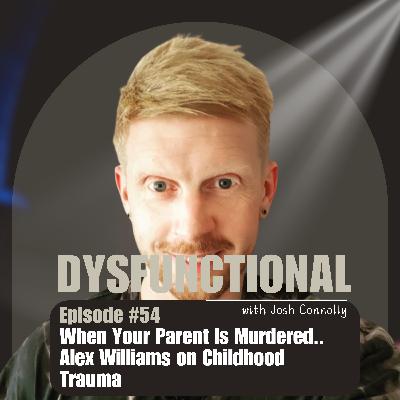
Alex Williams was eight years old when his mum was murdered by his stepfather.In this episode, Alex shares what it’s really like to grow up after extreme trauma, how it shaped his nervous system, identity, and relationships, and why “healing” is often misunderstood.Alex is an NHS mental health practitioner with over 20 years of experience and a suicide and self-harm prevention trainer. He brings both lived experience and frontline insight into what actually helps people after childhood trauma, and what doesn’t.We talk about:Growing up after domestic abuse and parental homicideWhy safety matters more than therapy in the early stages of traumaThe long-term impact of unprocessed grief in childhoodCompassion fatigue in mental health and helping professionsWhy forgiveness is not required for healingHow the mental health system labels people instead of holding themPhone addiction, numbing, and modern forms of escapeMeaning, survival, and choosing a life after traumaThis is a raw, honest conversation about loss, resilience, and what it means to live a good life after something unimaginable.If you grew up in dysfunction, abuse, or emotional neglect, this episode will likely resonate.Find Alex here - https//instagram.com/thealexjwilliamshttps//tiktok.com/thealexjwilliamshttps//www.linkedin.com/thealexjwilliams Hosted on Acast. See acast.com/privacy for more information.
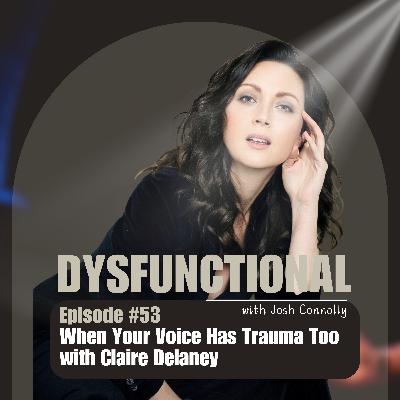
Trauma doesn’t just live in your head. It can shut down your voice too. Vocal coach Claire Delaney joins me to talk C-PTSD, nervous system survival, toxic industry culture, and finding your voice again."Claire is a vocal coach who works with singers and actors whose voices have to hold up under real-world pressure. She’s coached performers across the West End, Broadway, and the National Theatre, and has worked for Italia Conti and ITV’s Mamma Mia: I Have a Dream. Her approach is trauma-aware and shaped by the belief that you can’t separate a voice from the person using it. Her work blends science, psychology, and practical technique, with a lens shaped by lived-experience. She helps performers rebuild the physical, emotional, and technical foundations of their voice, aiming for long-term reliability, confidence, and self-trust to make singing actually enjoyable again."Instagram: @clairedelaney.vocalcoach Hosted on Acast. See acast.com/privacy for more information.
In this episode I’m joined by Jared Shurin, a strategic communications specialist who works in counter extremism, violent radicalisation, misinformation, and social cohesion. We dig into the psychology of people who reach the point of extreme violence, why it often starts with the loss of trust, hope and faith, and how communication can pull people back from the edge.We talk about:How people become vulnerable to radicalisationThe link between extremism, suicidality, and hopelessnessWhy most people sit in the exhausted moderate middleThe role of belonging, community, and agency in preventionHow governments, NGOs and everyday people can reduce social harmWhat actually works when trying to talk someone down from violent thinkingThis episode explores the real human drivers behind extremism, how isolation fuels dangerous behaviour, and why rebuilding local community may be our best defence.Find Jared - https://extra-fox.com/newsletter - https://raptorvelocity.beehiiv.com/https://www.instagram.com/straycarnivore/ Hosted on Acast. See acast.com/privacy for more information.
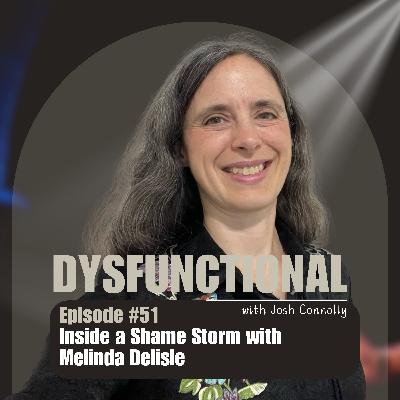
What if those moments where you’re convinced you’re a horrible person who “shouldn’t even be here” aren’t proof that you’re broken… but that you’re in what my guest calls a shame storm?In this episode I’m joined by Melinda Delisle, MS LCCE – clinical nutritionist, former childbirth educator, and someone who has spent years navigating intense emotional dysregulation herself. We talk honestly about what it actually feels like inside a shame storm, why some of the most popular “healing tools” can make it worse, and how food, supplements and nervous system health quietly drive so much of our emotional world.We get into:- The difference between a shame swamp, a shame spiral and a full-blown shame storm- Why gratitude lists, mindfulness and “just be present” advice can feel like gaslighting when you’re in survival mode- How trauma, high sensitivity and people-pleasing set us up for chronic hypervigilance - The link between nutrition, B vitamins, SSRIs and emotional dysregulation-- Mistaking familiarity for safety – and why so many of us feel unsafe even with “nice” people- Self-parenting, accountability and facing the ways our own dysregulation can make us the “toxic” one at homeMelinda also shares a free upcoming 4-week program she’s creating to help people build awareness, have better conversations around triggers and start finding their way out of constant dysregulation.Substack: https://melindadelisle.substack.com/Free 4-week program: https://melindadelisle.com/foundation/ Instagram: @melindadelisleLinkedIn: https://www.linkedin.com/in/melinda-delisle/ Hosted on Acast. See acast.com/privacy for more information.
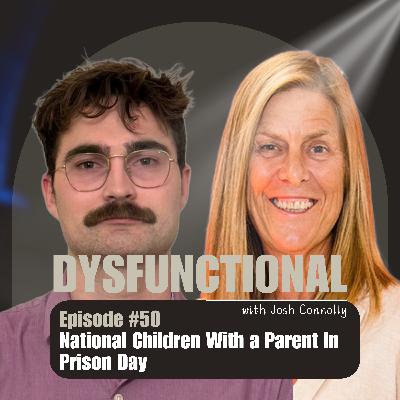
Children with a parent in prison are some of the most invisible kids in the country. In this episode, I sit down with Sarah (founder of charity Children Heard and Seen) and Felix (communications officer) to talk about what really happens to those children when a parent goes to prison, and why nobody is officially keeping track of them.We talk about:How Children Heard and Seen supports kids in the community with mentoring, groups and one to one supportThe shocking reality of children left completely alone at home when a parent is sent to prisonWhy there is no national data on which children have a parent in prisonThe role of media, stigma and vigilante attacks on already vulnerable familiesWhy support must be child led, not focused on “fixing” the parent or forcing contactThe first ever Children with a Parent in Prison Day (25th November) and the national conferenceIf this episode moved you, please share it, talk about it with someone, and check out Children Heard and Seen to see how you can support or spread the word.Link to the conference:https://www.eventbrite.co.uk/e/hear-me-see-me-parental-imprisonment-lived-experience-conference-tickets-1700692921309?aff=oddtdtcreatorLink to our website: https://childrenheardandseen.co.uk/Lived Experience Blogs written by adults who had a parent in prison as a child:https://childrenheardandseen.co.uk/hidden-voices/#parentalimprisonment Hosted on Acast. See acast.com/privacy for more information.

Comments

Download from Google Play

Download from App Store
 United States