


 Claim Ownership
Melanoma Matters
Subscribed: 4Played: 22
Subscribe

© Melanoma Matters Pod
Description
From the UK to the USA - Melanoma Matters is on a mission!
Hosts James Larkin and Sapna Patel are spreading the word on melanoma, one podcast at a time. Tune in for a critical review of the literature and a discussion of how we incorporate the data into our practices...across the pond(s).
#MelanomaMatters video podcast
Hosts James Larkin and Sapna Patel are spreading the word on melanoma, one podcast at a time. Tune in for a critical review of the literature and a discussion of how we incorporate the data into our practices...across the pond(s).
#MelanomaMatters video podcast
84 Episodes
Reverse

SummaryThe conversation covers the published data from the IGNYTE study - RP1 + nivolumab: response rate and safety profile, RNA-seq analysis, and toxicity. The key takeaways include insights into clinical trial interpretation and treatment efficacy (and incorrect graphs).TakeawaysClinical Trial DataTreatment EfficacyChapters00:00 Introduction to IGNYTE Study14:04 Response Rate and Safety Profile25:17 RNA-seq Analysis and Toxicity

SummaryHappy Holidays and Festive Season Everyone! In this episode of Melanoma Matters, hosts Sapna Patel and James reflect on their "cultural" experiences over the past year, discussing movies, music, books, plays, and television shows. They share personal anecdotes about memorable trips, culinary highlights, gym feats, and their podcasting journey, while also looking ahead to their goals and aspirations for 2026.Keywordsmovies, music, books, plays, television, travel, culinary, podcast, goals, aspirations, Happy Holidays, 2025, reflections, bestTakeaways"Culture"James and Sapna read a lot of books.Theatrical performances can be a delightful family experience - James highly recommends Matilda.There is lots of television watching on both sides of the pond.Traveling memories in 2025.Culinary adventures include Ottolenghi in Richmond.Podcasting is fun when you do it with your best friend.Chapters00:00 Festive Reflections and Year-End Special02:50 Movies and Theater Experiences09:32 Books he read & bought for others to read12:29 Books she read or audio'ed15:56 TV shows we watched in 202520:38 Travel Highlights of the Year22:50 Culinary Adventures and Memorable Meals24:28 Podcast Highlights and Notable Guests32:34 Gym Goalz & PBs

SummaryIn this episode of Melanoma Matters, James awaits an invitation to a film premiere (The Penguin Lessons) and we all await a picture of him in his tuxedo! Sapna and James go on to discuss the 5-year outcomes of studies such as coBRIM, COMBI-d, and how those compare to 5-year benchmarks from the COLUMBUS study. They explore subgroups and characteristics of favorable (and durable) response, the role of MEK inhibitors on immune activation, and a potential fellow's project (looking at you, Rob?). KeywordsMelanoma, targeted therapy, co-BRIM, COMBI-d, COLUMBUS, immunotherapy, BRAF MEK inhibitors, overall survival, progression-free survival, patient outcomes, cohorts, LDH, organ sitesTakeawaysMEK inhibitors have a complex role in immune response.Normal LDH levels correlate with better patient outcomes.Immunotherapy and targeted therapy can have overlapping patient populations.Sound Bites"We thought we'd do more targeted therapy""Normal LDH is doing better.""Long-term follow-up for targeted therapy."Chapters00:00 Will he or won't he ... James awaits invitation to film premiere04:26 coBRIM 5y FU11:56 COMBI-d 5y FU13:19 LDH subgroups17:26 Normal LDH & <3 organ sites of metastasis 18:07 Invalid analysis & graph ... tsk tsk NEJM 22:36 Fact Check22:40 What's the color of James' t-shirt?25:34 Five-Year Results of BRAF Targeted Therapies28:37 Cure Potential of Adjuvant Targeted Therapy31:34 MEK Inhibition and Immune Activation

Enjoy this short trailer on MEK inhibitor monotherapy trials in melanoma

SummarySo many shoutouts in this episode of Melanoma Matters! Sapna and James engage in a lively discussion about MEK inhibitors as monotherapy treatment. They explore the METRIC, NEMO, and pimasertib trials, and discuss side effects associated with this class of therapy. Sapna clears her own confusion regarding the PDUFA date for the NEMO study, and James objects to the way the NEMO abbreviation was derived. Keywordstargeted therapy, MEK inhibitors, METRIC, NEMO, pimasertib, NRAS, BRAF, melanoma, oncology, side effects, clinical trials, drug approval, patient care, cancer treatment, Owen, Dave Solit, Tom Newsom-Davis, Peter HillTakeawaysTargeted therapy is an important area of focus in oncology.MEK inhibitors have been in development for over 15 years.The NEMO trial aimed to evaluate binimetinib for NRAS mutant melanoma.PFS as a primary endpoint in clinical trials.Side effects of MEK inhibitors.The NEMO trial faced challenges in gaining FDA approval despite positive results.Sound Bites"What gets you to an ASCO?"Chapters00:00 Can we get James to go shirtless (req fr Owen the Trainer)04:28 MEK inhibitor trials07:40 Dave Solit is handsome09:50 Side Effects of MEK Inhibitors10:52 Shoutout to Tom Newsom-Davis12:29 Ocular Toxicity and Patient Management16:25 METRIC study19:33 NEMO trial27:16 NEMO and the fate of its PDUFA date29:03 Pimasertib: A New Player in NRAS Mutant Melanoma34:31 Shoutout to Peter Hill & what is the #1 cause of rhabdo in Central London
SummaryIn this episode of Melanoma Matters, hosts James Larkin and Sapna Patel engage with Merrick Ross, a seasoned surgical oncologist, discussing his background, the evolution of surgical practice with regards to melanoma treatment, and the importance of multidisciplinary collaboration. They explore innovations in neoadjuvant therapy, the critical role of pathology in treatment decisions, and the future directions of surgical approaches in metastatic melanoma. They discuss the need for continuous adaptation and collaboration in the ever-evolving landscape of melanoma treatment.Keywordsmelanoma, surgical oncology, neoadjuvant therapy, multidisciplinary care, pathology, metastatic melanoma, melanoma treatment, melanoma surgery, immunotherapy, clinical trialsTakeawaysMerrick Ross shares his journey from Chicago to surgical oncology.Surgery for melanoma has evolved from a primary modality to a multimodal approach.The importance of collaboration between surgical oncologists and medical oncologists is emphasized.Neoadjuvant therapy is seen as a promising area for future research and treatment.Ultrasound imaging is more effective than cross-sectional imaging for assessing nodal basins.The role of pathology is crucial in understanding treatment responses and guiding future therapy.Surgical decisions should be tailored based on individual patient responses and disease characteristics.The need for less aggressive surgical interventions is highlighted as treatment evolves.Merrick emphasizes the importance of understanding tumor biology in surgical decision-making.The conversation underscores the collaborative nature of modern melanoma treatment.Sound Bites"We need to loop in the pathologist.""Surgery has evolved over time.""The decision to be aggressive or not is complex."Chapters00:00 Merrick's upbringing06:30 Evolution of Surgical Oncology for Melanoma12:44 The Role of Sentinel Node Biopsy18:35 Merrick waxes sentimental about neoadjuvant therapy24:47 Collaboration Collaboration Collaboration26:46 The Role of Pathology in Treatment Decisions36:41 Surgical Considerations in Immunotherapy39:44 A lovely closing anecdote about Merrick
SummaryIn this Episode, hosts James & Sapna go into the 7-year follow-up from the randomized phase 3 adjuvant trial of pembrolizumab versus placebo for stage III melanoma, KEYNOTE-054There's a bit too much talk about weightlifting though...

SummaryIn this (longest to-date) episode, James and Sapna delve into the not-so-rare occurence of immune-mediated myocarditis, particularly in the context of immune checkpoint inhibitors. The hosts discuss grading systems, management strategies, and the challenges of diagnosing and treating myocarditis. They emphasize the importance of close follow-up and the need for collaboration with cardiologists.Keywords myocarditis, immune checkpoint inhibitors, cardiology, personalized treatment, grading systemsTakeawaysGrading systems for myocarditis are essential but can be blunt tools.Personalized treatment approaches are crucial for managing myocarditis.Collaboration with cardiologists is vital for effective management.High-dose steroids are often the first line of treatment for myocarditis.There is a need for more prospective data on myocarditis management.Ruxolitinib and abatacept are potential second-line treatments.Monitoring troponin levels can help assess treatment effectiveness.The role of immunosuppressive drugs in myocarditis is still being studied.Early involvement of cardiologists can improve patient outcomes.Understanding the biology of myocarditis can lead to better treatment strategies.
SummaryIn this Part 2 Best of ESMO 2025 episode of Melanoma Matters, hosts James Larkin and Sapna Patel cover the IO Biotech phase 3 trial, Checkmate 238 final results, the Safe Stop trial, the ECOG-ACRIN STAMP trial for Merkel cell carcinoma, and a promising TCR therapy for uveal melanoma. Keywordsmelanoma, cancer research, immunotherapy, clinical trials, ESMO, IO Biotech, Checkmate 238, Safe Stop trial, STAMP trial, uveal melanomaTakeawaysThe IO Biotech trial missed its primary endpoint for PFS.Checkmate 238 confirmed previous findings on RFS and DMFS.The Safe Stop trial suggests early discontinuation of therapy may be safe.STAMP trial shows potential for adjuvant pembrolizumab in Merkel cell carcinoma.Uveal melanoma TCR therapy shows promise.Understanding subgroup analysis in interpreting trial results.Patient management decisions should consider trial limitations and real-world implications.Chapters00:00 Travel Tips and Strategies04:43 IO Biotech Phase 3 Trial Insights12:00 Checkmate 238 Discussion13:10 Navigating Publication Challenges13:59 Checkmate 238 Results15:58 Late Relapses and Follow-Up Strategies17:57 Time of Day of Infusion20:50 Safe Stop Trial: Evaluating Treatment Duration33:12 STAMP Trial: Adjuvant Therapy for Merkel Cell Carcinoma35:05 IMA-203 (Anzu-cel) trial in uveal melanoma

We did it! We recorded a live teaser and a now a timely Best of ESMO 2025 episode... Part 1 of 2!In this episode, hear host James Larkin's favorite childhood vacations (dry skiing, upside down toothbrush hills and Mallorca... so privileged) James & Sapna focus on the 3 neoadjuvant melanoma presentations at ESMO 2025 and take a deep dive in to the results and questions raised for clinic on Monday.
Enjoy this trailer of Episode 72 - James takes a test!
For the record, we recorded this episode in February 2024 :) better late than never to get it published!In this episode, James has no idea what he's in for. Sapna quizzes James on new drug approvals in hematology & oncology in the year 2024 to see if he can guess the cancer type and mechanism of action.
SummaryIn this episode, hosts James Larkin & Sapna Patel discuss the Women in Melanoma Conference, highlighting its role in fostering networking and collaboration among female oncologists. They reflect on the evolution of the conference, its impact on participants, and the importance of addressing women's issues in oncology. The discussion also touches on the potential for expanding the initiative beyond the U.S. and the value of creating a supportive community for women in the medical field.James reveals a lack of stupid human tricks, Sapna reports on her skill with napkin lipstick blots, and the two fawn over word clouds in the shape of the female form (e.g. Figure 1). Moral of the story? Don't tease, and James is the bigger geek... all aroundKeywordsmelanoma, women in oncology, networking, collaboration, medical conference, women empowerment, survivorship, oncology research, patient care, medical communityTakeawaysThe Women in Melanoma Conference was initiated to address the lack of female representation in oncology meetings.Networking and collaboration are crucial for professional growth in oncology.The conference has evolved to include a broader range of topics relevant to women in the medical field.Participants have expressed feelings of camaraderie and support through the conference.The initiative has led to successful collaborations and publications among attendees.There is potential for expanding the Women in Melanoma initiative internationally.The conference addresses both professional and personal challenges faced by women in oncology.Role-playing exercises have been beneficial for participants in handling difficult conversations.The conference serves as a platform for discussing patient-centered care and survivorship.The success of the initiative may inspire similar programs in other medical specialties.Sound Bites"It's been a lovely forum.""There's no reason this has to stay U.S.""We captured lightning in a bottle here."Chapters00:00 Introduction and Icebreakers02:53 Val Guild & the Inception of WIM06:53 Networking and Collaboration in Oncology10:45 Expanding the Women in Melanoma Initiative14:26 Figure 1. Word Cloud19:07 Fact Check (there are 2 Fact Checks!)29:57 Fact Check Within a Fact Check
You wanted it, we gave it... best of ASCO ...colon...2025 :D In this episode, hosts James and Sapna discuss the key highlights from ASCO 2025, focusing on significant abstracts related to melanoma treatment. They delve into the implications of adrenal insufficiency, the 5 year, final results of Lifileucel, and the ongoing debate between neoadjuvant and adjuvant therapies. The conversation also explores the role of IL-6 in treatment efficacy and the importance of understanding sentinel lymph node positivity. The hosts emphasize the need for innovative clinical trial designs to adapt to emerging data and improve patient outcomes.KeywordsASCO 2025, melanoma, neoadjuvant therapy, adrenal insufficiency, lifileucel, immunotherapy, clinical trials, IL-6, treatment outcomes, cancer researchChapters00:00 Introduction and Overview of ASCO 202503:16 DoorDash!05:43 Key Highlights from ASCO 202508:29 Lifileucel and Its Impact on Treatment10:53 Long-term Outcomes and Toxicity Considerations15:49 Exploring Treatment Efficacy in Refractory Populations17:41 Neoadjuvant and Adjuvant Therapies: A Comparative Analysis21:07 Investigating GM-CSF's Role in Mitigating Toxicity22:36 RELA 098: Insights and Implications25:37 Understanding Sentinel Lymph Node Positivity in Melanoma26:34 Future Directions in Neoadjuvant Therapy Research36:18 Fact Check38:17 Discussion on IPI GM-CSF and Adrenal Insufficiency42:09 Impact of Adrenal Insufficiency on Patients45:06 Future Directions in Neoadjuvant Trials47:26 Wrap-Up and Reflections

Summary In this episode, Sapna Patel and James Larkin engage with Monty Pal from City of Hope, discussing his unique journey into oncology, the significance of the microbiome in cancer treatment, and the impact of diet and lifestyle on patient outcomes. They explore current research, including clinical trials involving fecal microbiome transplants and the potential of specific bacteria to enhance immunotherapy effectiveness. The conversation highlights the evolving landscape of cancer treatment and the promising future of microbiome research in oncology.Keywordsoncology, microbiome, cancer treatment, immunotherapy, diet, clinical trials, kidney cancer, melanoma, fecal microbiome transplant, City of HopeTakeawaysMonty Pal started college at the age of 13, showcasing an unconventional path to medicine.His journey into oncology was influenced by a pivotal decision to switch from engineering to medicine Monty has significantly contributed to the growth of the GU oncology program at City of Hope.The microbiome plays a crucial role in predicting patient outcomes and side effects in cancer treatment.Dietary fiber intake has been linked to improved clinical outcomes in melanoma patients receiving immunotherapy.Random probiotics may not be beneficial and could even be harmful to patients.Research indicates that specific bacteria can enhance the effectiveness of immunotherapy.The future of cancer treatment may involve turning cold tumors into hot tumors using microbiome interventions.TitlesThe Journey of Monty Pal: From Prodigy to OncologistMicrobiome and Cancer: Turd Burglars to TreatmentSound Bites"I started college when I was 13.""Fiber seems to be somewhat interesting."Chapters00:00 Introduction and Introduction of Monty Pal from City of Hope01:42 Monty's Journey to Medicine05:19 GU Oncology at City of Hope10:28 The Microbiome: A New Frontier in Oncology14:52 Microbiome Research and Clinical Outcomes19:21 Lifestyle Factors and the Microbiome23:51 Intervention Strategies: Fecal Microbiome Transplant and Beyond24:35 South Park Episode: Turd Burglars29:58 An Upcoming SWOG trial 32:48 Fact Check

SummaryIn this episode of Melanoma Matters, hosts Sapna Patel and James Larkin discuss the Godfather 15 trial, focusing on the neutralizing GDF 15 antibody and its implications in overcoming PD-1 and anti-PD-L1 resistance in solid tumors. They explore the background of GDF-15, its role in immune suppression, and the trial's methodology, including safety and efficacy results. The conversation also touches on the future directions of GDF-15 antibody trials and the importance of understanding treatment resistance in cancer therapy.KeywordsMelanoma, GDF-15, Godfather 15 trial, immunotherapy, cancer research, PD-1, antibody therapy, clinical trials, immune suppression, treatment resistanceTakeawaysThe Godfather 15 trial focuses on neutralizing GDF-15 antibody.GDF-15 is linked to immune suppression in tumors.The trial is a phase 1/2 study with multiple dose levels.Understanding treatment resistance is key in cancer research.The importance of defining refractory cohorts in trials.Biological proof of concept is essential in early studies.Future trials should focus on specific patient populations.Sound bites"This is a phase 1/2 study""This is the biology we're targeting""I think this is obviously just a first step"Chapters00:00 Introduction to the Godfather 15 Trial07:48 Understanding GDF-15 and Its Role in Cancer11:48 Exploring the Study Design and Methodology18:42 Results and Efficacy of the GDF-15 Antibody25:09 Future Directions and Closing Thoughts
SummaryIn this conversation, James Larkin and Sapna Patel discuss the consensus definitions for resistance to immune checkpoint inhibitors, focusing on a recent paper from the Journal of Immunotherapy of Cancer. They explore the complexities of primary and secondary resistance, the importance of defining these terms for clinical trials, and the challenges in trial design and control arms. The discussion emphasizes the need for clear definitions to improve patient outcomes and guide future research in oncology.Keywordsimmune checkpoint inhibitors, cancer treatment, resistance, clinical trials, melanoma, PD-1, adjuvant therapy, response rate, tumor sensitivity, oncologyTakeawaysResistance to immune checkpoint inhibitors is a major challenge in melanoma treatment.Primary resistance occurs when there is no benefit from treatment, while secondary resistance follows initial benefit.Defining resistance is crucial for clinical trials and understanding patient populations.The duration of drug exposure is key in determining resistance types.Clinical trial design must consider the expectations of efficacy in control arms.Investigators should be cautious about the definitions of patient populations in trials.Response rates of 15-20% are considered significant for primary resistance.Secondary resistance may show higher response rates due to residual sensitivity.Clear definitions help in layering data for future research.Collaboration among clinicians, industry, and regulatory bodies is essential for advancing cancer treatment.Sound Bites"It's probably the biggest challenge we now have in clinic.""There's something in the middle.""I think that's where we might need to be there."Chapters00:00 Introduction to Immune Checkpoint Inhibitors and Resistance08:08 Understanding Resistance: Definitions and Scenarios14:47 Primary vs. Secondary Resistance in Clinical Trials22:00 Trial Design and Control Arms in Immunotherapy30:36 Conclusions and Future Directions33:28 outro fade long expo.mp4

SummaryIn this episode of Melanoma Matters, James Larkin and Sapna Patel discuss the recent advancements in understanding and treating cancer cachexia, particularly focusing on the drug ponsegramab. They explore the implications of cachexia across different cancer types, the role of cytokine GDF-15, and the importance of nutrition and physical activity in managing cachexia. They opine on body weight and protein, as per usual.Keywordscancer cachexia, ponsegramab, GDF-15, treatment options, nutrition, clinical trials, melanoma, kidney cancer, pancreatic cancer, weight gainTakeawaysCancer cachexia is a significant issue in various cancers.Ponsegramab shows promise in treating cachexia with meaningful weight gain.GDF15 is a key cytokine elevated in cancer cachexia.Historical treatments for cachexia have included progestins, but newer options are emerging.Nutrition and physical activity are crucial in managing cachexia.Collaboration between academia and industry is vital for drug development.The study of Ponsegramab was conducted across multiple institutions.Cachexia management requires a multifactorial approach.Clinical trials must consider the contributions of all stakeholders.Future research is needed to optimize treatment for cachexia.Sound Bites"This is about cancer cachexia.""We do see the sarcopenia.""Doctors have known about this for 2,000 years."Chapters00:00 Introduction to Cancer Cachexia02:43 Understanding Cachexia in Different Cancers06:41 The Role of GDF-15 in Cancer Cachexia10:39 Clinical Trial Insights on Ponsegramab18:37 Exploring Treatment Implications and Future Directions24:36 Authorship and Collaboration in Cancer Research32:47 Fact Check33:36 Discussion on Cancer Cachexia and Bonsegramab38:14 Historical Context of Treatment in Kidney Cancer42:28 Current Guidelines and Future Directions for Cachexia Treatment
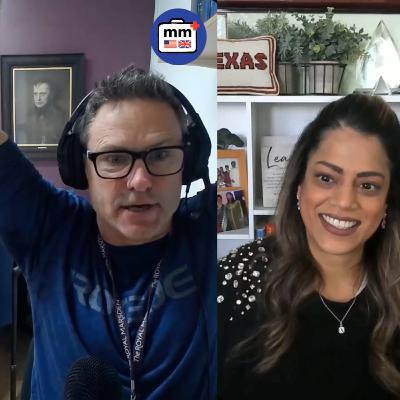
SummaryIn this conversation, Sapna Patel and James Larkin discuss the recent approval of Opdivo Qvantiq, a subcutaneous formulation of nivolumab, and its implications for oncology treatment. They explore the Checkmate 6-7-T study that led to its approval, the efficacy and safety of the new formulation, and the broader regulatory landscape. The discussion also touches on patient perspectives regarding subcutaneous versus intravenous treatment, the potential for future clinical trials, and the importance of patient choice in treatment options.KeywordsOpdivo, Qvantiq, subcutaneous formulation, oncology, Checkmate 6-7-T, nivolumab, patient experience, regulatory approval, cancer treatment, clinical trialsTakeawaysThe approval of Opdivo Qvantiq represents a significant advancement in oncology.Subcutaneous formulations offer convenience and the possibility of home treatment.Patient acceptance of subcutaneous treatment is generally high.The Checkmate 67T study demonstrated the efficacy of subcutaneous nivolumab.Regulatory approval for subcutaneous formulations is becoming more streamlined.Patients may value the social interaction of IV treatments over subcutaneous injections.The future of clinical trials may need to incorporate both subcutaneous and IV options.Understanding patient preferences is crucial for treatment decisions.The role of reimbursement in treatment choice cannot be overlooked.The transition from IV to subcutaneous treatment may impact patient care dynamics.TitlesRevolutionizing Cancer Treatment: Opdivo QvantiqThe Future of Subcutaneous NivolumabSound Bites"It's a no-brainer for patients.""The FDA has taken a view there.""This is not just a flu shot."Chapters00:00 Why does J have Napoleon on his wall?05:36 Dreams of new work office furniture...or gym equipment08:01 CheckMate 67T19:31 Patient Perspectives on Subcutaneous vs. Intravenous Treatment27:43 Regulatory and Approval Insights for Opdivo Qvantig33:30 Future Directions in Clinical Trials38:02 Fact Check38:06 Subcutaneous Treatments in Oncology41:01 Patient Experience and Acceptance of Subcutaneous Treatments44:17 The Shift in Oncology Patient Interactions47:06 Current Landscape of Subcutaneous Drugs in Oncology
In this episode of Melanoma Matters, hosts James Larkin and Sapna Patel pick up with Part 2 of 2 - a deep conversation with Claire Turnbull - about the complexities of cancer screening, overdiagnosis, and the role of genetic testing. They explore the implications of screening practices illustrated by the Gilbert Welch paradigm, the challenges faced in patient management, and the future of genetic testing in oncology. The discussion emphasizes the importance of understanding the risks and benefits associated with genetic testing.Keywordsmelanoma, cancer screening, overdiagnosis, genetic testing, patient management, healthcare, public health, cancer research, screening guidelines, cancer predispositionTakeaways• The conversation highlights the importance of understanding the value of cancer screening.• Overdiagnosis is a significant concern in cancer screening practices.• Genetic testing plays a crucial role in identifying cancer predisposition.• Screening should be evaluated rigorously to ensure it benefits patients.• The implications of false positives in screening can lead to unnecessary anxiety for patients.• Healthcare providers must be responsible for interpreting test results they order.• The need for genetic counseling is critical in managing test results and patient care.• There is a growing concern about the overuse of broad genetic testing panels.• Future advancements in technology may improve screening methods.• Public health messaging must address the complexities of cancer screening and genetic testing.Chapters00:00 Clare Turnbull - Part 2 of 204:05 High penetrance, common SNPs, and in betweens07:15 The Gilbert Welch Paradigm12:30 Understanding Lead Time and Overdiagnosis16:11 Randomized Trials in Screening19:59 Consequences of Screening: Overdiagnosis and Anxiety22:22 Debate on Screening Protocols and Their Efficacy25:37 Need for Evidence-Based Genetic Testing31:19 Ripple Effects of Genetic Testing on Families34:00 Fact Check35:47 Genetic testing for ACC?!36:34 Clinical Genetics clinics are NOT just reading guidelines...39:52 David Sackett: Evidence-Based Medicine43:03 Triggering James: (S)he who orders the test reviews & interprets the test

Comments

Download from Google Play

Download from App Store
 United States