


 Claim Ownership
Pathways to Zero Barriers
Subscribed: 1Played: 1
Subscribe

© Zero Project
Description
Do you have a product or initiative that removes barriers for persons with disabilities? How can you expand or scale it to benefit more people?
Pathways to Zero Barriers takes you on a global journey of scaling disability inclusion solutions. In each episode we explore how innovative initiatives expand to new regions and markets, breaking down the practical steps needed to scale effectively.
Pathways to Zero Barriers takes you on a global journey of scaling disability inclusion solutions. In each episode we explore how innovative initiatives expand to new regions and markets, breaking down the practical steps needed to scale effectively.
26 Episodes
Reverse
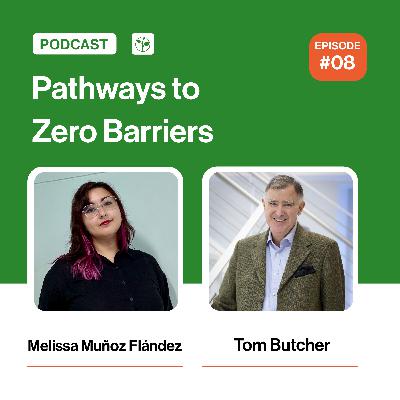
Episode: Making neurodivergent lives visible with Melissa Muñoz-FlándezHow can technology support autistic people across their entire lifespan, without excluding those who cannot afford it?In this episode, host Thomas Butcher speaks with Melissa Muñoz-Flández, Founder and CEO of Prisma Neurodivergente and creator of Autistapp. Launched in June 2024, Autistapp is a free mobile application designed for pre-teens, teenagers, and adults – an age group often overlooked in autism-related technologies.The app offers ten integrated tools, including pictograms, relaxation resources, an emotions diary addressing alexithymia, autism-related information, and a curated services marketplace. It is financed through ethical advertising and certifications via Prisma Neurodivergente, ensuring users are not required to pay for support.Melissa shares the challenges of scaling a social technology initiative in Chile, reflects on the importance of building a team, and describes how being named among the 35 Innovators Under 35 in LATAM by the Massachusetts Institute of Technology became a turning point in her journey.In this episode:• Autism inclusion must extend across the lifespan, not focus only on children• Business models must reflect the economic realities of autistic adults• Inclusion must be designed with neurodivergent people, not without themResources & Links 🔗 Programme website: scaling-solutions.zeroproject.org 📄 Transcript✅ Key Takeaways Checklist🌐 Guest: Melissa Muñoz-Flández / Autistapp📩 Contact: scaling-solutions@zeroproject.org Brought to you by The Zero Project with the support of the Essl Foundation, Fundación Descúbreme, GIZ on behalf of BMZ, and Access to Success.Credits Host: Thomas Butcher Production: Małgorzata Grobelna, Alessandro Gobello, and Judith Hermetter Audio Engineering: Antina Zlatkova / Mediengarten
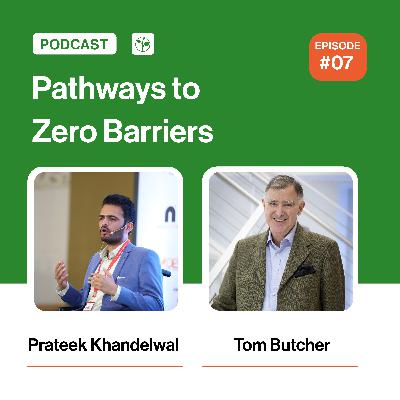
Pathways to Zero Barriers Episode: From personal barriers to systemic change with Prateek Khandelwal How can lived experience of disability drive scalable, city-level accessibility? In this episode of Pathways to Zero Barriers, host Tom Butcher speaks with Prateek Khandelwal, Founder and Managing Director of RampMyCity, an Indian accessibility startup advancing inclusion in public spaces for persons with disabilities and older people. Prateek reflects on how a spinal cord injury revealed the scale of inaccessibility in Indian cities and led him to found RampMyCity. He discusses the personal, social, and structural barriers he faced, including stigma, weak enforcement of accessibility standards, and the practical challenges of auditing inaccessible spaces as a wheelchair user. The conversation explores how RampMyCity has scaled modular, pragmatic infrastructure solutions, starting with ramps, across more than 700 locations in 10 cities with a small core team. Topics include regional differences within India, the opportunities of Tier 2 cities, the use of AI-enabled accessibility audits, and the importance of starting small, validating deeply, and staying mission-driven while building financial sustainability. Prateek’s call to action is clear: inclusion starts with individual responsibility and concrete action in the spaces we influence. Resources & Links 🔗 Programme website: scaling-solutions.zeroproject.org 📄 Transcript✅ Key Takeaways Checklist🌐 Guest: Prateek Khandelwal / RampMyCity📩 Contact: scaling-solutions@zeroproject.org Brought to you by the Zero Project with the support of the Essl Foundation, Fundación Descúbreme, GIZ on behalf of BMZ, and Access to Success. Credits Host: Thomas Butcher Production: Małgorzata Grobelna, Alessandro Gobello, and Judith Hermetter Audio Engineering: Antina Zlatkova / Mediengarten
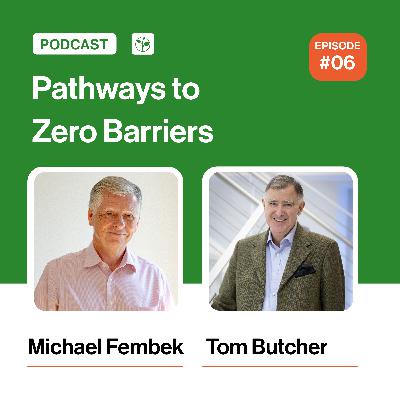
Making the most of conferences with Michael Fembek How can you turn conferences into meaningful opportunities for impact, networking, and scaling your work? In this episode of Pathways to Zero Barriers, Dr. Michael Fembek, CEO of the Zero Project and Tom Butcher, the host and a Zero Project Ambassador, will share their tips on making the most of conferences. Drawing on more than 30 years of experience organising and attending global events, Michael and Tom share practical advice on preparation, networking strategies, and follow-up that help participants move beyond passive attendance. Michael reflects on the evolution of the Zero Project Conference over the past 13 years and explains why conferences are central to the organisation’s mission of identifying and scaling innovations that support persons with disabilities worldwide. The discussion explores how technology – including AI, matchmaking platforms, and live captioning – is improving accessibility and enabling more inclusive participation. Together, Tom and Michael outline concrete “dos and don’ts” for conference-goers, from researching participants in advance and crafting an elevator pitch to approaching speakers, joining group conversations, and building a focused “hit list” of priority contacts. They also highlight the importance of meaningful follow-up and maintaining quality connections rather than collecting business cards. The episode concludes with tailored advice for innovators attending the Zero Project Conference, including how to use the conference platform strategically and identify sessions on scaling, impact investment, and replication. Michael also introduces the Zero Project’s Equitable AI initiative, which addresses the risks of bias and discrimination in AI systems. In this episode: Practical strategies to prepare for conferences, approach speakers, and build meaningful professional connections How digital tools and AI are improving accessibility, matchmaking, and multilingual participation at eventsTargeted advice for innovators on using conferences to scale solutions and maximise impact Resources & Links 🔗 Programme website📄 Transcript ✅ Key Takeaways 🌐 Guest: Michael Fembek / Essl Foundation – Zero Project: [Guest Website] 📩 Contact: scaling-solutions@zeroproject.org Brought to you by The Zero Project with the support of the Essl Foundation, Fundación Descúbreme, GIZ on behalf of BMZ, and Access to Success. Credits Host: Thomas Butcher Production: Małgorzata Grobelna, Alessandro Gobello, and Judith Hermetter Audio Engineering: Antina Zlatkova / Mediengarten
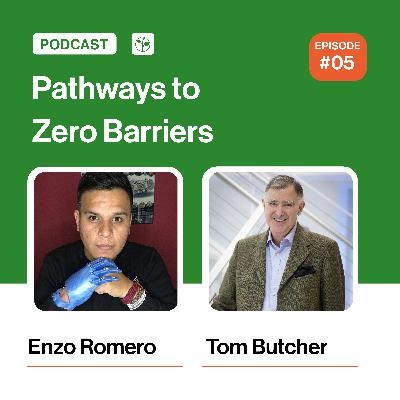
How can innovation in prosthetics be driven by local talent, affordability, and human connection—not just by technology? In this episode of Pathways to Zero Barriers, host Tom Butcher speaks with Enzo Romero, Founder and CEO of LAT Bionics in Peru. Enzo shares how growing up without a right hand—and seeing fictional bionics on screen—sparked a lifelong commitment to engineering accessible prosthetic solutions. He explains how LAT Bionics emerged from university research, transforming high-cost prototypes into affordable, high-quality devices designed for workers in real-life conditions across Latin America. The conversation explores the lack of regulatory pathways for assistive technology in Peru, the need to create local manufacturing capacity, and the role of AI in advancing prosthetic control. Enzo highlights how involving occupational therapists, designers, engineers, and users at every stage has shaped solutions that respond directly to functional and emotional needs. He also reflects on the power of storytelling to build trust—shifting narratives from pity to possibility. Resources & Links 🔗 Programme website: scaling-solutions.zeroproject.org 📄 Transcript: [Download Transcript] ✅ Key Takeaways Checklist: [Download] 🌐 Guest: Enzo Romero: [LAT Bionics] 👉 Referenced article about Mark Hamill: [https://andina.pe/agencia/noticia-mark-hamill-impactado-peruano-creador-protesis-inspirada-luke-skywalker-779734.aspx] 📩 Contact: scaling-solutions@zeroproject.org Brought to you by The Zero Project with the support of the Essl Foundation, Fundación Descúbreme, GIZ on behalf of BMZ, and Access to Success. Credits Host: Thomas Butcher Production: Małgorzata Grobelna, Alessandro Gobello, and Judith Hermetter Audio Engineering: Antina Zlatkova / Mediengarten
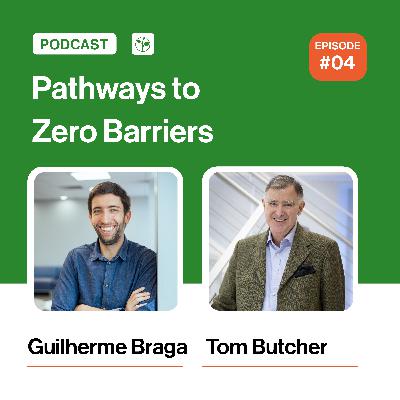
How can companies turn accessibility from a perceived burden into a practical driver of inclusion and business value?In this episode of Pathways to Zero Barriers, host Tom Butcher speaks with Guilherme Braga, Founder and CEO of Egalité, a Brazilian social business supporting the employment of persons with disabilities for over 15 years. Guilherme reflects on how early exposure to accessible environments shaped his approach and contrasts this with the persistent invisibility of people with disabilities in workplaces in Brazil.He discusses Egalité’s three pillars—accessible recruitment, inclusive culture, and accessibility—and the challenges of scaling a social business while balancing impact and financial sustainability. The conversation highlights common misconceptions about accessibility, the risks of treating inclusion as a short-term trend, and the importance of involving people with disabilities directly, including in the design of AI-driven solutions.Resources & Links 🔗 Programme website: scaling-solutions.zeroproject.org 📄 Transcript✅ Key Takeaways🌐 Guest: Guilherme Braga / Egalite: Website📩 Contact: scaling-solutions@zeroproject.org Brought to you by The Zero Project with the support of the Essl Foundation, Fundación Descúbreme, GIZ on behalf of BMZ, and Access to Success. CreditsHost: Thomas Butcher Production: Małgorzata Grobelna, Alessandro Gobello, and Judith Hermetter Audio Engineering: Antina Zlatkova - Mediengarten
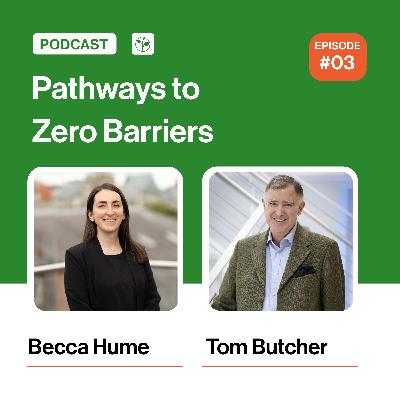
How do innovators stay motivated, balanced, and resilient when building solutions for inclusion in high-stakes environments? In this episode, host Tom Butcher speaks with Rebecca “Becca” Hume, Founder and CEO of Inclutech and developer of the TapSOS app. Becca shares the ten-year journey behind building an inclusive, accessible way for people to contact emergency services, especially those who are deaf, non-verbal, or otherwise face communication barriers. From a formative moment with a deaf colleague at age 16 to UK government accreditation and global scale-up ambitions, Rebecca reflects on the personal and professional milestones that shaped her path.Resources & Links 🔗 Programme website: scaling-solutions.zeroproject.org📄Transcript✅ Key takeaways🌐 Guest: Becca Hume📩 Contact: Tapsos.comBrought to you by The Zero Project with the support of the Essl Foundation, Fundación Descúbreme, GIZ on behalf of BMZ, and Access to Success. CreditsHost: Thomas Butcher Production: Małgorzata Grobelna, Alessandro Gobello, and Judith Hermetter Audio Engineering: Antina Zlatkova - Mediengarten
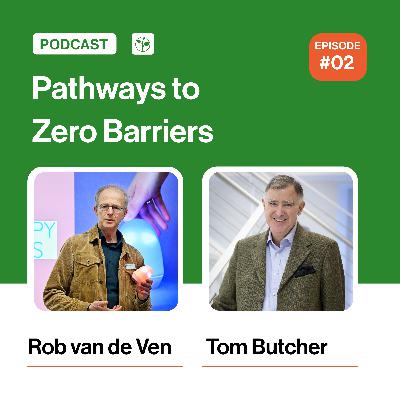
How do innovators stay motivated, focused, and resilient while bringing a deeply human-centred solution to life? In this episode, host Tom Butcher reconnects with Rob van de Ven, Co-Founder of HappyBots and Zero Project Scaling Solutions alumnus, to explore the milestones—both strategic and emotional—that have shaped the journey of Felix, the social robot helping children communicate their feelings. Rob shares the challenges of scaling a social enterprise in a niche disability-innovation market, the importance of partnerships, the power of celebrating small wins, and why staying focused on the core problem—rather than adding endless features—is essential for impact.Resources & Links 🔗 Programme website: scaling-solutions.zeroproject.org 📄 Transcript ✅ Key Takeaways🌐 Guest: Rob Van de Ven - HappyBots 📩 Contact: info@happybots.nlBrought to you by The Zero Project with the support of the Essl Foundation, Fundación Descúbreme, GIZ on behalf of BMZ, and Access to Success. CreditsHost: Thomas Butcher Production: Małgorzata Grobelna, Alessandro Gobello, and Judith Hermetter Audio Engineering: Antina Zlatkova - Mediengarten
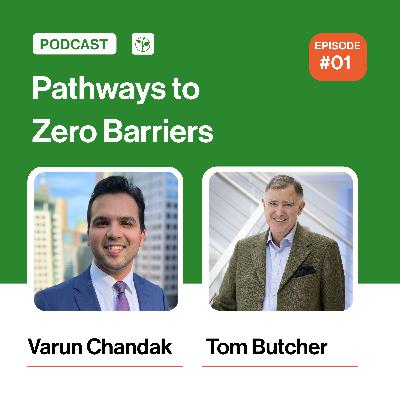
How do you know when your innovation is ready to scale? In this episode, host Thomas Butcher speaks with Varun Chandak, Founder and Executive Director of Access to Success and the new implementation partner of the Zero Project Scaling Solutions Programme. Varun shares his personal journey into disability innovation, what “readiness to scale” really means, and the key factors that influence whether a solution can grow—across countries, markets, and communities. Resources & Links 🔗 Programme website: scaling-solutions.zeroproject.org 📄 Transcript✅ Key Takeaways🌐 Guest: Varun Chandak – Access to Success📩 Contact: scaling-solutions@zeroproject.org Brought to you by The Zero Project with the support of the Essl Foundation, Fundación Descúbreme, GIZ on behalf of BMZ, and Access to Success. Credits: Host: Thomas Butcher Production: Małgorzata Grobelna, Alessandro Gobello, and Judith Hermetter Audio Engineering: Antina Zlatkova / Mediengarten
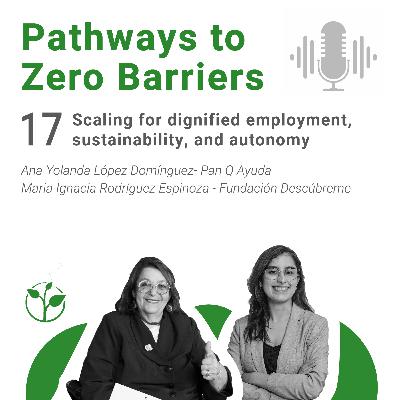
Brief Summary In today's episode, Ana Yolanda from PanQAyuda shares how they pivoted during the COVID pandemic, creating a cricket-based superfood and landing a deal with an airline, all while staying true to their mission of dignified employment for persons with disabilities. Joined by Maria Ignacia from Fundación Descúbreme, they will explore what role do regional partnerships and local knowledge play when supporting inclusive innovations like PanQAyuda across Latin America.Download TranscriptPDF: [https://zeroproject.org/fileadmin/root_zeroproject/ZPSCALE/podcasts/Pathways_transcripts/Pathways_E17_PanQAyuda_Descubreme_Transcript.pdf]Word: [https://zeroproject.org/fileadmin/root_zeroproject/ZPSCALE/podcasts/Pathways_transcripts/Pathways_E17_PanQAyuda_Descubreme_Transcript.docx]Guest information Ana Yolanda Lopez Dominguez, Director General, PanQAyudaMaria Ignacia Rodriguez, Deputy Manager, International Cooperation at Fundación DescúbremeThe key questions addressed in this episode are:What challenges PanQAyuda faced during expansion — and how they overcame them?What are the success stories from one of the regional expansions — and how they measured its impact?What to do when something doesn’t go as planned?Call to Action Subscribe today for more insights into scaling disability-inclusive innovations.Links to Mentioned Resources PanQAyuda Website [https://panqayuda.com.mx]Fundación Descúbreme Website [https://www.descubreme.cl] Zero Project Scaling Solutions website: [scaling-solutions.zeroproject.org]Contact Information For questions or feedback, reach out to us at: scaling-solutions@zeroproject.org Sponsor/Partner Info This episode is brought to you by the Zero Project with the support of the Essl Foundation, Fundación Descúbreme, GIZ on behalf of BMZ, Atos, EnAble India, and Inclusive Creation.
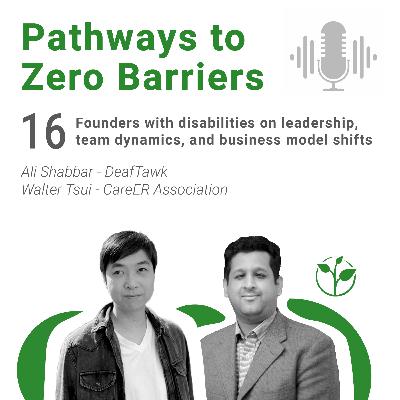
Brief SummaryWhat does it take to lead as a founder with a disability? Not just at launch, but as your team scales and your product evolves. Hear from Ali Shabbar, the CEO of DeafTawk and Walter Tsui, the Co-Founder and CEO of CareER Association, about finding a leadership style, shifting from grand entrepreneur to a revenue mindset, and why you should love the problem you're solving..Download TranscriptPDF: [https://zeroproject.org/fileadmin/root_zeroproject/ZPSCALE/podcasts/Pathways_transcripts/Pathways_E16_DeafTawk_Walter_Tsui.pdf]Word: [https://zeroproject.org/fileadmin/root_zeroproject/ZPSCALE/podcasts/Pathways_transcripts/Pathways_E16_DeafTawk_Walter_Tsui.docx]Guest InformationAli Shabbar, CEO, DeafTawkWalter Tsui, Co-Founder and CEO, CareER AssociationThe Key Questions Addressed in this Episode are:What are one of DeafTawk’s most defining international expansion moments?What are some of the biggest challenges organizations face when transferring accessibility services across borders?When expanding into a new country, how do you assess whether your solution will fit culturally and operationally?When working with DeafTawk, what stood out to you about how they navigated partnerships or adaptation during scaling efforts?Looking back, is there a particular “lesson learned the hard way” that now shapes how you approach every new project or region?What’s one insight or reflection you would offer to any organization preparing for its first major international transfer of services?Call to ActionSubscribe today for more insights into scaling disability-inclusive innovations.Links to Resources:DeafTawk Website: [https://www.deaftawk.com/]Walter Tsui’s personal website: [https://www.waltertsui.hk/]Contact InformationFor questions or feedback, reach out to us at: [scaling-solutions@zeroproject.org]Sponsor/Partner InfoThis episode is brought to you by the Zero Project with the support of the Essl Foundation, Fundación Descúbreme, GIZ on behalf of BMZ, Atos, EnAble India, and Inclusive Creation.
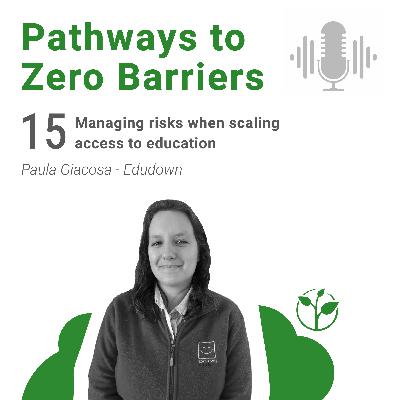
Brief SummaryHow to manage risks and challenges when expanding access to education? Drawing on EduDown’s 25 years of experience, Paula Giacosa, EduDown’s National Director discusses the importance of adapting to regional cultural contexts, forming strategic local alliances, and engaging families as key partners. The episode also explores how social innovation, including circular economy approaches and AI, can help remove barriers, and highlights EduDown’s expansion goals to reach more regions in Chile and beyond.Download TranscriptPDF: [https://zeroproject.org/fileadmin/root_zeroproject/ZPSCALE/podcasts/Pathways_transcripts/Pathways_E15_EduDown_Transcript.pdf]Word: [https://zeroproject.org/fileadmin/root_zeroproject/ZPSCALE/podcasts/Pathways_transcripts/Pathways_E15_EduDown_Transcript.docx]Guest InformationPaula Giacosa, National Director, EduDownThe Key Questions Addressed in this Episode are:When expanding to regions with limited resources, what risks have been most important to anticipate and manage? How to navigate the balance between exciting opposrtunities and the real challenges that underserved regions present? Looking ahead, what goals can inspire organisations to expand inclusive education on a global scale?Call to ActionSubscribe today for more insights into scaling disability-inclusive innovations.Links to Mentioned Resources:EduDown’s Instagram: [https://www.instagram.com/edudownoficial/]EduDown’s LinkedIn: [https://www.linkedin.com/company/edudown]Paula Giacosa’s LinkedIn: [https://www.linkedin.com/in/paula-giacosa-aa0a1a15a/]Contact InformationFor questions or feedback, reach out to us at: [scaling-solutions@zeroproject.org]Sponsor/Partner InfoThis episode is brought to you by the Zero Project with the support of the Essl Foundation, Fundación Descúbreme, GIZ on behalf of BMZ, Atos, EnAble India, and Inclusive Creation.
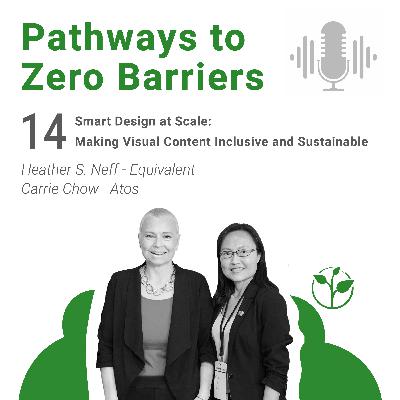
Brief SummaryWhat if accessibility and sustainability were embedded in design from the start? This conversation explores how Equivalent SVG is reshaping the future of inclusive visual content through scalable, smart SVG graphics. CEO Heather Neff shares how her lived experience as a designer with disabilities drives the creation of SVGs that adapt to users' accessibility settings—making graphics not just inclusive, but energy-efficient too. With insights from Carrie Chow of Atos, the episode highlights how strategic partnerships, user-centered innovation, and executive buy-in can scale accessible tech across sectors. Tune in to hear how smart design can reduce barriers, carbon footprints, and digital exclusion—all at once.Download TranscriptPDF: [https://zeroproject.org/fileadmin/root_zeroproject/ZPSCALE/podcasts/Pathways_transcripts/Pathways_E14_Equivalent_Atos_Transcript.pdf]Word: [https://zeroproject.org/fileadmin/root_zeroproject/ZPSCALE/podcasts/Pathways_transcripts/Pathways_E14_Equivalent_Atos_Transcript.docx]Guest InformationHeather Neff, CEO, Equivalent SVGCarrie Chow, Global Accessibility Evangelist, Atos.The Key Questions Addressed in this Episode are:What are the challenges of scaling graphics technology-driven solutions into different markets?What are the primary issues or barriers to anticipate when this kind of technology is introduced to the world?What is Equivalent’s long-term vision for integrating Smart SVG into global accessibility standards?Call to ActionSubscribe today for more insights into scaling disability-inclusive innovations.Links to Mentioned Resources:Equivalent’s website: https://equivalentsvg.io/Heather Neff’s LinkedIn profile: https://www.linkedin.com/in/heathersneff/ Contact InformationFor questions or feedback, reach out to us at: [scaling-solutions@zeroproject.org]Sponsor/Partner InfoThis episode is brought to you by the Zero Project with the support of the Essl Foundation, Fundación Descúbreme, GIZ on behalf of BMZ, Atos, EnAble India, and Inclusive Creation.
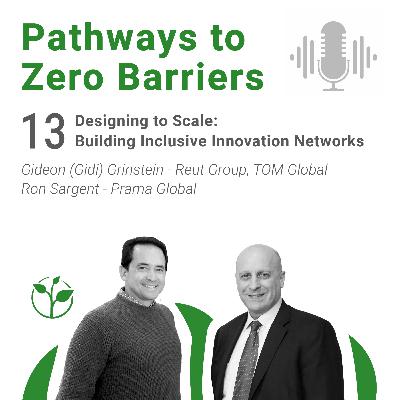
Brief SummaryWhat if scaling was part of the plan from day one? This conversation explores TOM Global's bold approach to global collaboration, why networks matter more than partnerships, and how values shape every yes and no along the way. Join in the conversation with Gideon (Gidi) Grinstein from TOM Global and Ron Sargent from Prama Global to hear their advice on building impactful networks.Download TranscriptPDF: [https://zeroproject.org/fileadmin/root_zeroproject/ZPSCALE/podcasts/Pathways_transcripts/Pathways_E13_TOM_Gidi_Ron_Transcript.pdf]Word: [https://zeroproject.org/fileadmin/root_zeroproject/ZPSCALE/podcasts/Pathways_transcripts/Pathways_E13_TOM_Gidi_Ron_Transcript.docx]Guest InformationGideon (Gidi) Grinstein, Founder of the Reut Group and Founder and President of TOM GlobalRon Sargent, Executive Director, Prama GlobalThe Key Questions Addressed in this Episode are:How do you build a support network that spans local and international levels?How do partnerships help maintain shared disability inclusion values?What is essential for maintaining partnerships as your initiative scales?Call to ActionSubscribe today for more insights into scaling disability-inclusive innovations.Links to Mentioned Resources:TOM Global Website: [https://tomglobal.org/]Contact InformationFor questions or feedback, reach out to us at: [scaling-solutions@zeroproject.org]Sponsor/Partner InfoThis episode is brought to you by the Zero Project with the support of the Essl Foundation, Fundación Descúbreme, GIZ on behalf of BMZ, Atos, EnAble India, and Inclusive Creation.
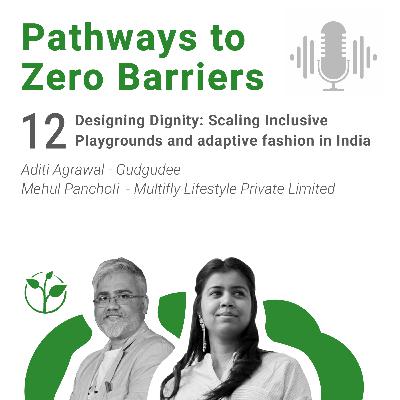
Brief SummaryHow do you scale inclusion without losing sight of community? In this episode, we explore what it takes to design for dignity—from inclusive playgrounds that prioritize local voices to adaptive fashion that redefines access in India. We hear from Aditi Agrawal, Co-Founder of Gudgudee, and advisor Mehul Pancholi about the power of partnerships, cultural adaptation, and why listening is as important as innovation.Download TranscriptPDF: [https://zeroproject.org/fileadmin/root_zeroproject/ZPSCALE/podcasts/Pathways_transcripts/Pathways_E12_Aditi_Mehul_Transcript.pdf]Word: [https://zeroproject.org/fileadmin/root_zeroproject/ZPSCALE/podcasts/Pathways_transcripts/Pathways_E12_Aditi_Mehul_Transcript.docx]Guest InformationAditi Agrawal, Co-Founder of Gudgudee, a design studio specializing in inclusive play spaces in India.Mehul Pancholi, Advisor on inclusive design and community engagement, supporting scale-up efforts through localized strategies.The Key Questions Addressed in this Episode are:How do you identify and build partnerships that support inclusive design goals?What role do local communities play in shaping successful playgrounds and adaptive products?How can cultural context shift the direction of design—without compromising inclusion?Call to ActionSubscribe today for more insights into scaling disability-inclusive innovations.Links to Mentioned Resources:Gudgudee Website: [https://www.gudgudee.in]Gudgudee Instagram: [https://www.instagram.com/studio_gudgudee]Contact InformationFor questions or feedback, reach out to us at: [scaling-solutions@zeroproject.org]Sponsor/Partner InfoThis episode is brought to you by the Zero Project with the support of the Essl Foundation, Fundación Descúbreme, GIZ on behalf of BMZ, Atos, EnAble India, and Inclusive Creation.
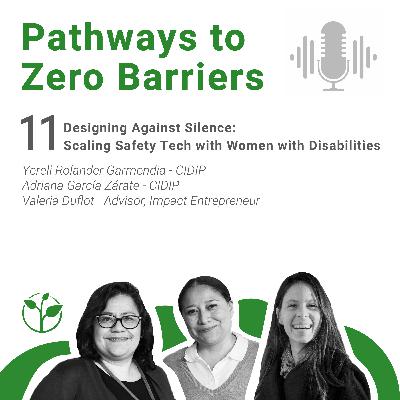
Brief SummaryHow do you grow a safety solution in a system that wasn’t designed to protect you? In this episode, we hear from the team behind App Morada—a platform co-designed with women with disabilities to address gender-based violence in Mexico. From building trust to navigating policy gaps, we explore what it takes to grow a local innovation without losing sight of the people it's built for.Download TranscriptPDF: [https://zeroproject.org/fileadmin/root_zeroproject/ZPSCALE/podcasts/Pathways_transcripts/Pathways_E11_CIDIP_Yereli-Valeria_Transcript.pdf]Word: [https://zeroproject.org/fileadmin/root_zeroproject/ZPSCALE/podcasts/Pathways_transcripts/Pathways_E11_CIDIP_Yereli-Valeria_Transcript.docx]Guest InformationValeria Duflot, a Fractional Executive, Impact Advisor, and Scaling Solutions Programme Advisor.Yereli Rolander, Executive Director at the Interdisciplinary Center for Rights, Childhood, and Parenthood (CIDIP) in Mexico.Adriana Garcia, Administrator at the Interdisciplinary Center for Rights, Childhood, and Parenthood (CIDIP) in Mexico.They Key Questions Addressed in this Episode are:How do partnerships contribute to expanding the Morada App to new regions?What are the challenges in aligning partner goals with the app's mission?How do you build and maintain a strong support network for your policy work?Call to ActionSubscribe today for in-depth conversations on scaling impactful solutions worldwide.Links to Mentioned Resources:CIDIP Website: [https://cidip.org.mx]CIDIP Facebook: [https://www.facebook.com/CidipDerechos]CIDIP Instagram: [https://www.instagram.com/c.i.d.i.p/]Contact InformationFor questions or feedback, reach out to us at: [scaling-solutions@zeroproject.org]Sponsor/Partner InfoThis episode is brought to you by the Zero Project with the support of the Essl Foundation, Fundación Descúbreme, GIZ on behalf of BMZ, Atos, EnAble India, and Inclusive Creation.
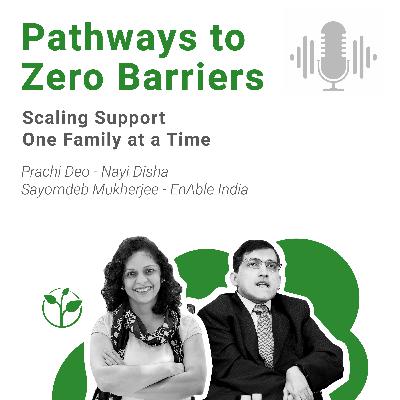
Brief SummaryHow do you expand a life-changing support system across regions with different cultures, languages, and needs? In this episode, we explore how Nayi Disha is scaling its impact across India and beyond.Guests Sayomdeb Mukherjee and Prachi Deo share insights on navigating cultural differences, building trust within communities, and leveraging both digital and grassroots networks to reach more families. They highlight why supporting caregivers is just as crucial as supporting individuals with disabilities and discuss the power of open-source solutions in driving global change.Expect real-world examples, strategic insights, and practical takeaways for organizations looking to scale inclusive solutions effectively.Download TranscriptPDF: [https://zeroproject.org/fileadmin/root_zeroproject/ZPSCALE/podcasts/Pathways_transcripts/Pathways_E10_NayiDisha-Den_Transcript.pdf]Word: [https://zeroproject.org/fileadmin/root_zeroproject/ZPSCALE/podcasts/Pathways_transcripts/Pathways_E10_NayiDisha-Den_Transcript.docx]Guest InformationSayomdeb Mukherjee, Senior Manager, EnAble IndiaPrachi Deo, Executive Director, Nayi DishaThe key questions addressed in this episode are:How do you define your strategic priorities when scaling Nayi Disha's services?What challenges have you faced in adapting your model to different cultural and systemic environments?How do you measure the readiness of a new region for implementing your services?Call to ActionSubscribe today for in-depth conversations on scaling impactful solutions worldwide.Links to Mentioned ResourcesNayi Disha Website: [https://nayi-disha.org]Zero Project Scaling Solutions website: [scaling-solutions.zeroproject.org]Contact InformationFor questions or feedback, reach out to us at: [scaling-solutions@zeroproject.org]Sponsor/Partner InfoThis episode is brought to you by the Zero Project with the support of the Essl Foundation, Fundación Descúbreme, GIZ on behalf of BMZ, Atos, EnAble India, and Inclusive Creation.
Brief Summary– Scaling Inclusion: Turning Promises into Practices – #ZeroCon25 SpecialThis special episode is a recording of a fireside chat recorded during the Zero Project Conference 2025.Innovation in inclusion isn’t just about policies—it’s about transforming real-world practices. Join Michael Fembek, the CEO of Zero Project and Anthony Giannoumis of Inclusive Creation in this Fireside Chat, where they will talk about Scaling Solutions. Together, they explore how organizations can move beyond commitments and turn inclusive aspirations into tangible, scalable solutions. From leveraging technology and AI to redesigning leadership models, they discuss the frameworks that make inclusion sustainable.The speakers examine the challenges of scaling inclusive initiatives—whether in hiring, product design, or accessibility—and how companies can overcome these hurdles. Using examples from my work across industries, they share insights on how inclusion drives innovation and business success.This conversation provides actionable takeaways for leaders, entrepreneurs, and organizations looking to embed inclusion into their DNA and make a lasting impact.Download TranscriptPDF: [https://zeroproject.org/fileadmin/root_zeroproject/ZPSCALE/podcasts/Pathways_transcripts/Pathways_E09_ZeroCon25_Episode_Transcript.pdf]Word: [https://zeroproject.org/fileadmin/root_zeroproject/ZPSCALE/podcasts/Pathways_transcripts/Pathways_E09_ZeroCon25_Episode_Transcript.docx]Contact Information For questions or feedback, reach out to us at: scaling-solutions@zeroproject.org Speaker information Hosted by Michael Fembek, CEO of the Zero Project, Board Member of the Essl FoundationJoined by Anthony Giannoumis of Inclusive Creation, the Zero Project Scaling Solutions Programme facilitatorIntro and outro by Judith Hermetter of the Zero ProjectSponsor/Partner InfoThis episode is brought to you by the Zero Project with the support of the Essl Foundation, Fundación Descúbreme, GIZ on behalf of BMZ, Atos, EnAble India, and Inclusive Creation.The key questions addressed in this episode are:What are the main takeaways from the Scaling Solutions Programme, based on the 2 years of experience of the Programme’s facilitator?What is the role of leaders in scaling?How to know when an organisation is at the appropriate moment for scaling?Call to Action Subscribe today for real-world insights on scaling innovative solutions from across the globe. Links to Mentioned Resources Zero Project Scaling Solutions website: [scaling-solutions.zeroproject.org] Link to the recording of the fireside chat: [https://www.youtube.com/watch?v=UXuk2t7Rb9k]
Brief Summary In this episode, host Anthony explores the financial strategies that drive AI-powered accessibility solutions, focusing on how innovative funding approaches can scale impact while maintaining affordability. He is joined by Paweł Potakowski, Chief Commercial Officer at MIGAM, and Rafiul Alam, Chief Business Officer at Genweb2 Limited.Paweł shares how MIGAM evolved from a small startup to serving over 2,000 clients, emphasizing how their most valuable investment came not from traditional investors but from customers. He highlights key financial strategies that enabled sustainable growth and global expansion.Rafiul offers insights into balancing scalability with affordability, ensuring accessibility solutions remain cost-effective while securing necessary investments. He discusses challenges in maintaining affordability during expansion and the creative approaches used to address them.Expect real-world examples, expert perspectives, and practical takeaways for innovators seeking to finance and scale accessibility solutions sustainably.Download TranscriptWord: [https://zeroproject.org/fileadmin/root_zeroproject/ZPSCALE/podcasts/Pathways_transcripts/Pathways_E07_Migam_RafiulAlam_Transcript.docx]PDF:[https://zeroproject.org/fileadmin/root_zeroproject/ZPSCALE/podcasts/Pathways_transcripts/Pathways_E07_Migam_RafiulAlam_Transcript.pdf]Guest information – Paweł Potakowski, CCO MIGAM.ai– Rafiul Alam, Chief Business Officer at Genweb2 LimitedThe Key Questions Addressed in this Episode are:1. What financial strategies have been successful in scaling your AI-driven solutions?2. How do you ensure that accessibility remains affordable in the expansion process?3. How do different market conditions affect your financing strategies?Call to Action Subscribe today for real-world insights on scaling innovative solutions from across the globe. Links to Mentioned Resources – Migam.org / migam.ai– Zero Project Scaling Solutions website: [scaling-solutions.zeroproject.org] Contact Information For questions or feedback, reach out to us at: scaling-solutions@zeroproject.org Sponsor/Partner Info This episode is brought to you by the Zero Project with the support of the Essl Foundation, Fundación Descúbreme, GIZ on behalf of BMZ, Atos, EnAble India, and Inclusive Creation.
Brief Summary In this episode, host Anthony Giannoumis explores the power of media-driven storytelling in challenging stigmas and driving social change. He is joined by Debora Maboya, Head of Operations and Programs at Tai Tanzania, and Bernard Chiira, Founder & CEO of AT4D (Assistive Technologies for Disability).Debora shares how Tai Tanzania creates culturally relevant animated content that inspires social and behavioural change, emphasizing the importance of adapting storytelling to different cultural contexts. She highlights the role of collaboration—with governments, local organizations, and communities—in ensuring content resonates and has a lasting impact.Bernard offers insights on leveraging digital distribution channels to scale disability-inclusive narratives, emphasizing how storytelling can dismantle biases and reach previously untapped audiences.Expect real-world examples, challenges, and key takeaways for innovators looking to expand inclusive media initiatives globally.Download CaptionsIn PDF Format: [https://zeroproject.org/fileadmin/root_zeroproject/ZPSCALE/podcasts/Pathways_transcripts/Pathways_E06_Tai-Chiira_Transcript.pdf]In Word Format: [https://zeroproject.org/fileadmin/root_zeroproject/ZPSCALE/podcasts/Pathways_transcripts/Pathways_E06_Tai-Chiira_Transcript.docx]The GuestsDebora Maboya, Head of Operations and Programs at Tai TanzaniaBernard Chiira, Founder & CEO AT4D (Assistive Technologies for Disability)The Key Questions Addressed in this Episode are: 1. How do you prepare to transfer your storytelling model to new regions?2. How does adapting content to local cultures affect your approach?3. What challenges do you face when expanding internationally?Call to ActionSubscribe today for real-world insights on scaling innovative solutions from across the globe.Links to Mentioned Resources - Tai Tanzania Website [https://www.tai.or.tz/edutainment/resources-bank] Zero Project Scaling Solutions website: [scaling-solutions.zeroproject.org]Contact InformationFor questions or feedback, reach out to us at: scaling-solutions@zeroproject.orgSponsor/Partner InfoThis episode is brought to you by the Zero Project with the support of the Essl Foundation, Fundación Descúbreme, GIZ on behalf of BMZ, Atos, EnAble India, and Inclusive Creation.
Brief Summary
In this episode of Pathways to Zero Barriers, host Anthony explores the transformative potential of partnerships in scaling inclusive technologies and solutions. Esteban Rojas Munoz, Chief Operating Officer of Humanos 3D from Colombia, and Maria Ignacia Rodriguez, Head of Public and International Affairs at Fundación Descúbreme, share their experience with creating alliances that drive innovation for persons with disabilities.
Esteban discusses Humanos 3D's groundbreaking work in 3D-printed prosthetics for underserved communities, and how collaborations with universities and unexpected allies, such as airlines, have been key to scaling their impact. Meanwhile, Maria Ignacia emphasizes the importance of culturally relevant solutions, quality assurance, and cultivating an innovation mindset.
Expect real-life examples and valuable lessons for innovators seeking to navigate the complexities of scaling disability-inclusive solutions.
Download Captions
In PDF Format: [https://zeroproject.org/fileadmin/root_zeroproject/ZPSCALE/podcasts/Pathways_transcripts/Pathways_E05_Humanos3D-FD_Transcript.pdf]
In Word Format: [https://zeroproject.org/fileadmin/root_zeroproject/ZPSCALE/podcasts/Pathways_transcripts/Pathways_E05_Humanos3D-FD_Transcript.docx]
The Guests
Esteban Rojas Muñoz is the Chief Operating Officer at Humanos 3D, a Colombian NGO that is revolutionizing the field of assistive technologies. Esteban leads initiatives that use 3D printing to develop personalized prosthetics and assistive devices for individuals with upper limb disabilities. What’s truly inspiring about Humanos 3D is their holistic approach: not only do they create life-changing devices, but they also run educational programs, empowering local communities to engage with cutting-edge technologies and solutions. Through their mobile clinics, Humanos 3D has already transformed the lives of hundreds, reaching underserved populations in Colombia and beyond.
María Ignacia Rodríguez is the Deputy Manager, International Cooperation at Fundación Descúbreme, one of the key partners of the Zero Project Scaling Solutions Programme. Fundación Descúbreme is based in Latin America and works to build a more inclusive society by fostering opportunities for people with disabilities. María Ignacia’s expertise lies in building strategic partnerships and championing global initiatives that align with Descúbreme’s mission to promote accessibility and inclusion. Her work helps connect impactful innovations, like those of Humanos 3D, with the resources and networks needed to scale globally. She plays a pivotal role in enabling transformative projects to thrive and reach more communities worldwide.
Key questions addressed
What key factors do you consider when choosing partners for scaling?
How do local partnerships help meet community needs effectively?
How do you ensure innovation and quality while expanding through new partnerships?
Call to Action
Subscribe today for real-world insights on scaling innovative solutions from across the globe.
Links to Mentioned Resources
Humanos 3D Website [https://humanos3d.org]
Fundación Descúbreme Website [https://www.descubreme.cl]
Zero Project Scaling Solutions website: [scaling-solutions.zeroproject.org]
Contact Information
For questions or feedback, reach out to us at: scaling-solutions@zeroproject.org
Sponsor/Partner Info
This episode is brought to you by the Zero Project with the support of the Essl Foundation, Fundación Descúbreme, GIZ on behalf of BMZ, Atos, EnAble India, and Inclusive Creation.

Comments

Download from Google Play

Download from App Store
 United States