


 Claim Ownership
Brazuca Sounds
Subscribed: 10Played: 47
Subscribe

© Leandro Vignoli
Description
A podcast about Brazilian music of all styles, decades, and genres hosted by Leandro Vignoli. Follow updates on Instagram: @brazucasounds. Access our playlist Soundtrack Brazuca Sounds with all songs ever played on the show: Get bonus content on Patreon
140 Episodes
Reverse
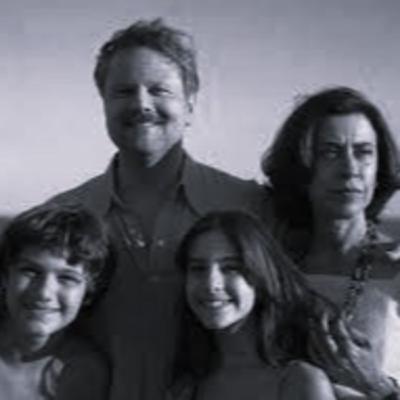
Salve! This is a previous of our latest episode. All episodes now are only available for a week before becoming exclusively for subscribers at Patreon. Unlock to have access to future episodes.In episode #76, we talked about the soundtrack of the movie "I'm Still Here", Oscar winner for Best International Feature Film. From Tom Zé electrifying guitar-driver Tropicalia to the sarcastic pop of Juca Chaves' "Take Me Back to Piauí", we left no stone unturned, contextualizing what the songs represent to the narrative. Access the Translationsmith for lyrical analysis of several songs from the soundtrack. Among other artists highlights are Erasmo Carlos, a couple of Roberto Carlos, Caetano Veloso, Mutantes and Serge Gainsbourg. Follow our playlist on Spotify: Brazuca Sounds Soundtrack Podcast.
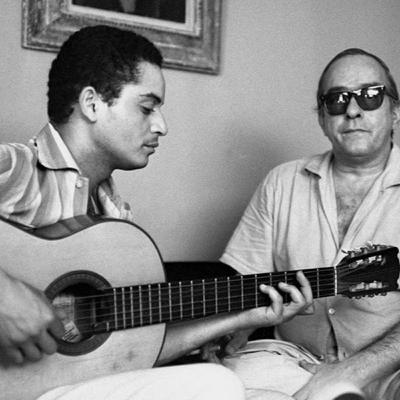
In episode #56 we discuss one of the most important Brazilian record labels: Elenco. Founded in 1963 by Aloysio de Oliveira with the ambition of becoming the best bossa-nova label in the country, Elenco put together a constellation of big names and released a crazy amount of bossa-nova classics. We'll talk about albums from superstars Vinicius de Moraes, Roberto Menescal, Sylvia Telles, Edu Lobo, Nara Leão, the brilliance of Sergio Ricardo, and some forgotten names such as Lucio Alves, Agostinho dos Santos and Aracy de Almeida. Follow our playlist on Spotify: Soundtrack: Brazuca Sounds

In episode #34 we continue our series celebrating albums released 50 years ago with the masterpiece "Acabou Chorare", released by Novos Baianos in September 1972. The album was listed as the best Brazilian album of all time by Rolling Stone magazine published in 2007. Inspired by several meetings with Joao Gilberto in the group's communal house outside Rio, the album focused on their Brazilian roots, blending samba, bossa nova, forró, and baião to the psychedelic rock from their debut record. The album showcased a variety of genres and rhythms, and time became one of the most influential records in Brazilian popular music.

In episode #33 we celebrate Gilberto Gil's 80th birthday by discussing his 1970s trilogy. Refazenda (1975), where Gil paid tribute to his Northeastern roots in Bahia after he came from his exile in London; Refavela (1977), a celebration of his African origins after a trip to Nigeria; and Realce (1979), influenced by the disco music and recorded in Los Angeles.

In episode #28 we discuss the making of "Clube da Esquina" released in March 1972. Considered one the best albums of Brazilian history, Milton Nascimento decided to come up with a collective effort of musicians signed as a duo with 19-year-old prodigy Lô Borges. It is a double LP impossible to define in one genre: folk, MPB, rock, psychedelia, prog, classical, indigenous. Clube da Esquina is everything. In this podcast, we discussed the making of the album, from its iconic cover to its arrangements, the meaning of lyrics, and metaphors, and how and why the album was named that way, the Corner's Club. Don't forget to follow our playlist on Spotify:

In episode #27, we celebrate Brazilian female singers such as Flora Purim, Joyce, Célia, Wanderlea, and Claudia. We also bring some more obscure names such as Dila, Silvinha, and Elizabeth. Brazil always had a large tradition of female superstars, so for this episode, I've decided to put a spotlight on some great singers that are not as recognized as they should be.

In episode #24, we talk about the life and music of João Donato, Eumir Deodato, Egberto Gismonti, and Hermeto Paschoal. Each one of them achieved greatness beyond the Brazilian frontier and, in fact, they're all likely more successful worldwide rather than in their own country. These four artists blend Brazilian rhythm with psychedelia, funk, jazz, and experimentalism. As they all have a long and vast record catalog under their names, we have selected a few of their albums that should not be missed.

In episode #23, we continue our conversation celebrating albums released 50 years ago in 1971. From the classics of Tim Maia, Gal Costa, and Marcos Valle, Ivan Lins, to obscure gems such as Antonio Adolfo e a Brazuca and the magnificent Claudia.

In episode #22 we discussed Chico Buarque's eighth album, "Construção", released 50 years ago by Philips in December 1971. Considered by many the best Brazilian album of all time, it was Chico's first studio record after returning to Brazil following a period living in Europe due to the Brazilian dictatorship. Perhaps not by consequence, it is Chico Buarque's more political record, surrounded by themes such as the social-economic issues in the country and lack of freedom, all that encapsulated by Chico Buarque's superb lyrics.

In episode #21 we discussed the album "Negro é Lindo", released by Philips in November 1971. It was Jorge Ben's third and last studio album recorded with Trio Mocotó as his backup band. An ending to a trilogy, the arrangements are more centered on the acoustic guitar, possibly the fruit of his partnership with Paulinho Tapajós, who directed Ben’s recordings between 71 and 75, including his future masterpiece "A Tábua de Esmeralda". It is also Jorge Ben's more political record to date, like its own title Negro é Lingo suggests, a translation of the slogan Black is Beautiful.
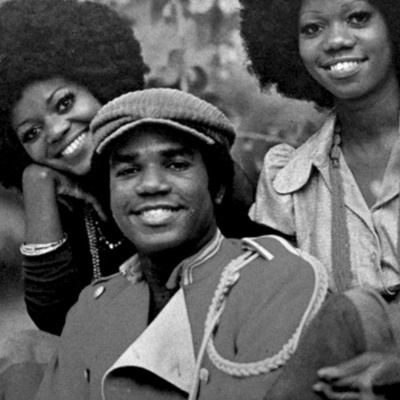
In episode #15, we talk about three Brazilian vocal groups: Trio Ternura, Trio Esperança, and Golden Boys. All centered around family members, more or less like a Brazilian proto-version of the Jackson 5, these three groups showcased a variety of backgrounds and genres.

In episode #13 we celebrate Erasmo Carlos' 80th birthday telling the story behind his album "Carlos, Erasmo", released in 1971. A transitional album in his career, Erasmo was moving from being a rock n' roll Jovem Guarda star to becoming a great lyricist, influenced by Folk, MPB, and Soul. "The other Carlos" when compared to his writing superstar partner Roberto Carlos, Erasmo was finally and for all taking his music to a different territory and making a name for himself

In episode #12, we continue our conversation about the Black Rio movement from Brazuca Sounds #11, with some of the Best Funk Albums That You Never Heard of. Black, soul, and funk-influenced records, from obscure classics such as Waltel Branco's "Meu Balanço" (photo) to DJ favorites, like Evinha's debut "Cartão Postal". We also discussed albums released by Tony Bizarro, Teo Azevedo, Di Melo, Helio Matheus, Carlos Dafé, Marcia Maria, and the Brazilian teenage phenomenon Lady Zu. Follow our playlist on Spotify "Soundtrack: Brazuca Sounds".

In episode #9 we talk about the record label Underground, an obscure subsidiary for Copacabana Discos in the 1970s. While Copacabana was making tons of money with albums from their corny radio-singers cast, Underground has been founded as a subsidiary to release what the record executives considered "experimental" music. Funk and soul artists such as Marku (photo), Miguel de Deus, sa,ba-rock pioneers such as Luis Vagner and Bebeto, and Brazilian prog-rock icons O Terço.
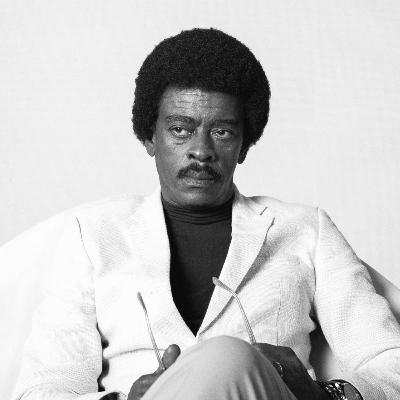
In episode #89, we discussed some of the best Brazilian albums released in 2025. Among the artists we talked about were BaianaSystem, Alberto Continentino, and Seu Jorge, with his first album in 10 years.We also discussed singer-songwriter Luedji Luna and her two albums released in 2025; the latest album from Jadsa, the psychedelic duo Parque do São; millenial singer songwriter Rubel; and the new album released by Sessa. Follow our updated playlist: "Soundtrack: Brazuca Sounds". Follow our brand new playlist, The Contemporary Music of Brazil, with songs from our New Sounds collection since 2020.Similar episodes:Brazuca Sounds #74: Best Albums of 2024Brazuca Sounds #49: Best Albums of 2023Brazuca Sounds #29: New Sounds of 2021Brazuca Sounds #6: Best Albums of 2020
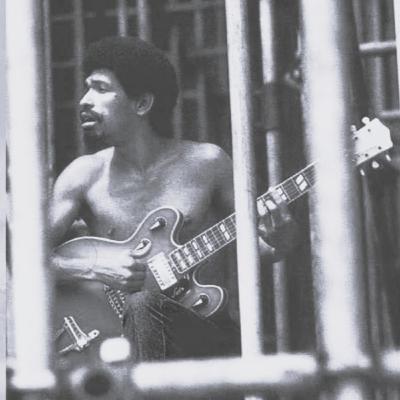
Salve! This is a preview of our bonus episode exclusive for paid subscribers!Every episode is a different song. This is the song today:"Onda" by CassianoReleased on the third Cassiano album, Cuban Soul-18 Kilates, from 1976, "Onda" was never a big hit in Brazil until it found success through hip-hop samples. Combining Brazilian rhythms with American soul and funk elements, the song created a unique fusion, which now stands as a milestone in Brazilian black music. It's a psychedelic funk trip of nearly 8 minutes, repetitive vocals, sounds of crashing waves and seagulls, and one of the most beautiful bass lines ever recorded in the country. A genius but troubled figure, Cassiano faced many battles with record labels during his career, and imprecise accounts suggest that in 1978, he lost a lung to tuberculosis.Check the song translation at TranslationSmith.
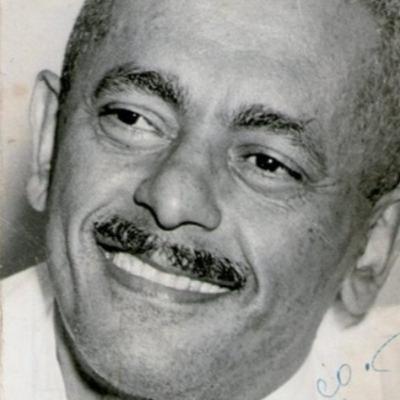
Salve! This is a bonus episode available for all!Subscribe to our Patreon to unlock all of our archive of bonus eps!Every episode is a different song. This is the song today:"Boas Festas" written by Assis ValenteThis is the quintessential Brazilian Christmas song. Samba songwriter Assis Valente wrote it in 1932 while living alone, far from his family, in a boarding house in the suburbs of Rio de Janeiro. Sad and nostalgic, the song challenges Santa Claus (Papai Noel) to deliver the ultimate gift: happiness. Caetano Veloso, who later recorded “Boas Festas,” has argued that it is the Christmas song that best encapsulates the Brazilian spirit, as its lyrics openly acknowledge the excluded. Its tone is deeply connected to Valente’s own troubled life, marked by poverty, illness, and repeated personal crises.
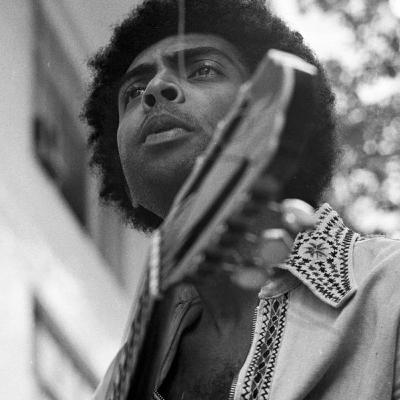
This is a preview of our latest monthly episode.It was initially released in full and is now available exclusively to our subscribers on Patreon.In episode #88, we celebrate the 50th anniversary of Refazenda, the landmark album released by Gilberto Gil in 1975. Conceived as a return to his Northeastern roots, the record marked a decisive shift away from the Tropicalia movement and the more rock-oriented phase of his careerRefazenda features key collaborations with accordion master Dominguinhos, who co-wrote classics such as “Tenho Sede” and “Lamento Sertanejo.” The change in direction was warmly received by audiences, making the album Gil’s biggest commercial success and launching his celebrated trilogy — alongside Refavela and Realce.Check Translationsmith for the translation of many songs from the album. Follow our playlist Brazuca Sounds Soundtrack with over 50 hours of music on Spotify.
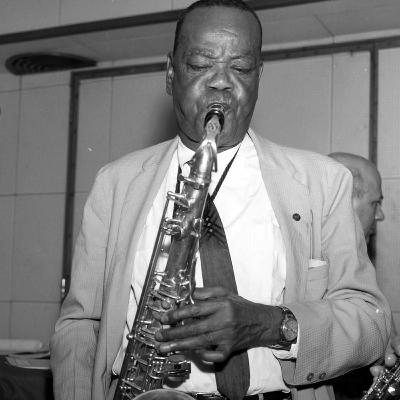
Salve! This is a preview of our bonus episode exclusive for paid subscribers!Every episode is a different song. This is the song today:"Carinhoso" written by Pixinguinha and João de BarrosConsidered one of the most important Brazilian songs of all time, "Carinhoso" was written by flutist/saxophonist Pixinguinha in 1917 as an instrumental piece. However, it was not until the 1930s, with added lyrics by João de Barros and a vocal performance by Orlando Silva, that it achieved its acclaim. A perfect combination between musical structure and poetic narrative, "Carinhoso" is the most recorded Brazilian song according to ECAD, with iconic performances from Elizeth Cardoso, Baden Powell, Tom Jobim, Hermeto Pascoal, and more. We told the story behind the lyrics, different arrangements, the ahead-of-time structure, and Pixinguinha, who eventually became one of the most revered music composers from Brazil.
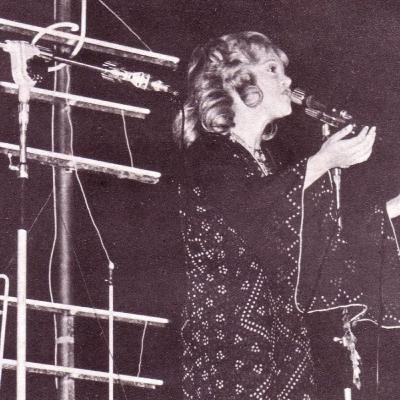
Salve! This is a preview of our bonus episode for paid subscribers!Every episode is a different song. This is the song today:"Deixa Eu Dizer" by Claudia (Ivan Lins/Ronaldo Bastos)This month, we're celebrating the work of Ivan Lins, who turned 80 years old in June. Another song, written by Ronaldo Bastos and featuring music by Ivan Lins, that criticizes the military regime through metaphors. The song passed by as a love song at the time due to Claudia's charming voice. A fantastic singer, she spent the 1970s in the shadow of many female singers (Elis Regina, Gal Costa, Maria Bethania). Still, her performance of "Deixa Eu Dizer" is an absolute banger, blending samba beats and a funky groove. This version regained enormous success when samba/rapper Marcelo D2 used it as a sample in the 2000s. Ivan Lins recorded the song on his album Modo Livre. Check the translation of "Deixa Eu Dizer" with our friends at Translationsmith.

Comments

Download from Google Play

Download from App Store
 United States