


 Claim Ownership
Where Parents Talk: Evidence-based Expert Advice on Raising Kids Today
Subscribed: 11Played: 167
Subscribe

© 2025 Where Parents Talk
Description
The Where Parents Talk podcast empowers parents to navigate the challenges of raising kids, teens, and young adults today with science-backed insights, evidence, and the lived experiences of parenting thought leaders.
Every Saturday, host, award-winning journalist and mom, Lianne Castelino, distills parenting hot topics with her guests, including: managing hormonal changes, fostering healthy communication, and promoting emotional, mental, and physical health and well-being of kids.
Get proven tips and expert advice on addressing device usage and managing social media to the latest evidence on bullying, consent, and relationships, to help instil discipline, encourage independence, and build resilience in children.
Discover trusted advice, delivered with empathy and optimism, to support your parenting journey and help your family thrive.
Every Saturday, host, award-winning journalist and mom, Lianne Castelino, distills parenting hot topics with her guests, including: managing hormonal changes, fostering healthy communication, and promoting emotional, mental, and physical health and well-being of kids.
Get proven tips and expert advice on addressing device usage and managing social media to the latest evidence on bullying, consent, and relationships, to help instil discipline, encourage independence, and build resilience in children.
Discover trusted advice, delivered with empathy and optimism, to support your parenting journey and help your family thrive.
252 Episodes
Reverse

In this episode of the Where Parents Talk podcast, host Lianne Castelino speaks with Matthew Kaufman, camp director, author, lifelong camp professional and father, about the powerful science behind camp and what parents can learn from it.Drawing from his book The Campfire Effect: How to Engineer Belonging in a Disconnected World, Kaufman explains how camp environments intentionally create safety, belonging, and healthy challenge—and why those elements are essential for learning and emotional growth.Parents will learn:Why children can’t learn or grow unless they feel emotionally safeHow positive stress (not zero stress) builds confidence and resilienceThe role of brain chemicals like cortisol, oxytocin, and endorphins in child developmentThe difference between supporting a child and rescuing themSimple, practical ways parents can recreate “camp-like” belonging at home through rituals and connectionThis conversation supports parents navigating anxiety, screen overload, and the pressure-filled school year.This podcast is for parents, guardians, teachers and caregivers to learn proven strategies and trusted tips on raising kids, teens and young adults based on science, evidenced and lived experience.You’ll learn the latest on topics like managing bullying, consent, fostering healthy relationships, and the interconnectedness of mental, emotional and physical health.Links referenced in this episode:whereparentstalk.com

What if your child’s genius has nothing to do with grades or test scores?In this episode of Where Parents Talk, host Lianne Castelino speaks with Houlie Duque, educator, homeschool coach, and founder of Homeschool To Go, to challenge traditional ideas of intelligence and success in education.The conversation explores how every child is intelligent—just in different ways—and why the current education system often overlooks creativity, emotional intelligence, kinesthetic learning, and interpersonal strengths.Duque explains how parents can identify their child’s unique learning style, build confidence, and nurture strengths without pressure, labels, or comparison.This conversation also explores how homeschooling, project-based learning, and family rhythm can help parents create meaningful learning experiences—without overwhelm.In this episode, parents will learn:What “genius” really means in a childWhy grades and gifted labels don’t tell the full storyHow learning styles impact focus, motivation, and confidenceThe emotional impact of labelling children too earlyHow to support kids with ADHD or non-traditional learning needsSmall, realistic changes parents can make this weekHow homeschooling and experiential learning can work for busy familiesLinks referenced in this episode:homeschooltogo.orgwhereparentstalk.comCompanies mentioned in this episode:homeschooltogo.orgThis podcast is for parents, guardians, teachers and caregivers to learn proven strategies and trusted tips on raising kids, teens and young adults based on science, evidenced and lived experience.You’ll learn the latest on topics like managing bullying, consent, fostering healthy relationships, and the interconnectedness of mental, emotional and physical health.Links referenced in this episode:whereparentstalk.com

Food allergies affect 1 in 13 children—and for many parents, the fear and uncertainty can feel overwhelming.In this episode of Where Parents Talk, host Lianne Castelino speaks with Malina Malkani, pediatric registered dietitian, bestselling author, and mom of three, to break down the latest science-backed guidance on food allergy prevention.Learn why early introduction of allergenic foods like peanut and egg during infancy can significantly reduce the risk of food allergies, what the research really says about safety, and how parents can confidently introduce allergens in simple, baby-safe ways. Malkani explains the critical window for prevention, common misconceptions, and what to do if you’ve missed it.Takeaways:Understanding the importance of early allergen introduction can significantly reduce food allergy risks in infants.When it comes to feeding babies, simplicity and variety are key to fostering healthy eating habits.Parents should prioritize establishing open communication about food allergies to empower their children in social settings.The role of a caregiver is pivotal in shaping a child's relationship with food, especially during the formative years.The current landscape of food allergy management is evolving, with more healthcare providers embracing new guidelines and research.Encouraging children to participate in meal preparation can boost their confidence and independence in making healthy choices.Links referenced in this episode:whereparentstalk.comCompanies mentioned in this episode:American Academy of PediatricsCDCLEAP StudyWICThis podcast is for parents, guardians, teachers and caregivers to learn proven strategies and trusted tips on raising kids, teens and young adults based on science, evidenced and lived experience.You’ll learn the latest on topics like managing bullying, consent, fostering healthy relationships, and the interconnectedness of mental, emotional and physical health.

Modern parenting often feels like a race against time. Between school pressures, screens, and rising rates of anxiety and depression, many parents are left wondering what their children truly need—and how to support them without burning out themselves.In this episode of Where Parents Talk, host Lianne Castelino is joined by occupational therapist, naturalist, parent coach, and author Kathleen Lockyer, founder of the Nature Led Approach and author of Wild Inside. With more than 25 years of experience in child development, mental health, sensory integration, and trauma-informed care, Kathleen offers a reframing of youth mental health—rooted in our forgotten connection to nature.The discussion explores:Why so many children and teens are dysregulated, anxious, or misunderstoodHow behaviour often has sensory and nervous system roots—not defianceThe science behind nature’s ability to calm the brain and reduce anxiety, ADHD, and depressionWhy just 10 minutes outdoors can make a meaningful differenceSimple, realistic ways parents can reconnect with nature alongside their kids—no camping trips requiredLockyer also shares personal insights from her own parenting journey, introducing concepts like “sit spots” and “ecoception” to help families slow down, rebuild connection, and foster a sense of belonging in an increasingly overwhelming world.This podcast is for parents, guardians, teachers and caregivers to learn proven strategies and trusted tips on raising kids, teens and young adults based on science, evidenced and lived experience.You’ll learn the latest on topics like managing bullying, consent, fostering healthy relationships, and the interconnectedness of mental, emotional and physical health.Links referenced in this episode:whereparentstalk.com

As artificial intelligence rapidly reshapes the world our children are growing up in, many parents are left wondering: What does this mean for my child’s identity, values, and future?In this episode of the Where Parents Talk podcast, host Lianne Castelino speaks with global technology thought leader and author Don Tapscott to explore the rise of identic AI and why understanding it is no longer optional for parents. Drawing from his latest book, You to the Power of Two: Redefining Human Potential in the Age of Identic AI, Tapscott explains how AI is evolving from a tool we use into an intelligent extension of who we are — and what that means for families.Together, they unpack how technology can shape children’s judgment, emotional health, and sense of self, why parents must move beyond fear toward informed engagement, and how creating a family “social contract” around technology can strengthen trust and communication. From digital identity and values to screen boundaries and critical thinking, this conversation offers parents practical insight and reassurance as they raise children in a powerful new digital era.Takeaways: The rise of identic AI brings significant implications for how children navigate their identities online, emphasizing the need for parental guidance. As technology advances, parents must prioritize open communication and establish social contracts to ensure responsible device usage among their children. Understanding hormonal changes and their effects on tweens and teens is crucial for maintaining their emotional and mental health amidst social media pressures. It's essential for parents to teach their children about consent and healthy relationships, especially in the context of digital interactions and social media. Navigating the complexities of bullying in the digital age requires a proactive approach to emotional health and effective communication with kids. Fostering independence in children is vital, yet it must be balanced with discipline and guidance in their engagement with technology. Links referenced in this episode:whereparentstalk.comCompanies mentioned in this episode: Blockchain Research Institute
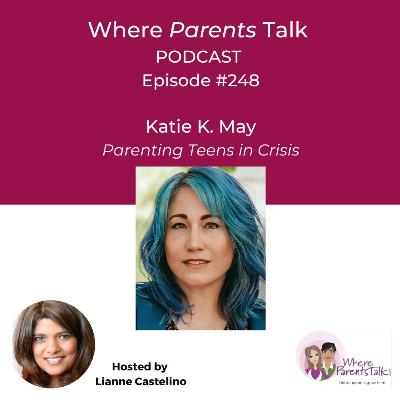
In this episode of Where Parents Talk, host Lianne Castelino speaks to licensed professional counsellor, teen therapist, author and mom Katie K. May about teen mental health.Drawing from her own experience as a former “teen on fire” and her clinical work with adolescents and families, May unpacks emotional dysregulation, self-harm, and the powerful role validation plays in strengthening parent-teen relationships. She discusses helping parents better understand big emotions, identifying when typical teen behaviour signals deeper concern, and responding in ways that de-escalate conflict rather than intensify it.May also explains why self-harm is often used as a coping strategy, how parents can regulate their own emotional responses during difficult moments, and practical steps to rebuild trust and connection with a disengaged teen.Takeaways: Navigating the complexities of hormonal changes during adolescence requires open communication and understanding. The importance of validation in a teen's emotional health cannot be overstated; it's essential for fostering independence. Social media can amplify feelings of bullying and anxiety in teens, making emotional support crucial. Parents need to recognize the signs of self-destructive behavior early to provide timely intervention and support. Establishing a functional emotional system in the family is key to managing discipline and emotional health effectively. Building a foundation of consent and mutual respect in relationships can help combat the pressures of social media. Companies mentioned in this episode: Creative Healing Teen Support Centers This podcast is for parents, guardians, teachers and caregivers to learn proven strategies and trusted tips on raising kids, teens and young adults based on science, evidenced and lived experience.You’ll learn the latest on topics like managing bullying, consent, fostering healthy relationships, and the interconnectedness of mental, emotional and physical health.Links referenced in this episode:whereparentstalk.com

In this episode of theWhere Parents Talk, host Lianne Castelino speaks with Marcus Fernandez — founder and CEO of the largest homeopathy school in the U.K., bestselling author, longtime educator, and father of two — about natural medicine and family health.With more than 30 years of experience in the field, Fernandez shares how public perception of homeopathy has evolved, why more parents are exploring natural remedies, and how simple, accessible tools can support children’s well-being. He explains the principles behind homeopathy, common misconceptions, and how natural and conventional medicine can complement one another rather than divide families.Fernandez offers real-life examples from his work and parenting journey — from soothing colic at 2 a.m. to building resilience during cold and flu season. He also breaks down his top go-to remedies for bumps, fevers, teething, sleep deprivation, and more, emphasizing the importance of education, intuition, and everyday home practices.Takeaways: Understanding the impact of hormonal changes during adolescence is crucial for parents to support their children's emotional health. Fostering open communication about device usage can enhance independence while addressing potential bullying and social media challenges. It's important for parents to educate themselves on consent and relationships to navigate their child's interactions effectively. Homeopathy offers a holistic approach to physical and emotional health, emphasizing the body's ability to heal itself naturally. Practicing discipline through established routines can significantly improve mental health outcomes for tweens and teens. As parents, we must be present and observant, as this helps us understand our children's needs and strengthens our relationship with them. Links referenced in this episode:whereparentstalk.comCompanies mentioned in this episode: Homeopathic Education Penguin Random House This podcast is for parents, guardians, teachers and caregivers to learn proven strategies and trusted tips on raising kids, teens and young adults based on science, evidenced and lived experience.You’ll learn the latest on topics like managing bullying, consent, fostering healthy relationships, and the interconnectedness of mental, emotional and physical health.

In this episode of Where Parents Talk, host Lianne Castelino speaks to Dr. Caroline Fleck—licensed psychologist, Stanford instructor, corporate consultant, and author of Validation: How the Skill Set that Revolutionized Psychology Will Transform Your Relationships, Increase Your Influence, and Change Your Life.Dr. Fleck breaks down one of psychotherapy’s most impactful yet misunderstood tools: validation. She explains why it’s more than agreement or praise, how it strengthens connection, and why it’s essential for influencing behaviour—especially in tweens, teens, and young adults.Through real-life examples, neuroscience insights, and practical skills, Dr. Fleck shares:What true validation looks and sounds like in familiesWhy it boosts emotional regulation, trust, and behavior changeHow parents can shift from problem-solving to connectionThe critical role of empathy and presence in a distracted worldSteps to repair strained relationships and rebuild communicationThis podcast is for parents, guardians, teachers and caregivers to learn proven strategies and trusted tips on raising kids, teens and young adults based on science, evidenced and lived experience.You’ll learn the latest on topics like managing bullying, consent, fostering healthy relationships, and the interconnectedness of mental, emotional and physical health.Links referenced in this episode:whereparentstalk.com

In this episode of the Where Parents Talk podcast, host Lianne Castelino speaks to Dr. Will Dobud, an award-winning researcher and social worker. Dr. Dobud sheds light on the alarming rise in youth anxiety and depression, suggesting that perhaps the real issue lies not within the kids themselves, but in the systems surrounding them. The discussion explores the importance of communication and independence in fostering resilience, while also addressing the delicate balance between discipline and allowing kids to experience struggle. With the prevalence of bullying and the pressures of social media, Dr. Dobud emphasizes the need for parents to understand consent in relationships and to support their children’s mental health without inadvertently labelling them. The conversation unpacks these pressing issues and sheds light on how we can better navigate the challenges of parenting in today’s digital age, ensuring our kids grow into healthy, confident adults.Takeaways: Understanding youth mental health requires recognizing that labeling does not equate to improvement in outcomes. Amidst rising anxiety and depression, social connection is the crucial element we must address. Parents should treat their children like crew members on a ship, fostering independence and responsibility. A child's emotional health can thrive when adults provide a secure base without constant interference. The impact of social media on youth mental health is complex and warrants more nuanced understanding. We must focus on engagement rather than pathologizing youth in order to improve their mental health outcomes. Links referenced in this episode:whereparents talk.comCompanies mentioned in this episode: Kids these Days Gabor Mate Dr. Gordon Neufeld Martin Seligman Ellen Beat Hansen Sand Cedar DSMV FDA Orange County Disney World This podcast is for parents, guardians, teachers and caregivers to learn proven strategies and trusted tips on raising kids, teens and young adults based on science, evidenced and lived experience.You’ll learn the latest on topics like managing bullying, consent, fostering healthy relationships, and the interconnectedness of mental, emotional and physical health.Links referenced in this episode:whereparentstalk.com

In this episode of the Where Parents Talk podcast, host Lianne Castelino speaks to child and adolescent psychiatrist Dr. Sami Timimi, psychiatrist and author of Searching for Normal. The conversation examines the current approach to diagnosing mental health conditions in young people. Drawing on extensive clinical experience, Dr. Timimi questions the growing tendency to interpret behavioural patterns—such as inattention or restlessness—as indicators of fixed psychiatric disorders. He outlines how diagnostic labels, including ADHD, may influence a child’s developing identity and can shape long-term expectations about their abilities and well-being.The conversation explores the broader social environment contributing to rising diagnosis rates. Factors such as social media exposure, academic pressure, and performance-driven school cultures have shifted how families, educators, and clinicians interpret children’s emotions and behaviors. Dr. Timimi explains how these influences may lead to the pathologizing of challenges that, in many cases, fall within the range of typical development.He also discusses alternative approaches to supporting young people, emphasizing relational and contextual assessment rather than reliance on diagnostic categories. Dr. Timimi encourages parents to engage with professionals who consider family dynamics, developmental stages, and environmental stressors when evaluating a child’s concerns.Takeaways: Understanding mental health diagnoses in children requires a shift away from viewing behaviors as disorders. The rise in psychiatric medication among young people raises concerns about long-term effectiveness and side effects. It's crucial for parents to maintain open communication with their children and resist the urge to pathologize normal struggles. Navigating adolescence involves hormonal changes and device usage, impacting both emotional and mental health significantly. Social media can amplify feelings of inadequacy, making it essential to teach resilience and independence in children. Bullying and peer relationships are pivotal in shaping the mental health landscape of today's youth. Links referenced in this episode:whereparents talk.comCompanies mentioned in this episode: National Health Service NHS

How can parents teach kids to think critically, tell truth from falsehood, and navigate an online world filled with AI-generated content and misinformation?In this episode of Where Parents Talk, host Lianne Castelino speaks with Matthew Johnson, Director of Education at MediaSmarts, about practical ways parents can build digital media literacy at home.Discover how to talk to your kids about honesty, praise effort over results, and foster open communication in a digital age where AI, deepfakes, and disinformation are shaping childhood experiences.Johnson shares practical strategies for parents to engage in ongoing conversations with their kids about their media consumption, ensuring that they feel comfortable discussing any issues that arise. He also provides actionable techniques for discerning credible information, such as using curated sources and leveraging technology effectively. As families navigate this rapidly changing landscape, fostering critical thinking and emotional intelligence will be key to ensuring that children thrive both online and offline.Takeaways: The importance of effective communication with your children about their media usage cannot be overstated—fostering open dialogue is key. Understanding the rapidly evolving nature of AI and its implications on academic honesty is crucial for today's parents and teens. Teaching kids about consent and relationships in the digital age helps them navigate the complexities of social media interactions safely. Promoting discipline in device usage and encouraging kids to focus on effort rather than just outcomes can significantly affect their emotional health. Parents should actively engage with their children's media lives, creating an environment where discussing experiences with digital content is normalized. A healthy balance between skepticism and trust in information sources is essential for developing critical thinking skills in young adults. Links referenced in this episode:whereparentstalk.comtineye.comCompanies mentioned in this episode: MediaSmarts This podcast is for parents, guardians, teachers and caregivers to learn proven strategies and trusted tips on raising kids, teens and young adults based on science, evidenced and lived experience.You’ll learn the latest on topics like managing bullying, consent, fostering healthy relationships, and the interconnectedness of mental, emotional and physical health.

In this episode of theWhere Parents Talk podcast, host Lianne Castelino speaks to Michael Chiasson — speaker, musician, writer, and author of Things We Wish Our Parents Knew. Drawing on 20+ years of speaking to youth across North America, Chiasson shares lessons from thousands of anonymous letters written by teens about what they wish their parents understood.Discover what today’s young people are truly trying to say — about love, loneliness, expectations, and the need to be seen and heard. Learn how to build emotional safety, encourage open communication, and nurture deeper connection with your tween, teen, or young adult.Takeaways: Navigating the complexities of parenting today requires acknowledging the significant hormonal changes teens undergo, impacting their emotional health and communication. Understanding device usage and its impact on emotional health is crucial for fostering independence and healthy relationships among young people. Creating open lines of communication is key to combating bullying and ensuring teens feel safe discussing consent and relationships with their parents. Parents must recognize that social media plays a substantial role in their children's lives, influencing their mental health and self-esteem. Discipline should be balanced with empathy, allowing space for teens to express their feelings and fostering an environment of trust and understanding. Encouraging teens to share their thoughts anonymously can yield insights into their emotional struggles, helping parents guide them through challenging times. Links referenced in this episode:whereparentstalk.comCompanies mentioned in this episode: Things We Wish Our Parents Knew This podcast is for parents, guardians, teachers and caregivers to learn proven strategies and trusted tips on raising kids, teens and young adults based on science, evidenced and lived experience.You’ll learn the latest on topics like managing bullying, consent, fostering healthy relationships, and the interconnectedness of mental, emotional and physical health.
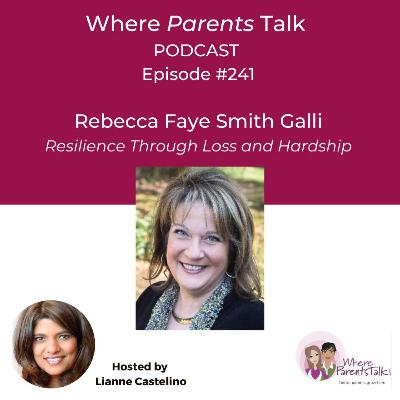
In this episode of the Where Parents Talk podcast, host Lianne Castelino speaks to Rebecca Faye Smith Galli — columnist, resilience expert, advocate, and bestselling author — about what it truly means to live with resilience in the face of unimaginable loss and change.A mother of four (including two children with special needs) and a grandmother, Smith Galli’s journey has been marked by profound challenges — from losing her brother at a young age, to raising children with epilepsy and autism, to becoming paralyzed just days after a divorce. Through it all, she’s discovered practical wisdom and hope that continue to inspire parents and caregivers around the world.Together, the conversation unpacks the real meaning of resilience — how to face adversity with honesty, accept what cannot be changed, and still find ways to live fully and joyfully. Smith Galli shares her strategies for staying “possibility-driven,” teaching children about emotional awareness, and nurturing family connection amid uncertainty.Key themes:Defining resilience through lived experienceParenting children with special needsCoping with grief, loss, and unexpected changeFinding hope through journaling, mindfulness, and daily intentionModelling resilience and emotional honesty for kidsTakeaways: Hormonal changes during adolescence can significantly affect communication and discipline in young adults. Social media usage has created new avenues for bullying, impacting emotional and mental health among teens. Establishing independence is crucial for teens, but it's equally important to foster open communication with them. The integration of physical health and emotional well-being is vital for resilience in facing life's challenges. Understanding consent and relationships is essential for teaching teens about healthy interactions in a digital age. Parents should embrace the concept of resilience, encouraging their children to adapt and thrive despite life's adversities. Links referenced in this episode:whereparentstalk.comCompanies mentioned in this episode: Pathfinders for Autism This podcast is for parents, guardians, teachers and caregivers to learn proven strategies and trusted tips on raising kids, teens and young adults based on science, evidenced and lived experience.You’ll learn the latest on topics like managing bullying, consent, fostering healthy relationships, and the interconnectedness of mental, emotional and physical health.

Did you know that your child’s stomach aches might have more to do with their mind than their meals?In this episode of the Where Parents Talk podcast host Lianne Castelino speaks with Dr. Ali Navidi, licensed clinical psychologist and CEO of GI Psychology, about the link between the gut and the brain — and what every parent should know.Dr. Navidi explains how gut–brain disorders such as irritable bowel syndrome IBS, functional abdominal pain, and dyspepsia can begin in early childhood, how anxiety and stress can fuel digestive symptoms, and why clinical hypnosis and CBT are proven tools to help kids heal.Learn when to seek help, how to support your child’s emotional and physical well-being, and why building safety and routine can make all the difference.Takeaways: Understanding the connection between gut health and emotional well-being is crucial for children and teens, as hormonal changes and anxiety can exacerbate GI disorders. Parents should be proactive in maintaining routines for their children, as consistency can foster independence and discipline, while avoiding the pitfalls of anxiety-driven behaviour. Open communication about feelings and body awareness is essential in helping children articulate their emotional health, particularly in relation to physical symptoms they may experience. Effective treatments for gut-brain interaction disorders include cognitive behavioural therapy and clinical hypnosis, which empower kids to manage their symptoms and improve their mental health. Links referenced in this episode:whereparentstalk.comCompanies mentioned in this episode: GI Psychology This podcast is for parents, guardians, teachers and caregivers to learn proven strategies and trusted tips on raising kids, teens and young adults based on science, evidenced and lived experience.You’ll learn the latest on topics like managing bullying, consent, fostering healthy relationships, and the interconnectedness of mental, emotional and physical health.

What should parents really be telling their kids before they leave the nest? In this episode of the Where Parents Talk podcast, host Lianne Castelino speaks to writer and mom of three, Joanne McHugh, creator of the newsletter Things Your Mom Should Have Told You.McHugh how parents can help their young adults navigate love, work, money, and life’s inevitable messiness — without lecturing or sugarcoating.She shares how her own daughters inspired her mission to offer honest, heartfelt, and practical wisdom to 20-somethings finding their footing in today’s complicated world.Key topics:Why “happy talk” can backfire when preparing kids for adulthoodHow sharing your own struggles builds stronger relationshipsTalking about dating and finances without sounding like a sermonNavigating hustle culture and burnoutHelping young adults normalize the messiness of their 20sThis podcast is for parents, guardians, teachers and caregivers to learn proven strategies and trusted tips on raising kids, teens and young adults based on science, evidenced and lived experience.You’ll learn the latest on topics like managing bullying, consent, fostering healthy relationships, and the interconnectedness of mental, emotional and physical health.Links referenced in this episode:whereparentstalk.com

In this episode of Where Parents Talk, host Lianne Castelino speaks with Pamela Hobart — philosopher coach, writer, mother of four, and gifted education advocate. Hobart shares her journey from academia to coaching, and now to her work at GT School, where AI-driven mastery learning meets life skills education for high-ability students.Drawing on her background in philosophy and coaching, Hobart explains how she helps people transform “overthinking” into wisdom and action — a process just as vital for adults facing career crossroads as it is for children navigating school. She reveals why traditional education systems often fail gifted learners, leaving them either underchallenged or burdened with “educational baggage,” and why enrichment activities like dissecting sharks or busywork projects don’t truly meet their needs.Hobart also discusses GT School, a model blending AI-powered mastery learning with life skills workshops and human guidance. Instead of measuring success by seat time or average grades, GT School prioritizes academic acceleration, emotional resilience, and practical skills such as financial literacy, teamwork, and project management. Students not only advance faster academically but also learn to embrace failure, build confidence, and develop a love of learning.Hobart unpacks common misconceptions about gifted learners, the role of AI in education, and why guides — drawn from diverse backgrounds beyond traditional teaching — are central to creating environments where children thrive. Key Takeaways:The limits of traditional educationTurning overthinking into wisdomGifted ≠ enrichmentThe role of AI in learningLife skills matterThis podcast is for parents, guardians, teachers and caregivers to learn proven strategies and trusted tips on raising kids, teens and young adults based on science, evidenced and lived experience.You’ll learn the latest on topics like managing bullying, consent, fostering healthy relationships, and the interconnectedness of mental, emotional and physical health.Links referenced in this episode:whereparentstalk.com
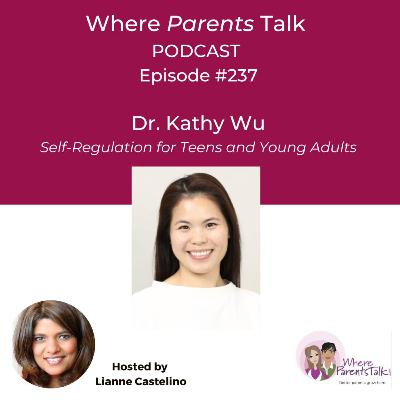
Self-regulation is a superpower that can transform a teen’s emotional, social, and academic life. In this episode of the Where Parents Talk podcast, host Lianne Castelino speaks to psychologist and first-time author Dr. Cathy Wu. The former college professor and mom dives into why mastering self-regulation is essential for today’s youth—and how parents can help. From navigating technology and social pressures to fostering healthy habits and meaningful communication, Dr. Wu shares practical strategies for empowering teens to thrive. The conversation also explores insights from her new book, The Self-Regulation Handbook for Teens and Young Adults, and discover how to guide your teen toward confidence, resilience, and success.Takeaways: Self-regulation is a crucial skill for teens, impacting their emotional, social, academic, and physical development. Dr. Wu's book offers tools for teens aged 15 to 21 to navigate challenges and improve self-awareness. Parents should model healthy technology use to foster better self-regulation in their teens. Conversations about emotional well-being should be casual and led by curiosity, not judgment. Understanding the trauma-informed approach is essential for supporting teens in today's challenging environment. Cognitive Behavioral Therapy (CBT) and Dialectical Behavior Therapy (DBT) provide practical techniques for managing stress and emotions. Links referenced in this episode:whereparents talk.comThis podcast is for parents, guardians, teachers and caregivers to learn proven strategies and trusted tips on raising kids, teens and young adults based on science, evidenced and lived experience.You’ll learn the latest on topics like managing bullying, consent, fostering healthy relationships, and the interconnectedness of mental, emotional and physical health.Links referenced in this episode:whereparentstalk.com

In this episode of the Where Parents Talk podcast, host Lianne Castelino speaks with Dr. Shawn Kelly, pediatrician, adolescent addictions specialist, and father of two. Dr. Kelly shares why he co-authored a Canadian Medical Association Journal editorial on gambling advertising, the moment his own young son confused sports stats with betting terms, and why he sees this issue as a “Wild West” for youth health.The discussion unpacks:How repeated exposure to betting ads normalizes gambling for kidsWhy adolescent brain development makes teens especially vulnerableWarning signs parents should watch forPractical steps families can take to build media literacy and resilienceWhat policy and regulatory changes could help protect youthTakeaways: The normalization of gambling advertising can significantly alter youth perceptions of sports, making gambling seem like an integral part of enjoyment rather than a risky behaviour. Parents should actively engage in conversations with their kids about gambling, promoting media literacy to counteract the overwhelming influence of pervasive betting ads. There is a concerning rise in gambling-related issues among youth, leading to increased mental health challenges, including anxiety and depression, underlining the urgency for parental awareness. The developmental vulnerabilities of adolescents, including hormonal changes and brain maturation, make them particularly susceptible to risky behaviors like gambling. Schools and sports organizations have a critical role in educating youth about the risks of gambling and should integrate this topic into their existing substance use prevention programs. Effective regulation of gambling advertising is essential; restricting ads during youth-targeted broadcasts could significantly protect young audiences from harmful influences. Links referenced in this episode:whereparents talk.comCompanies mentioned in this episode: Canadian Medical Association Journal Canadian Society of Addiction Medicine bet365 Alcohol Gaming Commission of Ontario This podcast is for parents, guardians, teachers and caregivers to learn proven strategies and trusted tips on raising kids, teens and young adults based on science, evidenced and lived experience.You’ll learn the latest on topics like managing bullying, consent, fostering healthy relationships, and the interconnectedness of mental, emotional and physical health.

When children leave home, parents often face a powerful mix of emotions—grief, pride, uncertainty, and even freedom. In this episode of the Where Parents Talk podcast, licensed therapist, TEDx speaker, author, and mom Molly Carroll joins host Lianne Castelino to explore the realities of the empty nest.From the emotional challenges of letting go, to redefining identity and rediscovering purpose, Carroll shares insights, strategies, and stories that help parents navigate this life transition with compassion and confidence. Whether you’re preparing for your child to leave, in the midst of an empty nest, or supporting someone through it, this conversation offers guidance and hope for embracing the next chapter of parenting.Key Takeaways:What empty nest syndrome really means and why it impacts parents differentlyCommon emotions parents experience when children leave home—grief, pride, anxiety, and freedomHow to let go without losing your sense of self as a parentPractical strategies to cope with empty nest transitions and nurture your own well-beingWhy redefining your identity is an essential part of life after kids leave homeWays to strengthen your marriage, friendships, and personal growth in this new stageLinks referenced in this episode:whereparentstalk.com

In this episode of Where Parents Talk, host Lianne Castelino speaks to Dr. Brett Hill—chiropractor, entrepreneur, and father of four teenagers—to uncover the surprising connection between posture, overall health, and parenting.Dr. Hill explains why posture is more than just “sitting up straight.” From screen time to stress management, posture plays a critical role in our children’s brain development, emotional regulation, and confidence—and it impacts parents, too. He shares practical strategies to help families improve posture at home, including easy daily check-ins, movement-based screen time rules, and small habits that make a big difference over time.Whether you’re worried about your teen’s hours hunched over a device, or you’ve caught yourself slouching through a busy day, this conversation will give you tools to boost energy, reduce stress, and model healthy habits for your kids.Tune in and learn how posture can be a simple yet powerful key to raising healthier, more confident children—while improving your own well-being as a parent.Takeaways: Understanding the profound impact of posture on our mental, emotional, and physical health is crucial, especially for parents navigating their children's developmental changes. As device usage increases, particularly among youth, it is essential to educate them about the long-term consequences of poor posture linked to social media and gaming habits. Communication about posture should extend beyond simple reminders; it must incorporate discussions about consent and independence in managing screen time effectively. Bullying related to physical appearance can be mitigated by fostering confidence through good posture, which positively influences self-esteem and emotional health. Implementing regular posture checks and movement breaks can significantly enhance mental clarity and energy levels, reducing stress and improving overall well-being. Parents should model healthy posture habits, as children often emulate adult behaviours, creating a supportive environment for both physical and emotional health. Links referenced in this episode:yourpostureprogram.comwhereparentstalk.comCompanies mentioned in this episode: Experience Life Chiropractic your postureprogram.com This podcast is for parents, guardians, teachers and caregivers to learn proven strategies and trusted tips on raising kids, teens and young adults based on science, evidenced and lived experience.You’ll learn the latest on topics like managing bullying, consent, fostering healthy relationships, and the interconnectedness of mental, emotional and physical health.

Comments

Download from Google Play

Download from App Store
 United States