


 Claim Ownership
Curie: Healthcare in Focus
Subscribed: 1Played: 10
Subscribe

Description
Take a closer look at the forces shaping the future of healthcare with Curie. Each episode uncovers in-depth insights on clinical breakthroughs, emerging industry trends, and the challenges redefining healthcare. Join us every Thursday for investigative deep dives crafted to inform, inspire, and empower healthcare professionals. Want more? Unlock exclusive content and a truly personalized experience by downloading the Curie app today.
71 Episodes
Reverse
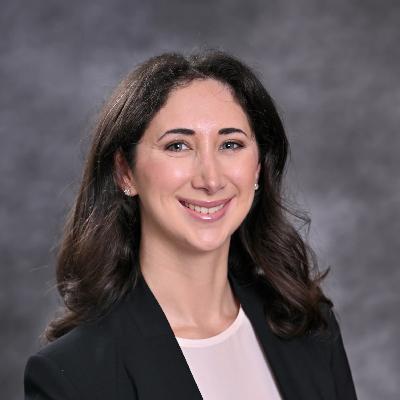
What does learning a new sport have to do with practicing medicine?In this episode of Curie, urologist Dr. Fara Bellows reflects on the unexpected parallels between tennis and clinical practice – from procedural muscle memory and strategic thinking, to failure, perfectionism, and the relief of lower stakes. She shares how becoming a beginner again reshaped her relationship to medicine, why hobbies matter more than we often admit, and what physicians can gain from pursuits that exist entirely outside the exam room.A conversation about joy, identity, and why there’s always another point to play.

When an active-shooter alert swept across her hospital campus, oncologist and educator Dr. Beatrice Preti found herself experiencing a level of fear she’d never encountered in medicine before, even after years of caring for patients with life-limiting diagnoses.In this conversation, Dr. Preti reflects on that day, how it reshaped her understanding of vulnerability, and the surprising parallels it revealed between crisis, uncertainty, and the emotional experience of being a patient.

Medicine isn’t being undone by a lack of science or compassion – it’s being buried under bureaucracy. Dr. Scott Tzorfas, a neurologist in private practice for over 30 years, calls it a “slow administrative death spiral.” From endless prior authorizations to crushing documentation demands, he argues that the system has made it nearly impossible for doctors to practice the kind of medicine they trained for.In this episode, we talk about how bureaucracy took over the exam room, why independent physicians are disappearing, and what it will take to restore autonomy.Support the movement: Sign Dr. Tzorfas’s petition to save private practice medicine.

In this episode, we explore the real role of artificial intelligence in clinical care today – not the hype, not the doom, but the practical middle ground. AI can scan lab data, imaging, and case literature faster than any human. But only clinicians can translate that into judgment, prioritization, and care. The future of medicine isn’t AI vs. physicians – it’s physicians who know when to trust the model, when to question it, and when to say: This is a human decision.
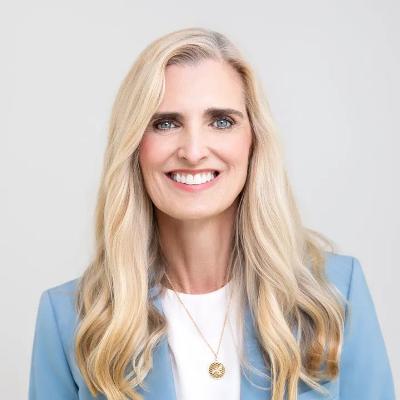
What if some of the most important determinants of a child’s lifelong health are shaped months before pregnancy begins? In this conversation, Dr. Ann Shippy shares how her engineering background and personal infertility journey led her to rethink the way we approach fertility and generational health. We explore the science behind preconception health, the roles both partners play, and what physicians can do to support patients – and themselves – during this often overlooked window of care.

Medicine teaches doctors how to heal others -- but not always how to care for themselves. In this conversation, retired urologist and award-winning writer Dr. William Lynes joins Andrew to unpack the hidden culture of overwork in medicine, how burnout begins long before residency, and why storytelling might be the most unexpected tool for healing the healers.

Millions of people now get their health advice not from doctors but from wellness influencers. Figures like Jay Shetty, a former monk turned media mogul, have built vast audiences by blending mindfulness, motivation, and medical-sounding guidance. But beneath the glossy packaging lies something bigger than one man’s brand.This episode unpacks how charisma, commerce, and unmet patient needs have reshaped who we listen to about our health - and why.

AI is making doctors faster, smarter, and more efficient, but is it also making them a little worse? In this episode, we explore how automation can sharpen some clinical skills while quietly eroding others, and what physicians must preserve to stay human in an age of intelligent machines.

Two weeks after Trump and RFK Jr. ignited a political firestorm over Tylenol and autism, we take a step back to unpack the story. In this episode, Andrew shares six reflections – from what the evidence actually shows, to the legacy-drug blind spots, to how politics and hope fill the gaps when science stalls. It’s a guided tour through the facts, the narratives, and why this controversy matters for clinicians.
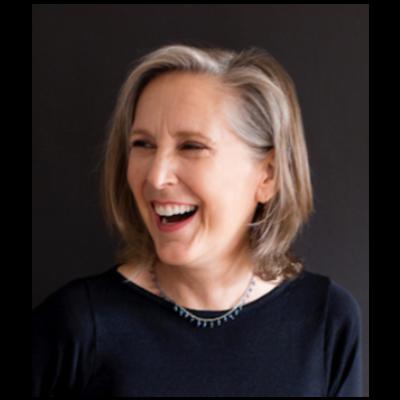
Best-selling science writer Mary Roach joins Curie to talk about her new book Replaceable You, a deep dive into what happens when medicine tries to repair—or outright replace—parts of the human body. From elective amputations to pig-to-human organ research, burn units, and bioprinting labs, Roach explores the strange, awe-inspiring, and sometimes absurd frontiers of modern medicine. Along the way, she unpacks why replacement isn’t always straightforward, why surgeons often resist it, and what these efforts reveal about the extraordinary complexity of the human body. It’s equal parts fascinating, funny, and humbling—a reminder that even with decades of scientific progress, nature remains the hardest engineer to outdo
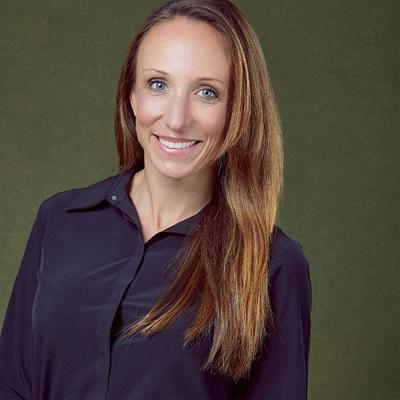
What if America’s $4.9 trillion healthcare system isn’t broken, but stolen? In this episode, attorney-turned-benefits leader Chris Deacon joins Curie to expose what she calls “The Great American Healthcare Heist.” Drawing on her experience overseeing benefits for hundreds of thousands of New Jersey employees, Deacon unpacks how middlemen, opaque contracts, and administrative bloat siphon dollars away from clinicians and patients alike. From jaw-dropping examples of employers paying millions while providers see only a fraction, to the hidden trade in claims data that shapes care and costs behind the scenes, this conversation pulls back the curtain on a system designed to extract. We explore why transparency is so fiercely resisted, what fiduciary responsibility should look like in employer plans, and why clinicians must understand the financial mechanics of coverage if they want to truly advocate for their patients. Part exposé, part call to action, this episode challenges listeners to see healthcare not just as medicine—but as money, power, and policy in motion.
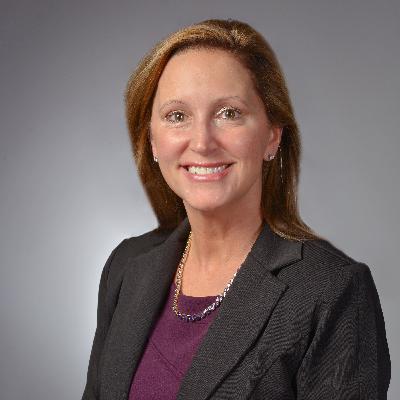
In this episode of Curie, Andrew sits down with Krista Bragg, a healthcare leader whose career has spanned the ICU, the C-suite, health insurance, consulting, and now advising startups. Krista shares what she’s learned moving from bedside nursing to executive leadership, and why too few hospital leaders have clinical backgrounds. She reflects on safety culture, the importance of empowering clinicians’ voices, and the tension between fee-for-service and value-based care. The conversation also dives into her work with startups building solutions from AI-enabled nursing workflows to EHRs in Africa, and her new book The Startup Guide to US Healthcare. Packed with stories and practical takeaways, this episode is about bridging the gap between leadership and clinicians, aligning incentives with patient outcomes, and reimagining how healthcare can work better for everyone.

AI scribes promise to free physicians from endless documentation, but who really pays the price? In this episode, Andrew examines the double-edged nature of tools from companies like Abridge and Ambience. On one hand, they capture more accurate notes and give doctors back precious face-to-face time. On the other, they can drive higher bills, adding yet another layer of cost in an already strained healthcare system. Through candid physician voices, we explore the ethical trade-offs: better charts versus bigger charges, efficiency versus equity, and whether patients would ever accept higher costs for more attention in the exam room. At the heart of it all is a simple question: are AI scribes making medicine better—or just more expensive?
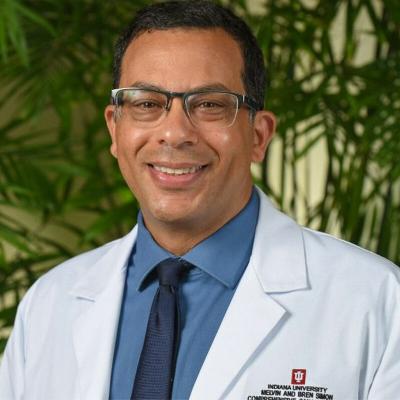
What does it take to turn personal hardship into lifelong advocacy? In this conversation, Dr. Nasser Hanna—thoracic oncologist, researcher, teacher, and founder of End Lung Cancer Now—shares the remarkable journey behind his new memoir My Patch. From his family’s immigrant roots in Egypt and Sudan, to formative mentors who pushed him to think bigger, to the failures that taught him resilience, Dr. Hanna reflects on the values that shaped his career and the cause that defines it today: ending the stigma and suffering of lung cancer. We explore his philosophy on education, failure, advocacy, and why no patient deserves blame for their disease. A candid, deeply human look at the intersections of medicine, compassion, and public health.
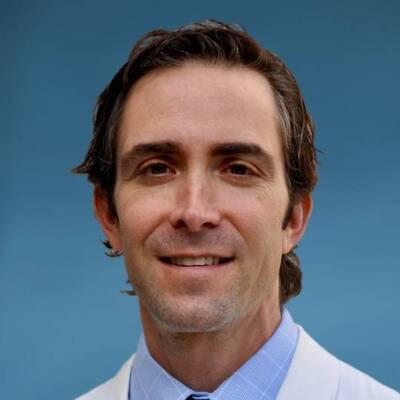
In this deeply candid episode of Curie, orthopedic surgeon Dr. Adam Rosen—author of O.R. Confidential: Confessions of a Gen X Surgeon—opens up about the hidden side of surgical life. With over 20 years in the OR and hundreds of joint replacements under his belt, Dr. Rosen reflects on burnout, mental health stigma in medicine, and the generational pressures that shape physician careers. He shares his own breaking point, the challenges of seeking help, and how that journey has transformed not only his life but also how he connects with patients. We also explore broader systemic issues—administrative overload, policy failures, and how culture in medicine can evolve to better support physicians. Honest, unfiltered, and ultimately hopeful, this episode offers lessons for clinicians navigating the realities of modern healthcare.

On her very first day as a surgical resident, Dr. Erin Nance got the call that would change her life: her brother had been in a diving accident and was now a quadriplegic. That experience - being both a physician and a family member on the other side of the curtain - shaped her career and fueled her passion for patient advocacy.In this episode, Dr. Nance shares the story behind her bestselling memoir Little Miss Diagnosed, explains her “Seven Stages of Misdiagnosis” framework, and talks about why diagnosis is power. We also dive into her new digital health platform, FeelBetr, which connects credible medical experts with patients who need answers, and her work as host of The Medical Detectives podcast.Follow Dr. Nance on TikTok: @littlemissdiagnosed
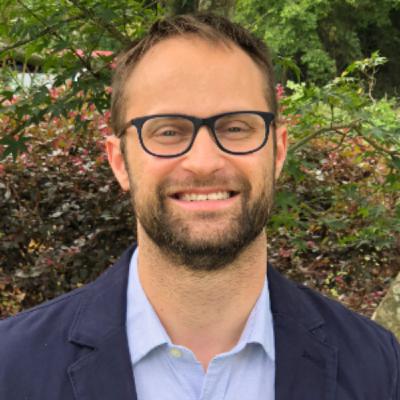
What happens when you’ve lived healthcare from both sides of the bedrail? In this episode, Andrew sits down with Jacob Kendall—patient, caregiver, and founder of The Smart Patient—to explore the complex, multi-dimensional realities of American healthcare. Drawing from his own journey through two open heart surgeries and years as a full-time caregiver, Jacob shares candid stories of navigating the healthcare system’s fragmented handoffs and hard choices. Together, they unpack Jacob’s “4D Health” framework, a call for clinicians and patients alike to move beyond siloed, one-size-fits-all medicine and embrace a holistic, interdisciplinary approach. The conversation ranges from the power (and pitfalls) of social media health advice to the challenges of generational change, and offers practical tips for clinicians trying to practice whole-person care—even in a world of 15-minute appointments. Whether you’re a clinician, a caregiver, or a patient, this is an episode about the simple, actionable things anyone can do to make healthcare more human.

Hospitals are quietly buying up physician practices—and healthcare prices are soaring as a result. In this episode, Andrew unpacks the “15% markup” that hits patients when independent doctors are absorbed by hospital systems. You’ll learn why costs rise without improvements in care, how regulatory loopholes keep this trend flying under the radar, and what this consolidation means for physician autonomy and patient choice. With real data and stories from the front lines, discover how the corporatization of medicine is changing what it means to be a doctor—and a patient—in America.
Why is America’s health insurance system so dysfunctional—and what can be done about it? Andrew sits down with Neal Shah, author of Insured to Death, to break down the true scale of insurance denials, administrative waste, and the human toll of a broken system. They dive into real-world strategies for fighting back (including free AI tools like Counterforce Health), the growing role of technology and innovation, and bold ideas for meaningful reform.Plus, Neal shares how his eldercare platform, CareYaya, is connecting healthcare students with families in need—offering hope for a more humane, affordable, and efficient future in healthcare.Resources mentioned:Counterforce Health – free AI tools to fight health insurance denialsCareYaya – affordable, student-powered eldercare

Medicine isn’t always about finding answers—it’s often about navigating the endless gray zones between evidence, patient beliefs, and the realities of daily life. In this episode of Curie, Andrew explores the art of practicing medicine when guidelines meet real-world complexity. From negotiating alternative therapies to facing non-adherence and confronting the limits of influence, this episode draws on real clinician stories to highlight the challenges, frustrations, and moments of humility that define the clinical experience. It’s a conversation for every HCP who’s ever stayed up at night replaying the “unsolvable” cases—and a reminder that progress is sometimes just showing up, visit after visit, and never losing sight of the human side of medicine.

Comments

Download from Google Play

Download from App Store
 United States