


 Claim Ownership
Cinemental
Subscribed: 1Played: 46
Subscribe

Description
Cinemental is a podcast about mental health and how it’s portrayed in cinema and television. What did they get right? What did they get wrong? And what do YOU need to know about mental health. Hosted by Jeffrey Jones (screenwriter and professor) and his brother Dr. Joshua Jones (psychiatrist), these two brothers tackle and all subjects such as depression, grief, anxiety, schizophrenia, even possession. They’ll discuss the triggers for mental health such as family drama, the role of stress, even mentorship. Cinemental is meant to start the conversation about mental health in a fun and entertaining way to let you know that whatever mental health issue you may be struggling with… you’re not alone.
76 Episodes
Reverse

What happens when movies collide with mental health, conspiracy thinking, and delusion? In this episode of the Cinemental Podcast, filmmaker Jeff and psychiatrist Josh dive into the psychology behind delusional disorders, conspiracy theories, and the way films shape how we understand reality.
Using the film Bugonia as a jumping-off point, the conversation explores the difference between Delusional Disorder and Schizophrenia, the role of fixed false beliefs, and whether movies themselves can sometimes reinforce dangerous or irrational ideas. Along the way, Jeff and Josh debate everything from Autism Spectrum Disorder and obsessive personalities to whether Flat Earthers are actually delusional — and what it really means to treat someone struggling with a distorted perception of reality.
They also tackle one of the most misunderstood topics in psychology: the link between mental illness and violence, breaking down common misconceptions often reinforced by film and media. Later in the episode, the conversation shifts to filmmaker Yorgos Lanthimos, the craft of acting, and the difference between actors who transform into characters versus those who bend characters to their own persona.
And because this is Cinemental, the episode ends with a fun twist: a Top Five list of the silliest conspiracy theories ever invented.
If you love movie analysis, psychology, and deep conversations about how storytelling shapes our understanding of the mind, this episode is for you.
⏱ Episode Breakdown
01:37 – Delusional Disorder vs Schizophrenia
07:39 – Jeff might have an obsessive personality
08:39 – Autism Spectrum Disorder
13:30 – Was Aidan Delbis taken advantage of?
18:54 – The Ending of Bugonia
21:45 – Can movies encourage delusional thinking?
23:46 – Michelle’s the Alien
27:13 – Are CEOs trained in kidnapping?
28:32 – How to treat someone with Delusional Disorder
30:14 – Are Flat Earthers delusional?
33:06 – The problem of free will
36:46 – Fixed False Belief explained
40:49 – Misconceptions about mental illness and violence
45:39 – Let’s talk about Yorgos Lanthimos
48:25 – There are two types of actors
52:57 – Top Five silliest conspiracy theories ever
🎬 About Cinemental
Cinemental is a podcast where a filmmaker and a psychiatrist break down movies through the lens of psychology — exploring mental health, human behavior, and the deeper themes hiding inside the films we love.
If you enjoy film analysis, psychology, storytelling, and thought-provoking movie discussions, make sure to subscribe.
#Bugonia #oscarwinner #ConspiracyTheories
In this episode of Cinemental, we break down F1 as both a high-octane spectacle and a character-driven study of ambition under pressure. From its immersive racing sequences and razor-sharp sound design to its use of competition as thematic spine, we ask the big filmmaking question: does the craft support the character arc — or does the spectacle outrun the story? We analyze how the film structures rivalry, mentorship, and recovery after a crash not just as plot beats, but as thematic statements about identity and performance.
Because this is Cinemental, we don’t stop at cinematography and editing rhythms. We explore how the movie dramatizes healthy vs. unhealthy competition, how it visualizes the elusive flow state, and whether its worldview is zero-sum or growth-oriented. Is the protagonist chasing mastery — or running from himself? When does “loving your edge” become self-destruction? We look at how elite performance films often double as psychological portraits, and whether F1 earns that depth beneath its IMAX-scale adrenaline.
We also debate whether F1 is actually a good movie — structurally, thematically, and emotionally — and close with our Top 5 spectacle films that SHOULD have won Best Picture, celebrating cinematic experiences that delivered craft and impact but were overlooked by the Academy.
If you love conversations about:
• Theme vs. plot in sports films
• Character want vs. moral need
• Visual storytelling in action cinema
• The psychology of high performance
• Mentorship arcs in screenwriting
• Oscar snubs and spectacle bias
…this episode is for you.
This is movies first. Craft always. But through the lens of what great films reveal about how we compete, fail, recover, and grow.
02:12 Topics of The Day
3:40 Healthy Competition
5:55 Unhealthy Competition
10:15 Was F1 A Good Movie
15:00 Exploration of Theme
17:30 The Flow State
22:00 Recovering From a Crash
26:00 Loving Your Edge
28:25 Mentorship
34:15 Crabs In A Bucket
36:41 The Zero Sum Game
43:31 Top 5 Spectacle Films that SHOULD Have Won An Oscar
#F1Movie #FilmAnalysis #SportsFilms #Screenwriting #Cinematography #FilmPodcast #MovieDiscussion #FlowState #HighPerformance #OscarSnubs

In this episode of the Cinemental Podcast, a filmmaker and a psychiatrist break down Free Solo—exploring thrill-seeking behavior, fear, obsession, and the ethics of documentary filmmaking when the stakes are literally life and death.
Is something psychologically wrong with Alex Honnold—or are we misunderstanding what extreme focus and risk really look like?
We dig into Alex Honnold’s mindset, his climbing ability, how fear works in the brain, and whether thrill-seeking is a sign of depression, disorder, or something else entirely. Along the way, we debate whether Free Solo crossed an ethical line by filming an ascent where a single mistake meant death—and what responsibility filmmakers carry when documenting extreme risk.
This conversation goes beyond climbing and into bigger questions about mental health, control, obsession, and why humans are drawn to stories where success and death sit side by side.
02:00 - Topics
03:50 - Sponsor - Pants Pourri
05:13 - Film Summary
06:09 - Psychiatrist's Impressions
07:40 - Filmmaker's Impressions
09:57 - How Good is Alex?
13:52 - Does Alex feel fear?
16:41 - Is Neurodivergence passed down genetically?
19:12 - Can You Measure Fear in an MRI?
22:09 - Train Yourself Away From Fear
25:50 - Is Thrill Seeking A Sign of Depression?
28:50 - What is an Ethical Documentary?
39:22 - Jeff's Ethics
44:03 - Top 5 - Win or Die Movies & TV Shows
49:31 - BONUS Top 5 - Josh's List of Alex' Next Climbs
Cinemental is a podcast where movies meet the mind. Each episode dives beneath the surface of pop culture’s most iconic films and characters to uncover the psychology, emotion, and hidden meaning behind what we watch. Hosted by brothers Jeff and Dr. Josh, Cinemental blends film analysis with real-world mental health insight — exploring why stories stick with us, what they reveal about human behavior, and how cinema can help us understand ourselves. It’s part film school, part therapy session, and all heart — where every movie tells us something about being human.
Feel free to email us at brothers@cinementalpodcast.com
Subscribe on YouTube to never miss an episode, or click below to subscribe wherever you get your podcasts
https://linktr.ee/cinemental

What do K-pop idols, demon hunters, and shame have in common?
In this episode of the Cinemental Podcast, we break down Netflix’s K-Pop Demon Hunters to explore how pop music, storytelling, and mental health collide. From character psychology and theme to shame, trauma, and why songs like “Golden” hit so hard, this episode digs into why this film works emotionally—and when it maybe pushes too hard.
We explore the lie the characters believe, how shame shows up in almost every frame, and why exposing your truth can feel more dangerous than fighting literal demons. Along the way, we talk about comedy, tone, Mr. Bean as an unexpected reference point, and whether there are any original stories left—or if it’s all about execution. We also unpack Josh’s theory around generational trauma, why anger is a secondary emotion, and what it actually looks like to act opposite of what shame is compelling you to do.
Whether you’re a filmmaker, songwriter, therapist, or just obsessed with K-pop and genre storytelling, this episode uses K-Pop Demon Hunters as a lens to talk about shame, identity, masculinity, mental health, and storytelling craft—with laughs along the way.
01:38 - Topics covered in today's podcast
03:15 - The power of Theme
07:05 - The LIE the character believes
08:35 - The power of the lyrics to the final song
09:44 - When should a film be heavy handed?
12:25 - The comedic characters and tone
14:22 - Mr Bean
15:09 - Songs, 'What it sounds like' vs 'Golden'
16:05 - Shame is present everywhere
19:26 - There are no original stories
21:14 - Josh's theory could be SA generational trauma
24:31 - What do you do about your shame?
27:35 - What are typical things people feel shame about
31:27 - Quick Recap
31:37 - Act Opposite of what your shame is compelling you to do
33:02 - Exposing your shame will not always be easy
36:15 - Is it ok to hide your truth to keep your tribe?
40:29 - Men still struggle with this shame
42:55 - Anger is a 2ND emotion
46:12 - What about the DEMONS?
50:30 - TOP 5 things you should be ashamed about
Cinemental is a podcast where movies meet the mind. Each episode dives beneath the surface of pop culture’s most iconic films and characters to uncover the psychology, emotion, and hidden meaning behind what we watch. Hosted by brothers Jeff and Dr. Josh, Cinemental blends film analysis with real-world mental health insight — exploring why stories stick with us, what they reveal about human behavior, and how cinema can help us understand ourselves. It’s part film school, part therapy session, and all heart — where every movie tells us something about being human.
Feel free to email us at brothers@cinementalpodcast.com
Subscribe on YouTube to never miss an episode, or click below to subscribe wherever you get your podcasts
https://linktr.ee/cinemental
One Battle After Another is a brutal reminder that resilience isn’t something you have—it’s something you train. In this episode of Cinemental, we break down the psychology of endurance, what it means to keep showing up when life keeps swinging, and why the real theme of One Battle After Another is that the fight doesn’t “end”… you just get better at staying in it.
We dig into what resilience actually looks like in real life: how it’s built, why it matters, and why “winning” isn’t always the point—sometimes survival is the victory. From there we get into the filmmaking side: what makes a director truly great, and why certain directors don’t just make movies—they shape the way you see conflict, identity, and human behavior.
We also go into an important discussion around racism—specifically why racism is not pathological, and why framing it that way can become a way of dodging accountability. And because we’re us… we close the episode with a completely unnecessary but wildly satisfying debate: Jeff’s Top 5 actors/actresses he can’t stand… even though they’re undeniably great at what they do.
If you’ve ever felt exhausted by life feeling like one nonstop challenge after another… this one’s for you.
Severance isn’t just one of the best TV shows of the decade — it’s a masterclass in high-concept screenwriting and modern anxiety. In this episode of the Cinemental Podcast, we break down how Severance uses a razor-sharp “what if?” premise to explore work/life balance, trauma, and the psychological cost of survival in corporate systems.
We dive into the idea of indentured servitude through a modern lens, asking what it really means to give pieces of ourselves away just to function. From the power of “what if” questions in jump-starting great screenwriting ideas, to the ways people compartmentalize pain in order to keep going, this conversation connects storytelling craft with real mental-health insights. Severance doesn’t just ask who we are at work versus at home — it asks what happens when we fracture ourselves to endure trauma, and whether healing means integration… or escape.
🎧 Cinemental Podcast explores mental health through cinema and television — where story, psychology, and humanity collide.
Topics include:
• The power of “What if?” in screenwriting
• Work / life balance as psychological survival
• Indentured servitude in modern systems
• Trauma, compartmentalization, and endurance
• Why Severance could only work as a TV series
#Severance #Cinemental #Screenwriting #Storytelling #MentalHealth #WorkLifeBalance #TVAnalysis #WhatIf #Trauma
This year-end episode of Cinemental looks ahead to 2026 by exploring mental health, movies, and the cultural shifts shaping how we care for ourselves—and the stories we tell. From New Year’s resolutions to the future of entertainment, Josh and Jeff reflect on what we’ve learned and what comes next.
We start by unpacking why New Year’s resolutions often fail, and why mental health conversations belong next to movies—not separate from them. From there, the conversation turns serious: concerns around mental health funding in 2026, what individuals can do right now to protect their well-being, and why having a crisis safety plan matters more than ever. Josh also weighs in on medication, the realities of waiting for treatment to work, and his skepticism of the modern “wellness movement.”
On the creative side, we zoom out to examine the future of film and television—why fewer new shows may be made, how legacy content is reshaping the industry, and why creators need to think differently about ownership. We close the episode by reflecting on what Josh and Jeff learned from each other this year, and by teasing the mental-health-focused movies coming in 2026 that we can’t wait to discuss.
Whether you’re thinking about your mental health, your creative future, or how stories shape the way we understand ourselves, this episode is our way of closing the year with honesty—and opening the next one with intention.
🎬 Topics include:
• Why New Year’s resolutions don’t work
• Mental health funding concerns in 2026
• Crisis safety planning
• Medication, wellness culture, and realistic expectations
• The future of film, TV, and creator ownership
• Top mental health movies coming in 2026
00:01:31 - TOPICS FOR TODAY
00:02:24 - Why Josh hates New Year Resolutions
00:03:35 - NY RESOLUTIONS
00:03:43 - Why do we talk about Mental Health and Movies together?
00:14:09 - Mental Health funding concerns in 2026?
00:17:19 - What can you do in 2026 to support your Mental Health?
00:20:29 - Have a crisis safety plan.
00:21:57 - Other concerns with Mental Health Care and RFK JR in 2026.
00:23:28 - Let's talk about medication... while Josh avoids saying brand names.
00:29:53 - What to do while you wait for medications to take effect
00:30:55 - Josh's take on the current "Wellness Movement"
00:32:54 - What's the future hold for Entertainment Creators in 2026 and beyond?
00:36:24 - TV taking a hit in amount being created because of old shows resurfacing.
00:37:48 - Let's start a movement of ownership of TV and FILM
00:40:57 - What Jeff learned from Josh this year on CineMental Podcast.
00:42:49 - What Josh learned from Jeff this year on CineMental Podcast.
00:44:20 - TOP 5 Josh's Mental Health Movies COMING in 2026
00:49:46 - Jeff's Honorable Mentions for the TOP 5
Cinemental is a podcast where movies meet the mind. Each episode dives beneath the surface of pop culture’s most iconic films and characters to uncover the psychology, emotion, and hidden meaning behind what we watch. Hosted by brothers Jeff and Dr. Josh, Cinemental blends film analysis with real-world mental health insight — exploring why stories stick with us, what they reveal about human behavior, and how cinema can help us understand ourselves. It’s part film school, part therapy session, and all heart — where every movie tells us something about being human.
Feel free to email us at brothers@cinementalpodcast.com
Subscribe on YouTube to never miss an episode, or click below to subscribe wherever you get your podcasts
https://linktr.ee/cinemental
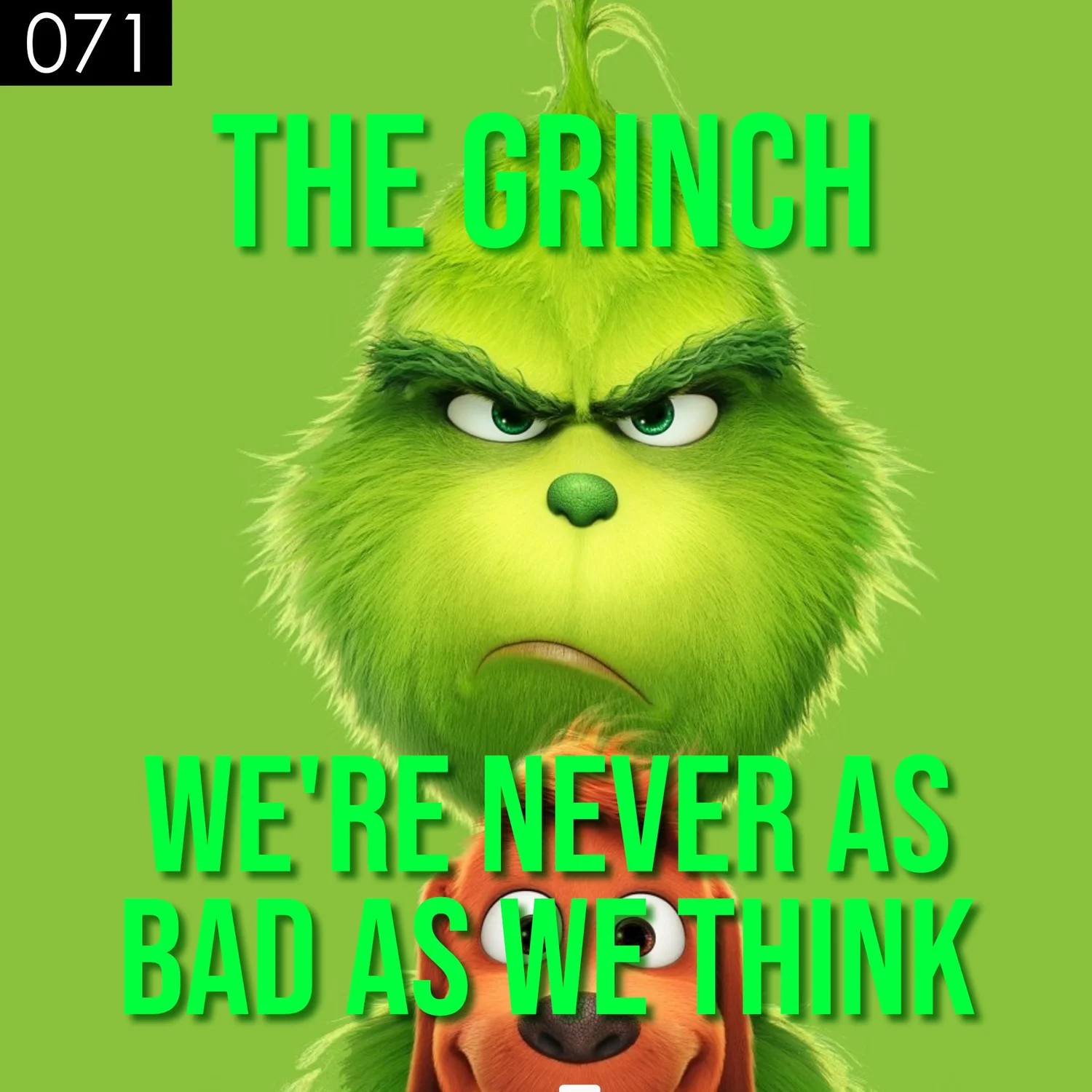
Great storytelling isn’t just about plot — it’s about perception, self-image, and emotional truth. In this episode of Cinemental, we break down Illumination's "The Grinch" to explore what it teaches writers about character psychology, unreliable self-narration, and how emotional wounds shape the stories we tell.
This isn’t really a story for adults — it’s a story we need to understand as storytellers. We talk about why The Grinch isn’t meant for you so much as it’s meant for your kids, and how that changes the way we interpret its message. What if the Grinch isn’t actually green — what if that’s just how he sees himself? And what if that same distortion shows up in the characters we write… and the way we judge ourselves?
We explore how characters (and people) protect themselves after being let down — how emotional armor forms, how isolation becomes survival, and how self-judgment can turn into a false villain narrative. For writers, this episode is a masterclass in understanding defensive behavior, miscast villains, and why the most powerful character arcs aren’t about becoming “good,” but about realizing you were never as bad as you thought.
If you want to become a better storyteller, this episode will change how you think about character empathy, audience perspective, and the emotional lies characters tell themselves to survive.
🎧 Topics We Explore:
Why The Grinch story isn’t really for adults — it’s for children learning emotional language
How self-perception can distort identity in storytelling
Why great characters think they’re worse than they are
Emotional protection after betrayal and disappointment
Writing characters who are “miscast” as villains
Using empathy to deepen character arcs
Cinemental is a podcast where movies meet the mind. Each episode dives beneath the surface of pop culture’s most iconic films and characters to uncover the psychology, emotion, and hidden meaning behind what we watch. Hosted by brothers Jeff and Dr. Josh, Cinemental blends film analysis with real-world mental health insight — exploring why stories stick with us, what they reveal about human behavior, and how cinema can help us understand ourselves. It’s part film school, part therapy session, and all heart — where every movie tells us something about being human.
Feel free to email us at brothers@cinementalpodcast.com
Subscribe on YouTube to never miss an episode, or click below to subscribe wherever you get your podcasts
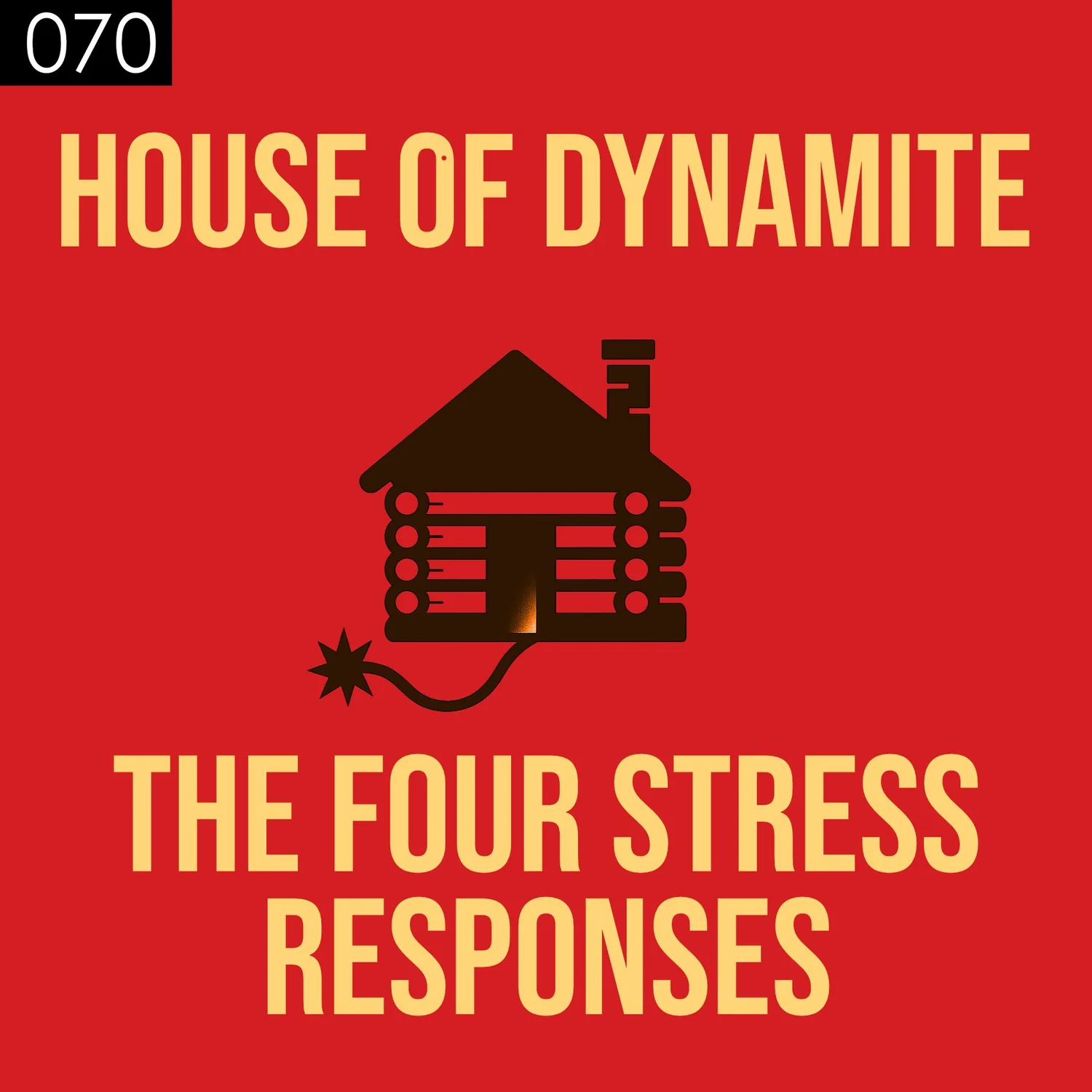
There are four involuntary stress responses: Fight, Flight, Freeze, and Fawn. All four are perfectly demonstrated in the Netflix movie A House of Dynamite. Listen in as Dr. Josh details these responses but also how to master them. And just for funsies, Filmmaker Jeff clues you in on the REAL villain in ALL movies. SPOILER ALERT... It's time.
We start with a spoiler-light synopsis before digging into first impressions, the film’s central question, and why this story feels uncomfortably relevant right now. As the clock ticks, we analyze the Pentagon’s response, the psychology of urgency, and why modern films are increasingly obsessed with pressure, escalation, and impossible choices.
From there, the conversation widens. Jeff explores a provocative conspiracy-style theory about narrative control and why “the villain” in so many films isn’t a character at all—it’s time itself. Josh then grounds the discussion in psychology, breaking down the four stress responses—fight, flight, freeze, and fawn—and how each one shows up in both the movie and real life.
We walk through each response in detail, unpack what happens when stress overwhelms the body, and discuss what a healthy response actually looks like when the stakes are high. We wrap things up with a lighter—but revealing—Top Five, imagining what the next “F” stress responses might be.
This episode is for anyone interested in film analysis, psychology, stress, anxiety, decision-making, and how movies reflect the way we break—or adapt—under pressure.
Cinemental is a podcast where movies meet the mind. Each episode dives beneath the surface of pop culture’s most iconic films and characters to uncover the psychology, emotion, and hidden meaning behind what we watch. Hosted by brothers Jeff and Dr. Josh, Cinemental blends film analysis with real-world mental health insight — exploring why stories stick with us, what they reveal about human behavior, and how cinema can help us understand ourselves. It’s part film school, part therapy session, and all heart — where every movie tells us something about being human.
Feel free to email us at brothers@cinementalpodcast.com
Subscribe on YouTube to never miss an episode, or click below to subscribe wherever you get your podcasts
https://linktr.ee/cinemental
00:02:07 - Billy Bean was driven by anxiety
00:02:49 - Excitement equal Anxiety?
00:04:14 - SHORT End
00:12:56 - How to overcome anxiety to pursue innovation.
00:14:59 - Is Anxiety a bad emotion?
00:19:06 - How to adapt a book into a screenplay.
00:21:31 - How to create visuals for a book that is mostly internalized thought?
00:25:15 - Minor details tell the audience more about a character without words.
00:27:00 - Baseball Movies that are NOT baseball movies
00:28:22 - TOP 5 Sports Movies that are NOT Sports Movies

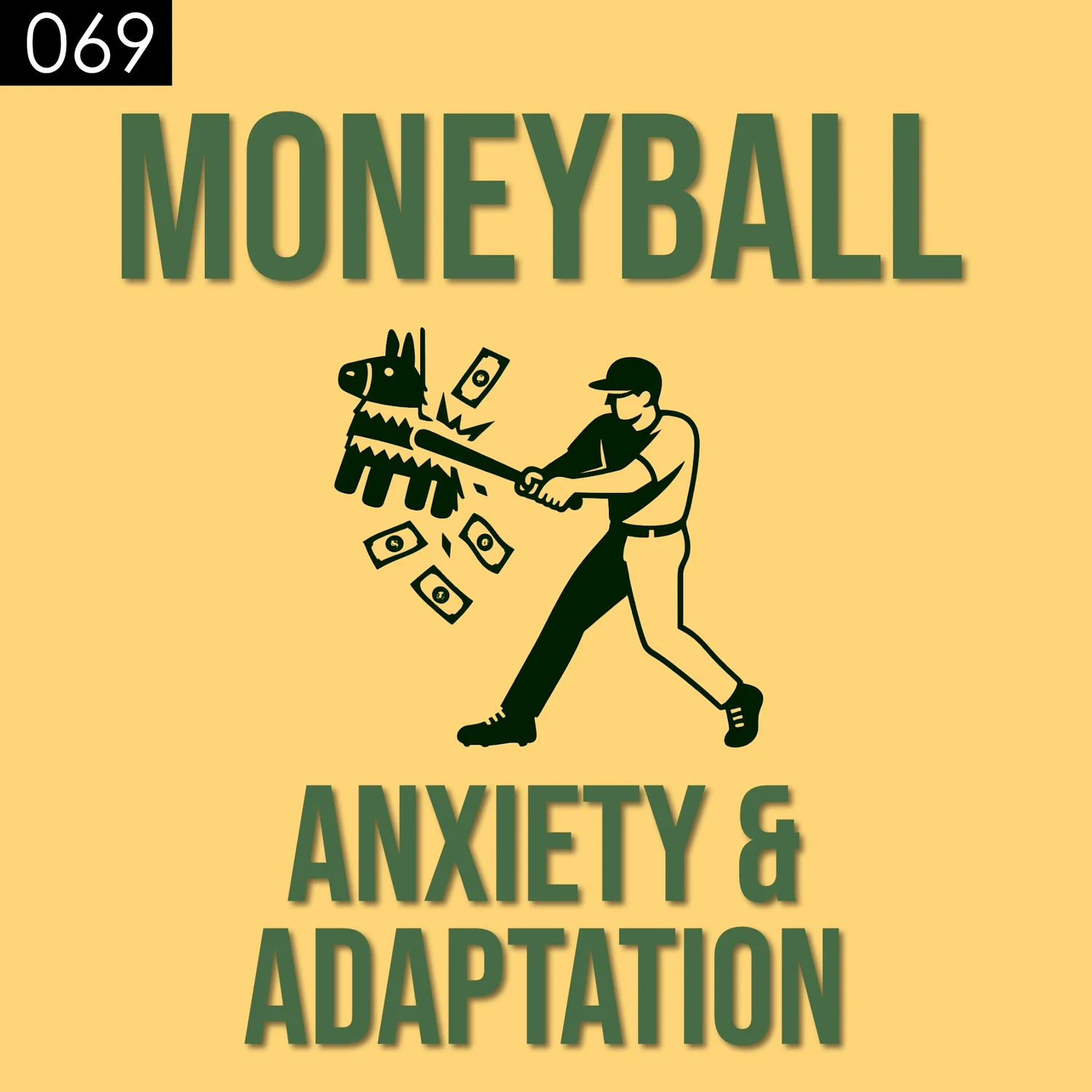
In this Cinemental deep dive into Moneyball, we unpack how the film reshaped modern sports analytics and what it really takes to innovate against an entire industry. From Billy Beane’s psychology to the mental health cost of revolutionizing a system, we explore why true innovation requires courage, clarity—and sometimes, breaking all the rules.
🎬 Cinemental Episode 68
In this episode of Cinemental, we break down why Moneyball isn’t just about baseball — it’s about how to challenge an entire industry that refuses to evolve. We dive into what makes Billy Beane the perfect case study in breaking tradition, trusting data over ego, and pushing forward even when everyone thinks you’ve lost your mind.
We explore the real difference between confidence and true innovation, and why the boldest ideas require emotional endurance, not just swagger. Along the way, we unpack the psychology of the Billy Beane character — the early expectations, the pressure to perform, and the emotional baggage that fuels every risk he takes.
We also talk about managing anxiety in high-stakes environments, why adaptability is the ultimate leadership skill (“be water”), and how the film captures the heartbreak of aging out of your childhood dreams. And yes, we close by celebrating the cinematic gift that is Brad Pitt in Moneyball — because analyzing performance also means appreciating the charisma that carries the narrative.
⏱️ Chapters / Key Moments
02:41 – Why Moneyball
07:18 - What does it take to revolutionize an industry?
08:53 - Does it take more than confidence to be innovative?
14:21 - Diagnosing a Character and not the Real Person
14:58 - Innovation should be started as early as possible
17:39 - The psychology of the Billy Bean character
19:32 - How to control your Anxiety
20:51 - Be Water
21:04 - We're all told we can't play the children's game anymore.
24:00 - The real reason Billy Bean became a scout/manager
27:41 – All the Brad Pitt Shots
Cinemental is a podcast where movies meet the mind. Each episode dives beneath the surface of pop culture’s most iconic films and characters to uncover the psychology, emotion, and hidden meaning behind what we watch. Hosted by brothers Jeff and Dr. Josh, Cinemental blends film analysis with real-world mental health insight — exploring why stories stick with us, what they reveal about human behavior, and how cinema can help us understand ourselves. It’s part film school, part therapy session, and all heart — where every movie tells us something about being human.
Feel free to email us at brothers@cinementalpodcast.com
Subscribe on YouTube to never miss an episode, or click below to subscribe wherever you get your podcasts
https://linktr.ee/cinemental

In this episode, we use Mean Girls to break down what really causes bullying — and the five steps that actually help stop it. We cover how to build confidence, teach empathy, work with schools, handle online bullying, and recognize the moment someone can turn into a “villain.” We wrap with our Top 5 Movie Bullies of All Time and practical strategies to end the bullying cycle at home, in schools, and online.

Regina George isn’t just a brilliant piece of filmmaking — she’s a psychological mirror. Written so sharply in Mean Girls, her psychology reflects the part of us that craves control, validation, and belonging — whether we admit it or not.
🎬 Cinemental Episode 66 - Mean Girls
We explore how Regina’s parents shaped her need for dominance, how the teachers and authority figures in Mean Girls also model subtle forms of bullying, and why bullying is really about power and control — not cruelty. We even unpack whether the infamous Burn Book was toxic or actually a form of emotional release.
From relational aggression to social hierarchy, Mean Girls captures the same psychological patterns we see in real life — in classrooms, workplaces, and online. This episode reveals the science of popularity, the Queen Bee effect, and how self-awareness can help us end the cycle.
💬 Join the discussion:
What’s your experience with bullying or “queen bee” dynamics?
Do you think the Burn Book was healthy or harmful?
Share your thoughts below — we read every comment.
⏱️ Chapters / Key Moments
01:37 - ALT Summary
06:08 - 1st sign of bully in movie
08:20 - When Bullying starts in someone
11:38 - The silver bullet to stop being a bully
15:11 - Diagnosis of the character Regina George
17:21 - The issue with her parents
19:21 - Janice was ALSO a bully
19:56 - Bullying is about Control?
22:04 - How to block being Gaslit
23:29 - DATING Advice
25:42 - Was the BURN BOOK really a bad thing?
29:28 - FETCH and starting word trends and slang
Cinemental is a podcast where movies meet the mind. Each episode dives beneath the surface of pop culture’s most iconic films and characters to uncover the psychology, emotion, and hidden meaning behind what we watch. Hosted by brothers Jeff and Dr. Josh, Cinemental blends film analysis with real-world mental health insight — exploring why stories stick with us, what they reveal about human behavior, and how cinema can help us understand ourselves. It’s part film school, part therapy session, and all heart — where every movie tells us something about being human.
Feel free to email us at brothers@cinementalpodcast.com
Subscribe on YouTube to never miss an episode, or click below to subscribe wherever you get your podcasts
https://linktr.ee/cinemental
#MeanGirls #ReginaGeorge #Psychology #Bullying #Cinemental #MovieAnalysis #DrJosh #BurnBook
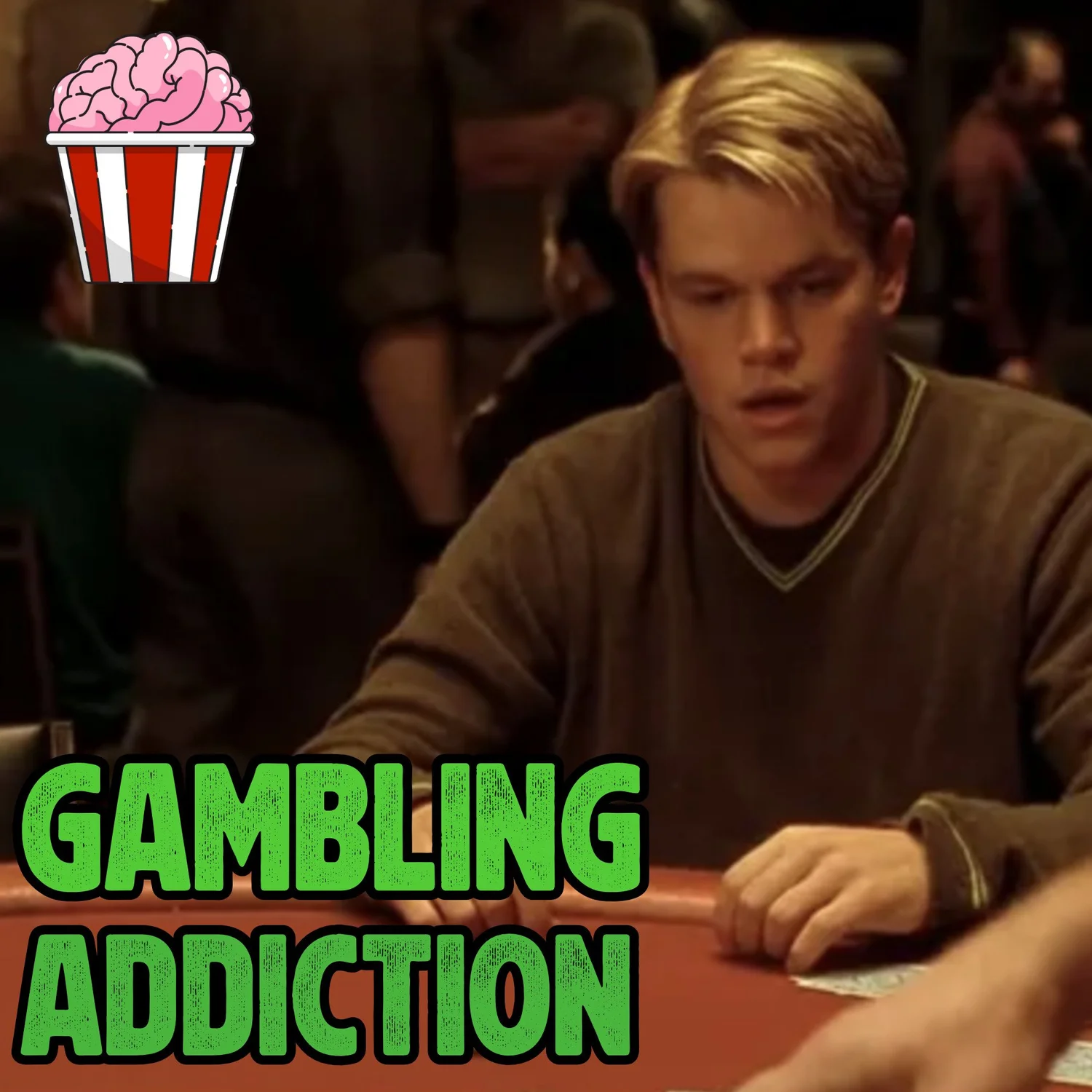
In this episode of Cinemental, we unpack the hidden mechanics of gambling addiction — why it’s not just about money, but about dopamine, control, and hope. Using Rounders as our guide, we explore how the brain gets trapped in a loop of intermittent reinforcement — that unpredictable pattern of wins and losses that keeps you chasing the next big score.
Unlike substances that alter your body chemistry, gambling addiction hijacks your reward system with uncertainty itself. Every hand, every spin, every near-miss floods the brain with possibility, not payoff — making it one of the hardest addictions to walk away from.
We’ll talk about the psychology of risk, why “almost winning” feels as powerful as winning, and how to break free from the illusion that the next turn will finally make it right.
🎧 This isn’t just a movie about poker — it’s a mirror for how easily we can mistake chance for destiny.
1:16 - The difference between and addiction and a disorder.
2:34 - Is gambling addiction different than other addictions?
4:53 - What happens to someone when they are gambling?
7:41 - When does gambling become a disorder?
9:54 - Negotiator training should include playing poker
12:55 - Poker is Fighting to the Death for Jeff.
14:36 - What to do if you have Gambling Addiction (disorder)
15:21 - 1-800-GAMBLER
16:17 - What responsibility do casinos bear?
18:58 - Josh's Final thoughts on getting help
19:20 - The TOP 5 Improbable Hands in recent movie history
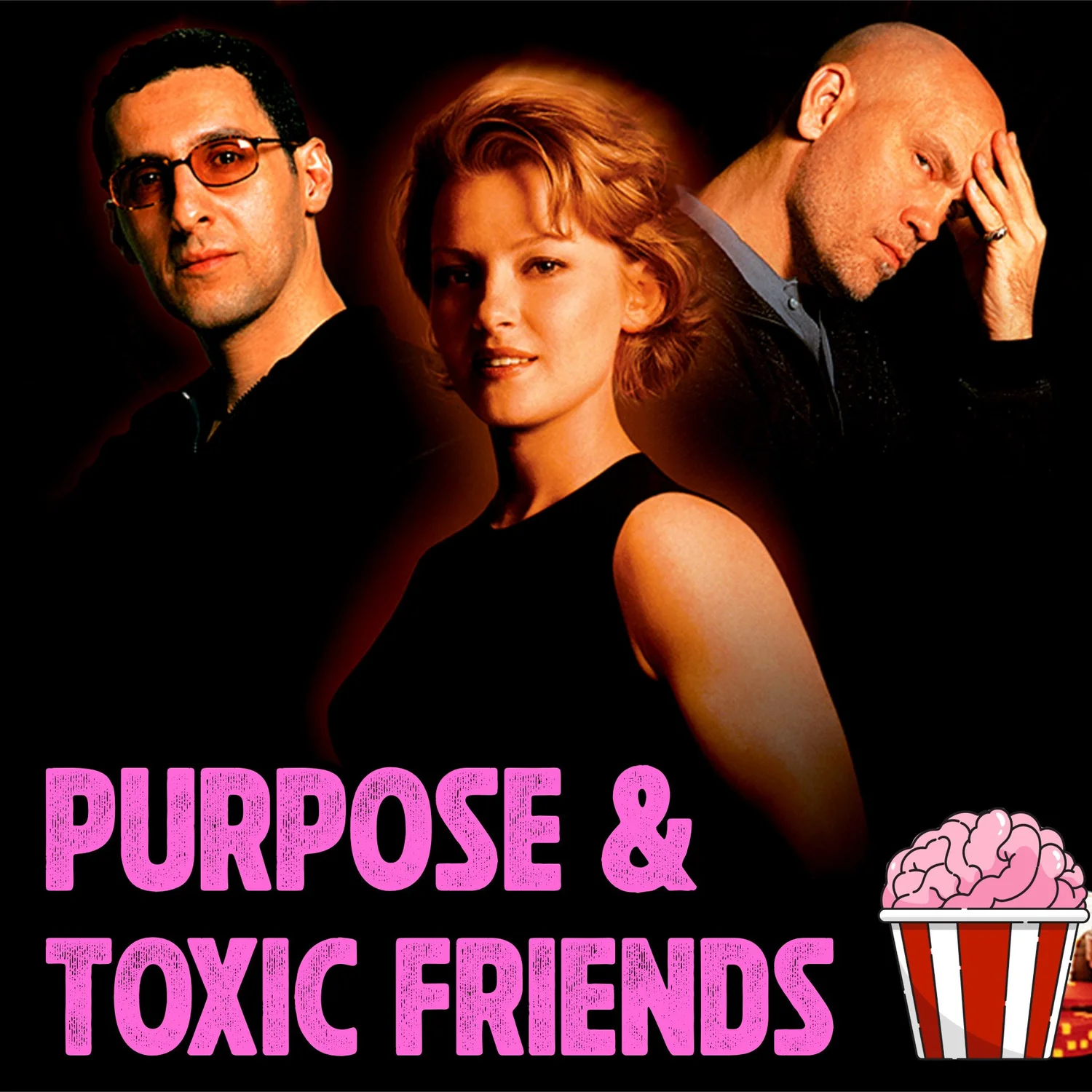
In this Cinemental episode, we go all-in on Rounders, the cult-classic that turned every college dorm room into a late-night poker den — even though, let’s be honest, it’s not actually a great poker movie. We dive into why the film’s real stakes aren’t in the cards but in the choices: addiction, loyalty, and learning when to fold not just your hand, but a toxic friendship.
Matt Damon’s Mike McDermott and Edward Norton’s Worm show us the thrill and the danger of chasing losses — financial and emotional. We unpack how Rounders became a cultural revolution for poker while serving as a cautionary tale about risk, recovery, and identity. If you’ve ever been tempted by “just one more hand,” this episode’s for you.
🎧 Listen as we break down gambling addiction, codependent friendship, and how sometimes the smartest play is knowing when to walk away.
1:18 - Rounders premise and plot
1:58 - Topics for this episode
4:02 - Rounders full summary
6:03 - A word from our sponsor
6:40 - The psychology of gambling
9:14 - Why are certain people wired to be addicted to the hit
10:24 - Why didn't Matt go on TILT in the beginning?
12:24 - Is Mike actually a gambling addict?
14:17 - Pot Committal
16:22 - short end
17:12 - PJ Brown Tribute Bonus
18:40 - breaking up with a lifelong friend
22:15 - The loan from Mike's professor
24:09 - The final game
25:12 - Rounders WAS NOT a good poker movie
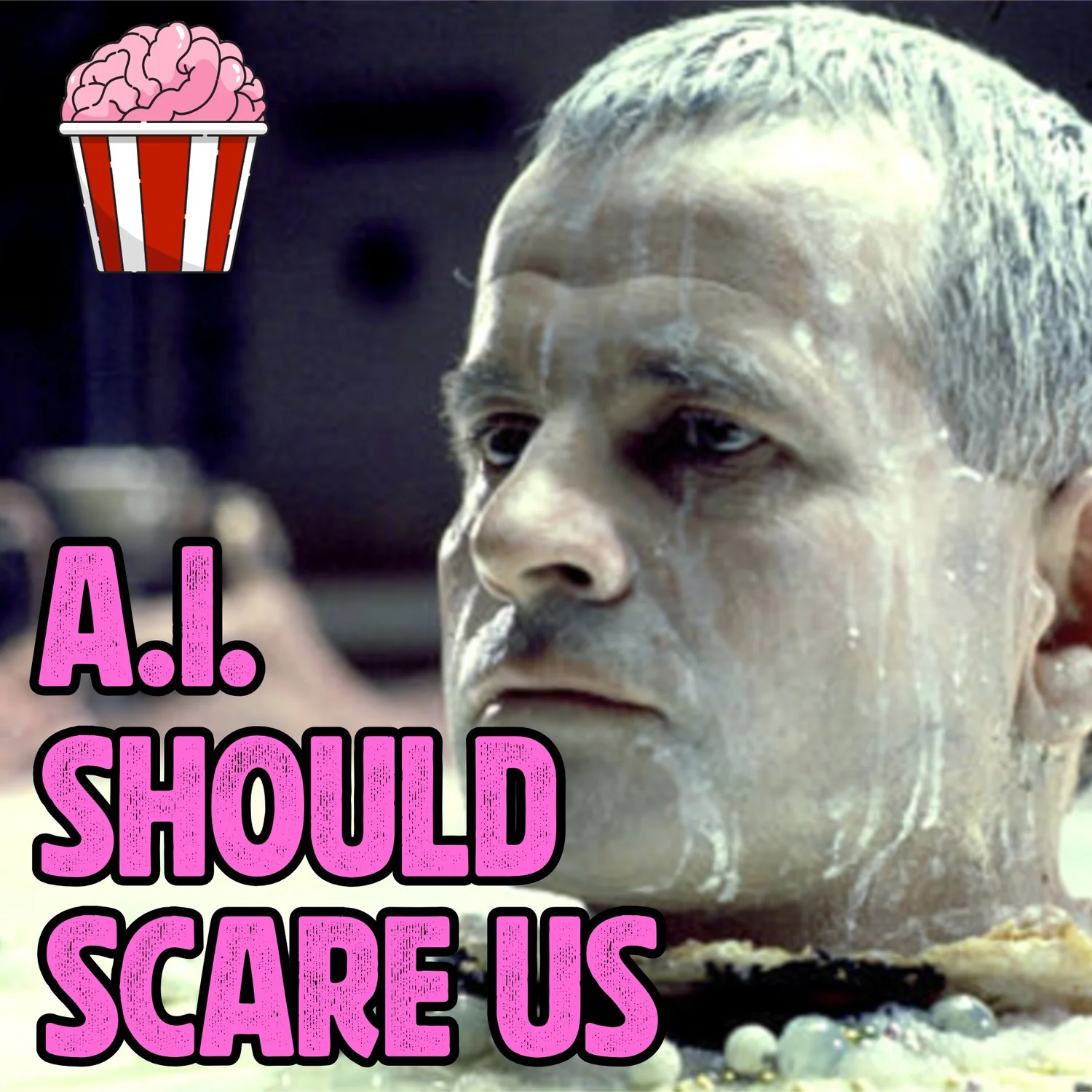
In this episode of Cinemental, we dive deep into the dangers of AI and its growing impact on mental health. From people forming emotional relationships with artificial intelligence to the subtle ways we’re giving up autonomy, the conversation explores how technology is reshaping our daily lives.
We also tackle the future of political discourse in an AI-driven world—what happens when algorithms start influencing not only what we watch and read, but also how we think, feel, and vote? Is AI helping us connect, or is it quietly rewriting the way humans understand themselves and each other?
Whether you’re curious about the psychology of human-AI relationships, the risks of overreliance on tech, or the broader implications for society and democracy, this episode brings together film analysis, mental health insights, and urgent cultural questions.
🔎 Topics we cover:
Why people are forming relationships with AI
The dangers of losing autonomy to machines
How AI could shape political and social discourse
The mental health effects of an AI-driven world
Best Alien Movie Ranked
Top 5 Androids of all time
If you care about mental health, film, and the future of technology, hit play and join the conversation.
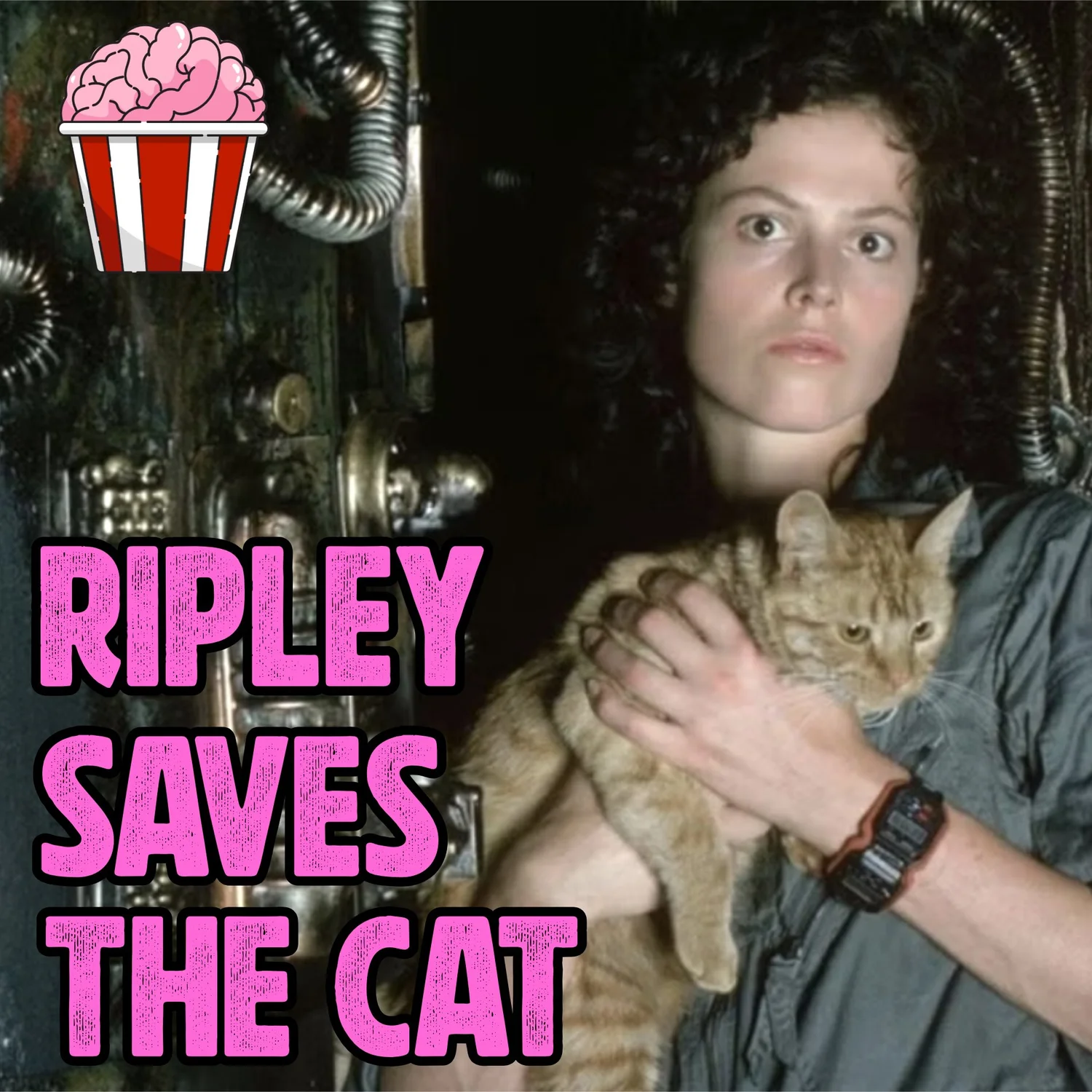
Why Alien is the ultimate sci-fi horror: corporate greed, fear, ethics in filmmaking, and screenwriting lessons for writing great science fiction.
In this episode of the Cinemental Podcast, we break down Ridley Scott’s Alien—from the dangers of corporate control and the psychology of fear, to whether it’s ethical to surprise actors on set. We also share tips on what makes great science fiction writing and why Ripley’s journey remains iconic.
We also debate the ethics of filmmaking—like whether it’s ever okay to surprise your actors for a “real” reaction—and break down what makes Alien a masterclass in writing great science fiction. From world-building and tension to Ripley’s iconic journey, this episode is packed with insights for fans of film, screenwriters, and anyone fascinated by the psychology of fear.
🎬 Whether you love horror, sci-fi, or just want to learn what makes Alien so timeless, this episode has something for you.
👉 Don’t forget to like, comment, and subscribe for more conversations at the crossroads of mental health, cinema, and storytelling.
#Alien #Cinemental #SciFi #Screenwriting #Horror
00:02:25 - Jeff's alternative summary of Alien
00:03:40 - Mental Health Topics we will cover
00:04:05 - True Summary of Alien
00:05:10 - Most iconic scene from Alien
00:06:13 - A little bit about Crohn's disease
00:08:06 - Everyone made bad decisions with eggs
00:09:12 - Is surprising actors on set OK?
00:13:30 - #Slates4Sarah
00:14:58 - Jeff won't watch a movie made before 1980 anymore
00:16:10 - The crew doesn't follow their own quarantine protocols
00:19:34 - Those who should be in charge, aren't
00:20:33 - Protections for Corporate Practices of Medicine
00:22:37 - Corporate Practice of Medicine
00:22:45 - Ripley's naivety standing up against corporation
00:25:20 - Write what you know and put it in space
00:25:47 - Ripley Returns in Aliens WHY?

Are Ed and Lorraine Warren real demonologists or just clever con artists? In this episode of Cinemental, we dive deep into The Conjuring and explore the controversial legacy of the Warrens. Known as the most famous paranormal investigators in modern history, Ed (a self-taught demonologist) and Lorraine (a clairvoyant) became the faces behind some of the most chilling “true story” horror films ever made. But were they uncovering real supernatural activity—or selling a carefully crafted myth?
We break down their methods, their role in the rise of The Conjuring universe, and why audiences remain fascinated by their blend of faith, folklore, and fear. Along the way, we ask tough questions about belief vs. skepticism, what makes a horror franchise successful, and why people are drawn to stories about hauntings, possession, and the unknown.
🎬 Topics we cover in this episode:
The true story behind The Conjuring and the Warrens’ investigations
How Ed & Lorraine built their reputation as self-taught demonologists
The debate: con men, believers, or something in between?
Why The Conjuring became one of the most successful horror franchises ever
Mental health, faith, and fear in the movies we love
If you’re into horror films, paranormal investigations, or the psychology of why we believe in the supernatural, this episode is for you.
👉 Don’t forget to like, subscribe, and join the conversation: Were the Warrens authentic paranormal experts—or brilliant storytellers pulling off the ultimate haunting?
#TheConjuring #EdAndLorraineWarren #HorrorMovies #Demonology #CinementalPodcast #MentalHealthAndMovies
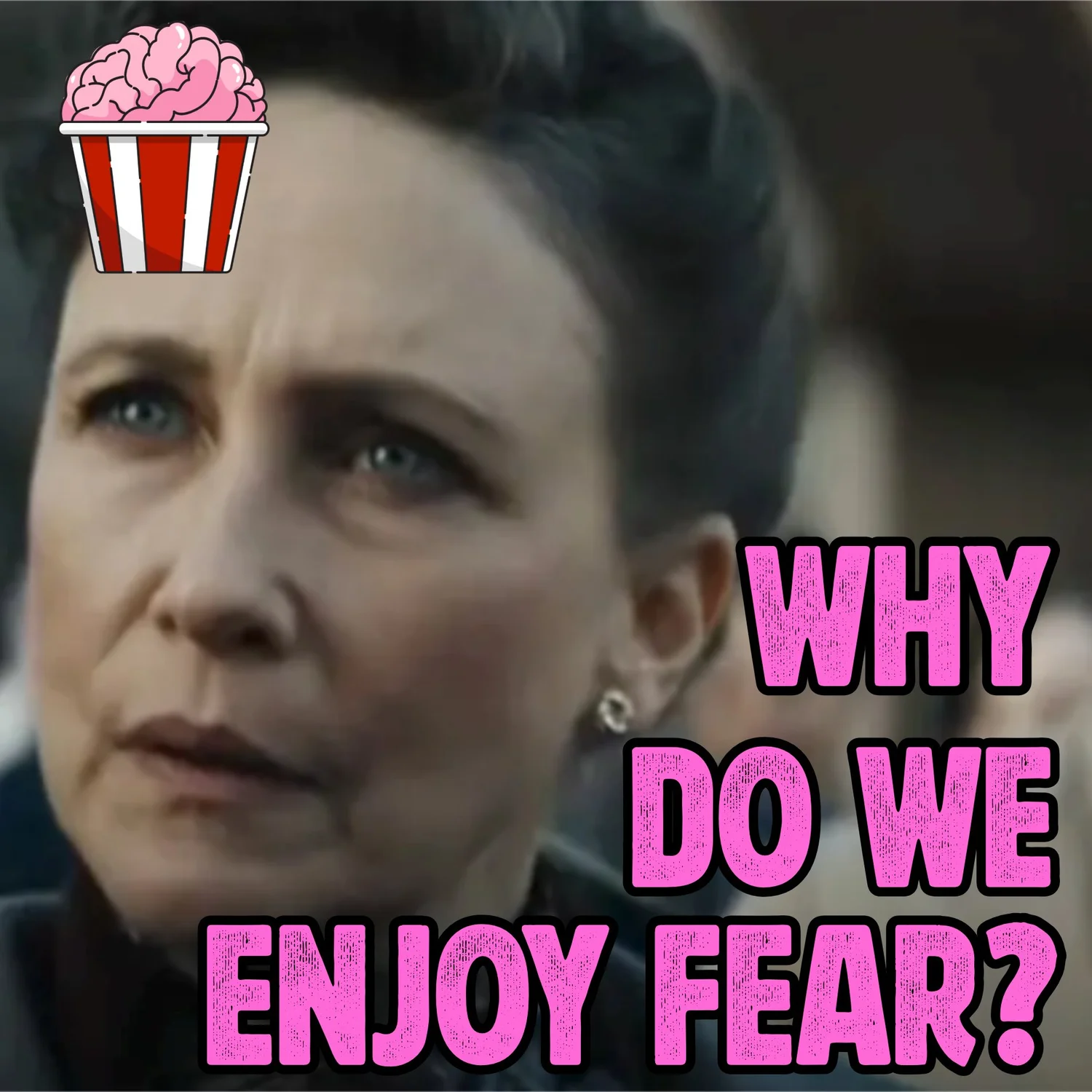
Why do we love to be scared?
In this episode of Cinemental, we step into the haunted world of The Conjuring series. We take a close look at Ed and Lorraine Warren, the controversial paranormal investigators at the heart of the films, and ask why their stories continue to fascinate audiences decades later.
We also dig into the psychology of fear — exploring why scary movies are so addictive, what they reveal about us, and how The Conjuring became one of the most successful horror franchises of all time. From jump scares to real-life hauntings, we unpack the mix of storytelling, marketing, and cultural timing that made these films resonate.
🎬 In this episode:
The legacy of Ed & Lorraine Warren
Why audiences love being scared
The craft behind The Conjuring’s success as a horror series
How real-life cases fuel box office hits
If you’re a horror fan or curious about the line between fact and fiction, this one’s for you.
#TheConjuring #EdLorraineWarren #HorrorMovies #CinementalPodcast #ScaryMovies #FilmAnalysis #Haunted

Was Rad the best sports movie of the 80's? Probably not. But was it awesome? Yes it was. And it gives us a great opportunity to talk about thrill seeking behavior, professional athletes, and nature versus nurture. We're also joined by special guest Kurt Yaeger, who as well as being an accomplished writer and actor in Hollywood (Sons of Anarchy, Another Life, The Beanie Bubble) was a professional BMX rider, until he tragically lost his leg in a motorcycle accident.
I think the word tragically is superfluous there. No one is GLAD they lost their leg, but I digress.
Kurt shares with us his unique perspective as someone who's just wired a little different than the norm, and Josh tells him whether or not he's mentally healthy.
So join us for this episode of the Cinemental Podcast, where we discuss mental health issues from cinema and television.
3:30 Introducing Kurt Yaeger
4:45 The nostalgia of Rad
6:15 There were no Karen’s in the 80’s Corps are the bad guys
10:25 This was a TAME movie by today’s standards
12:35 Are Extreme Sports Athletes Healthy
14:45 Is our Friend Kurt Mentally healthy?
17:30 The Flow State
19:15 The Opposite of the Flow State
22:05 The Hardest Part of Sports is Other People
24:35 Hollywood is a Bunch of Crabs in a Bucket
27:05 Failure is the Only Option
30:15 Is Thrill Seeking Nature or Nurture
Follow Filmmaker Jeffrey Jones on Instagram @hugemanmissing
Follow Dr. Joshua Jones on BlueSky @usapsychiatrist
You can also email us at brothers@cinementalpodcast.com

Comments

Download from Google Play

Download from App Store
 United States