


 Claim Ownership
bauhaus faces
Subscribed: 3Played: 95
Subscribe

© Anja Guttenberger
Description
Meet the faces behind the vision!
With the help of Bauhaus experts and descendants, each episode tells the story of a new personality.
With Paul Klee, Max Bill, Gunta Stölzl, Lucia Moholy, Mies van der Rohe, Ise Gropius, Lucia Moholy, Anni & Josef Albers, Otti Berger & more ...
With the help of Bauhaus experts and descendants, each episode tells the story of a new personality.
With Paul Klee, Max Bill, Gunta Stölzl, Lucia Moholy, Mies van der Rohe, Ise Gropius, Lucia Moholy, Anni & Josef Albers, Otti Berger & more ...
30 Episodes
Reverse

BONUS EPISODE – FRANCAIS
Deuxième épisode bonus de bauhaus faces — et une conversation résolument multilingue !
Autour de la peintre et photographe Florence Henri, j’échange avec Giovanni Battista Martini, Paola Rosina et Roberto Lacarbonara dans un dialogue mêlant français et anglais, fidèle à l’esprit du Bauhaus et au croisement des cultures.
Il existe également un épisode principal entièrement en anglais, ainsi qu’un premier bonus en anglais dans lequel les trois invités présentent et analysent chacun leur photographie préférée de Florence Henri.
Un triptyque d’épisodes pour explorer en profondeur l’œuvre et l’héritage de Florence Henri — entre langues, perspectives et regards passionnés.

In this very short episode, Giovanni Battista Martini, head of the Florence Henri Archive in Genoa, and the Italian art historians Paola Rosina and Roberto Lacarbonara will describe their favourite photo by Florence Henri in more detail for you. Please look out for the images on your smartphone or tablet while listening. As always, I added the photos to the chapters.
🎧 Listen on bauhausfaces.com or on all major podcast platforms!
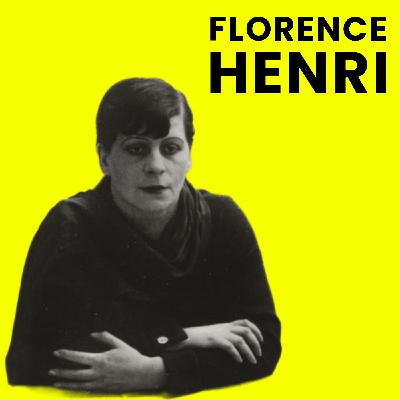
In our first episode of 2026, we turn the spotlight on Florence Henri. Drawn to the Bauhaus less by its curriculum than by its people, Henri discovered photography through Lucia Moholy and never looked back. What began as an experiment became a radical reinvention: mirrors, props, fractured spaces — images that redefined modern photography. Henri stayed fiercely artistic, while mentoring a generation of women who would go on to shape the medium themselves: Dora Maar, Lisette Model, Gisèle Freund, Ilse Bing, and more.
In this episode I was joined by the head of the Florence Henri Archive Giovanni Battista Martini, art historian Paola Rosina, and curator Roberto Lacarbonara — in a truly Bauhaus-style multilingual conversation, recorded in Switzerland and brought to you in English. And there’s more to come: bonus episodes with deep dives into Henri’s most iconic photographs, and the full original interview in French/English.
🎧 Listen on bauhausfaces.com or on all major podcast platforms!
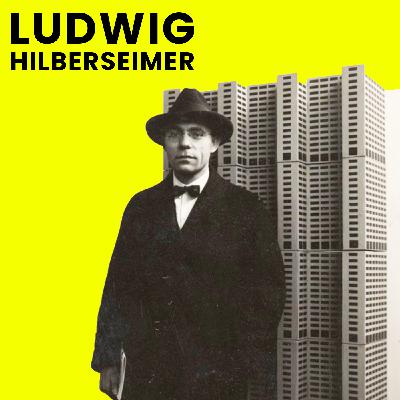
The last episode of 2025 is here! And it's about Ludwig Hilberseimer. Never heard of him? No problem! bauhaus faces will help you out.
Only few of the houses Hilberseimer planned were built. He was much more concerned about the bigger picture: How does the modern city, especially the metropolis, need to be organized to meet people's needs? His futuristic-looking draft of a Highrise City from 1924 with floating bridge pavements high above the streets, skyscrapers as apartment buildings, and a plant-less, sterile surrounding was certainly a real shocker. A "necropolis" rather than a metropolis. That high-rise apartment buildings would soon become reality, only a few of his contemporaries of the 1920s believed.
With the help of the architectural historians Ute Poerschke and Kevin Harrington we will shine a light on Ludwig Hilberseimer.
🎧 Listen on bauhausfaces.com or on all major podcast platforms!
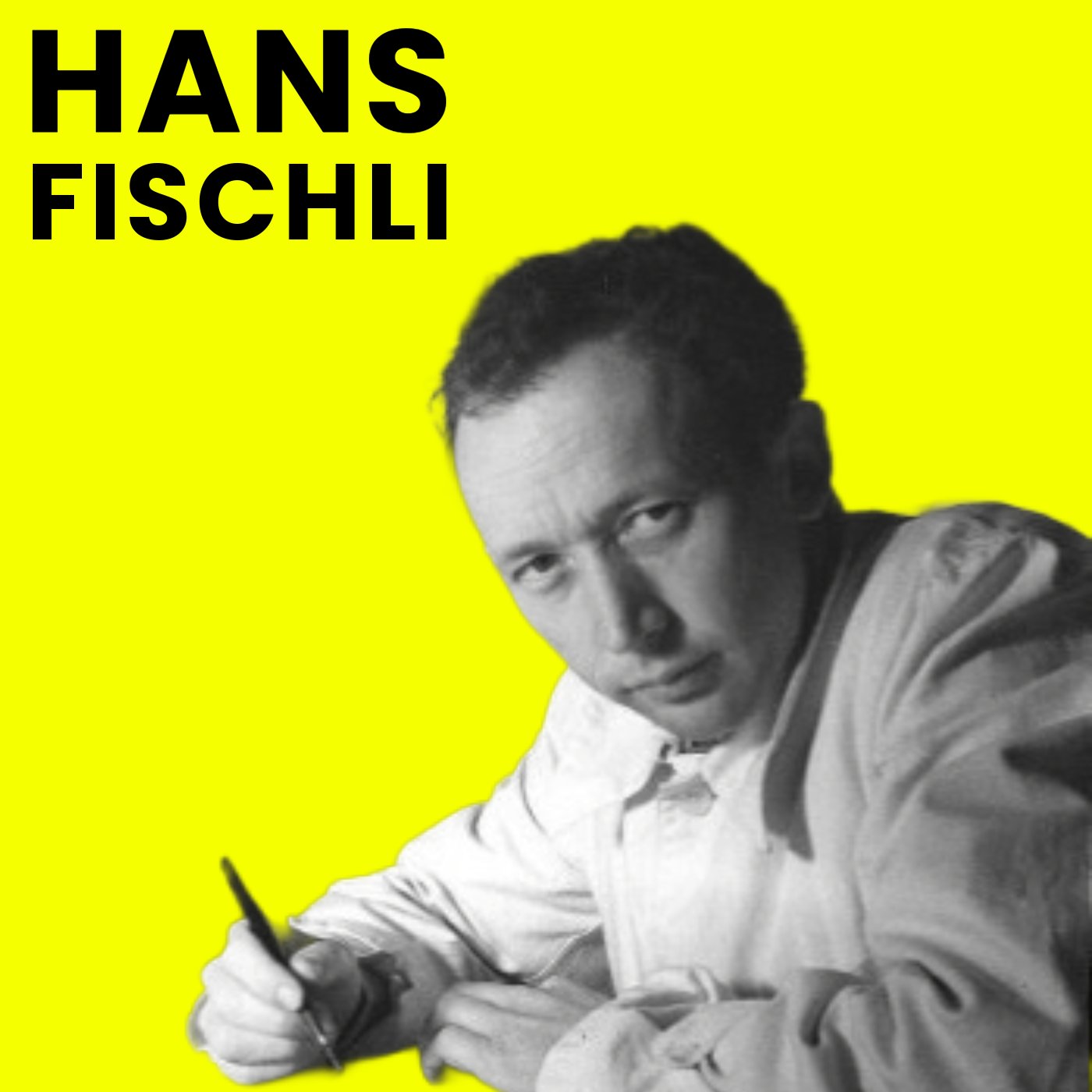
In this new episode of bauhaus faces, we dive into the life and work of Hans Fischli. Often overlooked in broader Bauhaus stories, Fischli worked across architecture, painting, sculpture, and teaching—leaving a mark that’s still felt today.
To get a sense of his impact, I spoke with the people who knew him best: his son, the artist Peter Fischli, his grandson, curator Fredi Fischli, who is currently preparing an exhibition on Hans Fischli at Zentrum Paul Klee in Berne, and his granddaughter, the artist Gina Fischli. Together, they share personal stories and reflections on their (grand-)father’s architectural and artistic work.
🎧 Listen on bauhausfaces.com or on all major podcast platforms!

In the latest episode of “bauhaus faces,” we dive into the remarkable story of another iconic Bauhaus couple: Anni and Josef Albers. Their lives and legacies are deeply intertwined— from their first meeting in 1922 in Weimar to their lasting impact on art, design, and education in the US.
Anni, who would later shortly lead the weaving workshop at the Bauhaus and then at Black Mountain College, and Josef, a visionary "young master" of the preliminary course, fled Nazi persecution in 1933. In the U.S., they helped shape the Black Mountain College and continued to innovate—Anni in textiles and jewelry, Josef in teaching and painting. Inspired by their travels to Mexico and their love for geometric forms, their art resonates to this day.
Join me and Brenda Danilowitz, Chief Curator of The Josef & Anni Albers Foundation, as we explore the incredible journey of this Bauhaus power couple.

She was more than a textile designer— Léna Meyer-Bergner was a force for education and for social change. While her husband, Hannes Meyer, is often remembered as the Bauhaus’ second director, Lena’s groundbreaking work in design, pedagogy, and social transformation is finally stepping into the spotlight.
In this episode, I sat down with two leading art historians – Sandra Neugärtner and Viridiana Zavala – to explore the unknown story of Léna Meyer-Bergner. From her studies at the Bauhaus to her visionary approach to modernism in the Soviet Union and on to her graphic talent in exile in Mexico, we explore how her work evolved.
🎧 Listen now and discover why Léna Meyer-Bergner deserves a place at the center of Bauhaus history.
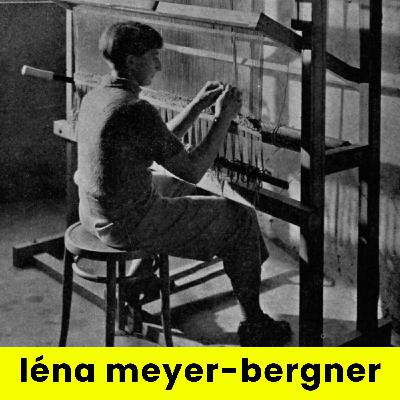
Léna Meyer-Bergner fue más que una diseñadora textil: Léna Meyer-Bergner fue una fuerza impulsora de la educación y el cambio social. Aunque su esposo, Hannes Meyer, segundo director de la Bauhaus, es muy conocido, el trabajo pionero de Lena en el diseño, la pedagogía y la transformación social está finalmente saliendo a la luz.
En este episodio, me senté con la historiadora de arte mexicana Viridiana Zavala para explorar la desconocida historia de Léna Meyer-Bergner: desde sus estudios en la Bauhaus hasta su enfoque visionario del modernismo en la Unión Soviética y su talento gráfico en el exilio en México, exploramos cómo evolucionó su obra.
🎧 Escucha ahora y descubre por qué Léna Meyer-Bergner merece un lugar en el centro de la historia de la Bauhaus.
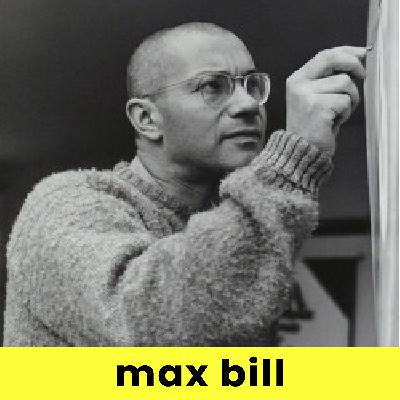
"Bill always said that he also went to the Bauhaus to find clarity. And that is a process. You don't just have clarity, you have to earn it." (Angela Thomas)
For this brand-new episode, I travelled to Zumikon to visit Angela Thomas and Erich Schmid in their house - the Bill Haus. This house, which looks somehow unremarkable from the outside but is amazingly light, open, and welcoming and on the inside, was built by the Swiss architect and designer Max Bill in 1967–68. His second wife and widow, Angela Thomas, lives there today with her husband, the filmmaker Erich Schmid, who made a film about Bill entitled “Max Bill – Das absolute Augenmaß/The master's vision”.
Max Bill established himself in art history as the architect and first director of the Hochschule für Gestaltung in Ulm, also known as HfG Ulm or Ulm School of Design. And that is exactly the reason why I also interviewed the head of the HfG Ulm archive, Martin Mäntele, regarding all questions around the official successor of the Bauhaus. Because that is what Bill intended to do in Ulm – to continue the Bauhaus as if it had never been closed in 1933. And he had Walter Gropius’s blessing, too, and the financial support by the Americans.
LOOK OUT FOR 2 BONUS EPISODES with the original Interviews that will be published in the next 2 weeks!

In this bonus episode you will hear the original interview with Martin Mäntele, head of the HfG Ulm Archive, and bauhaus faces.
Discover how Max Bill played a central role in the founding and first years of the HfG Ulm, the Ulm School of Design – and how it evolved without him. And join us as we discuss the design icons of the HfG: the Ulm stool, the Braun radio ‘Snow White's Coffin’ and the stackable TC 100 tableware. And so much more ...
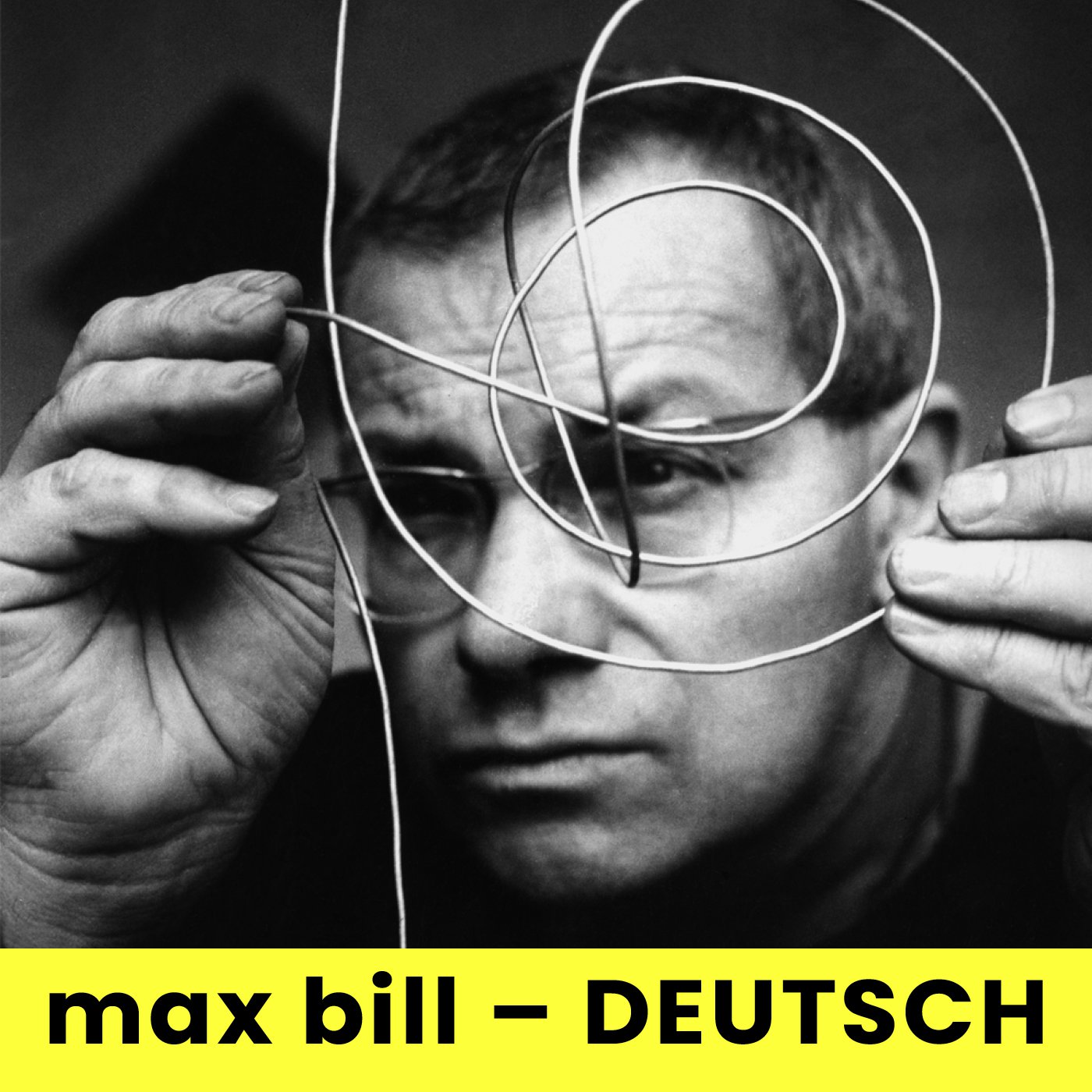
In dieser Bonusfolge mit Angela Thomas (Kunsthistorikerin und Bill-Wittwe) und Erich Schmid (Journalist und Filmemacher) tauchen wir ein in das faszinierende Leben von Max Bill – einem der prägendsten Köpfe der Konkreten Kunst und Mitbegründer der HfG Ulm. Und das Ganze ausnahmsweise auf Deutsch!
Jetzt reinhören in 1h50 voller spannender Insights, Anekdoten und Bonusmaterial, das es nicht in die englische Folge geschafft hat!
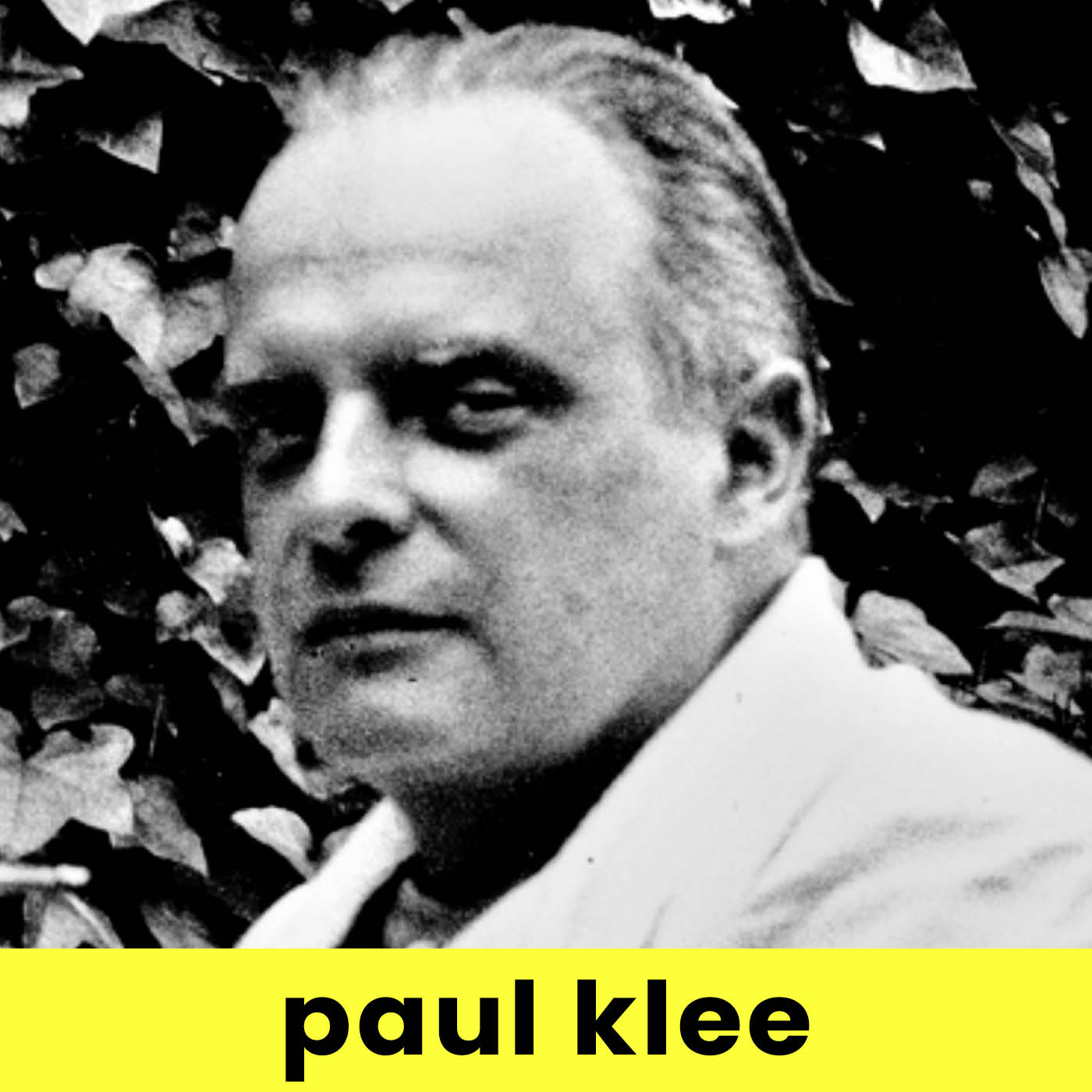
Did you know that in his final year alone, Klee created 1,253 works? A cornerstone of Bauhaus art, Klee’s influence is undeniable, but his story begins much earlier. From aspiring musician following his family’s footsteps to the painter who “discovered color” in Tunisia, his artistic journey is nothing short of remarkable. His tenure at the then-young Bauhaus alongside legends like Wassily Kandinsky helped shape generations of artists, despite the challenges of balancing teaching and creating.
This episode offers an exclusive insider look into the man behind the art, his teaching legacy, and why understanding Klee’s story changes how we see his work today. Don’t miss this deep dive into one of the Bauhaus movement’s brightest stars.
Hit play now and subscribe for more stories that bring art history to life!
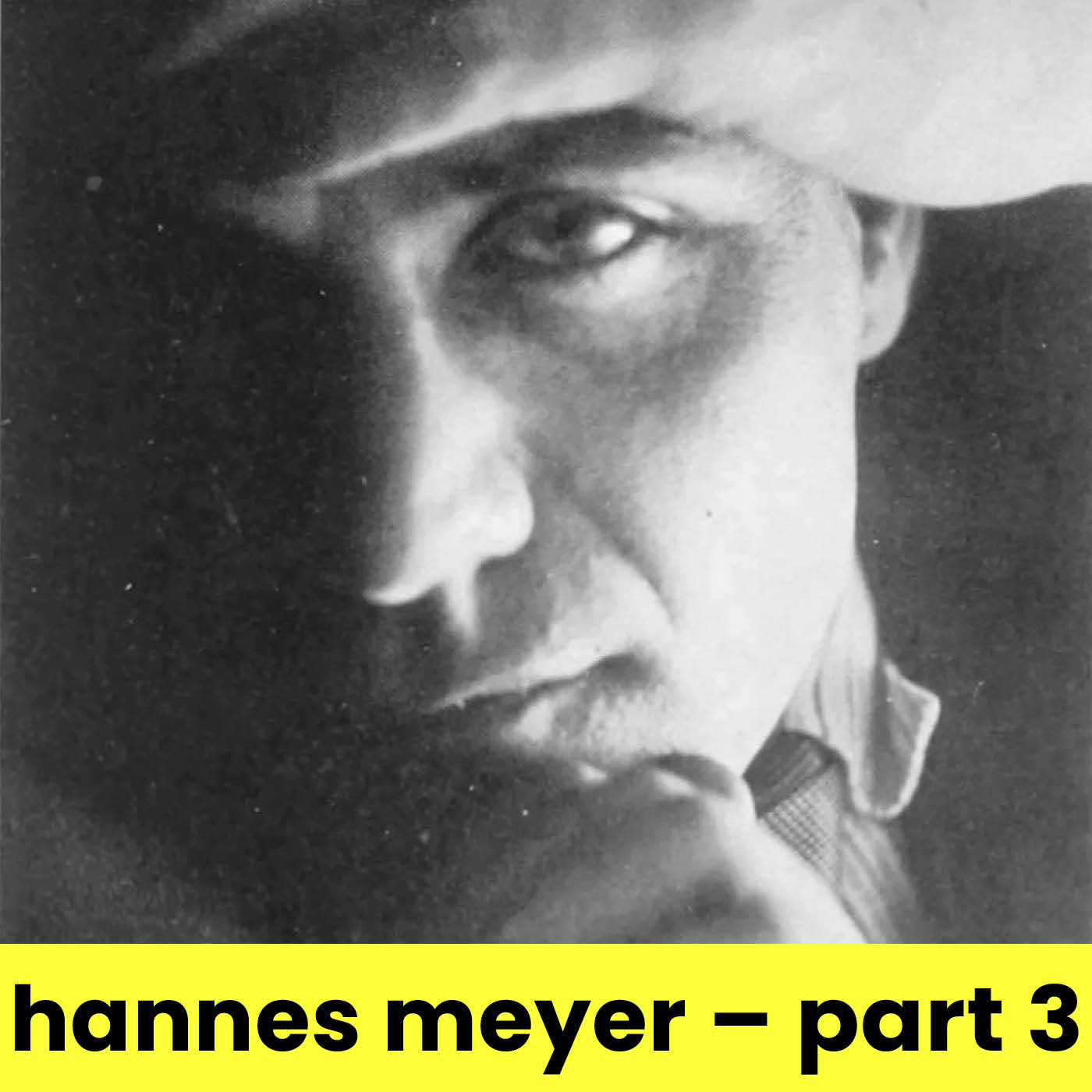
We have ended part 2 with Hannes Meyer leaving the Soviet Union to go and help build a socialist republic in Spain which was interrupted by the Franco coup and left Meyer in limbo in his home country, Switzerland. Here, he married Lena Bergner in 1937 – they already had a daughter, Lilo, back then. In 1938 to 1939 Hannes Meyer built the orphanage Mümliswil, which I have discussed more extensively at the end of part 2.
In this new episode I have invited the Mexican art-historian Raquel Franklin to talk about Meyer’s next and last emigration to Mexico between 1938 and 1949, about which she wrote her PhD thesis. What were his goals and opportunities? Was Meyer really a spy for the Soviets? What was the Black book of Nazi terror and Meyer’s role in it? And why did he leave Mexico, too, ending up again in Switzerland and not in another socialist country like the GDR?
As in parts 1 and 2 I will bring in former Berlin Senator for Culture Thomas Flierl to share his research results and expertise, too.
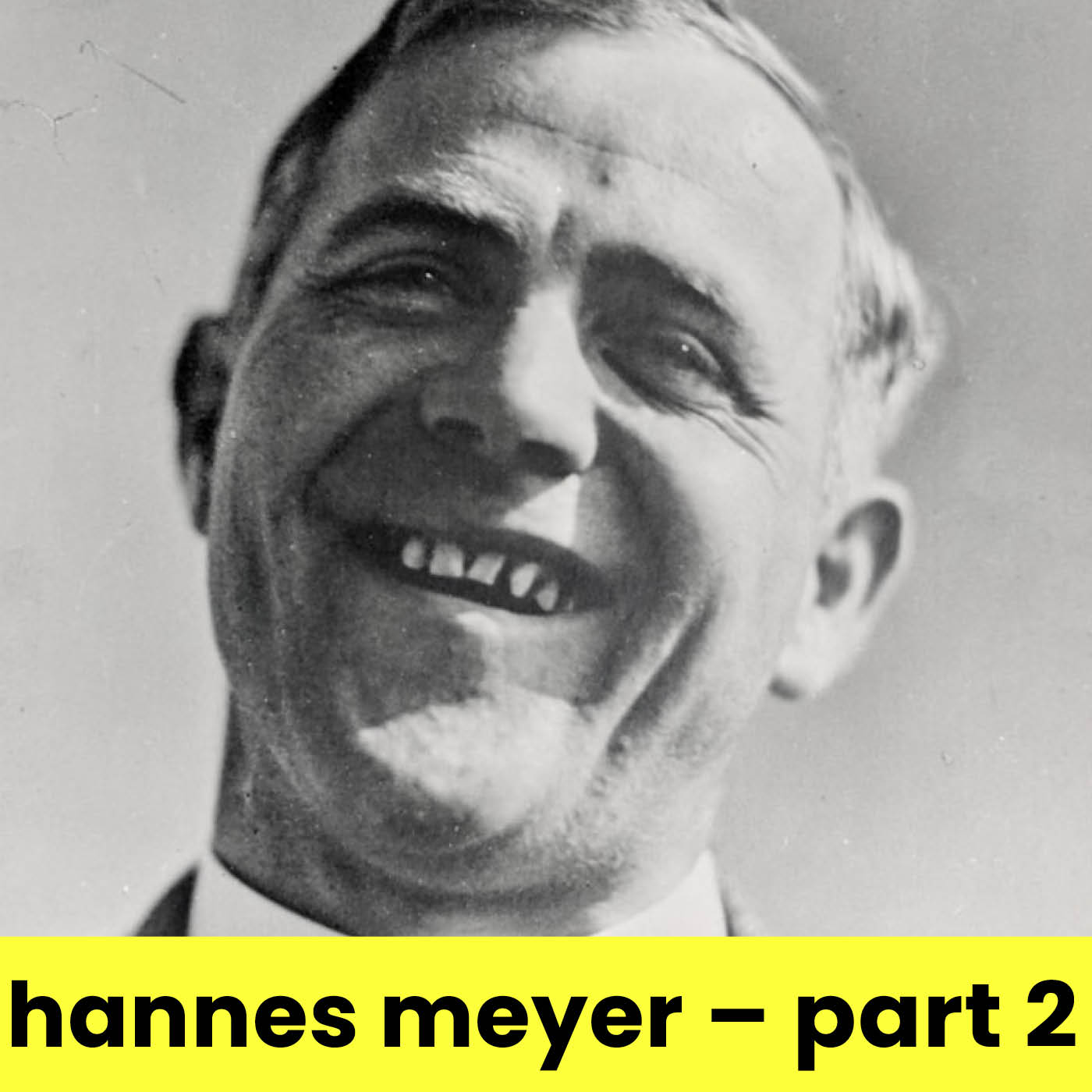
In August 1930, Hannes Meyer was dismissed from the Bauhaus amid rising communist activism and his inability to control it. A 1931 caricature by Adolf Hofmeister humorously captures Meyer clutching the hammer and sickle, symbolizing his unwavering commitment to socialism. Despite his departure, Meyer’s Bauhaus legacy endures in photographs and memories, but his true passion was always for the revolutionary proletariat cause.
Shortly after leaving Germany, Meyer declared in a 1930 Pravda interview his conviction that architecture must serve socialism, prompting his move to the Soviet Union. There, from 1930 to 1936, he immersed himself in numerous projects that embodied his vision of a socialist culture in the making—a period so rich it inspired an entire book by Tatiana Efrussi. In this episode, she will talk about her research results.
This episode of _bauhaus faces_ explores Meyer’s Soviet years and his subsequent attempt to support the socialist revolution in Spain. But Meyer’s story doesn’t end there. In the final part, Mexican art historian Raquel Franklin will reveal his later work in Mexico and his final years in Switzerland. Join us as we continue to unravel the complex life and enduring impact of one of the Bauhaus’s most politically charged figures.
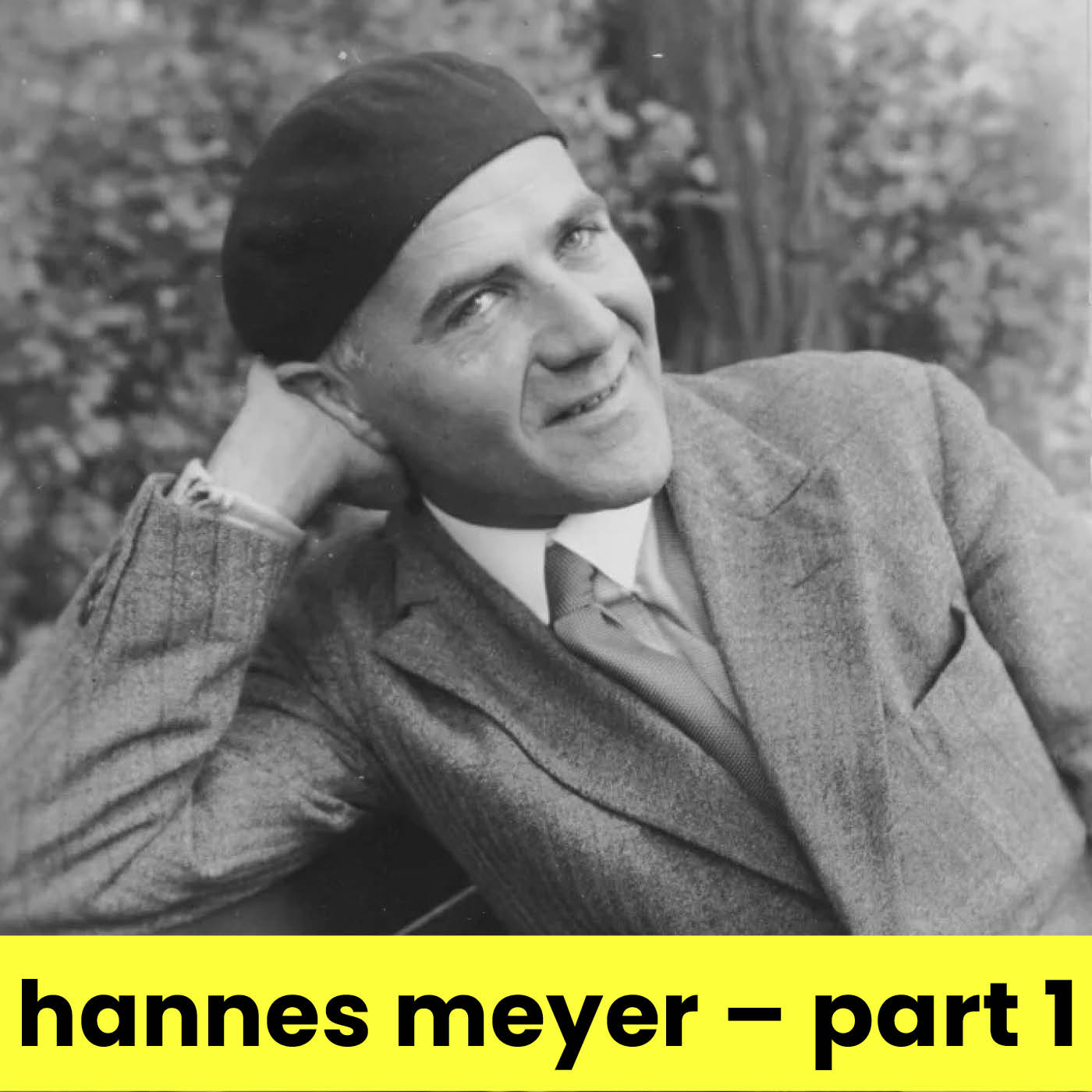
In this new episode of “bauhaus faces” we talk about Hannes Meyer, the second Bauhaus director.
PART 1 concentrates on Hannes Meyer’s formative years and his involvement in cooperativism and collectivism, his first steps as architect and artist, and then on to his pivotal role at the Bauhaus in Dessau. What was new when he became second director of the Bauhaus? And why did he have to leave the Bauhaus all at once after two successful years?
The US-American art-historian Dara Kiese, who wrote her PhD thesis about Hannes Meyer’s holistic education at the Bauhaus, and former Senator for Culture in Berlin and art-historian Thomas Flierl help tell the story of Hannes Meyer in this 1st part.
The Meyer era of the Bauhaus ended in summer of 1930 when he is dismissed by the Dessau magistrate in absence from the school. The political tensions between the far left and the far right now became palpable. A communist cell had emerged at the Bauhaus, for which Meyer was blamed responsible. His peak in Germany was now beginning to decline and Meyer decided that it was time to try and establish himself in the Soviet Union – in a country from which he expected freedom of thought and a fulfilment of his architectural visions. Little did he know …
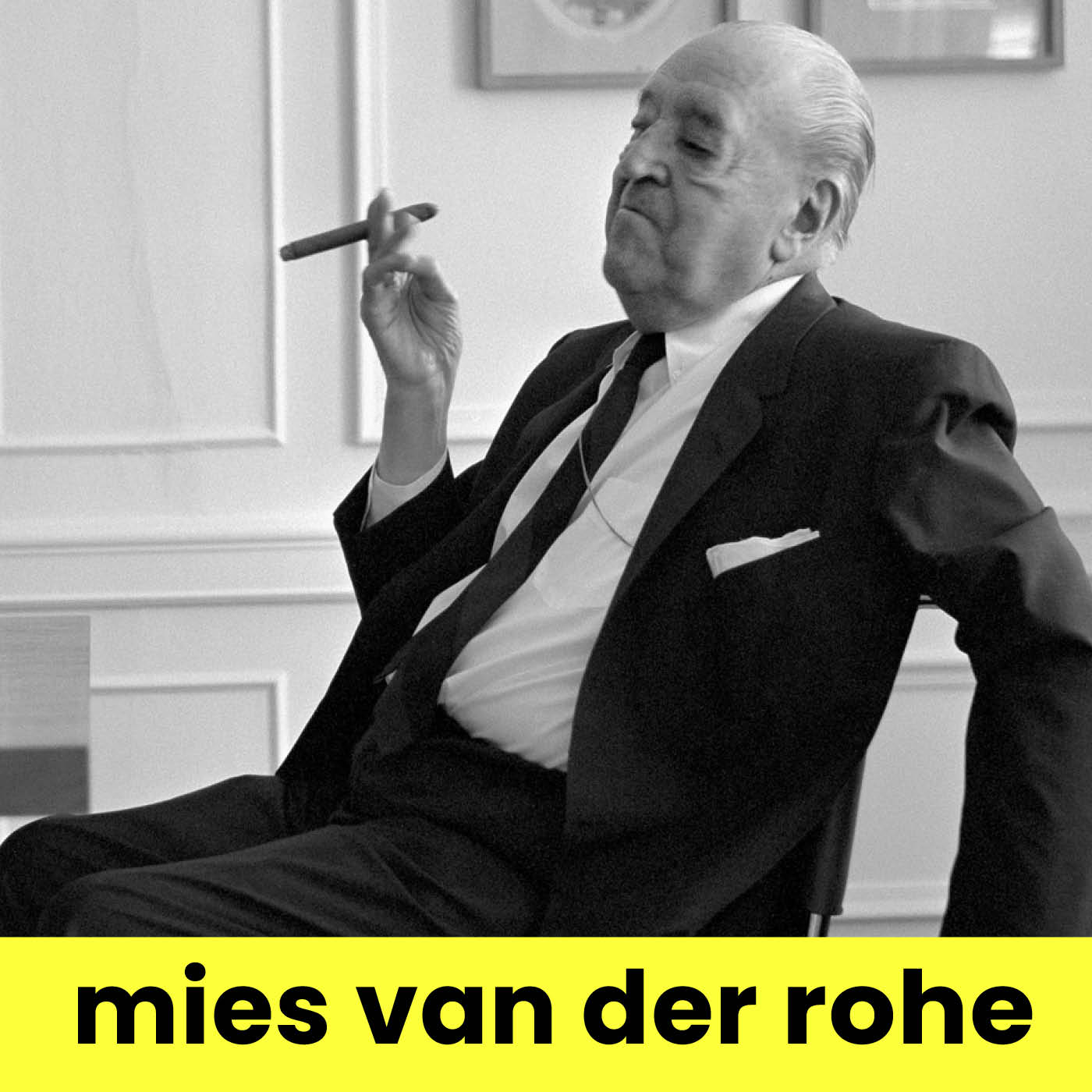
This is PART 2 of the Podcast episode about Ludwig Mies van der Rohe. It puts a magnifying glass over a specific period of time in Mies’s life: his commissions for the Nazis after the Bauhaus had closed in July 1933 and his final emigration to the US in 1938.
For this episode, the art-historian Aya Soika shares her expertise. She published a book about this time of Mies’s life with the title „Mies van der Rohe in the Third Reich. The Brussels Project, 1934" (link in the show notes). Aya Soika doesn’t denounce Mies van der Rohe for his commissions for the Nazis but emphasizes the circumstances in which Mies found himself as a modern architect and as a person that didn’t necessarily want to leave his home. But she also underlines his naivety in thinking that as an architect he could be apolitical.
Although Mies never won the competition and the pavilion was never even built due to a financial lack of Nazi Germany to come up with enough foreign currency, this project – and some others – that Mies van der Rohe accepted to plan for the Nazis, those projects were, of course, hotly disputed by architecture historians. And what did Mies himself say about this after the end of the Second World War? Well, that’s what you will find out in the 2nd part of my podcast about Ludwig Mies van der Rohe.
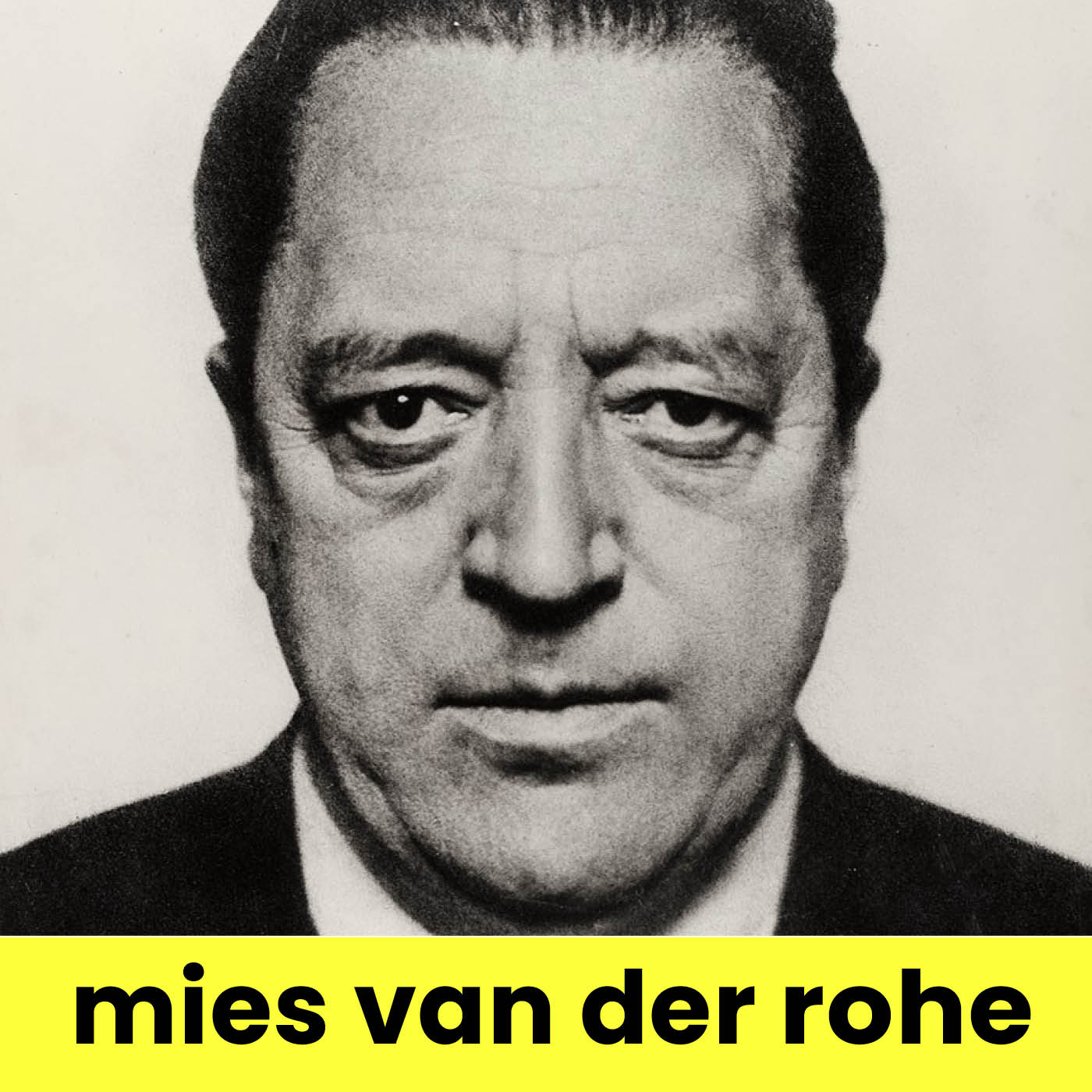
Ludwig Mies van der Rohe (1886–1969) was a pioneering modernist architect. Born in Aachen, he started as a bricklayer before moving to Berlin, where he worked for Bruno Paul and Peter Behrens. His first major commission, the Riehl House (1907), showed early signs of modernism. In 1921, he changed his name, marking his shift to modern architecture while maintaining classical influences.
As vice president of the German Werkbund, he led the "Die Wohnung" exhibition (1927), cementing his reputation. In 1930, he became Bauhaus director, striving to protect it from Nazi repression. After the school closed in 1933, Mies attempted to continue working in Germany, even accepting Nazi commissions, a decision he later had to justify.
In 1938, he emigrated to the U.S., becoming director of the Armour Institute (later IIT) in Chicago. There, he designed iconic buildings like the Farnsworth House and the Seagram Building, defining modernist architecture, only returning once to Germany to design the Neue Nationalgalerie in Berlin in the 1960s.
For the first part of the Mies podcast, I invited Wita Noack, as head of the Mies van der Rohe Haus in Berlin a true expert about House Lemke where the institution is situated, and Fritz Neumeyer, THE Mies expert in Germany, who published several books about Mies van der Rohe and his work during the past 40 years.
This episode has been supported by The Mies van der Rohe house.
In der ersten Bonusfolge zum eigentlichen Podcast über Ludwig Mies van der Rohe spricht Wita Noack, seit über 30 Jahren Leiterin des Mies van der Rohe Hauses in Berlin mit Sitz im ehemaligen Haus Lemke. Diese Folge enthält Zusatzmaterial, das im englischen Podcast nicht enthalten.
In der zweiten Bonusfolge zum eigentlichen Podcast über Ludwig Mies van der Rohe spricht Fritz Neumeyer, promovierter Architekt und Mies-Forscher. Diese Folge enthält Zusatzmaterial, das im englischen Podcast nicht enthalten ist.

This episode is dedicated to a Japanese couple who went all the way to Germany to study at the Bauhaus in Dessau: Iwao and Michiko Yamawaki. When they met each other in 1928 Iwao Fujita had already studied architecture in Tokyo and was also actively involved in the theatre. Michiko came from a very wealthy family and was a culturally educated young woman of 18 years. By marrying into the Yamawaki family Iwao profited from their wealth. He happily took on Michiko’s family name in exchange for a World trip with that one final destination: the Bauhaus in Dessau.
In July of 1930 the Yamawakis left Japan, stayed for some time in New York and then went on to Berlin and Dessau. After the preliminary course Michiko decided – due to her interest in fashion – to go into the weaving workshop. Iwao, though an already formed architect, chose to continue in the photo class. He developed a special interest in photo montages. One of them entitled „The attack on the Bauhaus“ became the visual epitome of the forced closure of the Bauhaus by the Nazis and is today often used as an illustration of that dark last period of the Bauhaus. These two years at the Bauhaus shaped the future of the Yamawakis sustainably. Upon returning to Japan in 1932, they became pivotal figures in introducing Bauhaus principles to their home country. They brought back a vast collection of Bauhaus objects, books, and furniture, creating a Bauhaus-inspired ambiance in their Tokyo home. And they both taught at art schools using the Bauhaus principles of Josef Albers’ Vorkurs.
On this episode not one but two great researchers help me tell the story of Michiko and Iwao Yamawaki: Helena Čapková and Mariko Takagi.
And a special shout-out to Anika Takagi who allowed me to use her wonderful illustrations of the Yamawakis.

Comments

Download from Google Play

Download from App Store
 United States