


 Claim Ownership
WHY DESIGN?
Subscribed: 1Played: 14
Subscribe

© Chris Whyte | Kodu
Description
Why Design is a podcast exploring the stories behind hardware and physical product development. Hosted by Chris Whyte, founder of Kodu, the show dives into the journeys of founders, senior design leaders, and engineers shaping people and planet-friendly products.
Formerly "The Design Journeys Podcast", each episode uncovers pivotal career moments, lessons learned, and behind-the-scenes insights from industry experts. Whether you’re a designer, engineer, or simply curious about how great hardware products come to life, Why Design offers real stories, actionable advice, and inspiration for anyone passionate about design and innovation.
Join us as we listen, learn, and connect through the stories that define the world of physical product development.
Formerly "The Design Journeys Podcast", each episode uncovers pivotal career moments, lessons learned, and behind-the-scenes insights from industry experts. Whether you’re a designer, engineer, or simply curious about how great hardware products come to life, Why Design offers real stories, actionable advice, and inspiration for anyone passionate about design and innovation.
Join us as we listen, learn, and connect through the stories that define the world of physical product development.
61 Episodes
Reverse
What does it take to walk into a deep tech startup as the only industrial designer... Earn the trust of thirty engineers, and... Build a design identity so thoroughly baked into the product that no one can ever cost-optimise it out? In this episode of Why Design, Dan Salisbury shares the belief that sits at the heart of his work: that design isn't a layer you apply at the end, it's the structure you build from the inside, or it's nothing at all. Rather than staying in consultancy, Dan chose to go in-house at Automata with no design team, no established language, and no precedent for what industrial design should mean in a lab automation company. That decision led to three years of proof. This conversation isn't about having the right portfolio. It's about having the conviction to demonstrate value when no one has thought to ask for it. It's about the specific decisions, a shade of pink, a custom extrusion, a studio photography budget, that turn a product into a statement. This time we go beyond the fancy gadgets Join the Why Design community → teamkodu.com/whydesign What You'll Learn Why industrial design in deep tech isn't about aesthetics, it's about trust, proof, and permanence How Dan survived almost failing probation by doubling down on his actual strengths instead of copying others What presenting to Dieter Rams at 25 taught him about confidence, preparation, and the value of being in the room Why form following function is a design philosophy and a strategy for making your work impossible to remove How to build a design language when your manufacturing constraints are brutal and your volumes are low What a properly considered product launch looks like, and why most B2B companies never bother to try Memorable Quotes "Any advice I'd give to anyone is just: stick to your strengths. Don't try and be like other designers because everyone's different in how they approach problems." "The felt, tip fairy thing, I've heard it more times than I can count. And the answer is always the same: show them. Don't explain. Show them." "I built the design identity into the extrusion itself. The horizontal lines, the light gap, they're functional. You can't remove them without removing the product." "The job advert said 'industrial design' in the title. It talked about the impact. I applied within about five minutes of reading it." "The V2 launch was the proudest moment of my career. I sat there surrounded by studio shots and render posters and I thought, yeah. That's it. That's what this was for." Resources & Links 🎧 Listen on Spotify, Apple Podcasts, YouTube & Amazon → whydesign.club 👥 Join the Why Design community → teamkodu.com/whydesign 📸 Follow @whydesignxkodu on Instagram 🎥 Watch full episodes → www.youtube.com/@whydesignpod 🔗 Follow Chris Whyte → linkedin.com/in/mrchriswhyte 🔗 Explore Automata → automata.tech 🔗 Connect with Dan on LinkedIn → Dan Salisbury About the Episode Why Design is powered by Kodu, a specialist recruitment partner for the hardware and physical product development industry. Through honest conversations with designers, engineers, and creative leaders, we explore not just what they build, but why they build it; the beliefs, decisions and responsibility behind meaningful work. About Kodu Kodu is a specialist recruitment partner dedicated to physical product development. We connect hardware brands and design consultancies with the very best design and engineering talent, from Industrial Designers and Mechanical Engineers to senior leaders across Product, Technology, and Design. Our clients range from well-funded start-ups and scale-ups under investor pressure to deliver, through to mature enterprises building new innovation teams. They often face the same challenges: scaling beyond generalists, attracting talent without a recognised employer brand, or struggling with slow, inconsistent hiring processes. We solve these hiring problems with a proven 7-stage recruitment framework, a proprietary hardware network, and storytelling that builds trust with candidates. This results in a faster, smoother, and more engaging hiring experience. Kodu consistently delivers results that exceed expectations, with an average time-to-offer of 6 weeks, 97% retention after 12 months, and an all-time NPS of +91 (versus the recruitment industry average of +30). We act as trusted partners, helping hardware innovators hire better, scale faster, and bring groundbreaking products to market. 🔗 Learn more - teamkodu.com
What if the most important fertility treatment of the last decade wasn’t invented in a clinic, but built from scratch, during a lockdown, by someone who had never worked in medicine? In this episode of Why Design, Tess Cosad shares the belief that sits at the heart of Béa Fertility: that compassionate, clinical-grade care should be available to everyone, not just those who can afford a private clinic, survive a two-year waiting list, or live near the right postcode. Rather than accepting the gap between DIY conception and IVF, Tess chose to fill it. That decision led her through 283 investor pitches, a chronic health condition brought on by founder stress, and a phone call from a user in her hospital bed, the day after emergency surgery, who said she wanted to try again. This conversation isn’t about fertility as a product category. It’s about design as access. Design as dignity. Design as a force that changes what’s possible for real people, in real pain, right now. Don’t just listen. Go beyond the podcast. In this episode we’ll learn Why intracervical insemination existed before IVF, and why it took a lockdown founder to bring it home How lived experience, not research studies, solved the product’s biggest usability problem in a single session Why compassion and levity aren’t soft brand choices, they’re clinical design decisions What 283 investor rejections reveal about structural bias in venture capital, and how to keep going anyway How Béa is building for the US market, and why it’s already outperforming revenue forecasts by nearly 100% Why the hardest part of scaling isn’t the product, it’s the loneliness, the letting go, and the coping mechanisms that actually work Memorable Quotes “I want to try again.” “You can’t do your entire career on level 10 difficulty and not come out of it better at your job.” “283 pitches to close 15. That’s the fundraising reality of femtech.” “She flipped the diagram. And that was it. One session.” “Make decisions fast”, the advice I ignored too long.” Resources & Links 🎧 Listen on Spotify, Apple Podcasts, YouTube & Amazon - whydesign.club 👥 Join the Why Design community - teamkodu.com/whydesign 📸 Follow @whydesignxkodu on Instagram & TikTok 📸 Follow @kodurecruitment on Instagram 🎥 Watch full episodes - YouTube 🔗 Follow Chris Whyte on LinkedIn - Mr Chris Whyte 🔗 Explore Béa Fertility - beafertility.com 🔗 Connect with Tess Cosad - tess@beafertility.com / LinkedIn About the Why Design Why Design is powered by Kodu, a specialist recruitment partner for the hardware and physical product development industry. Through honest conversations with designers, engineers and creative leaders, we explore not just what they build, but why they build it, the beliefs, decisions and responsibility behind meaningful work. About Kodu Kodu is a specialist recruitment partner dedicated to physical product development. We connect hardware brands and design consultancies with the very best design and engineering talent, from Industrial Designers and Mechanical Engineers to senior leaders across Product, Technology, and Design. Our clients range from well-funded start-ups and scale-ups under investor pressure to deliver, through to mature enterprises building new innovation teams. They often face the same challenges: scaling beyond generalists, attracting talent without a recognized employer brand, or struggling with slow, inconsistent hiring processes. We solve these hiring problems with a proven 7-stage recruitment framework, a proprietary hardware network, and storytelling that builds trust with candidates. This results in a faster, smoother, and more engaging hiring experience. Kodu consistently delivers results that exceed expectations, with an average time-to-offer of 6 weeks, 97% retention after 12 months, and an all-time NPS of +91 (versus the recruitment industry average of +30). We act as trusted partners, helping hardware innovators hire better, scale faster, and bring groundbreaking products to market. 🔗 Learn more - teamkodu.com
What connects a folding bicycle, a kitchen tool, and an electric ultralight aircraft? For Mark Sanders, the answer isn’t the category, it’s the thinking. In this episode of Why Design, Mark joins host Chris Whyte to reflect on a career that spans more than four decades of designing, engineering, and inventing across radically different industries. From his early work as a mechanical engineer at Rolls-Royce, to retraining at the Royal College of Art, to licensing over 100 commercialised products, Mark’s work is united by a clear philosophy: elegance through simplicity. This is a conversation about reducing part count, designing for manufacture, and understanding why the earliest design decisions matter more than almost anything that follows. Mark shares lessons from licensing the Strida folding bike, working with manufacturers, and inventing products where cost, reliability, and accessibility truly matter. It’s not a conversation about trends or scale. It’s about invention as a craft, and design as responsibility. Don’t just listen. Go beyond the podcast. Join the Why Design community → teamkodu.com/events 💡 What You’ll Learn ⚙️ Why radically different products often share the same design principles 🧠 How simplicity creates elegance across engineering and design 🔩 Why reducing part count improves reliability, cost, and longevity 🚲 Lessons from designing and licensing the Strida folding bike ✈️ What designing electric ultralight aircraft teaches about safety and systems thinking 🧪 Why concept design decisions shape everything downstream 💬 Memorable Quotes “Concept design is everything. If you get that wrong, you’re fixing it forever downstream.” “Good design isn’t about adding features. It’s about fewer parts doing more work.” “Elegance means something to engineers and designers, and that’s why it matters.” “If you only design for the elite, you’re not designing for people.” “Invention isn’t a career for security. It’s a career for curiosity.” 🔗 Resources & Links 🎧 Listen on Spotify, Apple Podcasts, YouTube & Amazon → whydesign.club 👥 Join the Why Design community → teamkodu.com/events 🌐 Explore Mark Sanders’ work → https://www.mas-design.com 🔗 Follow Mark Sanders on LinkedIn → https://www.linkedin.com/in/mark77a/ 📸 Follow @whydesignxkodu on Instagram 🎥 Watch full episodes → YouTube.com/@whydesignpod 🔗 Follow Chris Whyte → LinkedIn.com/in/mrchriswhyte About the Episode Why Design is powered by Kodu, a specialist recruitment partner for the hardware and physical product development industry. Through honest conversations with designers, engineers, and creative leaders, we explore not just what they build but why they build it, and how their thinking holds up across industries and time. About Kodu Kodu is a recruitment partner for ambitious hardware brands, design consultancies, and product-led businesses. We help teams hire exceptional talent across industrial design, mechanical engineering, and product leadership, bringing structure, clarity, and long-term thinking to one of the hardest parts of scaling. 🔗 Learn more → teamkodu.com
In an industry that often celebrates rapid growth, visibility, and bold ambition, there’s a quieter reality that rarely gets attention: The design businesses that last aren’t built through speed. They’re built through discipline. Through showing up consistently. Through making careful decisions when shortcuts are tempting. Through taking responsibility for outcomes, not just ideas. In this episode of Why Design, Paul Metaxatos, Principal and Owner of Motiv Design, joins host Chris Whyte to unpack what it actually takes to build a consultancy that endures, not just commercially, but creatively and personally. Paul shares his journey from industrial designer to business owner, and why Motive Design has prioritised steady relationships, clear judgement, and long-term thinking over chasing size or short-term wins. It’s a candid conversation about restraint, responsibility, and staying committed to the work even when growth is uneven or unglamorous. This episode isn’t about scaling for the sake of it. It’s about the quiet discipline required to build trust, credibility, and a business that lasts. Don’t just listen. Go beyond the podcast. Join the Why Design community → teamkodu.com/events 💡 What You’ll Learn 🤝 Why relationships are the real currency of consultancy life 🧠 How trust is built slowly through judgement, honesty, and consistency 🏗️ What running a design consultancy actually demands beyond creative output 💬 Why communication and expectation-setting matter as much as ideas 📉 Why not all growth is good growth, and how to recognise the difference 🎯 How staying in the work, not chasing scale, shapes better long-term outcomes 💬 Memorable Quotes “There’s little doubt the number one thing is the relationship. That is currency.” “You’re in the ring. This is what you’re going to be doing, and you don’t step out unless something really massive happens.” “Design is a conversation. There are always solutions, big and small.” “If you want design to have influence, it has to carry responsibility.” “People are the biggest challenge, and the biggest opportunity.” 🔗 Resources & Links 🎧 Listen on Spotify, Apple Podcasts, YouTube & Amazon → whydesign.club 👥 Join the Why Design community → teamkodu.com/events 🔗 Explore Motive Design → http://www.the-motiv.com/ 🔗 Connect with Paul Metaxatos → https://www.linkedin.com/in/paul-metaxatos-037838/ 📸 Follow @whydesignxkodu on Instagram 🎥 Watch full episodes → YouTube.com/@whydesignpod 🔗 Follow Chris Whyte → LinkedIn.com/in/mrchriswhyte About the Episode Why Design is powered by Kodu, a specialist recruitment partner for the hardware and physical product development industry. Through honest conversations with designers, engineers, and creative leaders, we explore not just what they build but why they build it, and what that means for teams, careers, and leadership. About Kodu Kodu is a recruitment partner for ambitious hardware brands, design consultancies, and product-led businesses. We help founders and teams hire exceptional talent across industrial design, mechanical engineering, and product leadership with structure, clarity, and care. 🔗 Learn more → teamkodu.com
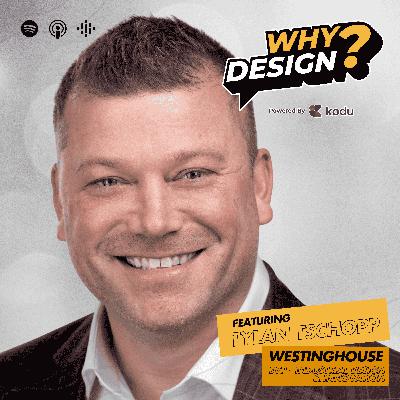
What if design wasn’t just a function… but a way of thinking about the world?In this episode of Why Design, Tylan Tschopp shares a belief that sits at the heart of his career: that design, when combined with engineering rigour and ownership, has the power to shape better products, better teams, and ultimately, better outcomes for people.Rather than choosing between design or engineering, Tylan chose the space in between. That decision led him to roles defined by responsibility, momentum and scale where success wasn’t measured by aesthetics alone, but by execution, standards and the willingness to step forward when things were unfinished.This conversation isn’t about design as decoration.It’s about design as leadership.Design as systems thinking.Design as a force that should influence how we build, decide and deliver.Don’t just listen. Go beyond the podcast.Join the Why Design community → teamkodu.com/eventsWhat You’ll Learn🌍 Why Tylan believes design deserves a seat at the highest level of decision-making🧠 How hybrid thinking between design and engineering creates better outcomes🎯 Why ownership, not job titles, accelerates careers and teams⚙️ What the “last three percent” of execution really demands👥 How to build product teams around growth, standards and ambition📈 Why scale exposes weak thinking and sharpens good designMemorable Quotes“I believe design should take over the world.”“It was probably 99% me going and asking.”“We’re here to build rock stars only.”“That last three percent might take just as much time as the first ninety-seven percent.”“I debated between the two professions coming out of high school… design and engineering.”Resources & Links🎧 Listen on Spotify, Apple Podcasts, YouTube & Amazon → whydesign.club 👥 Join the Why Design community → teamkodu.com/events📸 Follow @whydesignxkodu on Instagram🎥 Watch full episodes → YouTube.com/@whydesignpod 🔗 Follow Chris Whyte → linkedin.com/in/mrchriswhyte🔗🔍 Explore Westinghouse Electric Corporation → http://www.westinghouse.com/🔗 Connect with Tylan Tschopp→ https://www.linkedin.com/in/tylan-tschopp-093ab67/About the EpisodeWhy Design is powered by Kodu, a specialist recruitment partner for the hardware and physical product development industry.Through honest conversations with designers, engineers and creative leaders, we explore not just what they build but why they build it; the beliefs, decisions and responsibility behind meaningful work.About KoduWhy Design is produced by Kodu, a recruitment partner for ambitious hardware brands, design consultancies and product-led start-ups.We help founders and leadership teams hire exceptional talent across industrial design, mechanical engineering and product leadership, bringing structure and clarity to one of the hardest parts of scaling.🔗 Learn more → teamkodu.com
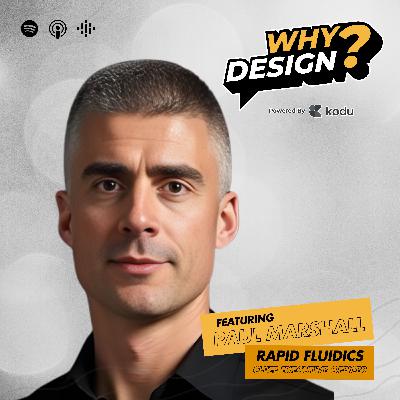
What connects offshore engineering, inkjet printers, molecular diagnostics and a small workshop in a church in Newcastle? For Paul Marshall, it’s all part of the same journey: a lifelong fascination with how things work, and a belief that good engineering can solve meaningful problems. Paul is the co-founder of Rapid Fluidics, a UK consultancy and prototyping company specialising in microfluidic cartridges. What began as a part-time side project; evenings, weekends and two 3D printers in a rented room has grown into a profitable, globally recognised business serving life sciences startups, research labs and multinational pharma companies. But the part that makes Paul’s story compelling isn’t the technology. It’s the honesty: He never wanted to be a founder. He never set out to run a business. And yet here he is, leading a team, travelling the world for client meetings, navigating cash flow, BD, branding, and hiring… all while staying open, self-aware and disarmingly human about the whole thing. In this episode of Why Design, Paul joins host Chris Whyte to unpack the journey: the technical foundations, the unexpected turns, the small risks, the networking habits, the content strategy, the international expansion, and what it really means to grow a niche hardware business without investment. Don’t just listen. Go beyond the podcast. Join the Why Design community → teamkodu.com/events 💡 What You’ll Learn 🧪 Why microfluidics is exploding, and how Rapid Fluidics carved out a niche 🎓 How a grandfather, Lego and curiosity shaped Paul’s engineering mindset 🚀 The step-by-step transition from contractor → founder → employer 📈 Why transparency about cash flow builds trust inside a team 🔗 How LinkedIn and trade shows built a global BD pipeline 🇸 How Paul is expanding into the US without losing his UK roots 💬 Why the best founders “make it up as they go along”, and why that’s okay 💬 Memorable Quotes “I wanted to see how machines work. I wanted to design machines… building things, breaking things, probably more breaking than building.” “If an engineer can design a solution to a problem, it doesn’t matter if it’s a 36-inch pipe or a 200-micron pipe.” “Six months in, we hired our first intern… and that’s when I realised: if I’m going to have employees full time, I need to do this full time.” “I’m making it up as I go along but as long as I’m one page ahead, that’s all that matters.” “You can’t beat sitting in a room showing people what we can make and watching the lightbulb moment.” 🔗 Resources & Links 🎧 Listen on Spotify, Apple, YouTube & Amazon → whydesign.club 👥 Join the Why Design community → teamkodu.com/events 🔍 Explore Rapid Fluidics → https://www.rapidfluidics.com/ 🔗 Connect with Paul Marshall → https://www.linkedin.com/in/paul-marshall-rapid-fluidics/ 📸 Follow @whydesignxkodu on Instagram 🎥 Watch full episodes → YouTube.com/@whydesignpod 🔗 Connect with Chris Whyte → linkedin.com/in/mrchriswhyte About the Episode Why Design is powered by Kodu, a specialist recruitment partner for the hardware and product development industry. Through candid conversations with designers, engineers and founders, we explore not just what they build, but why they build it. About Kodu Why Design is produced by Kodu, a recruitment partner for ambitious hardware brands, design consultancies and product-led start-ups. We help teams hire world-class talent across industrial design, mechanical engineering and product leadership. 🔗 Learn more → teamkodu.com
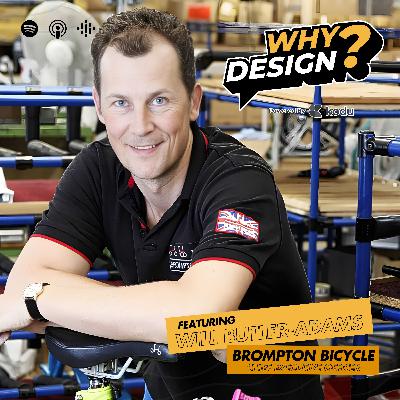
What happens when you mix engineering instinct, a folding bike prototype built by an eccentric inventor, and a chance conversation with a stranger on a London bus? For Will Butler-Adams, it became the start of a 20-year journey transforming Brompton from a tiny, chaotic workshop into one of Britain’s most recognisable global brands. Today, Brompton bikes are commonplace in cities across the world. But when Will joined in 2002, the company had “a stock turn of one… tons and tons of racking pallets… and squeezed in the edges where people actually adding value.” In this episode of Why Design, Will joins host Chris Whyte for a rare look behind the scenes at what it actually takes to grow a purpose-led engineering business without compromising on quality, trust or long-term thinking. This is an episode about risk, leadership, hiring, confidence, perspective… and why the world’s most efficient vehicle is still a bicycle. Don’t just listen. Go beyond the podcast. Join the Why Design community → teamkodu.com/whydesign💡 What You’ll Learn 🚲 Why Brompton’s mission is urban freedom for happier lives, not bikes 🎯 The leadership mindset that helped grow Brompton from a small team to a global brand 💬 Why Will believes most people “worry too much about everything” at work 💼 The danger of chasing growth too quickly, and why patience beats hyper-scaling 🧭 Why hiring “perfect people” is a mistake, and why a “motley crew” builds better products 🔥 How innovation accelerates when you embrace risk and disorder 🧠 Why the next era of engineering belongs to designers who can think beyond their job titles 💬 Memorable Quotes “Opportunity passes us all the time… The challenge is whether we're prepared to get off our ass and grab it.” “Most people regret not taking enough risk. Very few regret taking it.” “Perfect doesn’t deliver innovation. It’s the imperfection, the grit in the oyster, that creates the pearl.” “Purpose is important, but it must be in parallel with profit. Without profit, you have no business.” “The role of the leader is not to create order… it’s to create disorder.” “We're not selling a bike. We're selling freedom; health, wellbeing, exploring, decluttering your mind.” 🔗 Resources & Links 🎧 Listen on Spotify, Apple Podcasts, YouTube & Amazon → whydesign.club 👥 Join the Why Design community → teamkodu.com/whydesign 🔗 Explore Brompton → http://www.brompton.com/ 🔗 Connect with Will Butler-Adams → https://www.linkedin.com/in/eur-ing-will-butler-adams-obe-freng-ceng-frgs-fcgi-fimeche-b05651b/ 📸 Follow @whydesignxkodu on Instagram 🎥 Watch full episodes → YouTube.com/@whydesignpod 🔗 Follow Chris Whyte → LinkedIn.com/in/mrchriswhyte About the Episode Why Design is powered by Kodu, a specialist recruitment partner for the hardware and product-development industry. Through honest conversations with designers, engineers and creative leaders, we explore not just what they build but why they build it; the belief, doubt and persistence behind meaningful innovation. About Kodu Why Design is produced by Kodu, a recruitment partner for ambitious hardware brands, design consultancies, and product-led start-ups. We help founders and teams hire exceptional talent across industrial design, mechanical engineering and product leadership. 🔗 Learn more → teamkodu.com
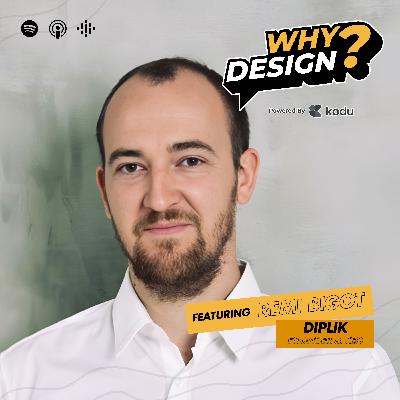
What do furniture exhibitions, glowing tables, and digital design have in common? For Rémi, founder of Diplik, they’re all stops on a creative journey that ultimately led to Bitpong; a tech-enhanced, interactive ping-pong table that feels equal parts sport, art installation, and arcade. From early ambitions in car design to studying industrial design in northern France, to guest lecturing and building his own hardware studio in Berlin, Rémi’s story is a reminder that creative careers rarely move in straight lines. Bitpong didn’t emerge from a sudden idea. It came from years of exploring where technology meets physical experience. In this episode of Why Design, host Chris Whyte sits down with Rémi to explore the realities of building a hardware product in 2025, the compromises that shape every designer, and why the best ideas still begin with curiosity. Don’t just listen. Go beyond the podcast. Join the Why Design community → teamkodu.com/events 💡 What You’ll Learn 🎨 Why design often begins as a “compromise” between art and engineering 💡 How a single furniture exhibition changed the trajectory of Rémi’s career 🎮 The design story behind Bitpong and what makes playful products so hard to build 🏓 Why running a small hardware company requires resilience, iteration and long-term thinking 🧰 The role of cross-functional collaboration in bringing interactive products to life 💬 Memorable Quotes “Design became the bridge between engineering and creativity, the compromise that made sense.” “You need inspiring things early on. A drill doesn’t make you want to become a designer.” “When I say I studied design, what I really mean is I found a way to mix creativity, technology and play.” “Building hardware isn’t just about the product. It’s about what it takes to keep going.” 🔗 Resources & Links 🎧 Listen on Spotify, Apple Podcasts, YouTube & Amazon → whydesign.club 👥 Join the Why Design community → teamkodu.com/events 🔗 Connect with Rémi → https://www.linkedin.com/in/remi-bigot-03101a5/ 🔍 Explore Diplik → http://www.bit-pong.com/ 📸 Follow @whydesignxkodu on Instagram 🎥 Watch full episodes → YouTube.com/@whydesignpod 🔗 Follow Chris Whyte → LinkedIn.com/in/mrchriswhyte About the Episode Why Design is powered by Kodu, a specialist recruitment partner for the hardware and product-development industry. Through candid conversations with designers, engineers and creative leaders, we explore not just what they build, but why they build it; the belief, doubt, and persistence behind meaningful innovation. About Kodu Why Design is produced by Kodu, a recruitment partner for ambitious hardware brands, design consultancies, and product start-ups. We help founders and teams hire top talent across industrial design, mechanical engineering and product leadership. 🔗 Learn more → teamkodu.com
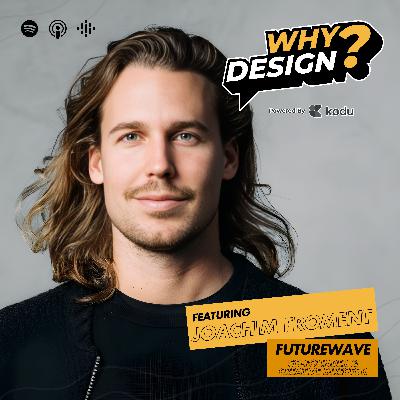
What connects electric bikes, mobility systems, high-end wellbeing devices and robotics? For Joachim, it’s the same mission: design technology that feels intuitive, human, and full of possibility. With a career spanning Brussels, Copenhagen and London, and now as co-founder of FutureWave, Joachim has spent the past six years building a 25-strong design and engineering studio working across mobility, consumer tech and deep electronics. From shaping early concepts for startup disruptors to helping global brands reimagine their five-to-ten-year vision, his work sits at the intersection of creativity, engineering, and intuition. In this episode of Why Design, Joachim joins host Chris Whyte to explore what happens when designers and engineers stop working in silos and start behaving like one organism. Together they unpack his “human generative design” philosophy, why intuition still matters in a world obsessed with data, and how FutureWave is helping clients design experiences fit for the next decade of hardware. Don’t just listen. Go beyond the podcast. Join the Why Design community → teamkodu.com/events 💡 What You’ll Learn 🧠 Why great design blends poetry and industry, and why Joachim believes designers act as the “glue” between disciplines. 🌍 How FutureWave breaks hardware silos to deliver desirability, feasibility and viability in one loop. 🔁 What “human generative design” looks like, and why iteration and cross-functional filtering beats isolated brainstorming. 🚲 Lessons from working with startups vs. corporates from rapid prototyping to de-risking long-term innovation. 🚆 Where hardware is heading from mobility transformation to miniaturised wellbeing tech and robotics. 💭 Why intuition still matters in a world dominated by metrics, risk models and strategy decks. 💬 Memorable Quotes “Designers are never experts of anything… but they’re the glue.” “Intuition helps you build dreams, strategy and engineering help you de-risk them.” “You need diversity of minds to build a great product. It works like an organism.” “Sometimes the market doesn’t know what it wants until you show it the experience.” “The future of hardware is invisible tech; seamless, human, and meaningful.” 🔗 Resources & Links 🎧 Listen on Spotify, Apple Podcasts, YouTube & Amazon → whydesign.club 👥 Join the Why Design community → teamkodu.com/events 🔗 Connect with Joachim → https://www.linkedin.com/in/joachim-froment-a1920456/ 🔗 View Joachim's portfolio → joachimfroment.com🌐 FutureWave → https://www.futurewave.eu/ 📸 Instagram → @whydesignxkodu 🎥 Full episodes → YouTube.com/@whydesignpod 🔗 Follow Chris Whyte → linkedin.com/in/mrchriswhyte About the Episode Why Design is powered by Kodu, a specialist recruitment partner for the hardware and product-development industry. Through candid conversations with designers, engineers, and creative leaders, we explore not just what they build, but why they build it; the belief, doubt, and persistence behind meaningful innovation. About Kodu Why Design is produced by Kodu, a recruitment partner for ambitious hardware brands, design consultancies, and product start-ups. We help founders and teams hire top talent across industrial design, mechanical engineering, and product leadership. 🔗 Learn more → teamkodu.com
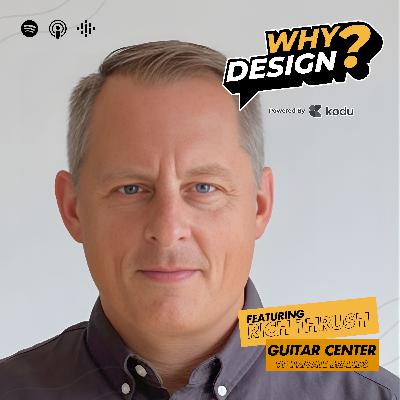
What connects toy blasters, beauty tools, and musical instruments? For Rich Thrush, it’s all part of the same mission: to make products people love to use. With a career spanning Hasbro, Motorola, Helen of Troy, and now Guitar Center, Rich has led design and innovation teams across some of the world’s most recognisable brands. From developing Braun’s non-contact thermometer to Revlon’s One-Step Volumizer, his work has shaped how millions interact with everyday products. In this episode of Why Design, Rich joins host Chris Whyte to unpack the art and strategy of leading innovation across multiple brands, and why the best ideas start not with technology, but with people. Don’t just listen. Go beyond the podcast. Join the Why Design community → teamkodu.com/events 💡 What You’ll Learn 🧠 How cross-functional curiosity fuels innovation in any industry 🎯 Why “asking why”, five times, leads to better design decisions ⚙️ Lessons from managing a portfolio of global consumer brands 📱 How Motorola’s success (and Apple’s disruption) shaped Rich’s leadership mindset 🎸 Why Guitar Center’s new era of product innovation is rooted in community and passion 💬 Memorable Quotes “Ideas come from people. The trick is knowing how to create the conditions for them to appear.” “Even if you have 90% market share, you still need to be inventing the next thing.” “Great design isn’t just about form, it’s about understanding what people actually need, even when they can’t say it.” “You don’t buy a drill. You buy a hole in the wall. But really, you’re buying what goes in that hole; meaning.” 🔗 Resources & Links 🎧 Listen on Spotify, Apple Podcasts, YouTube & Amazon → whydesign.club 👥 Join the Why Design community → teamkodu.com/events 🔗 Connect with Rich Thrush → https://www.linkedin.com/in/rich-thrush/ 📸 Follow @whydesignxkodu on Instagram 🎥 Watch full episodes → YouTube.com/@whydesignpod 🔗 Follow Chris Whyte → LinkedIn.com/in/mrchriswhyte About the Episode Why Design is powered by Kodu, a specialist recruitment partner for the hardware and product-development industry. Through candid conversations with designers, engineers, and creative leaders, we explore not just what they build, but why they build it; the belief, doubt, and persistence behind meaningful innovation. About Kodu Why Design is produced by Kodu, a recruitment partner for ambitious hardware brands, design consultancies, and product start-ups. We help founders and teams hire top talent across industrial design, mechanical engineering, and product leadership. 🔗 Learn more → teamkodu.com
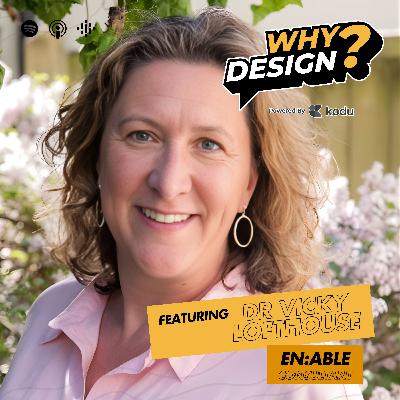
When it comes to sustainability, good intentions aren’t enough. For Dr Vicky Lofthouse, sustainability isn’t a checkbox or a materials swap, it’s a mindset shift. As a designer, educator and now founder of En-Able Sustainability, she’s spent over two decades helping companies move past the buzzwords and into the messy, meaningful reality of sustainable product design. In this episode of Why Design, Vicky joins Chris Whyte to explore what sustainability really looks like in practice; from balancing carbon impact with commercial constraints to understanding why context matters more than any single material choice. Don’t just listen. Go beyond the podcast. Join the Why Design community → teamkodu.com/events What You’ll Learn 🌍 Why “make it sustainable” is the wrong brief ⚙️ How context defines what “better” actually means 🔁 What circular design looks like in real product teams 🧠 Why less plastic isn’t always the right answer 📈 How evidence beats assumptions in sustainable decision-making 💡 The mindset shift every designer and engineer needs to make Memorable Quotes 💬 “Sustainability isn’t a checklist, it’s a mindset.” 💬 “Sometimes the right answer isn’t the obvious one.” 💬 “Context changes everything.” 💬 “I help companies integrate sustainability and circularity into what they do, not just what they make.” 💬 “Progress doesn’t start with perfection; it starts with questions.” Resources & Links 🎧 Listen on Spotify, Apple Podcasts, YouTube & Amazon → whydesign.club 👥 Join the Why Design community → teamkodu.com/events 🌿 Learn more about Enable Sustainability → EN:ABLE Sustainability | Sustainability support for purpose driven manufacturers 👤 Connect with Dr Vicky Lofthouse → https://www.linkedin.com/in/dr-vicky-lofthouse-41b4a6/ 🎥 Watch full episodes → YouTube.com/@whydesignpod 📸 Instagram → @whydesignxkodu 🎵 TikTok → _whydesign 🔗 Follow Chris Whyte → linkedin.com/in/mrchriswhyte 📲 Subscribe on Spotify, Apple or YouTube so you never miss an episode. 👥 Share this with a designer, engineer or founder rethinking what better really means. About the Episode Why Design is powered by Kodu, a specialist recruitment partner for the hardware and product-development industry. Through candid conversations with designers, engineers, and creative leaders, we explore not just what they build, but why they build it; the belief, doubt, and persistence behind meaningful innovation. About Kodu Why Design is produced by Kodu, a recruitment partner for ambitious hardware brands, design consultancies, and product start-ups. We help founders and teams hire top talent across industrial design, mechanical engineering, and product leadership. 🔗 Learn more → teamkodu.com
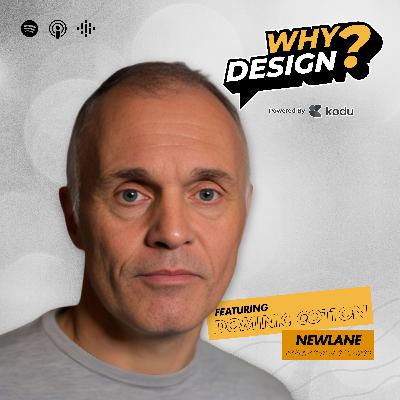
What makes someone leave a 20-year BBC career to build a helmet everyone said couldn’t exist? For Dom Cotton, it wasn’t a midlife pivot, it was a mission. After years spent covering stories about courage and competition, he decided to live one. Seven years, countless prototypes, and a steep learning curve later, Dom co-founded Newlane; the company behind the world’s first safety-certified, foldable commuter helmet. In this episode of Why Design, he shares how curiosity, persistence, and a touch of naivety helped him turn rejection into progress and an idea into reality. Don’t just listen. Go beyond the podcast. Join the Why Design community → teamkodu.com/events What You’ll Learn 👇 🧠 Why the “novice mindset” can be a hidden superpower in innovation ⚙️ How to stay resilient through failure, funding droughts, and endless testing 🔥 The difference between building a good idea and building a viable product 📢 Why storytelling sells your vision when prototypes can’t 💡 What every hardware founder can learn from starting over Memorable Quotes 💬 “One of the hardest things is believing in a thing when nobody else can see it yet.” 💬 “A novice’s mindset can achieve what experts say is impossible.” 💬 “Everyone wants innovation until you ask them to live through it.” 💬 “If you’ve got a great product but no story, you won’t sell any.” Resources & Links 🎧 Listen on Spotify, Apple Podcasts, YouTube & Amazon → whydesign.club 👥 Join the Why Design community → teamkodu.com/events 🧠 Learn more about Newlane: https://newlane.co.uk 👤 Connect with Dom Cotton on LinkedIn: https://www.linkedin.com/in/dominic-cotton/ 🎥 Watch full episodes on YouTube → youtube.com/@whydesignpod 📸 Follow on Instagram → @whydesignxkodu 🎵 TikTok → _whydesign 🔗 Follow Chris Whyte on LinkedIn → linkedin.com/in/mrchriswhyte 📲 Subscribe on Spotify, Apple, or YouTube so you never miss an episode. 👥 If this resonated, share it with a founder, designer, or team leader navigating their own creative leap. 🎬 About the Episode Why Design is powered by Kodu, a specialist recruitment partner for the hardware and product-development industry. Through candid conversations with designers, engineers, and creative leaders, we explore not just what they build, but why they build it; the belief, doubt, and persistence behind meaningful innovation. About Kodu Why Design is produced by Kodu, a recruitment partner for ambitious hardware brands, design consultancies, and product start-ups. We help founders and teams hire top talent across industrial design, mechanical engineering, and product leadership. 🔗 Learn more → teamkodu.com
“The world needs design more now than ever.” Most designers want to make beautiful things. Dan Harden wants to make meaningful ones. From building dangerous go-karts as a kid to designing more than 1,000 products (and winning 350+ awards), Dan’s career has been a masterclass in lasting impact. As CEO and founder of Whipsaw, Dan has shaped the modern design landscape while staying grounded in what truly matters: solving real problems for real people. In this episode of Why Design, Dan shares how he turned a passion for sketching and making into a globally respected studio, why the best designers obsess over details, and how to cultivate curiosity, clarity, and creativity over a 30+ year career. Don’t just listen. Go beyond the podcast. Join the Why Design community → teamkodu.com/events What You’ll Learn 👇 🌀 Why the “why” of design matters more than ever 🪚 The discipline behind great design (and why it's more than a sketch) 🔥 How passion, grit, and inspiration fuel longevity 📐 What makes a design transcendent, not just functional 🌍 Why industrial designers must think beyond consumerism Memorable Quotes 💬 “There are fundamentals about design that haven’t changed.” 💬 “Creativity is not a tool you turn on, it’s a way of life.” 💬 “Don't contribute to the malaise. Don’t do shitty products.” 💬 “You can be creative designing a bolt.” 💬 “Design should be gifting, not just commerce.” Resources & Links 🧠 Connect with Dan Harden on LinkedIn: https://www.linkedin.com/in/dan-harden-62389435/ 🏢 Explore Whipsaw’s work: https://www.whipsaw.com/ 🎧 Listen to Prism, Dan’s podcast: https://open.spotify.com/show/1ZHZoL0hOdzZfRcgAXeuvh?si=40de5239ef2548fc 🎥 Watch full episodes on YouTube → youtube.com/@whydesignpod 📸 Follow on Instagram → @whydesignxkodu 🎵 TikTok → _whydesign 👥 Join the Why Design community → teamkodu.com/events 🔗 Follow Chris Whyte on LinkedIn → linkedin.com/in/mrchriswhyte 🎧 Listen on Spotify, Apple Podcasts, YouTube & Amazon → whydesign.club 👉 Keep the conversation going. Join the Why Design community → teamkodu.com/events 📲 Subscribe on Spotify, Apple, or YouTube so you never miss an episode. 👥 If this resonated, share it with a friend, designer, or team leader navigating their own creative journey. About Kodu Why Design is produced by Kodu, a recruitment partner to ambitious hardware brands, design consultancies, and product start-ups. We help founders and teams hire top talent across industrial design, mechanical engineering, and product leadership. 🔗 Learn more → teamkodu.com
“You have to be a certain kind of crazy to be a founder, especially in physical products.” Most people want to build something. Kenny Perkins actually did. After nearly dying in a car accident his senior year, Kenny clawed his way into the design world; starting at Fossil, shifting to helmets, and eventually co-founding Osmo, the first kids’ helmet to meet the e-bike safety standard. In this episode of Why Design, Kenny shares the journey from rebuilding a Mustang with his dad at 15 to building Impact Lab, a startup studio funding its own consumer brand, Osmo, by designing life-saving protection for others. Don’t just listen. Go beyond the podcast. Join the Why Design community → teamkodu.com/events What You’ll Learn 👇 💥 How a near-death experience reshaped his entire outlook on work 🚲 The overlooked safety gap for kids in the e-bike revolution 🛠️ Why physical product founders need grit, guts, and patience 📐 How Osmo designed with parents and kids, not just for them 📈 The smart way Kenny self-funded a startup without outside capital Memorable Quotes 💬 “I saw a dad wearing a helmet I designed… and two kids wearing ones I also designed but not for e-bikes. That stuck with me.” 💬 “We didn’t just design for families. We designed with them.” 💬 “This changed my relationship with work entirely.” Resources & Links 🌍 Connect with Kenny Perkins on LinkedIn: https://www.linkedin.com/in/kennethjperkinsdesign/ 🛡️ Explore Osmo Helmets: https://www.ozmohelmets.com/ 🏢 Learn more about impctLAB https://www.impctlab.com/ 🎥 Watch full episodes on YouTube → http://www.youtube.com/@whydesignpod 📸 Follow on Instagram → https://www.instagram.com/whydesignxkodu/ 🎵 TikTok → @_whydesign 👥 Join the Why Design community → teamkodu.com/events 🔗 Follow Chris Whyte on LinkedIn → https://linkedin.com/in/mrchriswhyte 🎧 Listen on Spotify, Apple Podcasts, YouTube & Amazon → www.whydesign.club 👉 Keep the conversation going. Join the Why Design community → teamkodu.com/events 📲 Subscribe on Spotify, Apple, or YouTube so you never miss an episode. 👥 If this resonated, share it with a friend or colleague navigating their own founder or design journey. About Kodu Why Design is produced by Kodu, a recruitment partner to ambitious hardware brands, design consultancies, and product start-ups. We help founders and teams hire top talent across industrial design, mechanical engineering, and product leadership. 🔗 Learn more → teamkodu.com
“I got laid off weeks before my first child was born… and I was so happy.” Most people panic when they lose a job. Jordan Diatlo built a business. Just weeks before becoming a dad, Jordan was laid off. Instead of spiraling, he used it as fuel to start Leadoff Studio — now one of New York’s go-to design consultancies for health & wellness brands. In this episode of Why Design, Jordan shares how he went from rejected by corporate to building a values-driven studio that’s helped startups like Roman and Dame become category leaders. Don’t just listen. Go beyond the podcast. Join the Why Design community → teamkodu.com/events What You’ll Learn 👇 🔥 Why getting fired was the best thing that ever happened to him 🏗️ The 5 values that drive every hire, project, and partnership at Leadoff 🎯 How “niching down” created bigger opportunities 📑 The portfolio formula that makes designers stand out 👨👩👧 Why time > money when balancing family and business Memorable Quotes 💬 “I got laid off with a kid on the way, and I was so happy.” 💬 “Somebody else’s win should feel as important to you as your own.” 💬 “Design isn’t just about objects, it’s communication.” Resources & Links 🌍 Connect with Jordan Diatlo on LinkedIn: https://www.linkedin.com/in/jordandiatlo/ 🏢 Explore Leadoff Studio: https://leadoffstudio.com/ 🎥 Watch full episodes on YouTube → http://www.youtube.com/@whydesignpod 📸 Follow on Instagram https://www.instagram.com/whydesignxkodu/ 🎵 TikTok: @_whydesign 👥 Join the Why Design community → teamkodu.com/events 🔗 Follow Chris Whyte on LinkedIn 🎧 Listen to Why Design on Spotify, Apple Podcasts, YouTube, and Amazon Music → www.whydesign.club 👉 Keep the conversation going! Join the Why Design community and go beyond the podcast → teamkodu.com/events 📲 Subscribe to Why Design on Spotify, Apple, or YouTube so you never miss an episode. 👥 If this resonated, share it with a friend or colleague who’s rethinking their career path. ⚡ About Kodu Why Design is produced by Kodu, a recruitment partner to ambitious hardware brands, design consultancies, and product start-ups. We help founders and teams hire top talent across industrial design, mechanical engineering, and product leadership. Learn more → teamkodu.com
Most hardware startups die broke. Christian Reed’s didn’t. He turned a basement side project into Reekon Tools, an 8-figure construction-tech brand with tools that don’t break, content that hit 300M+ views, and a cult following of tradespeople. In this episode of Why Design, Chris sits down with Christian to break down exactly how he went from MIT → military → Formlabs → scaling one of the most talked-about startups in hardware. 👉 Want more insights from world-class builders? Join the Why Design community → teamkodu.com/events What You’ll Learn How a Kickstarter side project became an 8-figure company Why building a product ≠ building a business (and what most founders get wrong) The content playbook Recon used to rack up 300M+ views The difference between scaling hardware and software — and why “muscle beats magic” How to spot talent that thrives in startup chaos The truth about AI in design: why it won’t replace you, but will expose you Memorable Quotes 💬 “Hardware development is a muscle activity. You just have to muscle through it. It never gets easier.” 💬 “If you can’t make content and you don’t appreciate design, you’re just shooting yourself in the foot.” 💬 “If you’re scared of AI, to be frank, it probably just means you’re not a good designer.” 👉 Love this? Subscribe to Why Design on Spotify, Apple Podcasts, YouTube, or Amazon Music so you never miss an episode. Links & Resources 🌍 Connect with Christian Reed on LinkedIn: https://www.linkedin.com/in/christianrreed/ 🔗 Explore Reekon: https://www.reekon.tools/ 🎥 Watch full episodes on YouTube 📸 Follow on Instagram 🎵 TikTok: @_whydesign 👥 Join the Why Design community: events, huddles, and workshops → teamkodu.com/events 🔗 Follow Chris Whyte on LinkedIn → linkedin.com/in/mrchriswhyte 🎧 Listen to Why Design on Spotify, Apple Podcasts, YouTube, and Amazon Music. whydesign.club 👉 Ready to go deeper? Join the Why Design community → teamkodu.com/events
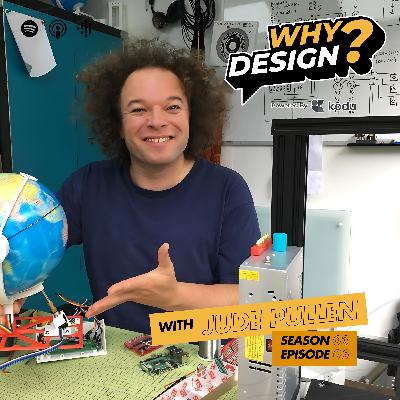
Most careers follow a path. Jude Pullen chose not to. “I like being intellectually promiscuous; finding new tribes, then coming back with fresh ideas.” In this episode of Why Design, Chris talks with Jude Pullen; creative technologist, prototyper, and storyteller. Jude’s career spans Dyson, Sugru, and Lego, with projects ranging from poetic air-quality monitors to complex hardware systems. Today, he splits his time between the RCA and Lego, while advising companies on technology, creativity, and play. From challenging the myth of the “forever job” to reframing daydreaming as essential design work, Jude shares how portfolio careers unlock creative freedom, and why diversity, vulnerability, and playfulness are the real engines of innovation. 💬 Keep the conversation going! Join the community and go beyond the podcast! http://teamkodu.com/events What You’ll Learn 💼 Why the “forever job” is outdated and what portfolio careers make possible 💭 How daydreaming and downtime can fuel serious innovation 🐦 The evolution of Jude’s open-source Good Air Canary project and why metaphors matter in design 🤝 The power (and challenge) of building truly diverse teams across age, class, and background 🌱 How vulnerability and “safe spaces” help unlock team creativity ☯️ Why design needs more debate, discomfort, and cross-pollination to thrive 🛠️ The role of prototyping not just products, but ideas and conversations 👉 Enjoying these insights? Don’t just listen, join the Why Design community. Connect with founders, engineers, and design leaders at teamkodu.com/events. Memorable Quotes 💬 “I follow fear. Where there’s uncertainty in AI, diversity, sustainability, that’s where creativity lives.” 💬 “I’m not interested in the tech for its own sake. The question is: should we make this, and what are the consequences?” 💬 “Daydreaming is design practice. Busy isn’t the same as productive.” 💬 “The best teams aren’t homogenous, they’re messy, diverse, and sometimes uncomfortable.” 💬 “Play is underrated in business. If you want real breakthroughs, start with curiosity, not quarterly reports.” Resources & Links 🌍 Connect with Jude Pullen on LinkedIn 🔗 Explore JudePullen.com 🎥 Watch full episodes on YouTube 📸 Follow on Instagram 🎵 TikTok: @_whydesign 👥 Join the Why Design community → teamkodu.com/events 🔗 Follow Chris Whyte on LinkedIn 🎧 Listen to Why Design on Spotify, Apple Podcasts, YouTube, and Amazon Music whydesign.club 👉 Subscribe to Why Design on Spotify, Apple, or YouTube so you never miss an episode. If this resonated, share it with a friend or colleague who’s rethinking their career path. About Kodu Why Design is produced by Kodu, a recruitment partner to ambitious hardware brands, design consultancies, and product start-ups. We help founders and teams identify, attract, and hire the best talent in industrial design, mechanical engineering, and product leadership. Learn more at teamkodu.com
Most founders obsess over the product. Jordan Nollman says that’s the wrong game.“We don’t just design the product. We design the tribe around it.”In this episode of Why Design, Chris talks with Jordan Nollman, CEO and Chief Creative Officer of Sprout Studios. For over 20 years, Jordan has helped brands like Nike, Bose, and Microsoft create products that don’t just look good — they shape culture.From launching a consultancy during the 2008 recession to building a multi-disciplinary team across hardware, packaging, UX, and venture design, Jordan reveals what early-stage founders usually get wrong and how design can make or break a company’s trajectory.👉 If you’re building hardware or leading a design team, hit subscribe now —this is 45 minutes that will change how you think about design.What You’ll Learn🌱 How starting a studio in a recession forced Sprout to out-innovate competitors🎯 The branding mistake most founders make (and how to avoid it)👟 What Nike and Burton taught Jordan about community-driven design📦 Why great products fail without packaging, UX, and marketing in sync🧠 The rookie errors early-stage teams make around design maturity🤝 How Sprout partners with founders and VCs to turn design into long-term value🔄 How Jordan grew from junior designer to CCO while staying hands-on with clients👉 Enjoying these insights? Don’t just listen — join the Why Design community. Connect withfounders, engineers, and design leaders at teamkodu.com/events.Memorable Quotes💬 “If you’re just making objects, you’re already dead. We build tribes.”💬 “Designers need to speak the language of business, not just form.”💬 “Culture is the lens we design through. Without it, you’re just making stuff.”💬 “If you want brand love, you need more than function.”Resources & Links🌍 Connect with Jordan Nollman on LinkedIn https://www.linkedin.com/in/jnollman/🏢 Explore Sprout Studios https://sprout.cc/🎥 Watch full episodes on YouTube Why Design? - YouTube📸 Follow on Instagram https://www.instagram.com/whydesignxkodu🎵 TikTok: @_whydesign👥 Join the Why Design community → teamkodu.com/events🔗 Follow Chris Whyte on LinkedIn → linkedin.com/in/mrchriswhyte🎧 Listen to Why Design on Spotify, Apple Podcasts, YouTube, and Amazon Music 👉 Subscribe to Why Design on Spotify, Apple, or YouTube so you never miss an episode. If this resonated, share it with another founder who needs to hear it.About KoduWhy Design is produced by Kodu, a recruitment partnerto ambitious hardware brands, design consultancies, and product start-ups. Wehelp founders and teams identify, attract, and hire the best talent inindustrial design, mechanical engineering, and product leadership. Learn moreat teamkodu.com.
From Scarborough to Midtown Manhattan, Stuart Lee’s journey is one of grit, curiosity, and unshakable design intuition. In this episode, Chris sits down in person with Stuart to explore the formative moments that led to the founding of Prime Studio — the product and brand design consultancy behind household names like Harry’s, Welly, and MoMA. Stuart shares how rewiring motors and welding steel during his early apprenticeship helped him think more empathetically about design for manufacture, why he sees himself as a design doer (not a design thinker), and what still excites him after 27 years leading his own studio. It’s a rich, no-frills conversation on design craft, business instinct, and the value of simply being a good person in a small industry. In This Episode The Yorkshire lad who arrived in NYC with a suitcase and a portfolio Smart Design, Able, and the building blocks of Prime Studio “The design we do is never just design — it's operations, manufacturing, supply chain.” Why Stuart never plans too far ahead (and how that’s worked just fine) Lessons from building long-term client partnerships, from Unilever to Harry’s Teaching the next generation: real talk on job hunting, ChatGPT cover letters, and why “Dear Hiring Manager” just doesn’t cut it Royalties, equity, and what designers should really know about contracts “As a consultant, your only value is your people.” Quotes to Remember “It's work you're looking for, so you have to work at it.” “I’m not a planner. I kind of ride the wave — but I’ve been riding it for 27 years.” “I always say Smart Design is where I learned to be a designer. Able is where I learned the business of design.” “Royalties smooth things out. You might not get the big equity payout, but you get forecastable cash flow — and that’s everything in business.” 🔎 Resources & Links 🌍 Prime Studio 💼 Connect with Stuart on LinkedIn 🎥 Watch full episodes on YouTube 📸 Follow on Instagram 🎵 TikTok: @_whydesign 👥 Join the Why Design community: events, huddles, and workshops → teamkodu.com/events 🔗 Follow Chris Whyte on LinkedIn → linkedin.com/in/mrchriswhyte About Kodu Why Design is produced by Kodu, a recruitment partner to ambitious hardware brands, design consultancies, and product start-ups. We help founders and teams identify, attract, and hire the best talent across industrial design, mechanical engineering, and product leadership. Learn more at Home - Kodu
“What happened was just the market need was so strong… it kept pulling us forward.” — Sam Shames In this episode, Chris sits down with Sam Shames — materials engineer, MIT grad, and co-founder of Ember Labs, the company behind the Ember Wave: a wearable that helps people regulate temperature and reclaim comfort on their terms. Over the last 12 years, Sam has led Ember from a student side project to a real business, launching two hardware generations, shipping over 200,000 units, and recently pivoting to a subscription model that’s rare in consumer wearables. We talk product-market fit in hardware, solving real pain points like hot flashes, scaling with a lean team, and what it really takes to make a physical product company sustainable, both financially and environmentally. Key Takeaways: 🚀 The prototyping contest that sparked Embr Labs, and the overheated lab that started it all 🚀 From student side project to Kickstarter success (and 4 years of learning in between) 🚀 Building circularity into hardware, and why refurbishment isn’t just a sustainability play 🚀 Subscriptions in wearables, how $20/month changed everything for Ember 🚀 Designing for real needs, from aesthetics to AI that predicts hot flashes 🚀 Founder evolution; why Sam stepped back and hired a CEO to scale the business Memorable Quotes: 🟰 “We thought it was going to take six months. It ended up taking four years.” 🟰 “It's never too early to think about manufacturing. Prototypes and products are worlds apart.” 🟰 “At some point, we realized this wasn’t just a cool project. It needed to become a real business.” 🟰 “The leap from Gen 2 to Gen 3 will feel like going from a flip phone to a smartphone.” Resources & Links: 🌍 Connect with Sam Shames on LinkedIn 🧊 Explore Embr Labs https://www.embrlabs.com🎥 Watch full episodes on YouTube 📸 Follow on Instagram 🎵 TikTok: @_whydesign 👥 Join the Why Design community: events, huddles, and workshops → teamkodu.com/events 🔗 Follow Chris Whyte on LinkedIn → linkedin.com/in/mrchriswhyte 🎧 Listen to Why Design on Spotify, Apple Podcasts, YouTube, and Amazon Music. 💬 PS – Subscribe so you never miss an episode! About Kodu Why Design is produced by Kodu, a recruitment partner to ambitious hardware brands, design consultancies, and product start-ups. We help founders and teams identify, attract, and hire the best talent across industrial design, mechanical engineering, and product leadership. Learn more at teamkodu.com.

Comments

Download from Google Play

Download from App Store
 United States