


 Claim Ownership
Imperfect Creatives
Subscribed: 1Played: 12
Subscribe

© Michael Carruthers
Description
Conversations with people building creative and independent careers - even though that wasn’t the plan.
20 Episodes
Reverse
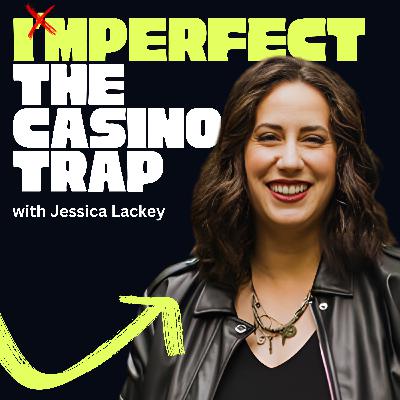
The online business world sells you a dream that doesn't work. Jessica Lackey shares the reality outside of the entrepreneurial casino. We chat about the the real path - the long, hard path - that's often the only way to sustainable success.More from Imperfect Creatives:Substack: https://imperfect.emailYouTube: https://youtu.be/_0FRrrmBAMQInstagram: https://www.instagram.com/imperfect_creativesMore from Jessica: Website: https://www.deeperfoundations.com/Substack: https://substack.com/@jessicalackeyChapters(0:00) How Jessica ended up in the casino(5:48) Why social media stopped working for networking(8:30) Puppy dog internet theory(12:28) Building two businesses at once(17:20) The cost of running a content engine(20:00) Procasti-learning(25:56) Doing the stuff that sucks to do the stuff that sings(28:52) What are you optimising for?(30:28) Delivery vs content business(33:20) Don't force the art to pay the bills(35:06) Step-change functions and limiting factors(41:38) What kept Jessica going in the early years(45:32) The zone of enoughness(50:10) Idea composting(55:14) Roots to fruits(57:46) Signal vs momentum(1:01:14) Niche down, but let the pattern emerge(1:07:22) Playing the long game(1:11:31) Key takeaway & recommendations
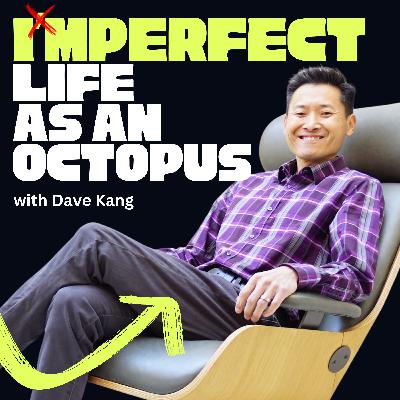
Dave Kang spent years trying to figure out his “one thing.” His Ikigai. It didn’t work. Now he's embraced life as a CEO. No, not that kind. A Chief Exploratory Octopus. A generalist with multiple interests (aka tentacles) reaching in different directions, without forcing it all to converge into one neat identity.Now he writes about this on his Substack, helping other multi-talented, multi-interested people break free from the pressure to pick just one thing. Chatting with Dave was an absolute joy, and I left feeling inspired and reassured about being someone with “too many” interests. Chapters(00:00) The Ikigai Lie(03:34) Becoming an Octopus(06:56) Managing Multiple Tentacles Without Overwhelm(11:20) Picking Up and Dropping Rocks(13:40) Breaking Free from Optimization Culture(16:56) The Three Hearts of an Octopus(19:02) Time, Calendars, and Cultural Obsessions(24:50) The Pressure to Monetize Everything(30:02) When Work Kills Creative Passion(31:44) Configuring Your Tentacle Portfolio(36:12) Accomplishment vs. Living True to Yourself(41:46) Destigmatizing Quitting(48:14) Start with "Why Not?" Instead of "Why"(54:10) Embarrassment and Putting Yourself Out There(59:38) Finding Your Tribe and Mentors(1:10:32) Book Recommendations(1:13:56) Final TakeawayMore from Imperfect Creatives:Substack: https://imperfect.emailInstagram: https://www.instagram.com/imperfect_creativesMore from Dave:Substack: https://davekang.substack.com/ Books Mentioned:The Pathless Path by Paul MillerdThe Great Work of Your Life by Stephen CopeRange by David Epstein4,000 Weeks by Oliver Burkeman
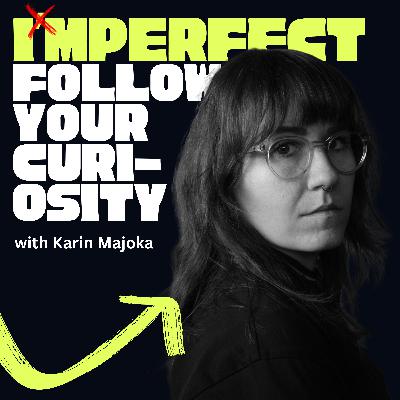
Karin Majoka is a photographer, YouTuber, psychologist, and psychotherapist-in-training, who somehow makes it all work without burning out. We chat about how she balances multiple creative passions with a full-time career, why internal motivation matters more than external validation, and how treating photography as "just one language" opens up creative freedom. As a huge fan of Karin's work this conversation was a pure joy to have and we dove in to much more, from the struggle of overthinking, to the temptation to "pick one thing," and ultimately why experimentation might be more valuable than trying to find your one exact creative style for life. More from KarinYouTube: https://www.youtube.com/karinmajokaInstagram: https://www.instagram.com/karinmajoka/More from Imperfect Creatives:Substack: https://imperfect.emailInstagram: https://www.instagram.com/imperfect_creativesBook recommendations:You Are What You Do by Daniel ArnoldTwilight by Gregory CrewdsonArt Work: On the Creative Life - Sally MannChapters(00:00) Balancing Psychology, YouTube & Photography(02:36) Internal vs External Validation as a Creator(05:12) Planning vs Spontaneity(08:08) Searching for Your Style(12:17) Identity: Being Multiple Things at Once(16:14) Why Both Psychology and Art Make You Better at Each(18:39) The "Artist" Label Problem(20:11) Photography is Just One Language(26:34) You Can't Think Your Way Through(28:24) Killing Your Dreams to Actually Live Your Life(30:30) Recovering Overthinkers Anonymous(35:28) Opening Doors vs Shouting at Walls(37:42) Low Expectations, High Purpose(40:09) Creating Under a Pseudonym as a Therapist(43:15) Female Representation in Photography(45:47) The Rise of Authentic "Grandma Content"(48:08) Would Your Work Matter Without Sharing It?(52:01) Doing Your Homework(56:46) Follow Your Curiosity & Experiment(58:51) Book Recommendations
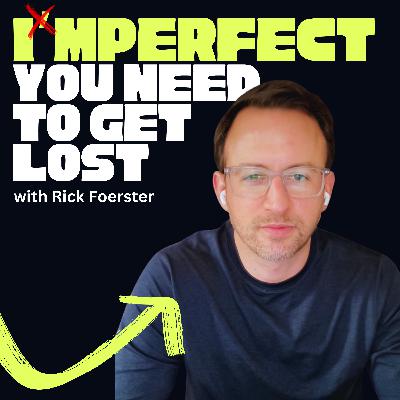
Rick Foerster spent 12 years at a healthcare startup, from early employee to public company exec managing hundreds of people. He built the network. He accumulated the war chest. He had 100+ company ideas ready to go. He was standing at the starting line of what he thought was his entrepreneurial dream.Then he “went dark”.What was supposed to be a three-month sabbatical turned into two years of what Rick calls "the wilderness phase". No networking, no building. Rick wanted to figure out who he was when he wasn't on the hook to do anything.Now he’s writing post-apocalyptic fiction, has a completely different relationship with work, and believes most of us need to get lost before we can actually find anything worth doing.We talk about why his executive coach told him to disappear, what led him to writing about his experiences on Substack, the trap of suppressing existential questions with productivity, the "first mountain vs. second mountain" framework, and why following weird creative interests matters more than having a plan.Resources mentioned:Rick's Substack: https://www.thewayofwork.com/Book: Working Identity by Herminia IbarraBook: The Second Mountain by David BrooksBook: Transitions by William BridgesConnect with Rick:https://www.thewayofwork.com/https://substack.com/@rickfoersterMore from Imperfect Creatives: Newsletter: https://newsletter.imperfect.club/YouTube: https://www.youtube.com/@imperfect_creativesInstagram: https://www.instagram.com/imperfect_creatives LinkedIn: https://www.linkedin.com/in/michael-carruthers/
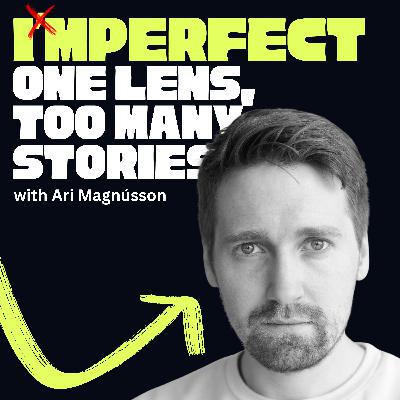
Ari Magnússon is a fantastic photographer and writer whose newsletter 'One Lens, Too Many Stories' explores borders, identity, and what it means to belong. He's lived in seven countries, holds three passports, and is now based in Berlin where he's documenting his neighbourhood one frame at a time. In this conversation, we talk about what that split identity actually feels like — growing up between Iceland and the UK, restarting from scratch in Montreal, and eventually landing in Berlin. We also get into why he shoots Leica (including the cost), how he developed his photographic style, and what he's actually trying to achieve with his work.Links & ResourcesAri's Newsletter: One Lens, Too Many StoriesAri’s Instagram: @admagnussonModern Color by Fred HerzogWilliam EgglestonSunshine Terrace by Emily ShurChapters(0:00) Intro(0:57) Writing vs Photography(2:55) Living Across Seven Countries(5:45) Cultural Identity and Belonging(7:11) Exploring Borders Through Photography(12:22) Photography Philosophy and Purpose(26:47) Building a Body of Work & Editing Process(29:58) Making a Living as a Photographer(32:50) Moving to Berlin(34:47) Camera Shyness and Street Photography(38:58) Ethics and Motivation in Photography(41:47) Developing Your Own Style(46:47) Film vs Digital Photography(51:47) Final Thoughts and Recommendations
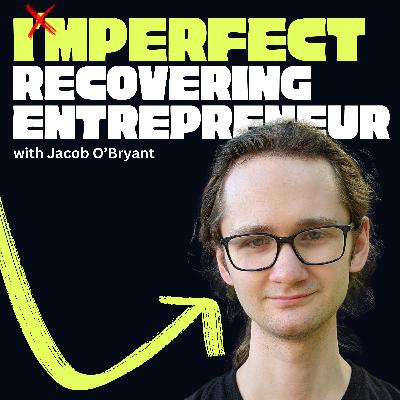
What happens when you chase your entrepreneurial dream for four and a half years and then realize it's not actually what you want?In this episode, I sit down with Jacob O'Bryant, creator of The Sample (now Yakread), to talk about his journey from quitting his job in his early twenties to going all-in on building his own products, only to discover that entrepreneurship wasn't the path he thought it would be. Jacob is refreshingly honest about the psychological toll, the gradual realization that he valued invention over business-building, and why going back to a full-time job wasn't defeat, it was clarity.We also explore the framework that sits between pure research and entrepreneurship: invention. It's a way of thinking about your work that doesn't require monetization or academic rigor, just meaningful exploration. Plus, we dig into unbundling social media: what it means, why it matters, and practical steps you can take as an everyday person to support a more open internet. If you've ever wondered whether the "quit your job and start a company" narrative is really for you, this conversation might give you a different perspective.Resources Mentioned:Jacob's website: https://obryant.dev/Jacob's "Invention" resource page: https://obryant.dev/invention/Jacob's product: https://yakread.com/Jason Crawford's "We Need a Career Path for Invention" essay: https://blog.rootsofprogress.org/a-career-path-for-invention"You Can Help Unbundle Social Media": https://obryant.dev/p/you-can-unbundle-social-media/"Wherever you get your podcasts is a radical statement": https://www.anildash.com//2024/02/06/wherever-you-get-podcasts/Chapters:(00:00) Intro(01:40) Being a "Recovering Entrepreneur"(04:30) College Was a Waste(07:00) The Initial Itch: Ambition and Meaningful Work(09:20) Planning the Leap: Money, Marriage, and Runway(14:50) The Sample and Yakread(19:10) Not Going All In Again(21:00) Invention is Between Research and Business(26:30) The First Months: Euphoria to Reality(29:30) Why You Shouldn't Monetize Your Passion(31:15) Hustle Culture vs. The Messy Middle(34:00) Going Back to a Day Job Wasn't Defeat(36:30) How Entrepreneurship Changed Jacob's Work(38:30) Job Searching with Entrepreneurship on Your Resume(42:30) Unbundling Social Media(46:00) What Everyday People Can Do About It(51:10) Final Takeaway and Resources

In this episode, I sit down with Laura aka "Couch Polyglot", a polyglot and YouTuber with over 44k subscribers who creates awesome language learning content whilst also working a day job. We explore how she balances both worlds: maintaining multiple languages as well as a growing channel without burning out. We dig into practical language learning techniques, why Duolingo might not cut it for serious learners, and how mindset often matters more than natural ability. Laura also shares what it's really like building a YouTube channel, the unexpected challenges of content creation, and her best advice for anyone juggling creative work with a day job.ResourcesLaura's YouTube channel CouchPolyglot: https://www.youtube.com/@CouchPolyglotLaura's website: https://www.couchpolyglot.comImperfect Creatives Newsletter: https://imperfect.emailImperfect Creatives website: https://imperfect.clubChapters(00:00) Intro(01:03) Starting a YouTube Channel During the Pandemic(03:09) From Teaching to YouTube(09:35) Balancing YouTube and Full-Time Work(13:42) Challenges & Realities of Content Creation(26:20) Mindset and Approaches to Language Learning(34:02) Is Duolingo Effective?(35:48) Starting from Scratch: Learning Basics(37:25) The Importance of Comprehensible Input(38:37) Maintaining and Activating Languages(39:57) Overcoming Language Learning Barriers(42:11) Finding Fun(46:58) Language Tandems (01:02:32) Resources & Recommendations
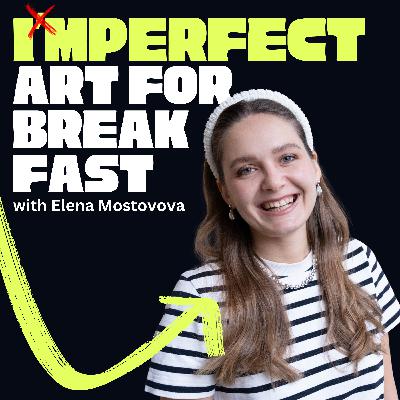
Elena Mostovova is a product manager and art enthusiast who writes Art for Breakfast, a weekly newsletter making art accessible and relatable to everyone. In this conversation, we explore how art can be a shortcut to understanding culture, why starting with contemporary work beats historical pieces, and Elena's journey from writing a personal art diary to building a public community around her writing. We dig into practical tips for connecting with art without needing an art history degree, how to navigate galleries as a beginner, plus specific gallery recommendations for Berlin and New York, as well as why emotional connection matters more than market value when it comes to both art as well as sharing your own work.Elena's Newsletter: Art for Breakfast - Subscribe on SubstackBook Recommendation: Seven Days in the Art World by Sarah ThorntonChapters(00:00) Intro(01:22) Connecting with Culture Through Art(02:58) The Role of Art in Understanding History(05:59) Elena’s Personal Journey with Art(11:19) From Personal Diary to Public Sharing(15:10) Making Art Accessible(17:40) Practical Tips for Engaging with Art(22:52) The Human Side of Art(26:27) Art Collecting(30:16) Supporting Artists Beyond Monetary Investment(32:23) Galleries and Digital Spaces(34:38) Balancing Passion and Professional Life(36:11) Building a Community Through Your Work(43:27) Exploring Art Scenes in Berlin and New York(49:00): Resources & Recommendations
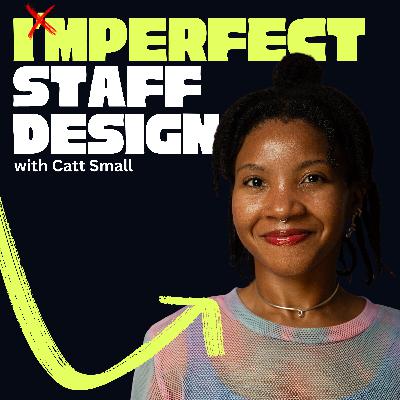
Catt Small is a staff designer who's figured out something most of us struggle with: how to juggle multiple creative projects without burning out. She's written a book, runs online courses, organizes conferences, develops games, and somehow manages to be intentional about where she puts her energy even with all of these competing interests.Also interesting is that Catt climbed to director level as a designer, then consciously stepped back into individual contributor work because she knew what gave her the most energy. We talk about how to build influence without a manager title, why validation matters before you commit hundreds of hours to a project, and how to say no to some projects so you can say yes to the right ones. Plus, practical advice on making the leap from senior to staff level and navigating workplace politics as an Individual Contributor (IC).This one's packed with insights for anyone trying to level up in their day job or figure out how to balance multiple creative projects alongside a demanding 9-5.Resources mentionedPre-order Catt's fantastic book "The Staff Designer" here: https://rosenfeldmedia.com/books/the-staff-designerCheckout Catt's websiteGame Devs of Color Expo (Sep 16–19, 2025)Catt's Staff Designer courseCatt's book choices: The Crossroads of Should and Must by Elle Luna and Designing Your Life by Bill Burnett & Dave EvansMore from Imperfect CreativesSubscribe to the newsletter: imperfect.emailThe website: imperfect.clubInstagram: @imperfect_creativesTikTok: @imperfect.creativesYouTube: @Imperfect_CreativesChapters(00:00): Intro(01:41): Catt's Early Programming Journey(03:31): From Web Dev to Graphic Design(06:05): Navigating Career Choices & Financial Realities(09:44): Evolving Relationship with Work & Side Projects(12:27): Balancing Multiple Projects & Avoiding Burnout(15:52): Saying No & Identity Beyond Projects(20:41): Handling External Perceptions & Self-Awareness(28:14): From Blog to Book(36:03): Staff vs. Management: Leadership & Influence(49:00): Building Influence as a Staff Designer(56:19): Game Devs of Color Expo(59:38): Resources & Final Takeaways
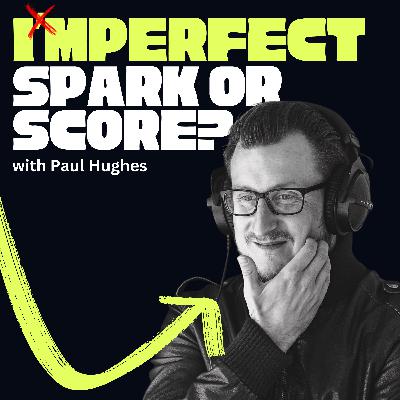
In this episode, I sit down with Paul Hughes, who's career is far from the traditional 9-5, being that he's worked as everything from travelling salesman, military photography, radio host, to now running AFN Europe's radio programming across 15 stations, 8 countries, and 4 timezones. We talk about the struggle of finding work that's truly meaningful, following the spark of excitement in creative work without getting bogged down by the 'score' of ambition, and why putting yourself out there might be the only way forward, even when imposter syndrome keeps whispering that you don't belong.If you've ever decided it's too late to chase something that feels impossible, this conversation might change your mind.Resources mentioned"Awaken the Giant Within" by Tony Robbins - Paul's book recommendation "A Hard Kick in the Nuts" by Steve-O
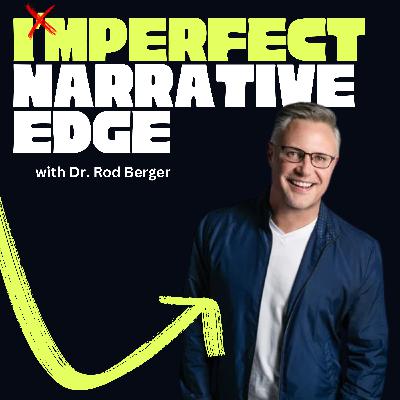
Dr. Rod Berger has a degree in clinical psychology, has interviewed over 4,000 people, and just wrote his first book "The Narrative Edge", but his real expertise is in finding the human behind the talking points. In this episode, we explore what makes storytelling important, how Rod breaks through people's scripted responses to get to authentic connection, and his philosophy that "if you're not telling your story, someone else is."Rod shares how his "Forrest Gump-like" career of saying yes to unexpected opportunities led him from psychology to refugee work to becoming a master interviewer. We dig into the vulnerable process of writing his first book, why he refuses to ask questions you could find in a press release, and how true presence and authenticity can change everything.Whether you're struggling to find your authentic voice or wondering how to connect more deeply with others, this episode will make you rethink how you show up in your own story.Links for this episode:Dr. Rod Bergers book "The Narrative Edge"Subscribe to the newsletter: imperfect.emailThe website: imperfect.clubInstagram: @imperfect_creativesTikTok: @imperfect.creativesYouTube: @Imperfect_CreativesChapters(00:00) The Journey of Storytelling(05:36) Embracing Opportunities: The Power of Saying Yes(13:43) Crafting Your Own Narrative (22:09) The Art of Authentic Interviewing(30:46) The Addictive Nature of Storytelling(36:52) The Impact of Connection(42:51) The Importance of Being Present(46:56) The Evolution of Storytelling(54:59) Capturing Stories with Integrity(01:00:18) Episode Wrap-Up
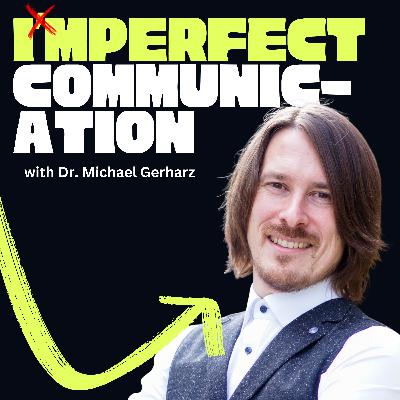
What if the biggest breakthrough in your communication isn't about being more persuasive, but about being more curious?Dr. Michael Gerharz, a communication coach with a computer science background, joins me to unpack why so many brilliant ideas die in boring PowerPoint presentations. We dive into his PATH framework (Plain & Simple, Actionable, Transformative, Heartfelt) and explore how empathy beats ego in every conversation that matters.From navigating blunt feedback in tech teams to making presentations that people actually want to listen to, Michael shares practical tools for anyone tired of dancing around topics or watching great ideas get lost in translation.Resources mentioned:PATH in a NutshellSpeak EasyDouglas Adams' The Hitchhiker's Guide to the Galaxy - Michael's book pickPresentation Zen by Gar ReynoldsStay in the loop:Subscribe to the newsletter: imperfect.emailThe website: imperfect.clubInstagram: @imperfect_creativesTikTok: @imperfect.creativesYouTube: @Imperfect_Creatives
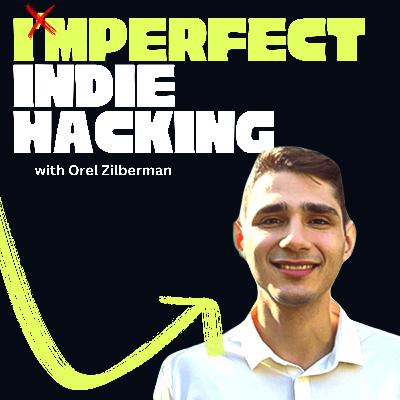
Orel Zilberman quit his job to become an indie hacker, and then built 9 projects and made… nothing. And then everything changed with his latest product, WriteStack, an AI writing tool now generating thousands in revenue.In this conversation, we dig into the messy reality of quitting your job to be an indie hacker and building in public. Orel shares how customer feedback completely pivoted his product direction, why he spends time daily DMing strangers who engage with his work, and how he balances running WriteStack with maintaining his Substack (the IndiePreneur) where he openly shares his journey every step of the way.Stay in the loop:Subscribe to the newsletter: imperfect.emailInstagram: @imperfect_creativesTikTok: @imperfect.creativesYouTube: @Imperfect_CreativesMore from Orel:The IndiePreneur (Orel's Substack newsletter)WriteStack Other Resources Mentioned:The Million Dollar Weekend by Noah KaganDavid Goggins - Can’t Hurt Me (Orel’s book choice)
Michael Box is a filmmaker, writer, musician, juggling indie film production with a full-time job and family life. In this conversation, we dig into how he and his creative partner Patrick launched Echo Eterna Productions to create "Speakeasy”, a dystopian film about punk musicians in a world where self-expression is regulated.We talk about time management, writing scripts in parking lots, working with ADHD as a superpower, the emotional vulnerability of putting creative work out there, and more.✉️ Stay in the loop:Subscribe to the newsletter: imperfect.newsThe website: imperfect.clubInstagram: @imperfect_creativesTikTok: @imperfect.creativesYouTube: @Imperfect_CreativesMore from Michael Box & SpeakEasy:SpeakEasyTheMovie.comInstagram.com/EchoEternaInstagram.com/SpeakEasyTheMovieInstagram.com/MikeWritesMoviesOther Resources Mentioned:Craig Maizen’s Scriptnotes podcast Masterclass.comChapters:(00:48) Wearing multiple hats(01:00) Time management(03:02) Managing ADHD and Staying Motivated(05:47) The Importance of Creative Outlets(06:07) From Music to Filmmaking(10:04) Launching Echo Eterna Productions(17:21) Networking and Collaboration(21:12) Crowdfunding and Production Challenges(28:42) Advice for Aspiring Filmmakers(30:06) The Challenges of Shooting on Film(31:20) The Importance of Collaboration(32:06) Overcoming Creative Obstacles(33:40) Balancing Creativity and Mental Health(38:13) Managing ADHD in Creative Work(45:51) The Influence of Punk Music(53:18) Supporting SpeakEasy
What does it take to walk away from a broken system and build something better?In this episode, I talk to Toni Finnimore, founder of The Social Society, about her journey from “climbing a mountain of treacle” in the charity sector to creating a platform that actually helps people give back in more human, meaningful ways. We talk about founder life, compassion fatigue, and how to actually make a difference when you don’t know where to start.🔗 Mentioned in this episode:Toni’s org: The Social SocietyThe Alchemist by Paulo CoelhoThe Do Book Co✉️ Stay in the loop:Toni on LinkedInSubscribe to the newsletter: imperfect.newsThe website: imperfect.clubInstagram: @imperfect_creativesTikTok: @imperfect.creativesChapters:(0:00) Intro(01:22) What Is The Social Society?(04:14) Toni’s Background(08:33) Leaving the Sector vs. Building Something New(11:07) The Reality of Starting From Scratch(13:29) Volunteering That Actually Works: Skills, Not Guilt(17:01) Micro-Volunteering and Making It Frictionless(20:22) Founder Burnout and Setting Boundaries(23:10) Gender Bias in the Founder Journey(26:05) Growing Slow, Staying Rooted(30:41) Balancing Strategy with Intuition(35:18) Rebuilding Local Connection in a Remote World(38:50) Holding Space Without Absorbing Everything(41:55) Starting Small to Beat Overwhelm(45:30) Why Good Events Aren’t About Glitter and Hay Bales(48:00) Finding Purpose in the Chaos(49:38) Final Thoughts and Book Recommendations
If you’ve ever dreamed of ditching your 9–5 to pursue something more creative, this one’s for you.In this episode, I chat with Evelyn (aka tapiocapress) about her transition from a corporate tech job to full-time YouTuber. Evelyn shares what it was like to feel misaligned in the world of work, how she began building her channel on the side, and the pivotal moment she decided to go all-in.We chat about the emotional and practical sides of creative independence: the fear of leaving security, how to “job-craft” your way into alignment, and what it’s really like to share your life with an audience that’s still growing. We also discuss goal setting, how to deal with the ups and downs of being a content creator, the importance of staying honest with yourself, and the impact of finding community and support within the creator space. A huge thanks to Evelyn for openly sharing her experience, which I think provides super valuable lessons and encouragement for anyone considering a similar path!More from EvelynCheckout tapiocapress on YouTubeCheckout tapioca.press on InstagramResources MentionedEvelyn’s book choice: The body keeps the score - Bessel Van Der KolkPodcast: How I built this with Guy RazBook: The Pathless Path - Paul MillerdMore from ImperfectCheck the website for more episodes & notesOr subscribe to the newsletter Chapters(02:32) Evelyn's YouTube Beginnings(05:03) Dealing with Transparency and Audience Growth(12:00) Balancing YouTube and a Full-Time Job(12:47) The Reality of Burnout(13:06) Finding Inspiration from Other Creatives(15:45) Navigating the Decision to Quit Corporate(22:09) The Importance of Community and Support(27:49) Job Crafting: Molding Your Job to Fit Your Passions(30:29) The Dissonance of a Corporate Job vs. Personal Goals(32:41) Balancing Productivity and Personal Fulfillment(36:42) Navigating Corporate Culture and Personal Pursuits(42:16) Aligning Goals and Expectations(46:25) The Journey to Self-Understanding and Balance(49:08) Setting Goals and Reflecting on Progress(55:22) Book Recommendations and Final Thoughts
The work of knowing yourself is never over, and our identity, as well as what matters to us, constantly shifts and changes over the course of our lives. In this episode I talk with Paulo André, a former VP of engineering turned leadership coach, about how we can better understand our personal identity, and be aware of common pitfalls that can so often lead to burnout, like allowing our work to consume our identity to the point that we rely on burning dark energy to get by. This episode was like a personal therapy session for me, and we dive into many deep topics such as dealing with anxiety, learning to detach from what we cannot control, and being aware of the narratives that are driving us forwards. We also talk about Paolo’s fantastic newsletter “The Hakagure” plus the practicalities of going from a 9-5 role to starting your own business. I certainly learned a lot in this episode and I hope you will too! CHAPTERS(00:00) Introduction(02:26) From Engineer, to Leader, to Coach(08:20) Why Start a Coaching Business?(14:54) Burning Dark Energy(21:39) Following your Intuition(24:24) Dealing with Anxiety & Doubt(31:36) Journaling (36:13) Personal vs Work Identity(43:12) Self-Worth & The Stories we tell ourselves(48:39) Isolating Personal Identity and Professional Growth(53:11) How to detach(57:54) Understand, then be understood(1:06:40) Focus on what you can control(1:08:29) Connect on a human level(1:10:30) Anxiety is future-facing(1:17:32) Negative visualisation(1:19:45) The different kinds of stress(1:25:49) Take yourself less seriously(1:26:23) Taking action & fearing failure(1:32:50) Nobody’s looking(01:35:15) Key takeaways and Book recommendationsRESOURCES MENTIONEDGood Reasons for Bad Feelings - Randolph M. NesseConscious Business - Fred KaufmanOne from Many: Visa and the Rise of Chaordic Organization - Dee Hock The Courage to Be Disliked - Ichiro Kishimi, Fumitake Koga The Upside of Stress - Kelly McGonigalThe Science of Storytelling - Will StorrThe Mind Architect - Peter CroneMORE FROM PAULO ANDRÉPaulo on LinkedInThe Hagakure MORE FROM MIKESign-up to the Imperfect NewsletterMike on LinkedIn Hosted on Acast. See acast.com/privacy for more information.
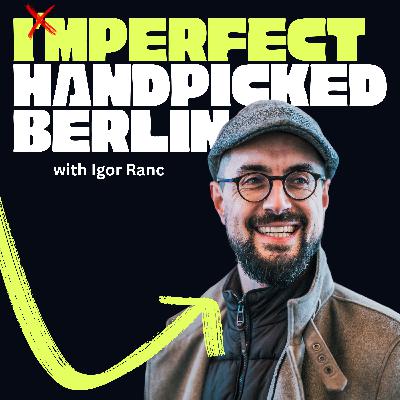
In this episode, I talk with Igor Ranc about his journey as an online creative and writer, from his first online newspaper in 2008 to his newsletter Handpicked Berlin, which now has over 6,000 subscribers. We dive into everything from dealing with fear and the spotlight effect, to Igor’s experience taking an active sabbatical and creating his own startup, to the challenge of “hamster wheel content creation”, and the importance that distribution plays as a creator and entrepreneur. MORE FROM IGOR RANCHandpicked BerlinContribute to the Startup & Salary Survey for 2024EightyFourBook recommendations: The Scout Mindset, Founder Vs InvestorMORE FROM IMPERFECT CREATIVESSign-up to the Imperfect NewsletterMike on LinkedInCHAPTERS (00:00) Introduction(03:34) The origin of Handpicked Berlin(05:26) Defining success & traction as a creator(06:54) The evolution of Handpicked Berlin(09:08) Why keep going?(10:45) Balancing passion projects with full-time work(17:56) Embracing the journey & finding balance(22:53) Survivorship bias & compounding(26:00) Nothing happens without persistence(28:58) Compounding leading to growth(31:40) Community is the key(34:00) How things change when you have an audience(37:20) Metrics and growth traps(39:12) The urge to scale(42:56) The pressure to have side-hustles(45:00) Just start, nobody cares(49:14) Asking is free(52:00) Know the game you're playing(57:40) What to ask companies in interviews(01:01:17) Mastering salary negotiations(01:09:02) Book recommendations & final takeaways Hosted on Acast. See acast.com/privacy for more information.
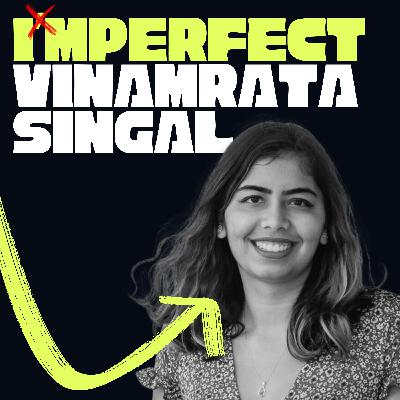
In this episode I chat with Vinamrata Singal about her decision to take a sabbatical after seven years in the tech industry. We delve into the motivations and fears people have when thinking of taking a sabbatical, as well as the impact a sabbatical can have on your life and your career. As always we dive into the deep stuff - we explore what it means to relinquish your professional identity and deal with the battle of the ego and status that comes with that. We also talk about the challenges of publishing work online and the struggles of marketing yourself. Vinamrata also shares a bunch of great resources for online creatives and for anyone thinking of taking a sabbatical. I’m a big fan of Vinamrata’s writing so it was an absolute pleasure to have her on the show - hope you enjoy the conversation as much as I did! - Mike.CHAPTERS (00:00) Introduction(01:15) The decision to take a Sabbatical(05:06) What even is a sabbatical?(07:45) Planning a sabbatical(11:30) The journey to quitting(13:18) Scarcity mindset & financial anxiety(14:22) Struggling with losing your identity(15:10) The “what do you do?” question & investing in yourself(16:00) Is taking a sabbatical “brave”?(18:20) The pebble in your shoe(19:40) Advice for people considering a sabbatical(22:45) The door is more open than you think(25:40) It’s easier to feel the downsides(27:05) Struggling with professional labels(30:10) Pride and ego(35:40) Pursuing a Blended Career(37:05) Is success as a full-time creative in your control?(42:30) What is failure for creative work?(44:00) Does having an audience matter?(47:20) Self-promotion vs doing the work(50:10) Starting a coaching side-hustle(55:00) Growing intentionally & the Sh**ty Marketing Ratio(58:12) Book Recommendations(61:55) Key Takeaways MORE FROM VINAMRATA SINGALThe Next Chapter (Vinamrata’s Blog) Get Coaching with Vinamrata Vinamrata on LinkedInMORE FROM IMPERFECT CREATIVESSign-up to the Imperfect NewsletterMike on LinkedInRESOURCES MENTIONEDhttps://moretothat.com/take-the-leap/ The Pathless Path - Paul MillerdVINAMRATA’S BOOK PICKSThe Bhagavad GitaThe Catcher in the Rye - J. D. SalingerIn Other Words - Jhumpa LahiriThe Stranger - Albert CamusTomorrow, and Tomorrow, and Tomorrow - Gabrielle Zavin Hosted on Acast. See acast.com/privacy for more information.
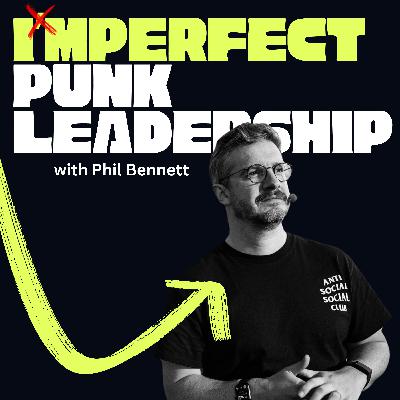
In this episode, I chat with Phil Bennett (Director of Engineering, speaker, and author) about his new book “Punk Leadership”. Taking inspiration from the spikey-haired, loud-mouthed Punks of the 70s, Phil calls on all of us to take a boot to the status quo and fix broken corporations from the inside-out. We dive into the juicy details on what this means and how to do this - figuring out your personal values by building a “personal manifesto”, using Phil’s core pillars (“people, cash, planet”) to build a positively impactful career, and challenging dodgy decisions in the workplace. We also dive into how tech has influenced the creator economy, as well as some practical tips on how Phil tackles writing with Dyslexia. I hope you enjoy the show! - Mike.Chapters(00:00) Introduction(01:09) What is Punk Leadership?(08:20) The influence of punk on creative culture(09:28) The impact of disruption in tech(12:14) Conscious decision making when choosing a job(21:46) How to create a Personal Manifesto(24:57) Challenging decisions in the workplace(33:23) Reassessing your manifesto over time(49:43) Exploring entrepreneurship and indie hacking(52:32) The reality of content creation and the creator economy(56:00) How tech platforms impact the creator economy(01:00:00) YouTube niches and how hard it actually is to be a YouTuber(01:05:19) Tech isolation(01:09:58) Does online privacy matter?(01:16:40) The Prog-Rock phase of the tech industry(01:21:10) The challenges of writing a book with Dyslexia(01:26:53) Balancing a full-time job with creative side projects(01:30:41) Key takeawaysMore from Phil Bennett Buy the Punk Leadership Book here Phil on LinkedinSoftware is Easy, People are Hard - NewsletterMore from Imperfect CreativesSign-up to the Imperfect NewsletterMike on LinkedInAbout the showThis podcast isn't perfect, and neither are you. And that's okay! This show is for imperfect creatives and entrepreneurs who want to embrace shipping their work without the trappings of perfection. Leadership and career coach Michael Carruthers chats with creatives of all kinds - be it engineers, product managers, YouTubers, authors, or solopreneurs - to understand how they grapple with the challenges that come with building a fulfilling creative career, along with all of the glorious imperfection that comes with it. Hosted on Acast. See acast.com/privacy for more information.
Comments


Download from Google Play

Download from App Store
 United States