


 Claim Ownership
Risky Business of Providing Aid in Japan
Subscribed: 0Played: 0
Subscribe

© Charles
Description
Joel Challender and Charles McJilton discuss the challenges of providing aid in Japan in response to a natural disaster.
4 Episodes
Reverse
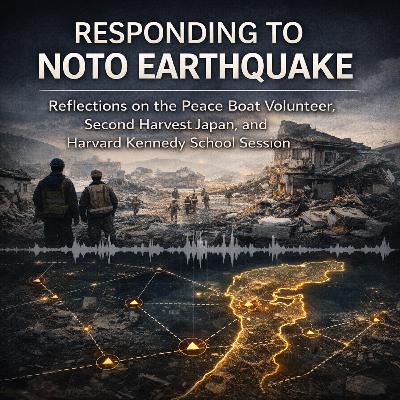
Joel and Charles review a recorded session last fall with Peace Boat, Second Harvest Japan, and graduate students at Harvard Kennedy School of Government. The discussion revolved around how organizations responded, why there was a delay in responding, and would a system like FEMA make sense for Japan?
In the latest episode of The Risky Business of Delivering Humanitarian Aid in Japan, Joel Challender and Charles McJilton explore the complexities of humanitarian access during disasters in Japan. They discuss the unique challenges NGOs face when working within Japan's disaster response system, the critical role of coordination and logistics, and why building relationships with local authorities and organizations is key. Tune in to hear lessons learned from past disasters and insights on how empathy and cultural understanding shape effective disaster response.

Join hosts Joel Challender and Charles McJilton as they delve into the complexities of resource management in disaster response. In this episode, they explore the push, pull, and call-forward supply chain models, providing insights into how these approaches impact disaster aid delivery. Drawing from real-world examples, including the Great East Japan Earthquake, they discuss the challenges of aligning aid with actual community needs, overcoming gatekeeping, and leveraging existing supply chains like convenience stores for efficient relief efforts. This episode emphasizes the importance of assessment, adaptability, and collaboration to ensure aid reaches those who need it most.

This episode Joel and Charles talk about the importance of doing assessment when providing aid. Charles talks about his failure to do this in Tohoku in 2011 and how that impacted relief activities.
Comments

Download from Google Play

Download from App Store
 United States