


 Claim Ownership
Uncommon Living: A Dialogue in Human Resilience
Subscribed: 9Played: 149
Subscribe

© Thomas P Seager, PhD
Description
Arizona State University Professor and Morozko CEO Thomas P. Seager, PhD hosts health experts for dialogs in human resilience, including the science and experience of cold plunge therapy.
45 Episodes
Reverse
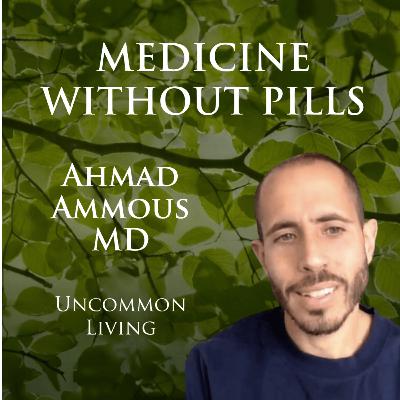
Ahmad Ammouss, MD almost quit medical school when he realized that the pharmaceutical drug therapies could never cure patients of chronic illness, but instead of walking out on medicine, he graduated, completed his residency training, and passed his Boards. Now he practices as a physician with hospital privileges in Massachusetts -- except his patients don't get pills. They get lifestyle recommendations that focus on diet and sunlight.In this episode of the Uncommon Living podcast, Dr. Ammous describes his unique journey from attending medical school in Lebanon to practicing medicine in the United States. He and Arizona State University Professor Thomas Seager, PhD review the shortcomings of modern medical training, and how animal-based diets high in fat can help restore health. They talk about light hygiene and the importance of bright, sunlit days and dark nights. Then. Professor Seager introduces the MyGreen Lamp and reviews the clinical trials and patient case experiences that demonstrate the power of green phototherapy for migraine headache and other pain relief.

Morozko CEO and Arizona State University engineering Associate Professor Thomas Seager describes how his interest in metabolism began when his six-year-old son was diagnosed with diabetes twenty-five years ago. When he discovered that the nutrition and diet advice he was getting from the licensed clinicians contradicted the scrupulous records he kept on his son's blood glucose levels and insulin demand, Seager decided he had to figure out for himself what would work best for his son.However, it wasn't until Seager had his own health scare that he got serious about a daily ice bath practice. He had a prostate specific antigen (PSA) test that indicated an elevated risk of prostate cancer. Seager decided not to undergo conventional treatments. Instead of a biopsy and prostatectomy, he used a ketogenic diet and ice baths to lower hid PSA from 7.0 to 1.8. Coincidentally, his total testosterone jumped from 736 to 1180.That was almost ten years ago.Since then, Seager has been researching how the ice bath benefits the body, including the way that brown fat from cold exposure will support thyroid function and correct hypothyroidism. He's published two books, Uncommon Cold, and Uncommon Testosterone, that document the extraordinary case studies in the use of cold plunge therapy to reverse chronic illnesses.This video is the interview he gave at the Halo+ activation during the SXSW 2026 festival in Austin TX, in which he emphasizes the role of mitochondria in health, beauty, and longevity.
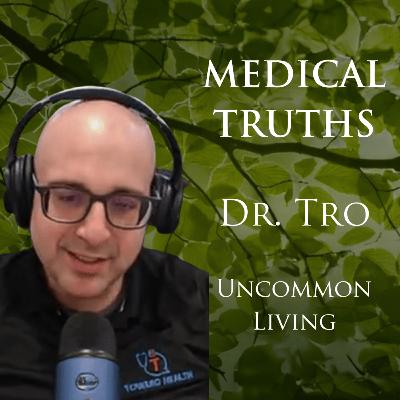
When he weighed 350lb, Dr. Tro Kalayjian began questioning everything he'd learned about obesity in medical school. Instead of following the recommendations in his textbooks, he decided to read the scientific literature for himself.He discovered that low carbohydrate diets were an effective treatment for morbid obesity, and he lost more than 150lbs. Then he had to wonder, "What else could possibly be wrong with allopathic medical advice?"Lots.In this episode of the Uncommon Living podcast, Dr. Tro explains why he does not take the flu vaccine, and how he convinced his medical superiors to allow him an exemption. He talks with Thomas Seager, PhD, about his work as a board-certified physician specializing in Internal Medicine and Obesity Medicine, how he gets his patients off the prescribed medications that they don't need, and his experiences with cold water immersion therapy.
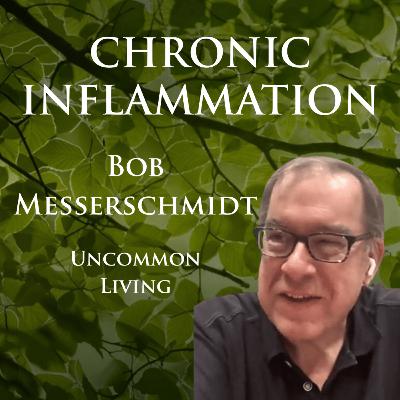
In this episode of the Uncommon Living podcast, Thomas P Seager, PhD, interviews Bob Messerschmidt, the founder of COR Health, about the importance of self-monitoring health through innovative technology. Messerschimdt explains the significance of inflammation as a marker for chronic diseases, the limitations of traditional medical practices, and the potential of at-home health monitoring devices to empower patients to be in charge of their own health. He shares insights into the science behind his device that measures inflammation via erythrocyte sedimentation rate (ESR) -- i.e., the rate at which red blood cells coagulate.The COR Health devices provides immediate data to drive lifestyle changes. Messerschmidt and Seager describe several habits and foods that can help resolve chronic inflammation, including ice baths. Summary:Self-monitoring health is becoming increasingly accessible.Inflammation is a key factor in chronic diseases.Traditional medicine often lacks effective solutions for chronic illnesses.Immediate data feedback can drive better health decisions.The COR device offers a new way to measure inflammation at home.ESR is a reliable indicator of systemic inflammation.Lifestyle changes can significantly impact inflammation levels.Healthy foods can be more effective than supplements for reducing inflammation.Cultural practices have proven benefits for health.Regulatory challenges exist in the health tech industry.
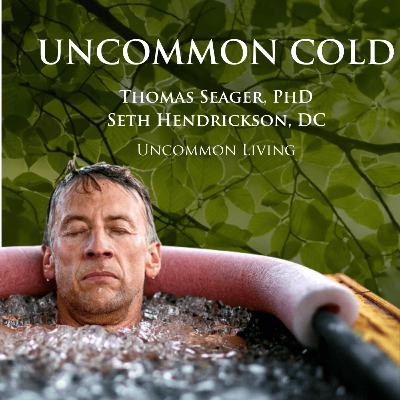
Seth Hendrickson DC, is a California a chiropractor who found an instatiable appetite for reading when he regained his eyesight after an acid-scarring accident. In his functional integrative medicine practice, he often recommends cold plunge therapy -- especially for his perimenopausal and menopausal women.In this episode of the Uncommon Living podcast, Hendrickson asks several questions of Thomas Seager, author of Uncommon Cold, about the science of cold therapy, and Seager hints about revising his book to create a 2nd edition.Hendrickson says the extensive references in Uncommon Cold reduce his research time and help him with his own health. His enthusiasm for the book and its impact on his chiropractic medicine practice is evident, making it one of his top book recommendations for health professionals.
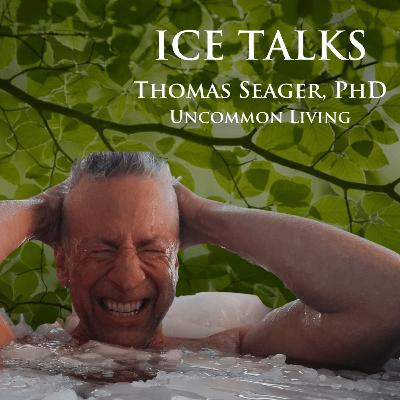
This compilation of short lectures from the ice bath covers topics related to health, mitochondria, ketones, hormones, weight loss, autism, and protocols for cold plunging.
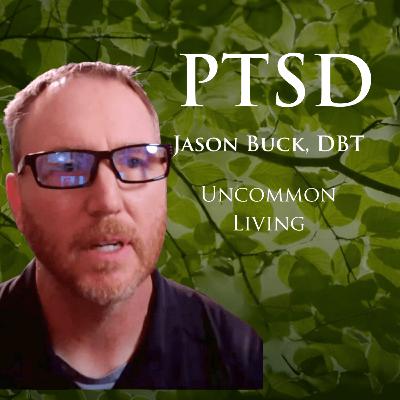
According to the creator of Dialectical Behavioral Therapy (DBT) psychologist Marsha Linehan, PhD, cold water immersion therapy rebalances the sympathetic and the parasympathetic divisions of the central nervous system and can be used to treat mood and personality disorders. Mindy Pelz DC said that 11 seconds of cold plunge immersion works for treating her PTSD.How can this happen?In this episode of the Uncommon Living podcast, Doctor of Behavioral Therapy Jason Buck describes how the Wim Hof breathing and cold plunge method helps him manage anxiety and maintain mental health.
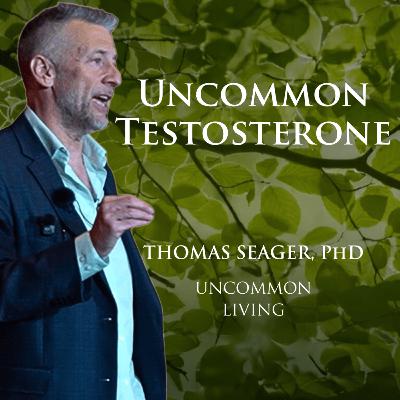
When faced with an abnormal prostate specific antigen (PSA) test, Thomas Seager, PhD decided to eschew the normal medical advice and opted to practice daily ice baths instead. Four months later he'd reduced his PSA from 5 to 1.8 ng/dL, indicating no elevated risk of prostate cancer.Along the way, he discovered that his total testosterone had shot up to 1180 ng/dL. In this lecture, Seager explains the mechanism of sex hormone synthesis in the mitochondria that likely explains his spectacular results, and answers questions from the CryoCon 2025 audience about deliberate cold exposure, prostate health, and the importance of total testosterone for mental health.In this powerful presentation from the CryoCon Convention 2025, Seager shares a personal and emotional story excerpted from his book "Uncommon Testosterone." He discusses how cold plunge therapy, specifically ice bath practices, can play a role in optimizing sexual health and overall well-being, touching on aspects of stress management. Thomas P Seager, PhD deep dives into the relationships between cold exposure and testosterone.Timestamps:0:00 PSA from 7.1 down to 1.8 with keto and ice baths.5:50 Sakamoto study: exercise BEFORE cold exposure.7:33 High testosterone doesn't cause prostate cancer, it protects against it.8:22 Ice bath testosterone and women.9:30 Testosterone is synthesized in cholesterol/sex health.11:30 Ice baths suppress hypertrophy? Only when done after exercise.12:50 Vitamin D boosts testosterone? Instead try magnesium, zinc, and boron.13:40 The problem with testosterone research.15:15 People are starting to listen.17:10 Make yourself healthy again.17:45 Question: cold plunge vs cryotherapy.19:01 Question: Ice baths and HRT21:40 Question: Importance of total testosterone vs free testosterone as a biomarker.Cold Exposure and Testosterone: https://www.morozkoforge.com/ice-bath-science/categories/testosterone-sex-health
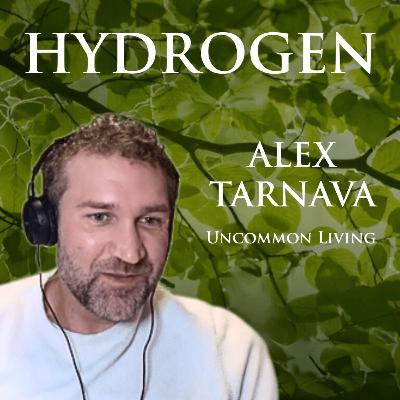
Inventor the hydrogen water tablet, Alex Tarnava joins the Uncommon Living podcast to explain the role of hydrogen in the body and the mechanisms by which H2 promotes health, well-being, and longevity. Tarnava tells Thomas Seager, PhD about how three different dosing methods, drinking, bathing, and inhalation, target different areas of the body and have different effects.They also compare views on the necessity of fiber in the human diet, what (if anything) we can learn about human longevity by studying Blue Zones, the essential relationship between hormetic stress and human well-being, and the fallacy of the MBA degree. This wide-ranging conversation exemplifies the kind of independent, integrative systems thinking that is prerequisite to Uncommon Living,The Uncommon Living podcast is hosted by Arizona State University Associate Professor Thomas Seager, PhD, who is also the CEO of the Morozko Forge ice bath company.
Ozone is a powerful disinfectant in water -- more powerful than chlorine and in many ways safer. However, the EPA and OSHA have set strict exposure limits in air.In this episode of the Uncommon Living podcast, Thomas Seager, PhD talks with SimplyO3 Founder Micah Lowe about the science of ozone therapy, the mechanisms of action, the use of ozone for disinfection in ice baths, and some of the safety concerns that users have expressed.
At the age of 41, Sarah Kleiner was determined to have a second child. She was already on a carnivore diet, but she lost two pregnancies and two rounds of IVF failed to produce viable embryos.What else could she possibly do? Ice baths.Less than four months after starting a program of regular cold water immersion therapy, Sarah successfully conceived. At age 43, she had a natural childbirth and a health baby boy.This episode of Uncommon Living describes Sarah's experience with diet, sunlight, and ice baths for sexual health and fertility.
The green light of the shady forest might be why the Japanese practice of shinrin-yoku (forest bathing) promotes healing. Immersion in the shady forest for just a few hours a week boosted the immune system, fight cancer, reduce inflammation, improve circulation, speed healing, and enhance mood. Meanwhile, in clinical trials at Harvard and University of Arizona, green light therapy has been used to treat migraine and other types of pain.In this episode of the Uncommon Living podcast, Thomas Seager, PhD explains the invention of the MyGreen Lamp for treatment of migraine and other types of pain, how the lamp was invented, how it compares to other green phototherapy technologies, and why he thinks its related to forest bathing.Try MyGreen at mygreenlamp.com

Solodome co-founders Joshua Chaney & Kris Cadle explain the Solodome vibroacoustic chair, and how sound therapy is emerging in the biohacking space as treatment for Parkinson's Disease, joint pain, and more.Solodome & Morozko: https://www.morozkoforge.com/solodomeThomas Seager PhD is an Associate Professor in the School of Sustainable Engineering at Arizona State University and CEO of the Morozko Forge ice bath company.Opinions and any other information expressed in this interview are for general education and entertainment purposes only. Nothing in the Uncommon Living podcast constitutes medical advice.
Sheryl Utal is the CEO and founder of Japa Health, a company that makes health assessments and connects patients to decentralized medical practitioners. In this conversation, she and Thomas Seager, PhD discuss her Hashimoto’s thyroiditis diagnosis, the meaning of health, the life of an entrepreneur, and how to become the best version of yourself.The Cold Connection to Hashimoto’s Thyroiditis: https://www.morozkoforge.com/post/hashimotoThomas Seager PhD is an Associate Professor in the School of Sustainable Engineering at Arizona State University and CEO of the Morozko Forge ice bath company. Opinions and any other information expressed in this interview are for general education and entertainment purposes only. Nothing in the Uncommon Living podcast constitutes medical advice.
Thomas P Seager, PhD, and Kevin Fontaine discuss the emerging field of cold plunge therapy, exploring its potential benefits for mental and physical health, particularly in relation to opioid addiction and diabetes. Additionally, they delve into the challenges of securing research funding, the influence of the pharmaceutical industry, and the importance of dietary choices in overall health. Ice Bath for Type 2 Diabetes: https://www.morozkoforge.com/post/ice-bath-glucose-monitoring-diabetesCold Plunge Research: https://www.morozkoforge.com/post/cold-plunge-researchThomas Seager PhD is an Associate Professor in the School of Sustainable Engineering at Arizona State University and CEO of the Morozko Forge ice bath company. Opinions and any other information expressed in this interview are for general education and entertainment purposes only. Nothing in the Uncommon Living podcast constitutes medical advice.
In this episode of Uncommon Living, Matt Kuiper of Desert Plunge, Cameron LaBar (ColdPlungeCam), and product designer Edgars Treimanis join Thomas Seager, PhD to discuss how cold plunge therapy has profoundly improved their symptoms of depression and anxiety. All have the shared experience of tapering off of, one even discontinuing his medication, after beginning a cold plunge practice. This episode was taken from The Cold Plunge Research Institute Planning Workshop of 2024 at Morozko Forge. If you are interested in more discussions like this, you can get tickets to this year's symposium with an early bird discount here: https://www.quantumlenswellness.com/offers/gBihvnYK/checkout?coupon_code=CPRIWINTERSOLSTICEDepression Cured by Cold Plunge: https://www.morozkoforge.com/post/ice-bath-depressionThomas Seager PhD is an Associate Professor in the School of Sustainable Engineering at Arizona State University and CEO of the Morozko Forge ice bath company. Opinions and any other information expressed in this interview are for general education and entertainment purposes only. Nothing in the Uncommon Living podcast constitutes medical advice.
In this solo episode of Uncommon Living, Thomas Seager, PhD dives deep into the thermodynamics of life. He describes how the concept of entropy was invented to solve problems in the design and operation of steam engines during the industrial revolution, and how it evolved to help solve problems in chemical engineering, computing, and artificial intelligence.Although all living systems rely on structured energy flows, Seager points out that the word "calorie" was exapted from mechanical engineering and its application to food and diet results in serious misconceptions. He suggests that the correct way to think about food is as information first, material second, and energy last -- just the opposite from the chronology of discovery in physics.Seager points out that the human body is far more complex than a steam engine, and that hormones are the information carriers, like material embodiments of condensed information, that signal metabolism.Seager gives the example of two hormones that govern appetite, ghrelin & leptin, and he mentions two that govern body composition, insulin (governing fat cell growth) and myostatin (inhibiting muscle growth).Lastly, Seager describes the essential role of mitochondria as the environmental sensing agents of the metabolic system. The mitochondria, he says, are what modifies the epigenome -- turning genes on or off -- in response to light, food, and temperature. Thus, mitochondria are the master controllers of human thermodynamics, not the DNA in the nucleus.Calories & Cold Plunge: https://www.morozkoforge.com/post/cold-thermogenesis-weight-lossThomas Seager PhD is an Associate Professor in the School of Sustainable Engineering at Arizona State University and CEO of the Morozko Forge ice bath company. Opinions and any other information expressed in this interview are for general education and entertainment purposes only. Nothing in the Uncommon Living podcast constitutes medical advice.
Chiropractor Dr Olivia Pompa talks to Thomas Seager, PhD about diet, metabolic flexibility, hormesis, and how she treats patients. She also delves deep into witnessing the death of her parents at a young age, and how with help from her adoptive parents, was able to become the person she is today.Ice Baths & Trauma-- Treating PTSD With Cold Water Therapy: https://www.morozkoforge.com/post/ice-bath-trauma-ptsdThomas Seager PhD is an Associate Professor in the School of Sustainable Engineering at Arizona State University and CEO of the Morozko Forge ice bath company. Opinions and any other information expressed in this interview are for general education and entertainment purposes only. Nothing in the Uncommon Living podcast constitutes medical advice.
Andrew Sheridan shares his discovery of cold plunge and contrast therapy, using it to treat his neuropathy. He and Thomas Seager, PhD discuss the science behind thermal contrast therapy, the importance of grounding and ozone benefits, and the coaching methods he developed to help others experience the benefits of cold exposure. Intriguingly, Andrew's methods fall in line with a term coined by Peter Levine called pendulation. This is where one alternates between their sympathetic and parasympathetic nervous system, switching between excited or stressed to relaxed. Levine uses this to improve trauma outcomes, while Andrew's clients report relaxation.Ice Bath, Sauna, Exercise Protocol has Evolutionary Origins: https://www.morozkoforge.com/post/ice-bath-saunaThomas Seager PhD is an Associate Professor in the School of Sustainable Engineering at Arizona State University and CEO of the Morozko Forge ice bath company. Opinions and any other information expressed in this interview are for general education and entertainment purposes only. Nothing in the Uncommon Living podcast constitutes medical advice.
Ohio State University Professor of Neurology Kristy Townsend, PhD says that a low fat diet isn't as good for you as it's made out to be. In this episode Professor Townsend explains how fat and the nervous system work together, the benefits of having a variety of fats in your diet, and the health advantages of having brown fat as an adult.Brown Fat and the Brain: https://www.morozkoforge.com/post/ice-bath-alzheimer-dementiaThomas Seager PhD is an Associate Professor in the School of Sustainable Engineering at Arizona State University and CEO of the Morozko Forge ice bath company. Opinions and any other information expressed in this interview are for general education and entertainment purposes only. Nothing in the Uncommon Living podcast constitutes medical advice.

Comments

Download from Google Play

Download from App Store
 United States