


 Claim Ownership
Fearless Schools Podcast
Subscribed: 1Played: 0
Subscribe

© 2024
Description
The Fearless Schools Podcast aims to address the timeliest challenges from education based on the research and writings of Dr. Douglas Reeves and his colleagues at Creative Leadership Solutions. We will discuss and tackle timely topics from the field.
36 Episodes
Reverse
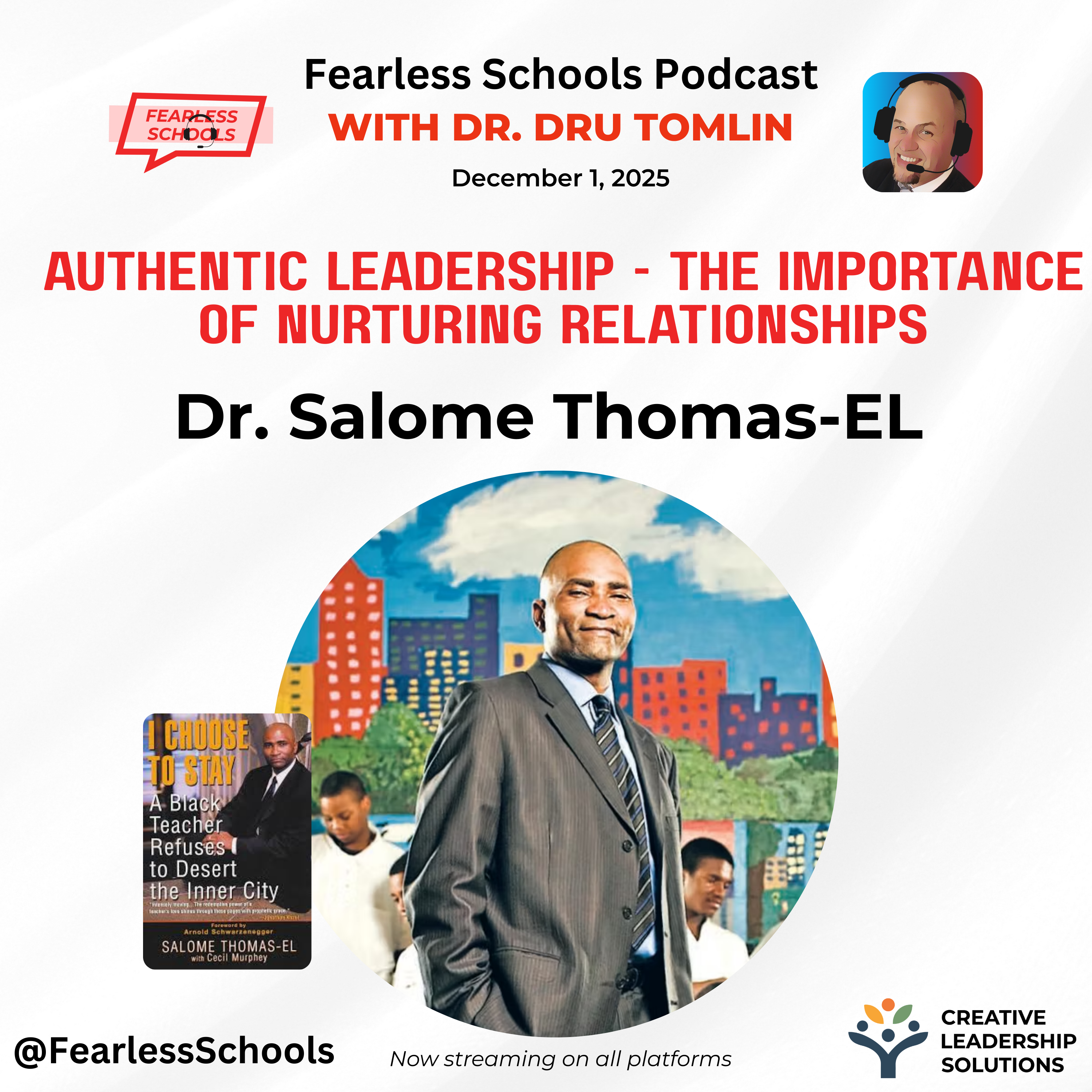
In this episode of the Fearless Schools podcast, we engage with Principal Salome Thomas-El (aka Principal El), who shares his insights on authentic leadership, the importance of nurturing relationships in education, and the role of joy and resilience in school culture. Principal El emphasizes the significance of hands-on leadership, using the metaphor of watering plants to illustrate the need for leaders to be actively involved in their communities. He advocates for choosing impact over compliance and fostering joy in educational settings, ultimately aiming to inspire and uplift educators and students alike. Takeaways Authentic leadership is crucial for building trust. Building relationships is key to fostering a supportive school culture. Joy and resilience are essential for effective school leadership. Chess teaches critical thinking and problem-solving skills. Leaders should prioritize impact over compliance.
In this episode of the Fearless Schools Podcast, we engage with bestselling author Brad Meltzer, exploring the profound impact of educators on students' lives. Meltzer shares his personal journey from a struggling student to a successful writer, highlighting the pivotal role of teachers who believed in him. The conversation delves into themes of gratitude, the importance of failure, and the magic of teaching writing and reading. Meltzer emphasizes that educators are everyday heroes who inspire students to see their potential and embrace their unique voices. The episode concludes with a heartfelt message of appreciation for teachers and the vital work they do. Takeaways Teachers are heroes who deserve gratitude. Failure is necessary for success in any endeavor. Both fiction and non-fiction reading and writing are important to student achievement (and empathy). Teaching writing is a magical artform. There are everyday heroes all around us who need to be celebrated.
In this episode of the Fearless Schools Podcast, we welcome Katie Powell, a passionate advocate for middle school education. We discuss Katie's journey from a curious student to a dedicated educator, her insights on engaging students through creative teaching strategies, and the importance of emotional safety in the classroom. Katie shares her experiences that influenced her book, Boredom Busters, and she also examines the need for differentiation among educators, and the role of school leaders in supporting teachers. The conversation emphasizes the significance of seeing students (particularly middle school students) as individuals and investing in their emotional and academic growth. Takeaways Differentiation is crucial not only for students but also for educators. School leaders must support teachers in their unique teaching styles. Emotional safety is essential for effective learning in middle school. Adolescents face unique challenges that require sensitivity from educators. Teaching is an art that requires creativity and flexibility. Investing in students today pays dividends for their future.
In this episode of the Fearless Schools podcast, we interview Mr. Ernest Clinkscale, an experienced and passionate elementary school principal. We discuss the importance of educational leadership, the heart-brain connection in teaching and leading, and the need for empathy and understanding in schools. Mr. Clinkscale shares his personal journey into education, his daily commitment to closing achievement gaps, and strategies for engaging families and communities. The conversation emphasizes the significance of building relationships with staff and students, empowering educators, and the challenges of balancing time and responsibilities in the demanding field of education. Take aways Empathy (not sympathy) is essential in understanding student and staff needs. Community engagement requires taking the message to the people. Advocacy for students can look different depending on the situation. Daily interactions with staff can foster a positive school culture. The heart-brain connection is vital for effective teaching. Leaders must empower their staff to create a supportive environment.
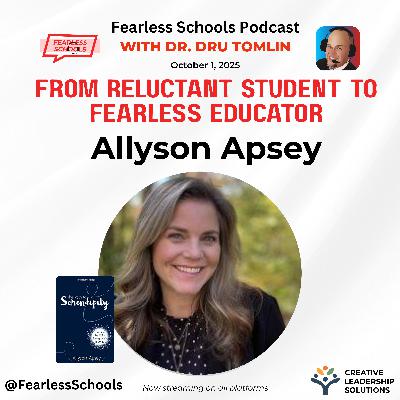
In this episode of the Fearless Schools podcast, we welcome back educational leader and author, Allyson Apsey. We discuss Allyson's journey from a reluctant student to a passionate educator, the importance of building relationships in the classroom, and the concept of serendipity in education. The conversation also touches on collective efficacy, the challenges educators face, and practical strategies for fostering engagement and inclusion in schools. Allyson shares insights from her experiences and emphasizes the need for educators to connect with their students and each other to create a positive learning environment. Takeaways Serendipity in education refers to happy accidents that lead to positive outcomes. Reading fiction can improve emotional intelligence and empathy. Hope is a key component of self-efficacy and collective efficacy. Educators should focus on understanding their students' needs and strengths. Creating a positive learning environment requires intentional relationship-building.
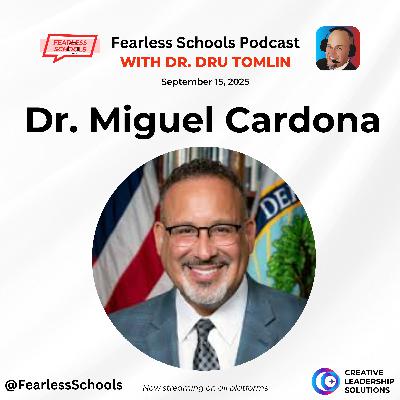
In this episode of the Fearless Schools podcast, we interview Dr. Miguel Cardona, the 12th U.S. Secretary of Education. We discuss Dr. Cardona's journey in education, the importance of mentorship, the power of bilingualism and biculturalism, and the challenges facing public education today. Dr. Cardona shares insights on educational innovations during the pandemic, the significance of teacher apprenticeships, and offers advice for educators to stay hopeful and focused on their purpose. After checking out this Fearless Schools podcast, listeners will be informed and inspired for the bright road ahead! Key Takeaways A teacher's encouragement led Dr. Cardona to pursue a career in education. Bilingualism and biculturalism are seen as superpowers in education. Collaboration and understanding different perspectives are crucial in leadership. Reopening schools during the pandemic was a significant achievement. Every educator has the potential to make a significant impact on their students' lives.
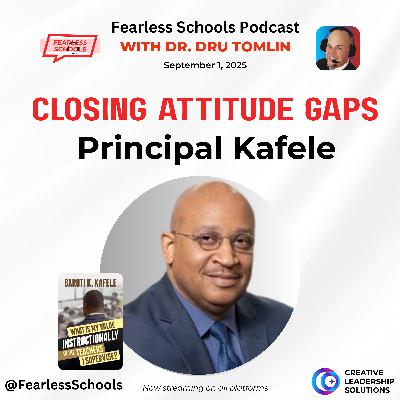
In this engaging Fearless Schools podcast episode, we converse with Principal Kafele, an educational leader with a remarkable journey from student, to celebrated teacher, to renowned principal and educational thought leader. We explore themes of leadership, the importance of support systems, the need to close the attitude gap in education, and the significance of self-reflection for continuous improvement. Principal Kafele shares his insights on motivating students, building strong administrative teams, and the challenges of educational leadership, all while emphasizing the superhero-like qualities of educators. Key Takeaways Support systems are vital for effective leadership. Building a strong administrative team requires regular, substantive meetings. Closing the attitude gap is essential for student success. Engaging with the community is crucial for student development. Self-reflection and assessment are key to personal growth. Effective communication is a superpower in educational leadership.
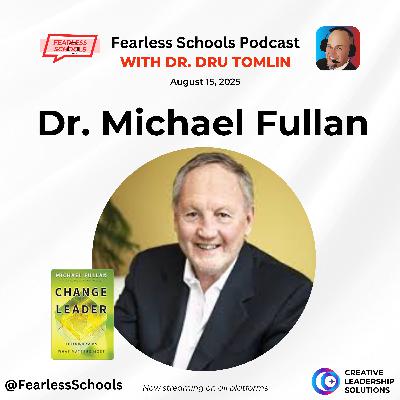
In this insightful episode of the Fearless Schools podcast, we talk to educational researcher and reformer, Dr. Michael Fullan, who delves into the critical role of failure in the learning process and educational reform. He reflects on his career transition from studying change and failure to actively reforming educational systems. Dr. Fullan discusses the importance of moving away from top-down approaches and highlights the need for collaboration between educators, students, and communities to foster meaningful change. He shares successful examples from his work with school districts, emphasizing the significance of setting clear goals and embracing complexity through innovative practices. The conversation also touches on the evolving purpose of education and the necessity of aligning educational goals with the needs of modern society. Takeaways Embrace Failure as a Learning Tool: Shift from Top-Down to Collaborative Approaches: Set Clear and Relevant Goals: Innovate with Complexity in Mind: Foster Purpose and Belonging in Education
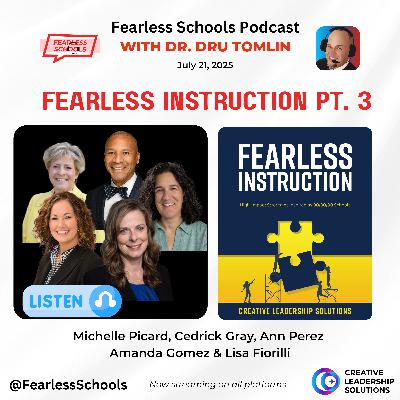
In this episode of the Fearless School's podcast, we discuss Part 3 of the book, 'Fearless Instruction," entitled "FINISHING THE PUZZLE - Engaging Everyone" We ask the authors to talk about the impact of the 90-90-90 research on their writing for this section and discuss the concepts of literacy as a team sport, interdisciplinary thinking, and doing better when you know better to help all students achieve. The esteemed authors share their insights on the practical applications of the book and encourage school leaders to utilize its resources to foster a positive learning environment. Takeaways When you know better, you do better. The book is a reflective tool to help teachers connect with their craft. Literacy practices are best accomplished through team work. Interdisciplinary thinking and planning help bring the content areas together and make learning more tangible for learners. The book provides practical, step-by-step guidance for new and veteran administrators and educators.
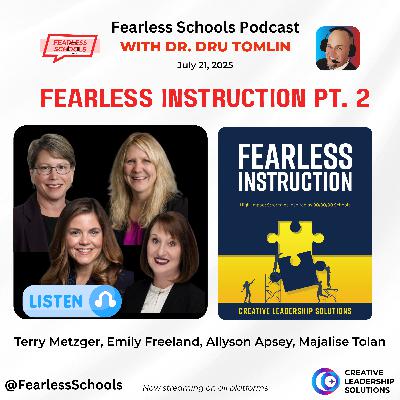
In this episode of the Fearless School's podcast, we discuss Part 2 of the book, 'Fearless Instruction," entitled "Putting It Together: Doing the Work that Matters." We focus on the 90-90-90 strategies that lead to high student achievement in diverse and economically challenged schools. The conversation emphasizes the importance of effective feedback, clarity, grading, and writing in education, and how these elements can be implemented to improve student outcomes. The panelists share their insights on the practical applications of the book and encourage educators to utilize its resources to foster a positive learning environment. Takeaways The 90-90-90 strategies are applicable for all schools. Feedback should be intentional and aimed at improvement. Nonfiction writing is crucial for student achievement. Consistency in clarity, grading, and feedback fosters student motivation. The book provides practical, step-by-step guidance for new and veteran administrators and educators.
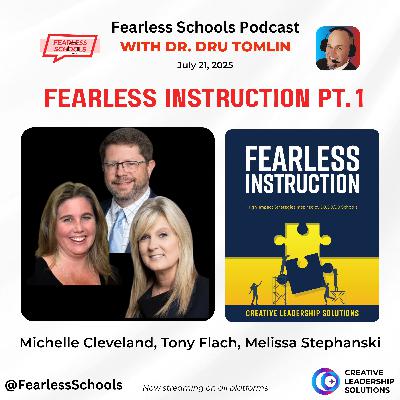
The Fearless Schools podcast team talks to the authors of section 1 ("Laying the Foundation: Fostering a Culture of Collaboration") of the Creative Leadership Solutions book, Fearless Instruction--to learn about the critical information behind the book. In addition to examining the inspiration of Dr. Reeves' 90/90/90 research, they discuss how teachers and leaders can utilize the book to help all students achieve, help all teachers collaborate effectively, and help all school leaders move their schools forward.
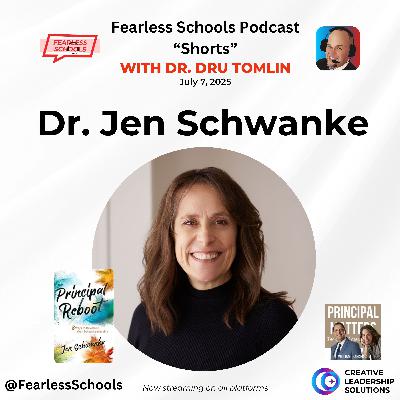
In this episode of the Fearless Schools Podcast, we talk to Dr. Jen Schwanke and we explore the journey of educational leadership, emphasizing the importance of kindness, creativity, and human connection in education. In addition to blueberries, we also discuss the challenges faced by educators, the importance of empowering others without overstepping, the impact of AI on learning, and the need for evolving educational practices to meet the needs of a new generation. Dr. Schwanke also shares her personal stories which shaped her approach to growing leadership, maintaining a positive school climate and fostering relationships (including within oneself as an educational leader). Episode takeaways: Creativity and original thought are essential in the future of education. Confidence in leadership is crucial, but it can be challenging to maintain. Empowering others requires a shared mindset without overstepping authority. Vulnerability should not be mistaken for weakness in leadership. Recognizing and celebrating personal strengths is vital for self-esteem in leadership. Education often feels urgent, but many issues can be addressed calmly over time. Leaders should strive for continuous improvement while acknowledging their current successes.

In this reflective episode of the Fearless Schools podcast, we review the highlights and key takeaways from our journey in podcasting--and make note of special moments, key quotes, great guests and key takeaways from all of the Fearless Schools 2025 episodes. Finally, we discuss the gratitude we feel towards our amazing international audience and Creative Leadership Solutions team. Take aways Reflection is a valuable tool for educational leaders. The podcast has reached listeners in over 30 countries. John Hattie's episode was the most downloaded. Listening is crucial for understanding needs and critical thinking. Collaboration enhances the experience--in schools and podcasts! Gratitude towards the audience and team is vital for growth.

In this episode of the Fearless Schools Podcast, we talk to Dr. Nikki Woodson, the superintendent of the Metropolitan School District in Washington Township, Indianapolis. We discuss Dr. Woodson's journey to leadership, the challenges of the superintendency, and the importance of building a diverse and effective team. We also talk about the impact of the pandemic on education and advice for aspiring superintendents. The conversation emphasizes the need for reflection, mentorship, and the joy of being fully present with and for students. And the key takeaways: The weight of responsibility is felt on day one as a superintendent. Discourse within a team can lead to better decision-making. The pandemic provided an opportunity to reimagine education. Mentorship is key for aspiring educational leaders. Leadership is a journey that requires continuous reflection. Walking in the shoes of students and staff provides invaluable insights. Work-life balance must be cultivated in current roles before advancing. Loneliness in leadership can be mitigated by seeking professional connections.

In this episode of the Fearless Schools podcast, Dr. Dru Tomlin and Dr. Ann McCarty engage in a conversation with renowned educational researcher Dr. John Hattie. In addition to exploring Hattie's origin story and his journey through education, they also discuss how failure, curiosity, and reinvention are stepping stones to success. Hattie shares insights on the implications of homework on student learning, the need for educators to understand the nuances of educational strategies, the importance of fostering a growth mindset in students, the power of listening, and of course, effect size in educational research. Key Takeaways Reinvention is a key theme in Hattie's career. Failure is not an end but an opportunity for growth. Effect size helps measure the impact of educational strategies. Homework can have varying effects based on its nature and implementation. Curiosity should be nurtured in students to foster learning. Understanding the context of learning is essential for effective teaching. Effect sizes are important, but implementation matters more.
In this episode of the Fearless Schools podcast, we engage with Dr. Peter Noonan, discussing the complexities of the superintendency, especially in the context of the COVID-19 pandemic, and explore the qualities necessary for effective leadership in education. Dr. Noonan shares insights on creating a leadership pipeline, the importance of communication and strong relationships, and transitioning from management to instructional leadership. The conversation also touches on the future of the superintendency and the evolving challenges leaders face in education. He shares insights on how to thrive in the superintendency and the joy found in working with students and communities. Top Takeaways The superintendency has become more complicated post-COVID. Mentoring and building a leadership pipeline are essential for future success. Superintendents must know teaching and learning deeply. The future of the superintendency is evolving with new challenges. Trust in schools is being restored post-COVID. Communication is key to avoiding surprises in school leadership. Leading with purpose over ego is essential for success. Finding joy in student interactions fuels educational leaders.
In this episode of the Fearless Podcast, we engage with educators Kylie Thomas and Em Beeler, who share their unique experiences as students during the COVID-19 pandemic and how it shaped their teaching philosophies. They discuss the confusion and challenges faced during the transition to online learning, the importance of understanding students' diverse backgrounds, and the lessons learned that have made them more compassionate educators. The conversation highlights the resilience of both teachers and students in navigating the complexities of education during and after the pandemic and explores the multifaceted experiences of educators navigating the challenges and joys of teaching, particularly in a post-pandemic context. The speakers discuss the importance of adaptability, the significance of student-centered learning, and the need for effective grading practices that support student growth.
In this heartfelt conversation on the Fearless Schools Shorts podcast, Dr. Dru Tomlin interviews his mother, Cindy Tomlin, exploring her journey as a student, her motivations, and her career in nursing. Cindy shares her experiences growing up, the influence of her family, and the challenges she faced along the way. The discussion highlights the importance of honesty, humor, and resilience in both personal and professional life, culminating in a reflection on the lessons learned and the value of family support. Key Takeaways: Extracurricular activities and leadership roles are vital to student development. Challenges can inspire higher pursuits. Honesty and humor are fundamental traits in education--and in parenting.
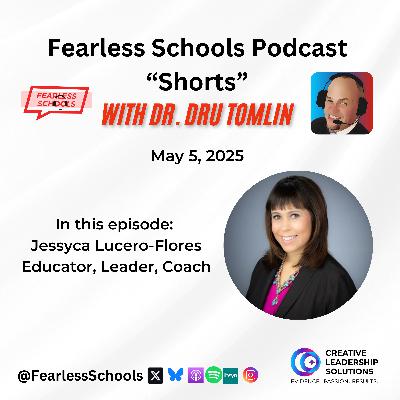
In this episode of the Fearless Schools podcast, we speak with Jessyca Lucero-Flores, educational leader and consultant. We discuss Jessica's journey in education, her experiences living and working in various countries, and the influential teachers who shaped her path. The conversation explores the importance of hands-on learning, the challenges of traditional education systems, and the need for patience and risk-taking in creating lasting change in schools. Jessica shares her unique perspective on education, drawing parallels between ecological systems and educational environments, emphasizing that balance is key to success. Key Takeaways: Education should foster self-discovery and critical thinking. Learning is more than compliance; it's about exploration. Patience is essential for systemic change in education. Healthy risk-taking is vital in the classroom. Normalizing micro failures helps students learn. Modeling public risks encourages students to take risks.

Comments

Download from Google Play

Download from App Store
 United States