


 Claim Ownership
The Creators Podcast
Subscribed: 4Played: 194
Subscribe

© All rights reserved.
Description
Remember history class? Ever wonder about the ones they didn't talk about? The rule breakers? The rebels, the misfits, the poets, and the prophets who refused to follow the script? Enter The Creators Podcast bringing you the untold stories of those who flipped the world upside down. These are the footnotes of the encyclopedia, written in a trail of blood—stories buried, burned, or ignored because they didn’t fit the mold. This is history like you’ve never heard it before. The voices they didn’t want you to know? You’ll know them now.
41 Episodes
Reverse
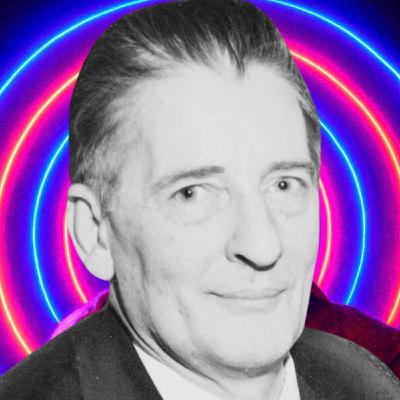
Maxwell Perkins (1884–1947) Max Perkins was an American book editor whose greatest work was not authorship, but fidelity. He spent thirty-six years at Charles Scribner’s Sons, where he reshaped American literature by standing beside writers at moments when their work, and their lives, were most unstable. Perkins edited and championed figures like F. Scott Fitzgerald, Ernest Hemingway, and Thomas Wolfe. He believed editors should remain invisible, that the book belonged to the author, and that the highest creative labor was helping something become fully itself without claiming it. For More: Editor of Genius — A. Scott BergGenius (The Movie)Consider joining The Creators Collective, the community Rainier started for people who want to make art that is alive, grounded, and aligned with their deepest convictions. Inside: live teachings, historical deep dives, creative prompts, and a shared refusal to numb out. Next class is February 22 on PRINCE!Sign up here!


Lenny Bruce (1925–1966): Lenny Bruce was the comedian who transformed stand-up from light entertainment into cultural confrontation. After serving briefly in the U.S. Navy during World War II, he drifted into the nightclub circuit of the late 1940s and 1950s, where comedians were expected to deliver safe jokes and predictable punchlines. Bruce broke those rules. His routines became rapid-fire explorations of religion, race, hypocrisy, censorship, and the strange contradictions of American life. By the early 1960s he was being arrested repeatedly for obscenity, with police officers sitting in clubs transcribing his jokes as legal evidence. In 1964 he was convicted in New York after a controversial trial. Bruce died of a morphine overdose in Los Angeles in 1966 at the age of forty. He is widely recognized as one of the architects of modern stand-up comedy, paving the way for comedians who bravely dared to question the system. For More: How to Talk Dirty and Influence People — Lenny Bruce Lenny Bruce: Let the Buyer Beware — Lenny BruceWant to go beyond listening about creators and actually live like one? Consider joining the next Creators Collective class. This month, March 22nd, we’re exploring the life and work of Robin Williams in a session called The Cost of Joy, an honest look at the strange emotional territory where comedy, sensitivity, grief, and creative brilliance meet. Together we’ll explore what Williams’ life reveals about creativity, emotional depth, and the courage it takes to stay fully alive as an artist.Sign up here
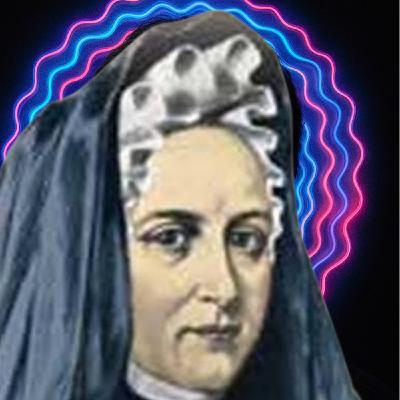
Madame Jeanne Guyon (1648–1717):Jeanne-Marie Bouvier Guyon was a French mystic who taught that dissolving into divine love was the highest spiritual path. Born into minor nobility during the reign of Louis XIV, she wrote in an age defined by monarchy and church authority. She taught that the soul could encounter God directly, without striving, fear, or reward. In A Short and Easy Method of Prayer, she described prayer as a simple act of surrender. Her teachings, later labeled Quietism, were seen as destabilizing to the institutions of her time. She was imprisoned for years in the Bastille. Yet her insistence on interior freedom quietly influenced European spirituality, philosophy and psychology for generations. For More: A Short and Easy Method of Prayer & Spiritual Torrents— Madame GuyonThe Seeking Heart--FenelonThe Art of Grief: A Course for Creating Through Despair. April 6. Through weekly transmissions, real assignments, live gatherings, and an in-person closing ceremony, we’ll explore how loss becomes language, and how sorrow can become structure for a new life. If you’re standing in the aftermath of something, and ready to make art from what remains, this is your invitation.Sign up NowThe Creators CollectiveTHE SALON
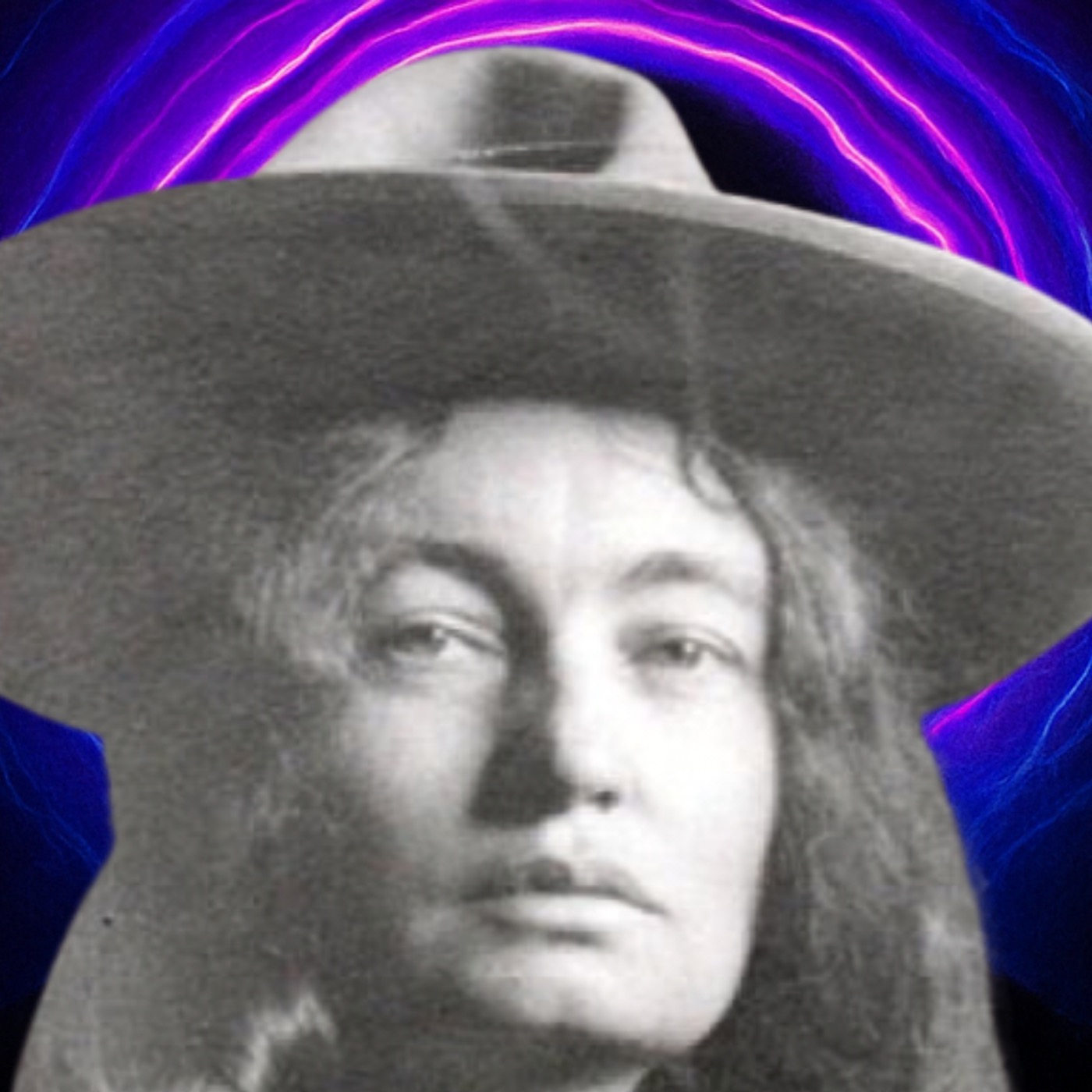
Mary Austin (1868–1934):Mary Austin was a chronicler of the American Southwest who refused the myth that the desert was empty. Born in Illinois, she moved west where scarcity, wind, and water refined both her perception and her prose. In an era intoxicated by expansion, railroads, aqueducts, and industrial ambition, she wrote about attention, insisting that the land was not backdrop but teacher. Through works like The Land of Little Rain, she articulated a radical cosmology of conservation and care for a living land. For creators, she stands as a reminder that attention itself is an ethical act, and that restraint can be a deeper form of abundance.For More: The Land of Little Rain — Mary Austin The Life of Lozen, Apache WarriorThis spring, beginning April 6, I’m leading a twelve-week immersive journey: The Art of Grief: Creating Through Despair. Grief strips away what is excess. It clarifies. It refines. Through weekly transmissions, real assignments, live gatherings, and an in-person closing ceremony, we’ll explore how loss becomes language, and how sorrow can become structure for a new life. If you’re standing in the aftermath of something—and ready to make art from what remains, this is your invitation.Sign up now!
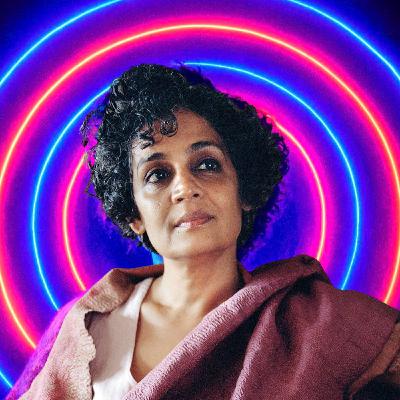
Arundhati Roy (1961– )Arundhati Roy is an Indian novelist, essayist, and political thinker whose work insists that beauty and moral clarity belong to the same sentence. Born in Shillong and raised in Kerala, she emerged onto the global literary stage with her debut novel The God of Small Things, which won the Booker Prize in 1997. Rather than following literary success with market-friendly sequels, Roy turned her attention toward essays confronting nationalism, empire, caste violence, environmental destruction, and the quiet brutalities of modern power. Her nonfiction has made her one of the most influential and controversial public intellectuals of her generation. Roy is a creator who refused separation between art and conscience, choosing witness over comfort, and clarity over safety, even as that choice narrowed her life. She stands as a reminder that creativity is not merely expression, but orientation: a lifelong practice of attention, courage, and refusal to look away.For More:The God of Small Things — Arundhati RoyThe End of Imagination — Arundhati RoyArundhati Roy — Encyclopædia BritannicaWant to go beyond listening about creators and become one?Consider joining The Creators Collective, the community Rainier started for people who want to make art that is alive, grounded, and aligned with their deepest convictions. Inside: live teachings, historical deep dives, creative prompts, and a shared refusal to numb out.Create yourself alive.Sign up here!
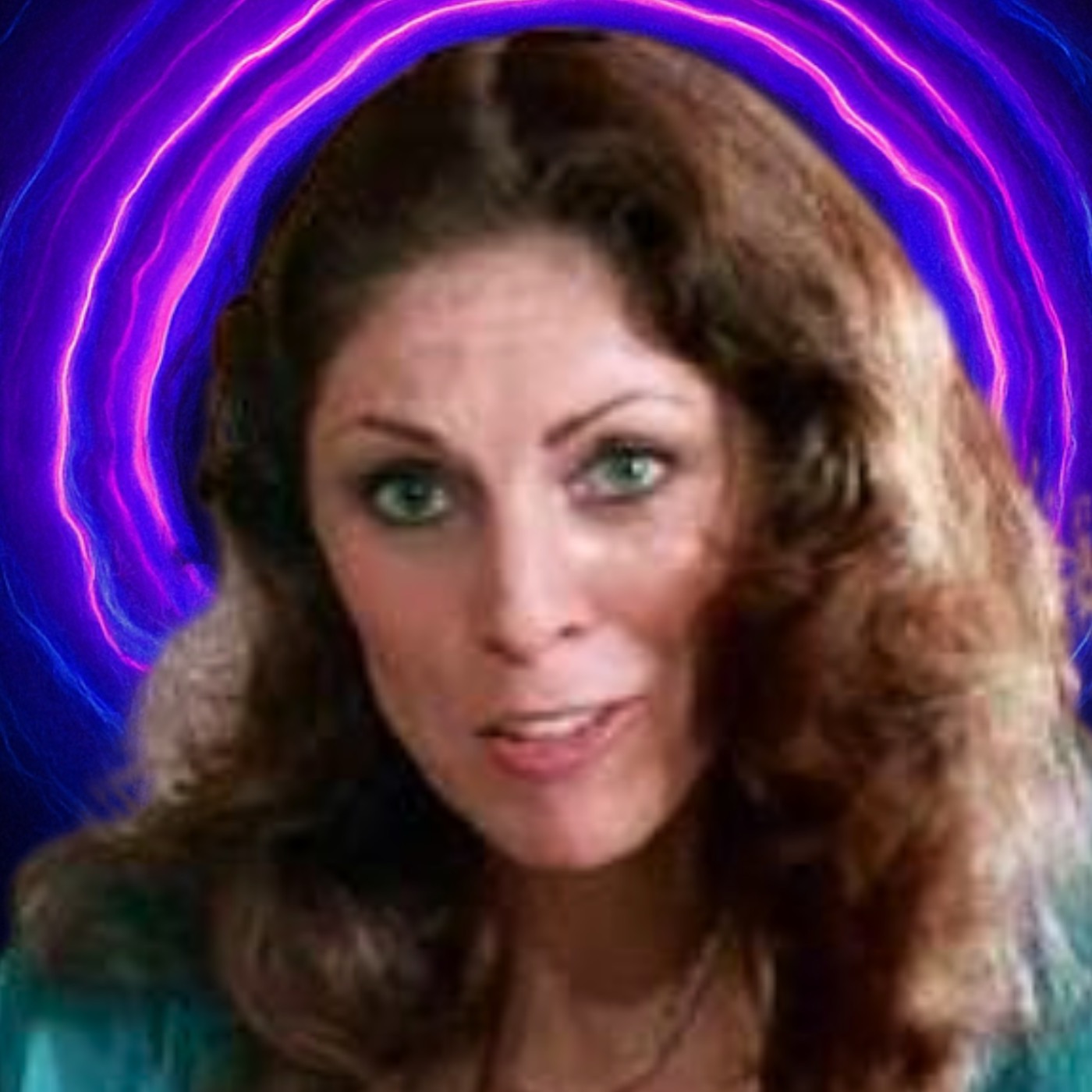
Kay Parker (1944–2022):Kay Parker became an unexpected icon during the so-called Golden Age of Porn in the 1970s and ’80s. She was widely recognized, intensely projected upon, and narrowly defined by roles she would later outgrow. In the early 2000s, Parker quietly re-emerged as a metaphysical teacher and writer, turning her attention to the nature of identity itself. Through her book Taboo: Sacred, Don’t Touch and years of intimate teaching, she explored how the self is constructed in response to fear, desire, and expectation. She passed away from cancer in 2022. For More: Taboo: Sacred, Don’t Touch — Kay Parker Archival interviews & reflectionsWant to go beyond listening about creators and actually live like one?Consider joining the next Creators Collective class. This month, we’re diving into Friedrich Nietzsche—not as meme or misquote, but as a companion for creators dismantling borrowed identities and learning how to author their own lives. A potent evening for anyone standing at the edge of change, ready to stop playing the role and start telling the truth.THE SALON THE INNER CIRCLE
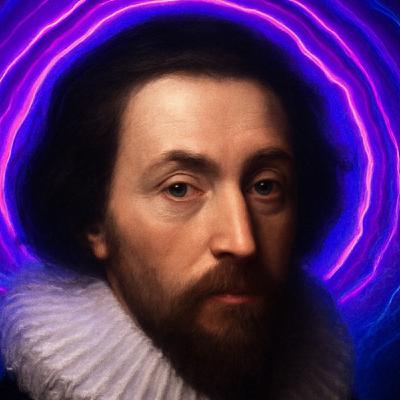
Thomas Morton (c. 1579–1647)Thomas Morton was America’s first banned poet and one of its earliest heretics of joy. A classically trained English lawyer with a humanist soul, Morton immigrated to New England in the late 1620s and became best known as the leader of the short-lived settlement of Merry Mount near present-day Quincy, Massachusetts. There he promoted poetry, music, seasonal celebrations, and social mixing that openly defied Puritan norms joy. Authorities raided the settlement and arrested Morton, eventually exiling him to England, where he wrote New English Canaan (1637), a satirical and critical account of Puritan society and colonial practices; the book was banned from entering the colonies. FOR MORE:The New English Canaan of Thomas MortonThe Lord of MisruleWant to go beyond listening about creators and actually live like one? Consider joining the next Creators Collectiveclass. This month, we’re diving into Friedrich Nietzsche—not as meme or misquote, but as a guide for creators dismantling borrowed values and learning how to author their own lives. A potent evening for anyone standing in the aftermath of certainty, ready to create from what’s real.THE SALON THE INNER CIRCLEAre you interested in claiming one of the THREE spots for the Re-Wilding Imagination Retreat, February 12-15? If so, you can learn more here.
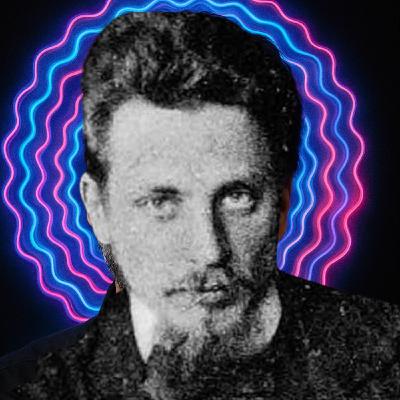
Rainer Maria Rilke (1875–1926): Rainer Maria Rilke was the poet of inwardness, solitude, and becoming; a writer who refused answers in favor of deeper questions. Born in Prague at the crossroads of cultures, Rilke grew up exquisitely sensitive and perpetually displaced, a condition that would shape both his life and his work. He moved restlessly across Europe, apprenticing himself to lovers, artists, and places, most notably Lou Andreas-Salomé and the sculptor Auguste Rodin. His poetry and letters confront uncertainty as a vital condition of growth, urging readers to “live the questions” rather than rush toward certainty. Through works like The Book of Hours, Letters to a Young Poet, the Duino Elegies, and the Sonnets to Orpheus, Rilke articulated a radical ethic for creators: a willingness to let beauty and terror belong to the same life. For More: Letters to a Young Poet — Rainer Maria Rilke The Book of Hours — Rainer Maria Rilke Rilke: In Paris — Documentary / biographical essaysWant to go beyond listening about creators and actually live like one? Consider joining the next Creators Collectiveclass. This month, Jan 18, we’re diving into Friedrich Nietzsche as a guide for creators dismantling borrowed values and learning how to author their own lives. Don't miss this class!THE SALON THE INNER CIRCLE
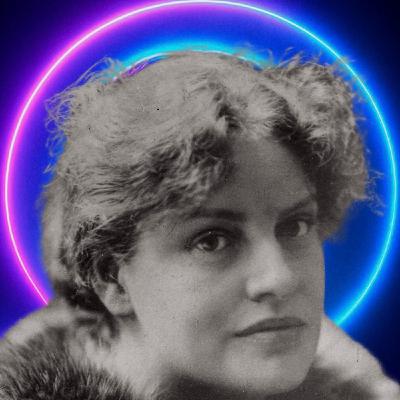
Lou Andreas-Salomé (1861–1937): Lou Andreas-Salomé was born in St. Petersburg and later living across the great nerve-centers of German-speaking culture, she published novels, essays, and criticism on religion, eros, selfhood, and the inner life, writing about desire and identity decades before those subjects were culturally safe. She engaged with some of the most brilliant minds of her time: Friedrich Nietzsche, Rainer-Maria Rilke, and Sigmund Freud. Lou negotiated a form of autonomy, structure, and freedom in an age that demanded women follow rigid expectations. She was a creator of creators, a thinker who inspired other thinkers, and was a living argument that intimacy does not require ownership.For More:Lou Andreas-Salomé — Encyclopædia BritannicaSigmund Freud and Lou Andreas-Salomé, Letters (Norton) Johns Hopkins Library Exhibit: “Lou Andreas-Salomé: A Brief Biography”Want to go beyond listening about creators, and become one? Consider joining The Creators Collective, the community Rainier started to unblock your purpose and ignite your passions. This group is filled with resources, and live teachings from Rainier. This month we'll be studying Nietzsche, on January 18. Sign up now to join us live!
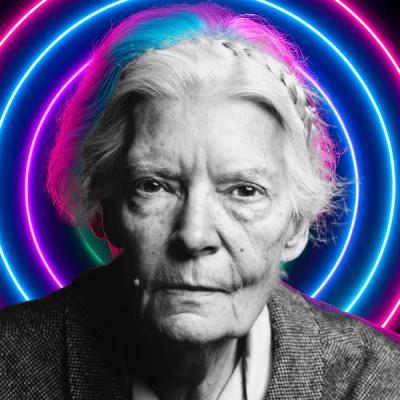
Dorothy Day (1897–1980):Dorothy Day was a journalist-turned-organizer whose greatest creation was community itself. Born in Brooklyn and raised amid the changes of early-20th-century America. After a conversion to Catholicism in her thirties she co-founded The Catholic Worker in 1933, a penny newspaper that became a rallying cry for mercy, justice, and nonviolent resistance. Alongside it, she helped establish Houses of Hospitality across the country, where the hungry were fed, the homeless sheltered, and dignity treated as non-negotiable. A committed pacifist, Day opposed war, capitalism’s cruelties, and the quiet violence of indifference, enduring arrests, surveillance, and criticism from both Church and State. By the time of her death, she had reshaped the moral imagination of American faith.For More:The Long Loneliness — Dorothy DayDorothy Day: A Radical Devotion — PBS DocumentaryThe Catholic Worker Movement (catholicworker.org)Want to go beyond listening about creators, and become one? Consider signing up for the next Creators Collective class. This one's on the OG Rebel poet, prophet, creative type--Jesus Christ. Don't miss inspiring and powerful class for anyone looking to resurrect their creative life.THE SALONTHE INNER CIRCLE
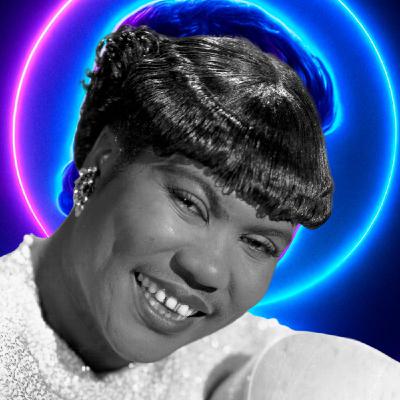
Sister Rosetta Tharpe (1915–1973):Sister Rosetta Tharpe was the gospel virtuoso who rewrote the DNA of modern music. Born in Cotton Plant, Arkansas, and raised in the Pentecostal revivals of the American South, she became a national sensation in her teens as an electric-guitar prodigy whose fusion of sacred lyrics and blistering rhythm prefigured rock and roll by decades. In the 1930s and ’40s she recorded groundbreaking gospel hits, played the Cotton Club, toured with jazz greats, and astonished audiences with her fearless blend of church fervor and nightclub swagger. British blues musicians later traced their entire sound back to her records, crediting her as a foundational influence on artists like Elvis, Little Richard, and Johnny Cash. Though her career waned late in life and she died with little fanfare, Rosetta is now recognized as the godmother of rock and roll, an artist whose innovation, authority, and audacity shaped the world.For More:Shout, Sister, Shout!: The Untold Story of Rock-and-Roll Trailblazer Sister Rosetta Tharpe — Gayle F. WaldAmerican Masters: Sister Rosetta Tharpe — The Godmother of Rock & Roll (PBS Documentary)Archival 1964 Manchester PerformanceWant to go beyond listening about creators, and become one? Consider signing up for the next Creators Collective class. This one's on the OG Rebel poet, prophet, creative type--Jesus Christ. Don't miss inspiring and powerful class for anyone looking to resurrect their creative life.THE SALONTHE INNER CIRCLE
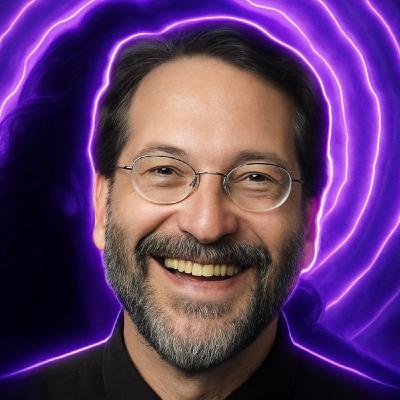
Brian Doyle (1956–2017):Brian Doyle was the joyful warrior of wonder. Born into a roaring Irish-Catholic family, he learned early that holiness hid inside the ordinary. After years in journalism, he landed in Oregon and became editor of Portland Magazine. Here his voice was transformed into one of America’s most astonishing essayists, writing in long, breathless sentences that felt like prayer and play at the same time. He died early of tragic brain cancer and left behind a body of work including novels, essays, letters, and love stories about grit and grace. Doyle believed that attention was a form of love and that praise was the only accurate response to this world. Today, he is considered one of the greatest evangelists of awe in an age of cynicism.For MoreOne Long River of Song--Brian DoyleCollected Archives--Portland MagazineReview--New York TimesWant to go beyond listening about creators, and become one? Consider joining The Creators Collective...the community Rainier started to unblock your purpose and ignite your passions. Filled with live teachings, creative prompts, and a circle of fellow makers, it’s where you create yourself alive.THE SALONTHE INNER CIRCLE
Leonora Carrington (1917–2011):Born into English aristocracy she rejected domestication and fled to Paris, falling into The Surrealist movement. Her paintings were characterized by dreamscapes of witches, wild animals, and rebirth. In 1940 she suffered a nervous breakdown, was declared insane and institutionalized in Spain. She was able to escape and remade herself in Mexico City among exiles, mystics and poets. Carrington’s art is a record of a woman who turned exile into alchemy. Today, she is considered one of the most celebrated and enduring Surrealist artists.For More: Down Below — Leonora Carrington Leonora Carrington: Museum of Modern ArtWant to go beyond listening about creators, and become one? Consider joining The Creators Collective...the community Rainier started to unblock your purpose and ignite your passions. Filled with live teachings, creative prompts, and a circle of fellow makers, it’s where you create yourself alive.THE SALONTHE INNER CIRCLE
Georgia O’Keeffe (1887–1986)Georgia O’Keeffe was the woman who chose to be both the maker and the muse. She came of age in a world that wanted women to be owned, creatively, emotionally, and relationally. She refused to be anyone's possession. Her paintings were less about what they showed and more about what they stripped away. Each one was a reclamation of selfhood. She became both legend and lover in the orbit of photographer Alfred Stieglitz, whose vision of her nearly consumed her. When that life grew too small, she left it all to find herself in the desert. There in New Mexico, O’Keeffe built a world from her own silence. This episode asks what she teaches us about love and identity, when creativity and intimacy collide, who owns the story?FOR MORE:Georgia O’Keeffe, Georgia O’Keeffe: Art and Letters (ed. Jack Cowart & Juan Hamilton)Roxana Robinson, Georgia O’Keeffe: A LifeThe Georgia O’Keeffe Museum – Santa Fe, New MexicoIf you're ready to create, I built The Creators Collective as a home for artists, writers, and tender rebels who believe in living wholeheartedly. Through poetry, story, and creative work of every kind, we dare to live out loud. For just $44 a month, you can join The Salon, our first tier, and get monthly live classes, full access to the creative archive, weekly sparks to keep your fire alive, and a community of fellow makers at the table with you. Or, you can take a deeper dive into The Inner Circle, giving you access to more engagement, behind-the-scenes insights, private interactive calls, and opportunities for direct mentorship. It’s the space where we move past inspiration and into true creative transformation. THE SALONTHE INNER CIRCLE
Sōetsu Yanagi (1889–1961)Sōetsu Yanagi was the quiet heretic who declared war on speed. In the 1920s, alongside potters Shōji Hamada and Kanjirō Kawai, he founded the Mingei (“folk craft”) movement: an act of philosophical resistance that insisted usefulness, humility, and imperfection were the true teachers of beauty. He preached a gospel of anonymity. This episode asks how we create honest art in an age when visibility has replaced value, and speed itself has become a religion. What does it mean to make something that doesn’t scream for attention?FOR MORE:The Unknown CraftsmanMingeikan – Japan Folk Crafts Museum (Tokyo)If you're ready to create, I built The Creators Collective as a home for artists, writers, and tender rebels who believe in living wholeheartedly. Through poetry, story, and creative work of every kind, we dare to live out loud. For just $44 a month, you can join The Salon, our first tier, and get monthly live classes, full access to the creative archive, weekly sparks to keep your fire alive, and a community of fellow makers at the table with you. Or, you can take a deeper dive into The Inner Circle, giving you access to more engagement, behind-the-scenes insights, private interactive calls, and opportunities for direct mentorship. It’s the space where we move past inspiration and into true creative transformation. THE SALONTHE INNER CIRCLE
Arthur Rimbaud (1854–1891)Arthur Rimbaud was the teenage prodigy who detonated modern poetry and then walked away before his twentieth birthday. Born in a small French town to a devout mother and absent father, he fled to Paris during the chaos of the Franco-Prussian War, where his hallucinatory verses and scandalous affair with poet Paul Verlaine made him both legend and pariah. In just a few feverish years he wrote The Drunken Boat, A Season in Hell, and Illuminations; works that reshaped language itself and foreshadowed everything from surrealism to punk. This episode asks what his vanishing act reveals about our own obsession with permanence: why we believe art, life, and love must last to matter, and what it might mean to burn brightly and let the fire go out.FOR MORE:Rimbaud Complete Works | Translated by Wallace FowlieEnid Starkie, Arthur Rimbaud: A Biography“The Drunken Boat” and “A Season in Hell,” public domain translations at Poetry FoundationIf you're ready to create, I built The Creators Collective as a home for artists, writers, and tender rebels who believe in living wholeheartedly. Through poetry, story, and creative work of every kind, we dare to live out loud. For just $44 a month, you can join The Salon, our first tier, and get monthly live classes, full access to the creative archive, weekly sparks to keep your fire alive, and a community of fellow makers at the table with you. Or, you can take a deeper dive into The Inner Circle, giving you access to more engagement, behind-the-scenes insights, private interactive calls, and opportunities for direct mentorship. It’s the space where we move past inspiration and into true creative transformation. THE SALONTHE INNER CIRCLE
Renato Casaro (1935–2025):Renato Casaro is the Italian painter who gave cinema its mythic face.He began painting movie posters as a teenager outside his local theater and rose through Rome’s Cinecittà Studios to become the go-to artist for filmmakers like Sergio Leone and Dino De Laurentiis. His brush created the worlds of Conan the Barbarian, The NeverEnding Story, Dune, and The Last Emperor—images that turned films into modern icons. Eventually his work was replaced by computer design and cheaper software. This episode asks what his story reveals about our own age of automation: why make anything by hand when a machine can do it faster, and what do we lose when beauty no longer needs a human heartbeat to exist?FOR MORE:The Michelangelo of Movie Posters, NY TimesThe Last Movie Painter (Documentary, 2021)Renato Casaro’s official site: www.renatocasaro.comIf you're ready to create, I built The Creators Collective as a home for artists, writers, and tender rebels who believe in living wholeheartedly. Through poetry, story, and creative work of every kind, we dare to live out loud. For just $44 a month, you can join The Salon, our first tier, and get monthly live classes, full access to the creative archive, weekly sparks to keep your fire alive, and a community of fellow makers at the table with you. Or, you can take a deeper dive into The Inner Circle, giving you access to more engagement, behind-the-scenes insights, private interactive calls, and opportunities for direct mentorship. It’s the space where we move past inspiration and into true creative transformation. THE SALONTHE INNER CIRCLE
Helena Petrovna Blavatsky (1831–1891):Madame Blavatsky was the mother of modern mysticism who turned Victorian reason on its head. She claimed to speak for hidden Masters in Tibet, mixed Eastern philosophy with Western occultism, and wrote books that helped shape everyone from Gandhi to Yeats to Kandinsky. Her critics called her a fraud. Her followers called her a prophet. The truth is she was both, and neither. This episode is about what happens when imagination itself becomes rebellion. When invention becomes revelation. When a person outsmarts an empire with nothing but audacity, mystery, and smoke and mirrors.FOR MOREMadame Blavatsky the Mother of Modern Spirituality by Gary LachmanTheosophy on WikipediaTheosophy Collections at HarvardIf you're ready to create, I built The Creators Collective as a home for artists, writers, and tender rebels who believe in living wholeheartedly. Through poetry, story, and creative work of every kind, we dare to live out loud. For just $44 a month, you can join The Salon, our first tier, and get monthly live classes, full access to the creative archive, weekly sparks to keep your fire alive, and a community of fellow makers at the table with you. Or, you can take a deeper dive into The Inner Circle, giving you access to more engagement, behind-the-scenes insights, private interactive calls, and opportunities for direct mentorship. It’s the space where we move past inspiration and into true creative transformation. THE SALONTHE INNER CIRCLE
Louis Armstrong (1901-1971):Louis Armstrong was the sound of jazz itself. His horn was once considered too dangerous to be on the airwaves, too alive to be contained. But America has a way of sanding down what it fears. Armstrong became the smiling face of jazz, a Hollywood star, almost a Disney character. This episode isn’t about the legend we remember. It’s about the danger we forget. About how art born in defiance gets bleached into nostalgia. And what we may lose when we trade the unruly for the respectable.FOR MOREPioneer Or Popular Entertainer? BBCA Heart Full of Rhythm (Interview with Biographer)Louis Armstrong LIVEIf you're ready to create, I built The Creators Collective as a home for artists, writers, and tender rebels who believe in living wholeheartedly. Through poetry, story, and creative work of every kind, we dare to live out loud. For just $44 a month, you can join The Salon, our first tier, and get monthly live classes, full access to the creative archive, weekly sparks to keep your fire alive, and a community of fellow makers at the table with you. Or, you can take a deeper dive into The Inner Circle, giving you access to more engagement, behind-the-scenes insights, private interactive calls, and opportunities for direct mentorship. It’s the space where we move past inspiration and into true creative transformation. THE SALONTHE INNER CIRCLE
Rosie the RiveterRosie was the face of wartime feminism; the rolled sleeve and red bandana, the icon of “We Can Do It.” But Rosie the Riveter was a symbol, a myth, made by men, to serve the purpose of war. This episode isn’t about who Rosie was. It’s about who she wasn’t. It’s about the women who built battleships but couldn’t open bank accounts. About art used to recruit, not liberate. About creativity conscripted when it is conscripted by empire. And what happens when a symbol becomes more powerful than the truth it erased.FOR MOREThe True Story of Rosie the Riveter--History ChannelThe Girls Who Stepped Out of LineIf you're ready to create, I built The Creators Collective as a home for artists, writers, and tender rebels who believe in living wholeheartedly. Through poetry, story, and creative work of every kind, we dare to live out loud. For just $44 a month, you can join The Salon, our first tier, and get monthly live classes, full access to the creative archive, weekly sparks to keep your fire alive, and a community of fellow makers at the table with you. Or, you can take a deeper dive into The Inner Circle, giving you access to more engagement, behind-the-scenes insights, private interactive calls, and opportunities for direct mentorship. It’s the space where we move past inspiration and into true creative transformation. THE SALONTHE INNER CIRCLE


Download from Google Play

Download from App Store
 United States
great