


 Claim Ownership
The Death Readiness Podcast: Not your dad’s estate planning podcast
Subscribed: 6Played: 110
Subscribe

© 2025-2026 The Death Readiness Podcast
Description
You’re the one prepping for your child’s IEP meeting while trying to talk your aging dad out of getting a puppy. You’re booking medical appointments, managing the money, juggling work emails during school pickup and still expected to keep the fridge stocked and know who has practice, rehearsal, or a field trip tomorrow.
Your parents are struggling, but they still insist they’re fine. You see the mobility issues, the memory slips, the unopened mail, but every offer to help feels like an argument. You’re scared to push. You’re scared to wait. And there’s no clear roadmap for how to do any of this without losing your mind or your family.
Hosted by Jill Mastroianni, a former estate planning attorney turned trusted guide for women holding it all together, this podcast is your space to untangle the mess. With more than a decade of legal experience, Jill brings clarity to the hardest conversations most families avoid until it’s too late.
Each episode offers honest stories, practical tools, and bite-sized steps you can actually take, even if you’re overwhelmed, even if you’re grieving, even if you’re still waiting for your mom to give you the password to the computer. You don’t need a perfect plan. You just need a place to start.
Death readiness isn’t about control. It’s about love and the courage to face what’s next with open eyes and a steady hand.
Your parents are struggling, but they still insist they’re fine. You see the mobility issues, the memory slips, the unopened mail, but every offer to help feels like an argument. You’re scared to push. You’re scared to wait. And there’s no clear roadmap for how to do any of this without losing your mind or your family.
Hosted by Jill Mastroianni, a former estate planning attorney turned trusted guide for women holding it all together, this podcast is your space to untangle the mess. With more than a decade of legal experience, Jill brings clarity to the hardest conversations most families avoid until it’s too late.
Each episode offers honest stories, practical tools, and bite-sized steps you can actually take, even if you’re overwhelmed, even if you’re grieving, even if you’re still waiting for your mom to give you the password to the computer. You don’t need a perfect plan. You just need a place to start.
Death readiness isn’t about control. It’s about love and the courage to face what’s next with open eyes and a steady hand.
70 Episodes
Reverse
Your parents paid thousands of dollars for a revocable trust but none of the assets were ever transferred into it. Did their estate planning attorney make a mistake?
In this episode of The Death Readiness Podcast, Jill Mastroianni explains what it actually means to fund a trust, why this step is essential for the plan to work, and who is typically responsible for doing it. She also walks through a real-world example showing how failing to fund a trust can cost families hundreds of thousands of dollars in probate fees and create a huge administrative burden for adult children.
More importantly, Jill highlights the hidden emotional cost when estate planning work falls on family members instead of being handled during the parent’s lifetime.
What You’ll Learn in This Episode
What “Funding a Trust” Actually Means. A trust agreement by itself does not control your assets. For the trust to work, assets must be retitled in the name of the trust. If assets remain titled in an individual’s name, they may still go through probate, even if a trust exists.
Why People Create Revocable Trusts. Revocable trusts are commonly used for two main purposes:(1) Asset Management During Life--A trust allows a successor trustee (often an adult child) to step in and help manage finances if the creator of the trust becomes ill or cognitively impaired, and (2)Avoiding Probate --Assets properly titled in a trust can pass directly to beneficiaries without going through the court-supervised probate process.
Why Trust Funding Gets Overlooked. Many families believe their estate plan is finished once the documents are signed. But drafting the estate planning documents and implementing the estate plan are two different steps. Common reasons funding doesn’t happen include: clients assume the attorney handles everything, attorneys expect the client to complete the transfers, financial institutions make the process difficult, and the administrative work simply gets postponed.
The Emotional Cost for Adult Children. Adult children often end up acting as: administrative assistants, financial coordinators, and the ones responsible for communicating with customer service representatives at banks and insurance companies, all while balancing their own work, families, and responsibilities. Good estate planning should reduce that burden, not create it.
Who Should Handle Trust Funding?
Attorneys typically draft the documents, but they may not handle the administrative work of transferring every asset in the trust. Funding a trust often involves contacting financial institutions, completing transfer paperwork, updating beneficiary designations, retitling property, and coordinating insurance policies. Because this work is time-consuming, Jill recommends working with a specialist who focuses on trust funding. Jill recommends Mollie Lacher at Sunny Care Services, LLC: https://sunnycareservices.com/
Simplifying Your Financial Life. Jill also recommends simplifying financial accounts. Having assets spread across multiple institutions can make trust funding, and future management, much harder. Working with a financial advisor and consolidating accounts can help reduce administrative complexity, ensure required minimum distributions are handled correctly, and make it easier for a successor trustee or family member to step in if needed. Jill recommends Blair Martin at RW Baird: https://lexingtondt.bairdwealth.com/team/blair-c-martin
Resources & Links
Episode 38, Why You Need (or Don’t Need) a Will in the show notes: https://www.deathreadiness.com/podcast/why-you-need-or-dont-need-a-will
Episode 19, Why You Need (or Don’t Need) a Trust: https://www.deathreadiness.com/podcast/episode-19-how-to-know-if-you-need-a-trust
Mollie Lacher, Sunny Care Services, LLC: https://sunnycareservices.com/
Blair Martin, RW Baird: https://lexingtondt.bairdwealth.com/team/blair-c-martin
Connect with Jill:
Website: DeathReadiness.com
Email: jill@deathreadiness.com
Learn more about Jill’s solutions
Subscribe to the Death Readiness Dispatch!
Submit a question for Tuesday Triage
Did you enjoy this episode? Share it with someone you care about.
This podcast provides estate planning guidance for women and discusses real, practical issues, from caregiving, pre-planning a funeral, how to avoid probate using beneficiary designations, planning for individuals with special needs (and special needs trusts), whether you need a professional fiduciary (trustee or executor), how the estate tax works and how to preserve your legacy. Tuesday Triage episodes answer questions from listeners like you, from powers of attorney, healthcare advance directives (and whether they work when you’re pregnant), what a Last Will and Testament really is, whether you need a trust, how Medicaid works and how to have senior and elder care conversations and how to care for aging parents. Disclaimer: This podcast and all related content are for educational purposes only and do not constitute legal advice. No attorney-client relationship is established here. Use of this information without careful analysis and review by your attorney, CPA, and/or financial advisor may cause serious adverse consequences. For legal guidance tailored to your unique situation, consult with a licensed attorney in your state.
Most people think signing a power of attorney is the hard part but the real challenge is making sure it actually works when someone you love needs to use it.
In this episode, Jill shares a real-life story of a daughter trying to help her mother and running into unexpected roadblocks with a bank, even though the legal documents were properly signed years earlier. You’ll learn why “good” estate planning can still fail in the real world and the five practical steps you can take now to reduce friction later.
This episode is about moving from legal theory to real-life implementation because Death Readiness isn’t just paperwork; it’s making sure your plan works when life gets messy.
What You’ll Learn in This Episode
First: Understanding the Basics
A power of attorney (POA) is the legal document.
The person named to make decisions on someone else’s behalf is the agent.
The person granting authority is the principal.
Capacity matters: once someone loses the ability to understand decisions, the window to create a power of attorney closes.
Immediate vs. springing powers of attorney — and why that distinction matters in a crisis.
Real-World Lesson: Why Good Documents Still Hit Roadblocks
Banks often hesitate to accept older powers of attorney.
Financial institutions prioritize fraud prevention and risk reduction.
Front-line employees may not feel comfortable interpreting legal documents, even valid ones.
A legally sound power of attorney doesn’t always match a bank’s internal expectations.
Jill’s Five Real-World Power of Attorney Tips
#1 Make effectiveness obvious. Clearly state when the power of attorney becomes effective so no one is guessing in a high-stress moment.
#2 Include Third-Party Reliance language. Help banks and financial institutions feel protected when they rely on your document.
#3 Get your power of attorney on file early. Don’t wait for a crisis. Ask each financial institution what they need now.
And be careful:
Agent ≠ Joint Owner
Adding someone as joint owner can change ownership rights and estate outcomes.
#4 Meet banks where they are. Banks are cautious for a reason. Proactive conversations and appointments before a crisis can prevent future delays.
#5 Refresh documents periodically. Even if nothing changes, updated documents often feel more reliable to third parties and can reduce resistance.
Resources & Links
Episode 17, How Powers of Attorney Work, When to Use Them, and When It’s Too Late to Get One
Power of Attorney – Third Party Reliance Section: https://drive.google.com/file/d/1PlbNW7Ty4VUxgvrRgOnVoGQJDnoc6hol/view?usp=drivesdk
Connect with Jill:
Website: DeathReadiness.com
Email: jill@deathreadiness.com
Learn more about Jill’s solutions
Subscribe to the Death Readiness Dispatch!
Submit a question for Tuesday Triage
Did you enjoy this episode? Share it with someone you care about.
This podcast provides estate planning guidance for women and discusses real, practical issues, from caregiving, pre-planning a funeral, how to avoid probate using beneficiary designations, planning for individuals with special needs (and special needs trusts), whether you need a professional fiduciary (trustee or executor), how the estate tax works and how to preserve your legacy. Tuesday Triage episodes answer questions from listeners like you, from powers of attorney, healthcare advance directives (and whether they work when you’re pregnant), what a Last Will and Testament really is, whether you need a trust, how Medicaid works and how to have senior and elder care conversations and how to care for aging parents. Disclaimer: This podcast and all related content are for educational purposes only and do not constitute legal advice. No attorney-client relationship is established here. Use of this information without careful analysis and review by your attorney, CPA, and/or financial advisor may cause serious adverse consequences. For legal guidance tailored to your unique situation, consult with a licensed attorney in your state.
A grandmother wants to divide her wealth equally among her grandchildren — but one grandchild has Down syndrome, and a simple gift could unintentionally jeopardize eligibility for important government benefits. In this Tuesday Triage episode, Jill walks through required minimum distributions (RMDs), why “equal” doesn’t always mean “fair,” and how thoughtful planning protects both generosity and long-term support. You’ll learn how special needs planning tools like ABLE accounts and third-party special needs trusts help families give with love without causing unintended consequences.
What You’ll Learn in This Episode
The Real Question Behind the Gift. Why a grandmother’s desire to treat grandchildren equally can create hidden risks, how generosity and fairness sometimes require different planning strategies, and the importance of slowing down before writing checks.
Understanding Required Minimum Distributions (RMDs). What an RMD actually is and why age 73 matters, how the IRS calculates your RMD using life expectancy tables, and the difference between a traditional IRA and a Roth IRA when it comes to RMD rules.
Family Dynamics Most People Skip. Why conversations with parents matter before giving money to grandchildren, common emotional expectations that quietly attach themselves to gifts, how financial gifts can create tension between generations, even when well intended, and alternatives to cash gifts that still feel meaningful
Accounts for Minors Explained Simply. What a 529 account is and when it makes sense, the difference between UTMA and UGMA accounts, and why custodial accounts legally belong to the child.
Special Needs Planning Essentials. What “means-tested benefits” actually means,why direct gifts can unintentionally reduce or eliminate SSI or Medicaid eligibility, how eligibility thresholds work and why even temporary increases matter, and the long-term consequences of well-intentioned gifts.
Tools That Help Families Give Safely
Third-party special needs trusts. Funded by parents or grandparents and assets don’t count against benefits. when properly drafted
ABLE accounts. What ABLE stands for (Achieving a Better Life Experience), how these accounts allow savings for individuals with disabilities, 2026 contribution limits and key restrictions, and why coordination with parents is crucial.
The Bigger Lesson. Why communication matters as much as the money itself, how mismatched expectations can create family conflict, andwhy thoughtful planning is an act of love, not just a legal exercise.
Resources & Links
Tennessee Estate Planning Services with Jill Mastroianni: https://www.deathreadiness.com/estate-planning-solution
Connect with Jill:
Website: DeathReadiness.com
Email: jill@deathreadiness.com
Learn more about Jill’s solutions
Subscribe to the Death Readiness Dispatch!
Submit a question for Tuesday Triage
Did you enjoy this episode? Share it with someone you care about.
This podcast provides estate planning guidance for women and discusses real, practical issues, from caregiving, pre-planning a funeral, how to avoid probate using beneficiary designations, planning for individuals with special needs (and special needs trusts), whether you need a professional fiduciary (trustee or executor), how the estate tax works and how to preserve your legacy. Tuesday Triage episodes answer questions from listeners like you, from powers of attorney, healthcare advance directives (and whether they work when you’re pregnant), what a Last Will and Testament really is, whether you need a trust, how Medicaid works and how to have senior and elder care conversations and how to care for aging parents. Disclaimer: This podcast and all related content are for educational purposes only and do not constitute legal advice. No attorney-client relationship is established here. Use of this information without careful analysis and review by your attorney, CPA, and/or financial advisor may cause serious adverse consequences. For legal guidance tailored to your unique situation, consult with a licensed attorney in your state.
In this Friday episode, Jill shares the unexpected lessons she’s learning from fostering a puppy named Boots, and how chaos, inconvenience, and small acts of care reveal what agency really looks like. Through stories about raising a guide dog puppy as a child, parenting, and estate planning, this episode reframes death readiness as something much more human: choosing small, meaningful actions even when the outcome isn’t guaranteed.
What You’ll Learn in This Episode
Agency isn’t always big or visible. Sometimes it looks like fostering one dog, making one appointment, or organizing one folder, small actions that still move life forward.
Discomfort is often part of meaningful care. Whether it’s fostering a puppy or updating your estate planning documents, the things that matter most are often inconvenient, and worth it anyway.
Preparation creates power. Jill reflects on responding to overwhelming world events by returning to what she knows best: knowledge, planning, and helping others feel more prepared.
What we model matters. Fostering Boots becomes a way for Jill to show her daughter that small acts still have value, even if they don’t change the whole world.
Estate planning and fostering share surprising parallels. Both require patience, emotional risk, and planning for a future you may not personally see.
You don’t have to enjoy something for it to be important. Jill compares updating her records to running: she never regrets doing it, even when she doesn’t feel like starting.
Small acts compound into legacy. The episode reminds listeners that legacy is built through consistent, imperfect, everyday decisions, not grand gestures.
Resources & Links
Detroit Dog Rescue: https://detroitdogrescue.com/
Connect with Jill:
Website: DeathReadiness.com
Email: jill@deathreadiness.com
Learn more about Jill’s Solutions
Subscribe to the Death Readiness Dispatch!
Submit a question for Tuesday Triage
Did you enjoy this episode? Share it with someone you care about.
This podcast provides estate planning guidance for women and discusses real, practical issues, from caregiving, pre-planning a funeral, how to avoid probate using beneficiary designations, planning for individuals with special needs (and special needs trusts), whether you need a professional fiduciary (trustee or executor), how the estate tax works and how to preserve your legacy. Tuesday Triage episodes answer questions from listeners like you, from powers of attorney, healthcare advance directives (and whether they work when you’re pregnant), what a Last Will and Testament really is, whether you need a trust, how Medicaid works and how to have senior and elder care conversations and how to care for aging parents. Disclaimer: This podcast and all related content are for educational purposes only and do not constitute legal advice. No attorney-client relationship is established here. Use of this information without careful analysis and review by your attorney, CPA, and/or financial advisor may cause serious adverse consequences. For legal guidance tailored to your unique situation, consult with a licensed attorney in your state.
A viral Instagram reel claims California’s Proposition 19 “hijacks your kids’ inheritance.” In this Tuesday Triage episode, Jill walks through the facts behind the fear. Using a real-world example, she explains how California property taxes actually work, what changed under Proposition 19, and why federal tax rules like step-up in tax basis still protect many beneficiaries. This episode is about slowing down, adding context, and replacing social-media sound bites with real understanding.What You’ll Learn in This EpisodeWhy estate-planning advice from social media can be misleading without contextThe difference between property taxes and capital gains taxesHow Proposition 13 created predictable property-tax increases in CaliforniaWhat Proposition 19 changed about parent-to-child property transfersHow reassessment works when real estate is inheritedThe primary residence exception under Proposition 19Filing requirements for the parent-child reassessment exclusionWhy step-up in tax basis remains a powerful tax benefit when inheriting propertyFinancial options after inheriting a home, including selling or rentingWhat property taxes actually fund in local communitiesResources & LinksTennessee Estate Planning Services: https://www.deathreadiness.com/estate-planning-solutionTrue Hustle Podcast YouTube Clip re: Proposition 19: Start at 2:35 https://www.youtube.com/watch?v=Az1bbDbiYRoProposition 19: https://leginfo.legislature.ca.gov/faces/billNavClient.xhtml?bill_id=201920200ACA11Connect with Jill:Website: DeathReadiness.comEmail: jill@deathreadiness.comLearn more about Jill’s SolutionsSubscribe to the Death Readiness Dispatch!Submit a question for Tuesday TriageDid you enjoy this episode? Share it with someone you care about.
This podcast provides estate planning guidance for women and discusses real, practical issues, from caregiving, pre-planning a funeral, how to avoid probate using beneficiary designations, planning for individuals with special needs (and special needs trusts), whether you need a professional fiduciary (trustee or executor), how the estate tax works and how to preserve your legacy. Tuesday Triage episodes answer questions from listeners like you, from powers of attorney, healthcare advance directives (and whether they work when you’re pregnant), what a Last Will and Testament really is, whether you need a trust, how Medicaid works and how to have senior and elder care conversations and how to care for aging parents. Disclaimer: This podcast and all related content are for educational purposes only and do not constitute legal advice. No attorney-client relationship is established here. Use of this information without careful analysis and review by your attorney, CPA, and/or financial advisor may cause serious adverse consequences. For legal guidance tailored to your unique situation, consult with a licensed attorney in your state.
What happens when you give one child a house during your lifetime but want to keep your estate plan “equal” later? In this Tuesday Triage episode, Jill answers a listener question about lifetime gifts, equalizing inheritances, and how beneficiary designations can complicate even the best intentions. Through practical examples, Michigan law, and a real court case, this episode explains why documentation matters when fairness between children is at stake.What You’ll Learn in This EpisodeA lifetime gift to one child does not automatically count toward that child’s inheritance.In Michigan, when a person has a Will, this concept is called ademption by satisfaction.For a lifetime gift to count toward inheritance, there must be written evidence of intent.That writing can come from: (i) the Will itself, (ii) contemporaneous written statement by the parent, and (iii) written acknowledgment by the child receiving the giftBeneficiary designations override the Will, which can make equalization difficult.Equalization clauses in a Will generally cannot control non-probate assets.One strategy to allow equalization is to name the estate as beneficiary of certain accounts, bringing them under the Will’s control.The value of a lifetime gift is typically measured when the recipient receives it, not at death.Appreciation and the time value of money can make “equal” distributions feel unequal later.Clear documentation helps prevent family conflict and litigation.Resources & LinksSample provision equalization clause: https://drive.google.com/file/d/1sl10acDgZ9hxhwxJGHO17NYbB9DE633A/view?usp=drivesdkEpisode 59: Why Selling the Lake House Can Rewrite Your Will: https://www.deathreadiness.com/podcast/59Connect with Jill:Website: DeathReadiness.comEmail: jill@deathreadiness.comLearn more about Jill’s servicesSubscribe to the Death Readiness Dispatch!Submit a question for Tuesday TriageDid you enjoy this episode? Share it with someone you care about.
This podcast provides estate planning guidance for women and discusses real, practical issues, from caregiving, pre-planning a funeral, how to avoid probate using beneficiary designations, planning for individuals with special needs (and special needs trusts), whether you need a professional fiduciary (trustee or executor), how the estate tax works and how to preserve your legacy. Tuesday Triage episodes answer questions from listeners like you, from powers of attorney, healthcare advance directives (and whether they work when you’re pregnant), what a Last Will and Testament really is, whether you need a trust, how Medicaid works and how to have senior and elder care conversations and how to care for aging parents. Disclaimer: This podcast and all related content are for educational purposes only and do not constitute legal advice. No attorney-client relationship is established here. Use of this information without careful analysis and review by your attorney, CPA, and/or financial advisor may cause serious adverse consequences. For legal guidance tailored to your unique situation, consult with a licensed attorney in your state.
After her daughter attends a student-organized ICE protest at school, Jill steps back to examine the legal framework behind immigration enforcement, protest, and constitutional rights. This episode walks through what ICE can and cannot legally do, how the Fourth, Fifth, Sixth, and Second Amendments apply in real-world encounters, and why preparation matters even when you understand your rights. The goal isn’t to tell listeners what to do; it’s to help them understand the law well enough to make informed decisions in uncertain moments.Key TakeawaysUnderstanding ICE and local cooperationImmigration and Customs Enforcement (ICE) is a federal agency within the Department of Homeland Security responsible for immigration enforcement.State and local governments cannot be forced to enforce federal immigration law.However, they can voluntarily cooperate through agreements under Section 287(g) of the Immigration and Nationality Act.The Supreme Court’s decision in Printz v. United States confirms the federal government cannot commandeer state officials to enforce federal programs.Sensitive locations and changing enforcement policyFor decades, federal guidance discouraged immigration enforcement in “sensitive locations,” including: schools, hospitals, places of worship, social-service locations, demonstrations and community gatheringsThat guidance was revoked in January 2025.Agency policies can change but constitutional protections remain constant.The Fourth Amendment protects everyone, citizens and non-citizens, from unreasonable searches and seizures.Key distinctions:Public spaces: ICE generally may enter without a warrant.Private spaces: ICE typically needs consent, or a judicial warrant signed by a judge.Important differences:Judicial warrant → issued by a judicial court; can authorize entry/search.Administrative warrant → issued by DHS; does not authorize entry into private space.Reasonable suspicion vs. probable causeReasonable suspicion allows officers to briefly stop and question someone.Probable cause allows officers to arrest someone or obtain a warrant.Warrantless arrests and the 2026 ICE memoFederal law allows warrantless arrests if a person is believed to be undocumented and “likely to escape.”A January 2026 ICE memorandum broadened the interpretation of “likely to escape.”This change may lead to more frequent warrantless arrests.The Fourth Amendment also regulates how arrests are carried out, including use of force.Courts evaluate the severity of the suspected crime, the immediate threat to officers or others, and whether the person is resisting or fleeing.Force is unconstitutional when it is objectively unreasonable under the circumstances.This episode also explores:The Second Amendment right to possess firearmsThe Fifth Amendment guarantee of due processThe Sixth Amendment right to a jury trial and legal counselThe role of grand juries and jury nullificationThese protections apply broadly, including to undocumented immigrants, because the Constitution protects persons, not just citizens.Constitutional safeguards shape what happens after legal encounters begin — but they do not eliminate risk. Preparation can reduce chaos in difficult situations.Practical steps include organizing identification and legal documents, sharing document access with a trusted person, memorizing an attorney’s phone number, and creating a care plan for children if detention or deportation occurs.Resources & LinksNational Immigration Law Center: Judicial Warrant v. Immigration Warrant.pdf - Google DriveImmigrant Safety Plan (Legal Counsel for Youth and Children):https://lcycwa.org/ispConnect with Jill:Website: DeathReadiness.comEmail: jill@deathreadiness.comLearn more about Jill’s solutionsSubscribe to the Death Readiness Dispatch!Submit a question for Tuesday TriageDid you enjoy this episode? Share it with someone you care about.
This podcast provides estate planning guidance for women and discusses real, practical issues, from caregiving, pre-planning a funeral, how to avoid probate using beneficiary designations, planning for individuals with special needs (and special needs trusts), whether you need a professional fiduciary (trustee or executor), how the estate tax works and how to preserve your legacy. Tuesday Triage episodes answer questions from listeners like you, from powers of attorney, healthcare advance directives (and whether they work when you’re pregnant), what a Last Will and Testament really is, whether you need a trust, how Medicaid works and how to have senior and elder care conversations and how to care for aging parents. Disclaimer: This podcast and all related content are for educational purposes only and do not constitute legal advice. No attorney-client relationship is established here. Use of this information without careful analysis and review by your attorney, CPA, and/or financial advisor may cause serious adverse consequences. For legal guidance tailored to your unique situation, consult with a licensed attorney in your state.
Where you live can cost, or save, your estate hundreds of thousands of dollars. In this Tuesday Triage episode, Jill Mastroianni breaks down a listener question about estate taxes, domicile, and owning property in multiple states. Using a real-world scenario involving Washington, D.C., Maine, Georgia, and Kentucky, Jill explains how state estate and inheritance taxes actually work, why domicile is more than just a mailing address, and where people get tripped up when geography and estate planning collide. This episode helps separate fear from facts so you can make informed decisions about where, and how, you live.What You’ll Learn in This EpisodeWhy “where you live” is a legal decision, not just a lifestyle choice. Domicile is about intent and objective facts, not where you’d prefer to be.What domicile really means for estate tax purposes. Courts look at factors like driver’s licenses, voting registration, and where you actually spend your time, not just property ownership.Why federal estate taxes aren’t the real issue for most people. With a 2026 exemption of $15 million per person, most estates won’t owe federal estate tax.How state estate taxes can create very different outcomes. The same $10 million estate can trigger dramatically different tax bills depending on whether you live in Washington, D.C., Maine, Georgia, or Kentucky.Why owning property in another state can still trigger taxes. States like Maine can impose estate tax on non-residents who own real estate there and may place liens until a return is filed.The difference between estate taxes and inheritance taxes. Estate taxes are paid by the estate. Inheritance taxes are paid by the beneficiary.Why beneficiary relationships affect tax outcomes. In states like Kentucky, close family members may be exempt, while friends or non-relatives could face significant inheritance tax bills.How multi-state property ownership can create multiple probates. Without planning, your estate could be probated in every state where you own real estate.One common strategy to avoid ancillary probate. How revocable trusts can help consolidate administration when property is spread across states.Resources & LinksChange of Domicile Checklist: https://www.deathreadiness.com/domicile-change-checklistEpisode 5: Why You Shouldn’t Worry About the Estate Tax:https://www.deathreadiness.com/podcast/why-you-shouldnt-worry-about-the-estate-taxEpisode 19: Why You Need (or Don’t Need) a Trust:https://www.deathreadiness.com/podcast/episode-19-how-to-know-if-you-need-a-trustGet organized with The Death Readiness Playbook:https://www.deathreadiness.com/playbookSubmit a question for a future Tuesday Triage episode:https://www.deathreadiness.com/tuesdaytriageConnect with Jill:Website: DeathReadiness.comEmail: jill@deathreadiness.comLearn more about Jill’s solutionsSubscribe to the Death Readiness Dispatch!Submit a question for Tuesday TriageDid you enjoy this episode? Share it with someone you care about.
This podcast provides estate planning guidance for women and discusses real, practical issues, from caregiving, pre-planning a funeral, how to avoid probate using beneficiary designations, planning for individuals with special needs (and special needs trusts), whether you need a professional fiduciary (trustee or executor), how the estate tax works and how to preserve your legacy. Tuesday Triage episodes answer questions from listeners like you, from powers of attorney, healthcare advance directives (and whether they work when you’re pregnant), what a Last Will and Testament really is, whether you need a trust, how Medicaid works and how to have senior and elder care conversations and how to care for aging parents. Disclaimer: This podcast and all related content are for educational purposes only and do not constitute legal advice. No attorney-client relationship is established here. Use of this information without careful analysis and review by your attorney, CPA, and/or financial advisor may cause serious adverse consequences. For legal guidance tailored to your unique situation, consult with a licensed attorney in your state.
When someone dies, their bills don’t generally become yours, but the wrong step can make them yours. In this episode, Jill Mastroianni breaks down what really happens to debt after death, when you can walk away, when you can’t, and why the order in which you pay bills matters more than the amount you owe.Using a real client story, listener Tracy’s question from Virginia, and clear legal examples, Jill explains how fear, grief, and misinformation lead people to pay debts they don’t legally owe, and how to protect yourself instead. What You’ll Learn in This Episode1. The general rule: You are not personally responsible for a loved one’s debts, even if you’re the surviving spouse. That doesn’t mean the estate isn’t responsible. It just means creditors usually can’t come after your money.2. The four exceptions that can make you personally liable. You may be responsible if: (i) You co-signed the debt, (ii) You are a joint account holder (not just an authorized user), (iii)You’re a surviving spouse in a “Doctrine of Necessaries” state, or (iv) You’re a surviving spouse and you live in a community property state (Arizona, California, Idaho, Louisiana, Nevada, New Mexico, Texas, Washington, Wisconsin)3. Student loans: what dies and what doesn’t. Federal student loans are discharged at death. Private student loans depend on the contract. Private student loan co-signers may be released on the death of the student borrower only if the loan was signed on or after November 20, 2018.4. Why even “non-probate” accounts can be pulled back. In Virginia, joint and P.O.D. accounts can still be used to pay estate debts if probate assets run out. This means “avoiding probate” does not always mean “protected from creditors.”5. Who gets paid first when there’s not enough money. Each state sets a strict priority order.Resources & LinksThe Death Readiness Playbook: www.deathreadiness.com/playbookCode of Virginia § 64.2-528. Order in which debts and demands of decedents to be paid.Code of Virginia § 6.2-611. Liability of surviving party for debts and other liabilities of decedent's estate.Code of Virginia § 64.2-309. Family allowance.Code of Virginia § 64.2-310. Exempt property.Code of Virginia § 64.2-311. Homestead allowance.Discharge Due to Death | Federal Student AidEconomic Growth, Regulatory Relief, and Consumer Protection Act. Public Law 115–174—MAY 24, 2018, 132 STAT. 1296Connect with Jill:Website: DeathReadiness.comEmail: jill@deathreadiness.comLearn more about Jill’s solutionsSubscribe to the Death Readiness Dispatch!Submit a question for Tuesday TriageDid you enjoy this episode? Share it with someone you care about.
This podcast provides estate planning guidance for women and discusses real, practical issues, from caregiving, pre-planning a funeral, how to avoid probate using beneficiary designations, planning for individuals with special needs (and special needs trusts), whether you need a professional fiduciary (trustee or executor), how the estate tax works and how to preserve your legacy. Tuesday Triage episodes answer questions from listeners like you, from powers of attorney, healthcare advance directives (and whether they work when you’re pregnant), what a Last Will and Testament really is, whether you need a trust, how Medicaid works and how to have senior and elder care conversations and how to care for aging parents. Disclaimer: This podcast and all related content are for educational purposes only and do not constitute legal advice. No attorney-client relationship is established here. Use of this information without careful analysis and review by your attorney, CPA, and/or financial advisor may cause serious adverse consequences. For legal guidance tailored to your unique situation, consult with a licensed attorney in your state.
What happens when someone is killed by a federal officer—and no criminal investigation follows? In this episode, Jill connects Dr. Martin Luther King, Jr.’s final words to the modern-day death of Renée Good, then walks through the legal doctrines that shape accountability in the United States. You’ll learn how immunity works, why investigations matter, and what legal paths, however limited, may still exist when the system feels silent.What You’ll Learn in This EpisodeWhy Dr. King’s final speech still speaks to moments of national confusion and griefThe story of Renée Good and why the absence of an investigation changes everythingWhat absolute immunity is and why it protects certain government functionsHow immunity is tied to roles and actions, not peopleWhat 42 U.S.C. § 1983 is and when it can be usedHow qualified immunity makes civil accountability nearly impossible in many casesWhy criminal accountability depends on investigation How the George Floyd case differs from Renée Good’s caseWhat supremacy clause immunity means for state prosecution of federal officersWhy complete evidence, not opinions or video clips, determines whether a case can move forwardHow the Federal Tort Claims Act may offer one limited civil path for familiesConnect with Jill:Website: DeathReadiness.comEmail: jill@deathreadiness.comLearn more about Jill’s servicesSubscribe to the Death Readiness Dispatch!Submit a question for Tuesday TriageDid you enjoy this episode? Share it with someone you care about.
This podcast provides estate planning guidance for women and discusses real, practical issues, from caregiving, pre-planning a funeral, how to avoid probate using beneficiary designations, planning for individuals with special needs (and special needs trusts), whether you need a professional fiduciary (trustee or executor), how the estate tax works and how to preserve your legacy. Tuesday Triage episodes answer questions from listeners like you, from powers of attorney, healthcare advance directives (and whether they work when you’re pregnant), what a Last Will and Testament really is, whether you need a trust, how Medicaid works and how to have senior and elder care conversations and how to care for aging parents. Disclaimer: This podcast and all related content are for educational purposes only and do not constitute legal advice. No attorney-client relationship is established here. Use of this information without careful analysis and review by your attorney, CPA, and/or financial advisor may cause serious adverse consequences. For legal guidance tailored to your unique situation, consult with a licensed attorney in your state.
A listener in Michigan asks what happens when her Will leaves a lake house that she sold years ago. Jill breaks down how Michigan law treats the sale of specifically gifted property, why the gift doesn’t disappear the way it would under traditional ademption rules, and how that one missing update can unintentionally shift millions of dollars and destroy family relationships. What You’ll Learn in This EpisodeWhat “ademption” means and why it wipes out gifts in many statesWhy Michigan law doesn’t automatically cancel a sold asset giftHow Michigan converts a sold house into a cash inheritanceThe dangerous ambiguity around what “value” really meansHow market swings can drastically change what one child receivesWhy buying a “replacement” property can trigger litigationResources & LinksMichigan Estates & Protected Individuals Code, Section 700.2606 (Specific devises; nonademption rules)Purchase The Death Readiness Playbook: https://www.deathreadiness.com/playbookConnect with Jill:Website: DeathReadiness.comEmail: jill@deathreadiness.comLearn more about Jill’s solutionsSubscribe to the Death Readiness Dispatch!Submit a question for Tuesday TriageDid you enjoy this episode? Share it with someone you care about.
This podcast provides estate planning guidance for women and discusses real, practical issues, from caregiving, pre-planning a funeral, how to avoid probate using beneficiary designations, planning for individuals with special needs (and special needs trusts), whether you need a professional fiduciary (trustee or executor), how the estate tax works and how to preserve your legacy. Tuesday Triage episodes answer questions from listeners like you, from powers of attorney, healthcare advance directives (and whether they work when you’re pregnant), what a Last Will and Testament really is, whether you need a trust, how Medicaid works and how to have senior and elder care conversations and how to care for aging parents. Disclaimer: This podcast and all related content are for educational purposes only and do not constitute legal advice. No attorney-client relationship is established here. Use of this information without careful analysis and review by your attorney, CPA, and/or financial advisor may cause serious adverse consequences. For legal guidance tailored to your unique situation, consult with a licensed attorney in your state.
A beautiful estate planning binder doesn’t mean your plan is complete, especially when business interests or stock grants are involved. In this Tuesday Triage episode, Jill Mastroianni unpacks a listener question about distributing a family business in a blended family and uses it to expose one of the most common estate-planning blind spots: assumptions about ownership.Through real-world examples and practical guidance, Jill walks listeners through how to identify who actually owns a business interest, what that ownership really means, and why these details matter long before a crisis forces the issue.What You’ll Learn in This EpisodeWhy business interests and stock grants are often the weakest link in an otherwise solid estate planHow a “perfect” estate planning binder can still be full of gapsWhy contributing money to a business does not automatically mean you own the business interestHow to use tax documents like Schedule K-1s and Form 1099-DIVs to identify ownershipThe difference between pass-through entities and C corporations, and why that mattersHow buy-sell agreements work in family businesses and how life insurance funds themA practical starting point for gathering reliable business information using the Secretary of State’s recordsResources & LinksThe Death Readiness Playbook. A practical system to help you translate documents into real-world readiness and fill in the gaps that estate plans often miss. https://www.deathreadiness.com/playbookTennessee Secretary of State – Business Entity Search. Use this link to look up entity details and historical filings): https://tncab.tnsos.gov/business-entity-searchConnect with Jill:Website: DeathReadiness.comEmail: jill@deathreadiness.comLearn more about Jill’s servicesSubscribe to the Death Readiness Dispatch!Submit a question for Tuesday TriageDid you enjoy this episode? Share it with someone you care about.
This podcast provides estate planning guidance for women and discusses real, practical issues, from caregiving, pre-planning a funeral, how to avoid probate using beneficiary designations, planning for individuals with special needs (and special needs trusts), whether you need a professional fiduciary (trustee or executor), how the estate tax works and how to preserve your legacy. Tuesday Triage episodes answer questions from listeners like you, from powers of attorney, healthcare advance directives (and whether they work when you’re pregnant), what a Last Will and Testament really is, whether you need a trust, how Medicaid works and how to have senior and elder care conversations and how to care for aging parents. Disclaimer: This podcast and all related content are for educational purposes only and do not constitute legal advice. No attorney-client relationship is established here. Use of this information without careful analysis and review by your attorney, CPA, and/or financial advisor may cause serious adverse consequences. For legal guidance tailored to your unique situation, consult with a licensed attorney in your state.
What really happened to the home of President James K. Polk? Jill revisits the fate of Polk Place in Nashville and walks through original deeds, wills, and trust language to explain how a presidential estate plan unraveled over decades. The result is a cautionary tale about life estates, unclear ownership, failed trusts, and how even “well-documented” plans can quietly erase a legacy.What You’ll Learn in This EpisodeHaving documents isn’t the same as having an effective estate plan. James Polk had a will, and a trust but unrealistic assumptions and expectation still led to a will contest.A life estate is not ownership. Sarah Polk had the right to live in Polk Place for her lifetime, but she did not own it. That distinction determined everything that happened next.How property is titled controls what happens at death. The deed to Polk Place showed sole ownership in James Polk’s name, which gave him the power to dictate what happened at his death.Trusts fail when trustees never agreed to serve. Polk assumed the State of Tennessee would act as trustee without evidence the state ever accepted that role.Poor estate planning risks more than money. The real loss wasn’t just a house; it was history, continuity, and the ability to honor lived relationships.Resources & LinksThe Preamble Podcast, hosted by Sharon McMahon: Sarah Polk’s Power Behind the PresidencyLady First: The World of First Lady Sarah Polk by Amy S. GreenbergThe Death Readiness Playbook. A practical guide to understanding what you have, how estate planning actually works, and where plans commonly fall apart: https://www.deathreadiness.com/playbookConnect with Jill:Website: DeathReadiness.comEmail: jill@deathreadiness.comLearn more about Jill’s solutionsSubscribe to the Death Readiness Dispatch!Submit a question for Tuesday TriageDid you enjoy this episode? Share it with someone you care about.
This podcast provides estate planning guidance for women and discusses real, practical issues, from caregiving, pre-planning a funeral, how to avoid probate using beneficiary designations, planning for individuals with special needs (and special needs trusts), whether you need a professional fiduciary (trustee or executor), how the estate tax works and how to preserve your legacy. Tuesday Triage episodes answer questions from listeners like you, from powers of attorney, healthcare advance directives (and whether they work when you’re pregnant), what a Last Will and Testament really is, whether you need a trust, how Medicaid works and how to have senior and elder care conversations and how to care for aging parents. Disclaimer: This podcast and all related content are for educational purposes only and do not constitute legal advice. No attorney-client relationship is established here. Use of this information without careful analysis and review by your attorney, CPA, and/or financial advisor may cause serious adverse consequences. For legal guidance tailored to your unique situation, consult with a licensed attorney in your state.
What happens when an estate plan is technically correct—but doesn’t quite work in real life?In this Tuesday Triage episode, Jill shares a moment from a client meeting where one simple, common-sense question changed an entire estate plan. Through a personal story and a real client scenario, she breaks down the differences between trusts and powers of attorney, and explains why questioning the expert can lead to a plan that actually works when it matters most.This episode is about trusting your instincts, understanding your options, and remembering that estate planning is supposed to serve real people, not just legal theory.What You’ll Learn in This EpisodeYou’re allowed to question the expert. Asking “why does it work this way?” isn’t disrespectful; it’s often essential to creating a plan that fits your life.Legally correct doesn’t always mean practically right. An estate plan can be sound on paper and still create unnecessary hurdles in a real-world crisis.Trusts and powers of attorney serve different roles. A power of attorney governs assets owned in your individual name, while a revocable trust governs assets titled in the name of the trust.Immediate vs. springing powers of attorney matter. An immediate power of attorney allows agents to act right away, while a springing power requires a formal incapacity determination before it takes effect.Incapacity determinations can create real delays. Doctors may be reluctant to make formal capacity determinations, and court involvement can add stress, time, and cost for families.Estate planning should make things easier for your people. The goal isn’t just avoiding probate or checking boxes; it’s reducing friction for the people who will step in if something happens.Common sense belongs in estate planning. You don’t need legal training to notice when something doesn’t align with your goals. Your perspective matters.Resources & LinksEpisode 19:Why You Need (or Don’t Need) a Trust. A deeper dive into when revocable trusts make sense—and when they don’t.Episode 17:How Powers of Attorney Work, When to Use Them, and When It’s Too Late to Get One. A practical explanation of financial powers of attorney and how they function in real life.The Death Readiness Playbook A step-by-step system to help you organize information, understand your documents, and identify gaps before a crisis forces decisions. Learn more at deathreadiness.com/playbookConnect with Jill:Website: DeathReadiness.comEmail: jill@deathreadiness.comLearn more about Jill’s solutionsSubscribe to the Death Readiness Dispatch!Submit a question for Tuesday TriageDid you enjoy this episode? Share it with someone you care about.
This podcast provides estate planning guidance for women and discusses real, practical issues, from caregiving, pre-planning a funeral, how to avoid probate using beneficiary designations, planning for individuals with special needs (and special needs trusts), whether you need a professional fiduciary (trustee or executor), how the estate tax works and how to preserve your legacy. Tuesday Triage episodes answer questions from listeners like you, from powers of attorney, healthcare advance directives (and whether they work when you’re pregnant), what a Last Will and Testament really is, whether you need a trust, how Medicaid works and how to have senior and elder care conversations and how to care for aging parents. Disclaimer: This podcast and all related content are for educational purposes only and do not constitute legal advice. No attorney-client relationship is established here. Use of this information without careful analysis and review by your attorney, CPA, and/or financial advisor may cause serious adverse consequences. For legal guidance tailored to your unique situation, consult with a licensed attorney in your state.
Disinheritance is often viewed as a clean solution to a painful family problem—but in reality, it can create far more conflict, litigation, and long-term harm than people expect. In this Tuesday Triage episode, Jill Mastroianni unpacks what disinheritance actually means, when it tends to arise (often after emotionally charged family gatherings), and why cutting someone out entirely is frequently the riskiest estate-planning move. Through a realistic scenario involving addiction and sibling dynamics, Jill explains how trusts, professional fiduciaries, and no-contest clauses can offer protection without tearing families apart. This episode is about slowing down, thinking clearly, and making estate-planning decisions that protect all of your children. What You’ll Learn in This EpisodeWhat disinheritance really means. Disinheritance is the intentional decision to leave someone out of your estate plan who would otherwise reasonably expect to inherit. That expectation, and the disappointment that follows, is what often fuels conflict and lawsuits. Why addiction often triggers thoughts of disinheritance. Parents may fear that leaving money outright to a child struggling with addiction could enable harm. These concerns are usually rooted in protection, not punishment, but the solution requires more nuance than cutting someone off entirely. Why trusts are often safer than outright disinheritance. A properly structured trust can provide support without giving unrestricted access to money. Trusts can include guardrails, oversight, and provisions that adapt if circumstances change. Why siblings should not be forced into the trustee role. Naming one child to control another child’s inheritance often destroys sibling relationships. Professional fiduciaries can be a better solution. How no-contest clauses actually work. A no-contest clause raises the stakes for litigation by requiring a beneficiary to risk losing what they’ve been left if they challenge the plan and lose. These clauses only work if someone has something meaningful to lose. Why disinheritance often increases lawsuits. When someone is left nothing, they have nothing to risk. That can make estate litigation more likely, especially when sibling dynamics are already strained. Clarity matters more than silence. If you intend to disinherit someone, your estate plan must say so clearly and consistently across all documents and beneficiary designations. Silence invites challenges. Estate plans distribute responsibility, not just money. Poor planning often leaves the most responsible child carrying emotional, legal, and financial burdens they never asked for. Thoughtful planning can prevent that outcome. Resources & LinksThe Death Readiness Playbook. A guided system to help you organize information, understand your options, and think through hard decisions before they become emergencies. https://deathreadiness.com/playbookEstate Plan Audit. A structured review to help you understand how your current plan actually works, where the risks are, and what gaps need attention. https://deathreadiness.com/auditSubmit a Question for Tuesday Triage. https://deathreadiness.com/tuesdaytriageCalifornia estate planning attorney Patricia De Fonte: https://defontelaw.com/team/patricia-de-fonte/Connect with Jill:Website: DeathReadiness.comEmail: jill@deathreadiness.comLearn more about Jill’s solutionsSubscribe to the Death Readiness Dispatch!Submit a question for Tuesday TriageDid you enjoy this episode? Share it with someone you care about.
This podcast provides estate planning guidance for women and discusses real, practical issues, from caregiving, pre-planning a funeral, how to avoid probate using beneficiary designations, planning for individuals with special needs (and special needs trusts), whether you need a professional fiduciary (trustee or executor), how the estate tax works and how to preserve your legacy. Tuesday Triage episodes answer questions from listeners like you, from powers of attorney, healthcare advance directives (and whether they work when you’re pregnant), what a Last Will and Testament really is, whether you need a trust, how Medicaid works and how to have senior and elder care conversations and how to care for aging parents. Disclaimer: This podcast and all related content are for educational purposes only and do not constitute legal advice. No attorney-client relationship is established here. Use of this information without careful analysis and review by your attorney, CPA, and/or financial advisor may cause serious adverse consequences. For legal guidance tailored to your unique situation, consult with a licensed attorney in your state.
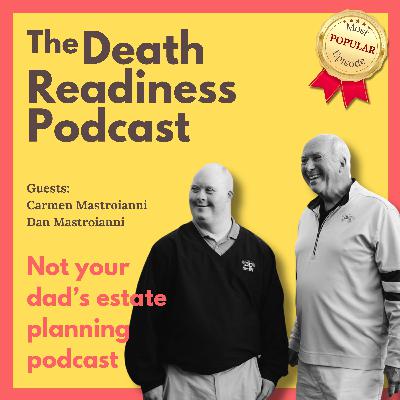
What You’ll Learn in This Episode·What raising a child with special needs looked like in the 1970s, when there was no internet, limited resources, and little institutional support·Why early intervention matters, and how one supportive professional can change the trajectory of an entire family·How advocacy shows up in everyday moments, from fighting for inclusion in neighborhood schools to pushing back when institutions say “there’s no place for your child.”·Why mainstreaming and community inclusion matter, not just academically, but socially, and how being known in a community can protect and empower a child.·What independence can look like for an adult with special needs, including living in a group home, working, maintaining friendships, and making decisions about one’s own life.·How group homes actually work, including funding, staffing, waitlists, and the realities families face as caregivers age.·Why planning for the future is essential, especially when parents won’t always be around, and how special needs trusts fit into that picture.·How individuals with special needs experience grief, relationships, and emotional loss, often more deeply than people assume.·Why legacy isn’t just about money, but about advocacy, adaptability, and the quiet, persistent work of love over decades.Resources & LinksCenter for Disability Services: Residential ServicesCenter for Disability Services314 South Manning Blvd.Albany, NY 12208518-437-5700The Center for Disability Services is a nonprofit organization in New York that provides comprehensive support and services for individuals with disabilities. The Center played a crucial role in securing supportive housing and care for Dan. Through its commitment to inclusion and individualized care, the Center continues to provide essential resources that empower individuals with disabilities to lead fulfilling lives.Gerald B. Healy, MD, FACS was an ear, nose, and throat specialist at Children’s Hospital in Boston who played a critical role in saving Dan’s life. Dan suffered from severe respiratory issues as a toddler—issues that local doctors were unable to diagnose. Dr. Healy identified that Dan’s airway was dangerously small due to enlarged tonsils and adenoids and recommended immediate surgery.Kids Like These is a 1987 TV movie that tells the story of a couple who has a baby with Down syndrome. The script was co-written by Emily Perl Kingsley, a well-known advocate for individuals with disabilities, along with Allan Sloane. Kingsley, whose own son, Jason Kingsley, has Down syndrome, infused the film with real-life experiences to highlight the struggles and triumphs of parenting a child with special needs.One notable detail from the movie was inspired by Dan’s mother, who once shared a story with Emily Perl Kingsley about Dan being denied a library card because he couldn’t sign his name. This real-life event was later referenced in the film, illustrating the systemic barriers faced by individuals with disabilities and the importance of advocacy.Connect with Jill:Website: DeathReadiness.comEmail: jill@deathreadiness.comLearn more about Jill’s solutionsSubscribe to the Death Readiness Dispatch!Submit a question for Tuesday TriageDid you enjoy this episode? Share it with someone you care about.
This podcast provides estate planning guidance for women and discusses real, practical issues, from caregiving, pre-planning a funeral, how to avoid probate using beneficiary designations, planning for individuals with special needs (and special needs trusts), whether you need a professional fiduciary (trustee or executor), how the estate tax works and how to preserve your legacy. Tuesday Triage episodes answer questions from listeners like you, from powers of attorney, healthcare advance directives (and whether they work when you’re pregnant), what a Last Will and Testament really is, whether you need a trust, how Medicaid works and how to have senior and elder care conversations and how to care for aging parents. Disclaimer: This podcast and all related content are for educational purposes only and do not constitute legal advice. No attorney-client relationship is established here. Use of this information without careful analysis and review by your attorney, CPA, and/or financial advisor may cause serious adverse consequences. For legal guidance tailored to your unique situation, consult with a licensed attorney in your state.
What You’ll Learn in This EpisodeWhy gifts in the context of work relationships are generally taxable income to the recipient, even when labeled as “holiday gifts”The key difference between gifting to family (federal gift tax rules) and gifting in an employment or business context (income tax rules)Why holiday cash gifts do not qualify as de minimis fringe benefits, and why gift cards are treated as cash equivalentsWhat employee achievement awards are, why cash doesn’t qualify, and how strict the requirements really are, including dollar limits and “meaningful presentation” rulesHow gifts to someone who is both family and employee are analyzed, and why intent and context matter more than labelsWhy gifts tied to service, loyalty, or length of employment are treated as compensation, even when they feel heartfeltHow the Supreme Court’s decision in Commissioner v. Duberstein (1960) still governs whether a transfer is a true gift or taxable incomeWhat can happen in estate planning when bequests to employees are framed as thanks for service—and how wording can change tax outcomes for beneficiariesResources & LinksEpisode 46: How to Give Money Without Triggering Gift TaxCommissioner v. Duberstein, 363 U.S. 278 (1960)The Supreme Court case that established the “detached and disinterested generosity” test for gifts connected to business or employment relationshipsThe Death Readiness Playbook - A practical, guided system for organizing information, making decisions, and turning good intentions into real clarity www.deathreadiness.com/playbookSee Internal Revenue Code Sections below.Connect with Jill:Website: DeathReadiness.comEmail: jill@deathreadiness.comLearn more about Jill’s solutionsSubscribe to the Death Readiness Dispatch!Submit a question for Tuesday TriageDid you enjoy this episode? Share it with someone you care about.Internal Revenue Code Sections26 U.S. Code § 102(a) General rule. Gross income does not include the value of property acquired by gift, bequest, devise, or inheritance.26 U.S. Code § 102(c) Employee gifts(1) In generalSubsection (a) shall not exclude from gross income any amount transferred by or for an employer to, or for the benefit of, an employee.(2) Cross referencesFor provisions excluding certain employee achievement awards from gross income, see section 74(c).For provisions excluding certain de minimis fringes from gross income, see section 132(e).26 U.S. Code §274(j) Employee achievement awards(1) General ruleNo deduction shall be allowed under section 162 or section 212 for the cost of an employee achievement award except to the extent that such cost does not exceed the deduction limitations of paragraph (2).(2) Deduction limitationsThe deduction for the cost of an employee achievement award made by an employer to an employee—(A) which is not a qualified plan award, when added to the cost to the employer for all other employee achievement awards made to such employee during the taxable year which are not qualified plan awards, shall not exceed $400, and(B) which is a qualified plan award, when added to the cost to the employer for all other employee achievement awards made to such employee during the taxable year (including employee achievement awards which are not qualified plan awards), shall not exceed $1,600.(3) DefinitionsFor purposes of this subsection—(A) Employee achievement award(i) In generalThe term “employee achievement award” means an item of tangible personal property which is—(I) transferred by an employer to an employee for length of service achievement or safety achievement,(II) awarded as part of a meaningful presentation, and(III) awarded under conditions and circumstances that do not create a significant likelihood of the payment of disguised compensation.(ii) Tangible personal propertyFor purposes of clause (i), the term “tangible personal property” shall not include—(I) cash, cash equivalents, gift cards, gift coupons, or gift certificates (other than arrangements conferring only the right to select and receive tangible personal property from a limited array of such items pre-selected or pre-approved by the employer), or(II) vacations, meals, lodging, tickets to theater or sporting events, stocks, bonds, other securities, and other similar items.26 U.S. Code §74(c) Exception for certain employee achievement awards(1) In generalGross income shall not include the value of an employee achievement award (as defined in section 274(j)) received by the taxpayer if the cost to the employer of the employee achievement award does not exceed the amount allowable as a deduction to the employer for the cost of the employee achievement award.(2) Excess deduction award. If the cost to the employer of the employee achievement award received by the taxpayer exceeds the amount allowable as a deduction to the employer, then gross income includes the greater of—(A) an amount equal to the portion of the cost to the employer of the award that is not allowable as a deduction to the employer (but not in excess of the value of the award), or(B) the amount by which the value of the award exceeds the amount allowable as a deduction to the employer.The remaining portion of the value of such award shall not be included in the gross income of the recipient.(3) Treatment of tax-exempt employers. In the case of an employer exempt from taxation under this subtitle, any reference in this subsection to the amount allowable as a deduction to the employer shall be treated as a reference to the amount which would be allowable as a deduction to the employer if the employer were not exempt from taxation under this subtitle.(4) Cross reference. For provisions excluding certain de minimis fringes from gross income, see section 132(e).
This podcast provides estate planning guidance for women and discusses real, practical issues, from caregiving, pre-planning a funeral, how to avoid probate using beneficiary designations, planning for individuals with special needs (and special needs trusts), whether you need a professional fiduciary (trustee or executor), how the estate tax works and how to preserve your legacy. Tuesday Triage episodes answer questions from listeners like you, from powers of attorney, healthcare advance directives (and whether they work when you’re pregnant), what a Last Will and Testament really is, whether you need a trust, how Medicaid works and how to have senior and elder care conversations and how to care for aging parents. Disclaimer: This podcast and all related content are for educational purposes only and do not constitute legal advice. No attorney-client relationship is established here. Use of this information without careful analysis and review by your attorney, CPA, and/or financial advisor may cause serious adverse consequences. For legal guidance tailored to your unique situation, consult with a licensed attorney in your state.
What You’ll Learn in This EpisodeWhy housing risk is common in blended families and cohabitation situationsWhat a life estate actually isHow life estates can be created (by deed, will, or trust)The difference between ownership and the right to live in a homeWhy many people are uncomfortable blending ownership, even in committed relationshipsHow a lease can provide housing security without lifetime guaranteesThe limits of estate planning documents when someone is still aliveWhat responsibilities a life tenant typically hasWhy you should define when and how a life estate endsThe importance of spelling out rules around repairs, renting, and exclusive useHow giving a right to purchase can add clarityWhy clarity is kinder, and cheaper, than confusionResources & LinksThe Death Readiness Playbook Sign up to be notified when it’s released this week: https://deathreadiness.com/playbookTuesday Triage Question Submission Have a question for a future episode? https://deathreadiness.com/tuesdaytriageConnect with Jill:Website: DeathReadiness.comEmail: jill@deathreadiness.comLearn more about Jill’s servicesSubscribe to the Death Readiness Dispatch!Submit a question for Tuesday TriageDid you enjoy this episode? Share it with someone you care about.
This podcast provides estate planning guidance for women and discusses real, practical issues, from caregiving, pre-planning a funeral, how to avoid probate using beneficiary designations, planning for individuals with special needs (and special needs trusts), whether you need a professional fiduciary (trustee or executor), how the estate tax works and how to preserve your legacy. Tuesday Triage episodes answer questions from listeners like you, from powers of attorney, healthcare advance directives (and whether they work when you’re pregnant), what a Last Will and Testament really is, whether you need a trust, how Medicaid works and how to have senior and elder care conversations and how to care for aging parents. Disclaimer: This podcast and all related content are for educational purposes only and do not constitute legal advice. No attorney-client relationship is established here. Use of this information without careful analysis and review by your attorney, CPA, and/or financial advisor may cause serious adverse consequences. For legal guidance tailored to your unique situation, consult with a licensed attorney in your state.
What You’ll Learn in This EpisodeWhat Andrea Gibson’s “biggest tiniest dreams” teach us about presence, attention, and finding meaning in ordinary moments.How a poet can name experiences we didn't realize we were carrying, from nervous parental love to loving complicated rescue animals.Why agency rarely looks dramatic and how a simple phone call can be an act of courage.What it means to create a life with “stretch marks on your heart,” and how that frames the work of death readiness.Why noticing small joys matters, whether it’s a dog in a tiny t-shirt or kindness you weren’t expecting.How estate planning and poetry unexpectedly intersect, both reminding us that life is finite and luminous at the same time.Resources & LinksCome See Me in the Good Light — Documentary about poet Andrea Gibson (Apple TV).Things That Don’t Suck — Andrea Gibson’s Substack newsletter.Connect with Jill:Website: DeathReadiness.comEmail: jill@deathreadiness.comLearn more about Jill’s solutionsSubscribe to the Death Readiness Dispatch!Submit a question for Tuesday TriageDid you enjoy this episode? Share it with someone you care about.
This podcast provides estate planning guidance for women and discusses real, practical issues, from caregiving, pre-planning a funeral, how to avoid probate using beneficiary designations, planning for individuals with special needs (and special needs trusts), whether you need a professional fiduciary (trustee or executor), how the estate tax works and how to preserve your legacy. Tuesday Triage episodes answer questions from listeners like you, from powers of attorney, healthcare advance directives (and whether they work when you’re pregnant), what a Last Will and Testament really is, whether you need a trust, how Medicaid works and how to have senior and elder care conversations and how to care for aging parents. Disclaimer: This podcast and all related content are for educational purposes only and do not constitute legal advice. No attorney-client relationship is established here. Use of this information without careful analysis and review by your attorney, CPA, and/or financial advisor may cause serious adverse consequences. For legal guidance tailored to your unique situation, consult with a licensed attorney in your state.
What You’ll Learn in This EpisodeWhat a Holographic Will IsA handwritten Will, entirely, or mostly, in the testator’s handwriting, signed and datedAllowed in some states, including MichiganOften valid on paper, messy in realityMichigan’s Requirements (for validity)A handwritten Will is valid in Michigan if it:Is datedIs signed by the testatorHas material portions in the testator’s handwritingThat’s the bare minimum, not a guarantee that the document will do what you think.What a Will Actually ControlsNot everything you own is governed by your Will. Some assets bypass probate entirely.Assets controlled by your Will:Individually owned property without a beneficiary designationAssets that bypass your Will:Jointly owned propertyRetirement accounts with beneficiary designationsAssets with payable-on-death instructionsExample: A 401(k) will follow the beneficiary designation, even if your Will says otherwise.If you want a change, update the form. Your Will does not override it.How to Structure a Handwritten Will (in an Emergency)Jill walks through a step-by-step handwritten format, including:Clear declaration of intentDefinition of “Property” to simplify later referencesAppointment of an Executor and successorA single beneficiary and a clear backupA default clause referencing intestacy lawsPlus a final affirmation sentence to prevent challenges to handwriting authenticityWhen Notarizing HelpsNot required in MichiganBut adds credibility and makes it harder to dispute the signatureRequires a notary “block” with specific languageWhy Complexity Is the Enemy of DIY WillsThe episode offers six pitfalls that almost always blow up handwritten Wills:Gifts to minorsAttempting to create a trustGifts to individuals that interfere with eligibility for government benefitsMultiple beneficiariesJoint ownership of sentimental itemsEmotional or poetic languageDIY Wills explode when they try to do too much.If you must write your own, keep it brutally simple.Resources & LinksVisual guide: Probate vs. Non-Probate AssetsSample language for a Michigan handwritten WillEpisode 36: When Transfer-on-Death Deeds Promise to Avoid Probate but Create ChaosEpisode 38: Why You Need (or Don’t Need) a WillEstate Plan Audit — Translate your lawyer-written Will into English and verify whether it does what you think: www.deathreadiness.com/auditConnect with Jill:Website: DeathReadiness.comEmail: jill@deathreadiness.comLearn more about Jill’s servicesSubscribe to the Death Readiness Dispatch!Submit a question for Tuesday TriageDid you enjoy this episode? Share it with someone you care about.
This podcast provides estate planning guidance for women and discusses real, practical issues, from caregiving, pre-planning a funeral, how to avoid probate using beneficiary designations, planning for individuals with special needs (and special needs trusts), whether you need a professional fiduciary (trustee or executor), how the estate tax works and how to preserve your legacy. Tuesday Triage episodes answer questions from listeners like you, from powers of attorney, healthcare advance directives (and whether they work when you’re pregnant), what a Last Will and Testament really is, whether you need a trust, how Medicaid works and how to have senior and elder care conversations and how to care for aging parents. Disclaimer: This podcast and all related content are for educational purposes only and do not constitute legal advice. No attorney-client relationship is established here. Use of this information without careful analysis and review by your attorney, CPA, and/or financial advisor may cause serious adverse consequences. For legal guidance tailored to your unique situation, consult with a licensed attorney in your state.

Comments

Download from Google Play

Download from App Store
 United States