


 Claim Ownership
Compliance Unlocked from NSF
Subscribed: 0Played: 0
Subscribe

© 2025
Description
Compliance Unlocked is the podcast series from the life science experts at NSF. NSF is a global leader in consulting, training, inspection, auditing, and certification for the life sciences industry. This series looks at issues such as quality culture, dealing with regulatory agencies, and the changes in the pharmaceutical sector in the past 50 years. If you want to contact us, you can email: lifesciences@nsf.org
10 Episodes
Reverse


In this episode of Compliance Unlocked, we’re joined by Dal Pawar, Founder & Managing Director of Assure Bio—a specialist recruitment consultancy focused on Quality Assurance professionals and Qualified Persons (QPs) across the life sciences sector. Dal is also the host of the QP Diaries podcast, proudly sponsored by NSF, and this episode marks our first external, non-NSF guest on the series.Dal shares his career journey from joining a large global recruitment firm in Central London—where he first had to learn what a QP actually is—to building one of the strongest QA/QP networks in the industry, and ultimately launching Assure Bio during COVID with nothing but a laptop, a phone, and his professional network.Key topics covered in this episode:How COVID permanently changed QA and QP recruitmentThe growing disconnect between employers and candidates on hybrid vs. on-site workWhy today’s market has shifted to a client-driven hiring environmentThe role of AI in recruitment—and why human judgment still mattersWhat quality professionals must do to stand out in a saturated job marketWhy audit, inspection readiness, and remediation experience are in high demandHow personal branding and LinkedIn visibility can influence hiring decisionsDal also explains why many life sciences companies are preparing for more challenging regulatory inspections, driving increased demand for professionals with strong GxP compliance and auditing expertise.Whether you’re a quality professional planning your next career move or a leader responsible for hiring and retaining QA/QP talent, this conversation offers practical insights you can apply right now.NSF Life SciencesCompanies all over the world rely on NSF’s expert team of pharma biotech, medical device, IVD, and combination product experts to guide them through the maze of regulations and industry challenges. Our experts can tailor a solution to meet the specific needs of your company. Since 1944, NSF has helped companies deliver life-saving and life-changing medical products to their patients. Find out more on NSF.orgYou can contact our life sciences team by emailing: lifesciences@nsf.org or by visiting: https://www.nsf.org/contact-usLearn more about NSF’s Pharma & Biotech expertise:https://www.nsf.org/life-sciences/pharma-biotech
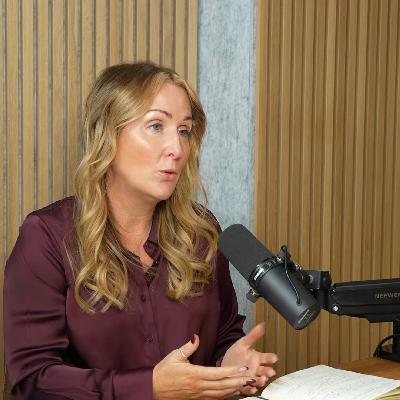
In this episode of NSF’s Compliance Unlocked, we’re joined by Dr. Kay Hukin to explore one of the most critical—and often misunderstood—topics in the pharmaceutical industry: quality management maturity, quality culture, and the role of senior leadership in the pharmaceutical quality system (PQS).Dr. Hukin draws on her experience working with global organizations, regulators, and senior leadership teams to explain why—despite clear regulatory expectations—over half of critical and major inspection findings are still linked to failures in the PQS.Key topics covered in this episode:Why senior management is ultimately accountable for the pharmaceutical quality system (ICH Q10 & EU GMP Chapter 1)What effective leadership really means in the context of qualityWhy quality must be everyone’s responsibility, not just the quality functionHow leadership behavior directly shapes quality culture—positively or negativelyCommon leadership behaviors that undermine quality maturityPractical steps to reset and rebuild quality cultureWhat Quality Management Maturity (QMM) actually means—and why it mattersHow better quality maturity leads to fewer deviations, improved supply reliability, and better patient outcomesThe role of data, KPIs, and avoiding “vanity metrics”How organizations can assess and benchmark QMM across sites and regionsDr. Hukin also explains how small improvements in quality maturity can deliver both economic and public health return on investment, helping organizations reduce waste, improve compliance, and avoid supply disruptions—while getting medicines to patients faster.If you’re a senior leader, quality professional, or executive responsible for compliance, governance, or operational performance, this episode offers clear, practical insights into what regulators expect—and how leadership engagement can make or break quality performance.NSF Life SciencesCompanies all over the world rely on NSF’s expert team of pharma biotech, medical device, IVD, and combination product experts to guide them through the maze of regulations and industry challenges. Our experts can tailor a solution to meet the specific needs of your company. Since 1944, NSF has helped companies deliver life-saving and life-changing medical products to their patients. Find out more on NSF.orgYou can contact our life sciences team by emailing: lifesciences@nsf.org or by visiting:https://www.nsf.org/contact-usLearn more about NSF’s Pharma & Biotech expertise:https://www.nsf.org/life-sciences/pharma-biotech

In this episode of NSF’s Compliance Unlocked, we’re joined by David Waddington to tackle one of the most urgent challenges facing the pharmaceutical industry today: drug shortages.Drug shortages are no longer isolated incidents—they’re a persistent, global issue affecting essential medicines and patient access. In this conversation, David breaks down why shortages are increasing, what the data is really telling us, and—most importantly—what manufacturers can realistically do to reduce risk and build more resilient supply chains.Key topics covered in this episode:Why drug shortages continue to make headlines across the UK, Europe, and globallyThe real-world impact of geopolitical events, environmental disruption, cyberattacks, and pandemicsWhat UK data reveals about shortages:Over 10,300 shortage reports since 202060% linked to manufacturing-related issuesHow globalized and complex supply chains have increased vulnerabilityThe growing reliance on single-source suppliers for critical materialsWhy supplier due diligence and ongoing oversight are no longer optionalThe role of quality culture and cross-functional ownership—why supply chain risk isn’t just a logistics issueHow risk management, redundancy, and scenario planning can prevent patient impactWhy early communication with regulators is critical when shortages are anticipatedNavigating an increasingly complex regulatory landscape while maintaining supply continuityDavid also shares a powerful real-world example of managing a major site disruption—and explains why testing “what if” scenarios before a crisis hits can make the difference between resilience and failure.If you’re responsible for manufacturing, quality, supply chain, or regulatory strategy, this episode provides practical, experience-based insights to help protect patients, maintain compliance, and safeguard your supply chain.NSF Life SciencesCompanies all over the world rely on NSF’s expert team of pharma biotech, medical device, IVD, and combination product experts to guide them through the maze of regulations and industry challenges. Our experts can tailor a solution to meet the specific needs of your company. Since 1944, NSF has helped companies deliver life-saving and life-changing medical products to their patients. Find out more on NSF.orgYou can contact our life sciences team by emailing: lifesciences@nsf.org or by visiting:https://www.nsf.org/contact-usLearn more about NSF’s Pharma & Biotech expertise:https://www.nsf.org/life-sciences/pharma-biotech
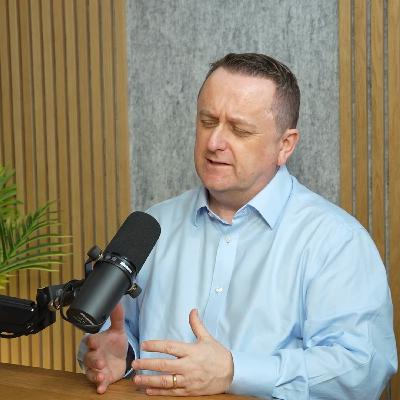
In this episode of the NSF Compliance Podcast, Global Marketing Director Brian Cleary sits down with Dr. Pete Gough, Vice President and Principal Consultant for NSF Life Sciences, to unpack two of the most significant global regulatory shifts impacting the pharmaceutical and biopharma industries today: artificial intelligence (AI) governance and decentralized manufacturing.Dr. Gough explores how regulatory agencies—including the EU, MHRA, FDA, and international bodies—are racing to develop frameworks for AI oversight in GxP environments. From the EU’s pioneering legislation and Annex 22 guidance, to the UK’s emerging commissions and the FDA’s new AI policy councils, this discussion highlights how regulators are responding to AI’s rapid adoption and the risks associated with dynamic, probabilistic, and generative models in critical GMP applications.The conversation also dives deep into decentralized manufacturing, a transformative model reshaping how advanced therapies—especially ATMPs and cell & gene therapy products with extremely short shelf lives—can be produced safely and effectively closer to the patient. Dr. Gough details the UK’s world-first implementation of a decentralized manufacturing regulatory framework, the new designation pathway, the role of control sites, decentralized manufacturing master files (DMMFs), and how QPs and manufacturers must adapt to satellite-site oversight and new GMP expectations.Whether you're a regulatory professional, QA/QC leader, pharma executive, or involved in ATMP, CGT, or advanced manufacturing innovation, this episode provides essential insight into the evolving compliance landscape—and what the future holds for AI-enabled and point-of-care manufacturing models.Key Topics CoveredGlobal regulatory trends for AI in pharmaceutical manufacturingEU Annex 22 and emerging guidance around AI/ML model usageRisks of bias, model training quality, and required human oversightUK, EU, and US approaches to AI policy and harmonizationOverview of decentralized manufacturing, modular systems, and point-of-care productionThe UK’s first-in-world implementation of decentralized manufacturing legislationThe role of control sites, satellite sites, QPs, and DMMFsImpacts on ATMP and cell & gene therapy developmentFuture direction of global harmonization and regulatory frameworksLearn more about NSF’s pharma biotech expertise:https://www.nsf.org/life-sciences/pha...About NSFCompanies all over the world rely on NSF’s expert team of pharma biotech, medical device, IVD, and combination product experts to guide them through the maze of regulations and industry challenges. Our experts can tailor a solution to meet the specific needs of your company. Since 1944, NSF has helped companies deliver life-saving and life-changing medical products to their patients. Find out more on NSF.org.You can contact our life sciences team by emailing lifesciences@nsf.org or by visiting: https://www.nsf.org/contact-us
Comments


Download from Google Play

Download from App Store
 United States