


 Claim Ownership
Utano Public Health Chats
Subscribed: 1Played: 1
Subscribe

© Fiona Gambanga
Description
A podcast where people get to learn more about public health work in Africa and how to navigate their public health careers.
Each episode features an in depth interview with a public health practitioner and/or researcher from an African country and/or working in African countries in public health.
Conversation is about how they ended up working in public health, what they do at a high level in their current work, what they love about their field and career path and what words of wisdom they would like to share with the audience.
Each episode features an in depth interview with a public health practitioner and/or researcher from an African country and/or working in African countries in public health.
Conversation is about how they ended up working in public health, what they do at a high level in their current work, what they love about their field and career path and what words of wisdom they would like to share with the audience.
24 Episodes
Reverse
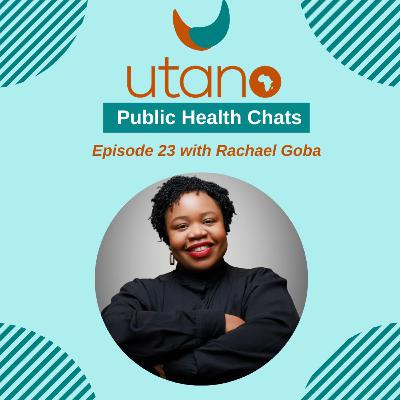
In this episode we talked to Rachael Goba, a Global health leader with 15+ years of experience driving gender-transformative health systems across Africa and globally in both development and humanitarian contexts.Rachael is a Senior Technical Advisor for Adolescent Health, she provides strategic leadership in adolescent sexual and reproductive health and rights (ASRHR) Comprehensive sexuality education, Maternal Newborn Child Adolescent Health, Adolescent HIV progrmming, gender equity & Social Inclusion,climate-resilient health systems, and inclusive health governance. She works at the intersection of technical excellence, systems strengthening, and power-shifting approaches that elevate women- and youth-led organisations.Rachael is a graduate of the WomenLift Health Southern Africa Leadership Journey 2025, where she is a global fellow, and her approach blends feminist leadership, localisation, and systems thinking to design scalable, evidence-driven solutions that strengthen health governance and improve health equity.In this episode we learnt about Rachael's career journey and what ignited her interest in public health. We discussed what her work looks like at this stage in her career and the things she enjoys most about the working in adolescent, sexual and reproductive health and rights. We ended with words of wisdom and motivating words for all those who might be interested in joining the field of public health! Rachael offers expert-led sexuality education for adolescents (10-19 years old) through her project Bridges Beyond which aims to and equip parents & caregivers with the tools to foster open, healthy conversations with their children. Conversations are age-appropriate, accurate, engaging and culturally appropriate covering topics such as puberty, responsibility, consent, relationships, and personal safety amongst many others. Bridges Beyond is also available to conduct workshops to schools, organisations, churches in relation to sexuality education. For more information they can get in touch on bridgesbeyond1@gmail.com
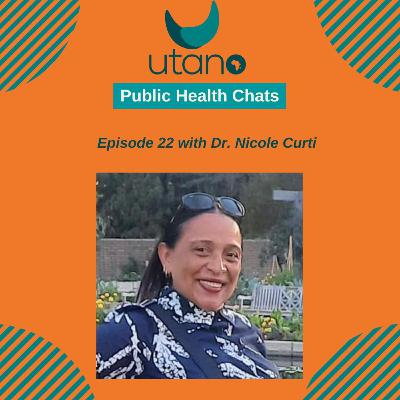
In this episode we hear from Dr. Nicole Curti, a Medical Doctor and Public Health Specialist with over 25 years of experience in global health and international cooperation. Dr Nicole is currently based in Rwanda, where she leads a major health program aligned with the country’s Health Sector Strategic Plan V (2024–2029), focusing on maternal, newborn, and child health, sexual and reproductive rights, gender-based violence, and health system strengthening. Her career spans Africa, Europe, South Asia, and North America, with expertise in humanitarian work, epidemic response, health security, and primary healthcare. Born in Ebolowa, Cameroon, Dr. Curti’s journey has been defined by resilience; after losing her father at 16, she financed her studies independently, earning degrees in medicine, tropical medicine and public health. She recently completed a three-year degree in Chinese Medicine and Moxibustion at the Shanghai College of Traditional Chinese Medicine in Geneva, Switzerland. Her work integrates coordination, research, policy, and capacity-building, collaborating with governments, local authorities, development partners, and healthcare providers to ensure equitable access to quality care. Passionate about mentoring the next generation of public health leaders, she emphasizes community engagement, continuous learning, innovation, adaptability, and evidence-based interventions to drive systemic change globally.In this episode we discussed:Her background and pathway to clinical medicineand then public health Key elements that make up a public health system The different countries she has worked and the various roles and responsibilities she had Pivotal points in her career and experiences that informed her decision Her favourite projects and what she likes about working in public health Her advice to people starting out in public health or those earlier in her career Key skills and traits she finds useful in the field
In this episode we hear from Kristine Yakhama, a certified health and development professional with expertise in public health, particularly in areas such as maternal and child health, infectious disease control, and health systems strengthening. Kristine Yakhama is the Zonal leader for Kakamega MNCH Alliance and a Volunteer Regional director at Give them a hand Foundation Kenya. She works with Good health community programs as a budget facilitator. She has managed and optimized financial resources for various public health programs, ensuring effective implementation. Her experience as a researcher has allowed her to contribute to impactful studies on community health outcomes and interventions. Additionally, she serves as an external reviewer, providing valuable feedback on public health projects to improve their design and execution.
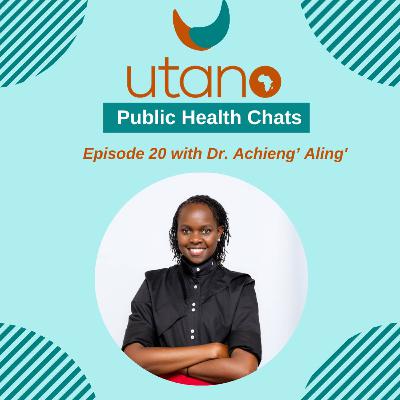
In this we hear from Dr. Achieng' Aling' from Kenya.Dr. Achieng' Aling' is an OB-GYN, global health expert, and health systems strategist focused on strengthening Africa’s health workforce and sexual and reproductive health. A passionate advocate for menstrual and menopause health, she’s driving policy and innovation to ensure women’s well-being at every stage of life.In this episode we talked about:Who is Dr. Achieng' Aling' and what does she do?What kind of training she did and for how long?Why she chose medicine and obstetrics and gynecology as a specialty Why and how she chose to pursue a career in global health after her clinical training Career influences growing up, and sometimes career de-influencers?Key factors and decision points in careers- who to listen to and how much?Clinical training or not before going into public health?What kind of work she does now , what she enjoys about the work and this period in her careerWhat a day in her work life look likeWork travel and what it comes with What is her favorite thing about working in Public Health and what keeps her motivated Challenges working in public health Mindset required when working in public health Benefits of working in public healthKey skills and competencies she feels are important as you embark in your public health careerWhat does public health mean to Dr. Achieng' Aling'You can follow Dr. Achieng' Aling' on Instagram and tik tok https://www.instagram.com/the_menstrual_doctor
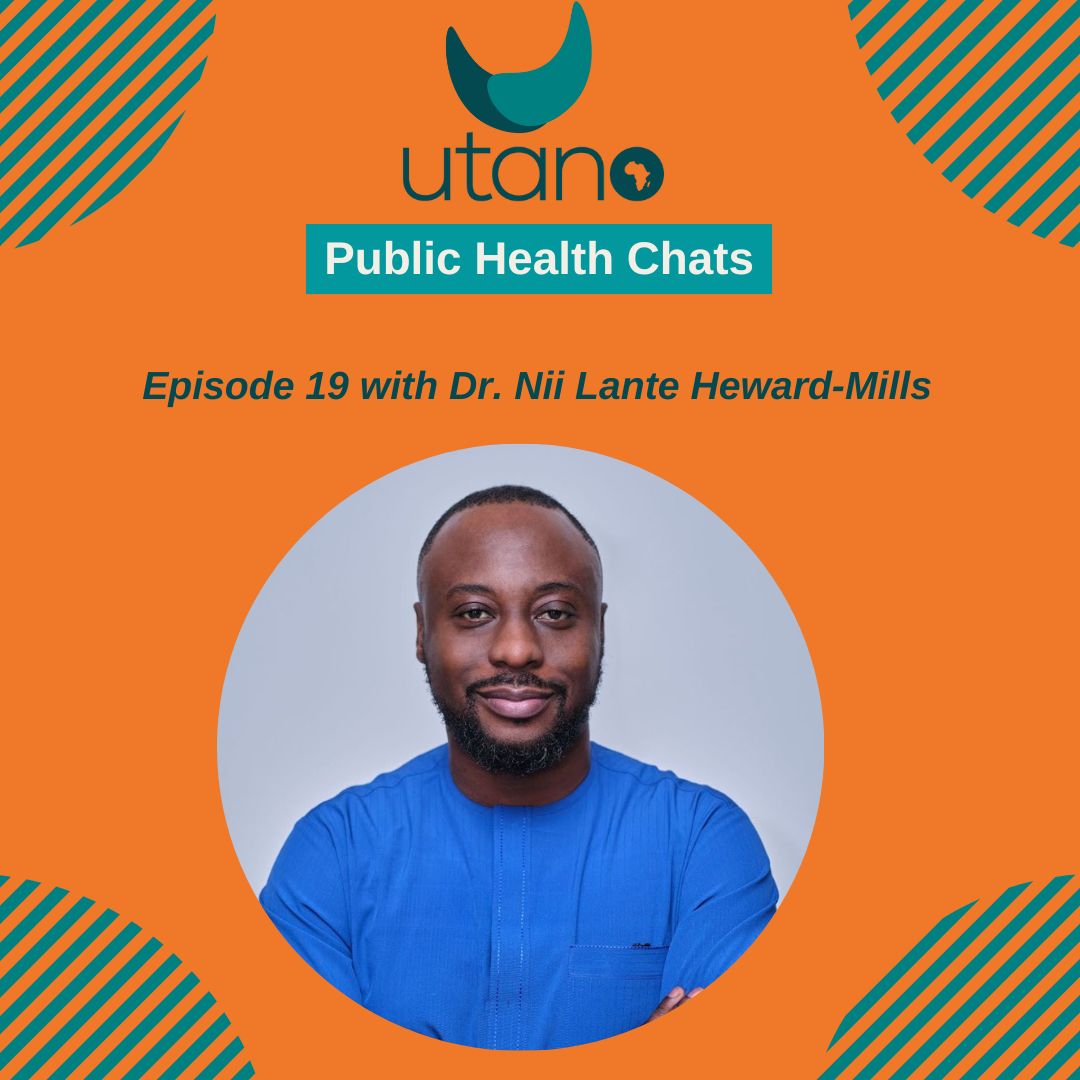
In this episode we talk with Dr. Nii Lante Heward-Mills from Ghana.
Dr. Nii Lante is the Country Director for Viamo in Liberia and Ghana. His background is in Public Health-Health Promotion and has worked extensively with Health Services and Ministries of Health in Ghana and Nigeria.
We discussed:
How Nii started out his career training as an Optometrist then how he ended up choosing to specialize in Health Promotion
What motivated Nii to choose a career in Public health promotion and what experiences influenced this
What does Nii do now and what does a day in his life look like?
Key projects Nii has worked on , and the outcomes and the impact they have had in Ghana and beyond
Nii's favorite and least favorite things about working in in digital health and ICT4D space
What does Public health mean to Nii?
Challenges around working in Public health and development
Acknowledgements
"In this episode we talk with Mr. Emmanuel Nsengiyumva from Rwanda. Emmanuel is an experienced leader, and development professional with 10+ years working in the health and social protection sector with INGOs experience supporting governments in a wide spectrum of development issues from systems strengthening to community programming.
We discussed:
Emmanuel's introduction and the journey of he started his career in public health What things were critical for Emmanuel to develop to the professional he is todayWhat does Emmanuel do now 10 years into his career?What Emmanuel enjoys most about his work nowWhy did Emmanuel choose to stay in this field?What does Public health mean to Emmanuel?Challenges around working in Public health and development Word to the wise "
In this episode we hear from Mrs. Soline Mugeni from Rwanda.
Mrs. Mugeni holds a BSc in Microbiology and an MSc. in Community Health.She has 10+ years experience working in the health sector with INGOs and supporting governments in multiple areas such as community health, human resources for health, health financing, and most recently immunization. She is passionate about serving communities and making an impact.
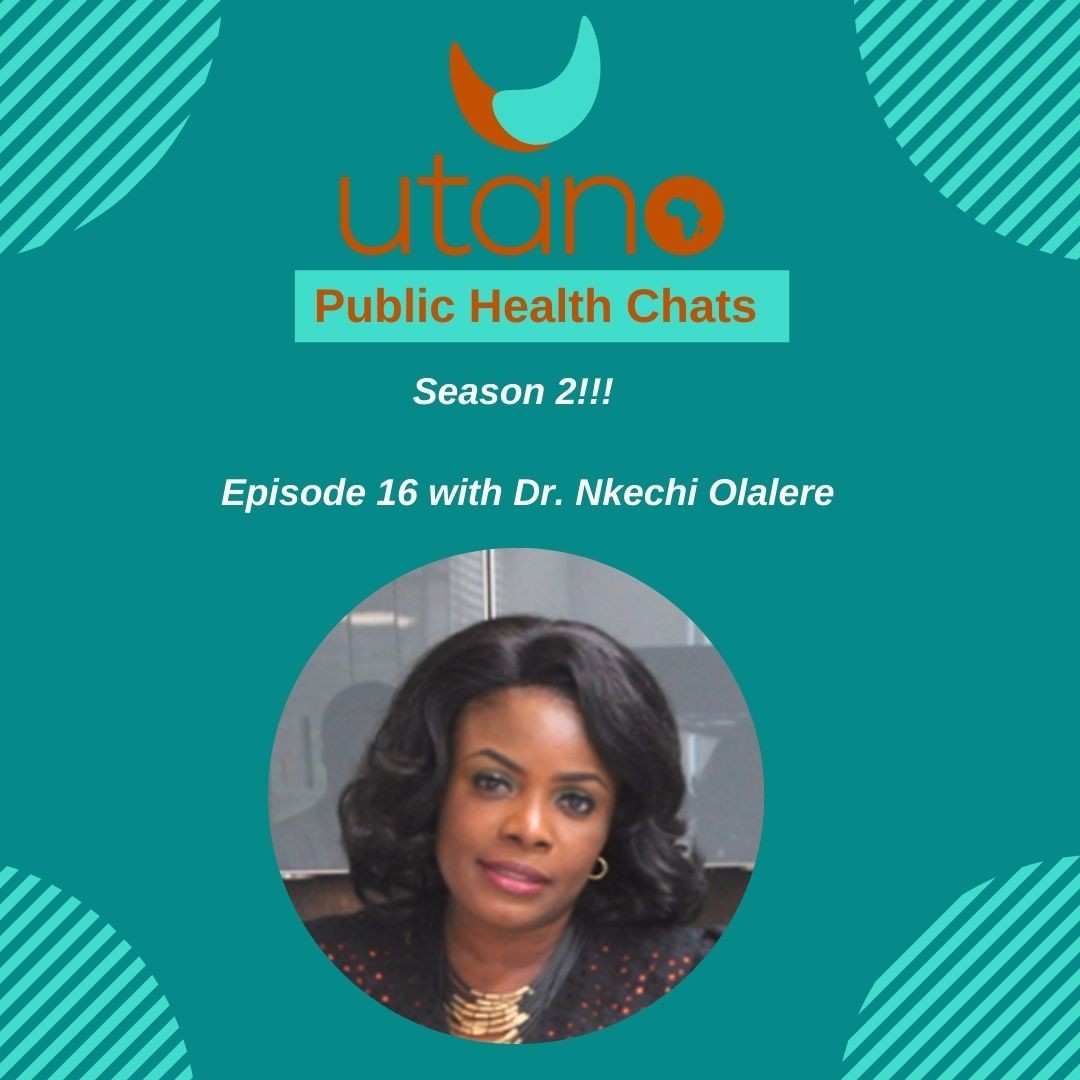
Check out our conversation with Dr. Nkechi Olalere , the Special Advisor on Health Economics to the Honorable Minister of Health and Sanitation in Sierra Leone on her career journey.Dr. Nkechi has over 17 years’ experience in health insurance implementation, spanning private, public and development sectors. She is also passionate about digital health, sustainability of country health systems and strategic purchasing, especially provider payment reforms, several of which she led, successfully, in the private health insurance space.She recently served as the Executive Director of Strategic Purchasing Africa Resource Center (SPARC) and the chair of Africa Union’s Tracker sub-committee tasked with developing indicators and measures of progress for ‘More Health for the Money’.She is the chair of the Rapid Cycle Monitoring sub-group of Global Financing Facility’s Results Advisory Group.
In this episode we hear from Dr. Godfrey Musuka, an international Public and Evaluation Consultant, HIV/AIDS M&E and public health expert with over 25 years of experience.
We talked about:
Who is Dr Musuka? His background and how ended up working in public health.
Countries and areas he has worked in
Key career experiences that shaped his expertise
How many years’ experience does he have in the field?
What has changed and what has stayed the same?
What does Dr. Musuka call himself?
How did Dr Musuka end up studying Veterinary medicine? And how did he end up pivoting into public health more specifically?
A run through of Dr. Musuka’s key career experiences, where they led him, and what he worked on
Does he find that all his experiences and trainings have connected or intersected over time?
Was One Health a thing back in the day?
What was his approach for the different opportunities in his career? Did he plan it out?
The importance of being open and being willing to try new projects and challenges (even if you fail!)
What is Dr. Musuka working on now? -Highlights of current and recently completed projects
Working with different stakeholders at different levels as your career grows
What working with and in different countries looks like and key things to keep in mind to ensure success
Different key people Dr. Musuka has worked with that have been influential and key in his growth and development
Always reach out and ask questions so you can listen and learn
The importance of relationships and having people who can hold you accountable
Different people can help you in your career and that includes your family and your children
Another BRTI guest on the show! Making the connection
How many degrees does Dr Musuka have?
The importance of continual learning and what that looks like for Dr Musuka
Public health can have people from different areas and backgrounds in training and still eg Accountants and Economists
How does Dr Musuka define Public Health?
Public health as a broad, inclusive and evolving field
Key challenges and issues that Dr Musuka has seen in the field with all his experiences
Words of wisdom to young people out there regarding career success
Check out our season finale with Dr. Constancia Mavodza , a global and public health (process evaluation) practitioner, with experience in coordination, implementing and evaluating public health projects focusing on HIV/AIDS, SRHR, human resources for health, and AGYW.
Who is Chrystal and what does she do?
What led Chrystal to the work she does today?
What Chrystal studied at the undergraduate level and how that led her to public health work
Chrystal’s decision to pursue a Master of Public Health degree (MPH) and what she is focusing on in her program as she is pursuing it (Community Health)
Why Chrystal chose to do the online option for her MPH degree
A day in the life of Chrystal and her roles
Dzidzo safepad initiative: what its about, what motivated it and what work goes into it
Where funding and support for Dzidzo Safepad comes from
Global Changemakers and their support for Dzidzo safepad-https://www.global-changemakers.net/
How long does each pad last?
How they target and decide which schools to work with
What Chrystal enjoys and loves about working on Dzidzo Safepad
Chrystal’s role as a Her Voice ambassador through the Global Fund
How Chrystal defines public health for herself
Importance of equity and inclusivity in public health work and interventions
Word to the wise- advice for young people and people looking to enter the field
Resources and links:
*https://twitter.com/dzidzo_safepad
*https://www.instagram.com/dzidzo_safepad/
* The ecocash number for Dzidzo Safepad donations is +263 772935923
In this episode our guest is Sandra Isano a Rwandan pharmacist, Lecturer, and Coordinator for Community Based Education in the Department of Community Health, and Social Medicine at the University of Global Health Equity with over 10 years of experience in the field.
We talked about:
Sandra’s background and the work she does now and where she works
Where Sandra’s journey in public health started, and what she wanted to be when she was younger
How working as a community pharmacist got her interested in patients beyond the treatment and medication they were coming to seek
Her work as a fellow with Global Health Corps
Rwanda’s High School pathway and where people choose to specialize
Which one’s are the community pharmacies?
How and why pharmacies serve as a first line of care and health service delivery
How capacity building at pharmacies can be an additional solution in provided primary care
How pharmacy, GHC fellowship and now her current work as a lecturer doing community community research all inspire and motivate her interests
What her current work at UGHE looks like and includes
Teaching, research and community service
Highlights of some of Sandra’s research projects and outcomes from them
Sandra’s PhD project, and what motivated her to study for a PhD a focus on teen mothers at refugee camps in Rwanda, and what questions and information she will be looking into
Sandra’s favorite thing about working in public health
How Sandra defines public health
Sandra’s least favorite thing about working in public health
Words of advice to those starting out in the public health field and their careers
Love as a public health intervention and the social ecological model!
https://ghcorps.org/ -Global Health Corps website
https://ughe.org/ -University of Global Health Equity website
https://ur.ac.rw/- University of Rwanda website
In this episode we chat with Tatenda Diura, a humanitarian worker from Zimbabwe.
We discuss:
A brief introduction of her background, her current work and where she is based, and what she specializes in, in her work
What is safeguarding and how long has she been doing this work?
Her background and journey to public health , what she studied, her internship experience in Zimbabwe
How she found out about public health and how she ended up doing her Masters degree in public health
What influenced her career decisions at every juncture in her journey
How she used resources available to her to search for jobs
How she navigated the catch 22 of jobs requiring experience and experience being gotten through jobs and got her first job after her Master’s degree
How she has leveraged changing organizations and roles to grow in her career
The principle of do not harm and how it is the cornerstone of safeguarding work in humanitarian settings
Examples of the kind of work she does in safeguarding
Behavior Change Communication and how her sociology degree is now relevant in her work
What a survivor centered approach in humanitarian work is and what that looks like
The importance of understanding context in populations that we serve in public health
How heavy humanitarian work can be at times
What Tatenda’s likes the most about the work that she does
What measures are in place in the humanitarian field to ensure that humanitarian workers maintain their mental, physical and emotional wellbeing
Burnout in humanitarian work
The risk of being desensitized doing the work and the importance of rest and unplugging between projects and assignments
The importance of empathy and mot sympathy while doing work
What keeps Tatenda going in the field, even with high turnover rates
What does public health mean for Tatenda
Vulnerable populations that Tatenda works with and how that is defined
Words of wisdom
How Tatenda has used LinkedIn to grow in her career
In this episode we hear from Dr. Chido Dziva Chikwari, an Epidemiologist from Zimbabwe about her work and career journey in public health for the past 9 years.
We talked about:
Chido’s current roles and how long she has been doing health research work
Chido’s background and career journey and how she ended up doing the work she does now
How she ended up doing an Master’s degree in Epidemiology and what influenced her choices
The importance of career guidance and the right vocabulary in career decision making
What is an epidemiologist and what do they do?- With examples
The things she likes about working in Epidemiology and research
How she has used her skills to pivot to different program areas over the years
Her research project on increasing access and uptake of HIV testing for children in Zimbabwe that she conducted as part of her PhD
How the findings from her research work became relevant when COVID-19 broke out in 2019
How we are going to make a movie on Chido’s Doctoral research
What are Chido’s top favorite reasons she likes about working in public health research
The value and importance of having a good community of people to work with
What public health means to Chido
For the good of everybody
What good for everyone includes and entails from access, universal health coverage, priority populations, COVID-19 global response
The importance of meeting people where they are in public health interventions eg. COVID-19 vaccines and prevention
Chido’s advice to young people and all people of all ages on career paths
What Chido knows now about the field of public health that wishes she had known or understood earlier
Public Health is a lot of work?
Where is the money in Public health? Is there money in public health work?
Career advice and tips are relevant throughout the lifecourse
Things change, career pivots happen, life happens
Check out https://www.thruzim.org/ for all the research work
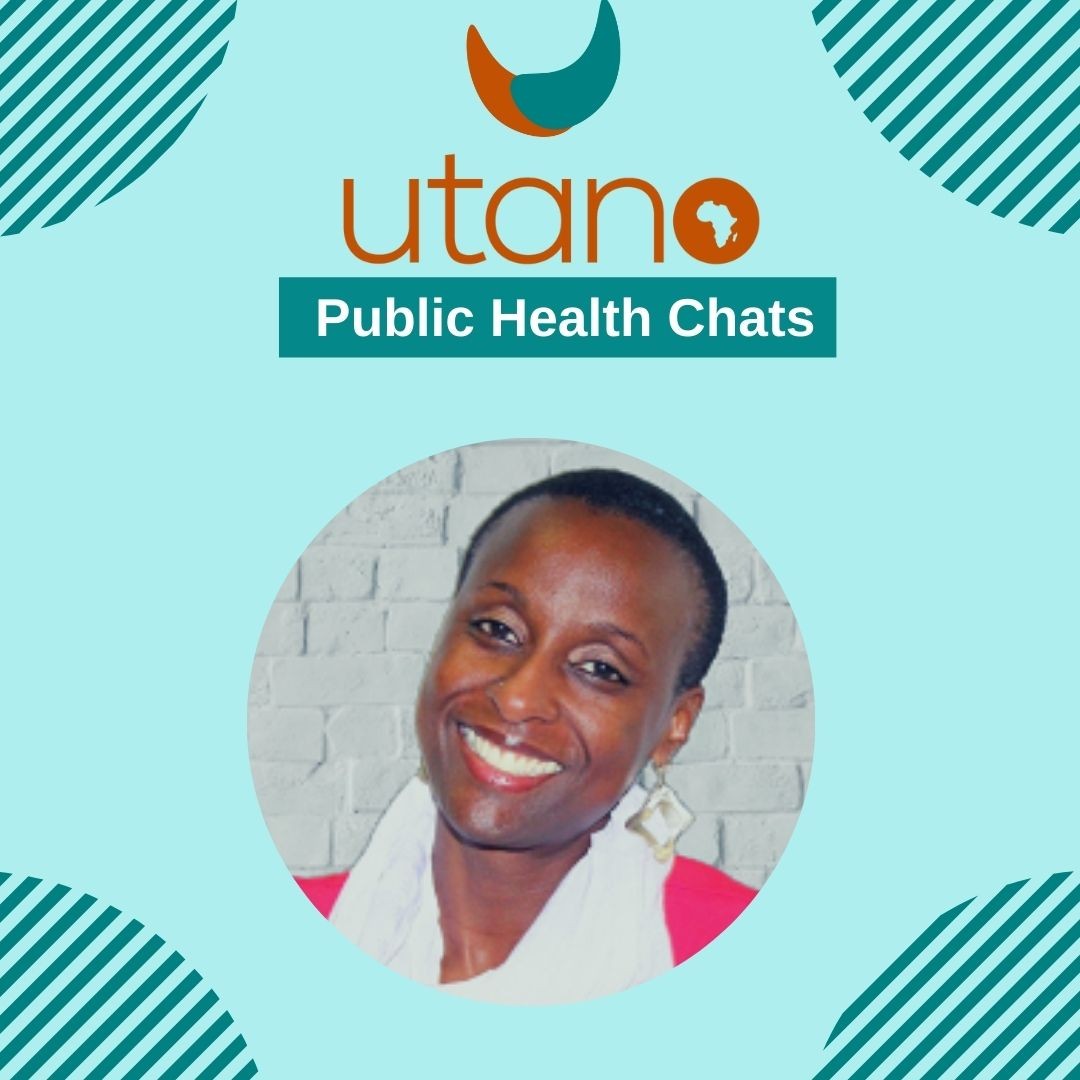
In this episode we hear from Joy Kamunyori, a digital health and project management professional from Kenya about her 14 year career assessing, developing and implementing public health IT systems in sub-Saharan African countries.
We discussed:
Joy’s background what she studied and how she ended working in public health
How her passion for education and development and skillset landed her in a public health role that started of her career
How she became interested in Computers and eventually chose to study computer science
What she likes and drew her to coding and computer science
How mentorship played a significant role in her career and choices at many junctures
Her experience pursuing graduate studies in Computer Science
What her work looks like now, in scale and range and the kinds of problems she supports solving
How she considers herself an interpreter in her work in digital health and what that looks like
How her roles have changed as her career has progressed in the field
The relationship between Public health, education and development
How Digital Health as a field and use of technology for health started, emerged and has now expanded to be integral in public health systems
Challenges and key considerations for countries as they transition to having fully digital health information systems and how Joy has come across and been part of these conversations
What are Joy’s favorite things about doing her work
What public health means to Joy
Joy’s advice to a younger self
Top 3 skills she recommends to work on in the field
In this episode we talked with Will Moyo an Bioengineer from Zimbabwe. Will is the Engineering Innovation Design Studio Manager for Rice 360 Institute for Global Health Technologies.
We discussed:
Will’s background and the kind of work she does now
What is Bioengineering and what training she received to get there
What motivated her to pursue a career in Bioengineering
Invention education and how its used at the Design studios where she works
What are Design Studios and training offered there
What Will does on a day to day basis in her role
The different kind of funders who support their work
The need for support and investment in inventions, innovation and education for long term success “Funding people to fail”
Challenges associated with innovation and global health technologies in an African context
What is Will's favorite part of the work that she does
The value of impactful work and seeing effort come to fruition
What public health means to Will
Everything is Public Health!
Is Will Shuri from Black Panther???
The importance of medical devices and access in public health
The Importance of investing in education for health so as to improve health outcomes
The need to train engineers and technical workforce practically so they know how to work with biomedical equipment in the real world
Other African countries where the model of design studios are currently being implemented
Who makes a good Biomedical engineer?
What it takes and good skills to have in the field
The different kind of stakeholders Will and her students get to work with
Regulation and standardization for medical device design and invention in African countries
Challenges and frustrations from working in education and invention and innovative work in the global health technologies space
How their program was able to generate income for themselves by being innovative at the beginning of the pandemic
What does Will know now, that she wishes she knew earlier
Words of Wisdom
Resource plugs
Tips of reaching out and getting opportunities in the field
This episode we heard from Dr. Itumeleng Ntatamala, an Occupational Medicine Specialist and Senior Lecturer in the Occupational Medicine Division in the School of Public Health at University of Cape Town’s Faculty of Health Sciences.
We talked about:
Dr. Itumeleng’s background and his current roles
What drew him to medicine, public health and then occupational health
How his interests in clinical care influenced his interest to do public health work
Defining occupational health and occupation medicine and how they sit under public health
The aim of occupational health
What occupational health looks like and the different types of workers and professionals who work in it
Examples of the types of work dealt with in occupational health
How he splits his time between clinical work, public health work, research and teaching
The wide range of patients and medical issues that they see and the different work industries they work with in occupational medicine
Where Dr. Itumeleng finds the most joy and fulfillment in his work
The need for more people to be interested and work in Occupational health, in South Africa and beyond
COVID and its impact on occupational health
Different types of trainings that people can undergo to gain skills in and pivot to start working in occupational health
Why there is not as many people going into the field and being aware that the field of occupational health exists as a career path in public health
Challenges in limited opportunities for training in South Africa and in the region
How he defines public health and what public health means to him
Advice for anyone looking to go into medicine and/or public health
Following your passion and taking it one step at a time
Advice for those that might be interested specifically in pivoting into occupational health
Skills that he has found the most useful
Attending short courses in what you are interested
Reading more about occupational health eg :International Labor Organization ILO https://www.ilo.org/global/lang--en/index.htm
Health & Safety Executive(HSE) https://www.hse.gov.uk/
National Institute of Occupational Health SA (NIOH) https://www.nioh.ac.za/#
and local National Occupational health bodies
Areas that connect to occupational health eg psychology or social work or physiotherapy
Can reach out about programs to him on Linked in or via email at for questions about the field and programs
In this episode with Dorcas Kareithi a clinical trials statistician from Kenya currently based in the UK we discussed:
Dorcas’s background and how her love for Math led her to study Applied Statistics
What she calls herself
Dorcas’s love for data, data puns and t shirts with them
All the key steps she took to end up working in health with her skillset
Difference between being a researcher and statistician
What influenced her interest in health from family to books she read growing up
How she ended up working in health after her Bachelor's degree and key steps she took to lead herself there
Mentorship and the role it has played in her career
Different types of mentors
Highlights from her current and previous work
What is her favorite thing about her work and working in public health
What she likes the least about working in public health
Ethics in public health research
Inequalities in healthcare access
The importance of government buy in and will to bridge research findings to policy and implementation
Importance of documenting failures in research
Her top 3 software recommendations
Words of wisdom especially to people looking to have careers in statistics
Her resource plugs:
Young African Statisticians (YASA): https://twitter.com/africanyas
Words that count: https://twitter.com/wordsafrica
RLadies Nairobi: https://twitter.com/rladiesnairobi
In this episode we talked with Siyabonga Ndwandwe, a computational health economist from Eswatini currently based in London about his to journey to working in Public health and what it has been like for him.
In the episode we discussed:
What is computational health economics and what that entails
His background and motivation to study health economics and work in public health
Using an economic framework, economics principles and tools, to understand health care system and answer and solve health related problems
What type of health data is there, the different sources, who collects it and why?
Privacy , security and the need for regulation of using health data in the world of Big Data
Stakeholders in public health and how they are involved in the work
The kinds of questions being answered in the field of health economics and in Siya’s work
What a typical day, or typical week looks like in his current role
Highlights of different roles and projects that Siya has done in the different roles and countries he has worked in
What public health means to Siyabonga and how he defines it
The Public Health Elephant!
What he likes about Health Systems Research
Siya’s favorite things about working in public health
A little bit of ethics and philosophy of economics in health systems using COVID as an example
Challenges that come with working with data depending on the context
The difference between learning how to work and learning the work
Word to the wise
In this episode we chat with Nang’andu, a health promotion specialist from Zambia about her 11 year career in public health.
We discussed:
How Nana started her career in public health and what motivated her to focus on health in development
Secondary prevention in Cervical cancer
All things Cervical cancer
What work she currently does and what that looks like on a typical day/week
Monitoring and Evaluation in public health programs
It's not just M&E
Nana’s multi year experience and the different amazing work and areas she has worked in
Digitalization of M&E and how Nana has taken it in stride
What digital applications and platforms Nana uses in her work
How her role requires her to be flexible, adaptable and translate between different kinds of experts
How she has continued to learn new skills and dedicated time to that to keep up to date with the work
The importance of prioritizing the population as a receiver of information and evidence generated in public health work
Data for decision making - Decisions in health begin at the individual’s health
Beyond data collection and M&E in public health work
Data as an empowerment tool for people
Nana’s definition of public health and what it means and looks like for her
There is so much work to do!
Frustrations and challenges working in public health
What is Nana’s favourite thing about working in public health
What keeps Nana working in public health?
Public Health saves lives
Skills that Nana has found useful in public health
Top things that Nana recommends investing in while working in public health
The value of relationships in public health work
What she does when she feels demotivated in her work or in a slump
The value of humanities and social sciences in public health with examples from a reproductive health program that Nana worked in
The value of innovation in public health
Who are we doing public health work for?
Public health interventions need to be inclusive and not discriminatory
Tips and words of wisdom to young people
Challenges in career guidance and learning how to explore
Visible women Zambia and mentorship for young women and girls

Comments

Download from Google Play

Download from App Store
 United States