


 Claim Ownership
Management Under Construction
Subscribed: 2Played: 72
Subscribe

© 2026 Yellowstone Professional Education 2026
Description
We are all constantly under construction In our personal and professional lives we seek to constantly learn and grow, and make better decisions. Together we will explore topics of construction, sustainability, leadership, and business as they apply to various industries and our personal journeys.
58 Episodes
Reverse
project management, contractor reputation, customer service, project completion, construction industry, integrity, client relationships, project closure, contractor strategies, business success
Dee Davis discusses the critical importance of project completion and the lasting impressions left on clients. She emphasizes the need for contractors to maintain strong relationships with clients even after project completion, highlighting the significance of integrity and customer service. Dee outlines two strategies for project closure, contrasting the 'finish strong' approach with the 'ditch and run' mentality, and stresses the importance of reputation management in the contracting industry. She encourages contractors to acknowledge past mistakes and commit to improvement to enhance their image and client relationships.
Takeaways
The end of a project is crucial for client satisfaction.Maintaining relationships post-project can lead to repeat business.Integrity in service is essential for long-term success.Communication is key to preventing misunderstandings with clients.The last 10% of a job often presents the biggest challenges.Contractors should strive to be 'finish strong' rather than 'ditch and run'.Reputation is built on consistent performance and reliability.Acknowledging past mistakes can help rebuild trust with clients.Promoting a strong finish can differentiate contractors in the market.Never badmouth competitors; focus on your strengths instead.
Chapters
00:00 The Importance of Project Completion02:44 Building Long-Term Relationships05:13 Strategies for Successful Project Closure08:16 Reputation Management in Contracting10:52 Transforming Your Contractor Image12:44 MUC outro Jan 2026.mp4
remote work, employer perspective, employee perspective, productivity, hybrid work, communication, trust, onboarding, work-life balance, job seekers
Management Under Construction podcast, Dee Davis explores the multifaceted world of remote work from both employee and employer perspectives. The discussion highlights the benefits and challenges of remote work, including productivity, communication, and the importance of trust. Dee emphasizes the need for employers to adapt to the changing landscape of work, particularly as job seekers increasingly prioritize remote options. The conversation concludes with a call for supervisors to enhance their management skills to effectively lead remote teams and embrace hybrid work models.
Takeaways
Remote workers save significant time and money by avoiding commutes.Job seekers prioritize remote work options over work-life balance.Many new employees feel disconnected and undervalued when working remotely.79% of managers believe remote teams are more productive.Trust and communication are crucial for managing remote teams.Companies can save substantial costs by reducing office space.Not everyone prefers remote work; some miss in-office interactions.Employers must adapt to attract top talent in a remote work environment.Supervisors need to improve their skills for managing remote employees.Flexibility in work arrangements benefits both employers and employees.
Chapters
00:00 The Remote Work Landscape04:56 Employer Perspectives on Remote Work09:58 Challenges of Managing Remote Teams14:44 The Future of Work: Hybrid Models18:12 Conclusion: Embracing Flexibility in Work
contract labor, independent contractors, hiring challenges, staffing solutions, project-based work, employment trends, workforce flexibility, contractor advantages, recruitment strategies, business transitions, podcast, construction, management, fractional, human resources, personnel, manpower; hiring
In this episode of Management Under Construction, Dee Davis discusses the value of independent contractors and how they can help businesses navigate staffing challenges. She emphasizes the growing trend of independent contractors and addresses common concerns employers have about hiring them. The conversation highlights the advantages of independent contractors, including their ability to start quickly and the flexibility they offer. Dee also provides insights on how to effectively fill long-open job requisitions and the differences between hiring independent contractors and full-time employees.
Takeaways
Contract labor can help overcome staffing hurdles.Independent contractors are skilled professionals, not just temps.The market for independent contractors is rapidly growing.Independent contractors can start working quickly without extensive onboarding.Hiring independent contractors can be more cost-effective than full-time employees.It's important to critically assess job requisitions that remain open for too long.Interview processes should be engaging and not rely on automation.Hiring an independent contractor can be a temporary solution, not necessarily a long-term commitment.Communication and honesty are key when working with independent contractors.
difficult people, workplace conflict, leadership, communication, project management, difficult coworkers, difficult clients, difficult bosses, conflict resolution, personal growth
In this episode of the Management Under Construction podcast, host Dee Davis shares personal experiences dealing with difficult people in the workplace, including challenging coworkers, clients, and bosses. Through storytelling, Dee reflects on lessons learned and offers insights into handling such situations more effectively. The conversation emphasizes the importance of communication, delegation, and self-awareness in navigating workplace conflicts.
Takeaways
Dealing with difficult people is a common experience in the workplace.It's important to set boundaries when helping others with their workload.Micromanagement can lead to frustration and inefficiency.Having direct conversations early can prevent escalation of issues.Understanding that difficult behavior often stems from the individual's own issues can help in not taking it personally.Maintaining professionalism is crucial, even in challenging situations.Recognizing the difference between personal and professional conflicts is key.Leadership should foster a supportive environment, not one of fear and humiliation.It's essential to learn from difficult experiences to improve personal leadership skills.Sometimes, the best option is to remove oneself from a toxic environment.
Chapters
00:00 Introduction to Difficult People06:16 Dealing with a Difficult Client09:41 Navigating a Challenging Boss

leadership development, women in construction, transformational leadership, coaching, networking, career advancement, Andrea Janzen, Ambition Theory, construction industry, empowerment, women in leadership, business growth, challenges, mentorship
In this episode of the Management Under Construction podcast, host Dee Davis welcomes Andrea Janzen, founder of Ambition Theory, a leadership development company focused on the construction industry. They discuss the unique challenges women face in this traditionally male-dominated field and how Andrea's journey into coaching was largely unplanned. Andrea shares her background in marketing and how her experiences led her to coaching, particularly for women in construction. She emphasizes the importance of transformational leadership, which contrasts with the more common transactional leadership style prevalent in the industry. Andrea's workshops, such as 'Reignite Your Ambition,' aim to empower women by helping them identify their motivations and align them with opportunities in their careers.
The conversation delves into the systemic barriers women encounter in leadership roles, including the double bind of needing to be both confident and not perceived as bossy. Andrea highlights the importance of networking and collaboration, especially in the construction industry, where relationships can significantly impact project success. They also touch on the importance of self-awareness and strategic thinking for women looking to advance in their careers. Andrea shares insights on her business journey, including the challenges of scaling her coaching practice and the lessons learned from past failures. The episode concludes with Andrea offering advice for aspiring entrepreneurs and women seeking to enhance their leadership skills.
Takeaways
Transformational leadership invites collaboration and recognizes individual strengths.The construction industry often follows a transactional leadership model.Women face unique challenges in leadership roles, including the double bind.Networking is essential for business growth and finding opportunities.Scaling a business requires a clear process and understanding of the target audience.Mistakes are part of the entrepreneurial journey and provide valuable lessons.It's important to commit to decisions and avoid wobbling in business strategies.Women are often socialized to be collaborative, which can hinder their advancement in male-dominated industries.Finding the right partnerships can enhance business growth and opportunities.Self-awareness and strategic thinking are crucial for leadership advancement.
Chapters
00:00 Transformational Leadership in Construction09:35 The Journey into Coaching and Construction19:48 Challenges Faced by Women in Leadership29:20 Networking and Building Connections39:16 Scaling a Coaching Business49:09 Lessons Learned from Failures58:41 Advice for Aspiring Leaders
Building Better Report
https://ambitiontheory.com/building-better-report/
Ambition Theory: https://ambitiontheory.com/
Ambition Theory Podcast: https://ambitiontheory.com/the-ambition-theory-podcast/
Ambition Theory Leadership Accelerator:
https://ambitiontheory.com/leadership-accelerator-for-women-in-construction-sign-up/
https://www.linkedin.com/in/andreajanzen/

NEF Block Kids, construction education, NAWIC, youth competition, creative thinking, career in construction, Dee Davis, NAWIC Education Foundation, construction industry, educational opportunities, K-12 education, professional development
Host Dee Davis introduces the NEF Block Kids Competition, a unique event that engages children in creative and critical thinking through construction-related challenges. The competition, supported by the NAWIC Education Foundation, aims to inspire young minds and promote the construction industry as a viable career path. Dee shares insights into the competition's history, its impact on participants, and the educational opportunities provided by NEF for both children and adults.
The NEF Block Kids Competition is a national event engaging children in construction challenges.
NAWIC stands for the National Association of Women in Construction, but the competition is open to all.
The competition fosters critical and creative thinking skills in children.
NEF provides construction education and opportunities for kids K-12.
The competition includes building with interlocking micro blocks and sponsor-provided materials.
Local winners can advance to regional and national levels.
The event encourages participation from both boys and girls.
NEF offers certification programs for adults in the construction industry.
The competition is a fun and fair event.
Chapters
00:00:00 Introduction to NEF Block Kids
00:03:00 Understanding NAWIC and NEF
00:06:00 Competition Details and Rules
00:09:00 Impact and Opportunities with NEF
www.nef-edu.org
https://nef-edu.org/k-12-and-college/block-kids/
https://www.nawicdenver.com/
https://nawic.org/
NAWIC - National Association of Women in Construction
NEF - NAWIC Education Foundation
ACCE - American Council for Construction Education
www.dcmg.us
info@dcmg.us
www.yspe.co
info@yspe.co

entrepreneurship, self-sabotage, fear of success, scaling business, customer interactions, self-employment, business advice, side gig, cinnamon rolls, tacos, business, women in business,
In this conversation, Sandra Gonzalez shares her journey from being a stay-at-home mom to becoming a successful entrepreneur with her businesses, Sandra's Sweet Rolls and Sandra's Street Tacos. She discusses the challenges of self-sabotage, the fear of success, and the importance of finding a market for her products. The conversation also covers the realities of self-employment, customer interactions, and valuable advice for aspiring entrepreneurs.
Takeaways
Self-sabotage often stems from deep-seated beliefs about self-worth.The fear of success can be just as paralyzing as the fear of failure.Identifying a consumable product can lead to a more sustainable business model.Scaling a business requires trial and error and understanding your audience.Customer interactions can be challenging, but handling them with grace is crucial.Self-employment offers flexibility but comes with financial uncertainties.Building a business takes hard work and dedication, especially in the beginning.It's important to have a financial safety net when starting a business.Networking and finding your community can significantly impact your business success.There is no shortcut to success; it requires consistent effort and resilience.
Chapters
00:00 Overcoming Self-Sabotage and Fear of Success07:31 The Journey of Entrepreneurship: From Side Gig to Success15:40 Scaling a Business: Lessons Learned23:19 Navigating Customer Interactions and Challenges31:28 The Realities of Self-Employment39:09 Advice for Aspiring Entrepreneurs
Links:
5-9 Dolly Parton Song
https://www.youtube.com/watch?v=-GWFO3zcJkM
Sandra's Contact Information:
https://sandrassweetrolls.com/
https://sandrassweetrolls.com/sandras-street-tacos
Mara Meets Sandra's Sweet Rolls Children's Book:
https://a.co/d/7Vn1t8r

Crisis Management, PR Communication, Social Media, Brand Trust, Internal Communication, Crisis Planning, Construction Industry, Transparency, Employee Engagement, Training
In this conversation, Dave Oates discusses the critical importance of crisis communication for businesses, particularly in the construction industry. He emphasizes the need for proactive planning and effective internal communication to navigate crises successfully. The role of social media in shaping public perception and the necessity of building brand trust before a crisis are also highlighted. Oates shares insights on handling major incidents, the balance between transparency and legal concerns, and the value of training for crisis management. Ultimately, he advocates for organizations to invest in crisis preparedness to protect their reputation and maintain operations during challenging times.
takeaways
Crisis moments test executives' ability to communicate authentically.
Planning for crises is essential for all businesses.
Social media can be both an opportunity and a hindrance.
Building brand trust is crucial before a crisis occurs.
Internal communication is key during a crisis.
Transparency can prevent speculation and rumors.
Training for crisis management is vital for organizations.
Proactive communication can mitigate damage during crises.
Trust is a valuable asset that can be lost quickly.
Crisis preparedness should be a priority for all businesses.
Chapters
00:00 Navigating Crisis Moments in Business02:56 The Importance of Crisis Communication Planning05:53 The Role of Social Media in PR08:45 Building Brand Trust Before a Crisis11:46 Effective Internal Communication Strategies14:51 Handling Major Incidents and Accidents17:37 The Balance Between Transparency and Legal Concerns20:40 Training for Crisis Management23:38 The Value of Proactive Communication26:37 Conclusion and Resources for Crisis Preparedness
Contact Dave:
www.publicrelationssecurity.com
david@PublicRelationsSecurity.com
https://www.linkedin.com/in/davidoates/

Management Under Construction, Dee Davis, Brad Wyant, questions game, French food, engineering project, parenting, career shifts, technological innovations, construction, farewell
Co-hosts Dee Davis and Brad Wyant engage in a light-hearted and reflective conversation as they play a questions game. They discuss personal favorites, career highlights, and memorable experiences, including Brad's love for French food and Dee's challenging engineering project. The episode also touches on topics like parenting, career shifts, and the impact of technological innovations in construction. As Brad bids farewell to the podcast, the episode concludes with heartfelt exchanges and gratitude for their time together.
Key Takeaways
Brad's favorite food is French cuisine, influenced by his childhood experiences.
Dee shares her most challenging engineering project involving an interoperative MRI suite.
The importance of team spirit and cohesiveness in successful project management.
Brad's favorite project was a restroom expansion at Union Station, highlighting the value of mentorship.
Dee's career shift from technical problem-solving to managing people and projects.
The impact of parenting on personal and professional life, making Dee more cautious.
Technological innovations like AI are transforming the construction industry.
The significance of staying relevant and adaptable in one's career.
Dee's decision to leave the Navy was influenced by family considerations.
Brad's love for cars and the cultural aspects of car podcasts.
Chapters
00:00:27 Introduction and Questions Game
00:01:15 Favorite Foods and Projects
00:05:33 Career Shifts and Parenting
00:59:41 Technological Innovations in Construction
01:11:30 Farewell and Reflections

Housing, urban density, and suburban sprawl all influence parking costs, affordable housing, and the effectiveness of public transportation. Learn how these interconnected factors shape environmental sustainability and the future of community development.
In this episode, Dee Davis and Brad Wyant discuss the complexities of housing, urban density, and suburban sprawl. They explore the implications of parking costs, the mental health impacts of different living environments, and the historical context of housing development in America. The conversation also touches on the future of housing and the need for community-based solutions to address the ongoing housing crisis.
WARNING: We take a rare delve into some politics in this episode, so put on your big boy pants!
Takeaways
Brad is leaving the podcast to focus on personal life.Parking minimums contribute to rising construction costs.Urban density can be more sustainable but poses mental health challenges.Suburban living offers space but can lead to isolation.The cost of living in suburbs is increasing significantly.Parking anxiety affects people's willingness to visit urban areas.Affordable housing often means less expensive, not truly affordable.Public transportation is crucial for connecting communities.Nuanced discussions are needed in housing policy.The rapid development of housing raises questions about demand.
Chapters
00:00 The Cost of Parking and Urban Development05:08 Living Preferences: Urban vs. Rural07:35 The Economics of Parking Spaces09:48 The American Dream and Suburban Living12:25 Parking Minimums and Their Implications14:52 Navigating Urban Areas: Strategies for Parking17:08 Housing Affordability and Urban Density19:21 Mental Health and Living Environments22:10 Historical Context: Housing and Racial Dynamics24:52 Confronting Historical Discrimination26:07 The Shift to Suburban Living27:37 Challenges of Urban Living28:36 Parking and Urban Accessibility31:30 Affordable Housing: A Complex Issue34:45 Government's Role in Housing39:32 The Sustainability of Subsidies41:59 Urban Sprawl and Its Consequences45:10 MUC outro.mp4

Accurate construction cost management is crucial for informed financial decisions that drive higher profitability and operational efficiency.
In this episode of the Management Under Construction podcast, Dee Davis and Brad Wyant delve into the intricacies of cost management within the construction industry. They explore the principles of managerial accounting, emphasizing the importance of accurate cost estimation, tracking, and analysis. The discussion covers various topics including planned versus actual cost analysis, the challenges of cost coding, activity-based costing, and the significance of understanding indirect costs. The hosts share real-world examples and insights on how effective cost management can lead to better decision-making and improved profitability for contractors.
Takeaways
Cost management is crucial for effective managerial decisions.Managerial accounting differs from financial accounting in its flexibility.Planned vs actual analysis helps identify cost discrepancies.Accurate cost coding is essential for meaningful analysis.Activity-based costing allows for better overhead allocation.Indirect costs can significantly impact profitability.Contribution margin analysis helps prioritize profitable projects.Real-world applications of cost management are vital for success.Identifying estimating errors can prevent financial losses.Attention to costs is key for long-term survival in contracting.
Chapters
00:00 The Art and Science of Cost Management09:32 Understanding Managerial Accounting19:35 Activity-Based Costing Explained29:31 Contribution Margin and Its Importance29:47 MUC outro.mp4

Clear, accountable communication is essential to effective project management, as miscommunication can lead to conflicts, costly mistakes, and strained client relationships. Taking time to slow down—especially at the end of projects—supports better problem-solving, responsibility, and advocacy for client interests.
This conversation delves into the critical role of communication in project management, particularly in the construction industry. The speakers discuss various instances of miscommunication, the consequences it brings, and the importance of taking responsibility for mistakes. They emphasize the need for clear communication, especially when addressing conflicts and advocating for client interests. The discussion also highlights the challenges faced at the end of projects and the necessity of slowing down to ensure effective communication and problem-solving.
Takeaways
Every single person had a little bit of culpability in missing something.Miscommunication can cost us time and reputation.It's easy to get target fixation and not focus on the rest of the project.We often get upset when people don't just know what we want.We need to slow down and communicate effectively.It's important to check your ego at the door.We all make mistakes, and it's crucial to take responsibility.Advocating for the client's best interests is essential.Rushing can lead to overlooking important details.Listening is just as important as talking.
Chapters
00:00 The Importance of Communication03:02 Understanding Miscommunication in Projects05:49 Consequences of Poor Communication08:48 Challenges at Project Completion11:34 Identifying and Addressing Conflicts14:30 Taking Responsibility and Finding Solutions17:44 The Role of Ego in Communication20:34 Learning from Mistakes23:30 Best Practices for Effective Communication

Construction safety culture has evolved significantly, shaped by changes in risk management, technology, and job site awareness. Safety on job sites is a shared responsibility that requires collaboration at every level. A strong safety culture prioritizes both worker well-being and operational efficiency.
In this episode of Management Under Construction, Dee Davis and Brad Wyant delve into the complexities of safety culture in the construction industry. They explore the evolution of safety practices, share personal experiences with safety risks, and discuss the balance between safety and productivity. The conversation also touches on the concept of risk compensation, the impact of technology on safety, and the importance of awareness and training. They emphasize the dangers of over-correction in safety measures and the shared responsibility for safety on job sites. Ultimately, they advocate for a collaborative approach to safety culture that prioritizes both worker safety and operational efficiency.
Takeaways
Safety culture has evolved significantly over the years.Personal experiences highlight the importance of safety awareness.Risk compensation can lead to increased danger in seemingly safer environments.Technology has improved safety but can also create complacency.Training and awareness are crucial for maintaining safety standards.Over-correction in safety measures can lead to complacency and risk-taking.Safety responsibility lies with both individuals and management.Creating a collaborative safety culture is essential for effective safety practices.Understanding the balance between safety and productivity is key.Accidents can happen despite best efforts; not every incident is preventable.
Chapters
00:00 Evolving Safety Culture in Construction06:05 Personal Experiences and Lessons Learned09:14 Risk Compensation Theory Explained16:19 Experience vs. Safety: A Double-Edged Sword20:20 Shared Responsibility in Safety21:45 Technological Advances in Safety Equipment23:57 Safety Culture and Personal Choices26:26 The Overcorrection in Safety Practices28:36 Navigating Safety Standards and Regulations34:23 Understanding Risk and Acceptable Safety Practices41:32 Balancing Safety and Practicality in the Workplace

workplace violence, construction industry, women in construction, harassment prevention, gender equality, safety in the workplace, NAWIC, Be That One Guy campaign, empowerment, solidarity.
In a powerful episode of the Management Under Construction podcast, host Dee Davis confronts the harsh reality of violence against women in the construction industry. With a heavy heart, she reflects on the tragic loss of tradeswomen like Outi Hicks and Amber Czech, urging both men and women to stand together to create a safer workplace for all.
**Understanding the Issue** Dee begins by highlighting a staggering statistic: nearly 90% of women who are murdered at work are killed by men they know. This alarming fact underscores the need for awareness and action within the industry. According to the US Bureau of Labor Statistics, the rate of homicide at work for women is nearly three times that of their male counterparts. This is not just a statistic; it is a clarion call for change.
**The Role of Men in Change** Dee addresses her male colleagues with a heartfelt appeal: “Brothers in the industry, I do think of you as my brothers.” She emphasizes that while many men would never physically harm a woman, they must recognize that violence often begins with seemingly harmless behaviors such as inappropriate comments, jokes, and harassment. These actions contribute to a hostile work environment and perpetuate the notion that women are to be objectified rather than respected as coworkers.
To illustrate her point, she shares a personal story from her early career. When inappropriate talk about her was happening behind her back, a young apprentice stood up for her, effectively stopping the disrespectful behavior. This act of solidarity highlights the impact that one person can have in creating a safe and respectful workplace.
**Empowering Women to Speak Up** Dee also addresses the women in the industry, urging them to report harassment and stand in solidarity with each other. She cites a disturbing statistic: 88% of women in the construction field have experienced sexual harassment. This pervasive issue cannot be ignored. Women must demand accountability from their harassers and refuse to be pushed aside or silenced. Dee reminds her audience that silence is dangerous—"silence gets us killed."
The podcast emphasizes the importance of community and support, referring to the concept of being a “battle buddy” within organizations like the National Association of Women in Construction (NAWIC). This support network is crucial for women to feel safe and empowered to stand against workplace violence and harassment.
**Taking Action** Dee encourages everyone in the industry to participate in the “Be That One Guy” campaign, which provides resources for training and support on harassment prevention. She emphasizes the need for men to transform from bystanders to upstanders, actively participating in creating a culture where harassment is not tolerated. www.bethatoneguy.com
Conclusion: This episode serves as a poignant reminder of the work that still needs to be done to ensure safety and respect for women in the construction industry. As Dee passionately declares, “We can’t have another Outi Hicks or Amber Czech.” The key takeaway is clear: it takes collective effort—men and women standing together—to foster a work environment where everyone can thrive without fear of violence or harassment.
#battlebuddy #bethatoneguy #weareoutihicks #weareamberczech #construction #womenintrades #nawic #womenintrades #tradeswomenbuildnations

Personal branding is shaped by the alignment between self-perception and how others perceive you, with consistency and self-awareness forming the foundation of a strong, authentic identity. Misaligned perceptions can lead to misunderstandings, while clarity in values and ongoing self-discovery help strengthen both personal and professional relationships.
The conversation delves into the concept of personal branding, emphasizing the importance of self-perception and how it aligns with external perceptions. It highlights the significance of consistency between how one perceives themselves and how others perceive them, suggesting that discrepancies can lead to misunderstandings in personal and professional relationships.
Takeaways
A brand is a set of perceptions about oneself.Consistency between self-perception and external perception is crucial.Misunderstandings arise when perceptions are misaligned.Self-awareness is key to effective personal branding.People's perceptions can differ significantly from one's self-image.Branding involves both internal and external perceptions.The overlap of perceptions leads to a stronger personal brand.Understanding how others perceive you can enhance your brand.Personal branding is an ongoing process of self-discovery.Effective branding requires clarity in identity and values.
Chapters
00:00 Leadership and Personal Branding49:37 Understanding Personal Branding50:59 The Importance of Values in Branding

Effective branding and rebranding depend on understanding brand perception, maintaining consistency, and aligning marketing efforts with the true essence of the organization. Strong brand equity is built by living brand values through daily actions, internal culture, and tangible behaviors—not just visual updates or messaging.
In this episode branding expert Suzanne Tulien discusses the critical aspects of business branding and rebranding, emphasizing the importance of understanding brand perception, consistency, and the tangible implementation of brand values within an organization. She highlights the common pitfalls companies face when considering rebranding and the necessity of aligning marketing efforts with the true essence of the brand. The discussion also touches on the significance of brand equity and the need for businesses to live their values daily to build trust and recognition in their markets.
Takeaways
A brand is a perception, either conscious or unconscious.Rebranding often fails when it focuses solely on visual elements like logos.Brand consistency is crucial for building trust with clients.Companies must align their internal culture with their brand promises.Brand equity is built over time and can be lost quickly.Effective branding requires tangible actions, not just words on walls.Understanding what you want to be known for is essential for branding.Marketing and branding are distinct but interconnected processes.Cognitive dissonance occurs when actions do not align with brand promises.Rebranding should be approached with caution and clear data-driven reasons.
Sound Bites
"Branding is the assignment of meaning.""What do you want to be known for?""Consistency builds trust.""You can't just put words on walls.""Announcing change is not implementing change.""You have to live your values every day.""Brand equity is built over time.""The logo is just a symbol."
Chapters
00:00 Understanding Branding and Rebranding20:17 The Importance of Brand Consistency32:03 When to Consider Rebranding38:37 Closing Thoughts on Branding
https://www.linkedin.com/in/suzannetulien/
https://brandascension.com/page/pbtoolkit
https://brandascension.com/
youtube.com/channel/UC0Xr8GUiQsriW9BYIhQuQ0g
suzanne@brandascension.com
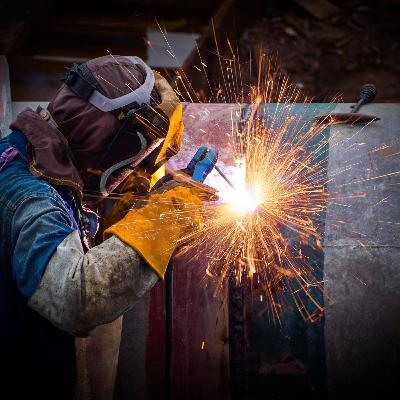
Welding plays a critical role in construction projects, with pipe type, size, technique, and work environment significantly influencing quality, safety, and overall project success. Project managers who understand welding fundamentals, certifications, and the value of skilled welders are better equipped to mitigate risk and make informed decisions.
This episode delves into the critical aspects of welding in construction, particularly focusing on metallic pipe welding. The hosts discuss the importance of understanding welding techniques, the types of pipes used, the challenges faced in welding, and the significance of skilled welders. They emphasize the need for project managers to be knowledgeable about welding to mitigate risks and ensure project success. The discussion also covers the differences between field and fab shop welding, the impact of pipe size on welding complexity, and the importance of certifications and experience in the welding profession.
Takeaways
Welding is a crucial aspect of construction that requires careful consideration.Understanding the basics of pipe welding can help project managers mitigate risks.Different types of pipes have varying applications and welding requirements.Welding techniques can vary significantly based on pipe size and position.Experience plays a vital role in the quality of welds produced.Field welding presents unique challenges compared to fab shop welding.Proper certifications are essential for welders to ensure quality and safety.Skilled welders are invaluable and can significantly impact project outcomes.Welding is both an art and a science, requiring precision and skill.Project managers should ask informed questions about welding to better understand project needs.
Chapters
00:00 The Importance of Welding in Construction02:19 Understanding Pipe Welding Basics05:25 Types of Pipe and Their Applications07:51 Welding Techniques and Challenges10:38 The Role of Experience in Welding13:55 Field vs. Fab Shop Welding16:16 The Impact of Pipe Size on Welding19:07 Position Welds and Their Complexity21:47 Welding Certifications and Skills24:31 The Value of Skilled Welders27:16 Conclusion and Key Takeaways
Effective quality control in construction requires a clearly defined, actively maintained plan that focuses on internal processes, team involvement, and consistent training. Strong quality control programs reduce financial risk, minimize rework, leverage technology, and drive continuous improvement to deliver high-quality project outcomes.
In this episode of the Management Under Construction podcast, hosts Brad Wyant and Dee Davis delve into the critical importance of quality control in the construction industry. They distinguish between quality control and quality assurance, emphasizing the need for a robust quality control plan that is actively implemented and regularly updated. The conversation highlights the financial implications of poor quality control, the necessity of training and involvement from all team members, and the role of technology in enhancing quality control processes. The hosts also discuss the essential elements of a quality control plan and the importance of continuous feedback and improvement to ensure high-quality outcomes in construction projects.
Takeaways
Quality control is distinct from quality assurance; the former is internal.A quality control plan outlines the steps to ensure quality work.Poor quality control can lead to significant financial losses.Effective quality control reduces rework and improves reputation.Training and involvement in quality control are crucial for success.Technology plays a vital role in modern quality control processes.A good quality control plan includes clear objectives and procedures.Continuous improvement is necessary for effective quality control.Feedback mechanisms are essential for addressing quality issues.A strong quality control program can differentiate contractors in a competitive market.
Chapters
00:00 Understanding Quality Control vs. Quality Assurance02:04 The Importance of a Quality Control Plan05:53 Consequences of Poor Quality Control10:05 Implementing Effective Quality Control Programs16:02 Training and Involvement in Quality Control20:34 The Role of Technology in Quality Control26:31 Elements of a Good Quality Control Plan33:10 Feedback and Continuous Improvement in Quality Control39:23 The Long-Term Benefits of Quality Control

Summary
In this bonus episode of the Management Under Construction podcast, Dee Davis and Brad Wyant discuss a piece of fan mail from George in California, who is navigating the challenges of implementing Building Information Modeling (BIM) in the horizontal infrastructure industry. They explore the paradigm shift towards digital construction management, the importance of change management, and the need for patience and support during the transition to BIM. The conversation emphasizes the significance of engaging younger team members and being mindful of the challenges that come with adopting new technologies.
Takeaways
The construction industry is experiencing a paradigm shift to digital management.Implementing BIM requires careful consideration of its benefits and challenges.Change management is crucial for successful BIM implementation.Creating urgency is important to encourage adoption of new technologies.Transparency about challenges can help in gaining buy-in from stakeholders.Engaging influential team members can facilitate smoother transitions.Feedback is essential during the rollout of new systems.Patience and support are necessary for those resistant to change.Younger team members can provide valuable tech support.BIM is not a one-size-fits-all solution and requires thoughtful application.
Chapters
00:00 Introduction and Fan Mail01:20 Implementing BIM in Infrastructure03:12 Challenges of Change Management in BIM Implementation
Deciding when to leave a job requires thoughtful evaluation of leadership, growth opportunities, compensation, and overall job satisfaction. Prioritizing continuous learning, personal well-being, and fulfillment can lead to healthier career choices and long-term success.
In this episode of Management Under Construction, Dee Davis and Brad Wyant discuss the critical question of when to quit a job. They explore various reasons for leaving, including the impact of bad bosses, the importance of continuous learning, financial incentives, and the potential benefits of relocation. The conversation also touches on the entrepreneurial path and the significance of job satisfaction for overall well-being. The hosts emphasize that life is too short to be unhappy at work and encourage listeners to seek fulfillment in their careers.
Takeaways
The decision to quit a job should be carefully considered.Bad bosses can significantly hinder career growth.Continuous learning is essential in today's job market.Financial incentives should be evaluated holistically.Relocation can improve quality of life and job satisfaction.Entrepreneurship is a viable path for those seeking independence.Job satisfaction is crucial for mental health and productivity.Investing in employee growth can reduce turnover.It's important to communicate openly when leaving a job.Life is too short to stay in a job you hate.
Chapters
00:00 Deciding When to Quit Your Job02:37 Identifying Bad Bosses12:10 The Importance of Learning and Growth20:16 Evaluating Financial Incentives29:23 Considering Relocation for Quality of Life38:22 The Entrepreneurial Path46:18 The Cost of Staying in a Bad Job

Comments

Download from Google Play

Download from App Store
 United States