


 Claim Ownership
 What's the Problem?
What's the Problem?Subscribed: 3Played: 19
Subscribe

© Ehlers Estate
Description
As the wine industry is in transition, it seems that many are scrambling for solutions. Taking a step back, winemaker Adam Casto is looking to define the problem. Speaking to a wide array of different industry perspectives, he aims to get to the heart of the issue from all angles.
New episodes will be published on Tuesdays at Noon PST, with bonus episodes published on Thursdays.
ehlersestate.substack.com
New episodes will be published on Tuesdays at Noon PST, with bonus episodes published on Thursdays.
ehlersestate.substack.com
62 Episodes
Reverse

Winegrowing, done properly, is quite unreasonable. A ballerina, spinning gracefully on their toes until they bleed, is quite unreasonable. Sailing past the horizon in a hollowed-out log with no certain aim but to go “there”, is quite unreasonable. Existence itself sometimes feels quite unreasonable. It is the varying degrees of this absurd and hazardous itch that pulled us from the Savannah and into outer space. The vast majority of us though, quite reasonably, seek stability: maximizing control to minimize risks. However, there are from time to time some strange few that seem disinhibited by prudence, cajoled by propriety and harassed by convention. They cross live wires just to make a light. Some leave little more than a mess, most leave nothing at all. But in those exceedingly rare instances where the alignment of things is just so, these sparks of innovation provide new sources of energy that fuel incalculable inspiration, pushing and pulling us out of stagnations we likely did not recognize, and opening new horizons to explore.Wine has been fortunate to attract a share of radicals and lunatics sufficient to produce relevance over millennia, but they are by no means guaranteed. Some calls go unanswered. Imagine if Punk had not existed in response to Disco. Randall Grahm’s Kantian critique of Purely Pragmatic Winegrowing has reoriented the pursuit as infinite game, effectively setting the goalpost in a dimension that will take generations to fully understand.As everything only means whatever meaning we give, looking for it is the obligation we are afforded as (mostly) self-aware beings. That Randall works so hard to articulate the purpose of his actions is evidence that he is looking for it himself, and is itself an exercise to be taken seriously. However, his work has promulgated, in an industry that often struggles under the weight of its own self-seriousness, a rare sensibility of playful yet precise intent wherein seriousness is the only fatal error. We need more Randall Grahms in the world. This is a public episode. If you would like to discuss this with other subscribers or get access to bonus episodes, visit ehlersestate.substack.com
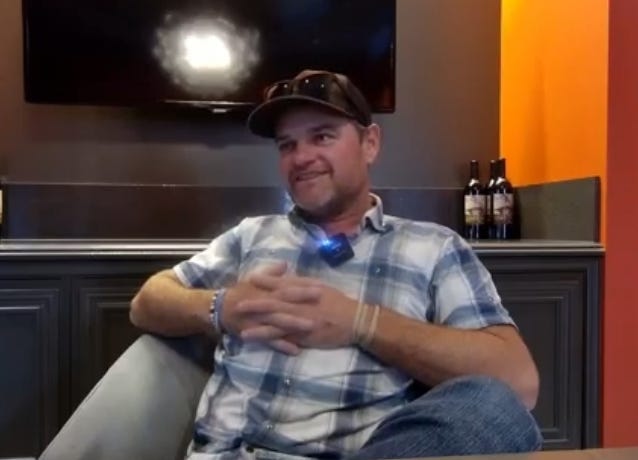
Matt Hardin is a sixth-generation Napa Valley farmer whose roots in viticulture trace back to 1849, when his family first began farming in Pope Valley. After earning his degree from Cal Poly, San Luis Obispo, he joined Barbour Vineyard Management, eventually becoming a partner, before launching his own company, Hardin Vineyard Management, in 2021. Today, he oversees some of Napa Valley’s most prestigious vineyard sites, farming vine by vine with a focus on sustainability, precision, and respect for terroir.In addition to his vineyard management work, Matt is a vintner and co-founder of several acclaimed wine brands. He is a partner in Caterwaul Wines, where he collaborates with winemaker Thomas Rivers Brown on Cabernet Sauvignon sourced from carefully chosen Napa Valley vineyards. He also owns Matthew Wallace Wines, a project that allows him to showcase the character of sites he farms under his own label. His family name is also tied to Hardin Wines, a Napa Valley Cabernet project that has earned a loyal following for its quality and approachability.Balancing heritage with innovation, Matt brings a deep respect for Napa’s farming traditions while pushing forward viticultural practices that protect the land for future generations. His reputation as both a vineyard manager and vintner reflects his belief that great wine begins with meticulous farming and a dedication to place. This is a public episode. If you would like to discuss this with other subscribers or get access to bonus episodes, visit ehlersestate.substack.com
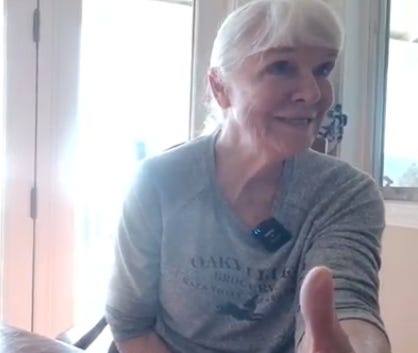
Robin Daniel Lail is a name is synonymous with heritage, excellence, and innovation in American winemaking. Born and raised among the vineyards of Inglenook, founded in 1879 by her great-granduncle, Gustave Niebaum, Robin was steeped early in the traditions of fine winemaking. As founder and owner of Lail Vineyards (established in 1995), she carries forward a family legacy rooted in one of California’s most storied wine estates.After earning her degree from Stanford University in 1962, Robin’s path led her into the wine world formally in 1977, where she began working under Robert Mondavi, who became a mentor. During her tenure, she played a central role in creating the first Auction Napa Valley, an event that continues to shape the region’s philanthropic and wine culture.In the early 1980s, Robin co-founded two influential wine estates: Dominus with Christian Moueix in 1982, and Merryvale Vineyards in 1983 with Bill Harlan. She served as President of Merryvale for twelve years, helping to establish it among Napa’s foremost producers. In 1995, alongside her daughters Erin and Shannon, Robin launched Lail Vineyards, a venture that unites her family’s deep traditions with a modern vision.Beyond her winemaking, Robin is celebrated for her role in building Napa Valley’s identity — through philanthropy, sustainable practices, and fostering community among vintners. She is honored not only for preserving her family’s legacy, but for embodying the belief that quality, authenticity, and respect for the land define what Napa wine can and should be. This is a public episode. If you would like to discuss this with other subscribers or get access to bonus episodes, visit ehlersestate.substack.com
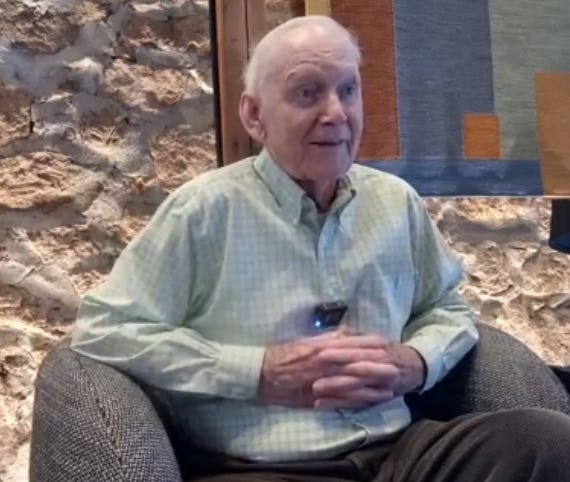
Dr. Richard Peterson is one of California’s most influential post-Prohibition winemakers, blending scientific rigor with creative innovation to help shape the modern wine industry. Born in Iowa during the Great Depression, he went on to earn a Ph.D. in agricultural chemistry from UC Berkeley in 1958 before beginning a transformative career at E. & J. Gallo Winery as Research Director.In 1968, the legendary André Tchelistcheff recruited Peterson to Beaulieu Vineyards, where he served as Winemaker for six vintages. He later became CEO of The Monterey Vineyard and, in 1986, took the helm at Atlas Peak Vineyards in Napa Valley. Beyond leadership roles, Peterson was an inventor whose contributions became industry standards: he demonstrated that topping barrels was unnecessary if handled correctly, designed the ubiquitous steel barrel rack, and introduced the “bung-and-roll” method to prevent barrel bungs from drying out. His innovations reflected a philosophy he often called “common sense winemaking,” the title of his influential column in Wines & Vines magazine during the 1970s.Peterson also developed his own label, Richard G. Peterson Wines, focusing on Pinot Noir and Brut Rosé, and remained active in Napa Valley through consulting, teaching, and writing. In 2015, he published his autobiography The Winemaker, chronicling both his personal journey and the rebirth of California wine after Prohibition. His archives, preserved at the UC Davis Library, document a lifetime of curiosity, experimentation, and leadership. A visionary, Peterson’s legacy endures not only in the wineries he guided but in the technical practices that became integral to winemaking around the world. This is a public episode. If you would like to discuss this with other subscribers or get access to bonus episodes, visit ehlersestate.substack.com

James Conaway, born in Memphis, Tennessee, is an acclaimed author and journalist whose work has left an indelible mark on both American letters and the cultural history of wine country. Educated at the University of North Carolina, Southwestern at Memphis, and Stanford University, where he was a Wallace Stegner Fellow in creative writing, Conaway began his career as a reporter for the Times-Picayune in New Orleans, and his early experiences in the newsroom shaped the sharp observational style that would define his later books and essays. He went on to serve as a wine critic for the Washington Post and an editor at Harper’s Bazaar before dedicating himself to a life of freelance writing.Conaway is perhaps best known for his trilogy on Napa Valley: Napa: The Story of an American Eden (1990), The Far Side of Eden (2002), and Napa at Last Light (2018). Together, these works chronicle the transformation of Napa from a patchwork of small family farms to a global luxury destination, while also questioning the environmental and social costs of its rise. His candid portrayals of power struggles, land use battles, and the commercialization of wine earned him both acclaim and criticism within the wine industry.In addition to his books, Conaway has contributed essays and reportage to The New York Times Magazine, The Atlantic, Harper’s, The New Republic, Gourmet, Smithsonian, and National Geographic Traveler, among many others. His fiction includes The Big Easy, a novel drawn from his experiences as a crime reporter in New Orleans, and Nose, a satirical mystery set in Northern California’s wine country. Residing between Washington, D.C., and California, Conaway continues to write and reflect on the intersections of culture, landscape, and human ambition. His papers, including original Napa Valley notebooks, are archived at the UC Davis Wine Library, underscoring his lasting influence as one of the foremost chroniclers of America’s wine country and its broader environmental and cultural narratives. This is a public episode. If you would like to discuss this with other subscribers or get access to bonus episodes, visit ehlersestate.substack.com

Priscilla Hennekam is a Brazilian-born, Adelaide-based wine consultant and founder of Hennekam Wine Consultancy. With over a decade of experience in the international wine industry, she helps producers and organizations adapt to changing markets by focusing on communication, consumer engagement, and forward-looking strategies.She is the creator of “Rethinking the Wine Industry,” a global community that shares ideas, challenges assumptions, and brings together voices from across 65 countries. Through her writing, podcasting, and speaking engagements, Priscilla explores how the wine world can move beyond scores and tasting notes to embrace a more emotional, inclusive, and story-driven approach.Priscilla inspires both industry professionals and wine lovers to think differently about the way wine is presented and enjoyed. Whether leading discussions on innovation, consulting with wineries, or engaging her thousands of readers and listeners, she champions a vision of wine as a bridge between people, cultures, and idea This is a public episode. If you would like to discuss this with other subscribers or get access to bonus episodes, visit ehlersestate.substack.com
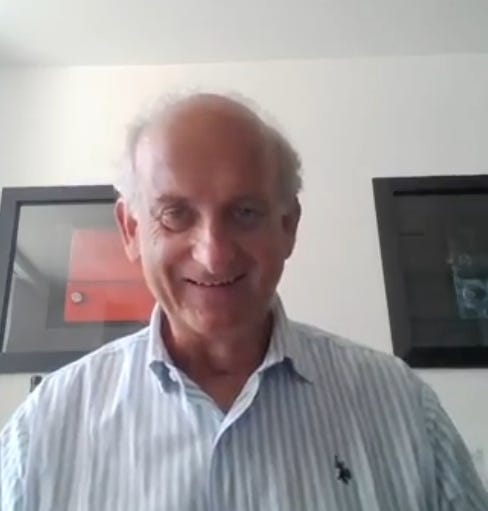
Lamberto Frescobaldi is the President of Marchesi Frescobaldi, one of Italy’s most historic and influential wine families, with a legacy that spans over 700 years and 30 generations. Born into this lineage of Tuscan nobility, Lamberto was immersed in the world of viticulture from an early age. He studied Agricultural Sciences at the University of Florence and later completed a Master’s degree in Viticulture at the University of California, Davis, equipping him with both traditional knowledge and modern scientific expertise.Under his leadership, the Frescobaldi group has expanded its portfolio while staying rooted in its commitment to terroir and authenticity. Lamberto has overseen the growth and innovation of iconic estates such as Tenuta Luce in Montalcino, Ornellaia in Bolgheri, and Gorgona—the only vineyard in the world run by inmates on a prison island, in partnership with the Italian government. His approach balances sustainability, social responsibility, and premium winemaking, and he has played a key role in reinforcing Tuscany’s global reputation for fine wine.Lamberto is known not only for his stewardship of the family business but also for his forward-thinking vision in the broader wine industry. A vocal advocate for environmental stewardship, he has implemented biodiversity programs, reduced chemical use in vineyards, and invested in renewable energy across Frescobaldi properties. With a rare combination of tradition and innovation, Lamberto Frescobaldi continues to shape the future of Italian wine while honoring the weight of his family’s extraordinary legacy. This is a public episode. If you would like to discuss this with other subscribers or get access to bonus episodes, visit ehlersestate.substack.com

Jason Haas is a second‑generation proprietor of Tablas Creek Vineyard in Paso Robles, California, where he serves as Partner and General Manager. Raised immersed in the wine world, Haas accompanied his father, Robert Haas, the founder of Vineyard Brands and co‑founder of Tablas Creek, on numerous buying trips to Europe.Under his stewardship, Tablas Creek has continued to flourish as a benchmark for Rhône‑style wines in California. Haas has taken the winery’s sustainability mission to new heights, guiding it through certifications including biodynamic farming and, most notably, becoming the first U.S. winery to earn Regenerative Organic Certified status.In addition to his role at the winery, Haas has played influential leadership roles within the industry. He served as president of the Rhone Rangers, contributed on the boards of Free the Grapes and the Paso Robles Wine Country Alliance, and has been recognized by peers as the 2015 Paso Robles Wine Country Industry Person of the Year and the 2017 San Luis Obispo County Wine Industry Person of the Year. In 2022, Food & Wine Magazine honored him as a Drinks Innovator of the Year.Beyond the vineyards, Haas has established himself as a prolific writer and speaker. His articles have been published in Wine Business Monthly, Wines & Vines, Decanter, and others. As principal author of the Tablas Creek blog, which has been nominated eight times and won twice for Wine Blog Awards’ “Best Winery Blog”, he combines thoughtful commentary with a commitment to education and transparency. This is a public episode. If you would like to discuss this with other subscribers or get access to bonus episodes, visit ehlersestate.substack.com
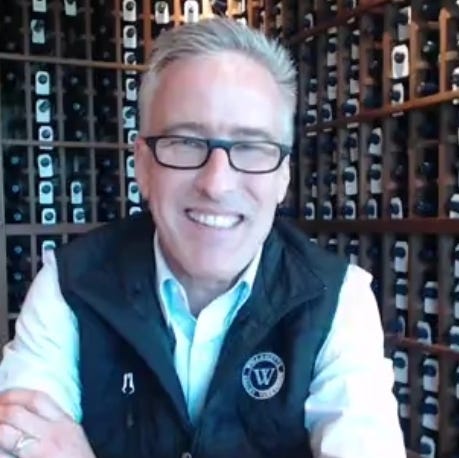
Michael Osborn is a pioneering entrepreneur and respected leader in the American wine industry, best known as the founder of Wine.com, the largest online wine retailer in the United States. With a career that spans more than two decades at the intersection of technology and wine, Osborn has played a pivotal role in reshaping how consumers discover, purchase, and connect with wine.He launched the company in 1998 under the name eVineyard, driven by a vision to make wine more accessible and the buying experience more intuitive through the power of e-commerce. By 2001, he had acquired the Wine.com domain and began building what would become the most recognized digital wine retailer in the country. As Vice President of Merchandising, Osborn led Wine.com's product strategy and brand partnerships, curating an extensive catalog of thousands of labels for a generation of online consumers.In 2025, after nearly three decades with Wine.com, Osborn was appointed Chief Executive Officer of Willamette Valley Vineyards, one of Oregon’s most celebrated wine producers. In this new chapter, he brings his strategic expertise and deep industry relationships to the world of production, with the goal of strengthening the winery’s national brand and advancing its mission of sustainability, hospitality, and quality. This is a public episode. If you would like to discuss this with other subscribers or get access to bonus episodes, visit ehlersestate.substack.com
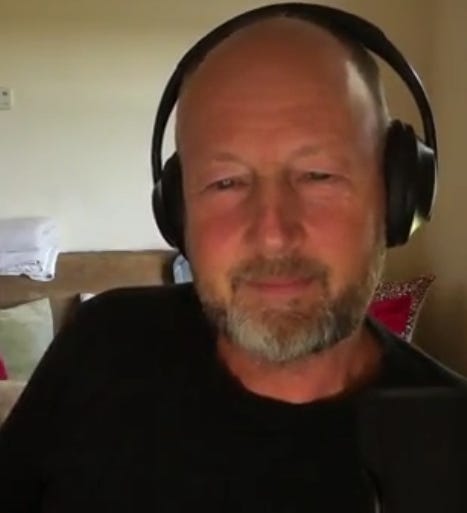
Steve Matthiasson is a Napa Valley winemaker and viticulturalist whose influence has reshaped the conversation around California wine. Known for his restrained, elegant style and deep commitment to sustainable farming, he is both a celebrated producer and a trusted vineyard consultant to some of the region’s most respected estates. Alongside his wife Jill, he founded Matthiasson Wines in 2003, creating a label defined by its freshness, balance, and reverence for both classic and unusual grape varieties.With a background in philosophy and horticulture, Matthiasson brings a thoughtful, agriculture-first approach to winemaking. His early work in integrated pest management and organic viticulture helped lay the foundation for California’s sustainable winegrowing movement. In fact, he co-authored the influential Lodi Winegrower’s Workbook, which became a blueprint for the state’s environmental standards in viticulture. This is a public episode. If you would like to discuss this with other subscribers or get access to bonus episodes, visit ehlersestate.substack.com

Michael Juergens is the founder of the Bhutan Wine Company and the visionary behind the development of Bhutan’s nascent wine industry. A longtime wine expert, certified sommelier, and Master of Wine candidate, Juergens began his journey in wine over three decades ago. By day, he is a senior partner at Deloitte, where he leads the firm’s Winery Solutions & Services practice, advising some of the world’s most prestigious wineries. But it was a 2016 visit to Bhutan—originally for a marathon—that set him on a new path. Surprised to find no vineyards in a country with ideal growing conditions, Juergens began exploring the possibility of cultivating wine grapes in the Himalayan kingdom.In 2019, after extensive research, local collaboration, and a green light from the Bhutanese government, he planted the country's first vineyards. Today, the Bhutan Wine Company farms nine vineyard sites across elevations ranging from 500 to over 9,000 feet, experimenting with varietals including Chenin Blanc, Pinot Noir, Cabernet Sauvignon, and Riesling to discover what best expresses Bhutan’s unique terroir. In 2023, the company released its inaugural vintage, a micro-release called “First Barrel,” which fetched international attention when a single 7.57L bottle was auctioned at Bonhams for $18,750.Juergens has been outspoken about building Bhutan’s wine industry with integrity, aligning with the country’s Gross National Happiness ethos by focusing on sustainability, community development, and cultural integration. Beyond the vineyards, he has also launched Bhutan Wine Co. initiatives that support local employment, cooperage, and food and beverage programs tied to wine culture. In 2025, the company will release its first commercial wine and open a wine bar and tasting room in Thimphu. His efforts have positioned Bhutan as a remarkable new voice in the world of wine. This is a public episode. If you would like to discuss this with other subscribers or get access to bonus episodes, visit ehlersestate.substack.com
Heidi Peterson Barrett is one of the most influential and celebrated winemakers in California, widely recognized for her pivotal role in shaping the cult wine movement of Napa Valley. Born in Berkeley and raised in the Napa Valley, Barrett is the daughter of Dr. Richard Peterson, a respected winemaker, and Diane Peterson, an artist and musician. This unique combination of science and art formed the foundation of her winemaking philosophy. She began working in vineyards as a teenager and went on to earn her degree in Fermentation Science from UC Davis, one of the few women in her graduating class.At just 25 years old, Barrett became the head winemaker at Buehler Vineyards, where her talent quickly drew critical acclaim. She launched her consulting career in 1988 and began working with Screaming Eagle, where she produced the now-legendary 1992 Cabernet Sauvignon, another 100-point wine that cemented her place in wine history. A six-liter bottle of that vintage famously sold at auction for $500,000.Over the course of her career, Barrett has crafted wines for some of Napa Valley’s most prestigious labels, including Paradigm, Grace Family, Amuse Bouche, Kenzo Estate, Lamborn Family, and Fantesca. She is also the founder and winemaker of La Sirena, her personal label known for expressive, small-lot wines that reflect her signature style: elegance, balance, and approachability. In addition to La Sirena, she collaborates with her husband, Bo Barrett of Chateau Montelena, on the Barrett & Barrett label. With a career spanning over four decades, Heidi Barrett remains a visionary and enduring force in the world of wine. This is a public episode. If you would like to discuss this with other subscribers or get access to bonus episodes, visit ehlersestate.substack.com
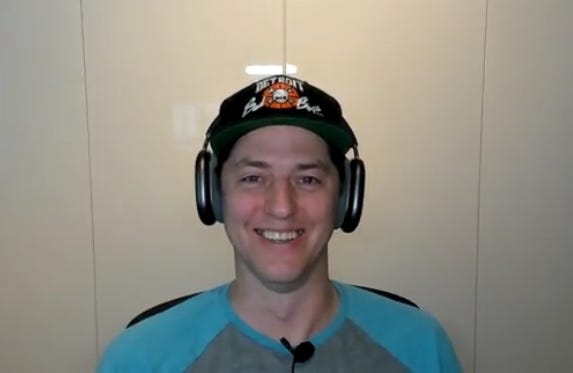
Hunter Rudd is a wine entrepreneur redefining how consumers discover and connect with wine. As CEO and co-founder of Wine Dispensary and Somm Says, he blends digital strategy, personalized service, and tech-driven tools to create accessible, engaging wine experiences for modern drinkers. At Wine Dispensary in Denver, he leads a team focused on delivering deeply personalized service, curated selections, and cutting-edge ecommerce solutions. Through Somm Says, he merges technology and storytelling to guide customers through the world of wine with approachable games that make winetasting fun.A former U.S. Army Green Beret with three Bronze Stars and a Purple Heart, Hunter brings mission-driven focus and precision to every venture. After earning his MBA from Duke University’s Fuqua School of Business, he turned his focus to the beverage world, building businesses that marry digital marketing, advanced data analytics, and hospitality. He collaborates with philanthropic initiatives like the RMA Children’s Foundation and serves as a vocal advocate for veteran transition and entrepreneurship. Based in Denver, his work is rooted in community, education, and a belief that wine should be approachable, not intimidating. This is a public episode. If you would like to discuss this with other subscribers or get access to bonus episodes, visit ehlersestate.substack.com
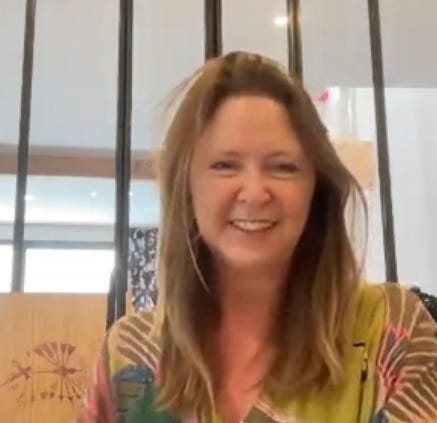
Jane Anson is one of the world’s foremost authorities on Bordeaux wine. A celebrated wine writer, author, and critic, she spent nearly two decades living in Bordeaux, where she became the first woman to write a definitive book on the region, Inside Bordeaux, widely regarded as a benchmark reference for professionals and enthusiasts alike.A former long-time correspondent for Decanter, Anson has contributed to publications such as The Guardian, The Financial Times, and Wine Enthusiast. She holds a Diploma from the Wine & Spirit Education Trust and trained in wine tasting at the prestigious Faculty of Oenology at the University of Bordeaux.In 2021, she launched JaneAnson.com, an independent subscription-based platform offering in-depth wine writing, reports, and tasting notes. Her work is known for its precision, deep context, and ability to capture the nuances of terroir and winemaking philosophy. Jane Anson is a vital voice in modern wine journalism, and deeply engaged with the evolution of fine wine. This is a public episode. If you would like to discuss this with other subscribers or get access to bonus episodes, visit ehlersestate.substack.com
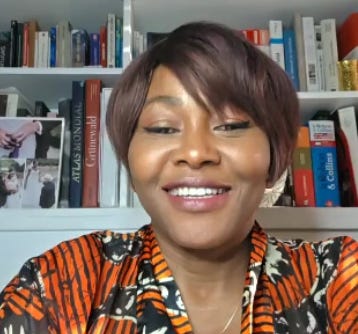
Chinedu Rita Rosa is a Nigerian-born, Bordeaux-based wine consultant and entrepreneur transforming the relationship between European wines and African markets. After beginning her career in banking, she entered the wine world through her late husband’s import business in Lagos. In 2016, she moved to France and founded Vines by Rosa, a consultancy focused on bringing European wines to Africa with cultural sensitivity, pairing them with traditional dishes like jollof rice and egusi to redefine wine appreciation on the continent.Faced with industry resistance, she carved out her own space, creating the Bordeaux Mentor Week to support underrepresented wine professionals and launching the Bordeaux Business Network to empower Black and minority entrepreneurs. Through her work, Chinedu is reshaping a global narrative, bridging continents, and championing a more inclusive future for the wine industry. This is a public episode. If you would like to discuss this with other subscribers or get access to bonus episodes, visit ehlersestate.substack.com

Michel Rolland is one of the most influential figures in modern winemaking. A celebrated oenologist and consultant, Rolland has helped shape the style and success of hundreds of wineries around the world, from his native Bordeaux to Napa Valley, Mendoza, Tuscany, and beyond. His career has spanned more than five decades and has left an indelible mark on the global wine industry.Born in 1947 in Libourne, in the heart of Bordeaux’s Right Bank, Rolland was raised in a winemaking family. He studied oenology at the University of Bordeaux, where he was mentored by the legendary Émile Peynaud. Rolland is best known for his role in modernizing vineyard and cellar practices. His consulting work has been widely praised by critics, especially during the height of Robert Parker’s influence, and has been emulated across the globe.In addition to his consulting, Rolland owns several estates in Bordeaux, including Château Le Bon Pasteur in Pomerol and Château Fontenil in Fronsac, as well as international ventures such as Clos de los Siete in Argentina. This is a public episode. If you would like to discuss this with other subscribers or get access to bonus episodes, visit ehlersestate.substack.com
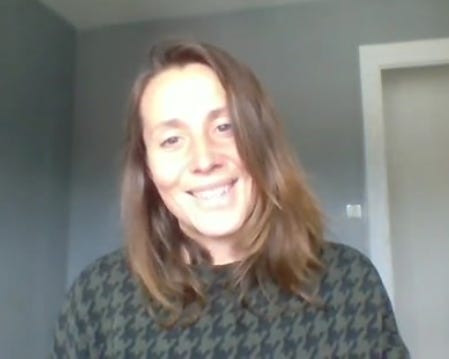
Magalie Dubois, Ph.D. is an Assistant Professor of Wine Economics & Marketing at the Burgundy School of Business’s School of Wine & Spirits in Dijon, France. She holds a Master’s degree and earned her Ph.D. in Economics from the University of Bordeaux, concentrating on experimental economics and wine consumer behavior .A recognized member of the European Association of Wine Economists, Magalie contributes cutting-edge research on viticulture, pricing strategies, quality signaling, and digital wine trends. Her academic output includes peer‑reviewed articles, conference presentations, and expert interviews on topics such as geographic indications, natural wine economics, and digital recommendation systems. She blends rigorous academic research with dynamic classroom leadership and real‑world innovation. Her work spans economics, digital tools, sustainable tourism, and education, making her a key influencer shaping the future of global wine markets and experiences. This is a public episode. If you would like to discuss this with other subscribers or get access to bonus episodes, visit ehlersestate.substack.com
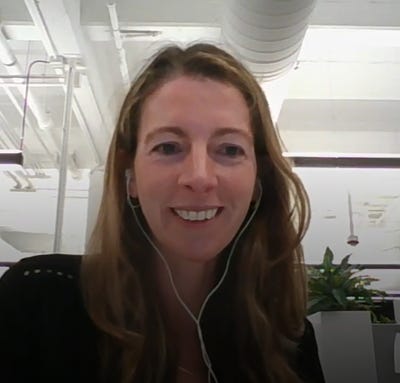
Esther Mobley is an award-winning wine journalist and the Senior Wine Critic at the San Francisco Chronicle, where she has been covering wine, beer, and spirits since 2015. Mobley is widely recognized for her in-depth reporting on the wine industry, with a particular focus on the business, culture, and environmental challenges facing California winemakers today.Mobley began her career in wine after studying English literature at Smith College and completing harvest internships in Napa Valley and Argentina. She went on to work at Wine Enthusiast and Wine Spectator, where she developed a strong foundation in wine writing and industry analysis. Her work has earned numerous accolades, including the prestigious Feature Writer of the Year award at the Louis Roederer International Wine Writers’ Awards. She has also been honored by the Society for Features Journalism, the Association of Food Journalists, and the California News Publishers Association for her reporting. This is a public episode. If you would like to discuss this with other subscribers or get access to bonus episodes, visit ehlersestate.substack.com
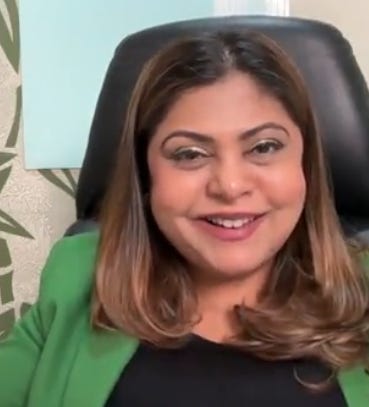
Sonal Holland is India’s first and only Master of Wine, and one of the most influential figures in the country’s wine industry. With a career spanning education, media, retail, and consulting, she has played a pivotal role in shaping India’s modern wine culture. After earning her MW in 2016, she founded the Sonal Holland Wine Academy, offering world-class wine education to aspiring professionals and enthusiasts across the country.She is also the founder of the India Wine Awards, which recognize excellence in wines available in the Indian market and has launched ventures such as Vine2Wine retail stores and SoHoWines, making wine more accessible and engaging for Indian consumers. A former hospitality executive, international wine judge, and TEDx speaker, Holland frequently appears in major media outlets and leads conversations around wine appreciation, industry growth, and consumer trends. Her work continues to elevate India’s presence on the global wine stage. This is a public episode. If you would like to discuss this with other subscribers or get access to bonus episodes, visit ehlersestate.substack.com
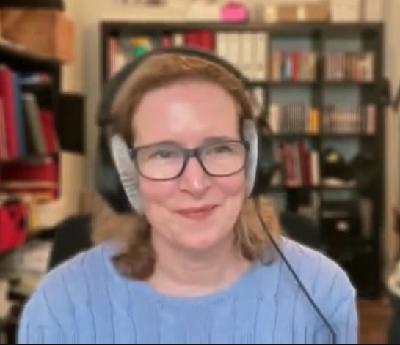
Felicity Carter is an acclaimed wine journalist, editor, and speaker with a global reputation for her deep understanding of the wine industry. She currently serves as Editorial Director of ARENI Global, a London-based think tank focused on the future of fine wine. Previously, she was editor-in-chief of Meininger’s Wine Business International, where she transformed the magazine into a leading global trade publication with readers in over 35 countries.In 2021, she became the founding Executive Editor of The Drop at Pix, a digital wine discovery platform recognized by the Wall Street Journal as one of the most trusted sources for wine online. Carter also created the Drinks Insider podcast and consultancy, exploring the intersection of wine, business, and health.Her writing has appeared in The Guardian US, Decanter, and VinePair, among others, and she is a regular speaker and judge at international events like ProWein and the MUST Wine Summit. With a career spanning continents and platforms, Carter is widely regarded as one of the most influential voices in the modern wine world. This is a public episode. If you would like to discuss this with other subscribers or get access to bonus episodes, visit ehlersestate.substack.com

Comments

Download from Google Play

Download from App Store
 United States