


 Claim Ownership
The Butcher Shop
Subscribed: 6Played: 53
Subscribe

© Copyright 2026 The Articulate Fly
Description
Raw conversations with master angler tiers who craft and fish the deadliest streamers in the game. Each episode dissects signature patterns and complete systems for hunting trophy brown trout, musky, pike and bass. No recipes - just proven tactics from predator specialists who consistently deliver the goods.
12 Episodes
Reverse
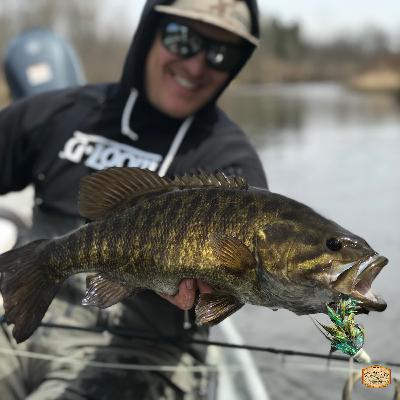
Episode OverviewMike Schultz joins The Butcher Shop to deliver a comprehensive deep dive into the Swingin' D, one of predator fly fishing's most effective swim patterns for targeting smallmouth bass in Michigan rivers. This detailed conversation traces the pattern's evolution from its early 2000s origins through modern 2.0 variations, exploring the critical role of Larry Dahlberg's diver head design in creating the fly's signature side-to-side action. Mike shares the problem he was solving—creating a fly that would hang and move horizontally rather than just vertically like traditional leech and crayfish patterns. He walks through material selection spanning over 15 years of refinement, from the original beads-and-wire construction to today's shank-based articulated designs. The discussion covers tactical presentation details including optimal water temperatures (45-50°F+), rod and intermediate line selection, retrieve cadences and the importance of fishing at proper angles to achieve maximum action. Mike also provides updates on Schultz Outfitters' new e-commerce platform and upcoming events including the fourth annual Bobbin the Hood.Key TakeawaysHow to achieve unpredictable horizontal swim action by properly selecting and seating Rainy's diver heads, which create side-to-side darting movement that mimics wounded baitfish when fished at 45-degree angles on intermediate lines.Why the Swingin' D fills a critical gap in predator fly boxes by suspending in the strike zone and allowing precise depth control through strategic weighting with lead wraps or tungsten scud bodies balanced against the buoyant foam head.When to fish the Swingin' D most effectively—peak performance occurs in 45-50°F+ water during late March through May when smallmouth are aggressive and feeding in shallow 2-4 foot zones.How to construct durable 2.0 versions using The Chocklett Factory shanks, Senyo micro shank connections, Ahrex XO 774 rear hooks and Gamakatsu 2/0 worm hooks up front to prevent hook failures and maximize hookups.Why proper head selection and orientation matters—wider heads with substantial collars produce aggressive side-to-side action for cold water while narrower heads swim tighter for warmer conditions.Techniques & Gear CoveredMike emphasizes the Swingin' D's effectiveness stems from proper presentation on intermediate lines using 7-8 weight rods like the G. Loomis IMX Pro V2 or his signature NRX+ Swim Fly. The fly excels when fished at 45-degree angles from a moving boat, using erratic strip-and-pause retrieves that allow the Dahlberg diver head to create horizontal darting action. Keeling techniques using .020-.030 lead wire or Hareline tungsten scud bodies balance the buoyant foam head to achieve desired depth penetration. Mike details construction using articulated shanks (The Chocklett Factory, Senyo micro shanks), Ahrex XO 774 universal curve rear hooks and Gamakatsu 2/0 worm hooks up front, incorporating materials like Senyo's Predator Wrap, Whiting hen saddles, mallard flank and Blane Chocklett's rattle boxes. Leaders run 4-7 feet terminating in 15-16lb fluorocarbon tied with loop knots to the fly with no swivels. The pattern's versatility allows customization through flash colors, head widths and weight placement to match conditions ranging from high spring flows to lower summer levels.Locations & SpeciesThe Swingin' D was developed specifically for Michigan's small to medium-sized rivers where smallmouth bass are the primary target during the critical late March through May peak season. Mike's guiding focuses on shallow water zones of 2-4 feet depth where the fly's horizontal swimming action excels at triggering aggressive strikes. The pattern proves most effective when water temperatures climb from 45°F into the optimal 50-60°F+ range and bass feed actively in current seams, log jams and structure. Pike frequently intercept the fly, necessitating heavy 15-16lb fluorocarbon tippet to prevent bite-offs. While designed for Michigan's specific smallmouth fisheries, the swim fly principles and Dahlberg head mechanics translate to other predator fishing scenarios where anglers need flies that suspend and dart horizontally in the upper water column.FAQ / Key Questions AnsweredHow does the Swingin' D differ from traditional smallmouth patterns?The Swingin' D fills the gap between vertically jigging flies like leeches and crayfish by incorporating Larry Dahlberg's diver head design, which creates horizontal side-to-side darting action when fished on intermediate lines at proper angles. The foam head provides buoyancy that allows the fly to suspend and hang in the strike zone, while strategic weighting controls depth. This mimics wounded baitfish behavior that triggers aggressive strikes, particularly during the peak spring season when smallmouth are actively feeding in shallow water.What materials and construction techniques make the modern 2.0 version more durable?The 2.0 version uses articulated Chocklett Factory and Senyo micro shanks, eliminating the wire-kinking problems of original beads-and-wire construction. Rear hooks switched from the B10S (which bends out easily) to the Ahrex XO 774 universal curve in sizes 2-4, while the front maintains the reliable Gamakatsu 2/0 worm hook. Materials include Senyo's Predator Wrap or translucy brushes, Whiting hen saddles, mallard flank and Blane Chocklett's new rattle boxes which seat more securely than traditional glass rattles. Liberal use of Wapsi brushable super glue throughout construction creates indestructible flies that survive multiple fish and wood contacts.When is the optimal time and water temperature to fish the Swingin' D?While the Swingin' D can catch fish as cold as 40-45°F, peak effectiveness begins when water temperatures reach 50°F and above, typically during the third to fourth week of April in Michigan. The prime window runs from late March through May into early June—Michigan's peak smallmouth season—when water levels are still elevated but warming and bass are aggressive. In February's coldest water, traditional leeches and peanuts outperform swim patterns, but as temperatures climb into the 45-50°F range, the Swingin' D's horizontal action becomes increasingly deadly.How should anglers weight and balance the Swingin' D for different conditions?Balancing the buoyant foam head with proper weight achieves desired depth and swim action. For immediate water penetration, wrap .020-.030 lead wire (10 wraps of .025 is a good starting point) on the front Gamakatsu 2/0 hook bend, then coat with flexible resin like RaidZap or Solarez to protect it and allow on-stream adjustments by breaking away sections. For heavier applications in deeper or faster water, Hareline's tungsten scud and shrimp bodies in small or medium sizes provide concentrated weight while maintaining the fly's suspended character. The goal is creating a fly that dives quickly on the strip but hangs and suspends on the pause, maintaining position in the 2-4 foot strike zone where Michigan smallmouth feed most aggressively.What rod, line and leader setup works best for presenting the Swingin' D?Mike recommends 7-8 weight rods designed specifically for streamers, particularly the G. Loomis IMX Pro V2 (his most popular client rod at $595) or his signature NRX+ Swim Fly, both 8'10" in length with tips engineered to animate swim flies effectively rather than throw floating lines like traditional saltwater rods. Pair these with intermediate sinking lines—Airflo Sniper Four Season fast intermediate or SA Titan Full intermediate. Hand-tied leaders run 4-7 feet (shorter for less experienced anglers, longer for advanced casters) terminating in 15-16lb fluorocarbon, with Mike favoring Hatch's pike-resistant fluorocarbon tied to the fly with a loop knot. No swivels are necessary if the head is seated properly and straight, which eliminates line twist issues.SponsorsThanks to TroutRoutes and onX Fish Midwest for sponsoring this episode. Use artfly20 to get 20% off of your TroutRoutes Pro membership.Related ContentS1, Ep 97 - All Things Smallmouth with Mike SchultzS7, Ep 33 - Nut Jobs and Chimichangas: A PA Smallmouth Update with Brendan RuchS7, Ep 1 - Winter Fly Tying and Pre-Spawn Tips with Matt ReillyS6, Ep 97 - Fly Fishing Wisdom and...
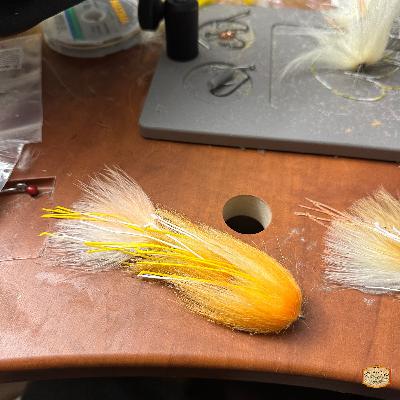
Episode OverviewIn this episode of The Butcher Shop fly fishing podcast, host Marvin Cash sits down with Brendan Ruch, the innovative tier behind the Nut Job, to explore every dimension of this game-changing swim fly pattern. From its accidental birth on Logjam Live to its current status as a go-to predator pattern for serious smallmouth and trout anglers, Brendan walks through the complete evolution of the fly. The conversation covers Central Pennsylvania waters where the pattern has proven deadly on big smallmouth and trout, particularly during spring high water conditions. Brendan details his craft fur-based approach, explaining how the synthetic material provides superior castability and a distinctive glide bait action compared to traditional hen saddle patterns. The discussion moves from vise to water, covering everything from material selection and proportioning to advanced retrieve techniques that maximize the fly's strip-and-stall bite trigger, making this essential listening for any angler pursuing large predatory fish on the fly.Key TakeawaysHow to tie a swim fly with predictable glide bait action using craft fur instead of expensive hen saddles, resulting in easier casting and better material availabilityWhy positioning rubber legs on top of the shank rather than on the sides creates critical parachute action that allows the fly to suspend and trigger strikes during the pauseWhen to adjust tungsten bead weights between 3/16" and 7/32" based on current speed to keep the fly in the strike zone without losing the neutral buoyancy that makes the pattern effectiveHow introducing slack through rod tip manipulation and strategic mends maximizes the fly's side-to-side glide within a confined 12-inch zone where fish are holdingWhy dark colors like olive-and-black with copper flash outperform bright patterns in off-color spring water, while yellow-orange combinations excel as visibility improvesTechniques & Gear CoveredThe episode centers on Brendan's systematic approach to fishing articulated swim flies with emphasis on strip-and-stall retrieves that create glide bait action. He details using rod tip manipulation—upward jerks, downward strips, lateral movements combined with mends—to introduce slack that allows the Nut Job to kick side-to-side within a tight zone. Tying techniques focus on craft fur density and proportioning, including ripping tips rather than cutting to preserve bulk, using finesse chenille as a low-drag core and positioning 4-8 rubber legs to create suspending action. Brendan discusses hook configurations ranging from size 2 Trout Predator to 1/0 hooks paired with 15-25mm shanks connected via Maxima Chameleon 25lb, with tungsten bead options from 3/16" to 7/32" for varying current speeds. Line selection covers Type 3 sink tips for early season high water transitioning to intermediate lines as flows normalize, paired with fluoro leaders built from 30-35lb stepping down to 16-20lb tippet.Locations & SpeciesThe Nut Job has proven effective across East Coast waters, with Brendan's primary focus on Central Pennsylvania smallmouth fisheries where the pattern excels during high water conditions typical of March through May. He references success on the West Branch of the Delaware targeting trout with smaller versions of the pattern and discusses adaptations for musky fishing and striper applications along coastal waters. The fly's design addresses the challenges of fishing swollen spring rivers with off-color water, where heavy tungsten keeps patterns in the zone while craft fur provides visibility. Brendan emphasizes the pattern's effectiveness during pre-spawn and post-spawn transitions when predatory trout and smallmouth are aggressively feeding on baitfish, making it particularly deadly during early spring runoff and late spring clearing conditions when fish are looking up in the water column.FAQ / Key Questions AnsweredHow does the Nut Job differ from traditional hen saddle swim flies?The Nut Job uses craft fur instead of hen saddles for the front head, providing easier casting than soaked feather patterns while maintaining excellent action. The synthetic material flows through water similarly to natural materials but offers better availability and lower cost than quality hen saddles, which have become scarce and expensive since COVID. The craft fur butts create density at the tie-in point similar to the Bad Hair Day streamer, while rubber legs positioned on top of the shank add critical parachute action for suspending behavior.What's the key to getting proper glide bait action from the Nut Job?Introducing slack is essential—the fly needs to move no more than 12 inches (roughly twice its length) before pausing to allow the side-to-side glide. Brendan recommends various techniques including upward jerks followed by mends, downward rod tip drops during strips and lateral movements combined with upstream or downstream mends. The goal is creating hard, short movements followed by pauses where the fly suspends and kicks, mimicking an injured baitfish rather than simply stripping the fly back to the boat in long pulls.When should you adjust tungsten bead weights on the Nut Job?Use 7/32" tungsten beads during early spring high flows when you need to get the fly deep quickly and keep it in the zone. Switch to 3/16" beads or keel-weighted hooks as flows normalize and fish start looking higher in the water column—lighter weights allow for longer pauses and better neutral buoyancy. If the fly sinks too fast and you can't stall it effectively, you're too heavy for the conditions. The sweet spot is maintaining depth without sacrificing the suspending action that triggers strikes.What are the most productive Nut Job color combinations?For off-color, green-brown spring water, olive-and-black with a few turns of copper polar chenille over the finesse chenille core dominates—this dark pattern is visible to fish even when anglers can't see it. As water clears to a few feet of visibility, yellow or yellow-with-orange veil (Brendan calls it "flame boy") becomes deadly due to its luminescent glow underwater. In clear conditions, natural combinations work well: white, cream, tan, medium olive, dark olive and camel in various two-tone arrangements—there's rarely a bad combination among these colors.How do you adapt the Nut Job for musky or saltwater species?For musky, use a hook-shank-hook configuration with a 4/0 short shank in back, 35mm big game shank in the middle and 5/0 up front for an 8-inch fly with a 2.5-inch marabou tail. A translucey fiber body and a micro Buford under the craft fur tie-ins on the head increase profile on these larger patterns since you're using the full length of the craft fur sheet. For stripers, tie a single-hook style version with two shanks (15mm rear, 20mm middle) connected with Maxima and a 6 mm bead, finishing with an Ahrex 1/0 minnow hook to avoid having two hooks in the fish's face—this creates a peanut bunker-sized profile.SponsorsThanks to Schultz Outfitters, TroutRoutes and OnX Fish Midwest for sponsoring this episode. Use artfly20 to get 20% off of your TroutRoutes Pro membership.Related ContentBONUS - Tying the Circus Peanut: Streamer Secrets and Fishing Strategies with Russ MaddinS7, Ep 31 - Nut Jobs and Quesadillas: A Spring Fishing Update with Brendan RuchS7, Ep 33 - Nut Jobs and Chimichangas: A PA Smallmouth Update with Brendan RuchS6, Ep 146 - Musky Mysteries: Winter Tactics and Fly Tying Tips with Matt ReillyAll Things Social Media Follow Brendan on Instagram.Follow us on Facebook, Instagram, Twitter and YouTube.Support the Show
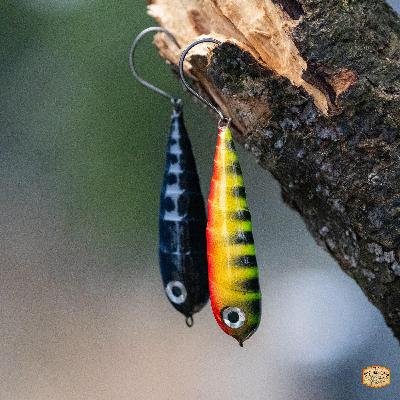
Discover the Spiral Spook: Innovation in Topwater Fly FishingJoin Marvin Cash on The Butcher Shop fly fishing podcast as he interviews Chase Smith, inventor of the innovative Spiral Spook fly pattern. Chase bridges conventional and fly fishing by adapting the classic walk-the-dog action into a deadly topwater fly for bass and other predator species.Expert Design Insights from Chase SmithChase shares his journey from conventional fishing to creating one of fly fishing's most unique topwater patterns. Learn how he solved critical design challenges including weight distribution, foam construction and hook positioning to achieve authentic spook action on a fly rod.What You'll LearnDiscover the precise retrieve technique required for walking the fly—short, sharp strips just three inches long with rod tip on the water. Chase reveals why leader material matters, explaining why soft monofilament outperforms fluorocarbon and stiff materials. Get the complete leader formula: 2 feet of 50-pound to 2 feet of 35-40 pound, finishing with 2 feet of 20-pound soft mono.Advanced Tying TechniquesChase breaks down the complete construction process, from embedding weights in foam bodies to creating the signature spiral wrap. Learn about material selection including EVA foam, Gorilla Glue clear coating and wide-gap offset hooks that dramatically improved hookup ratios. Understand the precision required—weight placement within millimeters affects the entire action.Topwater Strategies for Predator SpeciesGet Chase's preferred setup: 55-millimeter bone-colored spooks on 6-7 weight rods with floating lines with aggressive tapers. Discover why smaller sizes catch more fish and how to adapt the pattern for varying conditions. Chase shares his 90% commitment to bone color and explains the strategic advantage of downsizing.Master the Walk-the-Dog RetrieveThe most common mistake anglers make is stripping too long. Chase emphasizes the critical importance of short, sharp strips—just a wrist flick of three inches. Learn how to initiate the walk with fast strips then vary tempo for different actions. Understand why loop knots are essential and how tippet diameter affects glide.Ready to add this deadly topwater pattern to your predator fly arsenal? Tune in for Chase's expert insights on creating and fishing one of fly fishing's most innovative surface patterns.SponsorsThanks to Schultz Outfitters, TroutRoutes and OnX Fish Midwest for sponsoring this episode. Use artfly20 to get 20% off of your TroutRoutes Pro membership.Related ContentS6, Ep 124 - Fly Tying with Chase SmithBONUS - Tying the Circus Peanut: Streamer Secrets and Fishing Strategies with Russ MaddinS6, Ep 101 - The Chocklett Factory: Fly Fishing Travels, Conservation and New VenturesS4, Ep 4 - Matt O'Neal of Savage FliesAll Things Social Media Follow Chase on Instagram.Follow us on Facebook , Instagram , Twitter and YouTube .Support the Show Shop on Amazon Become a Patreon Patron Subscribe to the Podcast Subscribe to the podcast in the podcatcher of your choice.Advertise on the Podcast Is our community a good fit for your brand? Advertise with us.In the Industry and Need Help Getting Unstuck? Check out our consulting options !Helpful Episode Chapters00:00 Introduction09:16 The Design Process15:33 Evolution of the Fly21:26 Common Mistakes to Avoid27:00 Mastering the Action32:49 Upcoming Projects
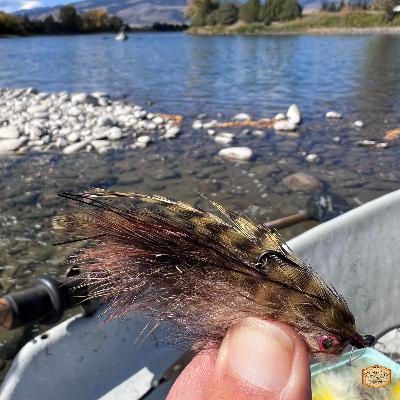
The Home Invader: A 30-Year Fly Fishing LegacyIn this episode of The Butcher Shop, host Marvin Cash dives deep into one of fly fishing's most versatile streamer patterns with its creator, Doug McKnight. Calling in from Blacksmith Lodge in Punta Herrero, Mexico, Doug shares the complete story behind the Home Invader—from its origins on Pennsylvania spring creeks to its evolution into a deadly pattern for everything from Yellowstone brown trout to backcountry tarpon.Doug McKnight's Streamer ExpertiseDoug McKnight brings three decades of streamer innovation to this fly fishing podcast, with patterns proven across multiple species and water types. Based in Livingston, Montana, Doug guides on the Yellowstone River and has adapted his signature patterns for both freshwater predators and saltwater gamefish. His design philosophy draws from legends Bob Clouser and Bob Popovics, emphasizing natural movement and practical fishability.What You'll Learn: Home Invader FundamentalsListeners gain insider knowledge on the Home Invader's creation story, including the accidental discovery that combined pheasant marabou, Australian possum fur and Clouser-style lead eyes into a deadly baitfish imitation. Doug explains material selection—from sourcing premium pheasant marabou to choosing between possum, arctic fox and coyote fur for different fly sizes. He breaks down common tying mistakes, particularly over-dressing with fur, and shares his preferred method for securing lead eyes with thread wraps and Zap-A-Gap.Featured Techniques: Fishing the Home InvaderThe core revelation: the Home Invader excels at slow presentations in fast water. Doug introduces his "do nothing" retrieve—casting with a 250-300 grain sink tip, getting tight to the fly and letting current provide all the action. This technique targets pressured brown trout holding in heavy Yellowstone River runs where traditional fast strips fail. Doug details his complete system: 7-8 weight rods, 24-foot sink tips, 15-pound Maxima butt sections and loop-knotted fluorocarbon tippets. Color selection follows water clarity—natural olives and tans in clear conditions, bright yellows and chartreuse in muddy water.Yellowstone River Streamer StrategiesDoug reveals how Montana's fishing pressure has changed his approach over 20 years. Fish now occupy extremely difficult lies in heavy current where precise boat positioning matters more than ever. The Home Invader's inherent movement allows effective coverage of these spots with minimal manipulation—critical when you get only one cast to pressured fish. Doug discusses adapting fly weight by pairing different grain sink tips with varied lead eye sizes, creating everything from dredging presentations to near-surface swims.Beyond Trout: Saltwater AdaptationsThe episode includes a bonus discussion of the Home Slice—Doug's weightless Home Invader variation for tarpon and permit. Using plastic eyes instead of lead, the Home Slice swims right-side-up and has proven deadly for backcountry species. Doug also shares his current permit experiment: fishing floating crab patterns over sargassum weed mats with explosive visual strikes.Listen Now for Proven Streamer TacticsWhether you're chasing Yellowstone browns, smallmouth bass or backcountry permit, this episode delivers actionable insights from a pattern designer who's refined his craft for 30 years. Doug's willingness to share detailed techniques—from leader formulas to retrieve cadences—makes this essential listening for serious streamer anglers.SponsorsThanks to Schultz Outfitters, TroutRoutes and OnX Fish Midwest for sponsoring this episode. Use artfly20 to get 20% off of your TroutRoutes Pro membership.Related ContentBONUS: Tying the Circus Peanut: Streamer Secrets and Fishing Strategies with Russ MaddinBONUS: Shack Nasties and the Drunk & Disorderly: A Winter Chat with Tommy LynchS7, Ep 14: The Streamer Playbook: Tips and Tactics for Targeting Big Trout in East Tennessee with Ellis WardS6, Ep 38: Shoal Bass Shenanigans and Fly Tying Philosophies with Georgia's Fletcher SamsAll Things Social Media Follow Doug on Instagram.Follow us on Facebook , Instagram , Twitter and YouTube .Support the Show Shop on Amazon Become a Patreon Patron Subscribe to the Podcast Subscribe to the podcast in the podcatcher of your choice.Advertise on the Podcast Is our community a good fit for your brand? Advertise with us.In the Industry and Need Help Getting Unstuck? Check out our consulting options !Helpful Episode Chapters00:00 Introduction02:36 The Birth of the Home Invader08:47 Materials and Tinkering11:35 Tying Techniques and Common Mistakes14:49 Fishing Techniques and Strategies22:20 Adjusting to Water Conditions24:50 Animation Techniques for the Fly30:32 Adapting the Home Invader for Tarpon33:20 Multi-Purpose Applications
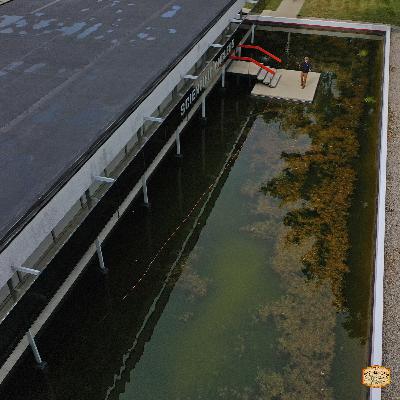
Join The Butcher Shop podcast host Marvin Cash for an exclusive deep dive into fly line design and manufacturing with Josh Jenkins, R&D Manager at Scientific Anglers.Guest Expertise: Scientific Anglers R&D LeadershipJosh Jenkins brings mechanical engineering expertise and years of hands-on experience developing fly lines for America's leading manufacturer. As SA's sole engineer, Jenkins oversees product development, manufacturing optimization and quality control for the company's entire line portfolio.What You'll Learn: Manufacturing Secrets RevealedDiscover the complete fly line manufacturing process from core selection through PVC coating application. Learn how Scientific Anglers revolutionized the industry by moving from tapered cores to level cores with tapered plastic coatings. Understand the collaboration process between pro staff anglers and engineers that drives new product development.Featured Techniques: Streamer Fishing Line InnovationExplore specialized line development for musky fishing, including running line diameter optimization for powerful strip sets and color contrast improvements for low-light visibility. Get insights into new sinking line densities and the evolution from basic streamers to modern oversized flies.Manufacturing Insights: From Concept to MarketLearn production realities including minimum viable quantities (200-300 lines annually), development timelines from concept to retail and the technology evolution from mechanical cam systems to computer-controlled manufacturing that enables rapid prototyping.Ready to understand what makes premium fly lines perform? This episode delivers insider knowledge every serious angler needs.SponsorsThanks to Schultz Outfitters, TroutRoutes and OnX Fish Midwest for sponsoring this episode. Use artfly20 to get 20% off of your TroutRoutes Pro membership.Related ContentS6, Ep 142: Winter Musky Adventures and Streamer Tactics with Ellis WardS7, Ep 14: The Streamer Playbook: Tips and Tactics for Targeting Big Trout in East Tennessee with Ellis WardS2, Ep 114: All Things Game Changer with Blane ChocklettAll Things Social Media Follow Scientific Anglers on Instagram and Facebook.Follow us on Facebook , Instagram , Twitter and YouTube .Support the Show Shop on Amazon Become a Patreon Patron Subscribe to the Podcast Subscribe to the podcast in the podcatcher of your choice.Advertise on the Podcast Is our community a good fit for your brand? Advertise with us.In the Industry and Need Help Getting Unstuck? Check out our consulting options !Helpful Episode Chapters00:00 Introduction05:19 From Idaho to Scientific Anglers07:19 Role of R&D Manager at SA08:57 Insights into Fly Line Manufacturing14:11 Rise of Specialty Fly Lines15:31 Collaboration with Pro Staff19:23 Technology and Innovations in Fly Lines23:33 Changes in Fly Design and Technique26:59 Impact of Fly Lines on Rod Design31:12 Timeline for Bringing New Lines to Market32:54 Development Process for Musky Gen 235:18 Upcoming Products and Innovations
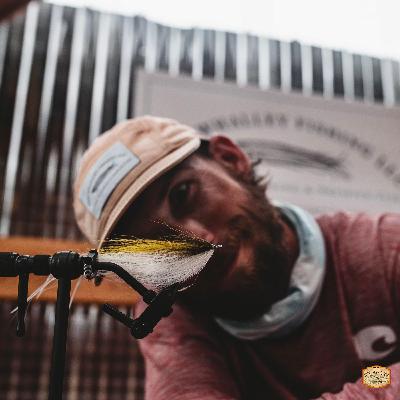
Join Marvin Cash on this episode of The Butcher Shop as he explores one of saltwater fly fishing's most revolutionary patterns with Captain Ben Whalley, a Maine striped bass guide and a keeper of Bob Popovics' innovative tying methods.Expert Guest CredentialsCaptain Ben Whalley brings unparalleled insight into Bob Popovics' techniques, having developed a close mentorship with the legendary fly designer before his passing. As a professional striped bass guide fishing Maine's challenging waters, Whalley has refined these patterns for diverse saltwater conditions.What You'll LearnDiscover the fascinating history behind the Beast Fleye's development, from Bob's initial 14-inch prototype that earned its name for being "a beast to cast." Learn essential tying fundamentals including bucktail selection, mono extension techniques and the critical reverse-tying method that creates the fly's distinctive breathing action.Featured TechniquesMaster the art of sparse tying with matchstick-diameter material proportions, understand how to create proper taper through staged construction and learn tackle setups from floating lines for surface feeds to 400-grain fast-sink heads for deep current fishing.Striped Bass Fishing InsightsGet proven presentation strategies including stop-and-go retrieves that trigger strikes, plus tactical advice for fishing rocky ledges versus open water situations.Ready to elevate your saltwater fly game with this game-changing pattern?SponsorsThanks to Schultz Outfitters, TroutRoutes and OnX Fish Midwest for sponsoring this episode. Use artfly20 to get 20% off of your TroutRoutes Pro membership.Related ContentS6, Ep 91 - Predator Flies and Sparkle Boats: Steve Maldonado's JourneyS6, Ep 144 - The Chocklett Factory: Conservation, New Products and a Legacy RememberedS6, Ep 146 - Musky Mysteries: Winter Tactics and Fly Tying Tips with Matt ReillyS6, Ep 41 - Smallmouth Secrets and Streamer Savvy with Brendan RuchAll Things Social Media Follow Ben on Instagram .Follow us on Facebook , Instagram , Twitter and YouTube .Support the Show Shop on Amazon Become a Patreon Patron Subscribe to the Podcast Subscribe to the podcast in the podcatcher of your choice.Advertise on the Podcast Is our community a good fit for your brand? Advertise with us.In the Industry and Need Help Getting Unstuck? Check out our consulting options !Helpful Episode Chapters00:00 Introduction06:11 Meeting Bob Popovics08:14 The Birth of the Beast Fleye20:30 Triggers and Techniques33:30 The Role of Synthetics40:22 Adapting to Different Fisheries46:54 Common Mistakes to Avoid51:09 Final Thoughts and Tips58:01 Fly Drop Information
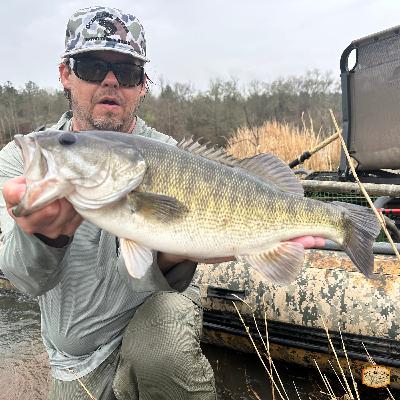
In this episode of The Butcher Shop, host Marvin Cash is joined by Fletcher Sams, the innovative mind behind the Tweaker. Fletcher shares his journey into the world of visual eats and swim bugs, delving deep into the creation of the Tweaker, the fishing problem it addresses and the unique design features that make it effective.Listeners will discover the inspiration behind the name and the challenges Fletcher faced in developing a fly that could navigate tight, brush-filled creeks while maintaining a weedless presentation. He discusses the intricate details of the fly's construction, including the importance of hook selection, head design and the use of buoyancy to enhance performance.The conversation also covers tips for tying the Tweaker, common mistakes to avoid and the nuances of fishing this innovative pattern. Fletcher emphasizes the importance of visual engagement while fishing and shares his preferred tackle setup for maximizing success on the water.This episode is a treasure trove of insights for fly tyers and anglers alike, offering a fascinating look into the creative process behind one of the most exciting streamers out there today.Thanks to Schultz Outfitters and TroutRoutes for sponsoring this episode. Use artfly20 to get 20% off of your TroutRoutes Pro membership.Check Out Fletcher Tying the TweakerAll Things Social Media Follow Fletcher on Instagram .Follow us on Facebook , Instagram , Twitter and YouTube .Support the Show Shop on Amazon Become a Patreon Patron Subscribe to the Podcast Subscribe to the podcast in the podcatcher of your choice.Advertise on the PodcastIs our community a good fit for your brand? Advertise with us.In the Industry and Need Help Getting Unstuck? Check out our consulting options!Helpful Episode Chapters00:00:00 Introduction00:02:42 The Origin of the Tweaker00:08:48 Influences on Design00:10:03 Bite Triggers and Action00:15:33 Constructing the Tweaker00:21:57 Proportions for Different Sizes00:28:18 Choosing the Right Beads00:30:54 Selecting Quality Deer Hair00:34:11 Deer Hair Proportions Explained00:35:05 Head Design and Function00:50:05 Common Mistakes in Tying00:51:54 Tools for Tying Success00:53:09 Fishing the Tweaker01:01:51 Line Preferences for the Tweaker
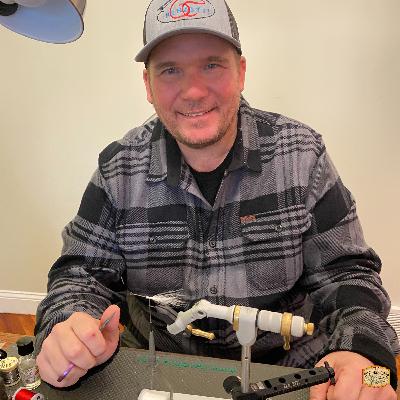
In this episode of The Butcher Shop, host Marvin Cash sits down with Russ Maddin at the vise for a lively discussion about the iconic Circus Peanut. As Russ ties this innovative pattern, he shares the fascinating backstory behind its creation in the early 2000s, highlighting the guiding challenges that inspired its design. Listeners will learn about the unique two-hook construction that helps keep fish hooked longer, a game-changer for streamer fishing enthusiasts.Russ dives deep into his approach to streamer fishing, emphasizing the importance of adapting techniques based on water conditions and fish behavior. He offers valuable insights into fly selection, including his favorite materials and setups for different scenarios. The conversation also touches on the evolution of fly lines and how advancements in technology have changed the way anglers present their flies.Throughout the episode, Russ shares practical tips for retrieving the Circus Peanut effectively, including the importance of varying cadence and keeping the line straight. He also discusses common mistakes that novice tiers make and how to avoid them, ensuring that listeners walk away with actionable advice to improve their tying game.This episode is a treasure trove of information for fly anglers looking to refine their skills and learn more about one of the most versatile streamer patterns in the sport.Thanks to Schultz Outfitters and TroutRoutes for sponsoring this episode. Use artfly20 to get 20% off of your TroutRoutes Pro membership.All Things Social MediaFollow Russ on Instagram.Follow us on Facebook, Instagram, Twitter and YouTube.Support the ShowShop on AmazonBecome a Patreon PatronSubscribe to the PodcastSubscribe to the podcast in the podcatcher of your choice.Advertise on the PodcastIs our community a good fit for your brand? Advertise with us.In the Industry and Need Help Getting Unstuck?Check out our consulting options!Helpful Episode Chapters00:00:00 Introduction00:01:56 The Circus Peanut's Origin Story00:05:01 Influences Behind the Design00:09:45 The Purpose of the Circus Peanut00:24:00 Modern Materials for Tying00:28:05 Favorite Hook and Bead Combinations00:45:05 The Importance of Line Selection00:48:48 Matching the Biomass00:57:06 Techniques for Retrieving the Peanut01:11:32 New Developments in Fly Tying
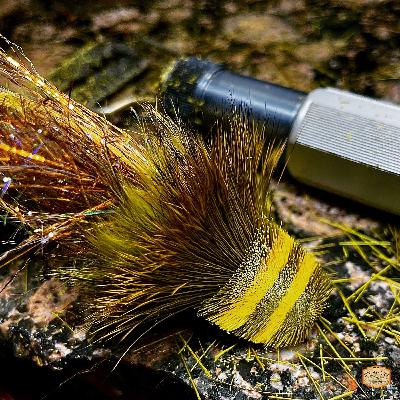
In this episode of The Butcher Shop, host Marvin Cash sits down with Tommy Lynch on a frigid winter evening in Michigan, where they dive deep into the world of fly tying and fishing. Despite the brutal cold and a case of the "shack nasties," Tommy shares his insights on the creation of his popular fly pattern, the Drunk & Disorderly. With a few Monsters and some Kodiak to keep the spirits high, the duo explores the intricacies of fly design, discussing the importance of movement and bite triggers that can entice even the most elusive fish.Tommy takes us through his journey of developing the Drunk & Disorderly, from its initial concept to the evolution of its head design, and the materials that make it effective. He emphasizes the significance of understanding fish behavior and adapting your techniques based on water temperature and conditions. As they exchange stories, listeners will gain valuable tips on fishing strategies, including the best practices for presenting the fly to maximize its effectiveness.This episode is not only packed with practical advice for anglers but also highlights the passion and creativity that go into fly tying. Whether you're a seasoned pro or just starting out, Tommy's insights will inspire you to think outside the box and enhance your fishing experience.Thanks to Schultz Outfitters and TroutRoutes for sponsoring this episode. Use artfly20 to get 20% off of your TroutRoutes Pro membership.All Things Social MediaFollow Tommy on Facebook and Instagram.Follow us on Facebook, Instagram, Twitter and YouTube.Support the ShowShop on AmazonBecome a Patreon PatronSubscribe to the PodcastSubscribe to the podcast in the podcatcher of your choice.Advertise on the PodcastIs our community a good fit for your brand? Advertise with us.In the Industry and Need Help Getting Unstuck?Check out our consulting options!Helpful Episode Chapters00:00 Introduction 01:53 The Drunk & Disorderly Begins 06:34 Influences in Fly Design 10:35 The Mechanics of Swim Flies 12:36 Understanding Bite Triggers 18:45 The Importance of Presentation 26:19 Materials and Tying Tips 35:27 Common Tying Mistakes 41:45 Line and Leader Choices 52:41 Presentation Styles Explored 57:27 Evolving Techniques in Cold Water 58:39 Variations of the Drunk & Disorderly
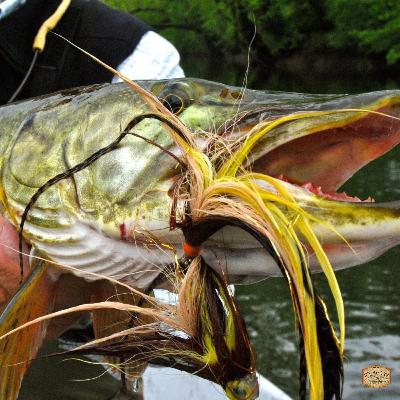
In this inaugural episode of The Butcher Shop, host Marvin Cash sits down with renowned angler Blane Chocklett for an in-depth discussion on the art of crafting and fishing the T-Bone. Blane shares his journey from early musky fishing experiences to the creation of the T-Bone, detailing the materials and techniques that went into its design. He dives into the intricacies of hook and shank configurations, the importance of profile and silhouette and how to effectively fish this innovative pattern.The conversation explores the evolution of streamer design, including the transition from natural to synthetic materials, and the advantages each brings to the table. Blane also shares valuable insights on common mistakes tiers make when attempting to tie the T-Bone, along with tips for achieving the perfect action in the water.Listeners will gain a wealth of knowledge about fly design, fishing strategies and the ongoing developments in the world of predator streamer fishing. Whether you're a seasoned angler or just starting out, this episode offers a treasure trove of information to enhance your time on the water.Thanks to TroutRoutes for sponsoring this episode. Use artfly20 to get 20% off of your TroutRoutes Pro membership.Learn More About Lefty Kreh's Tie Fest 2025All Things Social MediaFollow Blane on Facebook and Instagram.Follow The Chocklett Factory on Instagram.Follow us on Facebook, Instagram, Twitter and YouTube.Support the ShowShop on AmazonBecome a Patreon PatronSubscribe to the PodcastSubscribe to the podcast in the podcatcher of your choice.Advertise on the PodcastIs our community a good fit for your brand? Advertise with us.In the Industry and Need Help Getting Unstuck?Check out our consulting options!
Hey, folks, it’s Marvin Cash the host of The Articulate Fly.I am super stoked to share a new podcast that is going to launch soon - The Butcher Shop.We are going to have raw conversations with master angler tiers who craft and fish the deadliest streamers in the game. From OGs like Blane Chocklett, Russ Maddin and Tommy Lynch to up and coming young guys, we are going to talk to them all. Each episode will dissects signature patterns and complete systems for hunting trophy brown trout, musky, pike and bass. No recipes - just proven tactics from predator specialists who consistently deliver the goods.And, a shout out to Logjam Dave for an awesome logo design! Check out more of his handiwork on Instagram. Don’t miss a single episode! Subscribe to The Butcher Shop today in favorite your podcatcher, and subscribe to The Articulate Fly on Instagram to keep up with all things Butcher Shop!
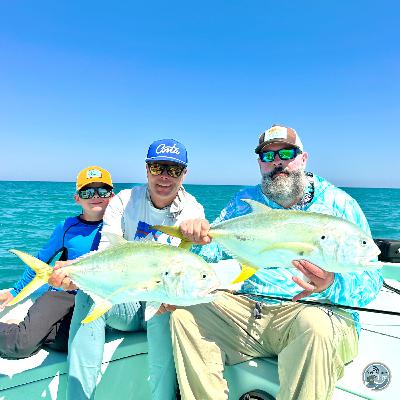
Episode OverviewIn this episode of The Articulate Fly, host Marvin Cash reconnects with Blane Chocklett — tier, guide and founder of The Chocklett Factory — for a wide-ranging conversation covering conservation, product launches and what's ahead for one of fly fishing's most recognized innovators. Blane offers a firsthand recap of Tie Fest, the ASGA-backed conservation fundraiser held at Carter Andrews' property, where proceeds are funding a five-year jack crevalle acoustic tagging research program. He reflects on the community of guides, brands and fly fishing legends who showed up in honor of figures like Lefty Kreh, Bob Popovics and Flip Pallot, and confirms the event will return in 2027.The conversation then pivots to one of the most eagerly anticipated product releases from The Chocklett Factory: the commercially tied Feather Changer. Blane walks through the design history of this Game Changer platform variant — including the pivotal conversation with Bob Popovics that sparked the fly's development — and explains why natural feathers give the Feather Changer a swimming action and water column behavior that synthetic materials can't replicate. He also previews cicada patterns timed to summer emergences, along with new shrimp patterns rounding out the 2026 lineup. Blane closes with a look at his upcoming travel calendar, including a smallmouth bass filming project for Fly Fisherman magazine in Pennsylvania, a conservation visit with On the Fly Outfitters in Brunswick, Georgia and planned trips to Baja and northern Saskatchewan for northern pike.Key TakeawaysWhy the Feather Changer occupies a unique position in the Game Changer platform by blending natural and synthetic materials to achieve a swimming action and water column depth that neither approach achieves on its ownHow a bathtub test and a conversation with Bob Popovics directly led to the development of the Feather Changer as a solution to buoyancy problems with deer body hair Game ChangersWhy the Feather Changer's profile versatility — mullet, sculpin, dace and beyond — makes it one of the most species-adaptable flies in the Game Changer lineupHow The Chocklett Factory's 2026 product rollout (Feather Changers, cicadas, shrimp patterns) is timed around spring and summer fishing and cicada emergences across the countryWhy smallmouth bass deserve their place as a premier fly rod species and how decades of guiding them directly shaped many of the flies now central to the Game Changer platformWhy ASGA's jack crevalle acoustic tagging research program represents the kind of targeted, funded conservation work the fly fishing community is uniquely positioned to supportTechniques & Gear CoveredThe episode is primarily a product and conservation update rather than a technique-focused installment, but Blane provides substantive insight into the design logic behind the Feather Changer. He explains how natural feathers interact with laminar flow differently than synthetic materials — diverting water in a way that creates exceptional movement without bulk and allows the fly to settle into the water column at depths that buoyant materials like deer body hair cannot reach. The Feather Changer is discussed in the context of pre-spawn smallmouth bass fishing in Pennsylvania rivers, where its realistic swimming profile and soft landing characteristics are particularly relevant. Blane also previews cicada patterns designed for surface fishing during both annual and periodic hatches, and shrimp patterns aimed at the saltwater and flats side of his expanding lineup. Brand mentions include Yeti, Patagonia, Costa, Scientific Anglers, TFO and Nautilus in the conservation context, and
Comments

Download from Google Play

Download from App Store
 United States