


Creating a level playing field for collaboration
Subscribed: 0Played: 0
Subscribe

© Tonnie van der Zouwen
Description
How can we make a difference together, in equity and mutuality, instead of inviting people to participate in a project they do not own? In this series, we discover what works by sharing stories of lived experiences from a diversity of wise guests. Organizers, participants, facilitators, and researchers of participatory projects. By sharing examples and insights, we want to contribute to co-creating a world that works for all. Special thanks to Jane Lewis for helping to bring this series to life and to our guests. Hosted by Tonnie van der Zouwen. Help us to grow by rating and giving a comment.
16 Episodes
Reverse
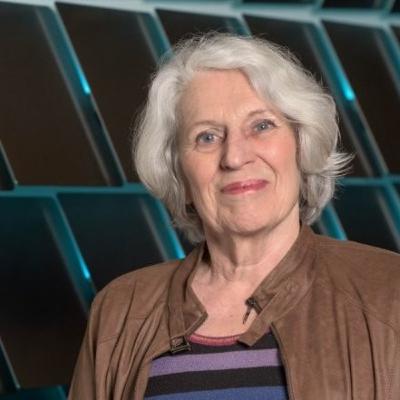
What is the role of executive leaders in a collaborative change process? In this inspiring episode, we sit down withsociologist and former university executive, Lieteke van Vucht Tijssen. She takes us back to a pivotal moment in her career: stepping in as interim board member at a Dutch University of Applied Sciences in crisis. With financial instability and declining educational quality, Lieteke faced the challenge of turning things around—without resorting to yet another costly reorganization. Instead, she championed a bold cultural shift: moving from a rigid, top-down management style to a participatory, quality-driven educational ethos. She takes us behind the scenes of a pivotal moment—the 2010 “Craftsmanship andMastery” conference, where 300 staff, students, and leaders came together for a one-day large-scale intervention. Through carefully designed dialogue, clearframeworks, and inclusive participation, the university community began to reimagine itself—not as a “bachelor production machine,” but as a true house of education. Through her story, we explore the power of intrinsic motivation, professional responsibility, and the role of co-creation in building sustainable change. She also shares practical lessons on executive leadership, student engagement, and sustaining change through follow-up actions.ChaptersIntroduction to Lieteke and the executive perspectiveA university in crisis: Challenges for the interim boardTurnaround to a quality culture in education, engaging the whole systemApplying the Large Scale Interventions approach for whole system changeEstablishing clear boundaries for the playing field for collaborationForming a stakeholder steering commission, including a governor Challenges at the top, fear of losing controlCourageous leadership to overcome fear and misunderstandingsA one-day large group conference to initiate the turnaroundClear frameworks forcollaborationFollow-up actions to sustain change and growthAs a governor, take daily sorrows and small results into account More infoLieteke van Vucht Tijssen on LinkedInArticle ‘Enhancing the Impact of Co-Creation Research: Large Scale InterventionsWith a Stakeholder Steering Committee for Whole System Engagement’ Article ‘Kwaliteit als cultuur. Ruimte voor de innerlijke drive van HBO studenten’ (Dutch)
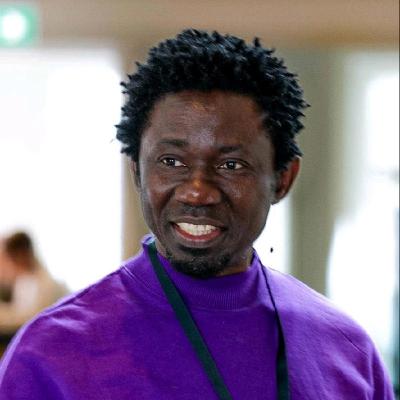
In this episode, we welcome Babah Tarawally, a journalist, columnist, and author originally from Sierra Leone. Baba discusses the philosophy of Ubuntu and its relevance to creating a level playing field for collaboration. He shares his experiences as a migrant from Sierra Leone to the Netherlands, highlighting the challenges of integration and the importance of seeing each other as human beings. The discussion also touches on the need for reciprocity in relationships, the differences in how migrants and refugees are welcomed, and the role of community support systems in fostering a sense of belonging. Reflecting on the broader journey of life, Babah encourages listeners to consider what they will leave behind for future generations. He stresses the importance of investing in others and taking care of the environment, so that we leave the world in a better state for those who come after us.Read the transcriptMore informationBabah Tarawally on WikipediaBooks by Babah Tarawally (overview and descriptions)Column in Trouw (Dutch daily newspaper)
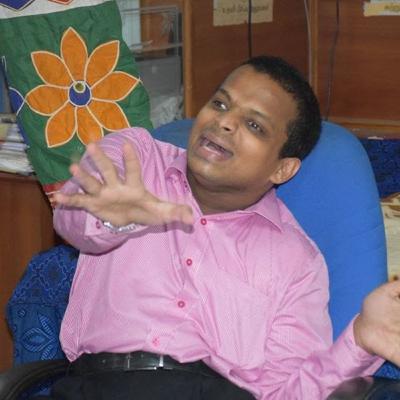
In this episode, we welcome Siddharth, a senior banker from Bengaluru, India, with over 20 years of experience in the banking industry. Siddharth shares his inspiring journey of living with cerebral palsy, a condition that affects his coordination, and how he has overcome numerous challenges to achieve success. He holds multiple master's degrees and has authored a book titled "Simply Being Sidd." Siddharth is also a motivational speaker who enjoys discussing topics such as leadership, management, and self-awareness. He shares stories of how his childhood experiences have made him mentally stronger and how he has learned to take control of situations without worrying about others' perceptions of his condition. Siddharth highlights that effective collaboration requires a two-way process towards a common goal. He also talks about the importance of building personal relationships before starting any collaborative project. He shares his strategies for connecting with colleagues, especially those who may have different perceptions about disability. Siddharth's advice for facilitators, leaders, and researchers is to take the time to get to know each other and build relationships before expecting collaboration. He emphasises that understanding each other as whole human beings, beyond any disabilities or differences, is crucial for effective collaboration. Tune in to hear Siddharth's valuable insights on leadership, collaboration, and the importance of personal connections in creating an inclusive and productive work environment.Listen with subtitles Chapters00:00 Introduction to Siddharth 03:02 Childhood Experiences and Collaboration07:13 The Importance of Getting to Know Each Other13:46 Overcoming Perceptions of Disability21:42 The Essence of Collaboration Beyond DisabilitiesMore info Siddharth on LinkedIn Simply being Sidd! My fight with life and God, book (2017) Am I normal?: Siddharth GJ at TEDxEMWS 11 min. video CavinKare Ability Mastery Award 2021, 2 min. video on Siddharth mission TEDxGateway- Siddarth GJ- Love yourself and Life will follow its own Path
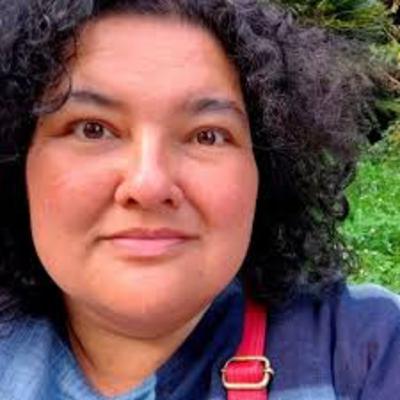
Join us for an inspiring episode with Fiona Frank, an educator, politician, activist, and consultant from the Netherlands. With over 22 years of experience, she teaches at the University of Applied Science in Amsterdam and the University for Humanistic Studies in Utrecht. In our conversation, Fiona shares her political journey and dedication to activism, particularly in diversity, equity, and inclusion. She recounts coordinating the Black Lives Matter demonstration in Utrecht during the COVID-19 lockdown, emphasizing the importance of accessibility and inclusivity in activism. Fiona advocates for courageous leadership that challenges the status quo to create real change. She highlights the power of collective action among diverse communities embracing intersectional thinking. Don’t miss this opportunity to learn how fearless leadership can pave the way for a more equitable future! Read transcriptChapters00:00 Introduction to Fiona Frank 03:41 Activism and the Black Lives Matter Movement 08:45 Community engagement and municipal collaboration11:56 The importance of diverse perspectives 14:15 Rewarding voices of marginalised people16:43 Tailoring communication and participation to different cultures 21:49 Appreciating silence in conversations 24:59 The need for courageous leadership in activism and politics 31:15 Embracing intersectionality for collective action More informationFiona Frank on LinkedIn
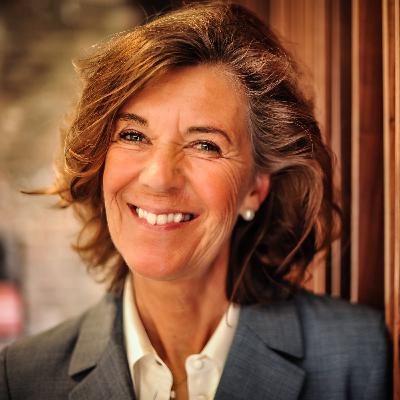
In this episode, we welcome Tineke Abma, a professor of arts and health at Erasmus University and Leiden Medical Center and executive director of Leiden Academy on Vitality and Aging. Tineke shares her fascinating experiences and insights on participatory research, particularly with older adults and people with disabilities. She emphasizes the importance of experiential knowledge and collaboration in making research relevant and impactful. This implies seeing people as a whole and creating a level playing field by sitting next to them rather than sitting in front of them and asking questions. For example, taking nursing home residents seriously and involving them as co-researchers, sharing uncertainties, and collaboratively seeking solutions are crucial for building trustful relationships. Listen to this inspiring episode to learn more about how creative methods, working with artists, and collaboration with stakeholders can positively change healthcare and research agendas. Read the transcript ChaptersIntroduction to Tineke Abma and her workStepping into the field, engaging patients and other stakeholders in researchParticipatory research with spinal cord injury patientsEmpowerment through collaboration, broadening research agendas Improving a nursing home with the older residents as co-researchers Sitting next to people, creative methods to build trustful relationships Researching with artists to mirror and honour emotionsMore informationTineke AbmaArticle on epistemic injustice, by Groot, Haveman & Abma 2020 Article Social impact of participatory health research, by Abma et al. 2017Article Patients as partners in responsive research, by Abma et al. 2009Article Dialogue and Deliberation. New Approaches to including patients in setting health and healthcare research agenda, by Abma 2018
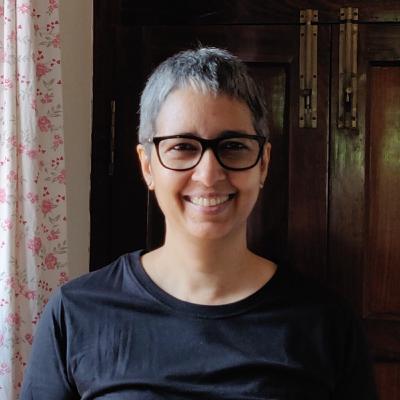
In this episode, we welcome Rekha Nair, an experienced HR consultant and founder of Align HR, based in Chennai, India. Rekha shares her extensive experience in mergers and acquisitions (M&A) and organizational restructuring, highlighting the importance of building trust, respect, and transparent communication.Key Highlights: Mergers and Acquisitions: Rekha discusses the significance of showing respect and building trust during M&A processes. She shares anecdotes about how small gestures of respect from senior leaders can create a strong foundation for successful integration. Continuous and transparent communication is emphasized as a crucial factor in reducing anxiety and fostering collaboration. Transparent Communication: Rekha explains how clear and honest communication, even about difficult topics, can help employees understand and accept changes during M&A. She provides examples of how simulations and detailed explanations can turn perceived disadvantages into benefits.Cultural Integration: Rekha highlights the importance of honouring the history and achievements of acquired organizations. She shares successful practices where the legacy of the acquired company was blended into the new organization's story, fostering pride and inclusion. Restructuring with Dignity: Rekha recounts a successful restructuring process at a multinational bank, which involved meticulous planning, transparent communication, and opportunities for growth and lateral movement. She emphasizes the importance of handling redundancies with dignity and supporting outplacement.Collaboration and Common Good: Reflecting on her experiences, Rekha underscores the value of collaboration and working towards a common good. She experienced that transparent communication and a focus on collective success can lead to better outcomes for both individuals and organizations. Join us as Rekha Nair shares her insights and practical strategies for navigating complex organizational changes with empathy and respect. Listen now or read the transcriptChapters:00:00 Introduction to Rekha Nair and Her Work01:35 Mergers and Acquisitions: Building Trust and Respect04:52 Transparent and continuous communication to reduce anxiety06:52 Explaining the process by making a simulation for employees09:50 Aligning employees to work for a common purpose12:05 Merging cultures by a free flow between the old and new organisation13:14 Honour the glory of the acquired organisation16:11 Restructuring with dignity: The success story of a multinational bank29:27 Anchoring the change32:07 Reflecting on collaboration: The gains of working on a common good34:18 OutroMore info:Align HRRekha Nair on LinkedIn
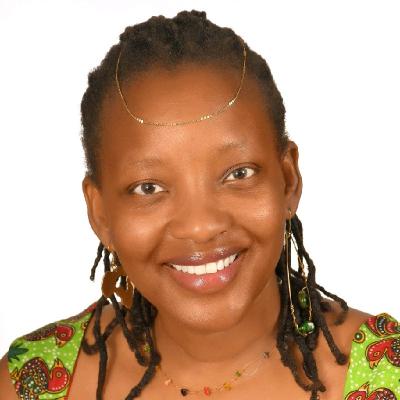
In this episode, we welcome Lucy Wairimu Mukuria from Nairobi, Kenya. Lucy shares her insights on how Western people often unconsciously reinforce colonial practices. She recounts personal stories about her experiences with racism and colourism, both in Kenya and internationally. Lucy emphasizes the importance of self-awareness and identity and how these factors contribute to the ability of Africans to stand up for themselves. She also discusses the challenges of social expectations and the impact of historical traumas on contemporary society. Lucy reflects on her 20 years of experience in psychology and the limitations of Western approaches to mental health. She advocates for a broader perspective on normality and abnormality, highlighting the need for cultural inclusivity and understanding. The conversation concludes with a powerful message about the essence of humanity and the necessity of recognizing and celebrating our shared humanity.Read the transcriptChapters00:00 Introduction00:51 Understanding Colonial Mindsets04:54 Identity and Race Dynamics13:29 Challenging Western Approaches to Mental Health. What is Normal?18:57 Identity and Mutuality20:21 Microaggressions21:12 Understanding Socialization and Cultural Inclusivity27:14 The Essence of Humanity, Finding Our Centre39:16 OutroMore informationLucy Wairimu Mukuria on LinkedInThe True North KenyaGlobal Good x AmaniInternational Humanitarian Award
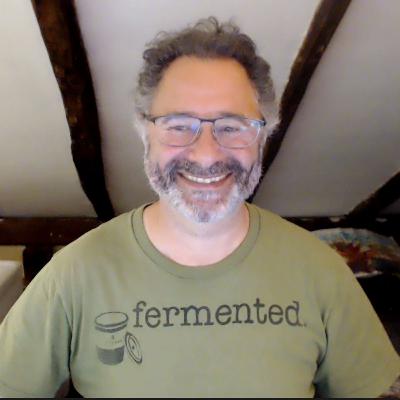
Discover how a group of visionaries broke traditional hierarchies to develop a collaborative model for funding governance. In this episode, we delve into the challenges and successes of co-creating a blueprint for systemic transformation. Learn how shared ownership and action learning led to blueprints for innovative funding practices. Hear firsthand accounts of how the team of the Blueprint Project 2023 navigated the complexities of shifting power dynamics and fostering a truly inclusive process. Tune in and be inspired by Ben’s stories of regenerative funding, the power of collaboration, and the potential for creating a more equitable future.Transcript Chapters00:00 Introduction to Ben Roberts and His Background03:06 Exploring Large Group Engagement and Technology04:39 Case Study: Collaborative Paper on FundingGovernance08:48 The Process of Collaboration and Its Challenges13:30 Activating the Blueprint: Moving Beyond theDocument15:19 Reflections on Collaboration and CulturalDifferences19:32 The Importance of Clarity and Vision inCollaboration23:59 Future Directions and Reimagining FinancialSystemsMore informationBen Roberts on LinkedInBlueprint 8: Funding Governance for Systemic Transformation (pdf)Website R3: Redesign Resilience Regeneration
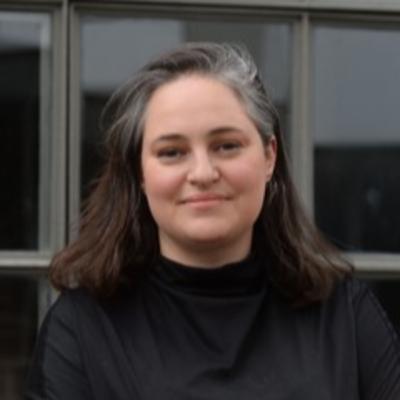
In this episode, we welcome Cihan Koral, a seasoned facilitator and consultant based in Istanbul. Cihan shares her rich experiences working with diverse groups, focusing on social change and inclusivity within organizations. She provides stories illustrating the importance of consciousness, trust, and perspective in facilitation. Cihan emphasizes the need for understanding privilege and guilt in organizational settings and advocates for Deep Democracy practices to foster open dialogue and transformation. She concludes with a vision for the future of facilitation, highlighting its potential for healing and empowerment. Tune in to learn from real-life examples and gain practical insights into the power dynamics in leadership and the need for safe spaces to foster honest conversations. Read transcript
Chapters
00.00 Introduction to Cihan Koral and her work
02.59 Creating inclusive spaces in facilitation
06.10 The role of consciousness of power in facilitation
08.58 The experience with blue-collar workers: Music as a language
12.08 Who feels most guilty? Levelling the playing field also for CEOs
15.08 Changing perspective: Prison employees becoming conscious of their own imprisonment
23.46 Stop ignoring the gap between civil life and duty life; see yourself as a whole person
26.57 Cihan’s wish for the future of facilitation: holding space for people to experience a different version of themselves
More information
Cihan Koral
Deep Democracy Turkey
Network Shift Balance
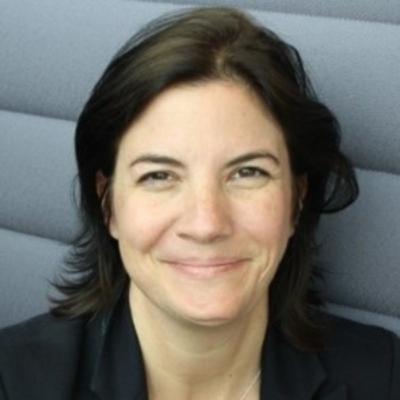
Join us as Laure Bruère-Dawson shares her journey as a French facilitator, creating safe spaces for conversations that matter. She talks about the Conversation Forum, an event designed to bring people together during COVID-19, and how it developed into a yearly event. Laure highlights the importance of diversity, youth involvement, and listening across generations. She shares striking stories about the impact of young participants. Discover how these forums build strong connections and inspire inclusive dialogue. The theme of the event for 2025 is ‘If we shared the topics we really care about for next year, what might we discover?’. Laure invites you to expand the format of the Conversation Forum to other countries and other languages. Transcript
Chapters
00:00 Introduction to Laure Bruère-Dawson
02:07 The Story of the Conversation Forum
05:06 Challenges and Successes of the First Event
09:06 Diversity and Inclusion in Participation
13:46 Impact of Young Participants
18:35 The Evolution of the Conversation Forum
22:40 The Importance of Listening Across Generations
27:05 Future Aspirations and Closing Thoughts
More info
Contact Laure: laurebrueredawson@paidia.net
Forum des Conversation
Film Bigger than Us
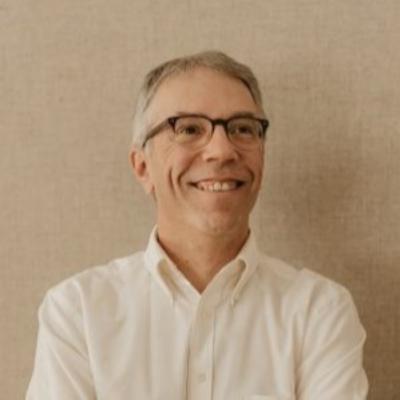
Craig Freshley is an expert in neutral facilitation and guiding good group decisions. He shares his experiences with Make-Shift Coffee Houses, designed to bridge divides between differing political views. He gives criteria and techniques for engaging diverse perspectives and creating a welcoming and safe conversation space. He emphasises the importance of a neutral venue, welcoming live music, and providing a set of ground rules. He describes the neutral facilitator as a 'referee' who ensures equitable participation. Additionally, Craig explains how he encourages involvement from underrepresented groups and addresses power imbalances in conversations and decision-making. Transcript.
Chapters
00:00 The Story of Make-shift Coffee Houses
04:58 Facilitating Makeshift Coffee Houses
07:35 Engaging Diverse Perspectives in Discussions
09:40 The Role of Music and Environment in Facilitation
12:14 Moderating Conversations: Techniques and Strategies
14:29 Inclusivity and Encouraging Participation
15:00 Neutral Facilitation in Decision-Making
17:13 Challenges in Stakeholder Engagement
19:49 The Importance of Ground Rules
21:47 Final Thoughts on Levelling the Playing Field
More info
Website Craig Freshley
Makeshift Coffee House
Book: Together We Decide: An Essential Guide For Making Good Group Decisions
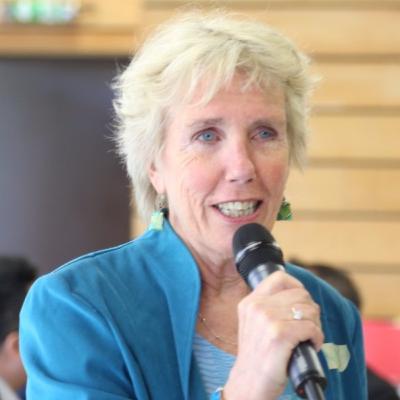
Nancy Bragard is an expert in intercultural consulting and collective intelligence. She shares a compelling story about the workshops she led for Dutch and French HR teams who were facing cultural misunderstandings. Through creative activities like developing cultural DNA profiles, she helped them uncover and appreciate their own cultural values as well as those of each other. The Dutch and French teams learned to navigate their differences, such as the Dutch tendency toward directness and the French preference for nuanced communication. She emphasizes the importance of creating safe spaces for open dialogue and highlights the value of diversity within teams. Nancy also explores broader themes of intercultural sensitivity and the benefits of embracing cultural differences to foster more effective collaboration. She advocates for practicing the Art of Possibility. Transcript
Chapters
00:00 Introduction to Nancy Bragard and Collective Intelligence
03:09 Cultural Sensitivity and Intercultural
Consulting
05:51 Understanding Cultural DNA: The Dutch and French
Perspectives
11:22 Creating Safe Spaces for Dialogue
16:04 Navigating Cultural Differences in Collaboration
21:08 The Art of Possibilities in Communication
26:06 Worldviews and Their Impact on Conversations
30:44 Embracing Diversity for Collective Wealth
More info
Nancy Bragard on LinkedIn
Book The Art of Possibility, by Benjamin Zander

Harold Shinsato shares his journey in discovering the principles of Open Space Technology. He recounts his experiences as a consultant dealing with conflicts in large companies, his participation in self-organized Rainbow Gatherings that attracted 25,000 people, the transformative impact of COVID-19, and how what recently happened at the WOSonOS in Istanbul motivates him to take new steps in his professional path. He explores the connections between family constellations and Open Space Technology, highlighting the importance of ancestral wisdom. Additionally, he reflects on the challenges posed by artificial intelligence and emphasizes the necessity of maintaining authenticity as human beings in a rapidly changing world. Transcript
Chapters
Setting the stage
Open Space is about people, not the technique
The Rainbow Gathering experience
Connecting Spirituality and Open Space
Conflict and Collaboration: Lessons from the Software Industry
The impact of COVID-19: A journey of self-discovery
Exploring Ancestral Wisdom: Family Constellations and Open Space Technology
Navigating the Future: Authenticity in the Age of AI
More information
Online meeting Open Space for Peace and High Performance 2024; 17, 18, 19 January
Open Space Institute US
Website Harold Shinsato
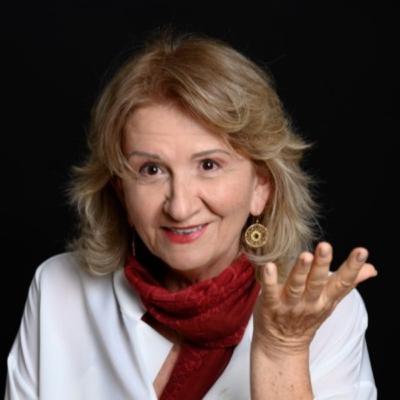
Tova Averbuch shares insights from her extensive experience as a consultant, teacher, and facilitator of Organizational Development. Opening space on a level playing field means sharing leadership and power, which must have a good reason. She provides striking examples of when and how this works, even better in hierarchical organizations. Consultants/facilitators adopt the role of a midwife, fostering authentic participation of the formal leaders and inviting everyone needed in ever-widening circles in the system. Transcript
Chapters
Introduction
Looking for a new paradigm, bumping into Open Space Technology
My first Open Space experience
A playful invitation
Facilitator as a midwife
Don't judge leaders who are afraid to lose control
Worries of leaders are information
An example of a covenant with a High Tech startup
The system is the client
Ever-widening circles of engagement, the beginning never stops
Hierarchy helps create a (temporary) level playing field
Check-out
More information
Website Tova Averbuch
Book Initiating and Inviting Generative Change. Entry and Contracting for Emergent Outcomes in Result Driven Organizations. More info and order
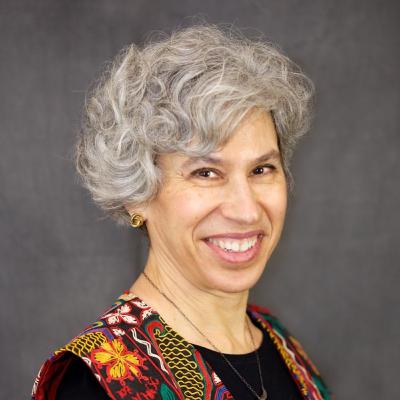
Peggy Holman talks about the importance of purpose and of diversity and inclusion in change processes. She shares insights from her extensive experience in journalism and facilitation, emphasizing the need for open spaces where all voices can be heard and valued. In her examples, she highlights the significance of purpose, the role of diversity in collective ownership, how deep listening breaks through tensions, and the ethical responsibility of facilitators to create hospitable environments that encourage authenticity and belonging. Read Transcript
Chapters:
Introduction
Inviting people to take responsibility for what they love
What is the whole system? Who needs to be in the room?
Conversations about tensions, finding common ground
Welcoming the 'strangers' and learning how to talk to each other
Who ARE-IN: An acronym for getting diversity from the whole system in the room
An organizing group that reflects the people you aspire to get in
Silence and deep listening in a check-in circle to break through the tension
Trust self-organizing; sharing responsibility also brings a good time for participants
Creating hospitable space, fostering a feeling of belonging
More information
Website Peggy Holman
Peggy's book Engaging Emergence: Turning Upheaval into Opportunity
The Change Handbook, by Peggy Holman, Tom Devane and Steven Cady (over 35,000 copies sold)
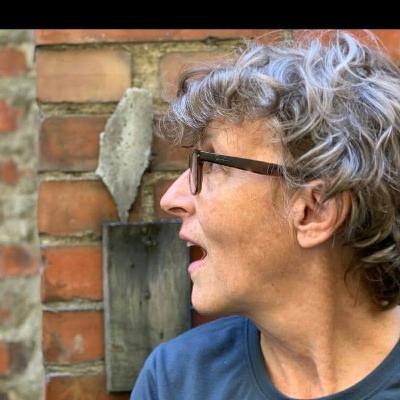
Jane Lewis talks about collaborative spaces and creating an environment where everyone can feel successful. She tells the story of how this works in Studio Tainan, in Taiwan—a self-organizing space for co-creation. It starts with listening and understanding what people feel passionate about so creative energy can lead. Jane is an experienced facilitator and researcher, having lived and worked in Taiwan for over 30 years. TranscriptMusic: "Morning" Kevin MacLeod (incompetech.com)Licensed under Creative Commons: By Attribution 4.0 Licensehttp://creativecommons.org/licenses/by/4.0/ChaptersIntroductionThe importance of listening and understandingLearning to think for yourself in African communitiesListening to what a client needs, not what she asks forStudio Tainan, a permanent self-organizing Open SpaceThe Five Lines of ICA and creating an environment where everyone winsHelping to think new thoughts by asking questionsMore informationOpen Space World. Books, examples, and global community of facilitatorsJane E. LewisStudion Tainan
Comments

Download from Google Play

Download from App Store
 United States