


 Claim Ownership
Mark Beggs, Dyslexic Entrepreneurship and Morning Show Host
Subscribed: 0Played: 0
Subscribe

© Mark Beggs
Description
Become a Paid Subscriber: https://podcasters.spotify.com/pod/show/mark-beggs/subscribeBecome a Paid Subscriber: https://podcasters.spotify.com/pod/show/mark-beggs/subscribeMark Beggs, Who is an award-winning author and has been involved in business for over 25 years, talks to people who are leaders in their chosen field and who are reshaping how business is done.
Hosted on Acast. See acast.com/privacy for more information.
85 Episodes
Reverse
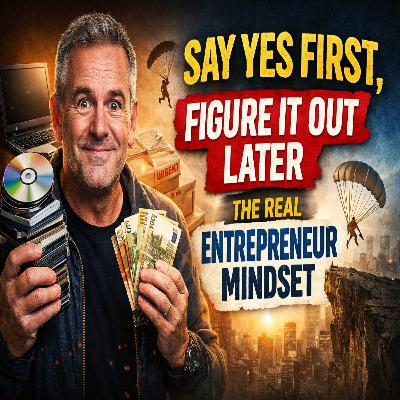
In today’s episode, we explore what it really means to start and grow a business—long before you feel ready.Inspired by a story from Richard Branson about building a business from a phone box at just 16, we dive into the power of taking action without having everything figured out. No funding, no network, no experience—just belief, persistence, and the willingness to start.I also share my own journey of launching a DVD rental business with no stock, securing major deals, and figuring things out under pressure. From winning opportunities with brands like Superquinn, HMV, and Virgin Wines, to the reality of asking: “How are we actually going to deliver this?”—this is what real entrepreneurship looks like.In this episode, we cover:Why you don’t need perfect conditions to start a businessThe power of tenacity, self-belief, and actionHow opportunities come after you put yourself out thereThe reality of building a business while solving problems in real timeWhy backing yourself is often the biggest risk—and reward💡 Building a business isn’t about having all the answers. It’s about saying yes to the opportunity… and figuring it out along the way.If you’re an entrepreneur, founder, or someone thinking about starting a business, this episode will challenge you to stop waiting—and start doing.Mark Beggs is a dyslexic entrepreneur, author, and business mentor with over 30 years of experience in business. He is the co-author of several business and entrepreneurship books and also writes dyslexic-friendly children’s books to help young readers build confidence and a love of learning.Mark runs a daily morning business show where he shares practical insights on entrepreneurship, leadership, and buying and growing businesses. Through his work with Minds Eye Education, he helps individuals and organisations understand neurodiversity and unlock the strengths that come with different ways of thinking.You can contact me on mark.beggs@me.com or via www.mindseyeeducation.com Hosted on Acast. See acast.com/privacy for more information.
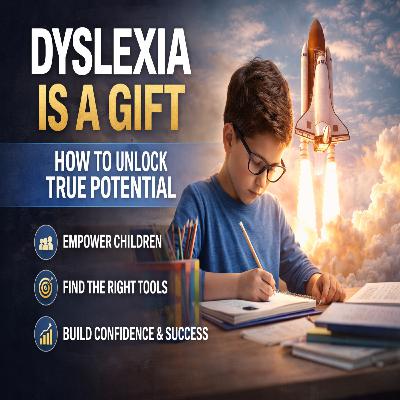
In today’s episode, we dive into dyslexia, exploring how it can be a powerful gift when the right support and tools are in place. Too often, dyslexia is seen as a limitation—but in reality, it’s about how individuals learn differently, and how they can thrive when given the right opportunities.We discuss the critical role of parents and support systems in helping children with dyslexia move beyond just surviving in school to truly succeeding in life. Finding the right tools, strategies, and environments can unlock confidence, creativity, and potential.In this episode, I also share a personal story from April 21st, 1981—the day of the first space shuttle launch—when I was caught “on the Mitch” (absent without permission from school). It’s a moment that reflects the challenges many dyslexic learners face in traditional education systems.Key topics include:Understanding dyslexia as a strength, not a weaknessWhy early support and intervention matterThe importance of learning tools and strategiesHow parents can advocate for their childrenTurning struggle into confidence and success💡 Dyslexia is a gift—but like any gift, you have to open it to truly benefit from it.If you’re a parent, educator, or someone navigating dyslexia, this episode offers insight, encouragement, and practical perspective on unlocking potential and building a brighter future.Mark Beggs is a dyslexic entrepreneur, author, and business mentor with over 30 years of experience in business. He is the co-author of several business and entrepreneurship books and also writes dyslexic-friendly children’s books to help young readers build confidence and a love of learning.Mark runs a daily morning business show where he shares practical insights on entrepreneurship, leadership, and buying and growing businesses. Through his work with Minds Eye Education, he helps individuals and organisations understand neurodiversity and unlock the strengths that come with different ways of thinking.You can contact me on mark.beggs@me.com or via www.mindseyeeducation.com Hosted on Acast. See acast.com/privacy for more information.
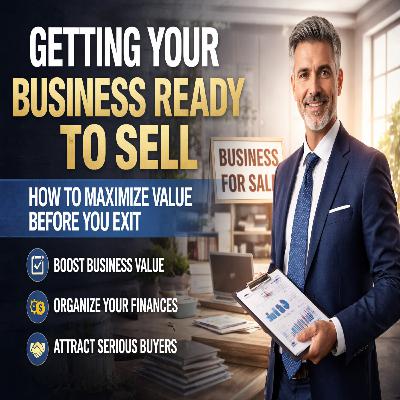
In today’s episode, we explore why preparing your business for sale is essential if you’re planning an exit—whether that’s to retire, move on, or start something new.Too often, business owners wait until the last minute to think about selling, but the reality is this: a business needs to be “dressed for the occasion” long before it goes to market.Using the simple analogy of getting ready for a wedding or special event, we explain how you naturally put in extra effort to look your best—and your business should be no different. If you want to attract the right buyer and achieve maximum value, your business must be well-organised, financially clear, and running smoothly.In this episode, we cover:Why exit planning should start years in advanceHow to make your business more attractive to buyersThe importance of systems, structure, and strong financialsSimple steps you can take now to increase your business valueIf you’re a business owner thinking about your future, this episode will help you understand how to position your business for a successful sale and maximise the return on all your hard work.Mark Beggs is a dyslexic entrepreneur, author, and business mentor with over 30 years of experience in business. He is the co-author of several business and entrepreneurship books and also writes dyslexic-friendly children’s books to help young readers build confidence and a love of learning.Mark runs a daily morning business show where he shares practical insights on entrepreneurship, leadership, and buying and growing businesses. Through his work with Minds Eye Education, he helps individuals and organisations understand neurodiversity and unlock the strengths that come with different ways of thinking.You can contact me on mark.beggs@me.com or via www.mindseyeeducation.com Hosted on Acast. See acast.com/privacy for more information.
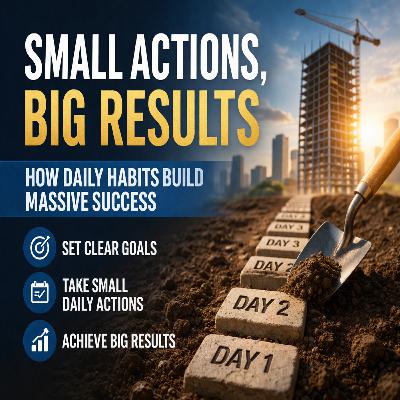
In this episode, we discuss how taking consistent small actions is the key to achieving big goals. Using a skyscraper as a metaphor, we break down the importance of starting small, writing goals down, and implementing daily steps like emails or calls. By setting clear goals and taking daily action, you’ll build momentum toward your dream. So, make sure to stay consistent and track your progress—your skyscraper is within reach!#goal setting, #daily productivity, #achieving big goals, #habit formation, #personal development."Mark Beggs is a dyslexic entrepreneur, author, and business mentor with over 30 years of experience in business. He is the co-author of several business and entrepreneurship books and also writes dyslexic-friendly children’s books to help young readers build confidence and a love of learning.Mark runs a daily morning business show where he shares practical insights on entrepreneurship, leadership, and buying and growing businesses. Through his work with Minds Eye Education, he helps individuals and organisations understand neurodiversity and unlock the strengths that come with different ways of thinking.You can contact me on mark.beggs@me.com or via www.mindseyeeducation.com Hosted on Acast. See acast.com/privacy for more information.
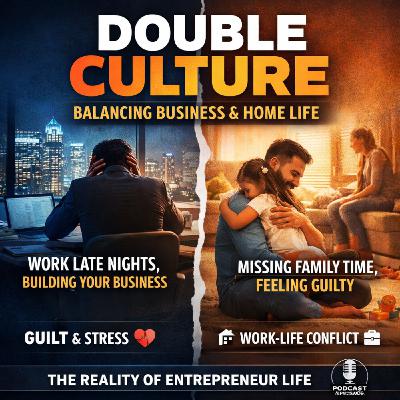
In this episode, we explore the concept of “double culture”—the often-overlooked conflict between the culture of your business and the culture of your home.For entrepreneurs, business owners, and leaders, building something from scratch is exciting. It fuels passion, purpose, and drive. But that same passion often demands long hours, early mornings, and late nights—pulling you away from the life you once had at home.Before stepping into self-employment or leadership, many people are used to a consistent home routine—being present with family, helping with daily life, and spending quality time with loved ones. But as the business grows, that balance shifts.This creates a powerful internal conflict:You love your business and the growth you're creatingYou love your family and the moments you're missingAnd in between? Guilt.You feel guilty when you're at work and not at home.You feel guilty when you're at home and not working on your business.This emotional tug-of-war is one of the biggest contributors to stress, anxiety, and mental health challenges among entrepreneurs.In this episode, we break down:What “double culture” really meansWhy it creates internal conflict and guiltThe hidden mental health impact of running a businessThe reality of trying to “balance it all”Why awareness is the first step toward changeThis is a must-listen for anyone building a business while trying to stay connected at home—because success shouldn’t come at the cost of your well-being or your relationships.#EntrepreneurLife #WorkLifeBalance #MentalHealth #LeadershipMark Beggs is a dyslexic entrepreneur, author, and business mentor with over 30 years of experience in business. He is the co-author of several business and entrepreneurship books and also writes dyslexic-friendly children’s books to help young readers build confidence and a love of learning.Mark runs a daily morning business show where he shares practical insights on entrepreneurship, leadership, and buying and growing businesses. Through his work with Minds Eye Education, he helps individuals and organisations understand neurodiversity and unlock the strengths that come with different ways of thinking.You can contact me on mark.beggs@me.com or via www.mindseyeeducation.com Hosted on Acast. See acast.com/privacy for more information.

In this episode, I share a real story from my time involved in a management buy-in at Indigo — a time when cash was tight, pressure was high, and every decision mattered.We were heavily reliant on low-value household accounts, and we knew we needed to break into the corporate market if the business was going to survive and grow. That’s when we made a bold move — launching a new product called Net Nanny, designed to protect children from inappropriate content online.The stakes were high. We were down to our last bit of cash, worried about paying for the launch, and under pressure from investors. But we pushed ahead anyway.What happened next was unexpected.The product launch generated massive PR, media attention, and brand awareness. We were everywhere — radio, newspapers, and headlines. It gave the business visibility we had never had before and opened doors into the corporate space.But here’s the twist — the product itself didn’t perform as expected. Sales were modest, and by traditional measures, it could have been seen as a failure.Yet the impact it created told a very different story.The exposure from that launch helped us raise funding, build credibility, and ultimately position the business for a successful sale.The lesson? Not every success looks like sales. Sometimes the real value is in the attention, positioning, and opportunities that come from taking a bold step.Mark Beggs is a dyslexic entrepreneur, author, and business mentor with over 30 years of experience in business. He is the co-author of several business and entrepreneurship books and also writes dyslexic-friendly children’s books to help young readers build confidence and a love of learning.Mark runs a daily morning business show where he shares practical insights on entrepreneurship, leadership, and buying and growing businesses. Through his work with Minds Eye Education, he helps individuals and organisations understand neurodiversity and unlock the strengths that come with different ways of thinking.You can contact me on mark.beggs@me.com or via www.mindseyeeducation.com Hosted on Acast. See acast.com/privacy for more information.

In yesterday’s episode, I talk about how people view failure — and how that mindset can shape everything in business and life.For some, failure is a full stop. It’s the end of the road.But for others, it’s just a question mark. A moment to pause, reflect, and ask: what can I learn from this?For many dyslexic individuals, failure is rarely seen as the end. It’s simply a temporary setback — a chance to understand what went wrong, find a different approach, and move forward.That ability to keep going, think differently, and find solutions is incredibly powerful.It’s also why having dyslexic people in your team can be such a strength. They often bring:CreativityInnovationProblem-solving skillsA different way of thinking about challengesIn this episode, we explore why mindset matters when it comes to failure, and how embracing a “question mark” approach can lead to better outcomes — both in business and in life.#dyslexia #neurodiversity #entrepreneurship #mindset #failure #leadership#businessowner #entrepreneurlife #businessgrowth #startupmindset #innovation #problemsolvingMark Beggs is a dyslexic entrepreneur, author, and business mentor with over 30 years of experience in business. He is the co-author of several business and entrepreneurship books and also writes dyslexic-friendly children’s books to help young readers build confidence and a love of learning.Mark runs a daily morning business show where he shares practical insights on entrepreneurship, leadership, and buying and growing businesses. Through his work with Minds Eye Education, he helps individuals and organisations understand neurodiversity and unlock the strengths that come with different ways of thinking.You can contact me on mark.beggs@me.com or via www.mindseyeeducation.com Hosted on Acast. See acast.com/privacy for more information.
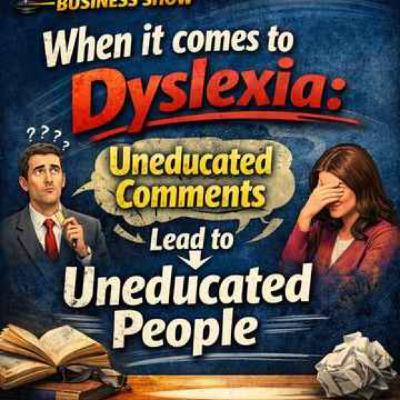
In today’s episode of the Mark Morning Business Show, we tackle a powerful and important issue: the responsibility of leadership and the impact of misinformation.When world leaders speak, people listen. Their words carry weight, influence opinions, and shape beliefs. That’s why it is critical that what they say is grounded in fact, research, and education—not opinion or misinformation.We address a recent comment suggesting that people with dyslexia should not be in leadership positions. This is not only incorrect—it’s dangerous.History and modern business prove the opposite. From global entrepreneurs like Richard Branson to major figures in entertainment like Tom Cruise, individuals with dyslexia have built, led, and succeeded at the highest levels. Their creativity, problem-solving ability, and resilience are often the very traits that drive success.But the real concern is the impact these uneducated statements can have—especially on young people. Students already struggling with dyslexia may hear these messages and begin to doubt themselves, their abilities, and their future.This episode is a reminder that: 👉 Words matter 👉 Leadership carries responsibility 👉 And misinformation can do real harmWe must challenge uneducated narratives and empower the next generation to recognise their strengths—not be limited by someone else’s ignorance.Mark Beggs is a dyslexic entrepreneur, author, and business mentor with over 30 years of experience in business. He is the co-author of several business and entrepreneurship books and also writes dyslexic-friendly children’s books to help young readers build confidence and a love of learning.Mark runs a daily morning business show where he shares practical insights on entrepreneurship, leadership, and buying and growing businesses. Through his work with Minds Eye Education, he helps individuals and organisations understand neurodiversity and unlock the strengths that come with different ways of thinking.You can contact me on mark.beggs@me.com or via www.mindseyeeducation.com Hosted on Acast. See acast.com/privacy for more information.
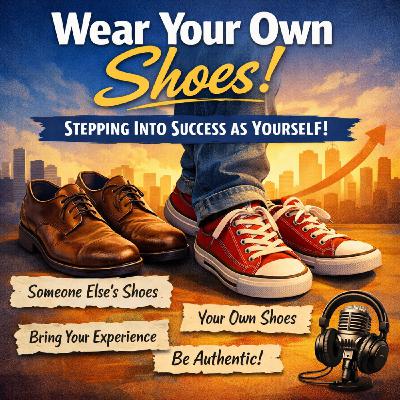
Wear Your Own ShoesIn this episode, we talk about something so many people struggle with when stepping into a new role—whether it’s a promotion, a new job, or starting your own business.Too often, we feel the pressure to “fill someone else’s shoes.” We look at the person before us or others around us and try to copy what they did. But that’s where people lose themselves.This episode is a reminder that you didn’t get the opportunity by accident. You got it because of your experience, your knowledge, your personality, and everything you bring to the table.Instead of trying to be someone else, it’s time to wear your own shoes.We dive into:Why people feel the need to copy others in new rolesThe impact of losing your authenticityHow your unique journey is your biggest strengthBuilding confidence in your own way of doing thingsIf you’ve ever doubted yourself stepping into something new, this episode will help you back yourself, trust what you bring, and show up as you.Because the best version of the role… is your version of it.Mark Beggs is a dyslexic entrepreneur, author, and business mentor with over 30 years of experience in business. He is the co-author of several business and entrepreneurship books and also writes dyslexic-friendly children’s books to help young readers build confidence and a love of learning.Mark runs a daily morning business show where he shares practical insights on entrepreneurship, leadership, and buying and growing businesses. Through his work with Minds Eye Education, he helps individuals and organisations understand neurodiversity and unlock the strengths that come with different ways of thinking.You can contact me on mark.beggs@me.com or via www.mindseyeeducation.com Hosted on Acast. See acast.com/privacy for more information.
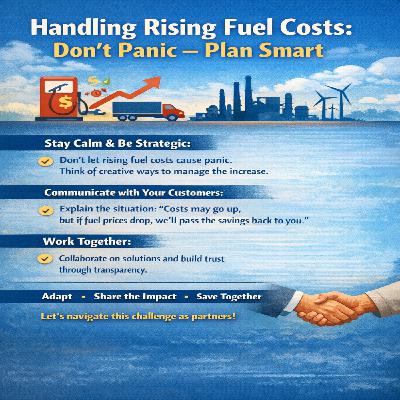
Don’t Panic – Managing Rising Fuel CostsIn today’s episode, we tackle a challenge many businesses are facing right now — rising fuel costs and the pressure it puts on margins.The key message? Don’t panic.Instead of reacting emotionally, this episode focuses on staying calm and thinking creatively about how to manage increasing costs. It’s about looking for practical, effective ways to adapt your business without damaging relationships or long-term growth.We also dive into the importance of open and honest communication with your customers. If costs need to increase, bring your customers on the journey with you. Explain the situation clearly and build trust by committing to fairness — if fuel costs come down, pass those savings back.Most importantly, this episode highlights the power of partnership. Work with your customers, not against them. When both sides collaborate, share challenges, and stay flexible, stronger and more resilient business relationships are built.This isn’t just about surviving cost increases — it’s about using them as an opportunity to strengthen trust, improve communication, and grow together.Mark Beggs is a dyslexic entrepreneur, author, and business mentor with over 30 years of experience in business. He is the co-author of several business and entrepreneurship books and also writes dyslexic-friendly children’s books to help young readers build confidence and a love of learning.Mark runs a daily morning business show where he shares practical insights on entrepreneurship, leadership, and buying and growing businesses. Through his work with Minds Eye Education, he helps individuals and organisations understand neurodiversity and unlock the strengths that come with different ways of thinking.You can contact me on mark.beggs@me.com or via www.mindseyeeducation.com Hosted on Acast. See acast.com/privacy for more information.

In today’s episode, I talk about one of the biggest challenges business owners face — finding the right people for a management team.Building a strong management team is critical to the success of any business, but the reality is that many of the best people are not found through CVs or traditional recruitment processes.In my experience, most senior hires come through:Personal recommendationsNetworking eventsIndustry reputationPeople you have worked with beforeTrust and reputation often matter far more than what appears on a CV.Today, however, AI is increasingly controlling what CVs are seen and which candidates make it through the first stage of recruitment. While technology can help filter applications, it cannot replace the value of knowing someone, understanding their reputation, or receiving a trusted referral.In this episode, I explore why relationships and reputation still play a huge role in building strong management teams, and why business owners should never rely entirely on automated systems when making important hiring decisions.Mark Beggs is a dyslexic entrepreneur, author, and business mentor with over 30 years of experience in business. He is the co-author of several business and entrepreneurship books and also writes dyslexic-friendly children’s books to help young readers build confidence and a love of learning.Mark runs a daily morning business show where he shares practical insights on entrepreneurship, leadership, and buying and growing businesses. Through his work with Minds Eye Education, he helps individuals and organisations understand neurodiversity and unlock the strengths that come with different ways of thinking.You can contact me on mark.beggs@me.com or via www.mindseyeeducation.com Hosted on Acast. See acast.com/privacy for more information.
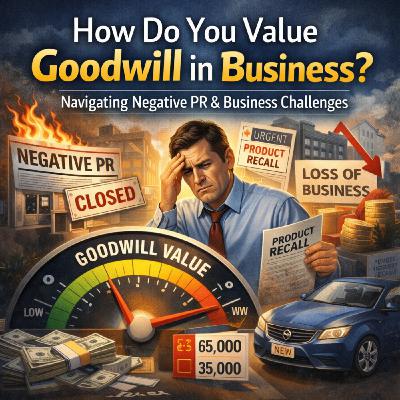
In today’s episode, I ask an important question for anyone buying, selling, or running a business: how do you really value goodwill?Goodwill is often one of the biggest components when purchasing a business, but it can also be one of the most fragile. Its value is built on reputation, customer trust, brand perception, and the confidence people have in the business.But what happens when things go wrong?A business can face many unexpected challenges — negative PR, a product recall, the loss of a key customer, or a sudden market shift. Any of these can quickly affect the goodwill value of a business.I also talk about an interesting comparison: goodwill in a business is a bit like a new car. The moment you take ownership, the value can drop until you prove yourself and show that the business will continue to perform under new leadership.In this episode, we explore how goodwill is valued, why it can change quickly, and what business owners can do to protect and rebuild it when challenges arise.Mark Beggs is a dyslexic entrepreneur, author, and business mentor with over 30 years of experience in business. He is the co-author of several business and entrepreneurship books and also writes dyslexic-friendly children’s books to help young readers build confidence and a love of learning.Mark runs a daily morning business show where he shares practical insights on entrepreneurship, leadership, and buying and growing businesses. Through his work with Minds Eye Education, he helps individuals and organisations understand neurodiversity and unlock the strengths that come with different ways of thinking.You can contact me on mark.beggs@me.com or via www.mindseyeeducation.com Hosted on Acast. See acast.com/privacy for more information.
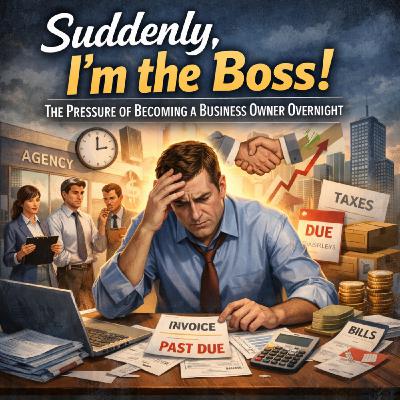
In today’s episode, we talk about the sudden pressure that comes with becoming a business owner overnight.One day you might be working for someone else, thinking about buying a business. The next day you wake up and suddenly everything is your responsibility — the staff, the customers, the suppliers, the building, the finances, the taxes, and the future of the company.When I bought an advertising agency, I went from being someone interested in buying the business on Wednesday to waking up on Thursday morning as the owner responsible for 60 employees and everything that came with running the company.That shift brings huge pressure, stress, and anxiety. It’s very different from starting a business slowly and growing it over time. When you step straight into ownership, the weight of responsibility lands immediately.In this episode, we explore how to manage that pressure, how to prepare mentally for the responsibility of leadership, and why having a clear plan from day one is essential for protecting both your business and your mental health.Mark Beggs is a dyslexic entrepreneur, author, and business mentor with over 30 years of experience in business. He is the co-author of several business and entrepreneurship books and also writes dyslexic-friendly children’s books to help young readers build confidence and a love of learning.Mark runs a daily morning business show where he shares practical insights on entrepreneurship, leadership, and buying and growing businesses. Through his work with Minds Eye Education, he helps individuals and organisations understand neurodiversity and unlock the strengths that come with different ways of thinking.You can contact me on mark.beggs@me.com or via www.mindseyeeducation.com Hosted on Acast. See acast.com/privacy for more information.

Most business deals don’t start in a boardroom.They start with a cup of coffee.This morning on my daily show I talked about how deals actually begin when you're looking to buy a business.People often think acquisitions start with lawyers, accountants, and formal negotiations.But the reality is very different.Many deals start with a simple conversation.Years ago, when I bought one of my businesses, the entire deal started with a cup of coffee and an offer of €100,000.To be honest, it was a mad, stupid offer.But it did one very important thing.It started the conversation.That conversation eventually turned into a €5 million deal.The lesson?You don’t need the perfect offer. You don’t need the perfect timing.You just need the courage to start the conversation.If you're thinking about buying a business or doing deals, remember:Many opportunities begin with something simple…A coffee and a conversation.Mark Beggs is a dyslexic entrepreneur, author, and business mentor with over 30 years of experience in business. He is the co-author of several business and entrepreneurship books and also writes dyslexic-friendly children’s books to help young readers build confidence and a love of learning.Mark runs a daily morning business show where he shares practical insights on entrepreneurship, leadership, and buying and growing businesses. Through his work with Minds Eye Education, he helps individuals and organisations understand neurodiversity and unlock the strengths that come with different ways of thinking.You can contact me on mark.beggs@me.com or via www.mindseyeeducation.com Hosted on Acast. See acast.com/privacy for more information.
In this episode of Mark’s Morning Show, I talk about something that almost no one prepares you for when doing a management buyout, management buy-in, merger, or acquisition — what happens on Day One after the deal is done.Entrepreneurs spend months — sometimes years — preparing the transaction. You raise capital. You build the PowerPoint decks. You prepare cash flow projections. You pitch to banks, financial institutions, or VC funds. You negotiate. You deal with setbacks. You finally close the deal.Then the papers are signed. The money changes hands.And the next morning… you walk into the business as the new owner.That’s where many leaders fall down.When I paid £5 million for a company after nine intense months of negotiation and due diligence, I handed over £3 million at closing — and the following morning I didn’t even have an office. I was operating out of a boardroom. More importantly, I didn’t have a clear Day One plan.What were my critical priorities?Who did I need to meet first?What message was I giving the team?What decisions couldn’t wait?What culture was I setting from hour one?Too many entrepreneurs focus on getting the deal done but fail to plan for leading the business from Day One.In this episode, I break down:Why the first 24 hours after a management buyout or merger are criticalThe psychological shift from “buyer” to “leader”The common mistakes new owners makeWhy clarity beats complexity in transitionHow to create a practical Day One execution planThe importance of visibility, communication, and decisive leadershipIf you’re planning a management buyout (MBO), management buy-in (MBI), acquisition, or merger — this episode will help you avoid one of the biggest leadership mistakes entrepreneurs make.Because closing the deal is only the beginning.Day One is where leadership really starts.Mark Beggs is a dyslexic entrepreneur, author, and business mentor with over 30 years of experience in business. He is the co-author of several business and entrepreneurship books and also writes dyslexic-friendly children’s books to help young readers build confidence and a love of learning.Mark runs a daily morning business show where he shares practical insights on entrepreneurship, leadership, and buying and growing businesses. Through his work with Minds Eye Education, he helps individuals and organisations understand neurodiversity and unlock the strengths that come with different ways of thinking.You can contact me on mark.beggs@me.com or via www.mindseyeeducation.com Hosted on Acast. See acast.com/privacy for more information.
Named one of the top wedding planners in the world by Harper's Bazaar USA in April 2020.I am experienced Event Planner with a demonstrated history of working in the events services industry. Strong operations professional skilled in Weddings, Destination Events, Special Events Production, Venue Management, and Marketing Strategy.Mark Beggs is a dyslexic entrepreneur, author, and business mentor with over 30 years of experience in business. He is the co-author of several business and entrepreneurship books and also writes dyslexic-friendly children’s books to help young readers build confidence and a love of learning.Mark runs a daily morning business show where he shares practical insights on entrepreneurship, leadership, and buying and growing businesses. Through his work with Minds Eye Education, he helps individuals and organisations understand neurodiversity and unlock the strengths that come with different ways of thinking.You can contact me on mark.beggs@me.com or via www.mindseyeeducation.com Hosted on Acast. See acast.com/privacy for more information.
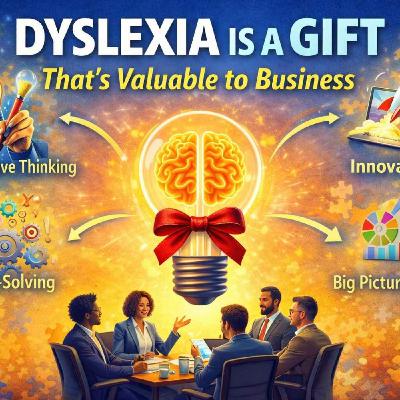
Dyslexia is often spoken about as a difficulty. In business, it can be a serious advantage.In this episode, we explore why dyslexia brings strengths that modern companies desperately need — creative thinking, innovation, big-picture strategy, problem-solving, and entrepreneurial vision.Too many organisations still focus on what dyslexic employees struggle with, instead of recognising the competitive edge they bring to teams. From leadership and innovation to resilience and lateral thinking, dyslexia can drive growth when it’s understood and supported correctly.We discuss:Why dyslexia is linked to entrepreneurship and innovationThe strengths dyslexic thinkers bring to businessHow companies can benefit from neurodiverse teamsShifting from “supporting a weakness” to “unlocking a strength”Why inclusive workplaces outperform the restIf you’re a business owner, HR leader, manager, or entrepreneur, this episode challenges how you see dyslexia in the workplace — and why embracing neurodiversity isn’t just good ethics, it’s good business.Because different thinking builds better companies.Mark Beggs is a dyslexic entrepreneur, author, and business mentor with over 30 years of experience in business. He is the co-author of several business and entrepreneurship books and also writes dyslexic-friendly children’s books to help young readers build confidence and a love of learning.Mark runs a daily morning business show where he shares practical insights on entrepreneurship, leadership, and buying and growing businesses. Through his work with Minds Eye Education, he helps individuals and organisations understand neurodiversity and unlock the strengths that come with different ways of thinking.You can contact me on mark.beggs@me.com or via www.mindseyeeducation.com Hosted on Acast. See acast.com/privacy for more information.
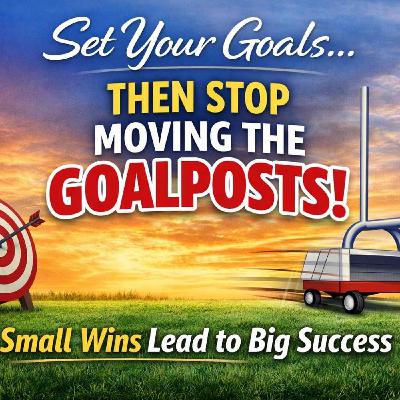
There was a time in business when I kept moving the goalposts.We’d get close to a target… and instead of letting the team hit it, celebrate it, and build confidence — I’d stretch it.“Let’s push a bit more.” “Let’s make it bigger.” “We can do better.”Sounds ambitious, doesn’t it?In reality, it slowly drained momentum.What I learned the hard way is this: Small wins build big businesses.When you allow yourself and your team to hit a target, you create belief. Belief builds confidence. Confidence builds performance. Performance builds growth.In this morning’s show, I talked about disciplined goal setting, leadership responsibility, and why constantly changing the target can quietly damage culture and motivation.If you’re an entrepreneur, founder, or leader trying to grow a business the right way, this conversation will resonate.#Entrepreneurship #Leadership #GoalSetting #BusinessGrowth #FounderMindset #TeamCulture #SmallWinsMark Beggs is a dyslexic entrepreneur, author, and business mentor with over 30 years of experience in business. He is the co-author of several business and entrepreneurship books and also writes dyslexic-friendly children’s books to help young readers build confidence and a love of learning.Mark runs a daily morning business show where he shares practical insights on entrepreneurship, leadership, and buying and growing businesses. Through his work with Minds Eye Education, he helps individuals and organisations understand neurodiversity and unlock the strengths that come with different ways of thinking.You can contact me on mark.beggs@me.com or via www.mindseyeeducation.com Hosted on Acast. See acast.com/privacy for more information.
The one five letter word that could change your life Mark Beggs is a dyslexic entrepreneur, author, and business mentor with over 30 years of experience in business. He is the co-author of several business and entrepreneurship books and also writes dyslexic-friendly children’s books to help young readers build confidence and a love of learning.Mark runs a daily morning business show where he shares practical insights on entrepreneurship, leadership, and buying and growing businesses. Through his work with Minds Eye Education, he helps individuals and organisations understand neurodiversity and unlock the strengths that come with different ways of thinking.You can contact me on mark.beggs@me.com or via www.mindseyeeducation.com Hosted on Acast. See acast.com/privacy for more information.
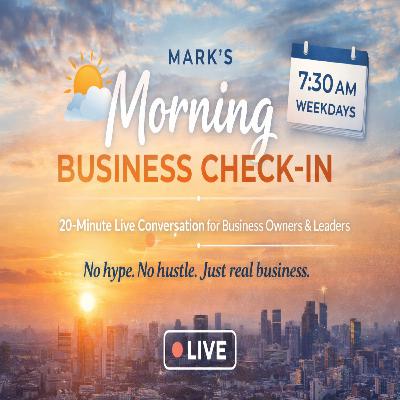
In this episode of Mark’s Morning Business Check-In, we explore a critical question for every entrepreneur and business owner: what type of salesperson are you?Are you rushing to close the deal, truly listening to your customer’s needs, or simply waiting for your turn to push a solution that may not fit? The way you sell determines not only your results today, but the quality of customers, repeat business, trust, and long-term growth you build in the future.We also discuss one of the biggest early-stage business challenges — the pressure to make sales — and how this can lead to discounting too quickly, underselling your value, or offering the wrong solution. Real success in sales comes from understanding your true value, your product’s worth, and building loyal customers who trust you to deliver.If you’re an entrepreneur, founder, or salesperson looking to improve your sales mindset, customer relationships, and long-term business growth, this episode is packed with practical insight and real-world experience.Mark Beggs is a dyslexic entrepreneur, author, and business mentor with over 30 years of experience in business. He is the co-author of several business and entrepreneurship books and also writes dyslexic-friendly children’s books to help young readers build confidence and a love of learning.Mark runs a daily morning business show where he shares practical insights on entrepreneurship, leadership, and buying and growing businesses. Through his work with Minds Eye Education, he helps individuals and organisations understand neurodiversity and unlock the strengths that come with different ways of thinking.You can contact me on mark.beggs@me.com or via www.mindseyeeducation.com Hosted on Acast. See acast.com/privacy for more information.

Comments

Download from Google Play

Download from App Store
 United States