DiscoverPassive House Podcast
Passive House Podcast
Claim Ownership

Passive House Podcast

Author: Matthew Cutler-Welsh, Zack Semke, Mary James, and Ilka Cassidy

Subscribed: 139Played: 10,602
Share

Description

Interviews with the leaders, practitioners, and change-makers in the global Passive House movement. A production of Passive House Accelerator.

502 Episodes
Reverse
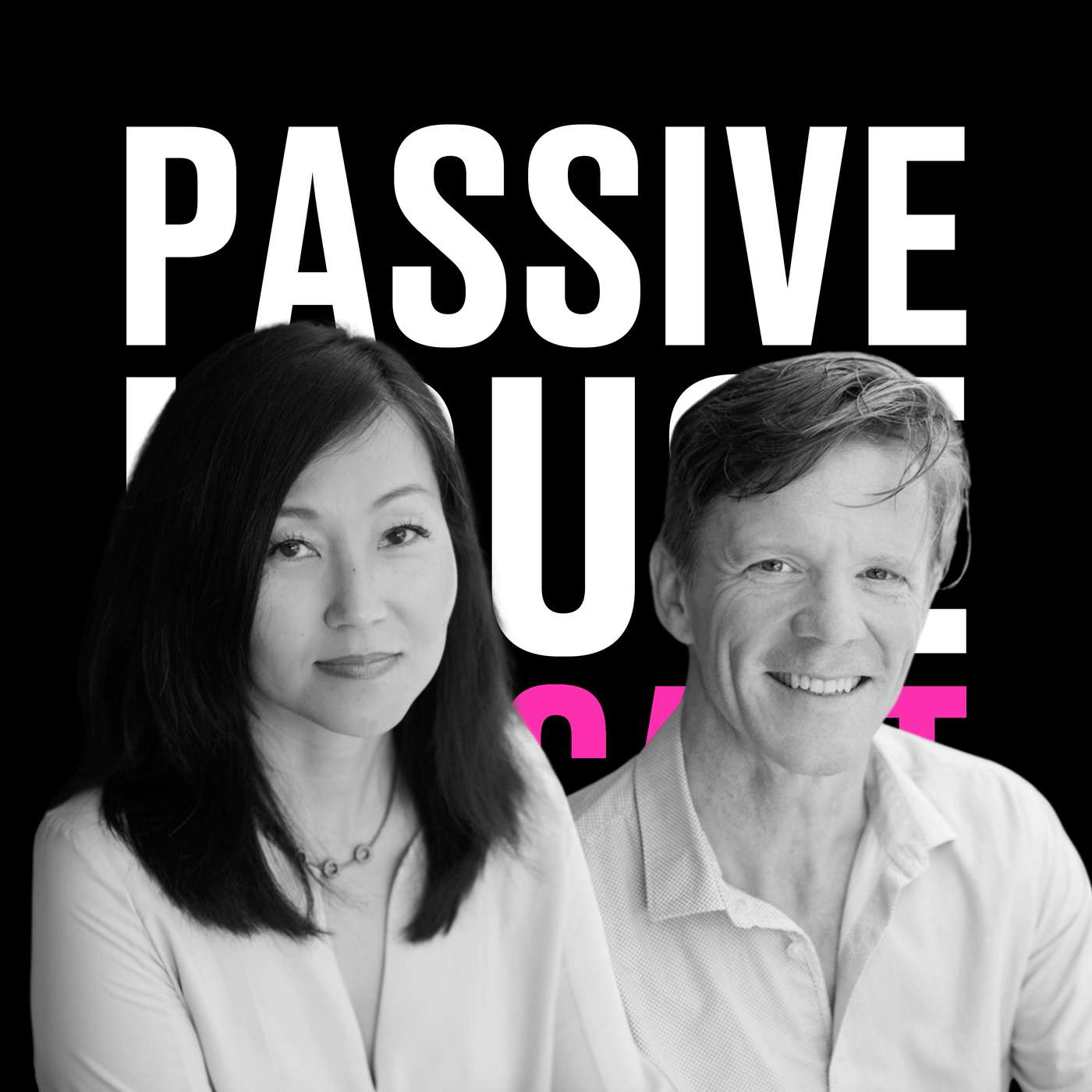
In this episode of The Passive House Podcast, Mary James interviews James Hartford and Juhee Lee Hartford of River Architects in Hudson Valley. The discussion covers the firm's focus on Passive House projects, mostly single-family homes with a mix of new constructions and retrofits. They touch on their first retrofit project affected by Hurricane Sandy, the evolving client interest in Passive House standards, and the firm’s growth from two to ten employees. They discuss the financial and practical challenges of Passive House projects, including material and energy considerations, involvement in advocacy through Passive House Hudson Valley, and the growing demand for such homes. They also highlight the benefits of prefab construction in difficult climates and the importance of builder experience. https://www.riverarchitects.com/Video of River Architects' Bank Lofts retrofit project: https://youtu.be/GHLC2xGM-ykBest of Retrofit: https://events.ringcentral.com/events/reimagine-buildings-retrofit/registrationThank you for listening to the Passive House Podcast! To learn more about Passive House and to stay abreast of our latest programming, visit passivehouseaccelerator.com. And please join us at one of our Passive House Accelerator LIVE! zoom gatherings on Wednesdays.
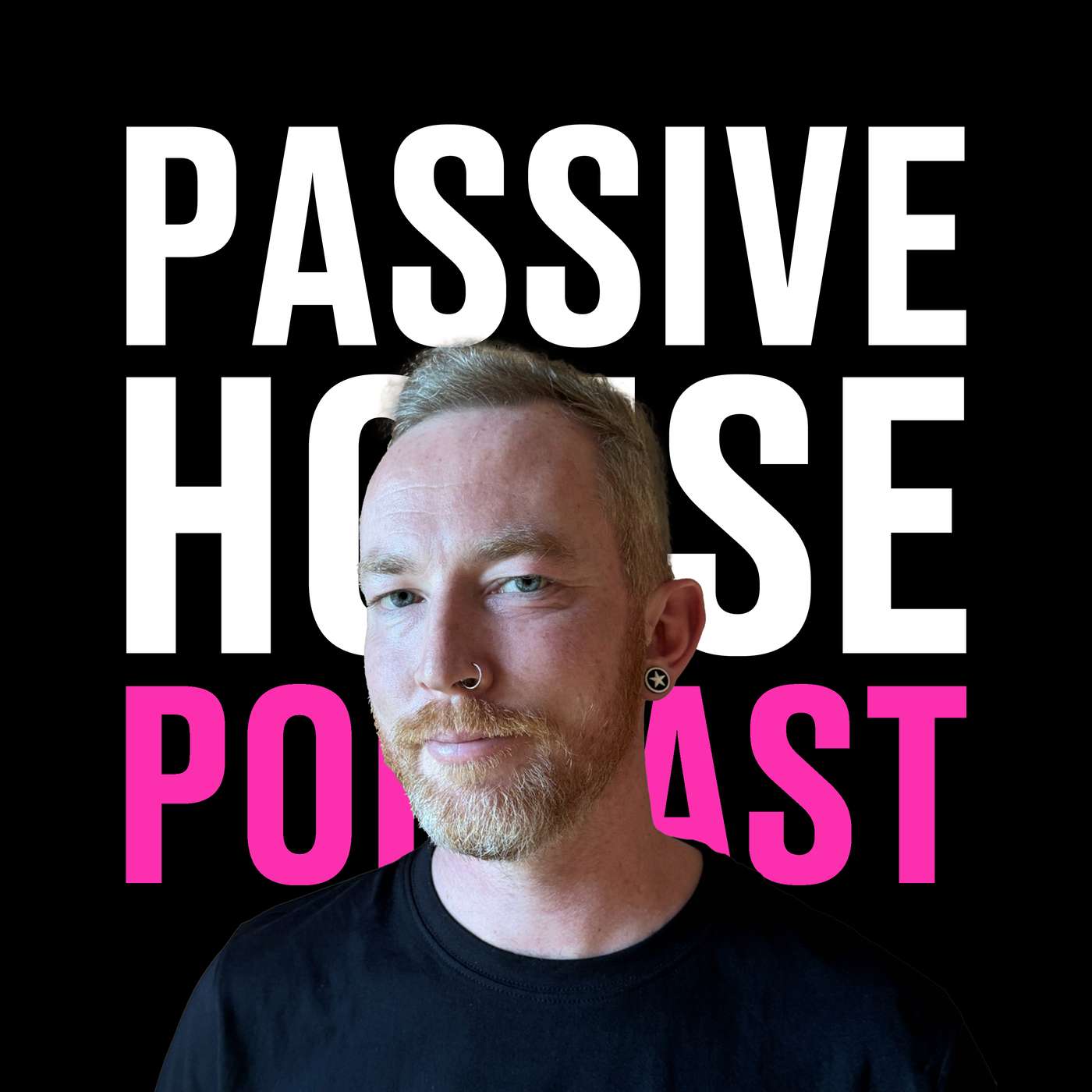
In this episode of the Passive House Podcast Matthew Cutler-Welsh sits down with Joseph Lyth an Associate Registered Architect, Certified Passive House Designer based in New Zealand. Joesph walks Matthew through his decision to build a passive house to create a healthier environment for his family.  Believing that healthier, lower energy and affordable buildings are possible for everyone in New Zealand, at standard budgets. Lower Saddle Passive House Tāhekeroa: https://nzgbc.org.nz/case-studies/lower-saddle-passive-house-t%C4%81hekeroa
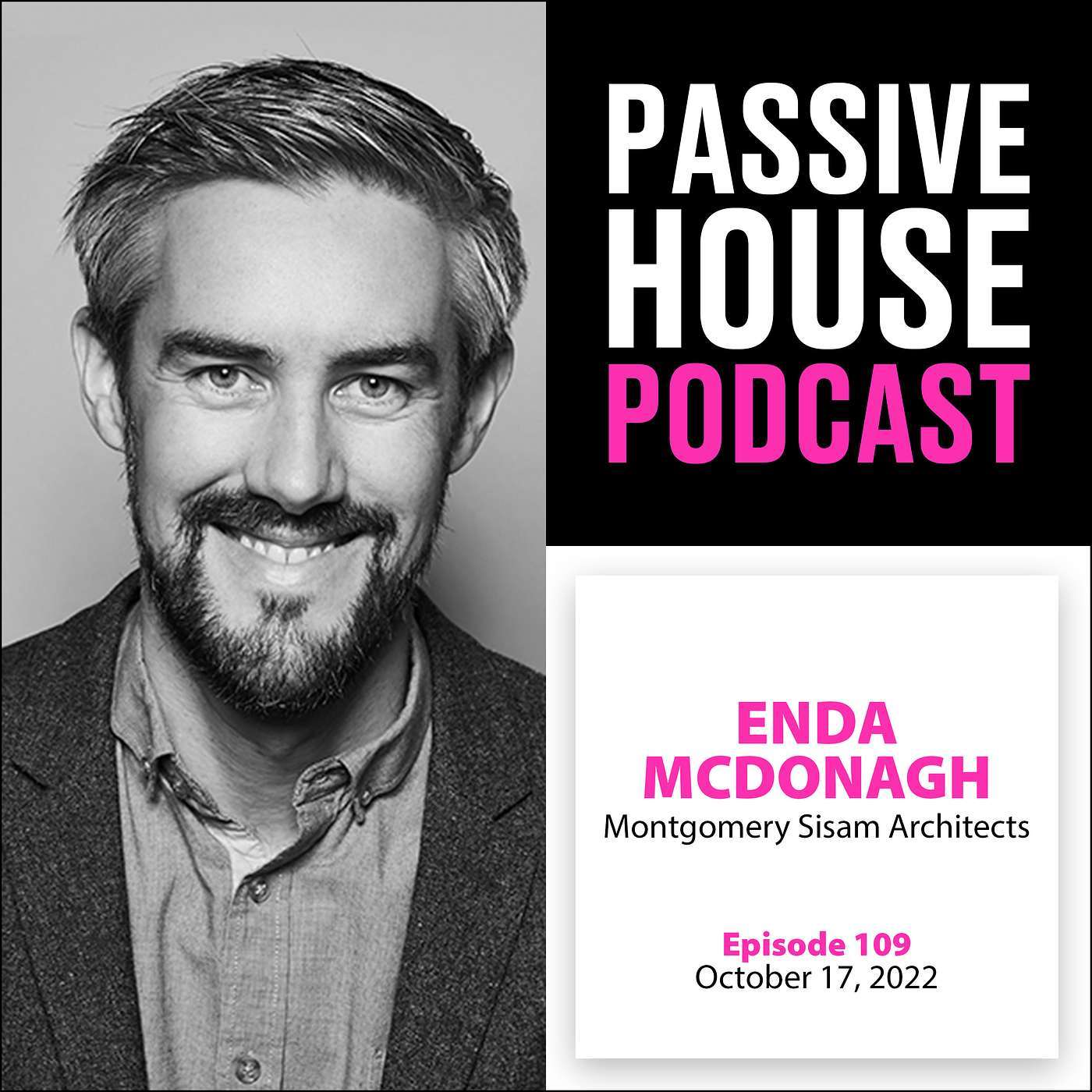
Matthew interviews Enda McDonagh, Certified Passive House Consultant and principal at Montgomery Sisam Architects. Enda studied and worked as Architectural Technician in Dublin where he developed a passion for detailing. In 2010 he moved to Toronto, Canada where he has worked at Montgomery Sisam ever since. His portfolio includes projects for the education, supportive housing, and mental health sectors. Montgomery Sisam is currently working on an affordable housing development in downtown Hamilton. All 24 of the studio apartments are being built offsite and the whole building will be Passive House Certified.  Hamilton Passive House Modular Housing:  https://www.montgomerysisam.com/project/hamilton-passive-house-modular-housing/ Passive House Stories:  https://www.theguardian.com/lifeandstyle/2022/oct/08/passion-project-the-passive-house-that-raised-the-roof-on-sustainable-living-passivhaus https://homestylegreen.com/181-hutt-tomorrows-house-today/ https://connectingtoplace.org/sustainability/ https://mithun.com/project/the-bush-school-new-upper-school/ Info about upcoming events:  https://passivehouseaccelerator.com/articles/passive-house-weekly-october-17-2022 Thank you for listening to the Passive House Podcast! To learn more about Passive House and to stay abreast of our latest programming, visit passivehouseaccelerator.com. And please join us at one of our Passive House Accelerator LIVE! zoom gatherings on Wednesdays.
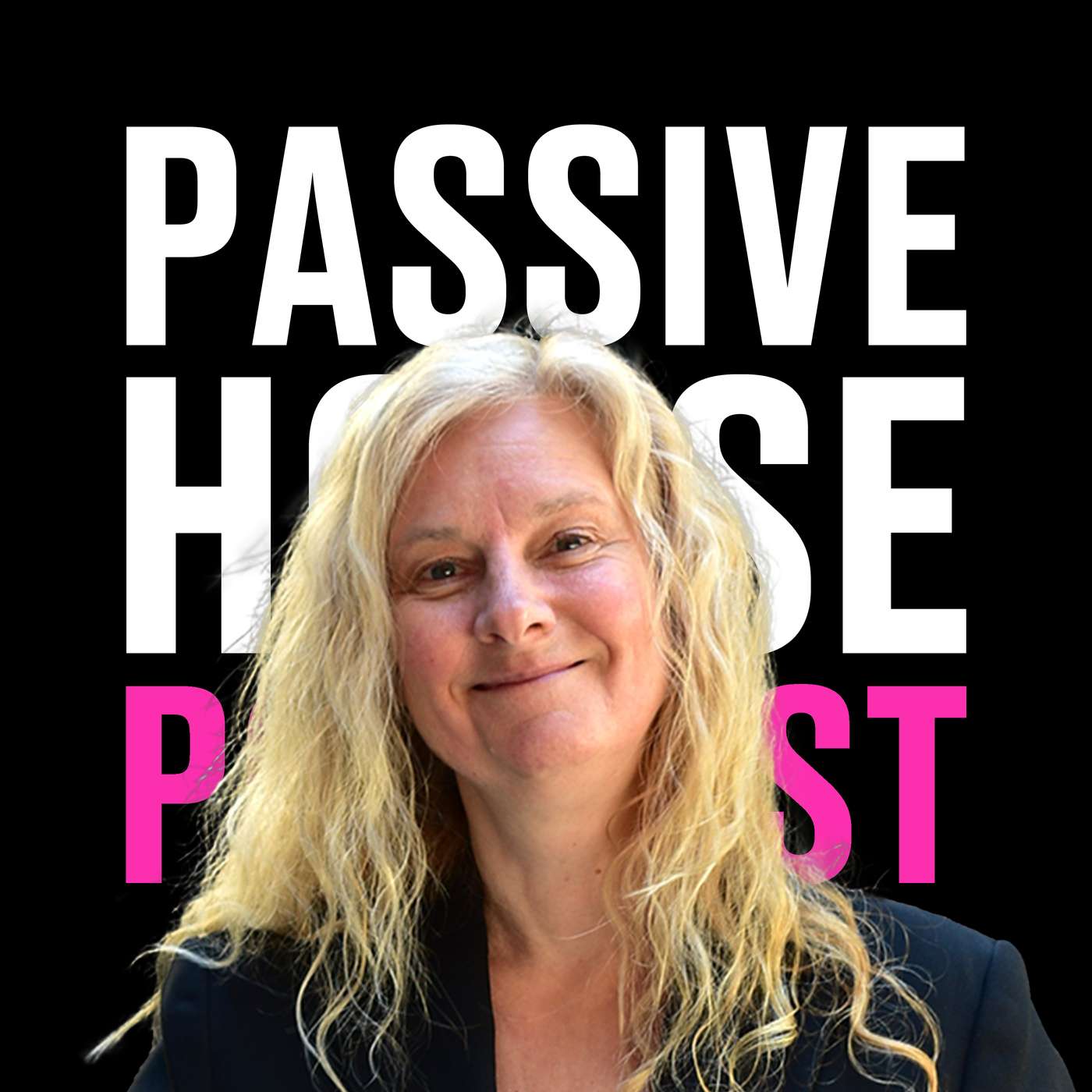
In this episode of The Passive House Podcast, Zack Semke chats with Nick Nigro of Leggat McCall about the Bunker Hill Housing Redevelopment in Charlestown, Boston, a phased replacement of 42 aging WWII-era public housing buildings into 2,699 mixed-income units. Nick explains how the team committed to Passive House from day one and is using a repeatable “kit of parts”—precast lateral-load-bearing cores, prefabricated load-bearing exterior panels, and CLT floor systems—to improve speed, reduce temporary work, and lower both carbon and cost through iteration across 15 buildings. He describes early modeling, enclosure mockup testing, and construction-sequencing innovations like using the permanent elevator as a hoist. https://passivehouseaccelerator.com/articles/critical-mass-scaling-passive-house-at-bunker-hillhttps://www.lmp.com/Thank you for listening to the Passive House Podcast! To learn more about Passive House and to stay abreast of our latest programming, visit passivehouseaccelerator.com. And please join us at one of our Passive House Accelerator LIVE! zoom gatherings on Wednesdays.
In this episode of The Passive House Podcast, Mary James chats with Kia Weatherspoon, founder of Determined by Design. Weatherspoon describes how experiences visiting her brother in prison and creating privacy during Air Force deployments shaped her belief that spaces must be felt, not just seen. She explains her mission-driven focus on affordable housing and a design process rooted in ancestry, legacy, and identity, translating community narratives into specific material and layout decisions. The discussion emphasizes bringing interiors into the integrated design team early, pushing for healthier materials amid cost and pricing-transparency challenges, and streamlining specifications to maintain budgets. The hosts reflect on how interior environments affect wellbeing and project outcomes.https://www.determinedbydesign.com/portfolio/station-u-o/https://passivehouseaccelerator.com/articles/leading-with-humanity-passive-interior-design
In this episode of The Passive House Podcast, host Matthew Cutler interviews New Zealand building scientist and sustainability specialist Tavis Creswell-Wells of Ecolution about overheating risk, building performance, and lessons from working in the UK. Tavis describes his path from architecture to building science, early research with BRANZ on the Building Energy End Use Study, and later experience in London with large energy modeling and rating systems including BREEAM, WELL, and Part L. He argues New Zealand’s H1 code overemphasizes insulation and lacks requirements to address overheating, while Part L includes lighting, hot water, mechanical systems, and checks at design and completion. The conversation covers glazing, shading, natural ventilation limitations, PHPP overheating constraints, and using TM59 for zoned overheating analysis, and previews the Reimagine Buildings Multifamily online conference.https://ecolutionsbs.com/ecolutionThank you for listening to the Passive House Podcast! To learn more about Passive House and to stay abreast of our latest programming, visit passivehouseaccelerator.com. And please join us at one of our Passive House Accelerator LIVE! zoom gatherings on Wednesdays.
In this episode of The Passive House Podcast, Jay Fox speaks with Tony Daniels and Caitlin Matusewicz of Cycle Architecture + Planning about their backgrounds in high-performance design and the firm’s focus on scalable multifamily deep energy retrofits, resilience, and Passive House. The conversation covers why retrofits are harder than new construction and how Cycle aims to scale by starting with repeatable retrofit solutions. They discuss panelized overcladding and modular mechanical strategies, NYSERDA’s role via incentives and innovation programs, and broader barriers such as contracting and insurance models that enforce siloing.https://www.c-ap.net/Thank you for listening to the Passive House Podcast! To learn more about Passive House and to stay abreast of our latest programming, visit passivehouseaccelerator.com. And please join us at one of our Passive House Accelerator LIVE! zoom gatherings on Wednesdays.
In this episode of The Passive House Podcast Jay Fox interviews Edie Dillman (co-founder and CEO of B.Public Prefab) and Karen Ramsey (founder and sustainability strategist at Building Wellness) about Fort Collins, Colorado’s Design to 2030 pilot program. They describe B.Public’s panelized, Passive House–standard prefab shell system launched in 2019 and Ramsey’s consulting work supporting Passive House projects, including rebuild efforts after the Marshall Fire and work tied to the Los Angeles fire rebuild. The conversation centers on Fort Collins’ plan to provide affordable, permit-ready, high-performance home plan sets tailored to local climate and code, with community outreach to determine needed housing types and builder training on panelization and key Passive House techniques.Sears Homes: https://en.wikipedia.org/wiki/Sears_Modern_Homeshttps://www.bpublicprefab.com/https://www.buildingwellnessllc.com/Thank you for listening to the Passive House Podcast! To learn more about Passive House and to stay abreast of our latest programming, visit passivehouseaccelerator.com. And please join us at one of our Passive House Accelerator LIVE! zoom gatherings on Wednesdays.
In this episode of The Passive House Podcast, co-host Jay Fox interviews Heather McKinstry and Shefali Sanghvi of Dattner Architects about their work focusing on Passive House projects, primarily affordable housing in New York City. The discussion delves into Dattner Architects' commitment to civic work, including multifamily housing, transportation, and healthcare projects. They emphasize the benefits of Passive House standards in dense urban environments, particularly in improving indoor air quality and reducing energy consumption. The conversation also touches on overcoming misconceptions about costs, the importance of third-party certification, and the educational needs of both clients and residents. The episode concludes with recommendations for developers interested in pursuing affordable Passive House projects, including tapping into state and local resources and ensuring expertise within the project team.https://www.dattner.com/Thank you for listening to the Passive House Podcast! To learn more about Passive House and to stay abreast of our latest programming, visit passivehouseaccelerator.com. And please join us at one of our Passive House Accelerator LIVE! zoom gatherings on Wednesdays.
In this episode of The Passive House Podcast, host Zack Semke discusses bio-based materials and high-performance buildings with Lindsey Love from Regenerative Building Solutions. They highlight the importance of early phase energy and embodied carbon modeling, integrating natural materials in construction, and the benefits of such materials for building resilience and occupant health. They also discuss the AIA 2030 Commitment and the Materials Pledge, emphasizing strategies for small firms to implement high-impact, sustainable building practices. Regenerative Building Solutions: https://www.regenbuilding.com/Link to the AIA 2030 Commitment: https://www.aia.org/design-excellence/climate-action/zero-carbon/2030-commitmentNature-based Performance Lab's Fall insight brief: https://passivehouseaccelerator.com/articles/retrofit-labs-insight-briefs-now-availableThank you for listening to the Passive House Podcast! To learn more about Passive House and to stay abreast of our latest programming, visit passivehouseaccelerator.com. And please join us at one of our Passive House Accelerator LIVE! zoom gatherings on Wednesdays.
In this episode of The Passive House Podcast, Ilka Cassidy and Kristof Irwin discuss with Helena van Vliet the concept of biophilic design and its impact on human wellbeing. Helena explains how designing environments that reconnect humans with nature can optimize physiological energy and reduce stress and inflammation. The conversation delves into practical applications of biophilic design in urban environments, exploring how elements like dynamic sunlight, water features, and vegetation can improve health and connect people with natural surroundings. The episode also touches on the challenges of integrating these concepts with traditional architectural practices focused on energy efficiency and durability.Helena van Vliet Dipl.-Ing. AIA is an internationally recognized expert in Biophilic Design. She is a registered Architect, Consultant, Researcher, Educator, and Speaker focusing on the direct connections between human and bio-habitat resilience in built environments. In her designs, consulting work and teaching, she integrates insights from her 40 years of practice, as well as data from her ongoing research in evolutionary biology, cognitive neuroscience, biopsychology, and chronobiology.https://www.helenavanvliet.com/https://www.biophilly.org/https://www.biophiliccities.org/Thank you for listening to the Passive House Podcast! To learn more about Passive House and to stay abreast of our latest programming, visit passivehouseaccelerator.com. And please join us at one of our Passive House Accelerator LIVE! zoom gatherings on Wednesdays.
In this episode of The Passive House Podcast Mary James and Jay Fox chat with Carmel Pratt, the new executive director of New York Passive House. They explore Carmel's background in architecture and sustainability, her role at New York Passive House, and her approach to sustainability consulting. Carmel shares the rich history and milestones of New York Passive House, including notable policies, educational initiatives, and collaborations with key organizations like NYSERDA and the International Passive House Association. The discussion also delves into the organization's goals for 2026, emphasizing workforce development, economic feasibility, and expanding beyond their traditional bubble. Carmel also highlights significant Passive House projects in New York and discusses her own consulting business, ZAZNRG, focusing on building operation and public education.https://www.nypassivehouse.org/https://zaznrg.com/
In this episode of The Passive House Podcast, co-host Mary James discuss Passive House practices with James Petersen, founder of Petersen Engineering. The episode focuses on domestic hot water systems and their electrification, particularly in the context of Passive House standards. Petersen explains the challenges with current technologies, options for heat recovery, and the impact of location-specific energy costs. The conversation covers specific techniques such as solar thermal, drain water heat recovery, and the importance of accurate data for system sizing. Despite the cost challenges, clients are moving towards electrification due to regulations and environmental motivations. https://www.petersenengineering.com/Join James on January 14th 2026: https://passivehouseaccelerator.com/events/101-domestic-hot-water-multifamily?date=2026-01-14James Petersen, PE, is Owner and Principal of Petersen Engineering, an 18-person MEP/FP firm, with over four decades of experience designing integrated building mechanical systems. He brings a holistic approach that combines MEP design, building science, and enclosure coordination, and has served as principal-in-charge on more than 70 large Passive House projects. James currently volunteers as President of Passive House Mass and serves on the HCA Portsmouth Hospital Board of Directors.Thank you for listening to the Passive House Podcast! To learn more about Passive House and to stay abreast of our latest programming, visit passivehouseaccelerator.com. And please join us at one of our Passive House Accelerator LIVE! zoom gatherings on Wednesdays.
In this episode of The Passive House Podcast, Jay Fox interviews Maggie Ullman, a Councilwoman from Asheville, North Carolina. Maggie shares her multifaceted background as a climate advocate, former sustainability director, and leader of a nonprofit network focused on sustainability in the Southeast. She delves into her experience running for office, the impact of Hurricane Helene on Asheville, and the city's recovery efforts. Maggie emphasizes the importance of building coalitions, understanding local government roles, and adaptable strategies for sustainability. She also discusses the challenges and successes in disaster recovery, highlighting the community's unity and advocacy at the federal level.Thank you for listening to the Passive House Podcast! To learn more about Passive House and to stay abreast of our latest programming, visit passivehouseaccelerator.com. And please join us at one of our Passive House Accelerator LIVE! zoom gatherings on Wednesdays.
In this episode of the Passive House Podcast, co-hosts Jay Fox and Ilka Cassidy interview Ben Bogie, a third-generation high-performance builder and Director of Outreach and Education at BPC Green Builders. Ben discusses the foundational lessons learned from his family's history in building super-insulated, airtight, thermally broken structures since the 1970s. He shares insights into the evolution of high-performance building methods, the importance of incorporating sound building science techniques, and the challenges of the modern construction industry. Ben also highlights his role in educating builders on high-performance practices through venues like the International Builders Show and expresses concerns about the rapid push towards electrification without comprehensive planning. The conversation covers topics such as the benefits of measuring real-world building performance, changes in insulation materials, the importance of site water management, and the potential impact of AI on the construction industry.https://www.bpcgreenbuilders.com/ Thank you for listening to the Passive House Podcast! To learn more about Passive House and to stay abreast of our latest programming, visit passivehouseaccelerator.com. And please join us at one of our Passive House Accelerator LIVE! zoom gatherings on Wednesdays.
In this episode of the Passive House Podcast Matthew is joined by Caroline Ashe Brady, Ann Marie Fallon, and Nathan Campbell at the Passive House Association of Ireland Conference held in Belfast. They share their insights on the current state and future of Passive House standards in the UK and Ireland. Discover the driving forces behind the shift towards more reliable carbon data, the importance of policy in advancing sustainability, and the impact of Passive House on education and student housing. Also, learn about the latest developments in energy metrics and building standards in Scotland and the need for integrating sustainable practices in retrofitting buildings. This episode provides a comprehensive look into the progressive strides being made in sustainable construction and the optimistic future envisioned by industry leaders.https://www.linkedin.com/in/ann-marie-fallon-a1baa619/https://www.linkedin.com/in/caroline-ashe-brady/https://www.linkedin.com/in/nathan-campbell-a92b85103/Thank you for listening to the Passive House Podcast! To learn more about Passive House and to stay abreast of our latest programming, visit passivehouseaccelerator.com. And please join us at one of our Passive House Accelerator LIVE! zoom gatherings on Wednesdays.
In this Episode of the Passive House Podcast Matthew interviews representatives of Ecological Building Systems, including Niall Crosson, the Group Technical Director, and Neil Turner, the UK Technical Manager. They discuss the company's inception 25 years ago, its growth, and its innovations in bio-based construction and air-tightness solutions. The narrative also details their training programs and market challenges, particularly regarding the advances in air-tightness and mechanical ventilation systems in the UK and Ireland. The episode highlights various sustainable products such as vapor control layers, natural insulation materials like wood fiber and hemp, and decentralized ventilation systems. Emphasis is placed on the educational aspect of their business, targeting both industry professionals and the general public through roadshows and training centers. Lastly, they underscores the importance of sustainable and energy-efficient building practices, reflecting the company's mission and the broader movement towards eco-friendly construction.https://www.ecologicalbuildingsystems.com/https://ukphc.org.uk/Thank you for listening to the Passive House Podcast! To learn more about Passive House and to stay abreast of our latest programming, visit passivehouseaccelerator.com. And please join us at one of our Passive House Accelerator LIVE! zoom gatherings on Wednesdays.
In this episode of the Passive House Podcast co-host's Jay and Mary chat with Emily Mottram, founder of Mottram Architecture, about her architectural firm and her passion for building science and low-carbon residential architecture. Emily discusses her firm's focus on retrofits and new builds, explaining their approach to sustainable architecture using eco-friendly, bio-based materials. She shares insights on the complexity and importance of retrofitting existing structures, the challenges and benefits of panelized construction, and the holistic methods she employs to ensure the health and safety of building occupants. https://www.mottramarch.com/Best of Retrofit: https://events.ringcentral.com/events/reimagine-buildings-retrofit/registrationThank you for listening to the Passive House Podcast! To learn more about Passive House and to stay abreast of our latest programming, visit passivehouseaccelerator.com. And please join us at one of our Passive House Accelerator LIVE! zoom gatherings on Wednesdays.
In this episode of The Passive House Podcast host Mary James meets with Katie Schwamb, Managing Director at Building Energy Exchange (BE-Ex) to  discuss emissions reduction and compliance with Local Law 97 in New York City.  Local Law 97, sets carbon emissions limits for buildings over 25,000 square feet to help achieve near-zero emissions by 2050. Mary and Katie cover the importance of strategic planning, financial incentives, and challenges building owners face in complying with the law. Katie highlights Building Energy Exchange’s array of resources aimed at advancing energy-efficient, decarbonized buildings, including case studies, retrofit playbooks, and their Local Law 97 calculator.https://be-exchange.org/Best of Retrofit: https://events.ringcentral.com/events/reimagine-buildings-retrofit/registrationThank you for listening to the Passive House Podcast! To learn more about Passive House and to stay abreast of our latest programming, visit passivehouseaccelerator.com. And please join us at one of our Passive House Accelerator LIVE! zoom gatherings on Wednesdays.
In this episode of The Passive House Podcast, host Jay Fox talks with Andrea Michael, an architect from Love Schack Architecture in Bozeman, Montana. They discuss Andrea's comprehensive home retrofit, aimed at improving energy efficiency and comfort. The retrofit included air sealing, adding insulation, installing a heat pump, ERVs, solar panels, and more. The conversation highlights Andrea's journey from initial DIY efforts to a full-scale renovation, revealing significant energy savings and improved indoor air quality. The episode also touches on the challenges and successes of integrating sustainable building practices in Montana.https://loveschackarchitecture.com/See Andrea December 5th at Best of Retrofit: https://events.ringcentral.com/events/reimagine-buildings-retrofit/registrationThank you for listening to the Passive House Podcast! To learn more about Passive House and to stay abreast of our latest programming, visit passivehouseaccelerator.com. And please join us at one of our Passive House Accelerator LIVE! zoom gatherings on Wednesdays.
loading
Comments (1)

Gary Storm

fantastic podcast. Loved the hospital in Germany and the Brian Guinan ones especially...... a bit biased, as my partner is an architect who works for state government in Western Australia (worked on the Museum for 10 years, and currently working on a hospital), who is having her house built right now by Brian, which she designed. maybe you could ask her for an interview to get the view from the other side?

Jun 17th
Reply