


 Claim Ownership
GembaTalk
Subscribed: 0Played: 42
Subscribe

© Copyright 2025 GembaDocs
Description
Dive into the world of the GembaDocs Community with expert guests who share their stories, challenges and top tips for optimizing operations, lean culture adoption, and reducing waste. You’ll travel around the globe to learn how all types of organizations are setting new standards in process excellence.
14 Episodes
Reverse
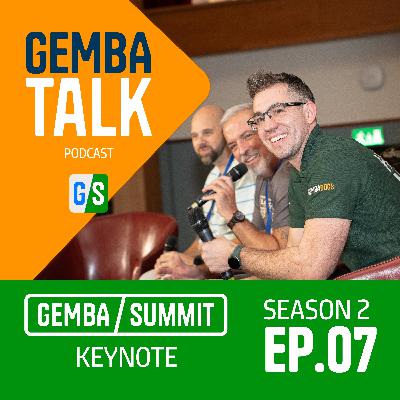
Ryan Tierney of Lean Made Simple, Seating Matters, and Sperrin Metal, Tom Hughes of GembaDocs, and Brian Meyers of Fat American Manufacturing gathered for an extended Q&A session at Gemba Summit 2025. The panel shared their key takeaways from the two-day event - Tom emphasized the value of informal conversations between sessions, Ryan highlighted the bold visions people are taking home (making Germany the next Ireland, transforming the hospitality industry), and Brian reflected on Russell Watkins' insight about learning to see and appreciate progress before becoming critical. The audience asked about future Summits (overwhelming enthusiasm for next year, possibly needing a bigger venue!), scaling lean into new industries like hospitality and the public sector, and how to maintain connections after the event.The panel discussed how lean spreads to new sectors through passionate individuals who become exemplars - like Jane Wilkinson aiming to make her hotel the world-leading example of lean in hospitality, or Putra Kamaro implementing lean in Ontario's public sector despite political headwinds. Ryan closed with heartfelt thanks to the Seating Matters team for creating the structure that allowed him to focus on Sperrin Metal, emphasizing that sometimes you have to let things go to move forward. He declared that Sperrin Metal is going to be "the biggest, best lean transformation that the world has ever seen" and they're just at the beginning.Visit the Lean Cave at https://gembadocs.com/learn/ to read the full post or watch other sessions from Gemba Summit 2025.
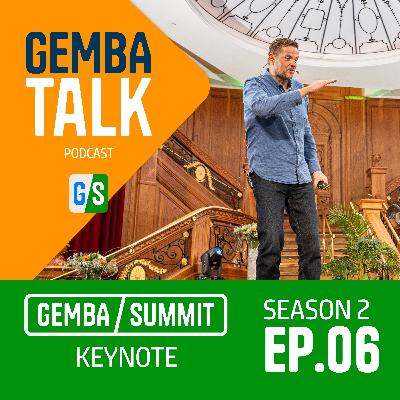
Russell Watkins of Sempai delivered an entertaining and wisdom-filled keynote at Gemba Summit 2025, sharing ten light bulb moments from decades working with Japanese manufacturers including Toyota and Denso. Starting his journey in 1999 at age 29 with sensei Toshiyuki Muraoka (who joined Toyota's Kamigo plant in 1964 and learned directly from Ohno's era of pull systems development), Russell candidly acknowledged that Japanese manufacturing isn't all sunshine - the teaching was harsh, including eight months of being shouted at. But the best Japanese businesses like Toyota are way ahead of everyone else. His ten insights ranged from tactical to philosophical: beat the sigmoid curve by disrupting edges before plateaus hit, establish control before attempting improvements (using a sandcastle metaphor about waves washing away uncontrolled change), learn to see the positive alongside problems (his sensei's powerful question: "do you see nothing good?"), train people to be time travelers who spot abnormalities before they become problems, and recognize operators beyond just tapping shoulders when problems occur. He emphasized that the floor tells you everything - from management office messiness to kanban cards lying around like "baby birds with broken wings." People want standardized work (shown through their handwritten notes and improvised systems), but management hasn't enabled it. Russell embraced Japanese fish metaphors for accumulating many small improvements rather than hunting big transformations, and concluded that self-reliance - the ability to find your own gap without rose-colored spectacles - is the highest expression of lean skill, not "being lean." His opening was characteristically humble: he hasn't had an original thought in years, but stealing ideas mercilessly without ego and learning relentlessly has served him exceptionally well.Key Takeaways:Beat the sigmoid curve like elite teams - disrupt the edges before the plateau hits to maintain excellenceControl comes first - team leader control (shift briefs, area patrol, problem escalation) before any other lean toolsDon't just filter for the gap - deliberately look for the positive and value alongside problemsTrain people to be time travelers who spot abnormalities before they become problems (three choices with the coil defect example)Implement Pro Process - recognize operators before problems occur, not just tap shoulders when things go wrongThe floor tells you everything - messy management offices, Kanban cards on floor, broken tabs reveal system healthPeople want standardized work (shown by their improvised systems) - management just hasn't enabled it properlyEmbrace fish metaphors - accumulate many small improvements rather than hunting for one big transformationSelf-reliance (finding your own gap without rose-colored spectacles) is the highest expression of lean skillLearn and steal mercilessly without ego - there's little original in the world, success comes from humble adoption and relentless learningSpeaker DetailsName: Russell WatkinsCompany: SeempaiWebsite: www.sempai.co.ukLinkedIn: www.linkedin.com/in/russellwatkinssempai/Subscribe 🎙️ Subscribe to GembaTalk podcast for more insights on Lean culture, SOPs, and manufacturing excellence.
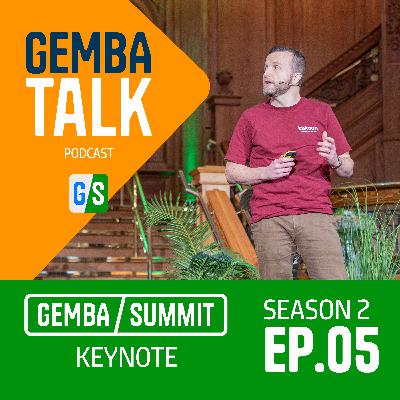
Paul Vallely of Kukoon delivered one of the most practical and honest presentations at Gemba Summit 2025 about integrating AI with lean thinking. Seven years into their lean journey after visiting Seating Matters in 2018, Paul openly shared what Kukoon still needs to improve - including bringing back a second morning meeting in January because reducing to one weekly meeting had failed to transfer lean knowledge to new team members, creating an embarrassingly large gap between experienced and new people. His AI guidance was refreshingly direct and came in three phases: First, use ChatGPT for everything at every opportunity - it costs $30/month and teaches you how to become a better prompter through feedback loops. Second, invest heavily in automation capabilities through scripts and coding. Kukoon built a three-person business improvement team that created exponential time savings, reaching 150 hours saved monthly for less than 40 hours of input by month 12. The key is "slow is smooth and smooth is fast" - create subject matter experts, give them time to learn, and focus on maximum returns rather than easy wins. Third, proceed with extreme caution on big-ticket AI platforms. After extensive research and investing £60,000 annually in two AI platforms, Paul's assessment was blunt: "There's a lot of snake oil being sold." Many companies are just ChatGPT with good connectors charging tens of thousands for $30 worth of capability. He gave it 50/50 odds they'd still use either platform next year. His overall message: embrace AI learning, build automation skills, but be very skeptical of expensive platforms that promise more than ChatGPT can already deliver.Key Takeaways:Be transparent about what needs improvement - Kukoon is adding back an additional morning meeting and formal Kaizen targets after realizing knowledge transfer wasn't happeningUse ChatGPT for everything - every question, analysis, comparison, especially things you think it can't help withChatGPT has become exceptional at teaching better prompting through feedback loops - tell it why answers aren't rightInvest in building automation capabilities with Google Apps Scripts, Python, and Power Automate - create integrated systems"Slow is smooth and smooth is fast" - automation has steep learning curves but exponential returns once masteredCreate subject matter experts within your team and give them dedicated time to learn and testFocus on maximum returns, not easy wins - determine where automation creates most value across entire businessFor big AI platform investments, require ROI in under two years because technology moves so fast top solutions become obsolete quicklyProceed with extreme caution - many AI companies are selling "snake oil," charging tens of thousands for ChatGPT with connectorsEven manufacturing-heavy businesses have opportunities - everyone else is moving data around, and automating that benefits accuracy, efficiency, and serviceSpeaker DetailsName: Paul VallelyCompany: KukoonWebsite: www.kukoonrugs.comLinkedIn: www.linkedin.com/in/paulvallely-kukoon/Subscribe 🎙️ Subscribe to GembaTalk podcast for more insights on Lean culture, SOPs, and manufacturing excellence.
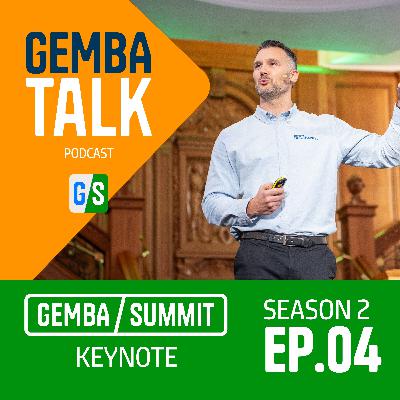
Oliver Conger of British Rototherm delivered a powerful transformation story at Gemba Summit 2025, sharing his journey from near-failure to lean excellence. After buying a 150-year-old manufacturing business and making things worse for five years through bad acquisitions and disastrous systems, Oliver discovered two second lean and created a culture of improvement. But they hit a plateau - culture without depth wasn't enough. Four years ago, he reluctantly sent three people to a Toyota mentoring program, and everything changed. Those people transformed, inspiring others and creating demand for the same learning. British Rototherm went all in, sending 70% of their people through the program, and was recently named Lean Exemplar for the entire UK submarine program. Oliver shared four critical elements that built depth into their journey: clarity of leadership and team member roles, facts and data-driven decisions (including a comprehensive Andon system), coaching and challenging people to achieve the incredible, and creating structure that happens to the day rather than reacting defensively. The unexpected fifth benefit? Their lean depth accelerated their AI and automation journey, as both require the same fundamentals: continuous improvement mindset, quality data, challenging thinking, and structure. With AI employees now on their org chart and products designed for zero human touch manufacturing, Oliver asked: how many times more super can you be if you build depth into your lean journey?Key Takeaways:Top management commitment is the first, second, and third most important requirement for lean successAbsolute clarity on roles and expectations for both leaders and team members eliminates ambiguity and drives ownershipTransform from opinion-based to fact-based decisions - without data, you're just another person with an opinionImplement systems like Andon that capture problems as treasures and create data for effective problem-solvingCoach and challenge people with a full day's work - the biggest gains are locked up in your peopleMake the structure happen to the day - be offensive, not defensive in how you manage time and prioritiesLean depth accelerates AI readiness - both require continuous improvement mindsets, quality data, and structured thinkingBuilding depth through Toyota mentoring transformed British Rototherm from plateau to hosting lean events for billion-dollar programsSpeaker DetailsName: Oliver CongerCompany: British Rototherm GroupWebsite: www.rotothermgroup.comLinkedIn: www.linkedin.com/in/oliver-conger-2149651/Subscribe 🎙️ Subscribe to GembaTalk podcast for more insights on Lean culture, SOPs, and manufacturing excellence.
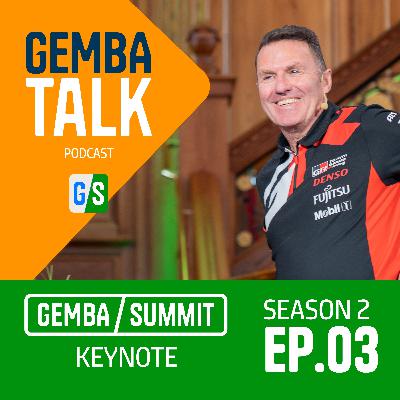
Alan Weir, recently retired from Toyota UK after nearly 34 years, delivered a moving keynote at Gemba Summit 2025 about what truly drives excellence in lean manufacturing. Speaking in Belfast where he grew up, Alan shared insights from his time as Deputy Managing Director at one of Toyota's most efficient plants globally. His message was clear: it's not about automation or technology - it's about people. Through powerful video testimonials and real examples, Alan demonstrated how Toyota develops every team member into a problem solver through QC circles, how leaders spend their first two hours daily at the Gemba understanding real facts rather than reading reports, and how the Andon system empowers anyone to stop the line while being thanked for raising problems. He shared a detailed case study of reducing maintenance turnover through thoughtful leadership - spending one hour per week for two years listening directly to team members and relentlessly following up on their concerns. His concluding message captured Toyota's philosophy perfectly: "First we build people, then we build cars."Key Takeaways:QC circles develop every team member into a problem solver, creating 2,500 problem solvers rather than relying on management aloneBlock out the first two hours daily for Gemba walks to understand real facts at the source, not through reports or presentationsEvery person has power to pull the Andon cord, and leaders thank them for raising problems - if the Andon isn't going off, that's the real problemThoughtful leadership means not accepting surface complaints at face value, but creating focus groups and spending consistent time hearing directly from team membersTake control of your diary and structure it around Gemba time, or other departments will fill every slotToyota's competitive advantage isn't automation - it's the systematic development of people and future leadersSpeaker DetailsName: Alan WeirCompany: Retired, Toyota UKWebsite: www.toyotauk.comLinkedIn: www.linkedin.com/in/alan-weir-591a24a8/Subscribe 🎙️ Subscribe to GembaTalk podcast for more insights on Lean culture, SOPs, and manufacturing excellence.
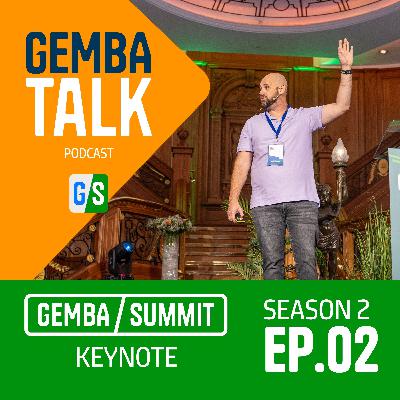
Brian Meyers, owner of Fat American Manufacturing, delivered an unforgettable keynote at Gemba Summit 2025 about the reality of leading lean transformation. Meyers shared three powerful rules from his 14-month transformation journey: never go backwards when you make an improvement, show total and unwavering commitment (even if it means burning the old binders), and focus on burden and flow rather than chasing individual wastes. His message was direct and honest-lean transformation is uncomfortable, there are no guarantees, but with courage and commitment, you can navigate the path forward.Key Takeaways:Once you make an improvement, that's the new standard-no backup plansClose the escape hatches and show unwavering commitment to changeFocus on removing burden from your people and creating flow in your processesWalk your Gemba backwards to find and pull bottlenecksMove quickly from understanding to action-the faster you implement, the faster principles stickLearn from those who've gone before and help others onto the stageSpeaker DetailsName: Brian MeyersCompany: Fat American ManufacturingWebsite: fatamericanmfg.comLinkedIn: linkedin.com/in/brian-meyers-256833a3/YouTube: youtube.com/@LeanbyDoingSubscribe 🎙️ Subscribe to GembaTalk podcast for more insights on Lean culture, SOPs, and manufacturing excellence.
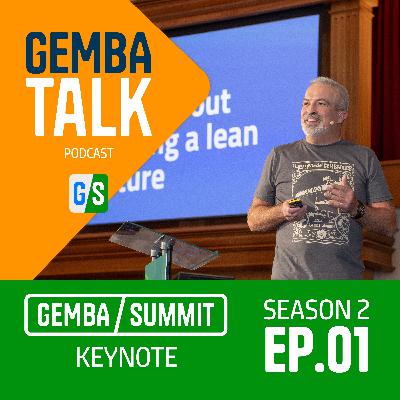
Tom Hughes, CEO of GembaDocs and author of "Improvement Starts with I," delivered a thought-provoking keynote at Gemba Summit 2025 that challenged widely accepted lean beliefs. Hughes systematically "exploded" lean dogmas that hold organizations back: the overemphasis on culture without technical knowledge, unrealistic expectations that everyone becomes a "lean maniac," the narrow internal focus that ignores supply chain opportunities, and the misunderstanding of what respect for people truly means. Key Takeaways:Culture alone leads to plateaus - you need both cultural energy and deep technical knowledge of lean toolsAccept the 80/20 reality - not everyone will be a lean maniac, and that's okayLean opportunities exist throughout your supply chain and customer interface, not just within your four wallsRespect for people means dignified work, dignified pay, dignified place, and dignified treatmentFor every 10% labor turnover, you lose 1% of gross margin - look honestly at your payStop holding onto unrealistic, unsustainable targets that set people up to feel like failuresSpeaker DetailsName: Tom HughesCompany: GembaDocsWebsite: gembadocs.comSubscribe 🎙️ Subscribe to GembaTalk podcast for more insights on Lean culture, SOPs, and manufacturing excellence.
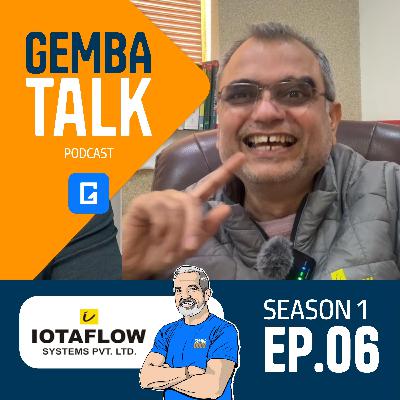
In this episode, Tom Hughes talks with Pankaj Malik, founder of IOTAFLOW, about how finding Lean principles 20years into business revolutionized his company. From quality issues to a world-class system with 1,000 SOPs, Pankaj shares how small changes created a massive culture shift in his organization. This shift has not only improved efficiency but has also enhanced employee well-being, with increased trust, better working conditions, and even company-funded medical care and dividends for staff."...it's completely mistake proof, they have that drawing to which work, one, and second they don't have to hunt for SOP or drawing anymore" - Pankaj MalikKey Topics:How Pankaj discovered 2 Second Lean and overcame skepticism in his teamThe cultural shift that helped employees see the value in SOPsIntegrating SOPs into an ERP system for real-time access on the shop floorHow Lean principles improved not just productivity, but employee well-beingThe financial benefits of Lean - how IOTAFLOW reinvests cost savings into staff medical care and bonuses"I'm doing business for 25 years now. And 21, 22 years, I was struggling so much with quality and timely delivery. And when I read about 2 Second Lean and you know it's a panacea [cure] for all these problems, I wanted to jump right into it, do everything, whatever I could. So including the SOPs and the Kanban. So we really started all together, asked my people to make SOPs. There is a struggle. There is a communication gap. If there is a quality problem, let's have a look at what is the SOP. If it is not there, let's make SOP." - Pankaj MalikTakeaways:SOPs are about freedom, not restriction – Employees now work without disruption, even when someone is on leave.Integration is key – SOPs must be accessible at the point of work to be truly useful.Lean culture goes beyond processes – Standardization improved trust, teamwork, and employee benefits.Visibility pays off – By showing his staff progress and setting targets, IOTAFLOW now provides better salaries and healthcare for its workers.Links and Resources:Find out more IOTAFLOW (https://iotaflow.com)Explore GembaDocs (https://gembadocs.com) for your SOP, skills training and lean needs.Connect with Us:GembaDocs LinkedInTom’s LinkedInPankaj’s LinkedIn IOTAFLOW LinkedIn 🎙️ Subscribe to GembaTalk podcast for more insights on Lean culture, SOPs, and manufacturing excellence.
Tom talks with Brian Meyers, founder of Fat American Manufacturing (FAM) and multiple off-road manufacturing brands to find out how traveling to Japan and Europe gave Brian a new perspective on Lean - and how his company has rapidly implemented standardized work to improve efficiency.By embracing standard work, giving employees ownership, and integrating SOPs into daily operations, Fat American Manufacturing (FAM) has made incredible progress in just five months. If you’re struggling to get started with Lean, Brian’s advice is simple: “Just start.”"When I got to Japan I saw everything and I was like this is crazy and then I came home and I was really frustrated and I was like we suck but I had no idea how to do it and I didn't know what I was looking at [...] And then all of a sudden everything was like click, click, click, click, click, and I was like, it's lean, I saw lean!" - Brian Meyers" - Brian MeyersKey Topics:Brian discovered Lean backwards - by visiting Japan before knowing what it wasThe culture shift needed to make standardization workWhy Brian gave every employee the power to create SOPs instead of restricting it to managersThe challenges of balancing production vs. documentationHow FAM integrates SOPs directly into their ERP system for real-time learningUsing QR codes to make SOPs accessible at the point of work"Yesterday alone, we made 35 SOPs. If you have 10 people doing SOPs, you won’t get far. If you have 40, you’ll get there fast.." - Brian MeyersTakeaways:Exposure changes everything – Seeing Lean firsthand in Japan made Brian realize what was possible.SOPs aren’t just for the shop floor – Documenting office processes helps eliminate waste in administration, too.Ownership is key – When employees create their own SOPs, they buy in and continuously improve them.Just start – Perfection isn't the goal; documenting current processes leads to immediate improvements.Links and Resources:Find out more Fat American Manufacturing (fatamericanmfg.com)Explore GembaDocs (gembadocs.com) for your SOP, skills training and lean needs.Connect with Us:GembaDocs LinkedInTom’s LinkedInBrian's LinkedIn Lean By Doing on YouTube🎙️ Subscribe to GembaTalk podcast for more insights on Lean culture, SOPs, and manufacturing excellence.
Pablo Scarpatti, co-owner of Scarpati Amoblamientos, chats with Tom about how Lean principles have helped scale his custom woodworking business. Pablo shares insights on the birth of his lean business starting with an accident, how he developed workforce understanding of processes with QR codes, the process standardization, and the role of a strong skills matrix (and how it inspired GembaDocs Skills Module!) in driving growth."Knowledge alone is not enough—if it's not documented and shared, it doesn’t exist." - Pablo ScarpattiKey Topics:How an accident led Pablo to discover LeanThe challenge of standardizing a business with no fixed productsUsing QR codes to make SOPs accessible on the shop floorImplementing a massive skills matrix for team developmentWhy creating opportunities for employees to grow, even if they leave, is key to success"So teach them everything and releasing from them the fear. It's a roof that many people have. They don't want to do things because they're frightened. And sometimes in the production culture, the owners, like myself, have the fear of holding people because you don't want them to go because who else is going to do that task that only he can do. So yeah with the skills matrix, everybody can do it because everybody can learn. So you don't have a specialist. Everybody can be a specialist." - Pablo ScarpattiTakeaways:Identifying repeatable steps in unique processes creates consistency.Training everyone in multiple tasks eliminates bottlenecks.Developing employees, even if they leave, strengthens the business.When employees own processes, efficiency skyrockets.“If a 10-year-old can follow our SOPs, then we know we’ve done it right” - Pablo Scarpatti [talking with pride about his daughter knowing how to start and use their machines, and even get the factory up and running with the electricity generator!]Links and Resources:Find out more about Scarpatti Explore GembaDocs (https://gembadocs.com) for your SOP, skills training and lean needs.Connect with Us:GembaDocs LinkedInTom’s LinkedInPablo Scarpatti’s LinkedIn 🎙️ Subscribe to GembaTalk podcast for more insights on Lean culture, SOPs, and manufacturing excellence.
Tom Hughes sits down with Stephan Hilmer, COO of Tridelta Meidensha, to discuss how standard processes revolutionized their approach to efficiency and training. Stephan reveals how Lean methodologies helped their company navigate the challenges of the pandemic and optimize production."Knowledge is really, really bad. Knowledge is bad until you put it on paper. You are the expert when you get everybody able to do whatever you are doing right now." - Stephan HilmerKey Topics:Why undocumented knowledge is a risk to organizationsTridelta Meidensha’s journey with SOPs and GembaDocsTraining strategies for implementing and sustaining Lean principlesHow they utilize CEOs and flow managers of each department for continuous improvements.The role of daily Kaizen time and critical thinking for SOP development"Trust your people, train your people, and then you will explode. The sky is the limit." - Stephan HilmerTakeaways:Expertise only benefits an organization when it’s accessible to everyone.The best SOPs are those that frontline workers use and improve daily.Investing in employee learning creates a sustainable culture of excellence.Standardization isn’t a one-time task; it’s an ongoing process of improvement.Links and Resources:Full GembaDocs Tour of Tridelta Meidensha, in UK and German Lean Made Simple tour of Tridelta Meidensha Find out more about Tridelta Meidensha (tridelta-meidensha.de)Explore GembaDocs (gembadocs.com) for your lean needs.Connect with Us:GembaDocs LinkedInTom’s LinkedInStephan Hilmer's LinkedInTridelta Meidensha LinkedIn 🎙️ Subscribe to GembaTalk podcast for more insights on Lean culture, SOPs, and manufacturing excellence.
Hampton Conservatories are one of the original GembaDocs customers, so Tom got Dwain Steele, Production Manager, to dive into how standard processes with GembaDocs took the chaos and burden out of their workflow in the last three years to create a book of knowledge."The power it gives my team - ’I did a process today’ - this is fantastic, they went home, they feel great, because they've created this process that never existed at Hampton Conservatories, they've scored the goal.' - Dwain SteeleKey Topics:Why standardized processes are essential for continuous improvement.The struggle of creating SOPs manually with excel —and how GembaDocs solved it in 90mins.How to engage employees in process documentation and Lean culture.The impact of morning meetings on driving accountability and improvement.How Hampton Conservatories retains 40 years of company knowledge in a digital, accessible way."It took me 22 years to become a production manager, I could have done that in half the time I reckon, because GembaDocs was there. Would have made life so much easier." - Dwain SteeleAnd find out how every GembaDoc at Hamptons follows their own set standard, with clear start, finish and pencil to paper plan first before the app is even open."you're training them on how to create the SOP to the standard you're expecting" - Tom HughesTakeaways:Apprentices using GembaDocs to train themselves, but also create processes from their learning.Creating a positive feedback loop from SOP to shop-floorFind out how Hampton Conservatories have developed a standard for their standards, including a GembaDoc on how to do a GembaDoc to their standards!Grandfathering products into GembaDocs to avoid the 8 lean waste areas the next time the order comes throughHow they developed process engineers who had ownership over their documented processesLinks and Resources:Learn more about Hampton Conservatories (hamptonconservatories.co.uk).Explore GembaDocs (gembadocs.com) for your process needs.Connect with Us:GembaDocs LinkedInTom’s LinkedInHampton Conservatories LinkedIn🎙️ Subscribe to GembaTalk podcast for more insights on Lean culture, SOPs, and manufacturing excellence.
In this episode, Tom Hughes, founder of GembaDocs, sits down with Ryan Tierney from Seating Matters to explore the transformative power of standardized operating procedures (SOPs). Discover how Seating Matters became a world-class Lean organization, the challenges they faced during implementation, and practical tips for success.“We wasted so much money, so much time with systems that weren't up to scratch.” - Ryan TierneyKey Topics:The surprising complexities of creating effective SOPs.Common pitfalls, like neglected SOPs "stuffed in a drawer."How GembaDocs helped transform Seating Matters’ process.Actionable advice for rolling out SOPs in your organization.“..it wasn't until we documented the process we saw how much waste there was. So there was probably 45 or 46 steps in this before. But the physical act of going through the documenting process forced us to improve it and see the waste.” - Ryan TierneyTakeaways:SOPs are a cornerstone of efficiency and quality but require proper adoption and visibility.Avoid overcomplicating your rollout; simplicity and accessibility are key.Learning from failures is part of the journey toward excellence.Links and Resources:Learn more about Seating Matters (seatingmatters.com).Explore GembaDocs (gembadocs.com) for your SOP needs.Connect with Us:GembaDocs LinkedInTom’s LinkedInSeating Matters LinkedInRyan’s LinkedIn🎙️ Subscribe to GembaTalk podcast for more insights on Lean culture, SOPs, and manufacturing excellence.
In this bonus episode, Tom Hughes visits FAT American Manufacturing in Kalamazoo, Michigan, to talk with Brian Meyers, one of the most prolific GembaDocs users in the world.In just over a year, Brian’s team have created more than 2,000 SOPs - and actually uses them every day.This episode dives into how FAT American turned standard work from a chore into a cornerstone of culture. Expect real talk about ownership, respect, and how documenting the little things unlocks big results."You're buying back your time by having a standard because you can just say go, here's the SOP, go check it out and follow through with it." - Brian MeyersKey Topics:1. Making SOPs a PriorityWhy SOPs need to be part of daily conversations and celebrationsHow FAT American turned documentation into a shared responsibility2. Building Culture Through StandardsHow morning meetings feature new SOPsUsing standards to respect people and set them up for success3. Buying Back TimeThe real cost of repeating instructionsHow visual SOPs cut onboarding time and boost clarity4. Common ChallengesManaging thousands of SOPs and avoiding duplicationThe importance of clear deployment and naming systems5. Lessons for Every ManufacturerMake standards visual, not verbalThink like a new hireDon’t just create SOPs - live themLinks and Resources:Explore GembaDocs (https://gembadocs.com) for your SOP, skills training and lean needs.Connect with Us:GembaDocs LinkedInTom’s LinkedInLean by Doing Podcast by Brian MeyersFat American Manufacturing's website🎙️ Subscribe to GembaTalk podcast for more insights on Lean culture, SOPs, and manufacturing excellence.
Comments

Download from Google Play

Download from App Store
 United States