


 Claim Ownership
Building Surveyor’s Diary
Subscribed: 1Played: 7
Subscribe

© Tom from SurveyAll
Description
“Building Surveyor’s Diary” is a podcast where I share real-life insights from the field, exploring legal disputes, disrepair cases, and broader housing issues that affect homeowners, tenants, and buyers across the UK. From mould and damp problems to market trends, property valuations, and contract pitfalls, each episode uncovers practical advice and expert observations to help you navigate the challenges of owning or living in a home.
28 Episodes
Reverse

This episode revisits that concept as global tensions begin to impact financial markets and mortgage lending conditions. Recently, hundreds of mortgage products have been withdrawn in a short span, while borrowing costs have unexpectedly risen. What does this mean for buyers, sellers, and the wider housing market?

In this episode, we examine the latest London house price data and explore why some central boroughs have recorded double-digit declines, while outer areas such as Bromley and Havering have continued to grow. We look beyond the headline percentages to uncover the links between concentrated wealth, deprivation patterns, external investment flows, and residents’ economic stability.The discussion considers how government policy, taxation, stamp duty, and affordability pressures interact with interest rates and buyer confidence, shaping a two-speed London market. Is this a warning sign for the wider UK economy, or simply a recalibration towards market realism?With a balanced perspective and a touch of dry British humour, this episode invites listeners to reflect on who stands to benefit, who faces prolonged stagnation, and whether today’s price adjustments represent decline, correction, or a necessary return to fundamentals.
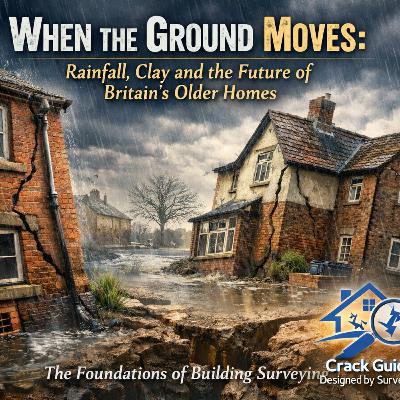
In this episode of The Foundations of Building Surveying, I examine the extraordinary rainfall patterns affecting the UK in 2026 and explore what they mean for the hundreds of thousands of late-Victorian and interwar houses that define London and much of the South East. Drawing on rainfall data from the past 126 years, I explain how changing weather patterns, warmer air, and prolonged saturation are interacting with London Clay and other shrinkable soils.This is not a message of alarm but a professional assessment of risk. We look at how shallow foundations, traditional brickwork, suspended timber floors, and ageing roof coverings respond to persistent moisture. We also consider what may happen if a hot summer follows an exceptionally wet winter, and why insurers are likely already preparing for an increase in movement-related claims.Above all, this episode is about understanding mechanisms. Ground movement, clay softening, expansion, contraction, and the consequences of poor surface water management are not abstract concepts. They are physical processes affecting real buildings across the country. Good maintenance and informed observation remain the first line of defence.
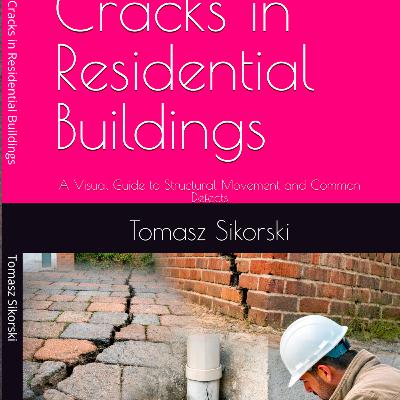
Cracks in Residential Buildings: A Visual Guide to Structural Movement and Common Defects is a practical, easy-to-use reference written for homeowners, buyers, landlords, and property professionals.Based on real residential inspections, the book explains why cracks occur, how they are assessed in practice, and how to distinguish between minor cosmetic defects and signs of structural movement. It focuses on traditional brick and timber construction, where uncertainty and misunderstanding are most common.Clear photographs, concise explanations, repair guidance, and a simple decision guide allow readers to find answers quickly without wading through technical theory.Written by Tomasz Sikorski, Principal Property Surveyor and Registered Valuer at SurveyAll, this book is an essential reference for anyone involved in buying, managing, or assessing residential property.Available on Amazon UK soon.

This short episode highlights how surveyors can lead the way towards a more transparent and reliable property market. It showcases SurveyAll’s proactive approach with its Pre-sale service, a comprehensive, digital system that prepares properties for sale before they even reach the market. Through clear, verified documentation and professional condition checks, sellers can avoid last-minute complications, while buyers gain the confidence of knowing exactly what they’re purchasing. This process reduces fall-throughs, builds trust, and creates a more efficient, honest housing market for everyone involved. SurveyAll Ready represents preparedness, transparency, and progress, the modern way to sell property.
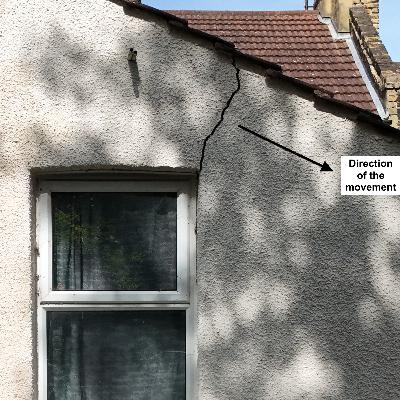
In this episode of we explore one of the most common but often misunderstood issues in London housing, the effect of shrink–swell clay soils on Victorian terraces.Through the example of a typical two-storey mid-terrace, we explain how much such a house really weighs, whether clay can “lift” a building, and where the real danger lies. We discuss seasonal shrinkage, tree roots, shallow foundations, and why one house may crack while its neighbour remains unaffected.With clear analogies and references to scientific guidance, this episode demystifies the phenomenon of clay movement and makes sense of what surveyors see on the ground, movements measured in millimetres but with consequences felt in everyday living.
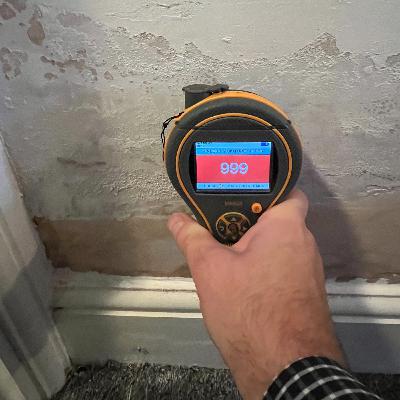
Welcome to today's podcast, where we delve deeply into a widely misunderstood but crucial topic in residential property surveying: accurately detecting and interpreting dampness in buildings. We'll explore why moisture readings alone can be misleading, what other essential factors must be considered, and how a comprehensive understanding of moisture dynamics can help us avoid costly errors and confusion.
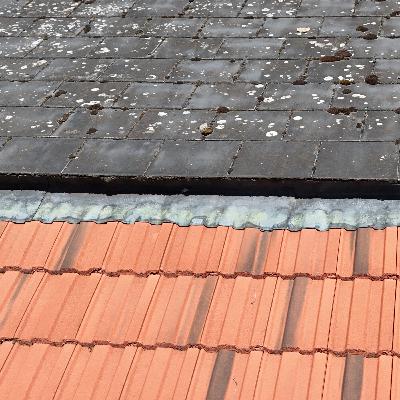
Explore how roof coverings in Britain evolved from thatch and clay to slate, felt, and modern composites. This episode examines the materials, systems, and design choices that shaped roofing practice, including conservation challenges, structural risks, and common survey observations. Ideal for trainee surveyors or anyone keen to understand why roofs fail, how they perform, and what they reveal about the buildings they protect.
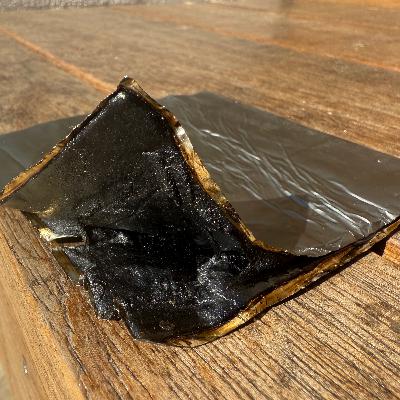
This episode explores bitumen and asphalt, two essential materials used in roofing, damp-proofing, and tanking. We trace their geological origins, historical use in ancient and modern construction, and their roles in UK housing. We explain how they’re used in flat roofs, DPCs, and basements, highlight common defects, and look at modern alternatives and sustainability issues. A must-listen for surveyors seeking to better understand these often overlooked but critical waterproofing materials.
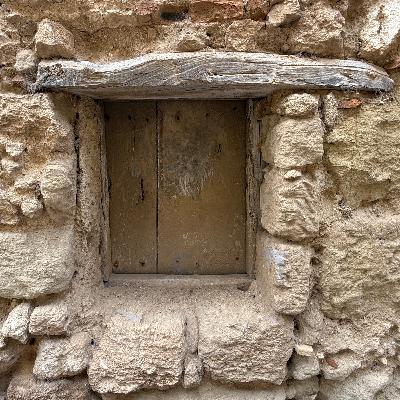
In this episode, we trace the evolution of timber as a building material, from primitive shelters shaped with stone tools to its resurgence in modern sustainable construction. We explore how timber’s natural properties, including its grain structure, strength, breathability, and ease of use, have made it a foundational element in buildings across centuries. We look at species relevant to the UK, the rise of engineered timber, and timber’s widespread use in domestic housing, from floor joists and roof structures to doors, stairs, and decorative joinery. We also examine the risks, rot, infestation, fire, and discuss how careful detailing and sustainable sourcing are key to timber’s future. Whether in a Tudor beam or a glulam frame, timber remains one of the most versatile and enduring materials in building history.
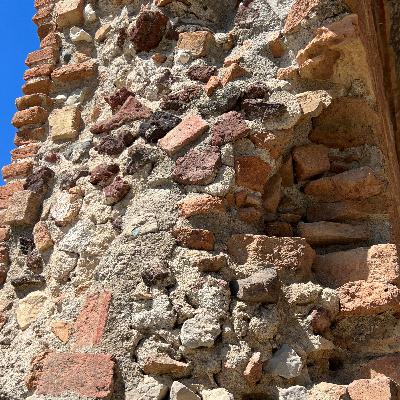
In this episode, we explore the history, science, and modern applications of concrete, from ancient Roman innovations to today’s high-rise structures. We discuss the evolution of cement types, the role of reinforcement, common concrete components, and issues like carbonation. We also touch on futuristic possibilities for concrete beyond Earth, making this a comprehensive introduction for surveyors, engineers, and enthusiasts alike.
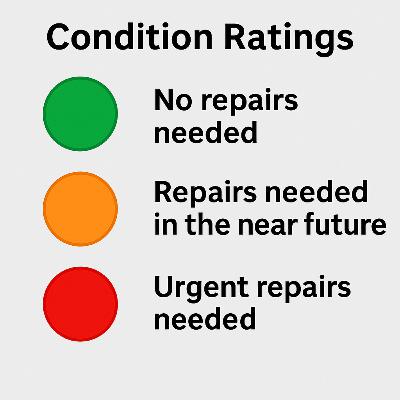
In this episode, we unpack the meaning and misuse of RICS condition ratings green, amber and red, and explore why context, judgement, and communication are as important as the colours themselves. From liability-driven reports to buyer misinterpretation, we examine how to read survey reports with clarity, caution, and common sense.
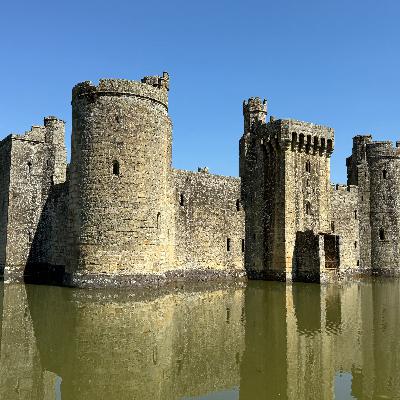
In this episode, we explore the true lifespan of buildings around the world, from ancient Japanese timber frames and Italian stone dwellings to Victorian terraces and modern brick homes in the UK. We separate design intent from real-world durability, unpack the role of maintenance, environment, and material science, and challenge common myths about how long homes really last. We also examine the expected lifespan of key materials like concrete, stone, brick, timber, and mortar under nominal conditions, and discuss what realistic expectations homeowners should have, especially when buying properties already 100 years old.

In this comprehensive episode, we explore the legal foundations of property transactions, examining when a contract becomes binding, buyers' rights to change offers, and how surveyors' liabilities are structured. Essential listening for buyers, sellers, estate agents, and surveying professionals.

This episode explores stone as a building material, from its geological origins to its enduring role in architecture. We cover UK stone types, how stone is quarried and used, why it’s both durable and beautiful, and what surveyors must observe on inspections. Featuring real-world examples from York Minster and Aberdeen, plus practical tips and sustainability insights, this is a complete guide to understanding stone in building surveying.

This episode explores the history, function, and practical impact of mortars and renders in traditional and modern construction. We examine how lime mortar, with its breathability and flexibility, became a cornerstone of historical building techniques, and why it's still vital in conservation today. We break down the key differences between non-hydraulic and hydraulic lime, cement mortars, and hybrid mixes, focusing on their performance, compatibility, and risks. We also explore traditional and modern render types-from Georgian lime renders to pebbledash and silicone systems-and their role in protecting and expressing a building's character. Real-world surveying insights show how incorrect repairs, like cement overlays on lime joints, can damage historic brickwork and what to look out for in the field. We close with a look at modern mortar additives, explaining when they work, where they fall short, and why understanding context is essential for getting it right. A must-listen for surveyors, builders, and anyone passionate about the materials that hold buildings together.
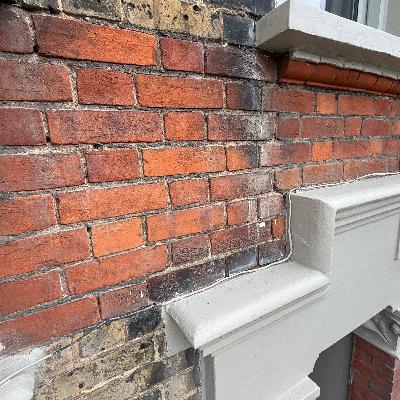
Explore the evolution of bricks in British construction — from Roman forms to Victorian patterns and modern applications. This episode guides surveyors through brick types, sizes, colours, bonds, and their structural meanings, helping you decode the history and performance of buildings one brick at a time.

This episode explores the fascinating journey of clay from raw earth to enduring brick. Discover how local brickmaking shaped Britain’s architecture, the unique role of dustmen in London’s Yellow Stocks, and how firing techniques influenced brick quality. Essential listening for surveyors wanting to read the past and understand the technical behaviours of brickwork today.
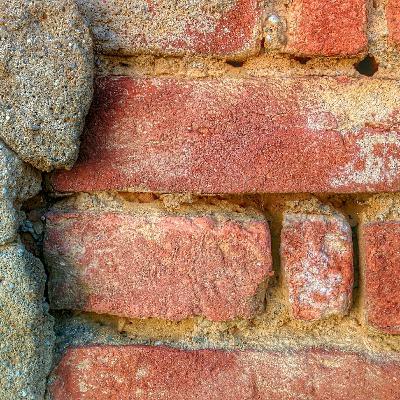
This episode introduces Building Materials in Surveying, the starting point for a dedicated podcast series called The Foundations of Building Surveying. Created for trainee surveyors and anyone curious about buildings, the full series offers practical insights into how materials shape building performance and failure. This introductory episode is free to access, and I warmly invite you to explore the full course, available soon at an affordable price.

Hidden Risks in the Home explores the unseen dangers lurking in UK properties, from asbestos and lead contamination to radon gas, mould, and outdated plumbing systems. Whether you’re a homeowner, buyer, or simply curious about hidden hazards, this podcast uncovers how these risks can impact your health and safety and what you can do to prevent them. Stay informed, protect your home, and gain the knowledge you need to create a safer living environment.

Comments

Download from Google Play

Download from App Store
 United States