DiscoverThe Gen Mess with Tess
The Gen Mess with Tess
Claim Ownership

The Gen Mess with Tess

Author: Tess Brigham

Subscribed: 3Played: 40
Share

Description

Are generational divides in the workplace and in life driving you crazy?

The Gen Mess with Tess is here to help! Hosted by Tess Brigham—certified coach, licensed therapist, TEDx speaker, author, and mom to a Gen Zer—this podcast tackles the challenges and complexities of navigating life and work across multiple generations. From the unique struggles of Gen Z to the evolving perspectives of Millennials, Gen X, and Baby Boomers, Tess brings her expertise to the table, offering practical advice, expert insights, and real conversations to bridge the generational gap. Whether you're trying to communicate better with colleagues, understand your kids, or just get a clearer perspective on the "mess" of it all, The Gen Mess with Tess is your go-to resource for understanding how different generations think, work, and live.


Hosted on Acast. See acast.com/privacy for more information.

52 Episodes
Reverse
In this episode of The Gen Mess with Tess, Tess is joined by Ashley Herd, founder and CEO of The Manager Method, employment attorney, former HR leader at McKinsey & Company and Yum Brands, co-host of the HR Besties podcast, and author of the newly released book The Manager Method: A Practical Framework to Lead, Support, and Get Results.Ashley brings a rare, inside view of management from every angle - frontline work, legal risk, HR leadership, and executive training - to unpack why managers have an outsized impact on employee mental health, engagement, and retention. Drawing on research showing that a manager can influence wellbeing as much as a spouse, Tess and Ashley explore how leadership behavior ripples far beyond performance metrics and into people’s lives at home.This conversation tackles the realities facing modern managers: promotion without training, identity loss when high performers become leaders, generational misunderstandings, and the crushing pressure placed on middle managers. Together, they offer practical, human-centered strategies for leading effectively without burning people out, including Ashley’s core framework: Pause, Consider, Act.This episode is essential listening for HR professionals, people managers, and executives responsible for building sustainable leadership pipelines and healthier workplace cultures in 2026 and beyond.Be sure to subscribe to The Gen Mess with Tess podcast for new episodes weekly. 00:01 – Welcome & Introducing Ashley Herd 02:02 – From employment attorney to leadership educator 03:29 – Why great individual contributors often struggle as managers 05:31 – Promotion myths and the cost of untrained leadership 07:59 – Identity loss when high performers become managers 10:06 – The “LinkedIn test” and chasing titles over fit 12:19 – Why work identity is so powerful (especially in the U.S.) 16:05 – Middle managers: too much responsibility, too little support 18:58 – Why one-on-ones still matter at every leadership level 21:33 – The data: managers impact mental health as much as spouses 24:20 – How leadership stress follows people home 27:58 – Generations at work: framework, not stereotypes 32:23 – Technology, boundaries, and modern burnout 38:22 – Overcorrection, distrust, and workplace isolation 41:16 – One shift every manager can make today: Pause, Consider, Act 44:33 – Ashley’s book, resources, and closing reflections Hosted on Acast. See acast.com/privacy for more information.
On this episode of The Gen Mess with Tess, Tess is joined by Jenny Calcoen, CEO and founder of Inner Earthquake LLC, former executive, and private coach to high-achieving women navigating burnout, grief, and major life transitions.Jenny shares her own “inner earthquake” - the moment when outward success no longer matched inner truth - and how a life-altering diagnosis forced her to confront the cost of living according to expectations rather than values. Together, Tess and Jenny explore what happens when achievement masks disconnection, why burnout is often an identity crisis rather than a workload problem, and how leaders can recognize the early cracks before they become breaking points.This conversation offers powerful insights for HR leaders, executives, and people managers navigating retention challenges, disengagement, and leadership fatigue. It reframes burnout not as a failure of resilience, but as a signal that both personal and organizational systems are misaligned.If you’re responsible for developing leaders, shaping culture, or supporting high performers who look “fine” on paper but feel depleted inside, this episode offers a crucial lens for understanding what’s really happening beneath the surface.Resource by Jenny Calcoen: "The Boundary Whisperer" is available as a translation tool for internal signals, or for people who know something is off but don't quite have the language yet so they can simply practice boundary literacy. Here it is - https://chatgpt.com/g/g-688fdd4aa33c8191b5503765ba20cee8-the-boundary-whisperer00:01 – Welcome to The Gen Mess with Tess00:52 – Jenny Calcoen’s story: success, identity, and the first “inner earthquake”01:32 – When illness becomes a wake-up call02:38 – Rebuilding life… while unknowingly repeating old patterns04:30 – Burnout as an identity crisis, not a performance issue06:45 – Why high achievers ignore early warning signs09:10 – The danger of living by expectations instead of values11:40 – What leaders misunderstand about burnout and resilience14:20 – How HR and managers can spot “quiet breaking points”17:10 – Supporting transitions without pathologizing employees20:00 – Redefining success in leadership and work22:40 – Final reflections: listening before the earthquake hits Hosted on Acast. See acast.com/privacy for more information.
In this solo episode of The Gen Mess with Tess, Tess Brigham explores a surprising social experiment that connected strangers across political divides and why it offers a powerful lesson for today’s leaders in the workplace.Drawing from her background as a therapist and her coaching work with organizations, Tess unpacks what HR leaders and managers are experiencing in 2026: burnout that isn’t driven by workload or flexibility, but by chronic psychological strain, emotional role overload, and an increasing inability to tolerate discomfort.Using the “Party Line” experiment as a metaphor, Tess examines how algorithm-driven culture has reshaped our nervous systems, intensified polarization, and made everyday workplace conversations feel high-stakes and unsafe. She breaks down how different generations experience discomfort at work, why psychological safety is often misunderstood, and how avoiding discomfort quietly erodes trust, collaboration, and culture.This episode reframes discomfort not as a failure of leadership, but as a critical skill organizations must relearn if they want healthy teams, resilient managers, and sustainable workplace cultures.00:01 — Welcome to The Gen Mess with Tess Introducing the episode and the theme of learning to live in the mess.00:58 — The “Party Line” Social Experiment Explained Two payphones, two cities, and a radical idea: conversation without algorithms.02:21 — Why Human Connection Changes the Nervous System Dopamine, cortisol, and why constant conflict keeps us dysregulated.03:42 — It’s Hard to Demonize a Human Voice What happens when stereotypes are replaced with real conversation.04:42 — What We’ve Lost Culturally Discomfort avoidance, algorithm-driven identity, and polarization.06:05 — When Beliefs Become Identity Why disagreement now feels like danger instead of difference.06:56 — Connection Requires Discomfort Why real connection—socially and at work—has always been uncomfortable.08:19 — Why Shaming Hardens People The psychological cost of humiliation, judgment, and moral certainty.08:49 — The Workplace Parallel Why the “Party Line” is a metaphor for modern workplace culture.09:16 — Generational Relationships to Discomfort Boomers, Gen X, Millennials, and Gen Z, and how each navigates stress and challenge.11:36 — Discomfort vs. Harm Why discomfort is often misinterpreted as trauma or boundary violation.12:34 — Nervous Systems, Not Moral Failures Reframing generational conflict at work.12:34 — The Leadership Skill We Avoid Curiosity, repair, and staying in the conversation.14:18 — Discomfort as Leadership Work Why these “soft skills” are actually advanced leadership competencies.14:48 — Final Reflection Discomfort as the doorway to healthier workplaces and human connection. Hosted on Acast. See acast.com/privacy for more information.
What if the person giving you life advice is, behind the scenes, completely falling apart?In this deeply moving solo episode of Gen Mess with Tess, Tess Brigham pulls back the curtain, sharing the raw, unfiltered story of a year that shook the very foundations of her life. From the staggering loss of her father to the painful journey of caring for her mother as dementia set in, Tess Brigham—the certified coach and licensed therapist—describes what happens when every piece of her own identity is "activated in crisis mode."Far from the highlight reels and inspirational soundbites, this episode reveals the messy, complicated realities even therapists and coaches face. Tess Brigham explores generational differences in dealing with grief, mental health, self-reliance, and asking for help—drawing wisdom (and exposing blind spots) from Boomers, Gen X, Millennials, and Gen Z. She reflects on the exhausting duality of caring for aging parents while supporting her own child through mental health struggles, and how real-life heartbreak changed her perspective as both a professional and a human being.Key highlights include:The overlooked emotional cost of being the "strong one" in the familyGenerational patterns and how each age group defines asking for help and resilienceWhy anticipatory grief and caretaking are acts of love—and also sources of silent painLessons Tess Brigham is carrying forward, and the generational beliefs she's choosing to leave behindA vulnerable reminder that "hanging tough" means allowing yourself to soften, seek support, and be humanThis solo episode is a must-listen for anyone navigating family caregiving, loss, or simply questioning how we all handle life's hardest seasons.Episode Overview 00:00 – Intro Announcer sets up the show's generational lens00:31 – Tess Brigham addresses why sharing her own story matters03:02 – Navigating simultaneous personal crises: parental loss, caregiving, and self-identity06:33 – The unique grief of losing a parent's mind versus a parent's body08:40 – Generational patterns: independence, vulnerability, and the cost of stoicism11:32 – Tess Brigham on what Millennials and Gen Z are teaching the rest of us13:05 – The realities of “functioning” through grief and anticipatory loss17:17 – Each generation’s wisdom, and what Tess Brigham plans to carry—and leave behind20:35 – A gentle call to "hang tough" in a way that honors both strength and softnessReady to feel seen and understood in the messiest moments of life? Hit play and join the conversation. Hosted on Acast. See acast.com/privacy for more information.
What if finding your dream job actually takes a year—or even longer? In this eye-opening episode of "Gen Mess with Tess," host Tess Brigham sits down with career strategist Liz Helton to pull back the curtain on the realities of job searching and career transformation in today's ever-evolving workforce. If you've ever wondered why sending off hundreds of applications can feel like shouting into a void, this episode will reveal why—and most importantly, what you can do about it.Together, Tess Brigham and Liz Helton dig into:The shocking length of the modern job search—and why it’s no longer a "three-month process"How technology and AI have totally transformed the hiring landscape (for better and worse)Actionable strategies for networking that actually work, whether you’re an introvert, a new grad, or making a mid-career pivotThe key differences in how Gen Z, Millennials, and Gen X approach work, fulfillment, and branding themselvesWhy keeping your own “brag book” is essential for beating imposter syndrome and keeping your confidence alive amid career changesHow AI isn’t taking jobs, but people who know AI are—and how you can upskill right nowYou’ll learn practical tips for standing out in a crowded applicant pool, making LinkedIn work for you, and reframing both rejection and uncertainty as essential steps toward meaningful work. Plus, Liz Helton shares her own journey from PR exec to career consultant, and why sometimes your superpower is that thing that feels as natural as breathing.If you feel stuck, overwhelmed, or unsure about your next step—no matter your age—this heartfelt, actionable episode is for you.Episode Overview with Timestamps:[00:00:01] Introduction: Bridging generational gaps at work[00:01:16] Meet Liz Helton: From PR to guiding career transformations[00:06:44] The evolving job search: Why it takes so much longer now[00:08:47] Why everyone feels like they’re “shouting into a void”[00:13:13] How to beat interview anxiety and imposter syndrome[00:17:44] Building resilience: The emotional side of job hunting[00:19:38] Essential networking tips for introverts and extroverts alike[00:27:40] AI in the job hunt: What you need to know now[00:36:42] How Gen Z, Millennials, and Gen X view work differently[00:43:01] Liz Helton’s #1 piece of advice for anyone feeling stuck[00:46:49] Where to find Liz Helton and free career resourcesTune in to discover why you’re not alone in your career mess—and how you can thrive in it. Hosted on Acast. See acast.com/privacy for more information.
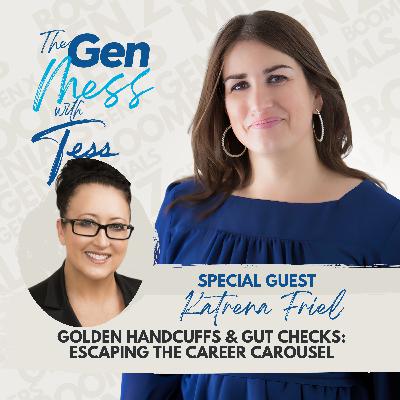
What if the brutal truth is that your corporate job is more likely to slowly kill you with stress than set you up for a dream retirement?In this episode of Gen Mess with Tess, host Tess Brigham sits down with powerhouse business mentor, international speaker, and award-winning author Katrena Friel for a candid and eye-opening conversation about breaking free from the golden handcuffs—and finding your true value.Katrena Friel pulls back the curtain on her own journey, from teenage jobs and personal heartbreak to a devastating $30,000 scam—a turning point that sparked her to build her own thriving training and mentoring practice. Together, she and Tess Brigham dissect why so many Gen Xers are “quietly quitting” or burning out, how younger generations are refusing to repeat the cycle of debt and overwork, and why we need to rethink the way we approach careers, money, and even family living.Key highlights include:The shocking downside of “more with less” workplace culture—and Australia’s new laws holding employers accountable for worker burnout and stressKatrena Friel’s $30,000 lesson in self-belief (and how that “scam” became the best investment of her life)The three inner compasses—mind, heart, and gut—and how to use them to turn self-doubt into an allyWhy so many “expert” coaches out there deliver nothing but an expensive lesson (and how to spot the real deal)Generational shifts: Why Gen Z is saying "no" to the boomer/American dream—and the case for embracing multi-generational homes and decluttering your life to gain headspaceBuilding your own brand: What it means to be the product, and how Katrena Friel helps you discover the million-dollar model inside your life experienceThe truth about online programs: Why up to 95% are never completed—and why transformation requires actual mentorship, not just another “passive income” promiseLoaded with tangible advice, real talk, and a bit of industry myth-busting, this episode will make you rethink everything you thought you knew about career success, purpose, and what it takes to build a legacy—on your terms.Episode Overview by Timestamp:[00:00:01] – Welcome and intro to Katrena Friel’s journey[00:02:11] – Early jobs and learning to be a self-starter[00:05:02] – Miscarriage, grief, and the life-changing $30,000 scam[00:08:17] – The unregulated coaching industry and lessons from mistakes[00:11:14] – The three inner compasses: Mind, gut, and heart[00:16:39] – Why it’s so hard to leave corporate: Golden handcuffs and generational differences[00:24:20] – Declutter your life: Practical steps for big change[00:27:28] – Rethinking the family home and intergenerational wealth[00:31:09] – The career marathon mindset and building your own expertise[00:34:09] – “Done for you” programs vs. the myth of the passive online business[00:42:59] – How to connect with Katrena Friel and next steps for listenersTune in for an episode packed with hard truths, practical strategies, and inspiration to reinvent work and life—no matter your generation! Hosted on Acast. See acast.com/privacy for more information.
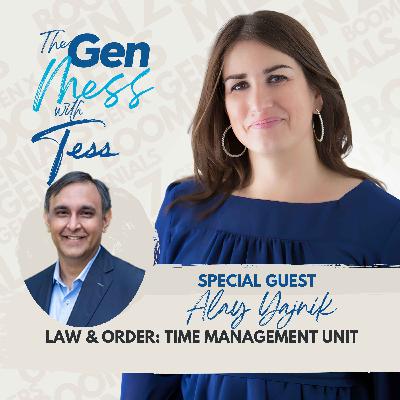
What if the secret to building a thriving law firm wasn’t about grinding out endless billable hours—but about rethinking the entire way attorneys work and lead? In this eye-opening episode of Gen Mess With Tess, host Tess Brigham welcomes law firm growth expert Alay Yajnik for a candid conversation that shakes up everything you thought you knew about legal hustle and business success.Discover how Alay Yajnik pivoted from running multimillion-dollar Silicon Valley companies to coaching attorneys—and why most lawyers stumble when it comes to building a lasting, profitable business. You’ll learn why working harder doesn’t always mean earning more, and how breaking out of traditional law firm mindsets—from hourly billing to team management and rate setting—is the real game-changer.Key episode highlights:Why technical skills don’t equal business success (and how “The E Myth Revisited” nails the problem for lawyers, therapists, and service pros)The biggest pain points holding law firm owners back—hint: it’s not just the “hours in a day”How shifting your mindset can help you work smarter, not harder—and finally create the time and income you wantNavigating generational tensions in the workplace: What attorneys get wrong about Gen Z, and why the newest workforce expects more work-life balance and financial stability than everReal talk about raising rates, burnout, hiring, and having those difficult employee conversations (plus how to screen for clients who are truly ready for change)Whether you lead a law firm, run a small business, or just want to understand how generational perspectives are upending the way we work, this episode is loaded with actionable insights and relatable stories.Episode Overview:[00:00:31] Tess Brigham: Welcomes Alay Yajnik; his background in law firm growth[00:01:23] Alay Yajnik: Story of switching from Silicon Valley to coaching attorneys[00:03:08] Discussion: Why attorneys make great clients and what they uniquely struggle with[00:05:15] Skills gap between technical expertise and business acumen; "The E Myth Revisited"[00:07:16] The real issue: Time, burnout, and working smarter[00:09:32] Traditional law firms vs. startup mindset; resistance to change[00:12:11] Symptom vs. cure: Time management as a lever for transforming business results[00:13:19] Raising rates, money fears, and business growth challenges[00:17:27] Navigating client readiness and coaching intake[00:18:07] Generational tensions: Gen Z’s approach to work, bonuses, and raises[00:22:05] How the cost of living, technology, and burnout are shaping new workplace expectations[00:27:04] A deeper look at employee expectations, creativity, and the evolving legal workplace[00:36:33] Final reflections: Lessons from coaching lawyers, generational stereotypes, and business owner frustrations[00:41:06] How to connect withAlay Yajnik and his resources for law firm owners[00:43:17]Intro Announcer: Show outro and next episode previewTune in for an episode that’s more than just law—it’s about building the future of work, one honest conversation at a time. Hosted on Acast. See acast.com/privacy for more information.
In this solo episode of The Gen Mess with Tess, host Tess Brigham addresses a question she hears from HR leaders, managers, and employees alike: Why does work feel so heavy right now, even when things look better on paper?Drawing from her background as a therapist and her work with organizations, Tess explains the challenges HR leaders are facing in 2026: burnout is no longer just about workload or flexibility, but about chronic psychological strain shaped by generational experiences, unclear expectations, and emotional role overload.She breaks down how burnout shows up differently for Millennials, Gen Z, and Gen X, how remote and hybrid work have changed trust, communication, and boundaries, and why managers and HR leaders are often carrying emotional responsibilities they were never trained for.This episode reframes burnout as a human, nervous-system issue - not a performance failure - and offers business leaders a clearer way to think about empathy, accountability, psychological safety, and sustainable workplace culture. Hosted on Acast. See acast.com/privacy for more information.
In this solo episode of The Gen Mess with Tess, Tess Brigham unpacks one of the most emotionally charged conversations happening right now: adult children going no contact with a parent.Drawing from her work as a therapist and her own lived experience, Tess challenges the oversimplified narratives dominating social media and reframes "no contact" not as a trend, punishment, or failure, but as a response to long-standing emotional disconnection and a lack of acknowledgement.This episode explores the generational divide shaping these conversations, why intent does not erase impact, and why emotional safety, accountability, and repair matter more than endurance or tradition. Tess also shares a deeply personal story about her relationship with her father, illustrating how acknowledgement - not perfection - creates the possibility for healing.For leaders, HR professionals, and parents alike, this episode offers a powerful reminder: relationships break down not because people are “too emotional,” but because discomfort is avoided instead of addressed. Hosted on Acast. See acast.com/privacy for more information.
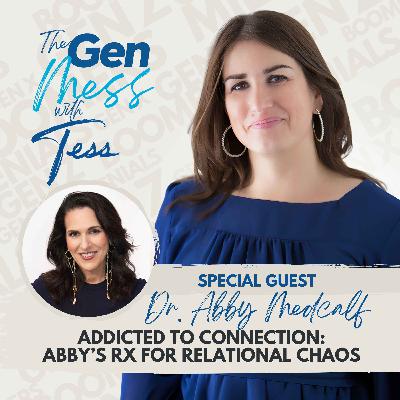
Ever wondered how your relationships, both personal and professional, shape your happiness and success? In this episode of Gen Mess with Tess, Dr. Abby Medcalf joins host Tess Brigham to unpack generational dynamics and their impact on relationships. With over 35 years of experience in both business and counseling, Dr. Medcalf offers a unique blend of insights that span relational connections across different generations.Key highlights include her journey from a recovering heroin addict to a successful psychologist and author, the pursuit of world peace through fostering better relationships, and the chronic issue of conflict avoidance in modern generations. Tess and Dr. Medcalf dive into the importance of genuine connection, the societal shifts influenced by technology, and how generational differences impact our interactions and happiness.Dr. Abby Medcalf’s wealth of knowledge provides actionable insights for all generations striving for richer, more fulfilling connections. Tune in to learn how you can start bridging the generational gap in your own life. Hosted on Acast. See acast.com/privacy for more information.
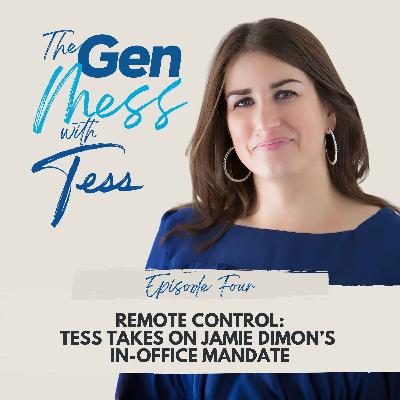
Ever wondered if remote work can truly hinder productivity, or if it's simply an evolving work culture challenging traditional norms? In this insightful solo episode of "The Gen Mess with Tess," host Tess Brigham unpacks the controversy surrounding Jamie Dimon's leaked comments on JPMorgan's return-to-office mandate. Tess delves into the debate ignited by his blunt criticisms of remote work, particularly its impact on productivity, accountability, and Gen Z employees.Key highlights of the episode include:The examination of Jamie Dimon's rationale for a mandatory five-day in-office workweek and the backlash it has spurred amongst JPMorgan employees.Discussion of research findings on productivity, highlighting studies that suggest remote work can boost efficiency contrary to the traditional in-office approach.Analysis of technology’s double-edged influence on productivity, from facilitating remote work to causing digital overload and 'techno stress.'A critical look at the need for evolving management practices to accommodate a hybrid workforce and support diverse work styles effectively.Exploration of Gen Z's unique perspectives in the workplace and how leadership can harness their potential rather than generalize them within negative stereotypes.Join us in future conversations where we continue to dissect generational dynamics and strive toward a more balanced, productive, and flexible work culture. Stay curious, and remember—don't let the Gen Mess mess with you! Hosted on Acast. See acast.com/privacy for more information.
Are you curious about how emotional intelligence (EQ) can transform your workplace relationships and leadership style?Tess Brigham welcomes expert Susan Schwartz, who dives deep into the world of emotional intelligence and its profound impact on leadership, teamwork, and generational dynamics in the workplace.Discover Susan’s journey from a technically-focused professional to a leader who champions the power of emotional intelligence. Learn about the essential role of EQ in navigating workplace challenges and creating collaborative environments. Susan shares her insights on how recognizing and balancing emotional intelligence traits can lead to successful leadership and improved team dynamics.Key highlights from this episode include:The actionable elements of emotional intelligence and how it functions as an action verb.Bridging generational gaps in the workplace through adaptability and mutual understanding.The balance of emotional intelligence traits for effective leadership.Navigating biases and building positive workplace cultures centered around collaboration.Join Tess and Susan in unraveling how you can harness the power of emotional intelligence to not only enhance your personal growth but to positively influence those around you. Remember, change starts with conversation. Tune in and take the steps to clean up the Gen Mess, one relationship at a time.TIMESTAMPED OVERVIEW00:00 "Exploring EQ with Tess"04:05 "People Trump Tech in Leadership"07:12 Understanding Self-Awareness in EQ11:44 Generational Work Expectations Clash16:29 "Office Culture: 'Suck It Up'"19:04 Youth Emotional Intelligence in Careers20:27 Transition to Emotional Intelligence26:03 "Conquer Your Quarter-Life Crisis"27:49 "Shifting Value: Soft vs. Hard Skills"31:31 Generational Shift in Feedback Culture34:24 Career Satisfaction and Workplace Shift39:09 Guidelines for Effective Communication40:17 Coaching Needed for Young Managers44:56 "Emotional Intelligence Through Observation"48:05 "Pay Attention: Value in Collaboration"51:13 Adaptable Decision Makers Succeed54:18 "Emotional Intelligence: From Type A to B" Hosted on Acast. See acast.com/privacy for more information.
Ever wonder why different generations approach work and life so differently? In this solo episode of "The Gen Mess with Tess," host Tess Brigham dives deep into the world of generational dynamics with a focus on how these influence our professional environments.Tess provides a comprehensive overview of the generations currently in the workforce—Baby Boomers, Gen X, Millennials, and Gen Z—highlighting their unique characteristics, shared experiences, and distinct challenges. She discusses why it's crucial to understand your own generational context and those of others to foster better communication and collaboration at work.Key highlights include:A breakdown of each generation, their defining experiences, and how these shape their work expectations and worldviews.The importance of empathy and understanding in bridging generational gaps.Tess's insights into the similarities we all share, despite our generational differences, and how these can be leveraged for better workplace dynamics.Join Tess as she explores the fascinating intersection of generational traits and workplace challenges, and learn how to use these insights to build more connected, empathetic relationships with your colleagues. Don't miss this enlightening exploration into the "Gen Mess" that shapes our lives today. Hosted on Acast. See acast.com/privacy for more information.
Are you burned out, or know someone who is struggling with managing the balance between ambition and well-being? In this enlightening debut episode of "Gen Mess with Tess," host Tess Brigham dives deep into the intricate world of burnout with Cait Donovan, a leading expert on the subject. Cait shares her personal journey through burnout and how she helps others in recovery, focusing on the intersection of Western sciences and Eastern philosophies.Throughout the episode, Tess and Cait explore the generational intricacies of burnout, examining how messages from childhood and societal expectations differ across Gen X, Millennials, and Gen Z. Discover how these differences influence burnout rates today and why Millennials, in particular, find themselves at a precarious crossroads.Key highlights include:Cait's insights on why burnout prevention often isn't feasible and the importance of focusing on recovery.The effects of adverse childhood experiences (ACEs) on burnout susceptibility.Tess and Cait's discussion of generational dynamics and why Millennials face unique burnout challenges compared to other age groups.Practical insights into handling resentment and self-neglect as it relates to burnout, offering real solutions for individuals across generations.Join us on this captivating journey as we unravel the complexities of burnout and learn how each generation can take steps towards healthier, balanced lives. Don't let the generational mess of burnout disrupt you—stay curious and proactive! Hosted on Acast. See acast.com/privacy for more information.
Ever wonder why workplaces feel like a battlefield between generations? In this inaugural episode of Gen Mess with Tess, host Tess Brigham dives into the chaotic state of today’s workforce, where Gen Z feels lost, older generations feel misunderstood, and no one seems to speak the same language. Tess, a seasoned psychotherapist, certified coach, and author, sets the stage for a series dedicated to tackling these generational hurdles head-on.Key Highlights:Understand the root causes of the generational disconnect in the workplace.Gain insights into why traditional rules are struggling to adapt to the evolving landscape.Discover practical strategies for leaders and managers to engage and retain younger employees.Learn how Gen Z can level up and make impactful changes in their professional lives.Subscribe to the podcast for upcoming episodes featuring industry experts who will offer more comprehensive solutions and insights.Join Tess on this journey as she promises that this generational chaos is not only fixable but can be transformed into a harmonious workplace culture, one conversation at a time. Welcome to the Gen Mess with Tess! Hosted on Acast. See acast.com/privacy for more information.
In Episode 51 of The Gen Mess with Tess, Tess is joined by Corrine Ishio, founder of My Working Soul, to explore a challenge many fast-growing companies face but rarely talk about: scaling the business faster than the culture can keep up.When organizations grow quickly, hiring often becomes reactive. Leaders focus on roles and results, while the human side of the company quietly gets lost. The result? Misalignment, disengagement, and teams that no longer feel connected to the mission that once energized them.Corrine shares her perspective from years working in talent, recruiting, and HR; helping founders and leadership teams rethink how they hire, communicate, and define culture during periods of rapid growth.In this conversation, Tess and Corrine explore:Why companies struggle to maintain culture as they scaleThe complicated role HR plays between employees and leadershipHow generational misunderstandings shape today’s workplaceWhy Gen Z communication patterns are confusing many managersThe influence of social media on workplace behavior and identityWhy purpose is becoming central to work in the AI eraThey also discuss how leaders can create healthier workplaces by focusing less on rigid definitions of culture and more on communication, self-awareness, and intentional hiring. Because when companies grow quickly, it’s easy to forget the most important part of any organization: the humans building it.Chapters (Timestamps)00:00 – Introduction to Corrine Ishio & My Working Soul 01:05 – Corrine’s Path Into HR & Human-Centered Work 04:00 – What HR Actually Does (vs. what people think it does) 07:00 – Why HR Often Feels Stuck Between Employees & Companies 11:00 – The “Human” Lens Inside Business Operations 13:00 – The Meaning Behind “My Working Soul” 17:00 – Why Culture Breaks When Companies Grow Quickly 20:30 – What a Healthy Workplace Actually Looks Like 23:00 – Communication Differences Across Generations 29:30 – Why Younger Workers Are Often Misunderstood 34:30 – Purpose, Work, and the AI Era 38:30 – Are Younger Employees Harder to Manage? 43:00 – Millennials, Social Media, and Cultural Fragmentation 49:00 – Safety, Identity, and the Digital Workplace Hosted on Acast. See acast.com/privacy for more information.
In Episode 50 of The Gen Mess with Tess, Tess explores a dynamic that quietly derails high performers at every level: the moment work starts to feel like a test.When every meeting feels evaluative and every decision feels like it determines your worth, anxiety rises, and performance often drops. Tess unpacks why this happens and why the solution isn’t caring less, but redefining what actually belongs to you.Drawing from her clinical work with emerging leaders, she breaks down:Why over-focusing on outcomes increases anxiety and self-consciousnessThe psychological difference between effort and approvalHow new managers get stuck trying to predict reactionsWhy Gen Z struggles uniquely in a metrics-driven cultureThe mindset shift that restores confidence, clarity, and flowFrom a first-time manager learning to lead without control, to unexpected lessons from Olympic figure skating and competitive design, Tess illustrates one central truth:Your job is the effort. The outcome was never yours to manage.For HR leaders and executives, this episode is also a leadership lens. When organizations unintentionally create constant evaluation environments, employees tighten up — and innovation suffers. If you’re navigating pressure, perfectionism, or performance anxiety — this episode will help you rethink control and reconnect with your best work.Chapters with Timestamps00:00 – Welcome: When Work Starts to Feel Like a Test 02:00 – Why Anxiety Increases When Outcomes Feel Personal 04:30 – What “Letting Go of the Outcome” Actually Means 06:00 – Effort vs. Approval: The Critical Distinction 07:30 – Case Study: Brittany’s Transition to Management 11:00 – The Office Hours Experiment 13:30 – Changing Your Relationship to Response 15:30 – Performance Pressure & Young Professionals 18:00 – The Gen Z Metrics Trap 21:00 – Why Measured Lives Create Outcome Attachment 23:30 – Flow State & Releasing Control 26:00 – Care Deeply About What’s Yours 28:30 – Final Reflection: Own the Effort, Release the Rest Hosted on Acast. See acast.com/privacy for more information.
Tess sits down with Trent Cotton - self-described “non-HR HR executive,” author of Sprint Recruiting and High Performance Recruiting, and Head of Talent Insights at iCIMS. Discussing the nuanced conversation about what the data tells us about AI, generational skepticism from Gen Z to Boomers, and what leaders are getting wrong about the future of work, including:Why leaders often hide behind data instead of using it to deepen human conversationsWhat current workforce data actually says about AI adoption across generationsWhy Gen Z may be more skeptical of AI than expectedThe risk of eliminating entry-level roles too quicklyThe emerging power skills of “agency” and “orchestration”How AI can both enhance human potential and erode connection if misusedThis is not a hype conversation about AI. It’s a grounded discussion about leadership responsibility, workforce redesign, emotional regulation, and the long-term talent implications organizations must prepare for now.If you’re an HR leader, executive, or people strategist navigating uncertainty around automation, layoffs, bias, and generational tension — this episode offers clarity without panic.Because the future of work isn’t just technological. It’s psychological.Chapters with Timestamps00:00 – Welcome + Meet Trent Cotton The “non-HR HR executive” and why business fluency matters in people strategy.04:20 – Data vs. Humanity: Where Leaders Get It Wrong Why hiding behind numbers erodes trust — and how to use data to deepen conversations.11:20 – AI Anxiety: Survival Instinct or Rational Fear? Why resistance to AI may be more about control than job loss.14:50 – The Early Career Crisis No One Is Talking About The danger of automating entry-level roles too quickly.21:00 – Is AI Replacing Human Connection? Attachment to tech, loss of discomfort, and emotional consequences.29:00 – How to Actually Use AI Without Losing Your Voice Practical examples of human-AI collaboration.38:45 – What the Data Says About Generations & AI Why Gen Z may be more skeptical than you think.43:05 – The New Power Skills: Agency & Orchestration What leaders should be developing now.48:05 – AI, Disability & Expanding Human Capability Where technology can increase access and inclusion. Hosted on Acast. See acast.com/privacy for more information.
In Episode 49 of The Gen Mess with Tess, Tess tackles a reality many professionals experience but rarely have language for: what to do when your manager does not create psychological safety and you cannot simply walk away.Drawing on the research of Harvard Business School professor Amy Edmondson, who coined the term psychological safety, Tess breaks down the difference between discomfort and harm, high standards and humiliation, resilience and self-abandonment.This episode explores:Why unpredictable leadership activates the nervous systemHow generational conditioning shapes our response to toxic managementThe hidden cost of “enduring” unsafe environmentsFive strategic tools to protect your identity and regulate anxietyHow to decide whether to adapt, escalate, or exit intentionallyFor HR leaders and executives, this episode is also a mirror. Psychological safety is not about lowering performance expectations, it is about creating conditions where people can meet high standards without fear. Whether you are managing up, supporting emerging professionals, or building healthier leadership pipelines, Tess offers practical insight into how psychological safety shapes retention, burnout, and long-term performance.Chapters with Timestamps00:00 – Opening: Living in the Mess 01:00 – The Reality of Unsafe Managers 02:24 – “Paying Your Dues” and Toxic Normalization 04:45 – Defining Psychological Safety 07:07 – What Psychological Safety Is (and Isn’t) 09:28 – Your Nervous System at Work 11:52 – Generational Patterns: Gen Z, Millennials, Gen X 14:18 – Strategy #1: Containment (Observe, Don’t Absorb) 16:05 – Strategy #2: Clarity in Writing 17:45 – Strategy #3: Borrow Safety Elsewhere 19:03 – Strategy #4: Emotional Boundaries 20:30 – Strategy #5: Identity Protection & Your “Reality File” 21:23 – Discomfort vs. Harm 23:00 – Adapt, Escalate, or Exit? 24:45 – Psychological Safety Is Not Entitlement Hosted on Acast. See acast.com/privacy for more information.
What if the only way you could escape your toxic work environment was being hit by a bus—not to die, but just to get a break? Shocking as it sounds, that’s the level of desperation bestselling author and executive coach Diana Lowe once felt, and she’s not alone. In this riveting episode of "Gen Mess with Tess," Tess Brigham pulls back the curtain on the hidden emotional toll of modern workplaces and the true meaning behind being “hard to handle.”Join Tess Brigham as she sits down with Diana Lowe—author of "Hard to Handle"—for a raw, honest conversation about surviving abusive bosses, how ‘difficult’ is just a matter of perspective, and why clinical depression became a turning point for radical career reinvention. Together, they untangle how we can learn to live in the mess of work (and life) and find purpose where others might only see crisis.Key highlights include:Diana Lowe’s journey from enduring toxic workplaces in finance, to becoming a champion of emotional intelligence and intentional leadership—even when her own breaking point was a diagnosis of clinical depression.Surprising ways we internalize abusive work environments and why so many suffer in silence, secretly hoping for an unexpected event to rescue them.The real story behind "Hard to Handle": Why every villain has another side, the value of seeing the strengths in ‘difficult’ coworkers, and why we’re all someone’s ‘Chuck’ at work.Generational shifts in the workplace, from tattoos and dress codes (bras at board meetings?) to new norms around mental health—and how leaders can adapt.The truth about DEI (Diversity, Equity & Inclusion) in organizations: why emotional intelligence—self and other-awareness—is the missing foundation, and how unconscious biases persist, even with the best intentions.If you’ve ever felt misunderstood at work, frustrated with your boss, or questioned your place in the corporate ladder—this episode will not only validate your experience but give you practical wisdom on how to lead (and live) with more awareness and empathy.Episode Overview00:00:00 – Tess Brigham introduces Diana Lowe and her unconventional career path00:01:04 – Diana Lowe on surviving bad bosses and finding mission in adversity00:03:05 – Recognizing abuse and the moment depression forced a life change00:06:31 – The origins and real meaning behind “Hard to Handle”00:08:25 – Why ‘difficult’ is always in the eye of the beholder00:12:01 – The case study format of the book and lessons from corporate life00:22:18 – Growth, vulnerability, and choosing whether to stay or go in tough situations00:25:14 – Generational differences: mental health, tattoos, and the bra at work debate00:34:45 – Feedback, personal growth, and the art of building people up00:37:39 – DEI, emotional intelligence, and the nuances of real inclusion00:51:07 – How to connect with Diana Lowe and explore her upcoming projects00:53:04 – Closing thoughts: learning to live in the messDon’t miss this episode’s honest, no-fluff take on surviving—and thriving—in the workplace chaos. Hosted on Acast. See acast.com/privacy for more information.
loading
Comments