


 Claim Ownership
Ocean Collaborations
Subscribed: 0Played: 0
Subscribe

© Jan Maisenbacher
Description
Unique ocean knowledge from ocean regeneration projects and personalities that make waves, shape the future and lead the change for blue regeneratives economies. Get inspired how the magic of collaboration is able to scale impact for our oceans!
janmaisenbacher.substack.com
janmaisenbacher.substack.com
26 Episodes
Reverse
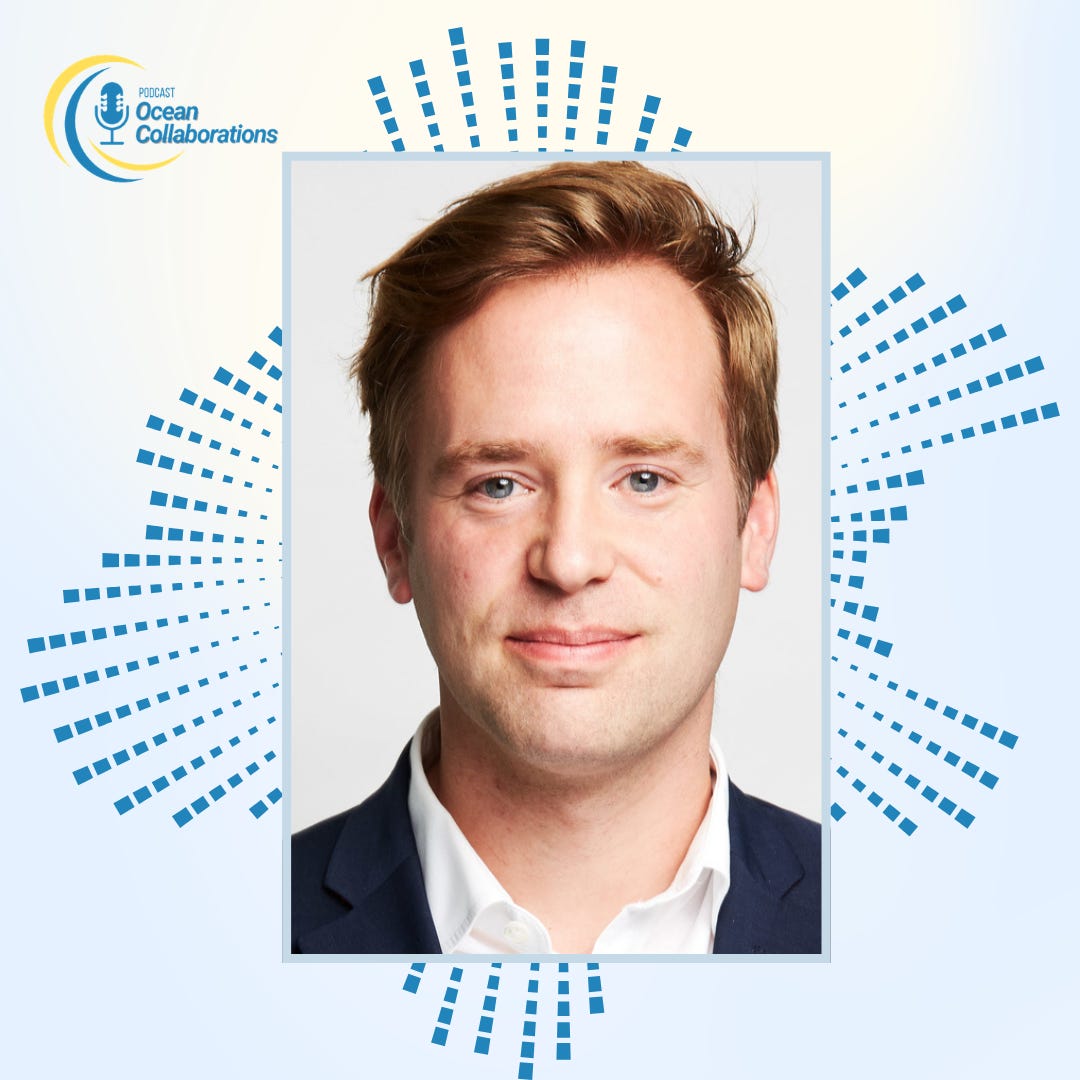
How can we protect our ocean while also helping our coastal communities? In our latest episode of Ocean Collaborations, Jan Maisenbacher talks with Wietse van der Werf. He is the founder of the Sea Ranger Service, a bold social enterprise that is changing how we think about marine conservation. 🚢10 (!) years of ocean impact: Sea Ranger ServiceWietse believes that to save our seas, we must move beyond traditional charity. His “impact business model” treats ocean health as a service that creates real jobs. By using a business structure, he can scale faster and stay independent. This approach shows that doing good for the planet can also be a sustainable way to run a company. Key topics of this episode* SeaRanger Service’s impact on ocean restoration and youth employment* Innovative funding models for marine conservation* Cross-sector partnerships with navy, industry, and government* Seagrass restoration as a climate and biodiversity solution* The role of social entrepreneurship in ocean healthWhy social entrepreneurship works for the ocean* It creates a steady flow of money that does not depend only on grants or donations.* It allows for faster growth by using proven business tools like franchising and global scaling.* It focuses on clear results that balance nature restoration with economic success for people.Thanks for reading and listening! This post is public so feel free to share it.How social (ocean) entrepreneurs are restoring the ocean and creating jobsThe “how” is just as inspiring as the “why.” The Sea Ranger Service builds its own sailing work ships to keep a low carbon footprint. They run boot camps where navy veterans train unemployed youth to become the next generation of ocean guardians. This creates a powerful cycle of social and environmental impact. 🤝How this model helps coastal communities:* It offers purpose-driven careers to young people who may feel left behind by the economy.* It uses the skills of veterans to provide high-quality training and mentorship in maritime roles.* It helps nations manage Marine Protected Areas that would otherwise be left unmonitored.Wietse’s story is one of courage and innovation. He shows us that we don’t have to choose between a healthy ocean and a strong economy. We can have both if we are brave enough to build new systems. 🌟Join the ocean collaborations change maker community and keep on learning how you can apply the tools and processes discovered in the podcast to your own work. In 2026 we are building a diverse ecosystem of professionals who are ready to transform the blue economy. Let’s move from awareness to action - together. 🌍If you are interested to learn more, simply subsribe to the Substack chat: Linklist* Sea Ranger Service website: https://searangers.org/* Sea Ranger Bootcamp (how they train youth): https://searangers.org/bootcamp/* Sea Ranger Webshop: https://searangers.org/shop/* Sumthing, platform for public contributions: https://www.sumthing.org/projects/SR-001/restoring-seagrass-in-the-eastern-scheldt#evaluation* Sea Ranger franchising model: https://searangers.org/academy/* Seagrass restoration: https://searangers.org/nature-restoration/* For more personal approach, you can find Sea Ranger stories here: https://searangers.org/blog/LinkedIn:* Connect with Wietse Van Der Werf: https://www.linkedin.com/in/wietsevdwerf/* Follow the company page: https://www.linkedin.com/company/searangersorgInstagram: https://www.instagram.com/searangersorg/ Ashoka Social Entrepreneurship Network: https://www.ashoka.org/enThe other two mentioned ocean social entrepreneurs:Bren Smith (US west coast): building a blue-green economy centered on a 3D ocean farm that will restore oceans and re-invent the fishing profession.Hanli Prinsloo (South Africa): founded the I am Water Foundation to create safe, immersive experiences that reconnect young people to the world beneath the waves.Subscribe on substack with your mailadress to receive the next inspiring episode free to your inbox This is a public episode. If you would like to discuss this with other subscribers or get access to bonus episodes, visit janmaisenbacher.substack.com
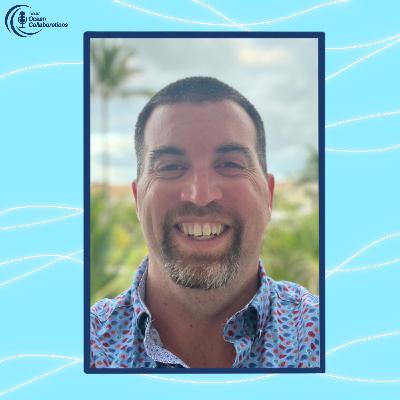
In this special “premiere collaboration” episode of Ocean Collaborations, Jan Maisenbacher speaks with veteran ocean podcaster and marine conservationist Andrew Lewin (host of How to Protect the Ocean). Join us as we reflect on the 13th World Ocean Summit from the Economist with Andrew sharing insights from his experiences having been at the summit. We are exploring ocean conservation, international collaboration, and the power of podcasting to inspire change. And: We developed a courageous conference idea!The conversation is both a reflection on why long-form audio can move people to act - and a sense-making debrief of the 13th World Ocean Summit which was held in Montréal.The episode ultimately lands on a pragmatic, hopeful premise: collaboration isn’t only a value - it’s a practice built through convening, shared language, and the willingness to meet across disciplines (science, policy, finance, rights holders, and industry). The invitation is clear: let’s move from announcements to execution - and build the spaces where implementation becomes the main event.And: Stay tuned for more sense-making ocean collaboration dialogues of Andrew and Jan! This is just an podcast collaboration beginning… let us know how you liked it!Subscribe to Andrews Podcasts here:Podcast “How To Protect The Ocean”: https://www.speakupforblue.com/show/speak-up-for-the-ocean-blue/Podcast “Beyond Jaws”: https://www.speakupforblue.com/show/beyond-jaws/Connect with Andrew Lewin on LinkedIn: https://www.linkedin.com/in/lewinandrewThanks for reading and listening! Feel free to share it… This is a public episode. If you would like to discuss this with other subscribers or get access to bonus episodes, visit janmaisenbacher.substack.com
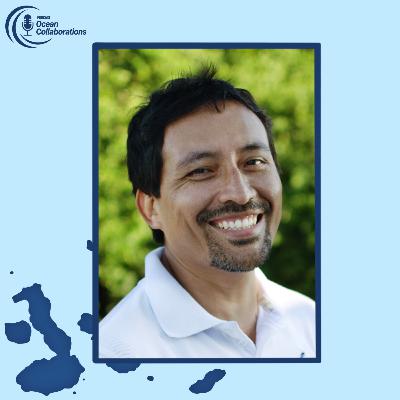
Our first episode from South America is out! AND: it is a milestone jewel in ocean collaboration…This episode became possible thanks to the media partnership of Podcast Ocean Collaborations at the One Ocean Science Congress in Nice in June 2025 organised from Ifremer & CNRS.From the heart of the Pacific Ocean, a brilliant beacon of hope is shining for all of us: Listen to the magical work of Jorge Ramírez, Co-Principal Investigator in Sustainable Fisheries at the Charles Darwin Foundation in the Galapagos Islands. Jorge and his interdisciplinary team are proving that the key to saving our oceans isn’t just about understanding the fish - it’s about understanding the people.For decades, ocean science has often operated top-down. Scientists gather data, governments make rules, and local communities are expected to comply. But Jorge realized early on that this model is fundamentally flawed. “The sea will still be the sea, the species will still be species,” Jorge reminds us. “But who has the power to destroy, and also to restore, is the humans.” 🌍The results are nothing short of miraculous. Take the sea cucumber - a highly valuable resource that has been overexploited globally. In the Galapagos, it was on the brink of collapse. But through courageous, transparent dialogue, all stakeholders agreed to close the fishery for five years. When it was time to reassess, Jorge’s team didn’t just hand down a scientific verdict. They translated complex mathematical models into accessible, visual language. In a breakthrough moment, a local fisher stood up, took the floor, and explained the scientific model to his peers. The new management plan was unanimously approved. Today, the Galapagos is the only place in the world where the sea cucumber population has successfully recovered! They’ve also seen the recovery of two species of spiny lobster using these exact same inclusive approaches.Is this is the transformational change and paradigm shift needed to leapfrog ocean regeneration? It proves that when we balance power and validate the knowledge of local communities alongside rigorous science, we can overcome resistance and achieve unprecedented ecological and social returns. Those “social technologies” in use on the Galapagos can be a scalable blueprint for Marine Protected Areas (MPAs) worldwide.💙Listen to this episode, be inspired and go to ‘cook’ yourself with delicious ‘social technologies’ in your ocean regeneration projects.🛠️ The Social Technologies Driving Deep Change 🤝How do you get historically opposed groups to collaborate effectively? For Jorge (and Jan too), the answer lies in “Social Technologies.” To manage the human dimension of the socio-ecological system, his team employs powerful frameworks to build trust and collective intelligence.First is the Art of Hosting, a practice of participatory leadership. It creates “brave spaces” where power dynamics are neutralized. The traditional hierarchy is dismantled; the voice and traditional knowledge of a fisher carry the exact same weight as the data of a marine biologist or a government official.Second, they utilize Theory U (from MIT), a change management framework guiding stakeholders through co-sensing and co-creating emerging futures. It requires participants to show up with an open mind, heart, and will. Using Theory U, Jorge’s team facilitated a six-month process involving fishers, chefs, and authorities to co-develop a unified vision for the Galapagos seafood system.They also integrate Circles of Peace and deep listening exercises to build profound empathy before tackling contentious issues like marine zoning.Crucially, they aligned this vision with the Four Returns methodology from the NGO Common Land. Adapted for seascapes, it focuses on four key restoration outcomes: economic returns, social returns for the community, environmental returns (biodiversity), and inspirational returns for future generations. Combining Theory U with the Four Returns, they co-created 16 collective statements guiding the entire seafood system.By blending rigorous science with these (and many other) qualitative social technologies, we can transform conflicts into collaborative action. Please share this story of courage and innovation with your fellow change-makers! ✨And why not Adopt a Species? Check out the program from Charles Darwin Foundation which supports conservation efforts: https://www.darwinfoundation.org/en/get-involved/sponsor-a-species/The Charles Darwin Foundation for the Galápagos Islands (CDF) is an international non-profit organization that has operated in Galapagos since 1959 under a special agreement with the Government of Ecuador. Its mission, and that of its Research Station, is to address the greatest threats and challenges facing Galapagos through scientific research and conservation actions, to protect one of the world’s most important natural treasures. Today CDF supports more than 25 research, conservation, and education projects across land and sea, and is the custodian of over 137,000 specimens in its Natural History Collections. Its diverse team of more than 140 scientists, educators, and support staff is composed primarily of Ecuadorian citizens, with over 60% from Galápagos.For more information, please visit: www.darwinfoundation.orgJorge Ramírez on Linkedin: https://www.linkedin.com/in/jorge-ramirez-gonzalez/But actually he is not so often on Linkedin, it is easier to reach him via email: jorge.ramirez(A.T.)fcdarwin.org.ec This is a public episode. If you would like to discuss this with other subscribers or get access to bonus episodes, visit janmaisenbacher.substack.com
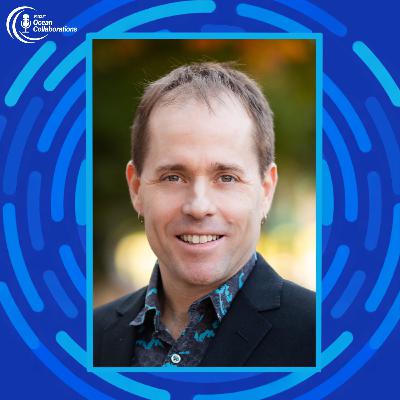
In this episode Nathan Bennett and Jan Maisenbacher discuss the future of the blue economy, marine protected areas, social equity, and the importance of civic engagement in ocean conservation. Learn more about the regenerative blue economy concept and discover how collaboration across sectors can drive sustainable and regenerative ocean practices.Nathan is Global Oceans Lead Scientist at WWF, Chair of the People & the Ocean Specialist Group at IUCN –CEESP, and professor at The University of British Columbia. This episode is especially relevant for broader conservation communities working at the intersection of oceans, people, and policy. And: for those going to the The Economist World Ocean Summit early March (meet Nathan there).Nathan shares how the ocean might speak to us:💙 “I love you, I’m here for you – but I’m sick.” 💔🚫 Why biodiversity loss, acidification, and plastics are symptoms of a deeper disconnect🎣 How coastal communities and small-scale fishers feel these changes first and mostWe explore what a truly regenerative blue economy could look like – beyond buzzwords:🪝 From “blue economy” to regenerative blue economy and rewilding the ocean🦀 Why 30x30 needs quality, not just quantity – no more paper MPAs🐟 How to design ocean economies that support nutrition, livelihoods, and justice, not just GDPWe also talk about social regeneration and human rights: 🌏 Inclusive, participatory ocean governance from local to UN level🦸♀️ The reality and courage of ocean defenders facing repression and even violence🪬 Why governments, businesses, and civil society must protect rights, not just assetsNathan Bennett on LinkedIn: https://www.linkedin.com/in/nathan-bennett-8b140812Linklist from this episode:* World Wildlife Fund (WWF): https://www.worldwildlife.org/about/profiles/nathan-bennett/* IUCN CEESP People and the Ocean Specialist Group: https://iucn.org/our-union/commissions/group/iucn-ceesp-people-and-ocean-specialist-group* Webpage from Nathan: https://nathanbennett.ca/about/* Ocean Defenders: https://www.oceandefenders.org* IUCN Towards a regenerative BlueEconomy: https://portals.iucn.org/library/sites/library/files/documents/2024-005-En.pdf* 13th annual World Ocean Summit from The Econmist (4./5. March 2026 Montréal): https://events.economist.com/world-ocean-summit This is a public episode. If you would like to discuss this with other subscribers or get access to bonus episodes, visit janmaisenbacher.substack.com
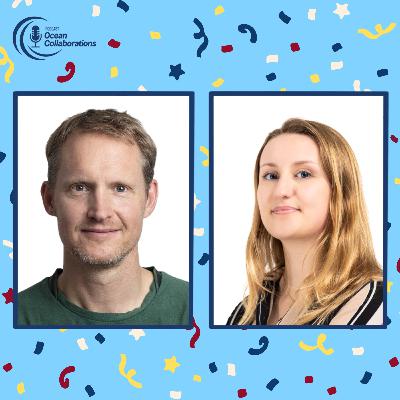
🌊 Happy 1st Birthday to the Ocean Collaborations Podcast! 🎂We are so happy to celebrate one year of inspiring ocean collaboration episodes.As a global media & community channel we share authentic ocean collaboration wisdom in times of geopolitical & multilateral crisis - from ocean change makers for ocean change makers to shape blue regenerative futures. 🥳 Here’s our gift episode to our worldwide listeners: 11 other inspiring and still producing ocean podcasts. And: we have a very special story to share today, It’s about Louise Cooke, the first team member of ocean collaborations podcast. End of May 2025, Louise sent an email to Jan out of the blue. She loved the podcast and wanted to help! Louise started as a listener and now she is a key part of the team! It shows that you can be a change-maker too! You don’t have to be a “lone genius” to help the ocean. 🤝✨Below you can find our birthday gift for you: we selected 11 amazing ocean podcasts that are still making waves (in english language).Share this birthday present with other ocean change makers!Check it out and tune in to more inspiring ocean content: * Outlaw Ocean - Hosted by Ian Urbina ⚓This podcast is recommended by our #12 guest Russell Reichelt (re-listen him here). Where the law of the land ends, the story begins. The Outlaw Ocean, which explores the most lawless place on earth — the vast unpoliceable ocean. Urbina and his team repeatedly risk their safety to tell stories powerful people don’t want you to know. This immersive audio documentary series brings together more than eight years of reporting at sea on all seven oceans and more than three dozen countries.Webpage (with all podcast platforms): https://theoutlawocean.com/podcast Listen on Substack* Ecovybz – Hosted by Khadija Stewart🌍 This podcast was recommended by our #2 guest Bobbi-Jo Dobush (re-listen her episode here). The Ecovybz Podcast is on a mission to educate, inspire and mobilise upcoming activists by having interactive conversations on environmental topics with youth from across the world. Drawing from a global network of inspiring youth leaders, climate activist Khadija Stewart brings the Caribbean, positive, upbeat and informal perspective to the environmental podcast scene.On Air since 2021 (43 episodes)Webpage: https://ecovybz.com/Listen on Spotify here - Listen on Apple Podcast here* Blue Earth Podcast - From the Blue Earth Summit 💰 This podcast was recommended by our #21 guest Janne Van Erten from The Ocean Cleanup (re-listen her episode here). A podcast from Blue Earth, a movement and community dedicated to driving positive action for our natural world. Since 2021 they bring together changemakers, business leaders, creators, and activists. This podcast brings you the most impactful conversations and insights from Blue Earth Summit 2025 (which will happen again in London in 2026). On Air since 2021 (91 episodes)Webpage: https://blueearthsummit.com/podcasts/Listen on Substack: https://blueearthsummit.substack.com/podcastListen on Spotify here - Listen on Apple Podcast here - Watch on Youtube here* Sustainability and the Sea - Hosted by Carissa Cabrera 🌊 Made by ocean people, for ocean people. Led by two marine biologists committed to building bridges, Sustainability & The Sea is a collection of conversations about saving our oceans - what are the problems, who is solving them, how it's being done, and how we can all participate. Made for the ocean-minded, this series will introduce you to the challenges that our ocean faces, and the change-makers making waves across the world. On Air since 2021 (50 episodes)Listen on Spotify here - Listen on Apple Podcast here - Watch on youtube here * How to Protect the Ocean - Hosted by Andrew Lewin 🎙️How to protect the ocean is a high-frequency, strategic resource translating complex ocean science into actionable public discourse. The show serves as a bridge between scientific research and implementation, offering a mix of expert interviews and timely analysis of the global ocean landscape. Lewin’s core philosophy - that “communication is conservation”- focuses on how to effectively advocate for the sea and integrate sustainable practices into professional missions.On Air since 2023 (1800 episodes)Listen on Spotify here - Listen on Apple Podcast here - Watch on youtube here * World Ocean Radio - Hosted by Peter Neill 📻Peter Neill is the founder of the World Ocean Observatory. His short, 5-minute weekly audio essays make you think on a wide range of ocean topics. Available for syndicated use at no cost by college and community radio stations worldwide. A compact, thoughtful podcast that strengthens the mindset and framing skills needed to lead transformative ocean collaboration.On Air since 2011 (275 episodes)Webpage: https://www.worldoceanobservatory.org/world-ocean-radioListen on Spotify here - Listen on Apple Podcast here - Listen on youtube here* Ocean Science Radio - Hosted by Andrew Kornblatt and Naomi Farabaugh. 🧪The program will focus on and highlight the latest and greatest ocean science stories that the world has to offer. The show delivers timely, accessible deep-dives into the latest ocean science stories. Episodes blend cutting-edge research with policy analysis, making complex science actionable for practitioners working across sectors. This podcast is particularly valuable as a strategic intelligence tool.On Air since 2016 (106 episodes)Listen on Spotify here - Listen on Apple Podcast here * Sea Creatures - Hosted by Matt Testoni 🦈A show all about the amazing animals that live beneath the waves. On each episode Matt chats about a specific seacreature with a guest who has spent time and interacted with this ocean animal. Guests range from marine biologists to divers to underwater photographers, citizen scientists, and people that have an intense passion for marine life. On Air since 2020 (62 episodes)Listen on Spotify here - Listen on Apple Podcast here * Reef Roundup – Hosted by Graham Patterson and Tamara Silverstone 🪸A must listen podcast for divers! While training as Divemasters in Thailand, Graham and Tamara identified a critical gap in the diving industry: the disconnect between witnessing ocean degradation and understanding how to solve it. They co-founded reef-roundup and started the podcast. Their show is a vital field report from the front lines of coral innovation. On Air since 2021 (42 episodes)Webpage: https://www.reef-scuba.org/Listen on Spotify here - Listen on Apple Podcast here * Small Islands, Big Picture - Hosted by Emily Wilkinson and Matt Bishop. 🏝️This podcast from the ODI Resilient and Sustainable Islands initaitive elevates the narrative of Small Island Developing States (SIDS) from “vulnerable” to “vanguard.” Expect a rigorous academic yet deeply practical lens to the microphone, exploring how SIDS are pioneering innovative funding models, blue economy strategies, and cross-sector collaborations. By centering the voices of island leaders and researchers, the hosts offer a masterclass in resilience and courageous leadership. On Air since 2023 (22 episodes)Listen on Spotify here - Listen on Apple Podcast here * Unwind to Ocean Science - Hosted by Steve Taylor and Leo Richards 🐙A weekly Spotify exclusive podcast that launched in May 2025. Dive deep into the world of ocean science: Relaxing and immersive documentaries for those who want to learn about our oceans in scientific detail. Designed to listen, or watch.On Air since 2025 (50 episodes) Listen or watch on Spotify here Here are the two additional media links as promised in the episode: Gunter Pauli shared with us the world’s first ever #UnderwaterPodcast with light. Gunter was our first guest 16. February (you can relisten the episode here). 🎥Palau speaks to the world On October 5, 2025 the world’s first-ever live underwater conversation with a Head of State took place. His Excellency the President of Palau spoke from the bottom of the ocean, thanks to the groundbreaking LiFi Talking Mask – when light becomes a voice. LiFi now allows humans to communicate underwater — faster than WiFi, secure, and interference-free. This one-of-a-kind event blends innovation, science, exploration, and imagination: An unprecedented underwater conversation, joined symbolically by a mermaid and a giant clam. A window into the future of marine research, diving safety, exploration, and underwater operations. Thanks for sharing this Gunter!Here’s the mentioned link to SEVENSEAS Media - a renowned global knowledge hub for ocean conservation: https://sevenseasmedia.org/Connect with us on Linkedin: * Louise Cooke: https://www.linkedin.com/in/louise-cooke-1bb991207* Jan Maisenbacher: https://www.linkedin.com/in/janmaisenbacher/As a global media & community channel we share authentic ocean collaboration wisdom in times of geopolitical & multilateral crisis - from ocean change makers for ocean change makers.👇 Want to know when a new show comes out? Sign up to get an email every time we post a new episode:And of course we accept birthday wishes 🤝 and gifts (donations💰):* Send us an email info@janmaisenbacher.com or leave a comment here * Twint (in Switzerland): 079 395 1989* Make a bank transfer to Maisenbacher MAGICPROJECTS - UBS Luzern - CH 80 0024 8248 1424 6001N This is a public episode. If you would like to discuss this with other subscribers or get access to bonus episodes, visit janmaisenbacher.substack.com
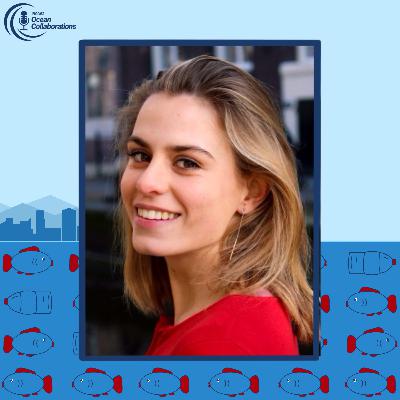
In this episode of Ocean Collaborations, Jan Maisenbacher speaks with Janne van Erten from Ocean Cleanup about the organization’s efforts to combat plastic pollution in the oceans. They discuss the significant impact of the Ocean Cleanup’s initiatives, including the 30 Cities Program aimed at reducing plastic flow from rivers into the ocean. This isn’t just about cleaning one river; it’s a strategic move to tackle the world’s most polluting waterways across Asia and the Americas. By focusing on entire urban ecosystems, the goal is to eliminate up to one-third of plastic flowing into our oceans by 2030. It was inspiring to hear how local partnerships and community education are making this massive scale-up possible.Janne emphasizes the importance of collaboration and the need for a circular economy as well as the implications of the upcoming plastic treaty. The conversation highlights the challenges faced in ocean collaboration and the innovative approaches being taken to address plastic pollution.Turning the Tide: The energy in this conversation was truly optimistic because, for the first time, we are seeing a real shift from single projects to systemic, city-wide solutions.🚀 Why the 30 Cities Programme is a Game Changer:* It shifts the focus from isolated river cleanups to integrated, city-wide waste management solutions.* It relies on deep collaboration with local NGOs and universities to ensure long-term, sustainable impact.* It creates measurable social and environmental benefits, like restoring mangroves and creating local jobs.We also explored the vital link between circular economy collaboration and global policy. Janne highlighted that while technology is key, we need the “social technology” of collaboration to close the loop. ♻️ Building a Circular Future Together:* We need governments to set the rules so that sustainable business models can finally compete with “business as usual.”* Collaboration with industry leaders, like the partnership with Kia, shows how ocean plastic can become a valuable resource.* Success depends on building the right infrastructure today so that we aren’t just cleaning up, but preventing waste entirely.One of my favorite parts of the episode was discussing why we need new collaborative spaces. The ocean doesn’t have one “owner,” which often leads to fragmented efforts. We need safe, radical spaces where NGOs, governments, and businesses can drop their guards and work as one team. It is time to stop working in silos and start building a diverse ecosystem of change-makers who share the same urgent mission.Takeaways* Ocean Cleanup prevented almost 28 million tons of trash from reaching the ocean last year.* The 30 Cities Program aims to eliminate one third of plastics flowing into the ocean by 2030.* Collaboration with local communities is essential for effective cleanup efforts.* The plastic treaty is vital for establishing regulations and responsibilities for plastic management.* Innovative circular business models are necessary for sustainable plastic use.* Measuring impact includes environmental, social, and economic outcomes.* Collaboration with various stakeholders enhances the effectiveness of cleanup projects.Connect with Janne van Eerten on Linkedin: https://www.linkedin.com/in/janne-van-eerten-3b843b119/Press Release of 30 cities program (June 2025): https://theoceancleanup.com/updates/the-ocean-cleanup-launches-30-cities-program/ This is a public episode. If you would like to discuss this with other subscribers or get access to bonus episodes, visit janmaisenbacher.substack.com
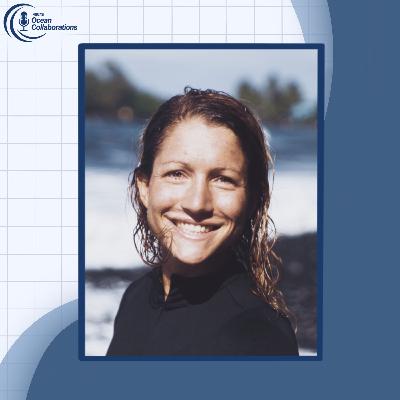
In this episode of Ocean Collaborations, host Jan Maisenbacher speaks with Marie-Céline Piednoir, founder of Positive Ripple Consulting, about her journey from the corporate world to ocean conservation. They discuss the importance of personal responsibility in ocean awareness, the challenges of navigating a career in ocean conservation, and the role of women in this field. The conversation also explores the emerging blue regenerative economy and the significance of multilateralism in ocean conservation efforts. Marie-Céline and Jan share valuable do’s and don’ts for those considering a career switch into this impactful space. This conversation is “straight to the heart”—no fluff.Takeaways* A career switch doesn’t have to be radical; small steps can lead to significant change.* Ocean conservation receives only 1% of climate finance, highlighting the need for more support.* Networking and collaboration are crucial for finding opportunities in ocean conservation.* Women play a vital role in ocean conservation, and solidarity among women is strong in this field.* The blue regenerative economy offers new opportunities for professionals from various sectors.* Multilateralism remains important for shaping ocean conservation policies, even in challenging times.* Individuals can support ocean conservation without fully quitting their jobs.* Volunteering and mentoring can provide valuable experience and connections in the field.* It’s essential to be gentle with oneself and recognize that change takes time.Chapters00:00 Introduction to Ocean Collaborations and Career Switches05:34 Marie-Céline’s Journey into Ocean Conservation12:28 The Importance of Ocean Awareness and Personal Responsibility20:42 Navigating the Challenges of Ocean Conservation Careers30:32 The Role of Women in Ocean Conservation35:57 Exploring the Blue Regenerative Economy44:31 The Importance of Multilateralism in Ocean Conservation47:20 Do’s and Don’ts for Career Switchers in Ocean ConservationConnect with Marie-Céline on LinkedIn: https://www.linkedin.com/in/mcpiednoir/Positive Ripple Consulting: https://www.positiverippleconsulting.org/Mentioned projects in the podcast:Climate-Resilient Coral Reefs Commitment: https://coralcommitment.com/protect-the-reefWomen Ocean Guardians: https://womenoceanguardians.org/ This is a public episode. If you would like to discuss this with other subscribers or get access to bonus episodes, visit janmaisenbacher.substack.com
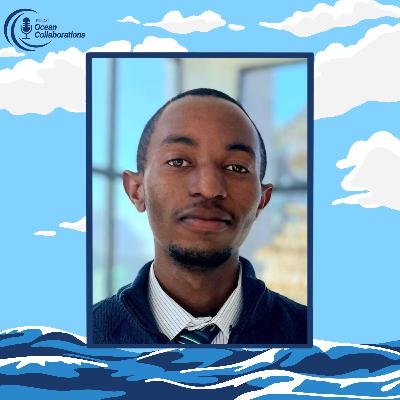
On 17 January, the BBNJ Agreement (High Seas Treaty) officially enters into force – a historic step for global ocean protection. To mark this milestone, Episode #19 of Ocean Collaborations looks at what this agreement means far beyond coastlines, with youth collaboration and equity at the center.Jan Maisenbacher speaks with Autone Mululuma (20), a passionate climate justice advocate and one of the High Seas Youth Ambassadors based in Zambia. They discuss the significance of the High Seas Treaty, youth empowerment in climate advocacy, and the challenges faced by landlocked countries in engaging with ocean issues. More about Autone (on Earthecho): https://www.earthecho.org/team/autone-mululumaAutone shares insights on the role of media, creative outreach strategies, and the importance of intergenerational collaboration in promoting ocean conservation. The conversation highlights the need for capacity building, equitable sharing of marine resources, and the aspirations of youth in shaping future ocean governance.Why this conversation matters now* 🌐 The BBNJ Agreement enables shared stewardship of the high seas* 🌊 Ocean health underpins climate stability and livelihoods everywhere* 🤝 Youth play a key role in translating policy into actionWhat you’ll take away* 👩🏽🎓 How African youth are shaping future ocean governance* 🗺️ Why landlocked countries matter in high seas protection* 🚀 How collaboration unlocks capacity, equity, and long-term impact📩 Get in touch with us by email at info@janmaisenbacher.com if you want to help bridge-building on Ocean Youth Collaboration in Africa (and/or connect with Autone on Linkedin: https://www.linkedin.com/in/autone-mululuma-556337288) This post is public so feel free to share it.Takeaways* Time to celebrate: the High Seas Treaty is crucial for marine biodiversity.* Youth empowerment is essential for climate advocacy.* Youth can act as bridges between science, policy, and communities.* Intergenerational collaboration is vital for effective advocacy.* Media plays a key role in disseminating ocean information.* Creative outreach can connect communities to ocean issues.* Capacity building is necessary for effective ocean governance.Chapters01:00 Introduction of Autone Mululuma02:15 What Autone is inspired by Ocean Collaborations Podcast05:20 Check-in ocean replies from Autone08:15 Autones collaboration learnings as a youth campaigner13:00 Creative youth outreaches that worked in? 18:15 Learnings with the Earth Echo cohort of the High Seas Youth Ambassador20:40 Challenges in the cohort for youth ocean advocacy22:40 High Seas Treaty (BBNJ) collaboration challenges for landlocked youth27:00 BBNJ effects on landlocked Zambia (and African youth)29:00 Autones view on BBNJ North-South & South-South co-creations33:22 Personal Reflections and Future Goals34:00 Brainstorming & Call for further ocean collaboration for Youth in Zambia 📩 Get in touch with us by email at info@janmaisenbacher.com if you want to support our collaborate on Ocean Youth Collaboration in Africa (and/or connect with Autone on Linkedin: https://www.linkedin.com/in/autone-mululuma-556337288) Further article: Deep conn8/ection: Why even landlocked Africans are defending the seas #OceanCollaborations #BBNJ #HighSeasTreaty #YouthLeadership #OceanGovernance #Africa #ClimateJusticeThanks for reading! Subscribe for free to stay up-to-date about future ocean collaborations episode (also available on Spotify and Apple Podcast). This is a public episode. If you would like to discuss this with other subscribers or get access to bonus episodes, visit janmaisenbacher.substack.com
In the #18 episode the Founder and Executive Director of Noventus Foundation, Koen Vriesacker, sails close to the winds of ocean collaboration with Jan Maisenbacher 🌊. Koen is an belgian-based expert inter-organizational in networks who's spent 16 years mastering the art of wicked collaboration.It is a discussion on the relevance of interorganisational collaboration, and why this is needed to move forward in our current world. The dialogue emphasizes the need for structured approaches to foster trust and engagement among stakeholders, as well as the role of innovative solutions in addressing complex issues like deep sea mining. First real ocean collaboration possiblity: You are professionally involved in Deep Sea Mining? Get in touch! We need you for a follow-up collaboration discussion on that wicked ocean challenge: info@janmaisenbacherThanks for reading! Subscribe for free to receive new posts and support ocean collaborations.Why this episode matters for ocean regeneration:⛵ No mess, no magic – True collaboration requires friction, diversity, and courage to engage unlikely allies (yes, including the “evil other side” 🏢)⛵ Trust the structure, not just the people – Trustworthy frameworks outlast individual relationships and create long-term collaborative success⛵ The Mediterranean merchant approach – Selective connections between diverse knowledge bubbles drive innovation faster than full connectivityWhat ocean changemakers need to unlearn:⛵ Collaboration ≠ working only with people like us⛵ We can’t skip steps on the collaboration staircase (from competition → coexistence → communication → coordination)⛵ Measuring collaboration health is as crucial as measuring environmental impactThe path forward for 2030:⛵Bottom-up, on-site multi-stakeholder collaborations (fishermen + NGOs + tourism + business)⛵Small teams of 10 trusted bridge-builders tackling challenges like deep sea mining⛵Relational structures over transactional ones—because wicked problems need adaptive frameworks, not fixed answersChapters00:00 Introduction and Personal Background05:34 Collaboration in Ocean Conservation08:30 The Role of the Ocean and Human Responsibility11:25 Transitioning from For-Profit to Non-Profit14:42 Theories of Collaboration17:27 Challenges in Ocean Collaboration20:40 Philanthropy and Ocean Conservation23:33 The Dilemma of Economic Growth vs. Ocean Health26:33 Future of Collaboration in Ocean Conservation30:47 The Role of Regulation in Ocean Conservation31:25 Collaboration at the Ocean’s Edge32:47 Breaking Down Barriers to Collaboration34:15 Navigating Wicked Problems in Collaboration36:00 The Importance of Human Capacity in Collaboration36:36 The Power of Unlikely Alliances38:35 Building Trustworthy Frameworks for Collaboration40:13 Steps to Effective Collaboration45:27 Deep Sea Mining: A Collaborative RoadmapConnect with Koen on LinkedIn:https://www.linkedin.com/in/koenvriesackerMore information about Noventus (www.noventus.org):* The Noventus Foundation advances collaboration for impact. It offers the expertise and effort that is needed to create and develop interorganisational collaboration and networks. Through initiatives in science, education, philanthropy, art and culture, the Noventus Foundation offers support to NGOs, non-profits and impact organisations.* Noventus has a solid track record in a broad range of sectors, all across the world, involving many organisational settings (SME’s, corporates, foundations, non-profit, governmental institutions, research, education, ...)Follow Noventus on LinkedIn: https://www.linkedin.com/company/noventusfoundation/ This is a public episode. If you would like to discuss this with other subscribers or get access to bonus episodes, visit janmaisenbacher.substack.com
In this Ocean Collaborations podcast episode Jan Maisenbachers surfes and dives with Karen Sack, Co‑Founder and Executive Director of the Ocean Risk and Resilience Action Alliance. This alliance is celebrating five years and keeps innovating to deliver 50 finance products by 2030 to drive $500M into nature-based solutions. Their Mission: Build the resilience of 250 million climate vulnerable costal people in the Global South.🌍Listening to Karen’s story is a masterclass in building coalitions across worldviews – and in staying resilient when the political and funding landscape feels like “whiplash”. She shares powerful, very concrete stories in radical collaboration, including:💠 How ORRAA helps design finance and insurance products:👉 Get inspired how to bring insurers, banks, governments, NGOs, scientists and coastal communities to one table – and keep them there💠ORRAA’s work with Deutsche Bank and other financial instituations on integrating ocean and nature into investment decision-making:👉 Understand how to translate “ocean & nature” into the language of risk, return, balance sheets and long‑term resilience💠 What she learned from fighting apartheid and working at Greenpeace👉 Understand how a former Greenpeace campaigner can co‑create solutions with Deutsche Bank, UBS, Swiss Re & othersKaren Sack on LinkedIn: https://www.linkedin.com/in/karen-sack-82aa2113/Mentioned projects from Karen in the podcast:* Abalobi - Sustainable Fishing: https://oceanriskalliance.org/project/powering-sustainable-fishing-through-community-led-technology/* Save The Waves: https://oceanriskalliance.org/project/developing-insurance-products-for-surf-ecosystems-and-surf-breaks-save-the-waves-2/* Inversa Leathers: https://oceanriskalliance.org/project/invasive-lionfish-management-quintana-roo-mexico-inversa-leathers/Karen Sack’s reflections from pre-COP30 events in São Paulo and Rio de Janeiro: https://www.linkedin.com/posts/karen-sack-82aa2113_backblue-oceanresilience-naturefinance-activity-7393642450780803072-Vhut?utm_source=share&utm_medium=member_desktop&rcm=ACoAAAyfdasBo4hlyI6BhbXO7eWac7Eh34oe1l0Link list from ORRAA:* ORRAA website: https://oceanriskalliance.org/* ORRAA What We Do: https://oceanriskalliance.org/what-we-do/* ORRAA’s Product Pipeline: https://oceanriskalliance.org/pipeline/* The #BackBlue Ocean Finance Commitment: https://oceanriskalliance.org/project/back-blue-ocean-finance-commitment/* Deutsche Bank’s New Sustainable & Finance Transition Target: https://www.db.com/news/detail/20251117-deutsche-bank-sets-new-2030-sustainable-and-transition-finance-target-and-publishes-its-initial-transition-finance-framework?language_id=1* ORRAA’s Reflections on the COP30 Outcomes: https://oceanriskalliance.org/events/orraa-at-cop30/Thanks for reading and listening Ocean Collaborations on Subsack! Subscribe for free to receive new posts and support my work.💬 Note on our own behalf - message from Ocean Collaborations podcast: Ocean Collaborations is looking for new episode guests! * Are you a leader of an ocean regeneration organisation (non-for-profit, NGO)?* Are you struggling with your regeneration projects? * Are you not finding the right manpower and/or skilled labor?Then please don’t hesitate get in touch! You may be our man or woman:Or write an email to info@janmaisenbacher.com This is a public episode. If you would like to discuss this with other subscribers or get access to bonus episodes, visit janmaisenbacher.substack.com
In this episode of Ocean Collaborations, Jan Maisenbacher speaks with Karine Toumazeau, founder and CEO of Moshun.Earth They exchange around her innovative work where she is flipping corporate foodprints into ocean wins.This episode starts with an honest conversation around Karine’s Mompreneurship journey.It also explores the opportunities of silo-breaking collaboration across sectors to address ocean health. Learn why the importance of storytelling and the integration of indigenous people is a core driver to regenerate the ocean as well as finding new investment pathways. You can contact Karine for business opportunities, mentorship or media inquiries (see her LinkedIn link at the bottom).Take-AwaysCollaboration across sectors is crucial for effective ocean conservation.The ocean space is niche and often siloed, hindering collaboration.A common agenda is needed to unite various stakeholders in ocean health.Companies often overlook their dependence on healthy ocean ecosystems.A shift from extractive to regenerative mindsets is neededChapters00:00 Introducing Karine02:55 Karine as the “Voice of the Ocean”06:00 Karine’s personal view of her solo mompreneurship journey17:20 Deep Dive how Karine started (and is now building) Moshun28:00 Building Collaborative Bridges between for-profit and non-for-profit sector 35:00 Status of the Moshun proof-of-concept platform closing the ocean regeneration project circles (and was ocean genetics may have to do with it)37:50 The ocean and its ecosystems as a new nature asset class - and why indigenous people will finally profit from it. Karine on LinkedIn: https://www.linkedin.com/in/karinetoumazeau/Links from Karine:Her ocean impact venture Moshun: https://www.moshun.earthThe SEA People (locally named ‘Orang Laut Papua’), is a field based non-profit foundation working to contribute to the conservation of one of the last locations on Earth where coral reef systems still thrive: https://theseapeople.org This is a public episode. If you would like to discuss this with other subscribers or get access to bonus episodes, visit janmaisenbacher.substack.com
In this conversation, Kendra MacDonald, CEO of Canada’s Ocean Supercluster, discusses the challenges and opportunities in the blue economy moving to a blue regenerative economy. She emphasizes the importance of collaboration and innovation and relates it to her career transition from consulting seven years ago to network and promote technology and investment in the ocean sector. The dialogue also highlights the role of women in global ocean leadership. Takeaways* Awareness of ocean issues is crucial for driving change.* Kendra’s career transition highlights the importance of passion in leadership.* Technology and innovation play a key role in ocean sustainability in her work.* Global collaboration is essential for addressing ocean challenges.Chapters00:00 Introduction of Kendra and her relation to the Ocean 04:05 Kendra as the Voice of the Ocean05:46 Her Career Transition from Corporate to Ocean08:31 Connecting and Collaborating11:50 Women in Ocean Leadership16:09 Highlights of Collaboration18:37 Global Supercluster Collaboration21:36 Barriers to Collaboration25:43 Towards a Regenerative Blue Economy29:11 Collaboration with the Global South31:19 The Need for Time and Resources33:37 Engagement with UN InitiativesKendra on LinkedIn: https://www.linkedin.com/in/kendra-macdonald-40b574Canada Ocean Supercluster Webpage: https://oceansupercluster.caLinklist from Kendra:* BTCA | BlueTech Cluster Alliance: a global network of industry-led BlueTech clusters that are committed to collaboration, developing joint-projects, promoting each other’s member companies, and sharing information.* Horizon Europe the EU’s funding programme for research and innovation* AltaSea Home - AltaSea: AltaSea at the Port of Los Angeles is dedicated to accelerating scientific collaboration, advancing an emerging Blue Economy through business innovation, and job creation, and inspiring the next generation, all for a more sustainable, just, and equitable world* SeaAhead: SeaAhead brings together entrepreneurs, investors, industry leaders, and stakeholders. In just a few years, SeaAhead has grown into an open-innovation ecosystem that produces scalable commercial solutions to modern-day challenges* Global Ecosystem for Ocean Solutions (GEOS) | Ocean Visions: a transformative initiative, proudly endorsed by the United Nations Decade of Ocean Science for Sustainable Development. GEOS aims to accelerate collaboration across diverse sectors and geographies, fostering a globally distributed community dedicated to delivering innovative, effective, and durable solutions to the ocean-climate crisis. The GEOS program advances Ocean Visions’ mission by building and strengthening inclusive partnerships to further the development of ocean-based climate solutions internationally (webpage includes Columbia and the Patagonia cluster) * Blue Week Los Lagos | Welcu: Con la misión de posicionar la Patagonia chilena como un hub global para la Economía Azul, Blue Week Los Lagos 2025 impulsa la colaboración entre líderes de la industria, startups, inversionistas, actores públicos y privados tanto de Chile como del mundo.. This is a public episode. If you would like to discuss this with other subscribers or get access to bonus episodes, visit janmaisenbacher.substack.com
In this episode of Ocean Collaborations, Jan Maisenbacher speaks with Alexis Grosskopf, an innovator and impact investor based in Cape Town.Alexis openly shares personal reflections as a new dad and how he balances currently his ocean collaboration work with the caring work for his daughter (and wife). Professionally, Jan and Alexis dive deep on the 1000 Ocean Startups initiative and Ocean Hub Africa, which supports local startups in the ocean impact space. The conversation also touches on the cultural and economic challenges of collaboration in Africa and the need for sustainable solutions that benefit both the ocean and coastal communities.Takeaways* The future of the ocean depends on collaborative efforts.* Overfishing and pollution are critical issues affecting coastal communities.* The love for family grows, but time and energy are limited.* Science and policy must align to drive ocean health.* Local organizations are key to successful collaboration in Africa.* Cultural differences pose challenges to collaboration.* Innovative solutions are needed to support ocean health and livelihoods.Sound Bites* “The space of love in your heart grows exponentially with family members”* “We want to support local organizations.”* “We are not trying to change any culture.”Internetlinks:* Ocean Hub Africa: https://www.oceanhub.africa* Ocean Innovation Africa: https://ocean-innovation.africaLinks to LinkedIn:* Alexis Grosskopf: https://www.linkedin.com/in/alexis-grosskopf-7312112b/* Ocean Hub Africa: https://www.linkedin.com/company/oceanhub-africa* Ocean Innovation Africa: https://www.linkedin.com/company/ocean-innovation-africa Links to Facebook:* Ocean Hub Africa: https://www.facebook.com/OceanHubAfrica/* Ocean Innovation Africa: https://www.facebook.com/oceaninnov/ This is a public episode. If you would like to discuss this with other subscribers or get access to bonus episodes, visit janmaisenbacher.substack.com
In episode of Ocean Collaborations, Jan Maisenbacher speaks with Martin Mohn about the critical role of collaboration and finance in ocean conservation. They discuss Martin’s journey from finance to ocean advocacy, the importance of philanthropy in funding ocean projects, and the innovative Ocean Matcher platform designed to connect ocean science projects with funders. The conversation highlights the challenges faced in ocean collaboration, the need for better tools and education for investors, and a call to action for individuals to engage in ocean impact initiatives.Takeaways* Philanthropy plays a crucial role in funding early-stage ocean projects.* Ocean Matcher connects ocean projects with the right funders using AI.* Collaboration is essential for scaling ocean conservation efforts.* Only 1% of global philanthropy is directed towards ocean initiatives.* Education on ocean literacy is needed for investors (and the public).* Success stories can inspire more funding and collaboration.* Cultural differences impact global collaboration in ocean projects.* The importance of human connection in technology-driven solutions.* Impact measurement in philanthropy is complex and varies by project.Sound bites* “We need to turn up the volume button.”* “We have to scale collaborations.”* “One person kicking off something is enough.”Chapters00:00 Introduction to Ocean Collaborations03:36 Extended check-in questions: Martin’s Journey and Motivation10:30 The Importance of Ocean Advocacy & Philanthropy’s Role in Ocean Finance18:14 Introducing Ocean Matcher 23:24 Challenges in Ocean Collaboration30:25 The Collaboration Process Explained36:25 Call to Action for Ocean ImpactConnect with Martin Styrmoe Moen on LinkedInLinklist:* www.oceanmatcher.com* www.revocean.org* www.hubocean.earth This is a public episode. If you would like to discuss this with other subscribers or get access to bonus episodes, visit janmaisenbacher.substack.com
In this episode of the Ocean Collaborations podcast, Jan Maisenbacher speaks with Russell Reichelt who is the sherpa of Australias Prime Minister to the High Level Panel for a Sustainable Ocean Economy. Russell was at the 3rd United Nations Ocean Conference in Nice (June 2025) and spoke at several events, including re the 100% Alliance (which Australia now co-chairs with Chile). Russell shares key collaborative takeaways and future opportunities.This conversation goes beyond policy statements:* Collaboration for transformation – why partnerships across nations, investors, and NGOs are essential to move beyond incremental change.* Indigenous knowledge and Pacific realities – how traditional wisdom and frontline island experiences shape better solutions.* Financing regeneration – new mechanisms that bridge conservation goals with sustainable business and impact investment.* Pragmatic idealism in action – lessons from Russell’s work with the High Level Panel for a Sustainable Ocean Economy on balancing vision with implementable steps.* Regenerative tourism – what works in practice, and how to scale without greenwashing.For professionals striving to accelerate change—whether in NGOs, science, business, or policy—this episode offers both strategic insights and practical inspiration for building coalitions and challenging the status quo. It reminds listeners that transformative impact is possible when courage, innovation, and collaboration meet.Takeaways* Underwater heat waves are a significant threat to marine life.* Collaboration among nations is essential for sustainable ocean management.* Indigenous knowledge plays a crucial role in effective ocean conservation.* Australia and Pacific nations share a strong relationship in ocean management.* Building trust with Indigenous communities is key to successful partnerships.* Innovation and creativity are necessary for solving ocean challenges.* Regenerative tourism can benefit both the environment and local communities.* Financial mechanisms are needed to support ocean conservation initiatives.Sound bites* "Look after the ocean, your lives depend on it."* "We need to build trust with Indigenous communities."* "Every individual can contribute to ocean health."Connect with Russell Reichelt on LinkedIn: https://www.linkedin.com/in/russellreicheltThanks for listening, reading and watching (below) this episode! This post is public so feel free to share it:SUBSTACK BONUSAs announced in the podcast here are the two video messages from the UNOC Blue zone event from the gouvernment of Australia (a special thank you to coordinate this material goes to Megan Rive from the Australian Sustainable Ocean Plan Taskforce): Collaboration is key: lessons learned from sustainable ocean management in Australia and the PacificInput from Ricky Archers (Head of Australian National Parks):Input from Murray Watt (Australia’s Minister for the Environment): These two videos have been part of Australia’s official blue zone side event. It is a high level panel discussion about the importance of collaboration and sharing lessons learned from sustainable ocean management in Australia and the Pacific. Part of this blue zone session also were Dr Filimon Manoni – Pacific Ocean Commissioner, The Hon Surangel Whipps, Jr. – President of Palau, The Hon Alitia Bainivalu, Minister for Fisheries and Forestry - the session was chaired by H.E. Ilana Seid - Palauan ambassador to the United Nations. If you can share links to additional video material of this important ocean collaboration session please feel free to share in the comments! Please share also your thoughts and reflections on this episode and its bonus material. Thanks for reading, listening, watching! Subscribe for free to receive new posts and support the ocean collaborations podcast work. This is a public episode. If you would like to discuss this with other subscribers or get access to bonus episodes, visit janmaisenbacher.substack.com
In this episode of Ocean Collaborations, Jan Maisenbacher speaks with Nicole Loeser about transdisciplinary collaboration and discover how it fuels blue transformation. Nicole Loeser is co-founder of the Institute for Art and Innovation in Berlin and director of the Futuring Alliance. With more than 20 years of experience leading 350+ transdisciplinary projects, Nicole brings a rare synthesis of art, circular economy, and systemic foresight into the ocean space.💡 If you have ever wondered how to integrate creativity, foresight, and systemic strategy into your own practice for ocean regeneration, this a bit longer than usual episode is a lighthouse!How do we reimagine our relationship with the ocean so that it is not only protected but regenerated — and how do we design the systems and collaborations that make this possible? Tune in to be inspired by the power of working together across disciplines as our conversation weaves through:* Why trust is the ultimate enabler of circular and regenerative economies.* The role of youth as co-leaders in shaping futures that are both hopeful and actionable.* How art-based foresight methods like the Art for Futures Lab and Ocean Future Lab help us imagine – and prototype – systemic solutions.* The call for a “Ministry for the Future for the Ocean”: a polycentric, collaborative hub where science, indigenous knowledge, and innovation meet.Nicole reminds us that transformation is not only technical, but cultural and civic. That it begins with creating spaces of agency where diverse voices come together — often as “unlikely allies” — to co-design futures within planetary boundaries.Nicole’s work is a living example of how bold visions can be translated into collaborative infrastructures that build resilience for people and planet alike.Connect with Nicole Loeser on LinkedIn: https://www.linkedin.com/in/nicole-loeser-128366a/Organisations we talked about:* The Futuring Alliance (TFA) – www.futuring-alliance.com* Institute for Art and Innovation (IFAI) - www.art-innovation.orgNicoles linklist:* Nicoles PhD project: Co-Producing Social Art for Transformation - https://www.filmuniversitaet.de/en/article/detail/blue-circular-scenes-social-art-for-transformation* Ocean Future Lab - www.universal-sea.org/ocean-future-lab-eng* Sustainable Coastal Futures – www.universal-sea.org/prep-4-blue* Social Art Award 2025 „Blue Tribes for Ocean Health“(www.social-art-award.org) * The Universal Sea – www.universal-sea.org* Valencia Water Council – www.tribunaldelasaguas.org/es/* Worldforming, a system innovative framework by TFA - https://futuring-alliance.com/worldforming/* Green Education in Media – www.gem-project.eu* Global Youth Call on Peace (open from September 21) by Alliance for Youth-Led Futures - www.catalystnow.net/what-does-peace-mean-to-you* Art For Futures Lab – www.artforfutureslab.com* Token4Change - www.token4change.li This is a public episode. If you would like to discuss this with other subscribers or get access to bonus episodes, visit janmaisenbacher.substack.com
In this episode of Ocean Collaborations, Jan Maisenbacher speaks with Eliesh about the first future experimental lab “5 oceans- 5 colonies” at Mediterranean Institute of Risk, Environment and Sustainable Development (IMREDD) of University of Côte d’Azur. Jan met Eliesh twice at events in Nice in June. They also reflect upon “OcéanoFuturismos - a Science Fiction prototyping future Ocean imaginaries Workshop” from TBA21. And upon “One health: Well-Being and Sustainability in the Blue Economy” (which was a side-event during UNOC at IMREDD).The conversation emphasizes the need to listen to the ocean and learn from its ecosystems, while courageously exploring future potentials as well as the importance of collective action in an era of not-knowing whats next. Takeaways* Innovative thinking is necessary for future ocean living.* Understanding the interconnectedness of systems is essential.* The future allows for disruptive thinking and new possibilities.* Embracing technology can enhance our understanding of sustainability.About ElieshEliesh is a lifelong learner and transdisciplinary practitioner working at the intersection of architecture, sustainable urban transitions, education, the arts, and research across both the Global South and North. He also serves as a UNESCO ESD (Education for Sustainable Development) expert for the SDGs, with a particular focus on youth empowerment.Throughout his career, Eliesh has bridged science, formal, non formal and informal education, and hands-on practice to continually reinvent himself. This fusion allows him to adopt multiple perspectives, embrace innovative approaches to design and experimentation, draw inspiration from biomimicry and nature observation, and implement forward-thinking sustainability & regenerative strategies.In his university teaching and through the ODDD community, he uses interactive and participatory methods to inspire, engage, and co-create ideas. As a human being and professional, he is committed to participatory transformation, advocating for global citizenship and working to dissolve all forms of borders—conceptual, disciplinary, and geographical.He is currently based at IMREDD (Mediterranean Institute of Risk, Environment and Sustainable Development) in Nice, France, where he leads the Future Human Habitat project. This initiative explores probable, possible, and plausible futures for 2065 through a unique methodology that blends scientific research, horizon scanning, collective intelligence, and disruptive foresight. By leveraging natural, collective, and artificial intelligences—and using backcasting and creativity as core drivers—he works to reduce cognitive bias, accelerate systemic transitions, and scale transformative innovationEliesh LinkedIn: https://www.linkedin.com/in/eliesh-sd-a1720b16eliesh000@gmail.comDetails about mentioned events:* Future Experimental Lab 5 oceans - 5 colonies: https://imredd.fr/summer-school/5-oceans-5-colonies-sculpting-future-living-on-and-below-water/ Video outcomes on youtube: https://youtube.com/@futureexperimentallab?si=hYM5VUOBBOB3b7Nb* One Health: Well-Being and Sustainability in the Blue Economy (official UNOC side event, June 5–6, 2025): Co-organized with the Research Center on Advanced Technologies for Health and Well-Being at the San Raffaele University Hospital in Milan, the event brought together French, Monegasque and Italian institutions, researchers and businesses to explore concrete cross-border collaborations in support of a sustainable blue economy, closely connected to well-being and quality of life issues. Two days of high-level exchanges at the intersection of science, innovation and public policy.https://imredd.fr/en/2025/07/07/looking-back-on-the-one-health-well-being-and-sustainability-in-the-blue-economy-event-a-success-for-franco-monegasque-italian-cooperation-around-the-blue-economy/For more info about One Health reach out to Roberta Pennucci - roberta.pennucci@univ-cotedazur.fr* TBA 21 Workshop (4 June 2025): OcéanoFuturismos - Science Fiction prototyping future Ocean imaginaries Workshop: https://tba21.org/oceanimaginariesAddional links from Eliesh:* Future Human Habitat (FHH) User experiences for smart life: home & mobility chair - link: https://chaire-ux.imredd.fr/habitat-du-futur This is a public episode. If you would like to discuss this with other subscribers or get access to bonus episodes, visit janmaisenbacher.substack.com

In this episode of Ocean Collaborations, Jan Maisenbacher speaks with Thomas Egli about the importance of participatory science and Thomas dedicaded and decade-long impact work. Thomas and Jan share reflections from the One Ocean Science Congress, the Blue Economy and Finance Forum and 3rd UN Ocean Conference with a focus on the impact of the 10 days Ocean Hackathon. They discuss the challenges of the role of finance and the new A.G.I.L.E Framework for finance collaboration from Geneva Foundation for the Future. The conversation emphasizes the potential for positive change through innovative funding models and citizen involvement in science. Sound Bites* "Everybody wants to act together"* "We need to reinvent our models"Takeaways* Participatory science can empower citizens to take action leading to impactful solutions.* Innovative funding models are essential for sustainable projects.* The new A.G.I.L.E framework can facilitate project evaluation and selection* A whitebook about the framework is published after the summer break* There will be an event 8 to 12 December 2025 in Geneva reflecting on the 10 first use-cases of the framework* The United Nations remains a crucial platform for global cooperation.Chapters00:00 Introduction to Thomas Egli02:49 Reflections on Recent Ocean Conferences05:07 Thomas as the voice of the Ocean07:57 State of the Ocean seen by Thomas10:49 Insights from the Blue Economy and Finance Forum Monaco13:49 The Role of Participatory Science in Ocean Conservation16:45 The Impact of the Ocean Hackathon19:49 Collaboration and Citizen Involvement in Science22:56 The Future of Ocean Projects and Funding25:44 Geopolitical Perspectives on Ocean Collaboration28:33 The Role of the United Nations in Ocean Governance31:37 Innovative Funding Models for Ocean Projects34:47 The Agile Framework and Future Collaborations37:41 Conclusion and Future Directions for Ocean InitiativesAdditional links from and about Thomas Egli: * Découvrir l'impact Diplomacy: https://www.thomas-egli.org/Impact-Diplomacy-in-the-continuation-of-Scientific-Diplomacy-and-Cultural.html?lang=en* Hackathon Participatory Science for Ocean (Nice June 2025) with all projects: https://www.training-for-development.com/In-June-2025-in-Nice-Special-Participatory-Science-for-Ocean?lang=en* Geneva Forum: https://geneva-forum.com* The A.G.I.L.E tool from Geneva Foundation for the Future: https://www.geneva-for-future.foundation* Video on YouTube - Participatory Research explained by Thomas EGLI at Swiss television (French with automatic subtitles)* The book "Les idées du vivant" written in 2001 by Thomas EGLI, on the bioinspired organisations: https://thomas-egli.org/M-Thomas-EGLI.htmlThomas Egli on Linkedin: https://www.linkedin.com/in/thomas-egli-genevaOcean Collaborations Podcast is now open for partnerships for organisations.Gain valuable exposure to new clients, business partners and stakeholders while showcasing your groundbreaking projects to the global ocean impact community. This is your chance to inspire action, highlight your role as a key player in ocean regeneration, and position your organization as a leader driving meaningful change. Interested? Don’t hesitate to get in touch: info@janmaisenbacher.com This is a public episode. If you would like to discuss this with other subscribers or get access to bonus episodes, visit janmaisenbacher.substack.com
In this episode of Ocean Collaborations, Jan Maisenbacher speaks with Loreley Picourt about the importance of collaboration around the upcoming '3rd UN Ocean Conference' (UNOC3) and the launch of the 'Ocean Rise and Coastal Resilience Coalition'. 🎧 Tune in to get inspired, informed and energized for a bold collaborative journey ahead.Loreley Picourt is the Executive Director of the 'Ocean and Climate Platform' and a bold explorer of transformative approaches to ocean regeneration and collective action.Whether you seek actionable solutions or value bold silo breaking innovation to scale regenerative blue economy solutions as part of a growing ocean impact community: This episode is a must-listen for ocean change agents preparing for UNOC3. Jan & Loreley discuss the importance of box-skipping paradigms towards a regenerative blue economy around UNOC3. They explore the need for collaboration across sectors, the impact of nature on decision-making, and the significance of initiatives like the 'Great Blue Wall' or 'Let’s be Nice to the ocean'. The dialogue emphasizes the role of civil society in advocating for ocean protection and the necessity of integrating science into policy. They also highlight the importance of collective action and transformative values in achieving sustainable ocean governance.Loreley shares inspiring insights on:* The UNOC3 as a pivotal moment for global ocean governance and collaboration.* The importance of connecting diverse stakeholders—from grassroots to investors—to build a united voice for ocean protection.* The power of community and female leaders in accelerating ocean impact.Sound Bites* "We need to break out of that bubble."* "We need science to drive decision making."* "We need to learn from our mistakes."Takeaways* The 'Ocean Rise and Coastal Resilience Coalition' aims to represent a billion people.* Transformative values like equity and justice are key to ocean governance.* Community support is essential for tackling ocean challenges.* Inclusivity in ocean governance is crucial for success.Chapters02:35 If Loreley would be the 'Voice of the Ocean' today?03:55 What aspects of the Ocean break Loreleys heart? 05:20 Loreleys personal regeneration habits09:50 Collaborative opportunities of UNOC3 15:50 Place to go for changemakers at UNOC319:00 Details on the 'Ocean Rise and Coastal Resilience Coalition' (Launch 7 June/Nice) 22:00 Loreleys biggest challenge for the ocean community 23:30 What Loreley loves about a blue regenerative economy26:15 Outcomes of Loreleys bubble-breaking ecosystem work29:12 Science-Policy interface as a pre-requisite for collaboration31:30 Visioning to sense into the future: The power of transformative values 35:50 About the role of civil society, new leadership models and first-movers at UNOC3Thanks for reading! Subscribe for free to receive new posts and support my work.LinksOcean and Climate Platform: https://ocean-climate.orgConnect with Loreley Picourt on LinkedIn: https://www.linkedin.com/in/loreley-picourt-ab914b84United Nations Ocean Conference: https://sdgs.un.org/conferences/ocean2025Ocean Rise and Coastal Resilience Coalition: https://oceanrise-coalition.org/Great Blue Wall: https://iucn.org/resources/brochure/great-blue-wall-initiativeLet’s be Nice to the ocean: https://letsbenicetotheocean.org/Connect with Jan Maisenbacher on LinkedIn: https://www.linkedin.com/in/janmaisenbacher/Wanna connect with Jan Maisenbacher and Ocean Collaborations in Nice? or an email to info@janmaisenbacher.com This is a public episode. If you would like to discuss this with other subscribers or get access to bonus episodes, visit janmaisenbacher.substack.com
In this episode of Ocean Collaborations, Jan Maisenbacher speaks with David Obura, an Kenyan marine scientist, about the social lab approach and collaborative efforts in conservation. They reflect on Davids experiences at Sustainable Oceans Lab from 2015 (https://sustainableoceanslab.org) and the importance of participatory practices. David shares insights on the Great Blue Wall Initiative (https://iucn.org/resources/brochure/great-blue-wall-initiative) and emphasizes the need for trust and creativity in multi-stakeholder collaborations to address the challenges facing marine ecosystems.In this conversation the importance of integrating human needs with ocean conservation efforts is discussed. They explore the significance of local knowledge, the challenges of financing nature-based solutions, and the need for transformative change in how we value and invest in natural ecosystems. Especially but not only in Africa. The dialogue emphasizes the urgency of collaborative efforts to address climate change and biodiversity loss, highlighting the interconnectedness of economic systems and nature.Takeaways* The Sustainable Oceans Lab aimed to foster collaboration and creativity.* Building trust among stakeholders is crucial for effective collaboration.* Systemic transformation requires long-term commitment and engagement.* Touching people's hearts is essential for effective collaboration.* Participatory research tools are vital for understanding biodiversity. A lot of conservation efforts focus on the best places.* Regeneration and resilience are crucial for low-income settings.* Financing nature requires understanding its true value.* We need to internalize the costs of using nature.Sound Bites* "Touching people's hearts is essential."* "We need to build a mycelium of connections."Chapters00:00 Introducing David Obura02:43 What would David say if he was the ocean?03:51 Aspects of the ocean that break Davids heart06:56 Reflecting on the Sustainable Oceans Lab 16:06 Northern Mozambique Channel and The Great Blue Wall Initiative 23:22 Davids transformative dreams for the UN Ocean Conference 26:23 How to bring funding and finance into longterm system regeneneration? 31:44 How to build positive transformations - and the dilema of mainstream economic systems38:10 Building a Collaborative Social Lab FutureDavid Obura on LinkedIn: https://www.linkedin.com/in/david-obura-a6554547Social Lab Revolution Book: https://ssir.org/books/excerpts/entry/the_social_labs_revolution_a_new_approach_to_solving_our_most_complex_challAdditional links: IPBES Nexus Assessment: Summary for Policymakers on Intergovernmental Science-Policy Platform on Biodiversity and Ecosystem Services (from March 2025): https://zenodo.org/records/15082544Details about the Sustainable Oceans Lab (2015)The Sustainable Oceans Lab was a social lab. The Founding Partners were the Global Leadership Academy, Reos Partners, and Blue Solutions.It was built on the idea that just as we have scientific and technical labs to address our scientific and technical challenges, we need social labs to address our socio-economic and political challenges.The types of activities that the Sustainable Oceans Lab engaged in had several qualities in common. They:* Brought together diverse actors* Generated systemic understanding* Fostered collaboration* Enabled creativity and experimentation* were participatoryThe Sustainable Oceans Lab represented a new strategic response to the challenge of ensuring our marine eco- systems are sustainable. The purpose of The Sustainable Oceans Lab was to address the question:How can we work together to enhance the sustainable management of our marine ecosystems globally?To answer this question it gathered actors concerned with improving ocean and coastal community sustainability to:* critically examine, reflect on and improve existing initiatives,* develop and maintain new collaborative solutions, and* build capacity among key stakeholders to collaborateThe aim of the Lab was to foster systemic transformation leading to sustainability for the oceans.LinksSustainable Oceans Lab: https://sustainableoceanslab.orgReos Partners: https://reospartners.com/blog/sustainable-oceans-lab This is a public episode. If you would like to discuss this with other subscribers or get access to bonus episodes, visit janmaisenbacher.substack.com

Comments

Download from Google Play

Download from App Store
 United States