


 Claim Ownership
Building Pathways to Healthy Minds: A ChildBuilders Podcast
Subscribed: 0Played: 3
Subscribe

© ChildBuilders
Description
Welcome to the Building Pathways to Healthy Minds Podcast where we share real world strategies to nurture children as they grow. This is a space to share insights, stories, and practical tools to help parents, educators, and caregivers nurture and empower the children in their lives. Join us for episodes on parenting with empathy and connection, keeping our kids safe in classrooms and at home, building resilience in kids, parenting with mindfulness and not anxiety, neurodivergent learning, and many more topics. Grab some coffee and join us!
22 Episodes
Reverse
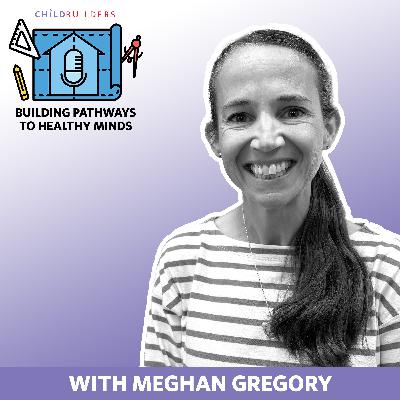
In Season 2, episode 10 of Building Pathways to Healthy Minds, Priscilla Bagley chats with kindergarten teacher Meghan Gregory to talk about cultivating nurturing classrooms and how the same principles apply at home. Megan shares how emotional safety is just as important as academics, emphasizing love, trust, collaboration, and giving children space to take risks and make mistakes.They discuss practical strategies like classroom jobs to build responsibility and belonging, morning meetings to foster connection, songs to ease transitions, and creating cool-down spaces for big emotions. Megan highlights the power of simply sitting with a child during hard moments, that we should be listening instead of "fixing." Also, she reminds parents and teachers alike to give themselves grace.At the heart of the conversation is a simple but powerful message: when children feel safe, loved, and valued, they thrive — both in the classroom and at home.* Meghan is a devoted wife and mother of three whose life is marked by faith, joy, and a deep heart for serving others. For many years, she has poured her energy into shaping young lives as a kindergarten teacher, and she currently teaches at Christ Faith Academy where she blends compassion, creativity, and strong values in her classroom each day.With a natural love for adventure and the outdoors, she embraces life with enthusiasm and gratitude. Whether she’s exploring nature with her family or leading a room full of five-year-olds, her energy is contagious. She has a gift for lighting up a space, not just with her voice, but with her genuine warmth, encouragement, and zest for life.Above all, she is passionate about children, faith, and building meaningful connections.
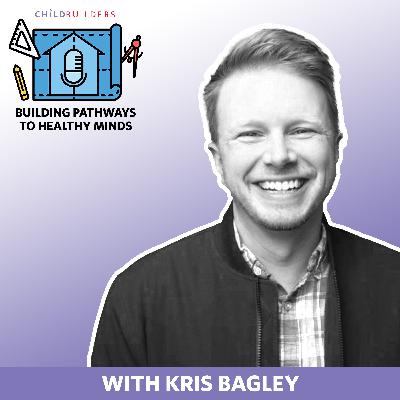
In this episode of Building Pathways to Healthy Minds, Priscilla Bagley talks with her husband Kris Bagley, about what it takes to cultivate healthy relationships. Drawing from years of pastoral counseling and personal experience, they explore empathy, unmet expectations, and why relationships aren’t about “winning” or going 50/50, but about carrying each other through hard seasons.The conversation highlights empathy as presence rather than fixing, the importance of clearly communicating expectations, and how shared struggles can deepen connection. Priscilla and Kris also discuss modeling healthy repair and reconciliation for children, reminding listeners that relationships are meant for hard things. As the Bagleys say, "we are capable of doing hard things together."
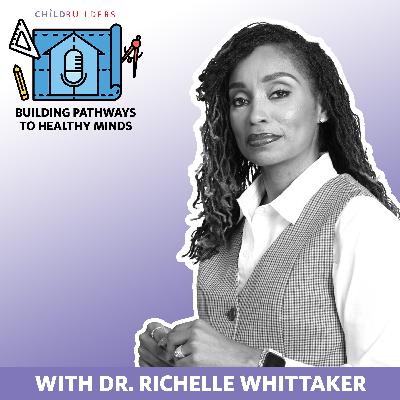
Host Priscilla Bagley welcomes educational psychologist, author, and Raising Sons podcast host Dr. Richelle Whittaker for a thoughtful conversation about raising confident, emotionally healthy boys. Drawing from her professional work and personal experiences as a mom, Dr. Whitaker explores how boys develop emotionally, why their needs are often misunderstood in schools and society, and how stereotypes can lead boys to mask feelings as anger or withdrawal. Together, they discuss the importance of presence, positive language, healthy outlets for emotions, supportive school environments, appropriate risk-taking, and meaningful adult connections. She offers practical strategies for parents and educators to better understand boys, create safe spaces for emotional expression, and help them grow into emotionally whole individuals who feel seen, heard, and accepted.Learn more about Dr. Whittaker through her website, book, podcast, and social media:Website: https://www.richellewhittaker.com/Book: https://bit.ly/strongmenstartherePodcast: https://bit.ly/raisingsonpodcastInstagram: https://www.instagram.com/dr_richelle/YouTube: www.youtube.com/channel/@drrichellewhittaker
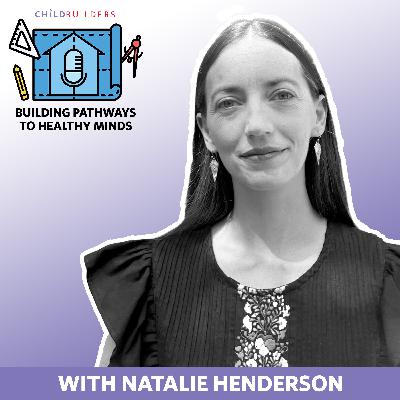
In this episode of Building Pathways to Healthy Minds, host Priscilla Bagley welcomes back Natalie Henderson to explore why assertiveness is a crucial life skill for children. Together, they break down what assertiveness really means and how it differs from passive or aggressive communication, sharing practical, real-life ways parents and educators can help children build confidence, express their needs, set healthy boundaries, and feel safe speaking up. Their conversation also highlights the importance of listening, emotional awareness, body language, and everyday choices in teaching assertiveness. Natalie shows how these skills support abuse prevention, strengthen relationships, and help children handle challenging social situations as they grow. Listen and you can learn simple, actionable insights for raising confident, resilient, and empowered children.Listen to Natalie's last episode here: https://open.spotify.com/episode/7nuFAHbTHW9KYjE3k2Bmg1
In this episode of Building Pathways to Healthy Minds, our host Priscilla Bagley sits down with Dr. Julie Kaplow, an expert in childhood trauma and grief. They talk about how families and communities can support children through loss. Dr. Kaplow shares insights from her work with children affected by personal loss, natural disasters, and school tragedies, highlighting the power of connection, honesty, and compassion in healing. She reminds us that grief isn’t something to fix—it’s something we navigate together, with empathy and care.Learn more about Dr. Kaplow and her work here: https://mmhpi.org/staff/julie-kaplow-phd-abpp/https://mmhpi.org/
In Season 2, episode 5 of Building Pathways to Healthy Minds, host Priscilla talks with Mary Jane Williams, Executive Director of Family to Family Network, about empowering families of children with disabilities. Together, they explore how inclusion, advocacy, and community support can transform fear into hope. Mary Jane shares her personal journey as a parent, her vision for creating truly belonging-centered schools and communities, and practical ways families can navigate the “system fog” with confidence.Resources:Family to Family Network: https://f2fn.org/getting-started/resources/Texas Project FIRST https://texasprojectfirst.org/Partners Resource Network https://prntexas.org/SPEDTex https://www.spedtex.org/familiesTexas SPED Support https://spedsupport.tea.texas.gov/TX Autism Resource Guide https://www.txautism.net/target
In this episode of Building Pathways to Healthy Minds, host Priscilla Bagley sits down with Dr. Natalie Fikac — an educator, counselor, and wellness consultant with more than 30 years of experience in teaching and school mental health. Dr. Fikac shares her inspiring journey from the classroom to her current work with the University of Texas and the Texas Institute for Excellence in Mental Health.Together, Priscilla and Dr. Fikac dive into the heart of emotional intelligence—exploring how parents, educators, and caregivers can nurture empathy, self-awareness, and compassion in children. Listeners will learn:* How to help kids name and manage their emotions in healthy, constructive ways* Why modeling mindfulness and self-compassion matters* Simple, creative tools like vision boards and calm-down spaces that promote emotional wellness* How embracing our own imperfections helps children build resilience and connectionDr. Fikac reminds us that “we’re all doing the best we can”—and that true emotional growth begins with compassion for ourselves.Learn more about her work here: https://wellnessfirstconsulting.org/about
In Season 2, episode 3 of Building Pathways to Healthy Minds, host Priscilla Bagley speaks with Missie Hills—engineer, mom of two, ChildBuilders Board Member, and leader with RedM, a global, volunteer-led movement fighting human trafficking.Missie shares how her professional skills and personal experiences fuel her advocacy for children and families. Together, she and Priscilla explore how parents can protect kids from trafficking by teaching assertiveness, reinforcing body autonomy, and fostering open communication at home. They also discuss grooming tactics traffickers use, the warning signs to look for, and the importance of building trust so children feel safe speaking up.This eye-opening and hopeful conversation reminds us that every parent, caregiver, and community member has the power to help children grow up safe, confident, and resilient.
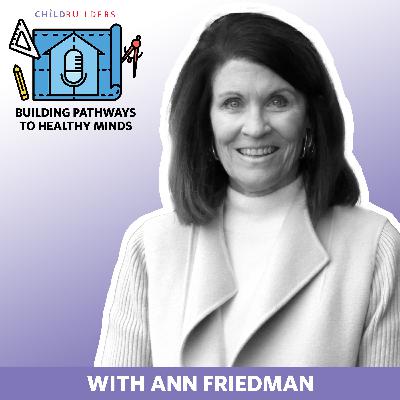
In this episode of Building Pathways to Healthy Minds, host Priscilla Bagley welcomes mindfulness expert Dr. Ann Friedman to explore the theme of being with uncertainty. Together, they discuss how our brains are wired to protect us by overthinking and worrying, but this often fuels anxiety.Dr. Friedman shares strategies to calm the mind and body, including mindfulness meditation, breathing techniques, exercise, and self-compassion practices. She explains how learning to sit with uncertainty—rather than fight it—can reduce anxiety, build resilience, and open us to more peace and connection in daily life.Listeners will gain practical tools for managing both everyday worries and life’s bigger unknowns, while learning how to reframe safety as the foundation for love, connection, and well-being.Listen to our prerecorded webinars with Dr. Friedman here: https://childbuilders.org/mindfulness-workshop/Visit her website to learn more about her practice: https://www.mindfulbeinghouston.com/
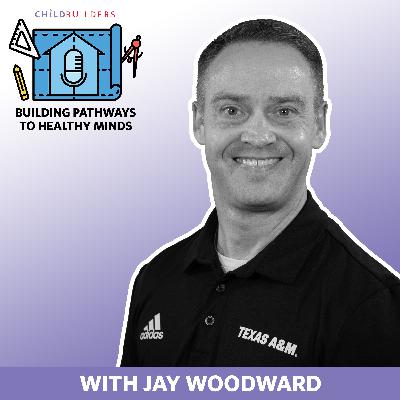
In this episode, Priscilla sits down with Dr. Jay Woodward, professor in the Department of Educational Psychology at Texas A&M University, to explore what really makes families strong. Together, they discuss family systems theory, the stages families move through, and the real-life challenges that shape family life.From communication and commitment to crisis management and traditions, Dr. Woodward shares how theory and practice intersect—and why no single approach works for every child. He reminds us that while research can guide us, parenting is often “messy and beautiful,” requiring intuition, empathy, and flexibility.Whether you are raising toddlers, teens, or navigating the “empty nest,” this conversation will encourage you to trust your instincts, strengthen family bonds, and see the beauty in life’s challenges.
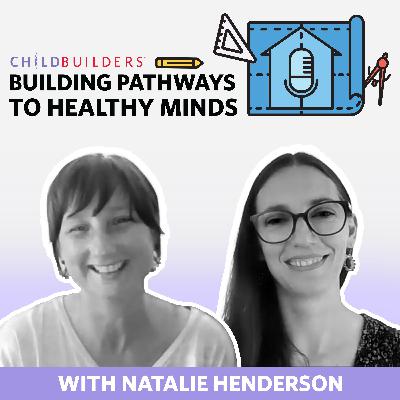
Have you ever felt like you or your child learns differently, sees the world differently or reacts to situations differently? In this episode I sit down with Natalie Henderson, a longtime friend who found herself asking herself these questions eight years ago, and that started a beautiful journey of discovering more about herself, her son and parenting. Our conversation is on the topic of neurodiversity and twice exceptionality and how in parenting we are constantly assessing, reassessing, learning and changing. No matter where we are in that journey, we need support and community to help us through and sit with us on the hard days. Natalie gave us all kinds of amazing resources and strategies she has found useful. Natalie Henderson, MPH is a public health educator, behavioral health strategist, and parentadvocate with over a decade of experience working at the intersection of mental health, education, and equity. She began her career at ChildBuilders, where she collaborated with the team on curriculum design and program delivery.As a parent of a neurodivergent child, Natalie brings both personal insight and professional expertise to her work. She has served in leadership roles across public health and education, most recently as Vice President of Partner Success at Cell-Ed, a mobile-first learning platform that supports underserved learners around the world. Her work focuses on helping organizations design inclusive, evidence-based strategies that meet people where they are.Natalie is also the founder of Radiant Catalyst, a consulting practice that supports small to medium-sized organizations align around shared goals, clarify roles and responsibilities,strengthen interpersonal relationships and build effective protocols and procedures. Her approach is grounded in empathy, systems thinking, and a deep commitment to equity.
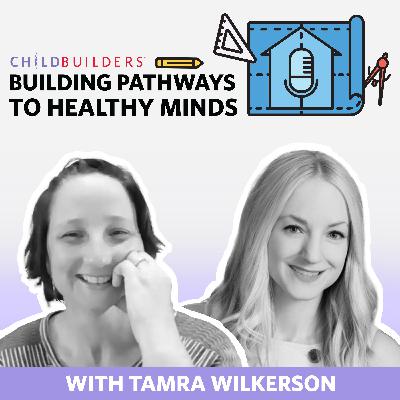
In this episode, we sit down with expectant mother, Tamra Wilkerson, for an open-hearted conversation about the journey into motherhood. As she prepares for the arrival of her baby, she reflects on the emotional, mental, and relational shifts that come with pregnancy. Our discussion touches on the importance of community, small moments of connection, and the value of feeling supported through uncertain times. We will delve into hopes and dreams for our children and practical ways we can make those dreams a reality.
This episode we talk to Licensed Professional Counselor Rachael Frasier, as she reflects on her work with both children and adults and shares wisdom from her time supporting students in schools and beyond. She encourages parents and educators to slow down, be present, and practice listening to what kids are saying and noticing what makes them tick. From grounding exercises to planning ahead with our kids, she gives practical strategies for walking through anxiety and learning differences. Rachael reminds us that as our children grow and change, so do we—and staying curious and connected is one of the most meaningful things we can do.
In this heartwarming and eye-opening episode, we dive into the magic of childhood wonder with the author of Raising Awe Seekers: How the Science of Wonder Helps Our Kids Thrive. From slowing down time (yes, it is possible!) to embracing curiosity like it’s your kid’s job, we explore the four powerful tenets that reframe how we parent and educate.With tangible tools, real-world examples, and a whole lot of soul, this conversation reminds us that raising thriving kids doesn’t require grand gestures—it’s about pausing to look at the stars, embracing the awe in everyday moments, and turning card games into core memories.Let's live fully and embrace the beauty all around us!
In this episode, we chat with Liz — entrepreneur, mom, and ChildBuilders board member — about the powerful parenting skills she brings from the workplace to her home. From leading with empathy to building resilience through real-life challenges, Liz shares how treating kids like part of the team can make all the difference. Tune in for relatable stories, smart strategies, and a few laughs along the way!
ChildBuilders newest podcast "Being Mindful in a Fast-Paced World" explores the power of mindfulness and self-acceptance in a world that constantly pushes us to compare, perform, and conform. Join us as we dive into the importance of living in the present moment, engaging the five senses, and recognizing the beauty in our everyday surroundings. We learn mindfulness practices like cultivating compassion, gratitude, and being present as we shift our inner dialogue to embrace who we are, not who we’re told to be. Whether you're a parent, educator, or someone on a personal growth journey, this episode is a gentle reminder that it's okay to be perfectly imperfect.

Anxiety is one of the biggest "enemies of empathy". We have all been there- something happens with our kids, and instead of responding with empathy, we respond out of our own anxiety. How can we recognize and overcome that? This episode gives stories and strategies for doing just that and ways to stop the cycle from affecting our children and their futures. We also talk about how prevention and talking to our children about their anxiety from a young age is key, how we can't always fix anxiety but we can reframe it by talking through fears and giving them tools to feel calm such as singing, yoga, and breathing, and how we walk alongside them to teach them problem-solving skills to create healthier pathways in their minds to help them overcome anxiety. We referenced 2 books to read with children to help on this journey:The Whatifs, By Emily KilgoreWilma Jean the Worry Machine, By Julia Cook
In this episode, Gretchen and Priscilla explore key aspects of building resilience in children, particularly focusing on self-regulation, coping, stress management, and the development of agency. The conversation also delves into how children’s choices and actions have a meaningful impact on the world around them, and how instilling this understanding in kids can help them navigate challenges and persistence, which can lead to new opportunities and growth. Another strategy for building resilience is teaching our children problem-solving skills. Instead of immediately providing answers, we can reflect questions back to our children to help them think critically and problem-solve independently. This approach not only strengthens cognitive skills but also builds confidence. And there are so many ways to do this by simply playing with our kids! This episode provides practical tools for parents and educators to help children build resilience by encouraging curiosity, independent thinking, and a positive approach to overcoming challenges as they craft their life stories. Priscilla referenced a book- Goldilocks and the Three DinosaursBy: Mo Willems
As parents and educators, we hear the word "resilient" a lot and how important it is to raise resilient kids. But what IS resilience? How do we cultivate it? In this episode, we interview Gretchen Lash, educator and creative mind behind a lot of ChildBuilders' curricula. We share stories and practical strategies for instilling and talking about resilience in our everyday lives. In Part 1 of this two-part episode, we dive into what resilience is and how managing stress and cultivating agency are all important pieces of building resilience in our children. Grab a cup of coffee and join us as we discover the true heart of resilience.
As parents and caregivers, we all want our children to feel safe, confident, and empowered—but how do we teach them the skills to protect themselves? In this episode of Building Pathways to Healthy Minds, host Priscilla sits down with Becky Zech-Stephenson, a passionate educator and counselor with over 38 years of experience, to dive into real-world strategies for keeping kids safe—physically, emotionally, and mentally.Together, they explore the Stand Strong • Stay Safe curriculum, which helps children recognize unsafe situations, set boundaries, and speak up for themselves. They discuss how teaching assertiveness can be life-changing, why it is critical to identify trusted adults, and how parents can create a home environment where children feel heard and supported.This conversation is packed with practical tips, powerful insights, and personal stories that will leave you feeling equipped to guide your child through life’s challenges. Do not miss this essential discussion on building confidence, resilience, and safety skills in the next generation!Next episode: Raising Resilient Kids—What Is Resilience and How Can We Build It in Children?

Comments

Download from Google Play

Download from App Store
 United States