


 Claim Ownership
School Shorts
Subscribed: 30Played: 387
Subscribe

© Melissa Chan-Green
Description
School Shorts is the podcast for busy parents who want to help their children succeed in school.
Hosted by Melissa Chan-Green, a journalist and mum of two, this show covers practical tips on reading, writing, spelling, and maths for preschool and early school years.
Learn about structured literacy, phonics, and foundational maths skills like counting, patterns, and sequences, plus how to support your child’s learning at home.
Quick, easy, and packed with helpful advice—School Shorts is here to help your child thrive!
Hosted on Acast. See acast.com/privacy for more information.
63 Episodes
Reverse
Last we spoke to Jo Knox on the podcast we looked at what birth month was best for academic success. There has not been a lot of specific research on this topic but there are some indicators which point to being the oldest in your school year leads to better educational outcomes. That might not necessarily be surprising but what is interesting is a new survey has found that a large percentage of teachers spoken to, believe the current enrolment process is inequitable and leads to unfair and unnecessary pressure on some teachers and some students. Pressure that could ultimately end up influencing their school journey. We look at the results of the survey, the barriers to change and what you can do if your child is caught up in a situation where they might be disadvantaged because of where their birthday falls. In the episode to follow this, we will be speaking with a representative from the Ministry of Education in New Zealand about the reasonings behind the specific rolling enrolment process and what they might look to investigate at some point in the future. Hosted on Acast. See acast.com/privacy for more information.
Not sure if your child's reading progress or the teaching they are getting is going too fast or too slow? This is a common discussion among parents at the school gate and the answer is going to be very individualised depending on your child and their teacher. However, it's really important to have some information about how it all works so you can make a decision about whether it is something that is worth raising (remember if your gut says you should, then it's always a good idea to chat with a teacher!) Louise Payne, a former teacher and expert in literacy development with Learning Matters, shares insights about understanding the process and the pace of teaching. She explains 'phonological awareness', the best ways to support reading at home and why it's not just about decoding words but understanding the story behind them. Hosted on Acast. See acast.com/privacy for more information.
Karina McHardy shares a personal story but one that will resonate with any parent who has had to advocate for their child's needs, whether it be additional assistance or learning needs in school. Karina shares the story of her son's autism diagnosis and the overwhelming silence she felt which followed. With no roadmap for support, Karina has fought for personalised support and questioned when there has been obstacles. She has written about her experience in a book called 'All In' which she has just launched ahead of World Autism Awareness Day. Karina also shares why the phrase 'everyone is on the spectrum' is something we should reconsider. Hosted on Acast. See acast.com/privacy for more information.
A study of school readiness found as many as 90 percent of primary schools surveyed said there was an increase in the number of new entrant students coming to school not knowing basic skills like holding a basic conversation, identifying their name or being able to go to the toilet independently. This episode explores the critical skills children need before starting school, the impact of COVID-19, and how parents and educators can work together to prepare children for a successful educational journey. Lucy Naylor from Auckland Primary Principals Association joins ECE Leader Kelly Seaburg to look at the reasons why we are seeing a decline in basic skills as well as offering practical tips for parents. Hosted on Acast. See acast.com/privacy for more information.
Online Schools and Alpha Schools have had a massive spike in interest but who do they work for and is this a long-term disruptor in education? In this episode, we explore the future of education with Penelope Barton, CEO of Crimson Global Education. Penelope shares what Crimson is working on in innovative models of schooling and whether it is more suited to catering for learners with different learning needs. Penelope Barton also looks at the role of AI in education and how she sees the relationship between education and technology working to prepare students for a rapidly changing world. Hosted on Acast. See acast.com/privacy for more information.
How well do you remember what grammatical words like adverb, adjective, prepositions actually mean? There is a lot of discussion in the education world at the moment about how much focus should be on teaching these word classes and instead focussing on whether a sentence instinctively feels right. Some research suggests being able to circle an adverb or noun on a worksheet has zero impact on writing ability. Other educators say everyone should have a common understanding of formal language grammar so that teachers can say 'try adding an adjective here' and students would be more clear about what kind of word to add in. Helen Walls aka The Writing Teacher looks at this debate in this episode of School Shorts. She has spoken in a previous episode about the importance of handwriting in the thinking process. This episode takes that discussion further to look at how to help children who are having challenges with writers including how to help older students still struggling. Hosted on Acast. See acast.com/privacy for more information.
Look, I'll admit it, I don't know much about the assessment system when it gets to High School. I know you can do NCEA (with potential changes on the horizon) and some students also do Cambridge Exams, IGCSE's and A-Levels. I was among the last to do the Bursary assessment system and with kids still in primary school, I don't really know much about how this all works. So consider this an explainer for those who might also have only a little knowledge about this. If you have a child that is in High School or will soon be, hopefully this gives you some idea of how this particular assessment works as we speak with Chris Wiggin from Cambridge International. Hosted on Acast. See acast.com/privacy for more information.
Hamish Brewer throws out the rule book when it comes to what people expect a Principal to be. The tattooed skateboarding Principal from New Zealand now spends most of his time in the U.S where he is one of the most recognisable and disruptive voices in education. Hamish has won national awards for transforming failing schools into 'high-performing', 'high-expectation communities'. Hosted on Acast. See acast.com/privacy for more information.
Artificial intelligence is already in classrooms. Bex Rose from AI Surge shares what that actually looks like for teachers, students and learning. Bex works directly with schools to help them understand how they can integrate and use AI to assist. She discusses what it means for ethics, safety and age appropriate use and common misconceptions about AI in education. Hosted on Acast. See acast.com/privacy for more information.

Follow these top 10 school safety tips from Police Officer Constable Bryan Ward and empower your kids and students to have the confidence to navigate their day at school to the walk home. If you grew up in New Zealand, Constable Bryan and his canine partner Bobby probably taught you everything you know about being a safe "kiwi kid." Today, he’s joining us on School Shorts to bring those timeless lessons into 2026. Hosted on Acast. See acast.com/privacy for more information.
Learning to read isn’t just about sounding out words even though the biggest part of reading instruction that gets spoken about publicly is phonics. Education journalist and author Natalie Wexler explains why in this episode. She points out that at a certain point student's reading progress flattens out unless they haven't also had teaching that helps to build fluency, background knowledge, vocabulary and comprehension. Wexler talks about how some children can 'read' words but still not understand what they're reading. Hosted on Acast. See acast.com/privacy for more information.
As countries around the world look to a structured approach to literacy to try and lift achievement results, what can educators learn from the experience in Mississippi, USA. It went from having the second-worst reading statistics in 2013 to 9th in 2024. What was behind the rapid increase in achievement? Kymyona Burk lead the change as State Literacy Director and reflects on what was done well and what might have been done differently. Hosted on Acast. See acast.com/privacy for more information.
How to encourage risky play and why it matters. Gill Connell from Moving Smart explains the importance of allowing kids to step outside their comfort zones while maintaining a safe environment. Gill talks about how the language we use can either instil fear or encourage courage in children. They discuss the power of the 'wonder word' and the "zone of uncertainty," where children can explore and learn from their experiences, and the role of parents as guides rather than barriers. Hosted on Acast. See acast.com/privacy for more information.
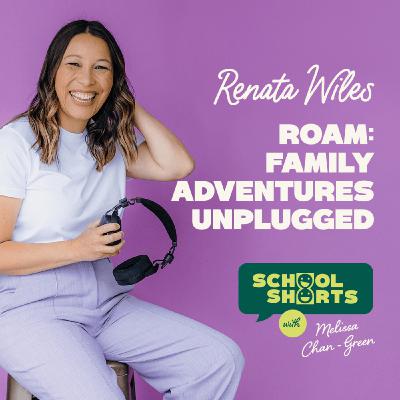
Counting down the most popular activities on the Roam with Kids app with Renata Wiles. If you are looking for activities that appeal to the whole family, the most-viewed cafes and playgrounds for families and new ideas for the holidays then this episode has some tips for you. Renata aims to have these tips extend worldwide so stay tuned as Roam grows and she can update with more information from cities around the world. Other than the family-friendly insights, Renata and Melissa also speak about tips for being able to say 'yes' to more spontaneous adventures and the current discussion about more shade for playgrounds. Hosted on Acast. See acast.com/privacy for more information.
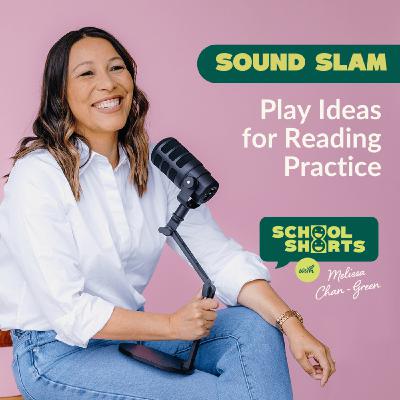
This is a great episode if you are looking for ways to keep up some reading and writing practise at home while school is on break. Primary school teacher, mother and founder of the Sound Slam card game Anna O'Connor shares her ideas and games. Anna talk about phonemic awareness, what that is and its importance in how children learn to read and write. Melissa and Anna also discuss the impact of COVID-19 on learning, the role of parents in supporting their children's education, and the creation of Sound Slam—a fun and engaging card game designed to boost phonological skills at home. Hosted on Acast. See acast.com/privacy for more information.
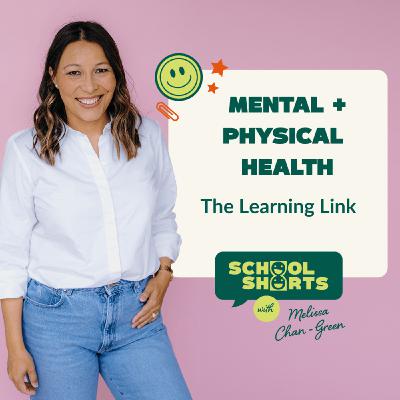
How well a child does at school is often linked to how they feel there. That can depend on so many factors. We know that academic achivement is one of them and the previous episode covers some of the best tips for maximising ability in reading and writing. This episode looks at all those other factors in mental and physical health. Melissa Chan-Green looks back at some of the advice that has been shared from parenting insights in Gemma McCaw, the importance of adult self awareness with Jase Williams and physical development with Gill Connell. It also looks at some of the conversations around neurodiversity and the need for a holistic approach to support children's learning and development. Hosted on Acast. See acast.com/privacy for more information.

In this special episode of "School Shorts," I look back on a year of conversations with some of the most influential people in education across New Zealand, Australia, the U.S and U.K. This is a wrap of some of the key highlights of advice for helping children with reading and writing. It looks at educational reform, the opportunities and challenges that presents and the role of parents to support their kids at home. Hosted on Acast. See acast.com/privacy for more information.

The fascinating world of AI in education with Michael Johnston who has authored a report titled Opportunities and Risks of Generative Artificial Intelligence. Michael shares some thoughts about how relying too much on tech, like calculators or Google Maps, can undercut foundational skills. We also chat about the social impacts of AI, especially on young people, and the importance of teaching critical thinking in schools. Hosted on Acast. See acast.com/privacy for more information.

How kids are being introduced to the world of financial literacy with the help of ASB's GetWise program. Joined by guests Hamish Russell and Lucinda Howarth, the discussion delves into the importance of teaching financial skills to young students. We talk about the Big Little GetWise show featuring Captain Cash-tastic, a superhero character designed to make financial education engaging and accessible. The discussion also looks at how financial education has changed because of the changing role and method of banking as we operate in a more digital landscape. This episode gives practical tips for parents about how to start introducing money concepts at home and equipping children with essential life skills to manage money. Hosted on Acast. See acast.com/privacy for more information.
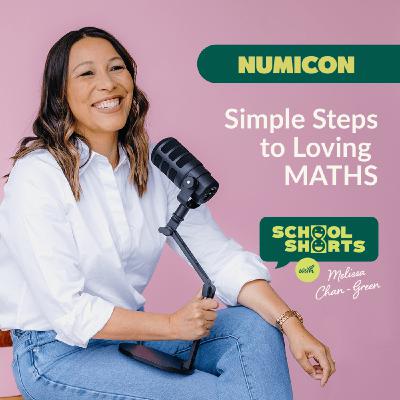
Numicon is a maths teaching tool is a maths teaching tool that is used across the world and through thousands of schools in Aotearoa New Zealand. Catherine Huxford of the Edushop team explains how it is a multi-sensory approach that helps children visualise and understand maths concepts. There are lots of tips here about how to introduce maths skills from a young age and how useful that can be for long-term love of maths. If you want some ideas around how to introduce easy games into everyday activities, this is a useful listen ..and there's a demonstration at the end to give an example of how it works in the classroom. Hosted on Acast. See acast.com/privacy for more information.

Comments

Download from Google Play

Download from App Store
 United States