


 Claim Ownership
Buried Bible Podcast
Subscribed: 8Played: 209
Subscribe

© Dr. Mark Chavalas
Description
The Buried Bible Podcast uncovers the rich historical and cultural context behind the Bible, bringing ancient Scripture to life. Join Dr. Mark Chavalas, a renowned scholar, archaeologist and professor with expertise in ancient Near Eastern history, and Keagan Walz, who provides a fresh perspective from the modern listener’s point of view. Together, they explore the stories, cultures, and languages that shaped the biblical world and uncover insights that deepen your understanding of Scripture.
45 Episodes
Reverse
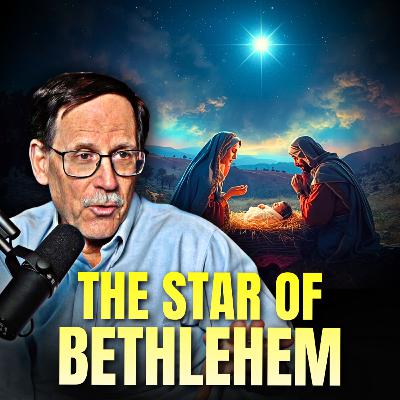
Was the Star of Bethlehem a miracle in the night sky—or an astrological “birth report” that only trained Magi would’ve understood?This wraps our Christmas mini-series by diving straight into the Michael Molnar hypothesis: Matthew’s “star” may function like a royal natal horoscope pointing to Judea. That one shift reframes multiple “odd” details in Matthew 2—why the Magi saw the star “in the East,” why they traveled west, why they went to Jerusalem first, and why nobody else in Jerusalem noticed anything spectacular. We also explore how terms like “in the East” may be technical language tied to heliacal rising, and how planetary retrograde motion/stationing could help explain the star “going before them” and “stopping.”🔥 Key Moments & Ideas➡️ Why modern scholars often ignored astrology—and why that blind spot matters for historians➡️ Molnar’s core claim: the “star” is the report of a natal horoscope➡️ “We saw his star in the rising” as heliacal rising (not simply a compass direction)➡️ Why astrology could point to a province (Judea) but not a town (Bethlehem)➡️ Why no one in Jerusalem “saw” the star—because the pattern is recognized on a horoscope, not as a spectacle➡️ The theological question: providence through natural means vs. outright sky-miracle➡️ Stars as deities vs. stars as subordinate heavenly beings—how Jews differed from their neighbors📚 Sources Mentioned- The Star of Bethlehem and the Magi (ed. Barthel van Kooten)- Bradley Schaefer on the Molnar hypothesis- Michael Molnar, The Legacy of the Magi- Ptolemy, Tetrabiblos- Tacitus, Annals/Histories- Suetonius, Life of Vespasian- Firmicus Maternus, Mathesis💬 Let’s Talk in the CommentsDo you think Matthew is describing a visible miracle, an astrological reading, or God’s providence using both? Where do you land?🎥 Like, Subscribe & ShareIf you want more Bible passages explained through ancient context, subscribe and share this with a friend who loves Christmas… but also loves the hard questions.#BuriedBiblePodcast #StarOfBethlehem #Magi #Matthew2 #AncientAstrology #AncientNearEast #BibleContext #BiblicalHistory #christmasseries
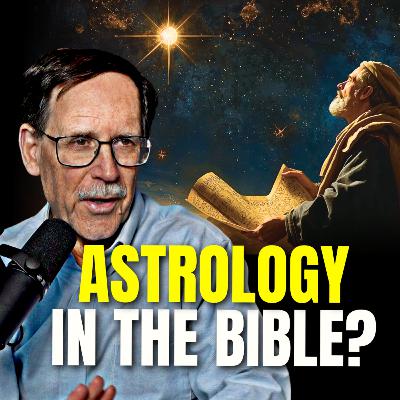
Can astrology help us understand Matthew 2 & the star of Bethlehem?Dr. Mark Chavalas continues our Christmas series on the Star of Bethlehem, diving into a topic that might ruffle some feathers: ancient Near Eastern astrology. Far from modern horoscopes and pop mysticism, this episode explores astrology as it existed in the Mesopotamian, Jewish, and Greco-Roman worlds, and why it may be essential for understanding Matthew 2 and the Magi.➡️ What ancient astrology actually was—and why it’s nothing like modern horoscopes➡️ How Mesopotamian astrology shaped Greek and Roman thought➡️ Why astrology and astronomy were inseparable in the ancient world➡️ Evidence for Jewish astrology during the Second Temple period➡️ Zodiac imagery in the Dead Sea Scrolls and ancient synagogues➡️ How ancient scholars interpreted signs in the heavens as divine communication➡️ Why the Magi were likely astrologer-priests, not kings➡️ How early Christians (including Origen) understood Balaam’s star prophecy➡️ Why the Star of Bethlehem may have been calculated, not merely observedMany Christians instinctively reject astrology—and for good reason. But what if biblical authors were engaging ancient cosmic language, not endorsing pagan belief systems?💬 Let’s Talk in the CommentsDoes the idea of Jewish astrology surprise you? Should Christians be uncomfortable—or curious—about ancient cosmic imagery in Scripture? What questions do you want answered in our final Star of Bethlehem episode?🎥 Like, Subscribe & ShareIf you’re enjoying this deep dive into the Bible’s ancient world:#BuriedBiblePodcast #StarOfBethlehem #Magi #WiseMen #Matthew2 #AncientNearEast #BiblicalContext #BibleHistory #BiblicalArchaeology #DeadSeaScrolls #SecondTempleJudaism #Mesopotamia #BiblicalStudies #ChristmasSeries #BiblePodcast
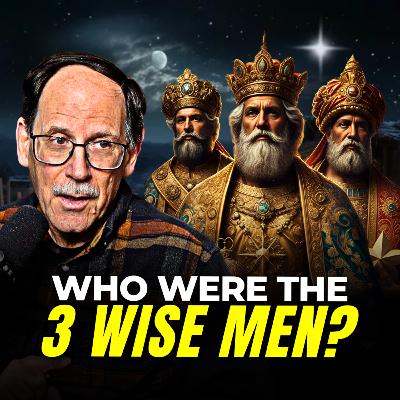
What if the “Star of Bethlehem” wasn’t what you think it was?In this Christmas-themed episode of the Buried Bible Podcast, Dr. Mark Chavalas dives into Matthew 2 and the famous story of the Magi and the Star—but through the lens of the ancient world. Who were the Magi really? Why does Matthew use language that sounds… astrological? And why would these men go to Jerusalem first instead of Bethlehem?🔥 In This Episode:➡️ Why the term “Magi” changes meaning over time (priests, diviners, even “sorcerers”)➡️ What Matthew’s phrase “in the East / in the rising” could imply➡️ The historical anchor: Herod’s reign and why Jesus’ birth is often placed before 4 BC➡️ How Roman and Jewish sources show horoscopes and portents were taken seriously in the ancient world➡️ Why the Magi may have “seen” the star on paper, not in the sky (and what that means)Mentioned / Referenced in the Conversation:Matthew 2Micah 5:2 (and Matthew’s use of it)Acts 8 (Simon “Magi”)Josephus (Herod dates; references to “magi/magician”)Suetonius (Augustus, Nero, Titus)Dead Sea Scrolls references to horoscopes/divination textsEd Yamauchi, Persia and the BibleFrancesca Rochberg, The Heavenly Writing (and related scholarship)Michael Molnar, The Star of Bethlehem: The Legacy of the Magi #BuriedBiblePodcast #Magi #StarOfBethlehem #Matthew2 #BibleHistory #AncientNearEast #BiblicalStudies #ChristmasEpisode #jesusbirth
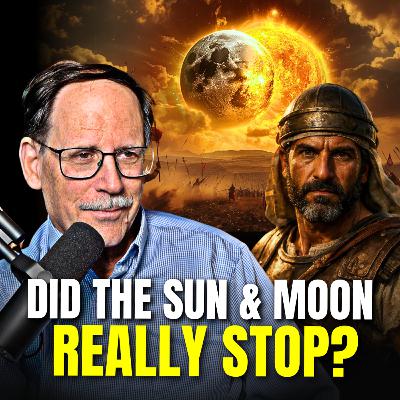
Did Joshua 10 really say the sun and moon literally stopped — or have we missed what an ancient reader would’ve heard immediately?We conclude our deep dive into Joshua 10:12–15, one of the most debated miracle passages in the Old Testament. The conversation centers on whether the famous line about the sun standing still over Gibeon and the moon over the Valley of Aijalon should be read as a miraculous astronomical event — or as poetic language rooted in ancient Near Eastern celestial omen traditions.Dr. Chavalas examines the sudden shift from military narrative to poetry in Joshua 10, the Hebrew verbs traditionally translated “stand still,” and how similar language appears in Mesopotamian celestial divination texts. The episode also explores why the geographical details in the passage suggest morning, not evening, and how ancient armies interpreted the positioning of heavenly bodies as divine signals for battle.Rather than reducing the miracle, this discussion asks whether Joshua 10 may actually portray a different kind of cosmic event — one centered on divine providence, participation in God’s will, and the theological claim that “the LORD listened to the voice of a man.”🔥 In This Episode:➡️ Why Joshua 10 contains a poetic section embedded in military narrative➡️ What the Hebrew verbs dāmam and ʿāmad can mean beyond “stop”➡️ How Mesopotamian omen texts used sun and moon positioning for warfare➡️ Why the phrase “a day like no other” may focus on divine response, not astronomy➡️ How ancient readers may have understood this event very differently than modern audiences💬 Let’s Talk in the CommentsDo you think Joshua 10 is describing a literal astronomical event — or ancient omen-style language used to describe divine providence? Drop your questions below.Primary Biblical Texts: Joshua 10:12–15 - Joshua 5:13–15Ancient Near Eastern Sources:Enuma Anu Enlil (Mesopotamian celestial omen series)Campbell Thompson, Reports of the Magicians and Astrologers of Nineveh and Babylon, Vols. 1–2 (London: Luzac, 1900–1902)Key Scholarly Articles:Walton, John H.“Joshua 10:12–15 and Mesopotamian Celestial Omen Texts.”In Faith, Tradition, and History: Old Testament Historiography in Its Near Eastern Context, edited by Alan Millard, James Hoffmeier, and David Baker, 181–190. Winona Lake, IN: Eisenbrauns, 1994.Wilson, Robert Dick.Ancient History & Comparative Sources:Plutarch, Life of NiciasLivy, History of Rome.#BuriedBiblePodcast #Joshua10 #BibleContext #AncientNearEast #OldTestament #BiblicalStudies #Mesopotamia #BibleStudy #ChristianPodcast #sunstoodstill
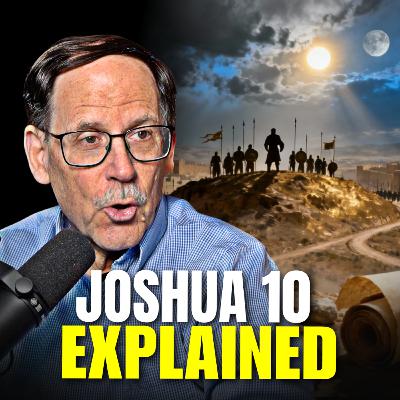
What did the “sun standing still” mean to an ancient audience?In Joshua 10, the Bible describes one of its most debated moments—a battle where the sun and moon appear to stop in the sky. But before asking how this happened, this episode asks a more foundational question: how would an ancient reader have understood this text?In this episode of the Buried Bible Podcast, Dr. Mark Chavalas explores Joshua 10:1–15 by first rebuilding the ancient historical, literary, and cultural world behind the passage. Rather than jumping straight to modern scientific questions, Mark situates the story within ancient warfare, political alliances, royal annals, poetry, and omen language common across the ancient Near East.This episode focuses on background and setup, laying the groundwork for understanding why Joshua 10 was written the way it was—and how ancient readers would have heard it.🔥 In This Episode- Why the Book of Joshua reads like ancient military annals- The political world of Canaanite city-states and alliances- The role of Gibeon and the five Amorite kings- Why ancient battles often included poetic and cosmic language- How hailstones, night marches, and victory reports fit ancient war literature- Why the Book of Jasher is mentioned—and why it matters📚 Key References & Sources MentionedBiblical Texts:Joshua 9–10Judges (comparative narrative patterns)Jeremiah 34 (treaty and oath parallels)Ancient Near Eastern Sources:The Amarna Letters (14th century BC international correspondence)– William L. Moran, The Amarna LettersAncient Egyptian, Hittite, and Assyrian royal annalsAncient Near Eastern omen and celestial literatureArchaeology & Background StudiesJames B. Pritchard, Gibeon: Where the Sun Stood StillArchaeological data on Canaanite fortified cities (Jerusalem, Lachish, Hebron)💬 Let’s Talk in the Comments:Do you read Joshua 10 as literal cosmic stoppage, poetic battle language, or something else? What’s your biggest question about the “sun stood still” passage?🎥 Like, Subscribe & Share if you want more Bible passages explored through the lens of the ancient Near East.We’ll see you next time on the Buried Bible Podcast—because the real payoff of Joshua 10 is still ahead.#BuriedBiblePodcast #Joshua10 #BibleStudy #AncientNearEast #OldTestament #BiblicalContext #SunStoodStill #DrMarkChavalas #SunStoodStill #BibleHistory #ChristianPodcast #Bible Study
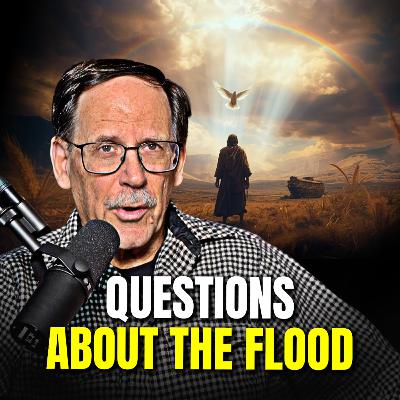
There is so much more happening in the flood story than most readers ever realize — so what questions should we actually be asking about Noah’s flood?In this wrap-up Q&A episode, Dr. Mark Chavalas wrestles with the difficult questions left in the flood narrative — the ones most people avoid. Was the flood global or local? Who were the Nephilim, and why are they before and after the flood? Did God really “start over” with the flood? And if so… why does evil show up again the moment Noah steps off the ark? Why is Noah called “righteous” if he fails immediately in Genesis 9? And what on earth is going on with Noah’s nakedness and the curse of Canaan?Dr. Chavalas warns us:“Read your Bible and don’t be intimidated by it. There’s a lot that is poetic and not literal. Strap on your big-boy pants and learn to interpret faithfully without fear." This episode wrestles honestly with ambiguity, ancient Near Eastern context, and the theological beauty that emerges from both.In This Episode:➡️ Why the biblical flood story is nothing like Mesopotamian flood myths➡️ The real meaning behind God's “repentance” and emotional grief➡️ Noah’s righteousness: character or divine grace?➡️ Why evil survives the flood — and what Genesis wants us to see➡️ The Nephilim problem: before and after the flood➡️ Was the flood global, local, or literary? Dr. Chavalas explains ancient language➡️ The shocking honor-shame meaning of Noah’s nakedness➡️ Why Canaan is cursed even though Ham sinned➡️ The flood as a reset echoing Genesis 1➡️ How reading like an ancient changes everythingThe story of Noah isn’t a children’s tale — it’s a theological masterpiece. Understanding how ancient Israelites thought, wrote, and interpreted the world unlocks the depth of God’s character, His justice, His mercy, and His astonishing patience with humanity.💬 Let’s Talk in the Comments:What question from the flood narrative has always bothered you?Drop it below — your question might shape a future episode.📧 (buriedbiblepodcast@gmail.com)🎥 Like, Subscribe & Share:If this conversation challenged you, stretched your thinking, or deepened your love for Scripture, make sure to like the video, subscribe, and share it with someone who loves the Bible.#BuriedBiblePodcast #Noah #Flood #AncientNearEast #BibleStudy #BiblicalContext #Genesis6 #Nephilim #OldTestament #MarkChavalas #biblehistory
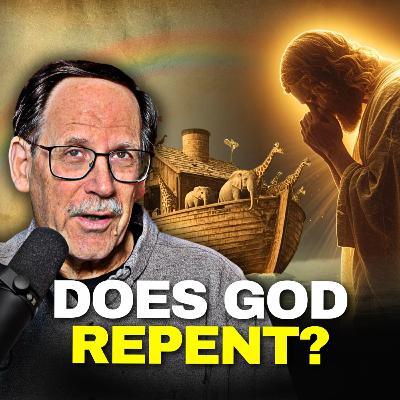
What does it mean when Genesis says God “repented” for making humanity? Did God change His mind? Is this an anthropomorphism? A metaphor? A translation issue? Or something far deeper — about divine emotion, justice, and mercy?Today, Dr. Mark Chavalas takes a bunny trail in the Flood narrative by diving into one of the most difficult and most misunderstood verses in the entire Old Testament: God “repenting” in Genesis 6:6.From ancient Hebrew linguistics to emotional language for God, this episode explores the true meaning of the word nāḥam, how ancient translators struggled with it, and why this word gives us a fuller, richer picture of God’s character — not a contradiction.This conversation goes deep into theology, the ancient Near East, how anthropomorphism works in Scripture, and how the Flood story reveals God’s justice and His mercy.📖 In This Episode:➡️ What the Hebrew word nāḥam really means — and why it doesn’t translate cleanly into English➡️ Why Genesis 6:6 says God “repented” or “regretted” creating mankind➡️ How ancient translators in the Septuagint struggled to capture this word➡️ The difference between God “changing His mind” and God expressing divine compassion➡️ How anthropomorphic language helps us understand God without limiting Him➡️ What the Flood narrative teaches about divine justice, mercy, and emotional language➡️ Why Noah’s name (“rest/comfort”) ties directly into the theological meaning of the Flood➡️ Why this matters for prayer, judgment, blessing, and understanding God’s character💬 Let’s Talk in the Comments:How have you understood the idea of God “repenting”? Does this change the way you read the Flood story?🎥 Like, Subscribe & Share#BuriedBiblePodcast #BibleHistory #Genesis6 #AncientNearEast #OldTestament #BibleStudy #BiblicalContext #HebrewBible #Theology #ChristianPodcast #BiblicalHebrew #FloodStory #GodsCharacter
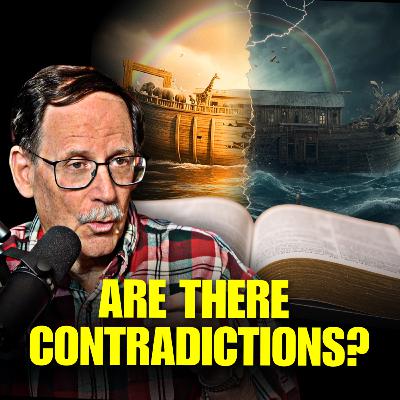
Are the “contradictions” in the flood story proof that Genesis is sloppy—or are they actually clues to a hidden literary design?In today’s episode of the Buried Bible Podcast, Keagan Walz and Dr. Mark Chavalas explore one of the most controversial claims about the Bible: that the Genesis Flood narrative is inconsistent, repetitive, or stitched together from conflicting sources.But what if the Flood story is far more brilliant, intentional, and literary than modern readers imagine?Join us as Dr. Chavalas walks through the surprising chiastic structure woven through Genesis 6–9, showing how the numbers, repetitions, and narrative “tensions” actually form a carefully crafted design, not a broken account. We explore ancient Near Eastern writing, oral tradition, how ancient authors used pattern and symmetry, and why the Flood story functions as a theological masterpiece—not a scientific puzzle.🔥 In This Episode:➡️ Why Genesis 6–9 looks contradictory to modern readers➡️ The 31-part chiastic structure hidden inside the Flood narrative➡️ Why “God remembered Noah” is the center of the entire narrative➡️ How ancient literary design shapes the story’s numbers and repetitions➡️ Whether recognizing literary design weakens inerrancy—or actually deepens our trust in Scripture➡️ Parallels with Genesis 1’s structure and why both creation and flood are answering different questions than modern science asks➡️ Why the Flood story isn’t broken…but brilliantly crafted💬 Let’s Talk in the CommentsDo you think the Flood story is contradictory?Did the chiastic structure surprise you?Drop your questions, thoughts, and disagreements—we love hearing from you.📜 Email : buriedbiblepodcast@gmail.com
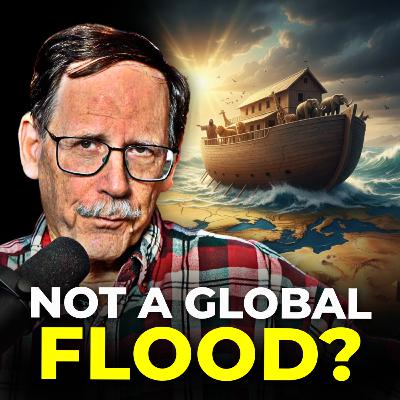
Did the Bible describe a global flood—or was it a local event misunderstood by moderns?In this episode of The Buried Bible Podcast, Dr. Mark Chavalas continues a deep dive into the Flood narrative of Genesis, exploring divine intent, God’s sorrow, and the striking differences between the biblical account and Mesopotamian flood stories.This episode wrestles with questions about divine justice, mercy, and regret—what does it mean that God was “grieved in His heart”? And how should modern readers understand terms like “all the earth” and “all flesh” in light of the ancient world?🔥 In This Episode:➡️ Why God’s “grief” over humanity is one of the Bible’s most profound moments➡️ The meaning behind “all the earth” — global flood or local deluge?➡️ How Mesopotamian flood myths help illuminate Genesis➡️ What “repentance” means when it’s applied to God Himself➡️ The role of the Nephilim before the Flood — and why they’re mentioned at all➡️ How ancient readers would have understood the flood story differently than we do today💬 Let’s Talk in the Comments:Do you believe the Flood was global or local? What does this story reveal to you about God’s nature?OR EMAIL US: buriedbiblepodcast@gmail.com🎥 Like, Subscribe & Share to join us each week as we uncover the Bible through the lens of the ancient world.
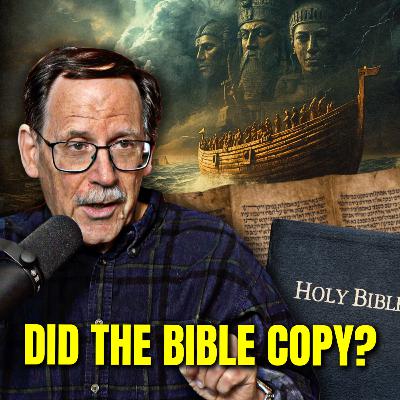
Did the Bible Copy the Flood Story?In this episode, we continue our deep-dive into the story of the Flood—this time examining the Mesopotamian flood traditions that existed long before the Bible’s account in Genesis 6–9. Dr. Chavalas unpacks the Atrahasis Epic and Gilgamesh Tablet XI, explaining how these ancient stories describe quarrelling gods, unjust creation, and a flood brought on by divine chaos—not justice. He contrasts that with the biblical God, who acts from mercy and moral order rather than divine whim. Mark’s goal is to compare the flood stories to highlight their differences, not their similarities.This conversation reframes that question, “Did the Bible copy pagan myths?” showing that while the Israelites were part of the ancient Near Eastern world, their message was radically different—monotheistic, moral, and redemptive.🔥 In This Episode:➡️ What the Atrahasis and Gilgamesh epics actually say about the Flood➡️ How Mesopotamian gods are fickle, unjust, and at odds with each other➡️ The major differences between Mesopotamian polytheism and biblical monotheism➡️ Why the Bible’s version focuses on God’s struggle between justice and mercy➡️ How these ancient parallels strengthen—not weaken—biblical faith💬 Let’s Talk in the CommentsWhat stood out to you most about the ancient flood stories? Do their differences from Genesis strengthen your faith—or raise new questions?👉 buriedbiblepodcast@gmail.com🎥 Like, Subscribe & Share If you love learning the historical context behind Scripture, subscribe and share this episode with a friend who loves digging deeper into the Bible.
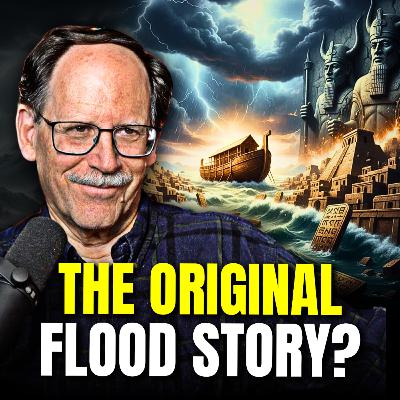
Were there flood stories before the Bible?Mesopotamian scholar, Dr. Mark Chavalas dives into one of the most famous stories in history — the Flood. But before Noah’s ark ever set sail, ancient Mesopotamian civilizations were already writing about deluges sent by the gods. How does that work?Dr. Chavalas introduces the earliest flood traditions from Sumerian, Babylonian, and Akkadian sources — from Ziusudra and Atrahasis to Utnapishtim of the Epic of Gilgamesh — and explores how these stories compare to, and differ from, the biblical account in Genesis. Along the way, he recounts the remarkable 19th-century discovery of Babylonian flood tablets that shocked the Victorian world, sparked a clash between science and faith, and forever changed biblical studies.This episode lays the foundation for an in-depth exploration of how the Flood was understood in the ancient Near East — and how the biblical version redefined divine purpose, justice, and mercy.🔥 IN THIS EPISODE:➡️ How the Mesopotamian flood myths predate the biblical narrative➡️ The earliest Sumerian and Babylonian flood traditions➡️ How George Smith’s 1872 discovery of the Babylonian flood tablet stunned the modern world➡️ Comparing Ziusudra, Atrahasis, and the Gilgamesh flood hero➡️ Why the Bible’s Flood story is more than just a theological response📚 Understanding the ancient flood traditions helps us see Genesis 6–9 not as a stand-alone myth, but as a divinely inspired response to pagan worldviews. The biblical writers weren’t copying Babylonian ideas — they were correcting them, revealing a God who is moral, relational, and sovereign over creation, unlike the fickle gods of Mesopotamia.This episode sets the stage for the next few discussions on how ancient literature shaped — and was reshaped by — the biblical vision of the flood.💬 LET’S TALK IN THE COMMENTSWhat do you think: why do nearly every ancient culture have a flood story? Were they remembering the same event — or expressing something deeper about human nature and the divine?‼️‼️ EMAIL US YOUR QUESTIONS : buriedbiblepodcast@gmail.com ‼️‼️🎥 LIKE, SUBSCRIBE & SHARE📚 Resources Mentioned:➡️ Alexander Heidel, The Gilgamesh Epic and Old Testament Parallels (1946)➡️ W. G. Lambert & A. R. Millard, Atrahasis: The Babylonian Story of the Flood➡️ Irving Finkel, The Ark Before Noah➡️ Nathan Wasserman, The Flood: The Akkadian Sources (2020)➡️ Adam E. Miglio, The Gilgamesh Epic and Genesis 1–11: Peering into the Deep (2023)
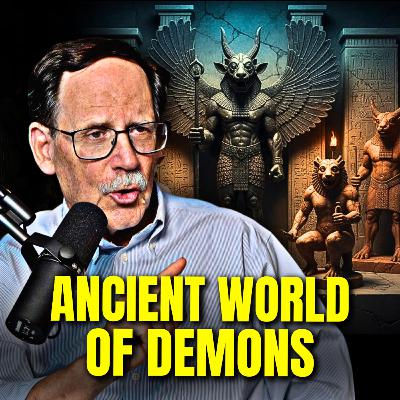
What did the Old Testament really teach about demons and spirits? Were they fallen angels, ghosts, or something else entirely? In this final episode of our “Demons” series, Dr. Mark Chavalas explores what the Old Testament actually says—and doesn’t say—about demons. He traces the mysterious world of supernatural beings in the Old Testament—where wild desert creatures, shadowy spirits, and divine messengers blur the line between natural and spiritual.This discussion challenges sanitized modern theology and reveals a world alive with unseen powers under God’s control. The episode closes with Psalm 91, showing how Israel’s worldview of pestilence, plague, and night terrors connects directly to their trust in God as the ultimate protector.🔥 In This Episode:➡️ Demons & their connection to the Old Testament➡️ The mysterious “Lilith,” Azazel, and the scapegoat ritual in Leviticus 16➡️ The Witch of Endor and Saul’s encounter with Samuel’s spirit➡️ The lying spirit in Ahab’s court and what it reveals about God’s sovereignty➡️ Psalm 91 and the real meaning of “the terror by night”➡️ How Israel’s understanding of evil shaped early Christian theology💬 Let’s Talk in the Comments:Which Old Testament passage about demons or spirits do you find most fascinating—or most difficult to understand?🎥 Like, Subscribe & ShareIf you’ve enjoyed this series on demons in the Bible, make sure to subscribe for our next series as we return to Genesis and explore the unseen world through an ancient lens.📚 Books & Texts MentionedEvil Demons — Mark Geller (ed.)- The Devils and Evil Spirits of Babylonia — R. Campbell Thompson- “Demons in Mesopotamia and Israel” — John Walton- Leviticus Commentary (Anchor Yale Bible) — Jacob Milgrom- The First Ghost — Irving Finkel- Psalm 91 and the Demonic Menace — Gerrit Vreugdenhil (2020)- The Unseen Realm — Michael S. HeiserBiblical Passages Discussed:Leviticus 16 (Azazel) · Isaiah 34:14 (Lilith) · 1 Samuel 16 & 28 (Saul & Witch of Endor) · 1 Kings 22 (Lying Spirit) · Genesis 4:7 (Rabisu imagery) · Psalm 91 (Demonic Menace) · Job (Netherworld) · Isaiah 10 (Assyria as rod of God) · Genesis 6 (Nephilim) · Ephesians 1–3 (Principalities & Powers)
What did the ancient world really believe about demons?Before the Bible ever mentioned unclean spirits, the people of Mesopotamia lived in a world filled with spirit beings, magic, and fear of the unseen. In this episode, Dr. Mark Chavalas looks into the ancient Mesopotamian worldview of demons and spirit beings—the cultural backdrop behind how the Bible’s authors and readers understood the unseen world.This episode unpacks texts from the ancient Near East describing how demons were classified, how they affected daily life, and how people sought protection through magic, medicine, and ritual. From protective spirits to terrifying ghosts and baby-snatching demonesses, this conversation reveals just how different—and yet familiar—the ancient world’s view of evil, spiritual warfare and the unseen realm really was.🔥 In This Episode:➡️ How Mesopotamians understood “demons” and spirit beings➡️ Why there was no word for “demon” in the ancient Near East➡️ The three classes of spiritual beings—from gods to ghosts➡️ How illness, misfortune, and even nightmares were tied to the spiritual realm➡️ The eerie rituals and “medical magic” used to drive out evil spirits➡️ Why understanding Mesopotamian demonology illuminates Scripture📚 Rescources & Texts:- John H. Walton, “Demons in Mesopotamia and Israel: Exploring the Category of Non-Divine but Supernatural Entities”. - Gina Konstantinopoulos, “Demons and Exorcism in Ancient Mesopotamia” - Frans Wiggermann, “The Mesopotamian Pandemonium”, on Mesopotamian demon concepts - Markham J. Geller, works on the Sherpa incantations and their relationship to biblical Leviticus style rituals.- “Demons and Spirits in Biblical Theology: Reading the Biblical Text in Its Cultural and Literary Context” by John Walton & J. Harvey Walton💬 Let’s Talk in the Comments:What surprises you most about how ancient people viewed demons?🎥 Like, Subscribe & Share:If you love learning the Bible through its ancient context, hit that bell so you never miss an episode!
We continue asking the questions: What is a Demon? How did the people in the ancient Jews and non-biblical writers view demons?Dr. Chavalas explains that, as with many theological topics, the Bible itself never gives a direct definition. Instead, later Jewish and intertestamental writings tried to fill in the gaps. The conversation moves through several ancient sources that shaped how both Jews and early Christians understood the unseen world.📖 Key Points:➡️ The Bible’s Silence: Scripture mentions demons and unclean spirits but doesn’t explain their origin or nature.➡️ Greek Background: In classical Greek, daimon could mean any spiritual force—sometimes good, sometimes bad—showing how broad the term was before Jewish writers adopted it.➡️ Intertestamental Development: 1 Enoch 👉 The Book of Jubilees 👉 Josephus 👉 The Testament of Solomon 👉 The Dead Sea Scrolls➡️ Medical ailments vs Spiritual Illness➡️ Theological Tension: The hosts discuss how Christians today wrestle with distinguishing between natural illness and spiritual attack, and how faith calls us to live in that tension rather than demand black-and-white answers.💭 Haven some questions for us? 💭 buriedbiblepodcast@gmail.comThe Bible doesn’t systematize demonology, but the ancient world was filled with attempts to explain it. Understanding those texts—Enoch, Jubilees, Josephus, Solomon, and the Dead Sea Scrolls—reveals the worldview behind the New Testament’s stories of possession, healing, and spiritual conflict. Ultimately, the episode points listeners back to the authority of Christ, who transcends every ancient fear of the unseen.🎥 Like, Subscribe & Share:Your support helps us reach more listeners hungry to understand the Bible in its historical and cultural context.
What does the New Testament really teach about demons?In Part 2 of our exploration of demons in the bible, we zoom out from the story in Mark 5 to examine the bigger picture of demonology throughout the New Testament. From exorcisms in Mark’s Gospel to the nuances of “demons” versus “unclean spirits.” This episode unpacks how the biblical writers understood the spiritual realm. Along the way, Dr. Chavalas explains why Jesus’ exorcisms were so unique compared to pagan rituals, how the apostles continued His authority, and why the New Testament doesn’t present a full “theology of demons.” The discussion draws from intertestamental Jewish writings, rabbinical texts, and even skeptical pagan critics of early Christianity, showing how the ancient world grappled with the reality of spiritual forces.🔥 In This Episode:➡️ What are the differences between “demons” and “unclean spirits”?➡️ Demonology throughout the New Testament➡️ How Jesus’ exorcisms broke with pagan rituals and showed divine authority➡️ What Jewish and early Christian writers outside the Bible said about Jesus and demons.➡️ The reason for calling out names - and why demons recognize Jesus’ authority➡️ Why early Jewish writings (1 Enoch, Jubilees, Testament of Solomon) shaped background assumptions about demons📚 Sources Mentioned in the Episode:D. F. Strauss – The Life of Jesus Critically Examined🔗 Read on Archive.orgRudolf Bultmann – “It is impossible to use electric light…” (New Testament and Mythology)🔗 English TranslationOpen Letter by Don Cupitt & G. W. H. Lampe to the General Synod🔗 Guardian Archive Reference (full text is referenced in secondary sources, not widely available online)🔗 demons in Mark 1, 6, 7, 9; Matthew 12; Acts 5, 8, 16; 1 Corinthians 10; 1 Timothy 4; and Ephesians👉 Feel free to email us at: buriedbiblepodcast@gmail.com***** we apologize for some technical difficulties. We are working on getting it fixed, so if you notice them in the next few episodes please give us grace. If you didn't even notice.....nevermind i guess!🎥 Like, Subscribe & Share
We’re starting our new series on demons in the bible by diving into one of the wildest stories in the New Testament — Jesus casting out Legion and sending the demons into a herd of pigs in Mark 5. You’ve probably heard the story before, but what’s actually going on here? Why did the demons beg not to be tormented, and why choose swine? 🔥 In This Episode:➡️ Why Mark, Matthew, and Luke differ in their accounts of the Gerasene demoniac➡️ The meaning of “unclean spirits” and why demons name Jesus the “Son of the Most High God”➡️ The role of pigs in Greco-Roman and Mesopotamian rituals (and why this matters for Mark 5)➡️ Jewish and pagan exorcism practices — and how Jesus is utterly different➡️ Why demons are said to hate water and what that reveals about the abyss and judgment➡️ What this story shows about the supremacy of Christ🔥 This isn’t just about pigs—it’s about power, authority, and the supremacy of Christ over the unseen world. By examining the cultural background, ancient demonology, and gospel tensions, we gain a deeper appreciation of why Mark included this dramatic event.📚 Sources Referenced in this Episode:- R. T. France, The Gospel of Mark (New International Greek Testament Commentary, 2002)- R. T. France, The Gospel of Matthew (New International Commentary on the New Testament, 2007)- Word Biblical Commentary (Matthew/Mark volumes) - Barry Beitzel, The Moody Atlas of the Bible (2015 edition)- Jacob Milgrom, Leviticus 1–16 (Anchor Yale Bible Commentary, 1991)R. Campbell Thompson, The Devils and Evil Spirits of Babylonia (1904)- M. J. Geller, Evil Demons: Canonical Udug-hul Incantations (2007)- John Hull, Hellenistic Magic and the Synoptic Tradition (SCM Press, 1974)- The Testament of Solomon (early Jewish pseudepigrapha)- Greco-Roman Magical Papyri (PGM IV and others)- Book of Tobit (Apocrypha)1 Enoch (Jewish apocalyptic literature)- Archaeology Magazine / Atikot journal report on pig remains at Legio (2023)🎥 Like, Subscribe & ShareIf this episode deepened your understanding, share it with someone curious about the Bible’s stranger stories.***** we apologize for some technical difficulties. We are working on getting it fixed, so if you notice them in the next few episodes please give us grace. If you didn't even notice.....nevermind i guess!
What really happened at the Tower of Babel? Was it just about confusing languages—or something much deeper?This episode of the Buried Bible Podcast wraps up the Tower of Babel series by exploring how Jewish and Christian traditions reinterpreted the story across centuries. Dr. Mark Chavalas discusses sources like Josephus, Jubilees, rabbinical commentary, and even connections to Acts 2, showing how Babel became a symbol of rebellion, pride, and divine judgment. The conversation highlights how Babel contrasts with God’s call of Abraham—revealing that while humans sought to make their own name great, God’s plan was always to establish His name and bless the nations on His terms.🔥 In This Episode:➡️ Ancient Jewish traditions on Babel: apocalypse texts, Jubilees, and midrash➡️ How Josephus linked Nimrod to the tower➡️ Why the rabbis viewed Babel as ultimate rebellion➡️ The surprising connection between Babel and Acts 2 at Pentecost➡️ God’s response at Babel vs. His call of Abraham in Genesis 12➡️ What this story reveals about sacred space, divine council, and human prideThe Tower of Babel isn’t just an isolated story—it’s the backdrop for God’s plan to call Abraham, form Israel, and ultimately bless the nations. Understanding the traditions surrounding Babel reveals how Jewish and Christian thinkers made sense of rebellion, pride, and God’s redemptive plan.💬 Let’s Talk in the Comments:Which tradition about Babel surprised you most—Josephus, Jubilees, or Acts 2?🎥 Like, Subscribe & Share to keep uncovering the Bible through its ancient context.
What does the Tower of Babel story in Genesis 11 really mean? Was it simply about scattered languages — or was the biblical writer actually responding to Babylonian myths?In this episode of the Buried Bible Podcast, Dr. Mark Chavalas dives deep into the Babel story, examining it through the lens of the ancient Near East. He shows how the account in Genesis is not just a history of languages, but a theological message ridiculing Babylon and asserting Yahweh’s supremacy over Mesopotamian gods and kings.🔥 In This Episode:➡️ Why Genesis 11 is not simply about language, but about God’s supremacy➡️ How the Enuma Elish and Babylonian ziggurats shaped the context of Babel➡️ What does the verse about bricks and mortar have to do with anything?➡️ The meaning of “one lip” and its parallels in Mesopotamian texts➡️ Why Israel’s writers mocked Babylon’s pride and “gate of the gods”➡️ How theological messaging works as history interpreted through faithThe Tower of Babel isn’t just an ancient tale—it’s a theological confrontation with the world’s powers. Understanding the Babylonian background brings fresh insight into how Israel saw God’s sovereignty over nations, history, and human pride.💬 Let’s Talk in the Comments:Do you think Genesis 11 is more about history—or theology? How does this change the way you read the Tower of Babel?🎥 Like, Subscribe & Share:Help us uncover the buried context of the Bible—new episodes every week!
Was the Tower of Babel really about different languages—or something much deeper? Genesis 11 describes humanity as having “one language,” but the Hebrew actually says “one lip.” Could this phrase mean more than speech—perhaps unity, arrogance, and rebellion?Dr. Mark Chavalas unpacks the ancient Mesopotamian context, showing how the biblical text may have been written as a theological response to Babylon’s arrogance and self-exaltation.🔥 In This Episode:➡️ Why “one lip” in Hebrew may signal unity of purpose rather than just shared speech➡️ How Assyrian kings used phrases like “one mouth” to enforce conformity across empires➡️ Why Genesis 11 may be a deliberate mockery of Babylon’s arrogance and wisdom traditions➡️ The role of Nimrod and why his name is missing in this account➡️ How the Babel story sets the stage for the nations of Genesis 10 and the calling of Abraham🔎 Samuel L. Boyd, “Sargon’s Dur-Šarruken Cylinder Inscription and Language Ideology: A Reconsideration and Its Implications for Genesis 11:1–9” (Journal of Near Eastern Studies, 78:1, 2019)🔎 Casey Clary, “On the Meaning and Language of Genesis 11 and Its Babylonian Background” (Journal of Near Eastern Studies, 82:1, 2023)Too often the Tower of Babel is reduced to a children’s tale about “why languages exist.” But when read against the backdrop of Mesopotamia, Babel becomes a profound critique of human rebellion, imperial pride, and false claims of wisdom—a theme that runs straight into the heart of the biblical story.💬 Let’s Talk in the Comments:Do you think the Tower of Babel was mainly about language, or about rebellion and pride?🎥 Like, Subscribe & Share to uncover the stories, cultures, and history buried beneath Scripture with the Buried Bible Podcast.📧 - buriedbiblepodcast@gmail.com
Who exactly was Nimrod from the Bible?In this episode, Dr. Mark Chavalas kicks off our new Tower of Babel Series by uncovering the mysterious figure of Nimrod in Genesis 10–11. Was he just a legendary hunter? A Mesopotamian king like Sargon? Or a rebellious archetype against God?🔥 In This Episode:➡️ Why Genesis 10 interrupts the genealogy to highlight Nimrod➡️ What his name actually means (“Let us rebel”)➡️ Whether Nimrod was connected to the Nephilim and giants of Genesis 6➡️ Archaeological clues from Mesopotamian kings like Sargon and Naram-Sin➡️ How Jewish and Rabbinic tradition tied Nimrod to Abraham➡️ Why the Bible calls him a “mighty hunter before the Lord” — positive or negative?➡️ How Nimrod sets the stage for the Tower of Babel📚 Why This Episode Matters: Understanding Nimrod gives us a glimpse into the ancient Near Eastern world and the theological backdrop for the Tower of Babel. Far from a side note, his story raises questions about rebellion, empire, and humanity’s attempts to replace God with their own power.💬 Let’s Talk in the Comments: Do you think Nimrod was a real historical king like Sargon, or more of an archetype of rebellion?🎥 Like, Subscribe & Share

Comments

Download from Google Play

Download from App Store
 United States