


 Claim Ownership
Dexter Jones
Subscribed: 16Played: 314
Subscribe

© Copyright 2025 All rights reserved.
Description
Dexter Jones Podcast is a long-form interview series documenting the people, stories, and moments that shaped dance music culture, from the early rave years to the global club movement.
Hosted by Dexter Jones, the podcast features in-depth conversations with DJs, producers, promoters, journalists, and industry figures who lived through the rise of rave culture, clubbing, and Ibiza as a worldwide dance music epicentre.
Each episode goes beyond nostalgia to explore what really happened behind the scenes, covering creativity, success, failure, excess, reinvention, and the realities of building a life and career in electronic music.
For guest invitations, sponsorship proposals, and collaboration enquiries, please contact Dexter:
55 Episodes
Reverse

In this episode of The Dexter Jones Podcast, I sit down with DJ and producer Denney (James Denney) to explore the journey behind a career that has taken him from the early days of UK club culture to some of the most respected underground dance floors in the world.
From his beginnings playing at Sugar Shack, through the legendary Back To Basics nights in Leeds, to releasing music on Jamie Jones’ Hot Creations, Denney shares the story of how he built a life in dance music.
This is a brilliant conversation about the evolution of the underground scene, the reality of becoming a DJ, and what it really takes to sustain a career in dance music.
In this episode, we talk about
• Denney’s early days discovering dance music
• Playing at Sugar Shack and learning to DJ
• Working at the legendary Back To Basics in Leeds
• How underground club culture shaped his career
• The journey to releasing music on Hot Creations
• Touring internationally and playing in Ibiza
• The realities of building a long-term DJ career
• How the dance music scene has evolved over the years
• Advice for DJs trying to break into the industry
Timestamps
00:00 Introduction
02:14 Discovering dance music
07:40 The Sugar Shack years
15:10 Back To Basics and the Leeds scene
25:32 Learning the craft of DJing
38:20 The underground club culture
49:05 Releasing music on Hot Creations
58:41 Playing Ibiza and touring internationally
1:09:30 How the dance music scene has evolved
1:18:05 Advice for new DJs
1:23:40 Final thoughts
---
Follow Denney:
Instagram: https://www.instagram.com/denneymusic/ Facebook: https://www.facebook.com/DenneyMusic Soundcloud: https://soundcloud.com/denney
Subscribe
If you enjoy real stories from the dance music world, make sure you subscribe to The Dexter Jones Podcast for new episodes every week featuring DJs, producers and key figures from the global club scene.
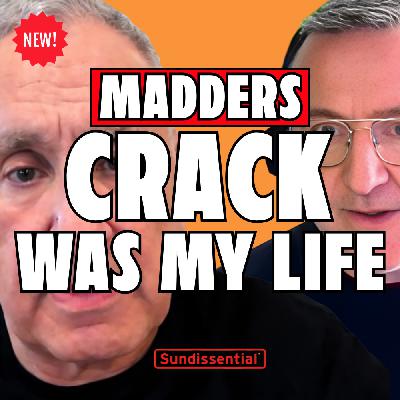
In this episode of The Dexter Jones Podcast, Paul “Madders” Madan returns for part two, sharing the raw and brutally honest story behind the rise and fall of Sundissential, one of the most iconic club brands in UK dance music history.
Madders was at the centre of the 90s rave explosion, helping build Sundissential into a phenomenon that packed superclubs across Birmingham and Leeds. But behind the scenes, addiction was taking hold.
What started with early rave culture and Class A drugs slowly spiralled into cocaine, crack addiction, and eventually losing everything.
In this powerful conversation, Madders opens up about the darkest years of his life, the collapse of Sundissential, his battle with addiction, and the long road to recovery.
This is a brutally honest story about rave culture, fame, ego, addiction and redemption.
If you were part of the UK club scene in the 90s and early 2000s, this episode will take you right back to one of the wildest eras in dance music history.
Topics covered in this episode
• The rise of Sundissential and UK hard house culture
• Life behind the scenes of 90s rave promotions
• How addiction slowly took control
• Crack cocaine and the downward spiral
• The collapse of a legendary club brand
• Hitting rock bottom
• Recovery and rebuilding life after addiction
Chapters
00:00 – “Crack Was My Life”
03:02 – When Did It Start Going Wrong?
04:39 – The First Time I Took a Class A Drug
06:55 – The Invisible Line Into Addiction
12:19 – Active Recovery Since 2017
27:39 – The Moment I Started Using Crack Cocaine
33:36 – The Beginning of the End for Sundissential
37:19 – Three Weeks in Birmingham Crack Houses
42:17 – When Sundissential Went Bust
1:00:03 – “If I Thought This Mug Would Change How I Felt…”
1:02:48 – The Moment of Clarity
About Paul “Madders” Madden
Paul “Madders” Madden was a co-founder of Sundissential, one of the most influential hard house club brands in the UK. During the late 90s and early 2000s, Sundissential events attracted thousands of clubbers every week and helped shape the UK dance music scene.
After years of addiction and personal struggles, Madders is now in recovery and works helping others facing similar challenges.
Subscribe for more stories from dance music culture
The Dexter Jones Podcast explores the real stories behind club culture, DJs, promoters and the people who built the dance music scene.
🎧 New episodes every week.
Subscribe here:
https://www.youtube.com/@dexterjonesibiza
---
The Wellbourne Clinic
The Wellbourne Clinic is a UK-based addiction treatment centre that provides professional support for people struggling with drug and alcohol addiction. The clinic offers therapy-based treatment programmes designed to help individuals understand the root causes of addiction and build the tools needed for long-term recovery.
With a focus on personalised care, The Wellbourne Clinic provides a safe and supportive environment where people can begin rebuilding their lives. Their approach combines therapeutic support, recovery guidance, and community-based recovery pathways to help individuals move forward with stability and purpose.
Paul “Madders” Madden now works within addiction recovery support and has been involved in helping others facing similar struggles.
If you or someone you know is struggling with addiction, you can learn more about their work here:
https://thewellbourneclinic.co.uk/
---
Addiction & Recovery Support
If you or someone you know is struggling with drug or alcohol addiction, there are organisations that offer confidential help and support.
Alcoholics Anonymous (AA)
Support groups for people struggling with alcohol addiction.
https://www.alcoholics-anonymous.org.uk
Narcotics Anonymous (NA)
Support meetings for people recovering from drug addiction.
https://ukna.org
FRANK – UK Drug Advice Service
Free confidential advice about drugs and addiction.
📞 0300 123 6600
https://www.talktofrank.com
Drinkline – National Alcohol Helpline
Free confidential helpline for people concerned about drinking.
📞 0300 123 1110
Samaritans
If you are struggling and need someone to talk to.
📞 116 123
https://www.samaritans.org
The Wellbourne Clinic
Professional addiction treatment and recovery support.
https://thewellbourneclinic.co.uk
Important note
Recovery is possible. If you are struggling, reaching out to one of the organisations above can be the first step toward getting help.

Paul Glazby returns to The Dexter Jones Podcast for Part 2 of this in-depth Hard House interview, diving into UK club culture, Vicious Circle Records, Tidy Trax era dance music, DJ burnout, music industry politics, management failures, and the real reason he stepped away from the UK Hard House scene. In this episode, Paul Glazby opens up about losing 75% of his DJ income, building multiple gym businesses, moving to New Zealand and Australia, starting again at 40 in real estate, and why Hard House and underground dance music have come back into his life after more than a decade away.
If you lived through the UK Hard House era, this is essential listening.
If you’ve ever walked away from something you loved, this will resonate even more.
This is not just about DJing.
It’s about identity, reinvention, burnout and rebuilding.
In this episode we cover:
• The collapse of his DJ career
• Losing 75% of his bookings overnight
• Fake gigs and music industry politics
• Launching Red Management
• Seven years of burnout juggling fitness and DJing
• The 10-hour farewell set
• Moving abroad and completely disconnecting from dance music
• Losing half his gym membership overnight
• Reinventing himself in real estate at 40
• The return of Hard House
• The one track he would close the night with
—
🎧 CHAPTERS
00:00 The Collapse: “My DJ Career Looked Like It Was On Its Ass”
01:09 Losing 32 Kilos & Reinventing Myself Through Fitness
06:01 Drugs, DJing & The Night Everything Changed
08:12 Tidy Management, Trophy Twins & Industry Politics
12:55 Fake Gigs, Cancelled Bookings & A 75% Income Drop
19:42 Launching Red Management & Taking Back Control
20:26 Seven Years of Burnout: 5:30am Clients + Weekend Gigs
21:57 “I’m Never Gonna Do A UK Gig” – The Final Announcement
26:36 Moving Abroad & Losing Touch With Dance Music
33:00 The Gym Collapse: Losing Half My Members Overnight
34:22 Starting Again at 40: From DJ to Real Estate
40:05 “Music’s In The Blood” – Hard House Comes Back
47:13 The One Last Track: RRF – Yomamba
—
About Paul Glazby
Paul Glazby is a UK Hard House DJ and producer known for Vicious Circle Records and his work during the peak of the Tidy Trax era. A key figure in underground UK club culture, he has released extensively across the Hard Dance scene and remains one of the most respected names in Hard House history.

🎧 Paul Glazby: Hard House’s Greatest Era & Why It’s Coming Back
This week on the podcast, I sit down with Paul Glazby, DJ, producer, label owner, and founder of hard house record label Vicious Circle, to unpack the rise, fall, and resurgence of Hard House.
From teaching himself to mix in secret…
To clearing the dancefloor at Insomniacs before becoming a resident…
To build one of the most influential Hard House labels of the early 2000s…
This is a deep dive into one of the most important eras in UK club culture.
We talk about:
• The real impact of Tony De Vit’s passing on Hard House
• How Gatecrasher & trance briefly overtook the harder sound
• The explosion of 2000–2002 Hard House
• Building Vicious Circle from scratch
• Producing classics like Kick It
• The vinyl collapse & MP3 era
• Why Hard House is back
• The new generation pushing 150–160 BPM
• And how podcasting reignited Paul’s passion for music
This is Part 1 of 2. Part 2 drops very soon.
If you were there in the early 2000s… this will hit.
If you weren’t… this explains everything.
🔥 Topics Covered:
Hard House history
Vicious Circle Records
Insomniacs Sheffield
Tony De Vit
Tidy Trax
BK & Hard Dance evolution
Hard House comeback 2025
Vinyl era vs digital
UK club culture 1998–2005
Why are harder sounds trending again
🎶 About Paul Glazby
Paul Glazby emerged from Sheffield’s underground scene in the late 90s and became one of the defining names of UK Hard House.
Founder of Vicious Circle, his productions helped shape the tougher edge of the genre during its peak years. After a long hiatus, he has returned — producing new music, relaunching labels and hosting the Hard House History podcast.
⏱ Chapters
00:00 Introduction: Hard House Then vs Now
03:12 Teaching Himself to Mix in Secret
07:45 The Night Half the Club Walked Out
12:30 Tony De Vit’s Death & The Scene Shift
18:40 Gatecrasher, Trance & The Hard House Takeover
24:10 The 2000–2002 Hard House Explosion
30:25 Launching Vicious Circle Records
36:50 Producing “Kick It” & Signature Sound
43:15 Vinyl Collapse & The MP3 Era
49:40 Why Hard House Is Coming Back
56:10 The New 150–160 BPM Generation
01:02:30 Podcasting, Comeback & What’s Next
New episodes every Sunday at 5pm UK.
No clickbait. No bots. Just real stories from the people who built the scene.
If you’ve been enjoying the journey this past year, thank you.
We’re just getting started.
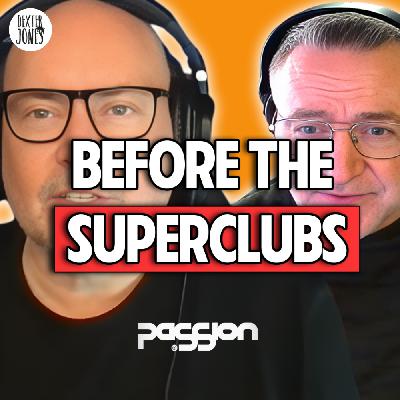
In this episode, I sit down with Jason "JFK" Kinch to unpack 30 years of PaSSion and the era of weekly UK club culture before the corporate superclubs and festivals muddied the waters.
Operating alongside Gatecrasher, Cream and Godskitchen. Before huge production budgets and global DJ brands.
PaSSion was building something different.
From the early days of flyering streets and risking everything financially, to flying in unknown artists like Ferry Corsten and a young Armin van Buuren who was still at university, this is a raw and honest look at what it really took to survive in the golden era of UK clubbing.
JFK opens up about:
• The reality of losing money as a promoter
• Why are you only ever as good as your last party
• The integrity of Tony De Vit turning down upfront feed to remain resident
• Taking risks on artists nobody knew
• Growing from 750 capacity to 2,500
• And why seeing that first person run onto the dancefloor still makes it all worth it
This is not a throwback for its own sake.
This is clubbing history from someone who lived it.
If you care about UK club culture, trance history, and the foundations of the scene before it went global, this episode is essential viewing.
Subscribe or follow for more club culture deeps dive with the people who built the scene.
Chapters:
00:00 30 Years of Passion - Before the Superclubs
07:35 The Emporium - Mark & Eric and the Birth of Passion
10:42 The Brutal First Six Months of Passion
16:48 Why Is He Called JFK?
21:52 Weekly Partying in the 90s Club Scene
28:26 Running The Emporium Nightclub
32:36 The Tony De Vit Residency Story
37:25 Ferry Corsten at Passion - Before the Fame
39:02 Booking a Student Armin van Buuren
43:46 Taking Passion to Ibiza
52:57 Tiësto at Cream Ibiza – The Superclub Era
1:00:14 The Generational Shift in UK Clubbing
1:06:54 The Return of Passion
1:12:00 Modern Day Clubbing Challenges
1:17:47 The Truth About Promoters Losing Money
1:20:28 Why He Can Never Walk Away
1:36:18 The Last Tune of the Night

This episode of the Dexter Jones Podcast tells the real story of Paul Madan AKA "Madders", who is one of the defining figures behind Sundissential and UK club culture.
It’s an honest, unfiltered conversation about success, addiction, collapse, and recovery. From the height of clubland to a twenty-year battle with crack cocaine, this episode goes beyond dance music into accountability, survival, and rebuilding a life.
This is one of the most important conversations we’ve ever recorded on the Dexter Jones Podcast.
This is not a nostalgia piece.
It’s a raw, human conversation about success, excess, addiction, collapse, recovery, and the long road back to finding meaning again.
From the rise of Sundissential and packed-out clubs to a twenty-year battle with crack cocaine, losing everything, finally finding recovery and his true purpose in life, this episode goes far beyond dance music.
It’s about accountability, survival, and choosing to face life head-on.
This episode is dedicated to everyone around the world living with any version of addiction, and to those in recovery who choose courage, honesty, and hope every single day.
In this episode, we cover:
📖 The real story behind Sundissential and its impact
🤯 The pressure, chaos, and reality behind the scenes
🤧 Addiction, denial, and hitting rock bottom
😢 Losing everything and starting again
▵ Recovery, responsibility, and life today
🥰 What survival actually looks like when the noise stops
---
Chapters 📖
00:00 Intro | The Real Story Begins
04:08 Why He’s Always Been Called “Madders”
06:13 The Rumour That Madders Was Dead
10:14 Addiction Tightens Its Grip
25:53 Promoting the First Events | Early Clubland Days
37:32 How His Mum Invented the Name Sundissential
44:53 Sundissential Grows to 100,000 Members
57:51 Five Thousand People Turn Up to One Club
01:05:00 Sundissential Becomes a Superclub Brand
01:27:56 Club Deaths, Media Pressure, and Everything Falling Apart
---
THE WELLBOURNE CLINIC
A huge thank you to Paul and the team at The WellBOURNE Clinic for the vital work they do supporting people affected by addiction and recovery. If you’d like to learn more about their approach and the support they offer, please visit their website:
https://thewellbourneclinic.co.uk/

Live performance in electronic music is widely misunderstood.
In this episode, Saytek explains what playing live actually means and why it is fundamentally different from DJing.
Saytek has never DJed. Every performance is built, arranged, and performed live in real time. Nothing is pre-arranged, nothing is duplicated, and no two sets are ever the same.
He has been part of electronic music culture for decades, from early UK rave and squat parties to international touring, Berlin clubs, Ibiza seasons, and headlining techno rooms around the world. His background in sound engineering and deep technical understanding shaped a live performance approach that prioritises creativity, risk, and connection with the crowd.
In this conversation, we break down the realities of live techno performance.
We talk honestly about gear, Ableton, hardware myths, Berlin vs UK culture, why live acts are rarer than DJs, the sacrifices involved, and how electronic musicians actually think while performing.
This is not a DJ debate.
It’s an explanation.
Topics include:
• Why Saytek has never DJed
• What live techno performance really involves
• Hardware, Ableton, and the myth of “cheating”
• Sound engineering roots and early London club culture
• Squat parties, illegal raves, and DIY scenes
• Berlin vs UK techno culture
• What defines an electronic musician
• AI, creativity, and human imperfection
• Gear Acquisition Syndrome and why more gear isn’t the answer
⏱️ PODCAST CHAPTERS
00:00 – Saytek: “I’ve Never DJed”
04:27 – What Is Techno (and Why Live Matters)
10:56 – Live Techno Gear Explained
12:52 – Ableton Live: Tool or Cheat?
19:06 – How Saytek Got Into Live Performance
26:08 – London, Club Home & Sound Engineering Roots
32:19 – Squat Parties & Illegal Raves in London
35:53 – Berlin vs UK: Techno Culture Explained
45:02 – What Is an Electronic Musician (Not a DJ)
54:27 – AI, Creativity & the Future of Electronic Music
01:08:44 – Gear Acquisition Syndrome (GAS) Explained
If you’re a DJ, live act, producer, promoter, or someone interested in how electronic music is actually performed, this episode will give you real insight.

Today, I sit down with one of the most respected and quietly influential figures in modern trance and electronic music, Stephen Kirkwood.
Stephen’s story is not the usual DJ success narrative. This is a deep, honest conversation about creativity, resilience, graft, and finding multiple ways to survive and thrive in an industry that constantly shifts beneath your feet.
If you know Stephen for his productions, his releases on major labels, or his appearances at iconic venues like Amnesia Ibiza, this episode reveals the layers behind the music. If you do not know his story yet, this is a rare opportunity to hear how a working-class kid from Scotland built a career in trance, production, education, and business by staying adaptable and relentlessly consistent.
We talk about Stephen’s journey from early DJ gigs and self-promoted club nights to working with industry heavyweights, hearing his music played by legends like Paul van Dyk, and eventually playing after them on some of the biggest stages in dance music.
One of the most surprising parts of this conversation is how Stephen built Banging Pizza, a now multi-location pizza business that became a genuine hub for the Scottish electronic music scene. What started as a lockdown pivot turned into a thriving brand, with shops run and franchised by DJs and producers from the scene itself. It is a perfect example of creative thinking outside the booth.
We go deep into music production, the reality of putting in 10,000 hours, why most tracks fail before one finally works, and how mentorship from figures like Lange, Mark Sherry and David Forbes shaped Stephen’s sound and mindset. Stephen also opens up about teaching the next generation through Escapade Studios and why education and community matter more than ever in today’s music industry.
This episode also explores:
• The pressure of playing after global trance legends
• Law of attraction, manifestation, and belief
• Why consistency beats perfection in music careers
• The truth about ghost production vs collaboration
• Using AI as a creative tool in modern production
• Social media, micro-communities, and the 1,000 true fans principle
• Why trance is experiencing a genuine resurgence
• How Ibiza performances change an artist forever
We also talk candidly about rejection, releases falling through at the last minute, managing expectations, and how to stay mentally grounded in an industry built on highs and lows.
This is not just an interview for DJs. It is a conversation for any creative, entrepreneur, or artist trying to build something meaningful while navigating pressure, comparison, and constant change.
If you love Ibiza culture, trance music, electronic production, behind-the-scenes industry stories, or real conversations about creativity and survival in music, this episode will resonate deeply.
Do not forget to subscribe for more long-form conversations with DJs, producers, promoters, and the people who built the culture from the inside out.
Chapters:
00:00 Intro – Stephen Kirkwood: Trance, Ibiza & Creative Survival
03:15 When Covid Stopped Music and Forced a Pivot
07:31 Growing Up in Scotland: Where Music First Entered His Life
09:35 Starting a Local Club Night and Promoting Parties
14:27 SKcapade Studios: Teaching Producers and Giving Back
17:32 The 10,000-Hour Truth About Music Production
22:52 Ibiza, Law of Attraction and Manifesting Big Moments
25:03 Lange, Mentorship and Real Industry Friendships
40:25 The First Time Hearing His Music Played by the Legends
45:40 Social Media, DJs and Building a Real Audience
50:28 Why 1,000 True Fans Beats Huge Follower Counts
55:44 Playing After Paul van Dyk and Going “Cloud Nine”
59:28 AI in Music Production: Tool or Threat?
01:12:15 One More Tune: The Perfect Last Track of the Night

In this episode of The Dexter Jones Podcast, Dexter Jones sits down with Habs Akram, a pioneering VJ, visual artist, and live visual mixer who has helped shape how electronic music events, clubs, and festivals look for over 35 years.
Working alongside some of the biggest names in dance music, including Carl Cox, Habs has played a key role in bringing club visuals, live video mixing, and stage visuals into global electronic music culture, from underground London parties to Ibiza superclubs, Glastonbury, and world tours.
Often mistaken for “the lighting guy”, Habs explains what a VJ actually does, why visuals matter on the dance floor, and how live visual mixing can completely change the way music is experienced in clubs and festivals.
We dive into:
🔥 The moment Carl Cox told Habs: “Best visuals I’ve ever seen”
🎥 Why VJs are still misunderstood and undervalued in club culture
🌍 Touring the world with Nine Inch Nails and creating visuals used as lighting
🎬 How Habs’ work ended up in AI: Artificial Intelligence, directed by Steven Spielberg
🎪 The infamous Glastonbury “blag” that led to running the Pyramid Stage
🧠 Mixing visuals live, in real time, not pressing play
📱 The decade-long journey to building V4M, a live visual app that fits in your pocket
🎶 Why visuals should respond to music, not overpower it
🖤 The art of restraint, blackouts, and understanding the shape of sound
This episode is not just about visuals. It’s about timing, instinct, creativity, and what it really means to bring music to life on a dance floor.
If you’ve ever wondered how iconic nights actually come together behind the scenes, this one’s for you.
Chapters:
00:00 Why I wanted Habs Akram on the podcast (VJ & visual pioneer)
02:14 VJ vs lighting engineer – what a VJ really does
03:01 How live visual mixing actually works in clubs and festivals
03:30 West London roots, early rave culture & clubbing history
04:01 Turning up to Slinky in a suit – learning the rave scene
06:53 From corporate AV to underground dance music visuals
07:51 The visual idea that was ahead of its time
10:02 Nine Inch Nails tour, Spielberg & breaking into world tours
25:38 Carl Cox’s compliment: “Best visuals I’ve ever seen”
28:40 Why Habs doesn’t rate AI visuals in dance music
50:28 V4M app explained – live visuals from your phone
1:05:15 Space Ibiza years & the golden era of club culture
1:14:00 The secret sauce: blackouts, timing & reading the drop
1:22:18 Last tune to end the night – closing moments
---
Download the V4M APP
www. https://visuals4music.com/
Info: https://www.facebook.com/Habsy.Akram

The System Is Broken: Why Dance Music Is Harder Than Ever | Jason FUBAR
In this episode of The Dexter Jones Podcast, I sit down with Jason FUBAR, a long-time DJ, promoter, and rave scene grafter who has lived every era of dance music culture first-hand.
Jason has been part of the scene for over 35 years. From the early rave days in Blackpool to superclubs, festivals, bars, the Royal Navy, Ibiza, Mallorca, and booking future superstars before they were even known, he’s seen the industry evolve from the inside.
This conversation is a reality check on why dance music feels broken right now.
We talk honestly about rising costs and shrinking margins, exclusivity deals, micro-venues versus mega clubs, and why promoters are being squeezed harder than ever. Jason also shares stories from running bars and festivals, touring internationally, and witnessing UK rave culture being built from the ground up.
This is not nostalgia for nostalgia’s sake.
It’s about the current reality, what has changed, and what still makes dance music special after 30+ years.
🎧 Take your time with this one.
We talk about:
■ Why it now costs more to make less money in dance music
■ Rising overheads, ticket pricing, and the real pressure promoters face
■ How exclusivity deals are damaging local scenes
■ Why small 200–300 capacity parties are making a comeback
■ Social media, trolling, and the abuse aimed at DJs and promoters
■ DJ culture then vs now, and why the scene feels different
■ Ibiza, BCM Mallorca, and the Balearic circuit
■ The Syndicate Blackpool and the superclub era
■ Why originality in music is disappearing
■ What still makes dance music worth fighting for
Chapters:
00:00 The System Is Broken: Why Dance Music Is Harder Than Ever
08:23 You Used to Spend a Quid to Make a Tenner
13:25 Starting Out DJing in the Early Rave Era (1991)
24:14 Joining the Royal Navy While DJing
33:29 English Drinking Culture and Festival Spending Power
38:25 Back to the Old Pool Festival: Risks, Costs and Crowd Control
51:24 Trolling on Social Media: Abuse, Misogyny and Promoter Hate
01:03:09 The Syndicate Superclub, Blackpool (5,000 Capacity Era)
01:18:37 BCM Mallorca and Breaking Into the Balearic Scene
01:29:46 How Early Facebook Changed Ibiza Forever
01:32:19 Music Production Today: Remixes, Samples and Industry Laziness
01:40:36 One More Tune: Final Track Choices and Podcast Wrap-Up
----more----
For guest invitations, sponsorship proposals, and collaboration enquiries, please contact Dexter:
rave@onemoretimeibiza.com

Ian Van Dahl on the pressure, politics, and reality of making timeless dance music
Few tracks define an entire generation of club culture quite like Castles in the Sky. For many, it was a soundtrack to first nights out, Ibiza summers, and the emotional peak of late-90s and early-2000s trance.
In this episode of The Dexter Jones Podcast, I’m joined by Ian Van Dahl to revisit the story, sound, and legacy behind one of the most influential dance music projects of its era.
We explore the rise of euphoric trance at a time when clubs were built on emotion, release, and collective energy. From early aliases and studio pressure to record label politics and creative control, this conversation pulls back the curtain on what it really took to create records that still resonate decades later.
This is not nostalgia for nostalgia’s sake.
It’s about understanding why this music mattered, why it connected so deeply, and why it continues to hit differently today.
If you lived through the golden era of trance, this will resonate.
If you are discovering this music for the first time, this episode offers vital context into a moment when dance music felt truly timeless.
🎧 Take your time with this one.
We talk about:
🎶 The story behind Castles in the Sky
🌍 How Ian Van Dahl broke through globally
🧠 Making music before laptops and DAWs
⚖️ Record labels, pressure, and creative control
🪩 Eurodance, trance, and why the UK scene was different
🔮 Why modern DJs struggle with identity
Chapters:
00:00 Intro and meeting Ian Van Dahl
01:31 How the name Ian Van Dahl was created
03:16 Early music career and multiple aliases
10:50 Making music in the 90s before laptops and DAWs
22:02 Eurodance vs trance and why the UK was different
30:04 The Ian Van Dahl project and Castles in the Sky
39:24 Record labels, pressure, and creative control
54:35 European club culture and the rise of Eurodance
1:19:22 Why modern DJs struggle with identity
1:29:00 What’s next for Ian Van Dahl as an artist
For guest invitations, sponsorship proposals, and collaboration enquiries, please contact Dexter:
rave@onemoretimeibiza.com

What happens after Ibiza?
For many, Ibiza is a moment in time.
For others, it becomes a turning point that quietly shapes everything that follows.
In this episode of The Dexter Jones Podcast, I’m joined by Lisa Good, a former Manumission performer, to explore what life really looks like after the lights come up and the music fades.
We begin where it all started.
The Manumission years.
The madness, the freedom, and the surreal experience of living in Ibiza during one of its most iconic cultural eras.
But this conversation goes deeper than nostalgia.
Lisa shares the journey that came after Ibiza, how travel, the ocean, and a series of life-changing experiences led her away from the party world and towards a new purpose rooted in environmental action, community, and long-term legacy.
This is not a charity pitch.
It’s an Ibiza story that didn’t end when the island chapter closed.
At its core, this episode is about evolution.
How a place like Ibiza can change you, challenge you, and quietly influence the rest of your life in ways you don’t always recognise at the time.
If you lived through Ibiza in the late 90s and early 2000s, this will resonate.
If you’ve ever wondered what happens after a life built around music, freedom, and excess, this conversation is for you.
🎧 Sit back, take your time, and enjoy this next chapter.
To find out more about Pure Sea, visit: www.puresea.co.uk
We talk about:
🪩 Life during the Manumission era in Ibiza
🗺️ What happens when that world ends and reality returns
✈️ Leaving Ibiza and searching for identity afterwards
🌊 How the ocean became a turning point
🎗️ The connection between music culture and community action
🎧 Ibiza DJs and creatives giving back
Chapters:
00:00 Ibiza, Manumission & Losing Identity
02:03 Welcome Back: Life After Manumission
05:43 When Ibiza Comes to an End
08:18 Travelling Thailand Changed Everything
10:04 Swimming With Sharks in Thailand
12:09 Australia, Diving & Marine Conservation
16:20 Cage Diving With Great White Sharks
19:29 From Ibiza to Ocean Activism
23:09 The Birth of Pure Sea
27:23 Why Registering a Charity Is So Hard
32:47 Beach Cleans With DJs & Fatboy Slim
34:00 Cleaning Up Camden Lock
40:38 Teaching Ocean Awareness in Schools
45:15 Why Helium Balloons Kill Wildlife
51:22 Why the Education System Must Change
57:04 Animal Testing, Activism & Awareness
1:01:43 Food Waste & Overconsumption
1:03:53 Why Everyone Should Watch My Octopus Teacher
1:07:21 One Last Tune From Manumission
1:09:45 A Labour of Love
For guest invitations, sponsorship proposals, and collaboration enquiries, please contact Dexter:
rave@onemoretimeibiza.com

Who documented Ibiza before everyone had a camera?
Before podcasts, before social media, and long before everyone had a camera in their pocket, Ibiza’s club culture was documented by a small group of presenters, hosts, and storytellers working quietly behind the scenes.
In this episode of The Dexter Jones Podcast, I sit down with Katie Knight, one of the most influential yet often overlooked voices in dance music media, to explore how Ibiza’s club history was captured during its most important years.
From her early days at Amnesia Ibiza to hosting interviews for Amnesia TV, Boiler Room, Ibiza Global Radio, the International Music Summit, and live broadcasts for Amazon Music, Katie has spent over a decade documenting the artists, venues, and moments that shaped Ibiza and the global electronic music scene.
This conversation pulls back the curtain on the media side of dance music. We talk candidly about working inside Ibiza’s clubs during the 2010s, being thrown into high-pressure interviews with artists like Carl Cox, Marco Carola, and Steve Aoki with little or no preparation, and why presenters and hosts play a critical role in preserving dance music history.
We also explore career advice for aspiring presenters and podcasters, the importance of communication and public speaking, the realities of live broadcasting, radio versus filmed interviews, cultural and language fluency in Ibiza, online abuse in the modern era, and why nostalgia-driven storytelling resonates more than hype.
This is not an episode about trends or algorithms.
It’s about legacy, documentation, and the responsibility to tell the story properly.
If you care about Ibiza, club culture, dance music history, or the people who built the scene behind the scenes, this episode is essential listening.
🎧 Take your time with this one.
We talk about:
🇪🇸 Life inside Ibiza clubs before social media
📺 How Amnesia TV documented a generation of artists
🎤 Being thrown into interviews with no training or prep
🪩 The unseen role of presenters in dance music culture
📻 Radio vs filmed interviews and the power of storytelling
❌ Misogyny, online abuse, and resilience in the industry
🎬 Why nostalgia content connects more deeply than hype
❤️ Preserving Ibiza’s cultural history properly
Chapters:
00:00 Introduction to Katie Knight
02:00 Wanting to be a presenter from the age of five
06:00 Growing up in Spain and becoming bilingual
10:00 Discovering Ibiza and early connections
14:30 First steps into Ibiza club culture
19:00 Life inside Amnesia: press, social media, and long days
24:00 Amnesia TV begins: thrown in the deep end
30:00 Interviewing artists every night, seven days a week
35:30 Ibiza mornings, terraces, and club culture nostalgia
40:30 Why Amnesia still feels like family
46:00 Boiler Room, press rooms, and the smell of Ibiza
51:00 From Amnesia to radio and global platforms
56:30 Radio vs filmed interviews: storytelling with the senses
1:01:30 Interviewing global stars and handling entourages
1:06:30 Misogyny, online abuse, and resilience
1:11:30 Podcasting, editing, and the unseen workload
1:16:00 Why nostalgia interviews outperform hype
1:20:00 Presenting around the world: Middle East and beyond
1:24:00 Legacy, pride, and documenting Ibiza properly
1:27:30 One More Tune
For guest invitations, sponsorship proposals, and collaboration enquiries, please contact Dexter:
rave@onemoretimeibiza.com

The world’s highest DJ set and the story behind it
In 2018, a team from Last Night A DJ Saved My Life made dance music history.
Alongside Nightmares on Wax, the LNADJ crew climbed Mount Kilimanjaro and performed what was, at the time, the highest-altitude DJ set ever recorded, all to raise money for children in need.
The challenge raised thousands of pounds, funded a new housing unit for a special-needs children’s home in Tanzania, and has since been turned into a full two-hour documentary titled Ain’t No Mountain High Enough.
In this episode of The Dexter Jones Podcast, I sit down with Neil Kemp, the LNADJ filmmaker who climbed alongside the team, carried the cameras up the mountain, battled 10 per cent oxygen, freezing temperatures, and exhaustion, and ultimately brought this record-breaking moment to life on screen.
This conversation goes far beyond the headline.
We talk about the realities of filming at extreme altitude, the technical and physical challenges of DJing on a mountain, the emotional moments that unfolded during the climb, and how a charity-led idea turned into a powerful piece of dance music history.
The record itself has since been surpassed, but the purpose, impact, and legacy of this climb remain unmatched.
This is not a hype story.
It’s a story about commitment, creativity, and using dance music culture to create real-world change.
🎧 Take your time with this one.
We talk about:
🎚️ How the 2018 world-record DJ set happened
🏔️ The technical nightmare of DJing at extreme altitude
🧠 Mental and physical challenges on the climb
❤️ Raising money and creating lasting change in Tanzania
🎬 Turning a near-lost project into a feature-length documentary
🌕 The next challenge: the world’s highest full-moon party in Nepal
Chapters:
00:00 DJing on Mount Kilimanjaro – World’s Highest DJ Set Intro
02:18 Last Night a DJ Saved My Life – The Moment That Sparked Everything
05:41 How a Broken Microphone Changed the Direction of the Journey
09:12 Clubaholic TV and Filming Dance Music Culture
13:04 Falling in Love With House Music and DJ Culture
16:38 Why This Kilimanjaro DJ Set Had to Be Documented
20:11 Preparing to Climb Mount Kilimanjaro – Training and Planning
24:07 Life on the Mountain – The Reality of High Altitude
28:19 Summit Night on Kilimanjaro – Mind Over Instinct
32:02 Sunrise at 5,895m – Above the Clouds
35:08 The DJ Set on Mount Kilimanjaro – The World’s Highest Performance
39:14 Descending Kilimanjaro – The Hardest Part of the Climb
42:03 Raising Money for Charity in Tanzania
46:08 Turning the Kilimanjaro Climb Into a Documentary Film
49:32 What Happened After the 2018 Kilimanjaro DJ Set
52:14 What’s Next for the Charity and Future Projects
54:40 Final Thoughts on the Kilimanjaro Experience
For guest invitations, sponsorship proposals, and collaboration enquiries, please contact Dexter:
rave@onemoretimeibiza.com

If you lived, worked, or partied in Ibiza during the 90s or early 2000s, you already know her name. If you didn’t, this episode offers one of the most honest insider accounts of Ibiza’s most outrageous era.
In this episode of The Dexter Jones Podcast, I sit down with Lisa Good, one of the most creative and unforgettable characters to ever work in Ibiza nightlife.
Lisa takes us deep inside the world of Manumission, a party still regarded by many as the greatest clubbing experience of all time. From the raw creativity of the entertainers to the madness inside Privilege, Space, and the old San Antonio West End, this conversation captures Ibiza’s golden years exactly as they were lived.
We trace Lisa’s journey from being bullied as a teenager to finding escape in rave culture, Spiral Tribe festivals, Club UK, and eventually booking a Teletext ticket to Ibiza in 1994. Arriving alone, she found a family in the West End and was accidentally pulled into Manumission after walking in with painted costumes, vegetables, and no plan. Only in Ibiza.
Lisa shares vivid, never-before-heard stories about backstage chaos, the entertainers, the dressing rooms, the rubber chicken, the Coca Loco tree, Dennis Rodman, Space Tuesday carry on, Ibiza Uncovered, the end of the West End era, and friendships that lasted a lifetime.
This episode also reflects on the cultural shift from pre-social-media Ibiza to the modern VIP era, and why the freedom, creativity, and sense of belonging of that time can never truly be recreated.
If you lived through San Antonio in the mid-90s, worked a season, partied at Privilege when Manumission ruled the island, or simply want to understand why Ibiza changed so many lives, this conversation will resonate deeply.
This is not revisionist nostalgia.
It is one of the most detailed interviews ever recorded about the creativity, escapism, and human energy that defined Manumission and a generation of club culture.
🎧 Take your time with this one.
We talk about:
🪩 Manumission backstage stories and entertainer secrets
🍸 Life in San Antonio’s West End in the 90s
🌈 Why Ibiza gave so many people a second childhood
🎶 Space, Carry On, DC10, and the rise of morning culture
📺 How Ibiza Uncovered changed the island forever
🧠 What really made Manumission the greatest party in history
🔚 Why today’s club scene will never feel the same
Chapters:
00:00 Introduction: Meeting Lisa Good
01:05 Arriving in Ibiza for the first time (1994)
03:02 Getting lost in the West End
05:14 Finding the people who changed her life
07:32 Bullying, escapism, and rave culture
09:58 Spiral Tribe, Club UK, and Teletext holidays
12:10 Returning to Ibiza alone
14:36 Life in the West End: jobs and friendships
17:04 Why Ibiza felt like home
19:28 Ibiza before social media
21:40 Ibiza Uncovered and the island’s transformation
24:15 Discovering Manumission
26:22 The legendary random audition
28:40 Becoming a Manumission entertainer
31:33 Costumes, characters, and chaos
33:56 The rubber chicken and crowd reactions
36:14 Madness at Privilege
38:58 Space Tuesday carry on
41:42 Ibiza as a second childhood
44:10 The Ibiza blues
46:18 The end of the West End era
48:40 The rise of the VIP generation
51:05 Why Manumission will never be repeated
53:33 Creativity, escapism, and identity
55:18 The lost art of fun and freedom
57:12 What Ibiza meant to a generation
59:01 Final thoughts from Lisa Good
For guest invitations, sponsorship proposals, and collaboration enquiries, please contact Dexter:
rave@onemoretimeibiza.com

This is where the Graham Gold story gets wild.
In Part Two of this conversation on The Dexter Jones Podcast, I sit down with Graham Gold to explore one of the most important chapters in UK dance music history.
We dive deep into the rise of trance, the birth of legendary club nights, and the behind-the-scenes reality of a scene that exploded across London, Ibiza, Thailand, and beyond. From breaking future global icons to shaping dancefloor culture at its peak, this episode captures the moment when UK club culture became a worldwide movement.
Graham doesn’t just talk about history. He lived it.
From booking Tiësto, Armin van Buuren, and Ferry Corsten before they were household names, to building Peach into one of the most loved club nights in British dance music, this conversation is packed with insight, nostalgia, and unfiltered truth.
We talk about the evolution of trance, the reality of touring at scale, Ibiza tales, industry shifts, and what it really means to live through multiple eras of club culture without losing your identity.
If you care about UK dance music history, trance culture, legendary club nights, or the real stories behind the records, this episode delivers.
No myths.
No revisionism.
Just first-hand experience from someone who helped shape the scene.
🎧 Take your time with this one.
We talk about:
🎶 Early UK bookings for Tiësto, Armin van Buuren, and Ferry Corsten
🪩 The story of Peach and how it became a defining club night
🔊 The evolution of trance and its impact on British nightlife
🌍 Touring life, Ibiza stories, and global scene shifts
🎛️ Breaking new talent and championing records before the hype
🧠 Behind-the-scenes moments from a true pioneer
Chapters:
00:00 Introduction
03:10 Chris Hill, the Soul Mafia, and the first UK superstar DJs
10:20 Early grind: Funky Roadshow, mobile discos, and radio apprenticeship
17:45 Discovering house music and the origin of the name
24:30 From disco to house: BPMs, Philadelphia, and four-to-the-floor
31:40 Soul roots, early UK house clubs, and missing the M25 raves
38:15 Chart shows, Malibu sponsorship, and going full house on radio
44:50 Birth of Peach at Legends and building the resident DJ team
51:20 Moving venues: Café de Paris, Leisure Lounge, and Camden Palace
57:30 Inside Peach nights: tunnels, 6am finishes, and culture change
1:03:40 First UK bookings for Tiësto, Armin van Buuren, and Ferry Corsten
1:09:00 Touring 170 cities, air miles, riders, and life on the road
1:12:40 Remixing, production, engineers, and releases on Discover
1:16:10 The Brian Eno The Ending story and the white label that got away
1:18:45 Moving to Thailand and Koh Phangan life
1:20:30 Today’s gigs, new crowds, and Graham’s final tune choice
For guest invitations, sponsorship proposals, and collaboration enquiries, please contact Dexter:
rave@onemoretimeibiza.com
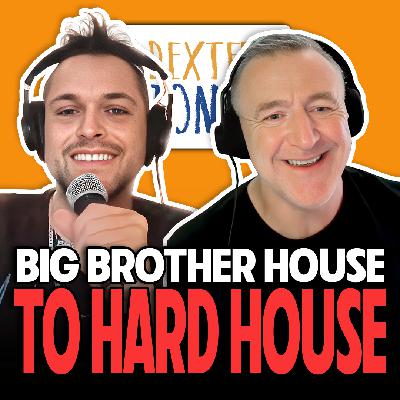
In this powerful and deeply personal episode of The Dexter Jones Podcast, I sit down with Pete Bennett to explore the raw, unfiltered reality of his life after reality television.
Best known as the unforgettable winner of Big Brother UK, Pete opens up about what really happened once the cameras stopped rolling. From sudden fame and media pressure to anxiety, grief, and losing close friends, this is Pete as you have never heard him before.
We trace his story from growing up in South London and living with Tourette’s from a young age, through bullying, isolation, and finding escape in music. Pete talks candidly about how creativity became therapy, how meditation helped him regain control, and how hitting rock bottom ultimately led him back to his true purpose.
The conversation then turns to his unexpected second chapter. Almost by accident, Pete found himself producing hard house, reconnecting with rave culture, and eventually signing music to Tidy Trax. Blending punk vocals with hard dance energy, he is now building a new career as a DJ and producer, preparing for major UK events and a full album release.
This episode is not about reality TV nostalgia.
It is about resilience, identity, and how music can genuinely save your life.
If you care about mental health, rave culture, personal reinvention, or the power of creativity, this conversation will stay with you.
🎧 Take your time with this one.
We talk about:
🧠 Growing up with Tourette’s and navigating bullying
📺 Life-changing fame after Big Brother
💔 Grief, loss, and hitting rock bottom
🎵 Music as therapy and creative identity
🔊 Discovering hard house and the UK rave scene
🎚️ Signing to Tidy Trax and building a new sound
⚡ Punk vocals meeting hard dance energy
🔮 Purpose, resilience, and the next chapter
Chapters:
00:00 Intro and birthday coincidence
02:32 Growing up in South London
05:10 80s pop culture and LGBTQ+ influences
07:45 Early music influences
10:20 Learning music production at a young age
12:45 The Big Brother audition story
15:22 Living with Tourette’s from childhood
18:00 Bullying, isolation, and identity
21:10 Music as therapy
23:42 Grief, loss, and rock bottom
26:45 Healing, meditation, and transformation
29:18 Discovering hard house
32:05 Signing to Tidy Trax
35:30 Punk energy and new artistic direction
38:12 Influences and creative inspiration
41:00 Bands, projects, and creative backlog
44:22 Anxiety, sobriety, and crowds
47:10 Managing Tourette’s
50:15 Studio process and track building
55:28 Blending punk vocals with hard dance
57:40 One More Tune selection
59:50 How Big Brother changed his life
1:02:02 Goals for 2025 and the comeback
1:05:40 Final thoughts
For guest invitations, sponsorship proposals, and collaboration enquiries, please contact Dexter:
rave@onemoretimeibiza.com

Stevie Vayne, known globally as Stevie Hulme, is one of the most influential yet quietly overlooked figures in electronic music, punk culture, and Ibiza nightlife.
In this episode of The Dexter Jones Podcast, I sit down with Stevie to trace an extraordinary journey. From tearing up stages in UK punk bands to becoming Director of Multimedia and Music at Pacha Group, and shaping the global identity of Subliminal Records during the Erick Morillo era.
This conversation goes deep into the moments that defined modern club culture. The chaos and innovation of the late 90s and early 2000s. The reality of building global brands in nightlife. The pressure, psychology, and personal cost behind the scenes.
With Stevie’s autobiography now released, the timing could not be better. His story reads like a documentary. Raw, electric, and unfiltered. We talk candidly about punk, reinvention, New York, Ibiza, the rise of superstar DJs, and why Ibiza’s culture changed forever.
This is not a highlight reel.
It’s an honest account of creativity, collapse, and legacy from someone who helped shape an entire era.
🎧 Take your time with this one.
We talk about:
🎸 Punk bands, identity, and how music saved his life
🔁 Reinventing from rock stages to house music culture
📀 Joining Subliminal Records and working alongside Erick Morillo
🍒 Building Pacha Ibiza’s multimedia and global brand
🌍 Creating superstar DJs in the 2000s
🧠 The psychology, pressure, and chaos of global nightlife
📕 Writing the autobiography and finally telling the truth
🔮 Lessons for DJs, creatives, and music professionals today
Chapters:
00:00 Introduction
02:44 First-ever podcast appearance
09:20 Punk roots, identity, and chaos
16:55 Leeds culture, violence, and early rave influence
24:10 Touring Europe and building punk success
32:40 Johnny Thunders’ death and quitting music overnight
38:55 Reinvention and events management
46:25 Creating early Leeds raves and discovering DJ culture
54:45 The Prodigy booking mistake that changed everything
1:03:10 The rise of DJ superstars
1:11:50 Multimedia, licensing, and global expansion
1:20:30 New York 1999 and joining Subliminal Records
1:30:15 Moving to Ibiza and rebuilding Pacha’s multimedia empire
1:40:40 Ibiza politics and the Pacha era
1:51:10 Writing Vainglorious and telling the truth
1:57:00 Closing reflections and One More Tune
1:58:22 End
For guest invitations, sponsorship proposals, and collaboration enquiries, please contact Dexter:
rave@onemoretimeibiza.com

In this powerful and unfiltered episode of The Dexter Jones Podcast, I sit down with Amber D, one of the most respected voices to come out of the UK hard house scene, for a brutally honest conversation about what it really takes to survive and thrive in today’s music industry.
Amber opens up about her early days in Ibiza’s hard house scene, the highs and lows of her career, and how she rebuilt her life after burnout, personal challenges, and sustained industry pressure. From clubland to classrooms, streaming platforms to mentorship, this episode pulls no punches.
We dive deep into the realities of sexism and misogyny in dance music, the blurred line between ghost production and engineering, and why so many artists feel pressured to fake success in an era driven by filters, metrics, and vanity numbers.
Amber also shares her practical, grounded approach to mental health, motherhood, and creativity, alongside real-world strategies for dealing with online trolls, criticism, and negativity without losing focus or self-worth.
This is not a hype-driven conversation.
It’s about honesty, resilience, and building a career across multiple verticals while staying authentic.
If you’re a DJ, producer, creative, or anyone navigating visibility, pressure, and identity in the modern digital landscape, this episode is essential listening.
🎧 Take your time with this one.
We talk about:
🚫 Sexism and misogyny in the modern DJ industry
🎛️ The truth about ghost production vs engineering
🧠 Mental health, burnout, and rebuilding self-worth
💬 Handling trolls, hate, and online negativity
🎥 Streaming, teaching, and community-building on Twitch
🎶 Authenticity in dance music and the return of hard house
📉 Why micro-audiences matter more than follower counts
💼 Pricing gigs, valuing your time, and sustainable careers

Hard house history. Goosebumps moments. And the human story behind one of the most important figures in UK club culture.
In this episode of The Dexter Jones Podcast, I sit down with Phil from Restless Films to explore the emotional journey behind Don’t Ever Stop, the definitive documentary on Tony De Vit.
This conversation goes far beyond dancefloor nostalgia. We unpack the legacy Tony left behind, the mentorship of Fergie, the birth of The Dawn, and the personal letters that revealed a side of Tony few people ever saw.
Phil opens up about the reality of making the film. The three-plus-year process. The relentless hunt for lost 90s footage. Ownership rights, dusty tapes, missing DVDs, and the responsibility of telling this story properly.
We also talk about the unforgettable Godskitchen night at Amnesia Ibiza. Lasers, CO₂ cannons, and a crowd that understood the history, not just the music.
This is not a hype episode.
It’s about recovery, friendship, love, and legacy.
And the line that floored cinemas around the world:
“I’ll never see who you become.”
If Tony De Vit, hard house, or the golden era of UK club culture meant something to you, this conversation will stay with you long after it ends.
🎧 Take your time with this one.
We talk about:
🔊 The first time The Dawn destroyed the Q Club dancefloor
✉️ Tony De Vit mentoring a teenage Fergie and the letters that said everything
🎞️ The brutal reality of sourcing and clearing 90s archive footage
🪩 Godskitchen at Amnesia and why that night mattered
❤️ Recovery, friendship, and the human cost behind the music
🎬 Why Don’t Ever Stop took over three years to complete
Watch Don’t Ever Stop:
Amazon Prime (UK/US)
Vimeo (worldwide)
Restless Films official site
For guest invitations, sponsorship proposals, and collaboration enquiries, please contact Dexter:
rave@onemoretimeibiza.com

Comments

Download from Google Play

Download from App Store
 United States