


 Claim Ownership
The Sales Evangelist
Subscribed: 3,535Played: 92,296
Subscribe


Copyright 2025 © The Sales Evangelist Podcast
Description
I believe in doing BIG THINGS! You should be earning 6 figures easily as a sales rep. But chances are you are not...yet! Sales is the most important department in every company but many sellers are never taught how to effectively sell, much less how to earn their way to high-income status. My own career limped along until a company I worked for invested in sales training to help me succeed. Immediately afterward, I closed a deal worth 4X what the company spent on me and saw hockey-stick improvement in my performance. So I started a podcast to “Evangelize” what was working.
Today I interview the world's best sales experts, successful sellers, sales leaders and entrepreneurs who share their strategies to succeed in sales right now: folks like Jeffrey Gitomer, Jill Konrath, Bob Burg, and Guy Kawasaki to name a few. They share actionable insights and stories that will encourage, challenge, and motivate you to hustle your way to top income status. If you’re someone looking to take off in your sales career and earn the income you deserve, hit subscribe and let’s start doing BIG THINGS!
Today I interview the world's best sales experts, successful sellers, sales leaders and entrepreneurs who share their strategies to succeed in sales right now: folks like Jeffrey Gitomer, Jill Konrath, Bob Burg, and Guy Kawasaki to name a few. They share actionable insights and stories that will encourage, challenge, and motivate you to hustle your way to top income status. If you’re someone looking to take off in your sales career and earn the income you deserve, hit subscribe and let’s start doing BIG THINGS!
1979 Episodes
Reverse

In today’s episode of The Sales Evangelist, our host Donald Kelly meets with Chris Beall to talk about the MOST important objection you’ll face as a seller and why sellers often can’t overcome it. Who is Chris Beall? Chris is the CEO of the software company ConnectAndSell and offers one INSANELY valuable tool to sellers: The ability to talk to as MANY people as you want at the push of a button. Throughout his career, however, he’s encountered one trend. The Number One Objection Sellers Face: In the COUNTLESS sales reps that Chris has worked with, the most common objection they face, and the hardest to overcome, is a simple phrase. That phrase is “I’m all set.”. What triggers this objection? Most people think that cold calls are mostly marketing. Marketing gets TOO involved within the process of the cold call, and going into a cold call with a marketing mindset is deadly. One of the most FREQUENTLY used tactics in marketing is establishing a niche. Define your niche or area of expertise and then do something to differentiate yourself from the competition. Although this is a useful avenue for marketing, it’s TERRIBLE during cold calls. The reason is simple: If you try to establish a category or niche during a cold call, you come off as condescending. Think about it: You’re effectively telling whoever you’re calling that THEY’RE incompetent and that YOU are better at whatever your specific niche is. Doing this within the first cold call, to a completely new buyer, is a surefire way to get the “we’re all set” objection. Why should the buyer go with your solution when they think their solution is already effective? So, how should sellers overcome this objection? You have to RELIVE the fear of whoever you’re calling. Virtually ALL cold callers assume the person they’re calling is angry or annoyed with them. In reality, though, this person is scared. You’re someone they do not know, and we’re naturally afraid of the unknown. To overcome this natural fear, empathize with them. View the world through THEIR eyes. They see YOU as a problem. Acknowledge that, and then offer a solution to that problem. This begins to build TRUST between you and the person you’re calling. If you want to learn more about Chris’s strategies, you can check out his podcast called Market Dominance Guys, or his company website at ConnectAndSell.com. You can talk to Donald and drop him a message on LinkedIn, Tik Tok, and Instagram at donaldckelly. You can also join TSE’s space on Circle to talk to Donald and other sellers looking to improve their craft. This episode is brought to you in part by Skipio. Be more like people and start having conversations that end in the conversions you want. Try Skipio at www.Skipio.com. This episode is brought to you in part by Scratchpad. Scratchpad is the first Revenue Team Workspace specifically designed to adapt to each salesperson’s workflow, so you don’t have to change your habits. Get Scratchpad free at Scratchpad.com. This episode is brought to you in part by Calendly. The power of scheduling automation has never been more critical than it is today. Your sales team needs a solution to easily meet with prospects at the right time, every time. Finish the year strong and request a demo of Calendly today at Calendly.com/TSE. Credits As one of our podcast listeners, we value your opinion and always want to improve the quality of our show. Complete our two-minute survey here: thesalesevangelist.com/survey. We’d love for you to join us for our next episodes by tuning in on Apple Podcast, Google Podcast, Stitcher, or Spotify. Audio is provided by Free SFX, Soundstripe, and Bensound. Other songs used in the episodes are The Organ Grinder written by Bradley Jay Hill, performed by Bright Seed, and Produced by Brightseed and Hill.Mentioned in this episode:HubSpot and bluëmago | STUDIOSHubSpot and bluëmago | STUDIOS
hubpspot.com/marketers
bluemangostudios.com

In today’s episode of The Sales Evangelist, our host Donald Kelly meets with Trent Anderson to discuss a unique strategy you, as a sales leader, could start utilizing to help your sales team. So what exactly is the first, last, best, worst strategy? Trent comes from a storytelling and sales background, and he noticed a theme with storytelling that he used to develop the first, last, best, worst strategy. The premise is simple: Make a chart with four columns. The first column will be labeled first, the second last, the third best, and the fourth worst. In the rows, meanwhile, put in some of the activities you, as a seller, have to do. Trent uses the examples of cold calls, cold emails, sales won, and sales lost. After you have your chart made, you begin to fill it in. In the example Trent gives, you start out by listing what the first cold call you EVER made was and filling it in. Then the last cold call and email you made, and so on. The MAIN focus of this strategy, however, is the best and worst columns. Have your sales reps go over their best and worst sales, cold calls, emails, etc. and really study them. What were their similarities? What about their differences? What types of businesses did they close deals with? Why is this strategy effective? What exactly does it accomplish? The single BIGGEST thing that the FLBW strategy offers is: Insight and information. An issue that plenty of sales teams run into is having one incredible seller who doesn’t exactly know why they’re good. They can’t teach the specifics of their sales process to others on the team. With FLBW, however, you’re able to pick up on trends and other similarities between both the best and worst sales. You can take this information to avoid bad sales in the future, with the worst sales, and get more profitable ones, with the best sales. At the end of each quarter, why not meet with your team and try out FLBW? Take note of the trends and take advantage of all of your new insight. Your sales and profits will only increase!You can connect with Trent on LinkedIn under the name Trent Anderson as well as on Twitter. You can talk to Donald and drop him a message on LinkedIn, Tik Tok, and Instagram at donaldckelly. You can also join TSE’s space on Circle to talk to Donald and other sellers looking to improve their craft. This episode is brought to you in part by Skipio. Be more like people and start having conversations that end in the conversions you want. Try Skipio at www.Skipio.com. This episode is brought to you in part by Scratchpad. Scratchpad is the first Revenue Team Workspace specifically designed to adapt to each salesperson’s workflow, so you don’t have to change your habits. Get Scratchpad free at Scratchpad.com. This episode is brought to you in part by Calendly. The power of scheduling automation has never been more critical than it is today. Your sales team needs a solution to easily meet with prospects at the right time, every time. Finish the year strong and request a demo of Calendly today at Calendly.com/TSE. Credits As one of our podcast listeners, we value your opinion and always want to improve the quality of our show. Complete our two-minute survey here: thesalesevangelist.com/survey. We’d love for you to join us for our next episodes by tuning in on Apple Podcast, Google Podcast, Stitcher, or Spotify. Audio is provided by Free SFX, Soundstripe, and Bensound. Other songs used in the episodes are The Organ Grinder written by Bradley Jay Hill, performed by Bright Seed, and Produced by Brightseed and Hill.Mentioned in this episode:HubSpot and bluëmago | STUDIOSHubSpot and bluëmago | STUDIOS
hubpspot.com/marketers
bluemangostudios.com

When it comes to improving sales, all it might take to reach your goals is a shift in mindset. In today’s episode of The Sales Evangelist, Donald is joined by Justin Cunningham to learn how any sales professional can stand out, transform, and optimize their mindset for better performance. You won’t be able to sell until you believe you can sell. Adjust your beliefs. Try integrating a value-based reframe - People will form their beliefs after an experience. During your next relationship or interaction, you’ll subconsciously look for those same affirming beliefs to support your existing notion. Decide that you want something better and find evidence to support that new belief. Set yourself apart to win larger-scale accounts: Learn what they’re passionate about and what drives their bottom line to integrate a plan framed directly to them. A gatekeeper will pass individualized materials and information to a decision-maker rather than a mass-sent supply of information. Don’t act like an employee; act like a business partner. When you focus on creating unique connections, relationships, and moments with others, you’ll realize you’re far more critical than a cog in the business machine. If you try something new, what’s the worst that can happen? Propose new growth ideas and ways to improve your organization; if that is considered negative, it likely isn’t the best environment for you. How leadership empowers their teams: Most people are completely underutilized. People are motivated by many different things, and determining your team’s perspectives and mindset can be a powerful way to unify positions toward a common goal. Ask yourself and your team if your current actions are contributing to the company goal. If not, change your behavior. Justin’s final takeaway? Believe that your radical insights are worth sharing. Don’t be afraid to tell your ideas to those around you. Read Clicking by Faith Popcorn for more ideas about this topic, and visit ishiftresults.com to connect and interact with Justin. This episode is brought to you in part by Skipio. Are you sick of crickets? As a salesperson, the pain of reaching out with phone calls or emails and not receiving a response is real. But all text messaging is not created equal. 85% of people prefer text over email and phone calls because they want to engage in a conversation, not listen to bots. Be more like people and start having conversations that end in the conversions you want. Try Skipio at www.Skipio.com. This episode is brought to you in part by Scratchpad. Are you tired of a digital workspace cluttered with notes, folders, files, and half-filled spreadsheets? (Not that we’re speaking from personal experience.) Luckily, we’ve found the solution. Scratchpad is the first Revenue Team Workspace specifically designed to adapt to each salesperson’s workflow, so you don’t have to change your habits. Scratchpad creates a streamlined workflow that allows everyone to be a little more productive each day without the hassle of updating a database with whatever info you can find. Get Scratchpad free at Scratchpad.com. This episode is brought to you in part by the Outbound 2022 Sales Conference. Are you looking to learn actionable and practical ways to improve your sales performance? Do you or your team want to experience a fantastic professional development opportunity full of expert and high-quality speakers ready to help you reach your sales quotas? Attend this year’s Outbound Conference! Visit outboundconference.com to learn more, and use code MANGO10 at checkout to take a portion of your final ticket price. As one of our podcast listeners, we value your opinion and always want to improve the quality of our show. Complete our two-minute survey here: thesalesevangelist.com/survey. We’d love for you to join us for our next episodes by tuning in on Apple Podcast, Google Podcast, Stitcher, or Spotify. Audio provided by Free SFX, Soundstripe, and Bensound. Other songs used in the episodes are The Organ Grinder written by Bradley Jay Hill, performed by Bright Seed, and Produced by Brightseed and Hill.Mentioned in this episode:HubSpot and bluëmago | STUDIOSHubSpot and bluëmago | STUDIOS
hubpspot.com/marketers
bluemangostudios.com

How can you interact with potential buyers (especially enterprise clients) that encourage a dialogue? After all, landing the sale isn’t the only part of the equation; you first have to get their attention! In today’s episode of The Sales Evangelist, Donald is joined by Dr. Stephen Timme and Melody Astley to discuss their recent book Insight-Led Selling, which details how to learn how buyers think. But first, why did they write a book? Ultimately, Stephen and Melody wanted to create a resource their clients and community could utilize. It’s harder than ever to sell to enterprise sellers (yes, people say that every year. But it’s true!) And COVID-aside, the subscription-based economy is growing. There are more stakeholders than ever before in traditional buying processes. At the same time, implementation costs for platforms are lower, making it easier to switch between service providers. They interviewed many executives to see how they felt about sales. From AT&T, Coca-Cola, Proctor and Gamble, and even Honey-Baked Hams, Stephen and Melody interviewed executives to learn firsthand how they felt about salespeople. (If you were curious, Honey-Baked Hams didn’t even give them coupons. We’re just as disappointed as you are.) They asked one simple question: what could sellers do better? Below were the three overwhelming responses: First, tell me something I don’t know. Second, how does what you’re selling align with my goals and strategies. Third, make my life easy (and don’t give me a 30-page proposal.) Personalization is more than inserting the name of each person in an email blast. It’s developing a point of view that is interesting to the person you’re talking to. Hold on, let’s say that again for those who missed it: spend a moment to develop a point of view interesting to the person you’re talking to. As a sales leader, we expect output from our BDRs. But we can’t do this and expect results from a spray-and-pray method. The game has changed. How can you implement these sales techniques? For publicly-traded companies, you have access to specific financial figures; use that to align your selling proposition with their capabilities. Explain the “how” you can help them before you can get into the “how much.” For sales leaders, equip your salespeople with the specialized knowledge they might need. You can self-learn if you feel unsupported by your organization, or (and an even better strategy), ask your organization for support. Their final takeaway? Understanding the language of how a customer speaks (and relating that to financial objectives) is a skill that will last the rest of your career. Insight-Led Selling is available for purchase on Amazon or Barnes & Noble. To contact Melody and Stephen, reach out at info@finlistics.com or connect on their business’s LinkedIn page. (Or connect directly with Stephen and Melody.) This episode is brought to you in part by Skipio. Are you sick of crickets? As a salesperson, the pain of reaching out with phone calls or emails and not receiving a response is real. But all text messaging is not created equal. 85% of people prefer text over email and phone calls because they want to engage in a conversation, not listen to bots. Be more like people and start having conversations that end in the conversions you want. Try Skipio at www.Skipio.com. This course is brought to you in part by the TSE Sales Certified Training Program, designed to help new and struggling sellers master sales fundamentals and close more deals. Help elevate your sales game and sign up now to get the first two modules free! You can visit www.thesalesevangelist.com/closemoredeals or call (561) 570-5077 for more information. We value your opinion and always want to improve the quality of our show. Complete our two-minute survey here: thesalesevangelist.com/survey. We’d love for you to join us for our next episodes by tuning in on Apple Podcast, Stitcher, or Spotify. You can also leave comments, suggestions, and ratings for each episode you listen to! Read more about sales or listen to audiobooks on Audible and explore their huge online library. Register now to get a free book and a 30-day trial. Audio provided by Free SFX and Bensound. Other songs used in the episodes are as follows: The Organ Grinder written by Bradley Jay Hill, performed by Bright Seed, and Produced by Brightseed and Hill.Mentioned in this episode:HubSpot and bluëmago | STUDIOSHubSpot and bluëmago | STUDIOS
hubpspot.com/marketers
bluemangostudios.com

Gatekeepers: the infamous villains of the sales world. Regardless of industry, most high-level executives employ some type of executive assistant or secretary to serve as a gatekeeper. A necessary part of the professional world, these assistants act as a filter that forces salespeople to maintain high standards and thoughtful targeting to pass. In today’s episode of The Sales Evangelist, Donald interviews Natasha Bowles, founder of Natasha Bowles Professional Staffing Agency, to learn more about how salespeople should interact with gatekeepers for more successful results. The main priority of an executive assistant: securing the executive’s time. If Natasha didn’t protect her executive’s time, salespeople (among others) would occupy all their time. That doesn’t mean salespeople are bad. But it does mean she ensures the salespeople she lets pass are prepared and offer a product or service genuinely beneficial to her executive’s company. Executives receive 250-1000 emails every day. She is a necessary filter that helps executives find time to do their jobs. Therefore, as salespeople, you must convince both the executive and the gatekeeper that you’re worthy of their time. Get past the virtual inbox - Natasha’s tips for email outreach: Natasha automatically discards anything that looks like an email blast- emails containing no information about the company and just discuss the sender’s product. To get to the executive, show initiative, research the target company and show how you can help solve a problem. It’s not just personalizing the email; it’s demonstrating understanding of the target and what you can offer them. It’s basic human decency, but still applicable: be respectful. Gatekeepers will notes a dismissive or demanding salesperson. And, if they need that product or service, the gatekeeper will look elsewhere. In 2018, Natasha was tasked with finding an alarm system, water cooler, and other aspects for a new building. The man she was looking to buy from refused to talk to her, insisting on interacting with her executive at every stage of the buying journey. Natasha ultimately ended the partnership with his company because he refused to work with her, and she found a different supplier. Salespeople have a long-standing perception that they need to speak with the decision-maker. But the decision-maker doesn’t necessarily mean the top-level executive. It’s whoever is in charge of the decision (I know, it’s shocking.) Develop (and maintain) a relationship with the gatekeeper to be effective. Find a balance between demonstrating product knowledge without going over people’s heads. Don’t explain hyper-specific nuances, but emphasize what sets your product apart from the competition. Maintaining a relationship is just as important as the initial sale. Remember, executives meet with 5-15 people each day. And executive assistants interact with dozens more. If you don’t interact with the gatekeeper until it’s time to upsell a year later, that gatekeeper will not remember you. Maintain the relationship, stay in touch, and develop a personal connection to ensure the gatekeeper reaches out when the time comes. Connect with her on LinkedIn (at natashabeingww) to learn more about her experiences. This episode is brought to you in part by Skipio. Are you sick of crickets? As a salesperson, the pain of reaching out with phone calls or emails and not receiving a response is real. But all text messaging is not created equal. 85% of people prefer text over email and phone calls because they want to engage in a conversation, not listen to bots. Be more like people and start having conversations that end in the conversions you want. Try Skipio at www.Skipio.com. This course is brought to you in part by the TSE Sales Certified Training Program, designed to help new and struggling sellers master sales fundamentals and close more deals. Help elevate your sales game and sign up now to get the first two modules free! You can visit www.thesalesevangelist.com/closemoredeals or call (561) 570-5077 for more information. We value your opinion and always want to improve the quality of our show. Complete our two-minute survey here: thesalesevangelist.com/survey. We’d love for you to join us for our next episodes by tuning in on Apple Podcast, Stitcher, or Spotify. You can also leave comments, suggestions, and ratings for each episode you listen to! Read more about sales or listen to audiobooks on Audible and explore their huge online library. Register now to get a free book and a 30-day trial. Audio provided by Free SFX and Bensound. Other songs used in the episodes are as follows: The Organ Grinder written by Bradley Jay Hill, performed by Bright Seed, and Produced by Brightseed and Hill.Mentioned in this episode:HubSpot and bluëmago | STUDIOSHubSpot and bluëmago | STUDIOS
hubpspot.com/marketers
bluemangostudios.com

A common problem for salespeople is interacting solely with just one stakeholder. But in reality, involving multiple people is the perfect strategy to help deals go through (and make more people excited about them.) In today’s episode of The Sales Evangelist, Donald is joined by Amy Hrehovcik to discuss her strategy to apply multi-threading throughout your sales process. Amy’s sales experience is extensive. After selling for nearly a decade, Amy finished at Thomson Reuters before transitioning to marketing consulting (eventually working in a startup as the Chief of Customer Value.) She later pivoted to sales enablement, realizing she had a passion for teaching sellers and empowering sales leaders. Amy now hosts the podcast Revenue Real Hotline, where she discusses uncomfortable conversations in sales. Why did she start the podcast? She wrote an article (Mental Health, The Greatest Competitive Advantage That You’ll Ever Know), and it was viewed by the great Andy Paul. He invited her onto his show, and participating in that made her realize the importance of podcasting in sales. (Check out Donald’s guest appearance on her show.) Today’s topic: Multi-threading Multi-threading describes liaising with multiple stakeholders and executive sponsors throughout an organization. The average number of buyers involved in the buying motion was 6.7. Since that time, it has increased. Because her main selling vertical was big law, Amy realized the importance of proactively engaging with multiple stakeholders early on to minimize the objections buyers would have when moving the deal forward. Why should you consider this selling approach? Not to sound cliche (but we will anyway), it’s the same reason you don’t put all your eggs in one basket. Amy began to hold off on doing deep-dive demos until at least three executive sponsors were in the room because it diversified the risk for the individuals involved. They were no longer the sole advocate for a product (assuming they like it), thus limiting the amount of blame and buyer’s remorse people might feel after implementation. Because the buying process is getting longer, executives will invariably drop out of the acquisition process. But when you have two or three other executives who want to see the deal move forward, it is much more likely to move through. How can you begin to develop this approach? Communicate with the original executive sponsor that you want to help them make the right decision, and you can do that by demonstrating the business case on your behalf. Ask permission to have conversations with others or other departments to learn how others reach a particular goal. The Heath Brothers wrote in one of their books (Made to Stick) the idea of bright spots. Because of the relationships she developed throughout this discovery phase, she could return to her original executive sponsor and deliver a detailed report that helped both of their causes. One major takeaway from multithreading? Just do it. It’s like anything else- you might not be good at it at first. But with practice, you’ll begin to see success. To contact Amy, connect with her on LinkedIn to learn more about her process with multithreading. This episode is brought to you in part by Skipio. Are you sick of crickets? As a salesperson, the pain of reaching out with phone calls or emails and not receiving a response is real. But all text messaging is not created equal. 85% of people prefer text over email and phone calls because they want to engage in a conversation, not listen to bots. Be more like people and start having conversations that end in the conversions you want. Try Skipio at www.Skipio.com. This course is brought to you in part by the TSE Sales Certified Training Program, designed to help new and struggling sellers master sales fundamentals and close more deals. Help elevate your sales game and sign up now to get the first two modules free! You can visit www.thesalesevangelist.com/closemoredeals or call (561) 570-5077 for more information. We value your opinion and always want to improve the quality of our show. Complete our two-minute survey here: thesalesevangelist.com/survey. We’d love for you to join us for our next episodes by tuning in on Apple Podcast, Stitcher, or Spotify. You can also leave comments, suggestions, and ratings for each episode you listen to! Read more about sales or listen to audiobooks on Audible and explore their huge online library. Register now to get a free book and a 30-day trial. Audio provided by Free SFX and Bensound. Other songs used in the episodes are as follows: The Organ Grinder written by Bradley Jay Hill, performed by Bright Seed, and Produced by Brightseed and Hill.Mentioned in this episode:HubSpot and bluëmago | STUDIOSHubSpot and bluëmago | STUDIOS
hubpspot.com/marketers
bluemangostudios.com

With every other major field in the business world, professionals undergo years of training and education to learn the standard practices, techniques, and skills to make them successful. But with sales, it’s the exact opposite. In today’s episode of The Sales Evangelist, Donald is joined by Paul Fifield, CEO, and co-founder of Sales Impact Academy, to learn why the education system has overlooked sales (and what we can do to fix it.) It’s okay to feel like you don’t know what you’re doing. Imposter syndrome is common in sales professionals because nobody is told what they should be doing. There is no structured learning or education in sales, which Paul deems “the greatest educational tragedy.” What if we applied a similar educational journey to finance? To reinforce the point, think about another important B2B profession: finance. What if the way you got into finance was to go get a degree in math and then just walk up and start working? It’s absurd, yet that’s exactly what happens in sales. The core role of higher education is to equip people with the skills to contribute meaningfully to the economy. The pace of change for sales is too quick for it to be integrated easily into traditional education because traditional universities just can’t keep up with these shifts. The result? Everybody feels like an imposter, and nobody follows the best practices. And the wheel is being reinvented each and every day. Some quick facts: A search on LinkedIn reveals 60 million people are in sales. There’s not even one book on revenue operations, yet over three million people hold revenue operations titles on LinkedIn. The GDP of B2B companies is roughly 43 trillion dollars, and that staggering amount of money is resting on the sales staffed by people who’ve never been educated on their positions. How can we make an impact and these changes to teach sales principles? Educate yourself. Learn the sales standards and educate around those standards. That’s the platform Paul’s company solves by teaching these standards and best practices. Paul’s major takeaway? Get a subscription for the sales academy (yes, it’s a shameless plug. But it really will help!) To connect with Paul, connect with him on LinkedIn or reach out to him at paul@thesalesimpact.io or +44 075-988-3543. Visit The Sales Impact Academy to find courses and learnings that will help you in your sales career. This episode is brought to you in part by Skipio. Are you sick of crickets? As a salesperson, the pain of reaching out with phone calls or emails and not receiving a response is real. But all text messaging is not created equal. 85% of people prefer text over email and phone calls because they want to engage in a conversation, not listen to bots. Be more like people and start having conversations that end in the conversions you want. Try Skipio at www.Skipio.com. This course is brought to you in part by the TSE Sales Certified Training Program, designed to help new and struggling sellers master sales fundamentals and close more deals. Help elevate your sales game and sign up now to get the first two modules free! You can visit www.thesalesevangelist.com/closemoredeals or call (561) 570-5077 for more information. We value your opinion and always want to improve the quality of our show. Complete our two-minute survey here: thesalesevangelist.com/survey. We’d love for you to join us for our next episodes by tuning in on Apple Podcast, Stitcher, or Spotify. You can also leave comments, suggestions, and ratings for each episode you listen to! Read more about sales or listen to audiobooks on Audible and explore their huge online library. Register now to get a free book and a 30-day trial. Audio provided by Free SFX and Bensound. Other songs used in the episodes are as follows: The Organ Grinder written by Bradley Jay Hill, performed by Bright Seed, and Produced by Brightseed and Hill.Mentioned in this episode:HubSpot and bluëmago | STUDIOSHubSpot and bluëmago | STUDIOS
hubpspot.com/marketers
bluemangostudios.com

Because of the hustle and bustle salespeople experience each day, it can be challenging to be our most focused and productive selves. So what steps can we take to be more productive throughout the day? Today, Donald is joined by Janice B. Gordon to learn her tips for staying focused and energized throughout the day. Always listen to your body: Janice does yoga and meditation, which she’s been doing for nearly forty years. .If you enjoy what you do, that makes all the difference. She chooses to focus on energy management because many people, especially after the pandemic, feel low energy and motivation. People think pulling a 10, 12 or 15 hour day is productive. But you are far less effective pulling these days than focusing your time and energy for shorter lengths of time. Symptoms arise if you don’t address your personal energy needs. You just feel negative. And instead of having a bad moment, you turn that moment into a bad day. When you feel you’re having a bad day, you are less productive and less likely to make the most of the time you have available. The four dimensions of energy: Physical energy - All the nutrients going into your body. Exercise and recovery time can bring up your physical energy. Emotional energy is the interconnectedness between people and is the energy that suffered because of the pandemic. There is less interaction with others, be it in the office, at a restaurant, or even around the neighborhood. Mental energy is associated with thinking and problem-solving. As sales professionals, we use this form of energy all the time. For this energy type, practicing drastically helps cultivate this energy. However, ensure you take mental breaks. Spiritual energy - This is your purpose and mission. Spiritual energy influences your character, your personality, and your choices. This is the overarching concept that connects your different energies. If your spiritual energy is low, your motivation will suffer. To solve this, take a mindful walk. Notice and observe what’s around you and empty your brain. Then, when you go back to the office, you’ll be incredibly focused and productive. Listen to your body and give it what it needs. Always have water at your desk, and drink it constantly. To get more content from Janice, check out her podcast, the Scale Your Sales Podcast (and check out episode 95 to listen to Donald’s guest appearance!) You can also connect with Janice on LinkedIn. Join Donald’s Facebook group, The Sales Evangelizers, to find a community of people to share, reflect, and grow with on your sales journey. This episode is brought to you in part by Skipio. Are you sick of crickets? As a salesperson, the pain of reaching out with phone calls or emails and not receiving a response is real. But all text messaging is not created equal. 85% of people prefer text over email and phone calls because they want to engage in a conversation, not listen to bots. Be more like people and start having conversations that end in the conversions you want. Try Skipio at www.Skipio.com. This course is brought to you in part by the TSE Sales Certified Training Program, designed to help new and struggling sellers master sales fundamentals and close more deals. Help elevate your sales game and sign up now to get the first two modules free! You can visit www.thesalesevangelist.com/closemoredeals or call (561) 570-5077 for more information. We value your opinion and always want to improve the quality of our show. Complete our two-minute survey here: thesalesevangelist.com/survey. We’d love for you to join us for our next episodes by tuning in on Apple Podcast, Stitcher, or Spotify. You can also leave comments, suggestions, and ratings for each episode you listen to! Read more about sales or listen to audiobooks on Audible and explore their huge online library. Register now to get a free book and a 30-day trial. Audio provided by Free SFX and Bensound. Other songs used in the episodes are as follows: The Organ Grinder written by Bradley Jay Hill, performed by Bright Seed, and Produced by Brightseed and Hill.Mentioned in this episode:HubSpot and bluëmago | STUDIOSHubSpot and bluëmago | STUDIOS
hubpspot.com/marketers
bluemangostudios.com

Email, cold calls, and LinkedIn messages are all great avenues to connect with your prospect. But perhaps the most underutilized component of the sales process is (spoiler alert) the proposal itself. Whether you’re a newly established business or one of international renown, an enticing proposal dramatically helps your business efforts. And today, Donald is joined by co-founder and CEO of Proposify, Kyle Racki, to learn how sales leaders and teams can understand the power of the proposal. Your proposal is a unique space to differentiate yourself from the competition. When a prospect asks for more information, typically a salesperson sends a google doc with raw numbers, small print, and terms and conditions. In other words, you’re missing a critical marketing touchpoint where you can tell your story. The result? Your proposal will be dumped in the (virtual or physical) trash. Create a proposal that isn’t just a series of words. You’re pitching to a person, not a machine. There’s a thought process behind it that can lead to a better and more personal proposal. Proposals that include images close at a higher rate. Nobody will read a 10-20 page document, but people will skim a proposal for the highlights. Framing your text with images will make it far easier to read. Including images and video makes for a more engaging and interactive experience that communicates the experience of actually working with the company. Other overlooked proposal elements: Sometimes people will accept the first proposal they get, regardless of pricing or offerings. And even if there are discrepancies, there is a positive correlation between the speed of proposal delivery and closing rates. If you make a prospect wait two weeks for a proposal, they’ll have already solved the problem or found a different solution. 16% of proposals are won within 5 minutes of it being sent, and 42% within 24 hours. If your prospect opens it twice, they’re interested. But if they open it four or more times, the chance to close goes down. The great thing about the proposal file is that you can see proposal open rates and how many times people click through it. Proposal reviews, whether over-the-phone or in-person, with the prospect, lead to better closing rates because you can clarify points and directly address potential objections. Kyle’s major takeaway? If you put more effort into sending a fast proposal (and still put effort into it) you’ll edge out most of the competition. Check out proposify.com to check out the platform and their blog, which contains helpful sales and proposal information. You can also connect with Kyle directly on LinkedIn. Join Donald’s Facebook group, The Sales Evangelizers, to find a community of people to share, reflect, and grow with on your sales journey. This episode is brought to you in part by Skipio. Are you sick of crickets? As a salesperson, the pain of reaching out with phone calls or emails and not receiving a response is real. But all text messaging is not created equal. 85% of people prefer text over email and phone calls because they want to engage in a conversation, not listen to bots. Be more like people and start having conversations that end in the conversions you want. Try Skipio at www.Skipio.com. This course is brought to you in part by the TSE Sales Certified Training Program, designed to help new and struggling sellers master sales fundamentals and close more deals. Help elevate your sales game and sign up now to get the first two modules free! You can visit www.thesalesevangelist.com/closemoredeals or call (561) 570-5077 for more information. We value your opinion and always want to improve the quality of our show. Complete our two-minute survey here: thesalesevangelist.com/survey. We’d love for you to join us for our next episodes by tuning in on Apple Podcast, Stitcher, or Spotify. You can also leave comments, suggestions, and ratings for each episode you listen to! Read more about sales or listen to audiobooks on Audible and explore their huge online library. Register now to get a free book and a 30-day trial. Audio provided by Free SFX and Bensound. Other songs used in the episodes are as follows: The Organ Grinder written by Bradley Jay Hill, performed by Bright Seed, and Produced by Brightseed and Hill.Mentioned in this episode:HubSpot and bluëmago | STUDIOSHubSpot and bluëmago | STUDIOS
hubpspot.com/marketers
bluemangostudios.com

When it comes to sales, standing out from the competition often comes down to how successfully you differentiate yourself from competitors. But how can we do that? Today on The Sales Evangelist, Donald is joined by Mark Harari, author, podcaster, and VP of Remodelers Advantage, to discuss how you can position yourself to stand out in a crowded market. The one thing you should do to differentiate yourself: The one thing Mark recommends (and he discusses further in his book) is to identify what makes you unique. You’re facing other people, products, and platforms just as good as you who do the same thing. So what sets you apart? What sets you apart and differentiates you can be what leads to a prospect selecting you over someone else. Differentiation is critical. If you don’t have that differentiating factor, the selection comes down to price, which isn’t good for anybody. Instead, make yourself the obvious choice. A common barrier to differentiation is targeting an entire area of people rather than focusing on a specific section of people you can connect and interact with. To find your ideal target group (if you’re an existing company), go back to your past client list and identify the best types of people you worked with. For new businesses, there might be trial and error. But try to identify who you think would be the ideal fit for your company and adjust as you continue to grow and develop. The six parts of a successful positioning statement: Identify your target Identify their unmet need (which your service or product solves) Frame your competitors Find your point of difference: What makes you unique Reasons to believe: Statements that empower and prove the point of difference. Brand personality Discovering that unmet need: There are two components to an unmet need: functional and emotional. People rarely have a personal functional need. That means capitalizing on your unique value to address the emotional need is where you can stand out. Mark’s major takeaway? Identifying your unique selling proposition can be challenging. To find yours, try thinking backward. What goes wrong when a company works with a bad seller or product? How could you prevent those bad things from happening? That could help you identify where you differentiate in the process. Connect with Mark on LinkedIn, and check out his book at bethelobster.com or find it on Amazon. Then, join Donald’s Facebook group, The Sales Evangelizers, to find a community of people to share, reflect, and grow alongside! This episode is brought to you in part by Skipio. Are you sick of crickets? As a salesperson, the pain of reaching out with phone calls or emails and not receiving a response is real. But all text messaging is not created equal. 85% of people prefer text over email and phone calls because they want to engage in a conversation, not listen to bots. Be more like people and start having conversations that end in the conversions you want. Try Skipio at www.Skipio.com. This course is brought to you in part by the TSE Sales Certified Training Program, designed to help new and struggling sellers master sales fundamentals and close more deals. Help elevate your sales game and sign up now to get the first two modules free! You can visit www.thesalesevangelist.com/closemoredeals or call (561) 570-5077 for more information. We value your opinion and always want to improve the quality of our show. Complete our two-minute survey here: thesalesevangelist.com/survey. We’d love for you to join us for our next episodes by tuning in on Apple Podcast, Stitcher, or Spotify. You can also leave comments, suggestions, and ratings for each episode you listen to! Read more about sales or listen to audiobooks on Audible and explore their huge online library. Register now to get a free book and a 30-day trial. Audio provided by Free SFX and Bensound. Other songs used in the episodes are as follows: The Organ Grinder written by Bradley Jay Hill, performed by Bright Seed, and Produced by Brightseed and Hill.Mentioned in this episode:HubSpot and bluëmago | STUDIOSHubSpot and bluëmago | STUDIOS
hubpspot.com/marketers
bluemangostudios.com
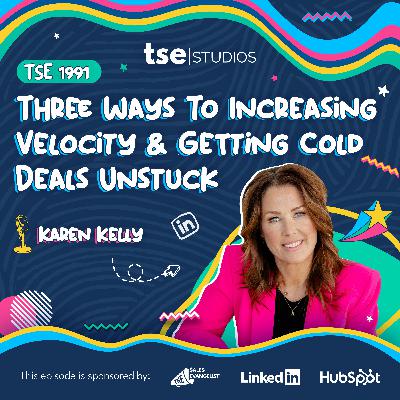
Getting deals unstuck can feel frustrating, especially when you reach the end of a quarter and nothing seems to be moving. Karen Kelly, one of the 100 most powerful women in sales 2025, breaks down how the way you show up in your sales process can be the difference between a deal that stalls and one that moves forward.Meet Karen KellyKaren Kelly is a sales trainer, coach, and speaker who has spent over 20 years helping sales professionals improve how they show up and sell. Having experienced the challenges of sales firsthand, she understands what it feels like to navigate uncertainty, missed opportunities, and stalled deals.Her approach is centered on rehumanizing the sales process. Instead of relying on scripts and surface level tactics, she teaches how to build genuine conversations that create trust and move deals forward.Through her training, coaching, and workshops, Karen helps sales professionals shift their mindset, take intentional action, and build stronger, more meaningful relationships with their clients.Reframe Your MindsetThe first step is to reframe. Before you even send an email or get on a call, ask yourself how you are showing up. Are you focused on helping or just trying to closeKaren shared that language shapes reality. When you shift from “I have to” to “I get to,” everything changes. Your energy shifts, your confidence improves, and your conversations become more customer focused. Buyers can feel the difference.Reveal the Human SideInstead of hiding behind a perfect, polished version of yourself, bring authenticity into the conversation. Share experiences, lessons, and even past mistakes that shaped how you work today.When you open up, your prospects feel safe to do the same. That is when real conversations happen.Revisit the FundamentalsGo back to the basics of selling. Does your prospect actually recognize the problem? Do you have alignment and buy in? Are you following up consistently?Karen reminded us that many deals stall because we skip these simple steps. They may not be exciting, but they are what move deals forward.“Reveal is a big one. A lot of people are still giving the illusion of perfection, but it doesn’t exist.” - Karen KellyResourcesConnect with Karen Kelly on LinkedIn or visit her website to learn how she helps sales professionals drive real results.Keep track of your sales activity and boost your results with the Prospect Pro sales tool.Step up your sales game with Sales Mastermind. Get accountability, stay motivated, and tackle the blockers keeping you from hitting your goals.Visit Blue Mango Studios for help in creating podcast production content. Sponsorship OffersThis episode is brought to you in part by Hubspot.With HubSpot sales hubs, your data tools and teams join a single platform to close deals and turn prospects into pipelines. Try it for yourself at hubspot.com/sales.This episode is brought to you in part by LinkedIn.Are you tired of prospective clients not responding to your emails? Sign up for a free 60-day trial of LinkedIn Sales Navigator at linkedin.com/tse.This episode is brought to you in part by the TSE Sales Foundation.Improve your connection on LinkedIn and land three or five appointments with our LinkedIn prospecting course. Go to the salesevangelist.com/linkedin.CreditsAs one of our podcast listeners, we value your opinion and always want to improve the quality of our show. Complete our two-minute survey here: thesalesevangelist.com/survey. We’d love for you to join us for our next episodes by tuning in on Apple Podcast, Google Podcast, Stitcher, or Spotify. Audio provided by Free SFX, Soundstripe, and Bensound. Other songs used in the episodes are as follows: The Organ Grinder written by Bradley Jay Hill, performed by Bright Seed, and produced by Brightseed and Hill.
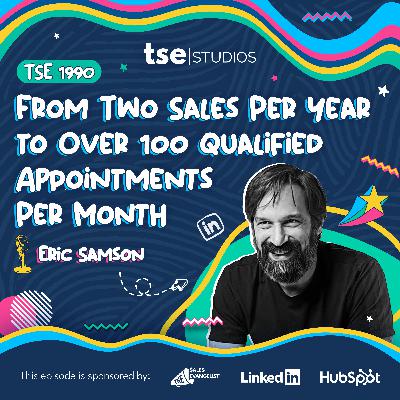
Sometimes selling comes at the most unexpected moments in life. As an entrepreneur you’re selling your business to customers and you need to go from zero to hundreds fast. Eric Samson, CEO & founder of Group8A, is here to share how he went from hoping deals would come in to building a system that brings in sales opportunities every single month.Meet Eric SamsonWe’ve all experienced consultants who promise big results but fall short. For small businesses, that can be costly.Eric Samson knows this firsthand. Before founding Group 8A, he ran several e-commerce businesses and saw how ineffective marketing agencies could hurt growth.That experience pushed him to build something different. He created Group 8A with a performance driven approach where the agency only grows when its clients do.Today, Group 8A is a leading digital marketing agency in New York City, helping e-commerce brands scale and increase conversions.From Hope to PredictabilityWhat would it look like if your sales pipeline didn’t rely on luck?That was the reality Eric faced. His business was built on strong operations and great service, but sales were inconsistent. Referrals came in occasionally, but there was no real system behind it. At one point, two deals a year felt like a win.Eric realized something had to change. Wishing for growth was not a strategy.Setting the Right TargetThe first shift came from setting a clear goal. Eric introduced what he calls a big, hairy, audacious goal. Instead of hoping for a few deals a year, the team aimed for two deals per month.It did not matter that the number seemed small to others. What mattered was that it pushed them beyond their current reality.Sometimes growth starts by simply choosing a target that feels just out of reach.Solving the Right Problem FirstOne of the biggest mistakes Eric made was focusing on the wrong part of the sales process. He hired experts to help close deals before he even had consistent leads coming in.That changed when he broke the process down step by step. If there are no leads, nothing else matters.Once the team focused on generating conversations first, everything else started to fall into place.Building a Scalable SystemEric and his team invested in outreach and found someone who knew how to generate appointments. From there, they optimized the process by separating high level work from simple tasks.The result. Over 100 sales appointments per month!“When you get outreach right, everything changes. When you get it wrong, you get nothing.” - Eric SamsonResourcesConnect with Eric Samson on LinkedIn or visit Group 8A to learn how his team helps e-commerce brands turn strategy into real results.If you want to think bigger and set goals that actually push your business forward, take some time to read Built to Last.Keep track of your sales activity and boost your results with the Prospect Pro sales tool.Step up your sales game with Sales Mastermind. Get accountability, stay motivated, and tackle the blockers keeping you from hitting your goals.Visit Blue Mango Studios for help in creating podcast production content. Sponsorship OffersThis episode is brought to you in part by Hubspot.With HubSpot sales hubs, your data tools and teams join a single platform to close deals and turn prospects into pipelines. Try it for yourself at hubspot.com/sales.This episode is brought to you in part by LinkedIn.Are you tired of prospective clients not responding to your emails? Sign up for a free 60-day trial of LinkedIn Sales Navigator at linkedin.com/tse.This episode is brought to you in part by the TSE Sales Foundation.Improve your connection on LinkedIn and land three or five appointments with our LinkedIn prospecting course. Go to the salesevangelist.com/linkedin.CreditsAs one of our podcast listeners, we value your opinion and always want to improve the quality of our show. Complete our two-minute survey here: thesalesevangelist.com/survey. We’d love for you to join us for our next episodes by tuning in on Apple Podcast, Google Podcast, Stitcher, or Spotify. Audio provided by Free SFX, Soundstripe, and Bensound. Other songs used in the episodes are as follows: The Organ Grinder written by Bradley Jay Hill, performed by Bright Seed, and produced by Brightseed and Hill.
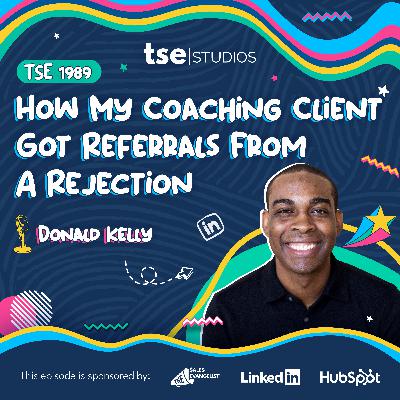
It’s early in the morning, and you’re getting ready to look for prospects on LinkedIn. Every conversation is a precious gem, but how can you shine while reaching out? I have a LinkedIn strategy that helped my coaching client. I’m telling you it works because he got five referrals from using it.Breaking Through the Noise on LinkedInOne of the biggest challenges right now is standing out on LinkedIn. A strategy I’ve been using with a coaching client helped him build momentum when his pipeline was low. He focused on a specific conference and engaged with people who liked or commented on the posts. From there, he sent personalized connection requests along with short videos or voice messages to show he was a real person. No pitch right away, just starting the conversation and building engagement.Turning a “No” into ReferralsOne conversation stood out. He connected with someone who had used his software before but didn’t need it anymore. Instead of moving on, he asked a simple question: who else do you know that could benefit from this? That one question turned into five referrals from a single “no.”Maximizing Every OpportunityToo many people walk away from conversations too early. Every interaction is a chance to move something forward. Sometimes that means asking for a referral, even if the answer isn’t yes.People you’ve worked with before can be some of your best advocates. And this approach isn’t limited to LinkedIn. You can use it in emails, calls, or anywhere you’re having conversations.“Your success isn’t on their mind, but when you ask, you shall receive.” — Donald C. KellyResourcesKeep track of your sales activity and boost your results with the Prospect Pro sales tool.Step up your sales game with Sales Mastermind. Get accountability, stay motivated, and tackle the blockers keeping you from hitting your goals.Visit Blue Mango Studios for help in creating podcast production content. Sponsorship OffersThis episode is brought to you in part by Hubspot.With HubSpot sales hubs, your data tools and teams join a single platform to close deals and turn prospects into pipelines. Try it for yourself at hubspot.com/sales.This episode is brought to you in part by LinkedIn.Are you tired of prospective clients not responding to your emails? Sign up for a free 60-day trial of LinkedIn Sales Navigator at linkedin.com/tse.This episode is brought to you in part by the TSE Sales Foundation.Improve your connection on LinkedIn and land three or five appointments with our LinkedIn prospecting course. Go to the salesevangelist.com/linkedin.CreditsAs one of our podcast listeners, we value your opinion and always want to improve the quality of our show. Complete our two-minute survey here: thesalesevangelist.com/survey. We’d love for you to join us for our next episodes by tuning in on Apple Podcast, Google Podcast, Stitcher, or Spotify. Audio provided by Free SFX, Soundstripe, and Bensound. Other songs used in the episodes are as follows: The Organ Grinder written by Bradley Jay Hill, performed by Bright Seed, and produced by Brightseed and Hill.
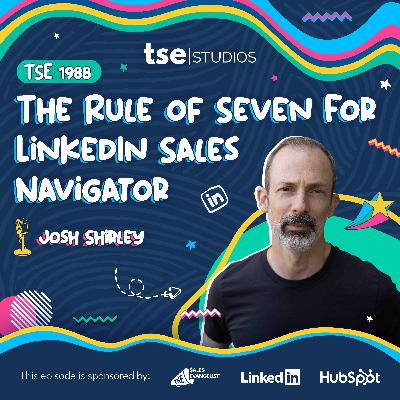
I’m a big believer in LinkedIn Sales Navigator, and that’s why I’m revisiting episode 1827. Josh Shirley from Sandler joined me to share how to use the tool effectively and get real results.Josh Shirley’s BackgroundJosh Shirley is a sales professional with Sandler, a well-known sales training organization. He works with sales leaders who want a structured system that delivers predictable results. Sandler’s approach gives sales professionals the foundation they need to perform effectively from the start.Referrals: The Gold Standard of LeadsJosh shares personal experiences about how structured approaches to request referrals can significantly enhance lead generation.Using the LinkedIn Rule of SevenJosh explains that for every seven LinkedIn connections, there’s typically one person willing and able to refer you. It’s a simple concept, but it can completely change how you approach outreach.There are a few ways to apply it depending on your goals. If you’re covering a broad territory, you can use one connection to open the door to many referrals. If you’re targeting a specific account, multiple connections can help you get closer to the right person. And in some cases, it’s as direct as asking one person for one specific introduction and repeating that process over time.Using LinkedIn Sales Navigator to Find ReferralsJosh walks through how LinkedIn Sales Navigator makes it easier to find the right people to connect with. It helps you identify mutual connections who can introduce you and guide you toward the right prospects. With the right filters, you can narrow your search and make your outreach more focused and efficient.Getting Past the Fear of AskingA lot of salespeople hesitate when it comes to asking for referrals. There’s a fear of coming across as pushy or intrusive. Josh challenges that mindset and reminds us that most people are willing to help, you just have to ask.“Referrals are the most bankable form of leads you can get.” - Josh Shirley ResourcesIf you want to connect with Josh Shirley, you can find him on LinkedIn. And if you’re looking for more insights like this, take a listen to the Sales Tales Podcast.Keep track of your sales activity and boost your results with the Prospect Pro sales tool.Step up your sales game with Sales Mastermind. Get accountability, stay motivated, and tackle the blockers keeping you from hitting your goals.Visit Blue Mango Studios for help in creating podcast production content. Sponsorship OffersThis episode is brought to you in part by Hubspot.With HubSpot sales hubs, your data tools and teams join a single platform to close deals and turn prospects into pipelines. Try it for yourself at hubspot.com/sales.This episode is brought to you in part by LinkedIn.Are you tired of prospective clients not responding to your emails? Sign up for a free 60-day trial of LinkedIn Sales Navigator at linkedin.com/tse.This episode is brought to you in part by the TSE Sales Foundation.Improve your connection on LinkedIn and land three or five appointments with our LinkedIn prospecting course. Go to the salesevangelist.com/linkedin.CreditsAs one of our podcast listeners, we value your opinion and always want to improve the quality of our show. Complete our two-minute survey here: thesalesevangelist.com/survey. We’d love for you to join us for our next episodes by tuning in on Apple Podcast, Google Podcast, Stitcher, or Spotify. Audio provided by Free SFX, Soundstripe, and Bensound. Other songs used in the episodes are as follows: The Organ Grinder written by Bradley Jay Hill, performed by Bright Seed, and produced by Brightseed and Hill.

I don’t believe in sharing sales advice unless I’m actively doing it myself. Right now, I’m building a podcasting agency, Blue Mango Studios, and putting these strategies into practice every day. I’m sharing what’s working as I go, so you can apply it to your own process.Lead with a Point of ReferenceOne of the biggest mistakes sellers make is reaching out without context. Buyers don’t respond because there’s no reason to.Instead, find a point of reference. That could be a post they shared, a comment they made, or a recent role change. When you lead with something relevant, you immediately separate yourself from generic outreach.That small shift makes it easier to start a real conversation.Engagement Before OutreachBefore sending a message, take a moment to engage. Like their content. Leave a meaningful comment. View their profile.These small actions build familiarity. When you do reach out, your name is no longer unfamiliar, which increases your chances of getting a response.Turn Conversations into OpportunitiesOnce you have engagement, the next step is starting a conversation. That might happen through LinkedIn, email, or a call.The key is not to rush the pitch. Focus on understanding what matters to them and how your solution fits into that.Conversations lead to opportunities. Opportunities lead to appointments.Follow Up with IntentionMost deals are not closed on the first interaction. It often takes multiple touchpoints to move things forward.That means consistent follow-up across multiple channels. Emails, calls, and continued engagement all play a role in staying visible and relevant.A Simple Motion That WorksThis approach is not complicated, but it is intentional. Break through the noise. Create engagement. Start conversations. Then follow up with purpose.That’s the motion driving results right now. And if you’re willing to apply it consistently, it can work for you too.“Break through the noise first. When you get engagement, you earn the right to start a conversation.” - Donald C. KellyResourcesKeep track of your sales activity and boost your results with the Prospect Pro sales tool.Step up your sales game with Sales Mastermind. Get accountability, stay motivated, and tackle the blockers keeping you from hitting your goals.Visit Blue Mango Studios for help in creating podcast production content. Sponsorship OffersThis episode is brought to you in part by Hubspot.With HubSpot sales hubs, your data tools and teams join a single platform to close deals and turn prospects into pipelines. Try it for yourself at hubspot.com/sales.This episode is brought to you in part by LinkedIn.Are you tired of prospective clients not responding to your emails? Sign up for a free 60-day trial of LinkedIn Sales Navigator at linkedin.com/tse.This episode is brought to you in part by the TSE Sales Foundation.Improve your connection on LinkedIn and land three or five appointments with our LinkedIn prospecting course. Go to the salesevangelist.com/linkedin.CreditsAs one of our podcast listeners, we value your opinion and always want to improve the quality of our show. Complete our two-minute survey here: thesalesevangelist.com/survey. We’d love for you to join us for our next episodes by tuning in on Apple Podcast, Google Podcast, Stitcher, or Spotify. Audio provided by Free SFX, Soundstripe, and Bensound. Other songs used in the episodes are as follows: The Organ Grinder written by Bradley Jay Hill, performed by Bright Seed, and produced by Brightseed and Hill.
In a niche industry, you don’t win by doing what everyone else is doing. Like David facing Goliath, you have to stand out by bringing something different to the table. My guest, Brian Uzcategui, Vice President of Sales for The Kinetic Co., is here to share how he is winning in the tissue industry and the concepts you can apply to your own work.Selling in a Niche IndustrySelling in a niche industry is not easy. You only have so many competitors and only so many customers, which means every interaction matters. Your reputation travels fast, and you cannot afford to burn bridges.In industries like Brian’s, everyone knows each other. Prices are not the differentiator. Relationships are. If you are not building trust and adding value, you will not last long.Relationships Are EverythingWhen your market is small, your network becomes your greatest asset. Brian shared that success comes from treating every customer like they matter because they do.This is a people game. You are not just selling a product. You are building long-term partnerships. One bad interaction can cost you more than just one deal.Do Not Wing ItPreparation is what separates average sellers from top performers.In this industry, you may only get a few opportunities each year to meet with a customer.When you show up, you need to be ready. Know their history, understand their needs, and come in with clear value.You are not getting extra time. You have to make your time count.Bring Something New Every TimeOne of the most powerful concepts Brian shared is simple. Always bring something new.It could be a small training, a new idea, or a way to make your customer’s job easier. When you consistently add value, your customers look forward to seeing you.You become more than a salesperson. You become a resource.“Be the leader people want to serve. A service mindset goes a long way.” - Brian UzcateguiResourcesConnect with Brian Uzcategui on LinkedIn.Keep track of your sales activity and boost your results with the Prospect Pro sales tool.Step up your sales game with Sales Mastermind. Get accountability, stay motivated, and tackle the blockers keeping you from hitting your goals.Visit Blue Mango Studios for help in creating podcast production content. Sponsorship OffersThis episode is brought to you in part by Hubspot.With HubSpot sales hubs, your data tools and teams join a single platform to close deals and turn prospects into pipelines. Try it for yourself at hubspot.com/sales.This episode is brought to you in part by LinkedIn.Are you tired of prospective clients not responding to your emails? Sign up for a free 60-day trial of LinkedIn Sales Navigator at linkedin.com/tse.This episode is brought to you in part by the TSE Sales Foundation.Improve your connection on LinkedIn and land three or five appointments with our LinkedIn prospecting course. Go to the salesevangelist.com/linkedin.CreditsAs one of our podcast listeners, we value your opinion and always want to improve the quality of our show. Complete our two-minute survey here: thesalesevangelist.com/survey. We’d love for you to join us for our next episodes by tuning in on Apple Podcast, Google Podcast, Stitcher, or Spotify. Audio provided by Free SFX, Soundstripe, and Bensound. Other songs used in the episodes are as follows: The Organ Grinder written by Bradley Jay Hill, performed by Bright Seed, and produced by Brightseed and Hill.

Many sellers ask the same question: how can I increase my close rate? Often the challenge is not the product or the prospect but hesitation at the moment when it is time to ask for the business. I’m sharing a few ideas that can help you confidently ask for the close and move deals forward faster.Stop Waiting Too LongOne common mistake is waiting too long to ask for the close. Sellers may say something like “let me know what you think” instead of clearly asking if it makes sense to move forward.A more effective approach is to be direct. For example, you might ask whether the prospect prefers to start implementation next Monday or Tuesday. When you have already completed a strong discovery and demonstrated a clear solution, this type of question feels natural and keeps momentum moving forward.Make Sure the Buyer Sees the SolutionAnother issue occurs when the seller tries to close before the buyer fully agrees that the solution solves their problem. Even the best demo will not matter if the buyer does not clearly see how it addresses their specific challenge.Before presenting a proposal, confirm that the prospect believes the solution will solve their problem. When both sides are aligned, the closing conversation becomes much easier.Keep the Close NaturalClosing should not feel like a dramatic event. When you clearly understand the problem and present a solution the buyer believes in, the next step becomes a simple and natural conversation.“When the buyer sees the problem clearly and believes in the solution, the next step becomes easy.” — Donald C. KellyResourcesKeep track of your sales activity and boost your results with the Prospect Pro sales tool.Step up your sales game with Sales Mastermind. Get accountability, stay motivated, and tackle the blockers keeping you from hitting your goals.Visit Blue Mango Studios for help in creating podcast production content. Sponsorship OffersThis episode is brought to you in part by Hubspot.With HubSpot sales hubs, your data tools and teams join a single platform to close deals and turn prospects into pipelines. Try it for yourself at hubspot.com/sales.This episode is brought to you in part by LinkedIn.Are you tired of prospective clients not responding to your emails? Sign up for a free 60-day trial of LinkedIn Sales Navigator at linkedin.com/tse.This episode is brought to you in part by the TSE Sales Foundation.Improve your connection on LinkedIn and land three or five appointments with our LinkedIn prospecting course. Go to the salesevangelist.com/linkedin.CreditsAs one of our podcast listeners, we value your opinion and always want to improve the quality of our show. Complete our two-minute survey here: thesalesevangelist.com/survey. We’d love for you to join us for our next episodes by tuning in on Apple Podcast, Google Podcast, Stitcher, or Spotify. Audio provided by Free SFX, Soundstripe, and Bensound. Other songs used in the episodes are as follows: The Organ Grinder written by Bradley Jay Hill, performed by Bright Seed, and produced by Brightseed and Hill.
Most sellers think their outreach struggles come from poor timing or weak messaging. In reality, the bigger issue is that many outreach attempts focus on surface level problems instead of the real challenge prospects are facing. A few small changes can make your outreach far more relevant and much more likely to get a response.Stop Selling the Surface ProblemA common example is when sellers lead with a generic benefit like saving time or increasing revenue. Those things sound good, but almost every competitor is saying the exact same thing.The real opportunity is identifying the deeper issue that is actually causing frustration for your prospect. For example, an HR leader may not simply want a better hiring tool. Their real challenge could be finding quality candidates who truly fit their organization.When your outreach taps into that deeper problem, your message immediately becomes more relevant and harder to ignore.How to Find the Real ProblemThe key is doing the research before you send the message. One simple way to start is by using tools like ChatGPT to understand the common challenges your ideal customers face.You can also learn a lot by speaking with existing clients and asking what their biggest frustrations are. Often the first answer reveals the true problem that needs solving.Why This Changes Your ResultsWhen your outreach focuses on the real problem instead of a generic pitch, everything becomes more effective.Your subject lines become more intriguing. Your emails feel more relevant. And prospects are much more likely to respond because the message speaks directly to what they are dealing with right now.In the end, better outreach starts with one simple shift. Focus less on your solution and more on the real problem your prospect is trying to solve.“If the problem you’re presenting isn’t strong enough, your message will get ignored.” — Donald C. KellyResourcesKeep track of your sales activity and boost your results with the Prospect Pro sales tool.Step up your sales game with Sales Mastermind. Get accountability, stay motivated, and tackle the blockers keeping you from hitting your goals.Visit Blue Mango Studios for help in creating podcast production content. Sponsorship OffersThis episode is brought to you in part by Hubspot.With HubSpot sales hubs, your data tools and teams join a single platform to close deals and turn prospects into pipelines. Try it for yourself at hubspot.com/sales.This episode is brought to you in part by LinkedIn.Are you tired of prospective clients not responding to your emails? Sign up for a free 60-day trial of LinkedIn Sales Navigator at linkedin.com/tse.This episode is brought to you in part by the TSE Sales Foundation.Improve your connection on LinkedIn and land three or five appointments with our LinkedIn prospecting course. Go to the salesevangelist.com/linkedin.CreditsAs one of our podcast listeners, we value your opinion and always want to improve the quality of our show. Complete our two-minute survey here: thesalesevangelist.com/survey. We’d love for you to join us for our next episodes by tuning in on Apple Podcast, Google Podcast, Stitcher, or Spotify. Audio provided by Free SFX, Soundstripe, and Bensound. Other songs used in the episodes are as follows: The Organ Grinder written by Bradley Jay Hill, performed by Bright Seed, and produced by Brightseed and Hill.
You probably thought following up on a deal would be easy, but many sellers struggle with it. I’m sharing a simple way to make the process easier and stop assuming that no response means something negative.The Data Behind Effective Follow-UpLet me share a few statistics that might change the way you think about follow-up.About 85 percent of sales require five or more follow-ups, yet 44 percent of sales reps stop after just one follow-up. On top of that, only 2 percent of sales happen during the very first contact.What does this mean for you? It means persistence matters. If you are giving up after the first attempt, you could be walking away from deals that simply needed a few more conversations.Why Many Reps Avoid Following UpNow the question becomes why do so many sellers avoid following up in the first place?In many cases it comes down to psychology. Some sellers worry about being annoying. Others fear rejection. Sometimes pride gets in the way and we think the buyer should be the one reaching back out to us.Another issue is the lack of a system. When you do not have a clear follow-up process, it becomes easy to forget to reconnect with prospects or to rely on hope instead of a plan.What Strong Follow-Up Looks LikeWhen you do follow up, avoid sending messages that simply say “just checking in.” That approach does not add value.Instead, focus on sharing something useful. You might provide a helpful insight, remind them about the next step you discussed, or share information that supports the conversation.I also recommend planning the next follow-up before you end a meeting. When the next step is already scheduled, it becomes much easier to keep the deal moving forward.“No response isn’t a no. It’s often an invitation for professionalism.” — Donald C. KellyResourcesKeep track of your sales activity and boost your results with the Prospect Pro sales tool.Step up your sales game with Sales Mastermind. Get accountability, stay motivated, and tackle the blockers keeping you from hitting your goals.Visit Blue Mango Studios for help in creating podcast production content. Sponsorship OffersThis episode is brought to you in part by Hubspot.With HubSpot sales hubs, your data tools and teams join a single platform to close deals and turn prospects into pipelines. Try it for yourself at hubspot.com/sales.This episode is brought to you in part by LinkedIn.Are you tired of prospective clients not responding to your emails? Sign up for a free 60-day trial of LinkedIn Sales Navigator at linkedin.com/tse.This episode is brought to you in part by the TSE Sales Foundation.Improve your connection on LinkedIn and land three or five appointments with our LinkedIn prospecting course. Go to the salesevangelist.com/linkedin.CreditsAs one of our podcast listeners, we value your opinion and always want to improve the quality of our show. Complete our two-minute survey here: thesalesevangelist.com/survey. We’d love for you to join us for our next episodes by tuning in on Apple Podcast, Google Podcast, Stitcher, or Spotify. Audio provided by Free SFX, Soundstripe, and Bensound. Other songs used in the episodes are as follows: The Organ Grinder written by Bradley Jay Hill, performed by Bright Seed, and produced by Brightseed and Hill.
During a deal, you might spend weeks speaking with one person only to realize the real decision makers were never involved. So how do you get your champion to bring the stakeholders into the conversation? I’m bringing back an old concept that can help prevent this situation from happening again.When Your Champion Won’t Bring Others Into the DealDuring a deal, you might spend weeks speaking with one person only to realize the real decision makers were never involved. It can feel frustrating, especially when you know that IT, finance, or leadership will eventually need to approve the purchase.So how do you get your champion to include the stakeholders who actually sign off on the deal?One approach is to start thinking about the buying process earlier and making sure the right people are involved from the beginning.Start With MultithreadingOne of the best sales strategies is multithreading. This simply means building relationships with multiple people inside an account instead of relying on a single contact.When selling a solution, there are often several people who influence the decision. There may be an end user who will work with the product daily, a manager who oversees the team, and an executive who approves the final purchase.Mapping out these roles early can help prevent deals from stalling later. I like using LinkedIn Sales Navigator to identify these stakeholders and make it easier to start conversations with them.Identify the InfluencersNot everyone involved in a deal holds a formal decision making title, and that’s something I want you to keep in mind. I’ll give you a quick example. My wife once worked closely with the executive team at a company. Whenever the CEO was considering working with a vendor, he would often ask her opinion about the people he had interacted with. If a vendor was respectful and easy to work with, she would share that. But if someone treated her poorly because they didn’t think she had any influence, that feedback made its way back to leadership as well.The lesson here is simple. Everyone inside an organization can influence a deal in some way.Have an Honest Conversation With Your ChampionIf your champion continues to avoid bringing others into the process, it may be time to address it directly.Try sharing your concern. Let them know that in most successful projects there are several people involved, including technical teams and leadership. Then ask if there is a reason those stakeholders have not been included yet.Often the answer is straightforward. The champion may be busy, unsure how to involve others, or simply gathering more information before expanding the conversation.“Preemptively build those relationships so you don’t get stuck relying on one person to close the deal.” - Donald KellyResourcesKeep track of your sales activity and boost your results with the Prospect Pro sales tool.Step up your sales game with Sales Mastermind. Get accountability, stay motivated, and tackle the blockers keeping you from hitting your goals.Visit Blue Mango Studios for help in creating podcast production content. Sponsorship OffersThis episode is brought to you in part by Hubspot.With HubSpot sales hubs, your data tools and teams join a single platform to close deals and turn prospects into pipelines. Try it for yourself at hubspot.com/sales.This episode is brought to you in part by LinkedIn.Are you tired of prospective clients not responding to your emails? Sign up for a free 60-day trial of LinkedIn Sales Navigator at linkedin.com/tse.This episode is brought to you in part by the TSE Sales Foundation.Improve your connection on LinkedIn and land three or five appointments with our LinkedIn prospecting course. Go to the salesevangelist.com/linkedin.CreditsAs one of our podcast listeners, we value your opinion and always want to improve the quality of our show. Complete our two-minute survey here: thesalesevangelist.com/survey. We’d love for you to join us for our next episodes by tuning in on Apple Podcast, Google Podcast, Stitcher, or Spotify. Audio provided by Free SFX, Soundstripe, and Bensound. Other songs used in the episodes are as follows: The Organ Grinder written by Bradley Jay Hill, performed by Bright Seed, and produced by Brightseed and Hill.


Download from Google Play

Download from App Store
 United States
Luckily, there is indeed a wealth of actionable advice and strategies on this subject. I also recommend that you familiarize yourself with the books at this link https://www.growbots.com/blog/13-best-sales-books-for-saas-businesses-you-must-read-in-2022/ in more detail. It will help you influence sales
Hello and thanks for sharing .Also would like to share the work of RUSBM STUDIO , whose services i took recently and they are doing tremendous job in architectural design. Go avail their services at resonable cost and see the results for yourself. Contact them here : https://www.rusbmstudio.com/
Hello and thanks for sharing .Also would like to share the work of RUSBM STUDIO , whose services i took recently and they are doing tremendous job in architectural design. Go avail their services at resonable cost and see the results for yourself. Contact them here : https://www.rusbmstudio.com/
Hello and thanks for sharing .Also would like to share the work of RUSBM STUDIO , whose services i took recently and they are doing tremendous job in architectural design. Go avail their services at resonable cost and see the results for yourself. Contact them here : https://www.rusbmstudio.com/
Hello and thanks for sharing .Also would like to share the work of RUSBM STUDIO , whose services i took recently and they are doing tremendous job in architectural design. Go avail their services at resonable cost and see the results for yourself. Contact them here : https://www.rusbmstudio.com/
Hello and thanks for sharing .Also would like to share the work of RUSBM STUDIO , whose services i took recently and they are doing tremendous job in architectural design. Go avail their services at resonable cost and see the results for yourself. Contact them here : https://www.rusbmstudio.com/
Hello and thanks for sharing .Also would like to share the work of RUSBM STUDIO , whose services i took recently and they are doing tremendous job in architectural design. Go avail their services at resonable cost and see the results for yourself. Contact them here : https://www.rusbmstudio.com/
Hello and thanks for sharing .Also would like to share the work of RUSBM STUDIO , whose services i took recently and they are doing tremendous job in architectural design. Go avail their services at resonable cost and see the results for yourself. Contact them here : https://www.rusbmstudio.com/
Hello and thanks for sharing .Also would like to share the work of RUSBM STUDIO , whose services i took recently and they are doing tremendous job in architectural design. Go avail their services at resonable cost and see the results for yourself. https://www.rusbmstudio.com/ contact them here.
Hello and thanks for sharing .Also would like to share the work of RUSBM STUDIO , whose services i took recently and they are doing tremendous job in architectural design. Go avail their services at resonable cost and see the results for yourself. https://www.rusbmstudio.com/ contact them here.
Hey, your article is a good one. I must say not everybody knows how to write blogs and make them look professional. Being a law student I always look for data points like charts, analysis in articles. Yours seems to give justice to the topic. My personal style includes a lot of graphs, numbers and informative videos. I write on https://www.successmantra.com
: Wow! Such an articulate post it is! I am a fan of your writing. Being a new writer, it's always good to see inspiring posts like this. I am a management graduate and write for 12th pass students for various career options. I want to write about a lot of things out there, please guide me on how I can become a good blogger. I write for a good blog: https://www.clearlawentrance.com
"This is a wonderful article. I can see that you have done a lot of research and your subject knowledge is good and impressive. I also like to write for an education blog https://www.cleariitmedical.com This is an online blog for students who want to prepare for India's most difficult entrance exams - IIT JEE and NEET This is a free blog and provide free study material, quiz and notes to those who can't afford to pay hefty fees of coaching institutes. I write free of cost for the good cause. I know you must be busy with your work but if you could take out some time from your busy schedule and have a look at it. I saw a good collection of articles. If you only write a few words about this blog then it can help a lot of students out there. Thanks!"
Very nice article! I write for educational blogs. I make a collection of wonderful educational blogs from where I could take inspiration for writing. This article really inspires me though it is a little different from my domain but nonetheless it is a good writing..Let me know your thoughts if I could contribute to your blog too. I sometime write for a education site blogs https://www.clearexam.ac.in/
Very nice article! I'm Preeti, I write for educational blogs. I make a collection of wonderful educational blogs from where I could take inspiration for writing. This article really inspires me though it is a little different from my domain but nonetheless it is a good writing. I sometime write for a education site blogs www.clearexam.ac.in Let me know your thoughts if I could contribute to your blog too.
Very nice article! I'm Preeti, I write for educational blogs. I make a collection of wonderful educational blogs from where I could take inspiration for writing. This article really inspires me though it is a little different from my domain but nonetheless it is a good writing. I sometime write for a education site blogs www.clearexam.ac.in Let me know your thoughts if I could contribute to your blog too.
Very nice article! I'm Preeti, I write for educational blogs. I make a collection of wonderful educational blogs from where I could take inspiration for writing. This article really inspires me though it is a little different from my domain but nonetheless it is a good writing. I sometime write for a education site blogs www.clearexam.ac.in Let me know your thoughts if I could contribute to your blog too.
Very nice article! I'm Preeti, I write for educational blogs. I make a collection of wonderful educational blogs from where I could take inspiration for writing. This article really inspires me though it is a little different from my domain but nonetheless it is a good writing. I sometime write for a education site blogs www.clearexam.ac.in Let me know your thoughts if I could contribute to your blog too
Interesting Podcast, Good Points Covered, Gives A Complete Guideline To The Sales Process. I Found The Example Of Meatloaf Very Funny. Though I Am A Vegetarian And Don't Eat Meat, If I Was In Her Place, I Would Have Bought A New Big Pan To Fit The Meatloaf Size, And Use The Smaller Pan For Cooking Other Dishes. Simple Solution. Or Tell The Truth And Use The Cut Ends For Other Dishes Instead Of Wasting Food. It Seems Some People Have Low Level Of Practical Intelligence.! Hahaha! On The Whole I Find These Episodes Of the Sales Evangelist Channel Very Educative, and Presented In A Lively Manner. Keep Up The Good Work! Regards!
whats the website of patrick please