


 Claim Ownership
The Golf Sit Down
Subscribed: 1Played: 15
Subscribe

© Copyright 2025 All rights reserved.
Description
Join us as we explore the world of long-term development for golfers. What lessons can we learn from discussions with players, parents, and the best coaches in the world to help you on your journey?
27 Episodes
Reverse
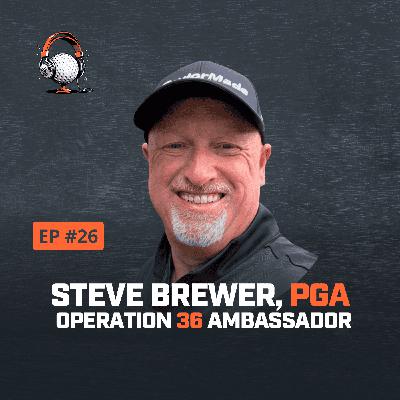
What does it really take to develop junior golfers the right way?
In this episode of The Golf Sitdown, we sit down with Steve Brewer, Director of Instruction at Dubsdread Golf Course and a national ambassador for Operation 36.
Steve shares how he’s built one of the largest junior development programs in the country — serving 150+ juniors and 1,000+ adults annually — while staying committed to a simple principle:
👉 The number is still 36.
👉 Follow Steve on Instagram: @dubsdread_golf_learning_center
🎙️ Subscribe for more conversations with top coaches and minds in golf.
The Golf Sit Down: https://linktr.ee/TheGolfSitDown
Host: Ryan Dailey, PGA @ryandaileygolf
Co-Host: Seth Thompson, PGA @seth_thompsongolf
Executive Producer: A.J. Reimann @a.j._reimann
We dive into:
Why players must come to the course MORE as they improve
How to manage parent expectations without lowering standards
Why lowering the benchmark hurts long-term development
The real reason kids “burn out”
How to create structure, accountability, and measurable progress
Why coaching is more than just teaching the golf swing
If you’re a golf coach, parent, or player serious about long-term improvement, this episode is packed with gold.
Chapters
00:00 Expectations for Parents and Players
02:53 Player Development and Training Frequency
07:38 Managing Expectations in Golf
12:18 The Role of Coaches and Communication
17:10 The Importance of a Supportive Environment
21:37 Setting Realistic Goals and Benchmarks
26:11 The Journey of Improvement in Golf
30:58 Final Thoughts and Reflections
#Operation36
#JuniorGolf
#GolfCoaching
#YouthSports
#GolfDevelopment
#GolfParents
#TheGolfSitdown
Golf improvement is usually judged by feel — but what if you could actually measure progress?
In this Real Talk episode of The Golf Sit Down, PGA Professionals Ryan Dailey and Seth Thompson break down the massive milestone of 1 MILLION strokes lost inside Operation 36 and why it matters for players, parents, and coaches.
We dive into:
• Why most golfers think they’re not improving (when they are)
• The psychology of motivation in golf
• How measurable progress keeps players from quitting
• Why traditional lessons often fail beginners
• How junior golfers stay engaged long-term
• The truth about scoring vs skill improvement
If you’re a parent, coach, or golfer frustrated with slow progress — this episode explains what actually works.
🎙️ Subscribe for more honest conversations about golf development, coaching, and improvement.
The Golf Sit Down: https://linktr.ee/TheGolfSitDown
Host: Ryan Dailey, PGA @ryandaileygolf
Co-Host: Seth Thompson, PGA @seth_thompsongolf
Executive Producer: A.J. Reimann @a.j._reimann
Chapters
00:00 Introduction to Real Talk in Golf
01:18 Milestones in Operation 36
05:52 Understanding Strokes Lost
10:43 The Impact of Objective Metrics
15:45 The Role of Coaches in Development
20:26 Celebrating a Million Strokes Lost
#Golf #Operation36 #GolfImprovement #JuniorGolf #GolfCoaching #GolfTips #GolfPractice #LearnGolf #GolfParents #GolfPodcast #PGAPro #GolfDevelopment #GolfMotivation #PlayBetterGolf #TheGolfSitDown

In this episode of The Golf Sit Down, we’re joined by George Roy, founder of George Roy Golf and creator of the Low Zone Training System, for a deep dive into how golfers should actually practice.
George breaks down:
The adaptive learning model in golf
Why skill development matters more than technique early on
How parents can help juniors practice without burnout
The importance of failure, variability, and exploration
Why most practice ranges are poorly designed for learning
How to create purposeful, game-like practice environments
We also talk junior golf development, supervised practice vs private lessons, group training, community building, and how coaches can avoid common mistakes that slow player progress.
Whether you’re a coach, parent, junior golfer, or competitive player, this episode will change the way you think about practice.
👉 Learn more about George Roy Golf & training aids https://www.georgeroygolf.com/
👉 Follow George on Instagram: @georgeroy_golf
🎙️ Subscribe for more conversations with top coaches and minds in golf.
The Golf Sit Down: https://linktr.ee/TheGolfSitDown
Host: Ryan Dailey, PGA @ryandaileygolf
Co-Host: Seth Thompson, PGA @seth_thompsongolf
Executive Producer: A.J. Reimann @a.j._reimann
Chapters
00:00 The Journey of George Roy: From Wrestling to Golf Coaching
00:14 Adaptive Learning in Golf: Understanding Skill Development
09:01 Creating a Unique Learning Environment: The Driving Range Experience
18:13 The Importance of Adversity in Learning
22:37 Understanding Exponential Decay in Skill Development
29:56 The Value of Group Coaching vs. Private Lessons
35:30 Creating a Supportive Community for Young Athletes
39:44 Common Mistakes Parents Make in Youth Sports
43:35 Advice for New Coaches: Focus on Exploration
#GolfPractice
#GolfCoaching
#JuniorGolf
#AdaptiveLearning
#GolfInstruction
#SkillDevelopment
#GolfParents
#GolfPodcast
#TheGolfSitDown
#PurposefulPractice
#GolfTraining
#PlayerDevelopment
In this Golf Sit Down Podcast Q&A episode, PGA Professionals Ryan Dailey and Seth Thompson answer real questions from golf coaches, parents, and junior golfers.
We break down:
Why junior golf improvement takes time
How OP 36 creates a clear development roadmap
How many tournaments junior golfers should actually play
Why scores are not linear (and why that’s normal)
The powerful Rule of 20 in junior golf development
How parents can help juniors manage emotions during tournaments
Whether you’re a junior golfer with college aspirations, a parent navigating tournament golf, or a coach managing expectations, this episode delivers practical, experience-based advice backed by real data.
📌 Topics include OP 36 levels, AJGA vs local tournaments, emotional control, patience in coaching, and long-term development strategies.
👉 Drop your questions in the comments — future Q&A episodes are coming!
🧢 Comment "At Least 20" for your chance to win a free OP36 Hat!
The Golf Sit Down: https://linktr.ee/TheGolfSitDown
Host: Ryan Dailey, PGA @ryandaileygolf
Co-Host: Seth Thompson, PGA @seth_thompsongolf
Executive Producer: A.J. Reimann @a.j._reimann
Chapters
00:00 Introduction to Q&A Format
00:44 Coaching Young Golfers: Managing Expectations
05:19 Navigating Junior Golf Tournaments
12:39 Supporting Emotional Junior Golfers
#juniorgolf
#AtLeast20
#Operation36
#OP36
#GolfCoaching
#JuniorGolfDevelopment
#CollegeGolf
#YouthGolf
#GolfParents
#GolfPodcast
#PGAGolf
#JuniorGolfJourney
#GolfSitDown

In this episode of The Golf Sit Down, we’re joined by Kristi Roach, PGA of Canada professional, 2024 PGA Atlantic Teacher of the Year, Operation 36 coach, and former school teacher.
Kristi shares her unique journey from college golf to classroom teaching to full-time golf coaching, and how her background as a middle school teacher and mom shapes the way she develops junior golfers today.
We dive deep into:
-How to properly develop junior golfers long-term
-Why Operation 36 works so well for kids and parents
-Coaching vs parenting on the golf course
-Early specialization vs multi-sport development
-Helping kids handle frustration, emotions, and pressure
-The importance of nutrition and hydration during tournaments
-Why coaches should still play and compete
-How parents can best support young golfers without overstepping
This episode is packed with practical advice for golf parents, coaches, and junior players looking to build confidence, resilience, and a love for the game.
📍 Follow Kristi Roach on Instagram @kristi_roach
📍 Learn more about Operation 36 junior golf development
📍 Perfect for parents, coaches, and competitive junior golfers
🎧 Subscribe for more conversations on long-term golf development, coaching, and player growth.
The Golf Sit Down: https://linktr.ee/TheGolfSitDown
Host: Ryan Dailey, PGA @ryandaileygolf
Co-Host: Seth Thompson, PGA @seth_thompsongolf
Executive Producer: A.J. Reimann @a.j._reimann
Chapters
00:00 Christie's Journey in Golf Coaching
03:44 A Day in the Life of a Golf Coach
13:20 The Importance of Finding the Right Coach
14:04 Classroom Management Techniques for Coaches
18:36 Seth's Journey in Coaching
19:33 Characteristics of Successful Young Golfers
21:16 The Importance of Peer Influence in Golf
22:26 Navigating Motivation and Commitment in Young Athletes
27:43 Coping with Emotional Upset in Young Golfers
33:37 Nutrition and Hydration for Young Golfers
39:27 The Role of Coaches in Continuous Learning
#JuniorGolf
#Operation36
#GolfParents
#YouthGolf
#GolfCoaching
#JuniorGolfDevelopment
#GolfInstruction
#GolfPodcast
#WomensGolf
#PGAofCanada
#GolfCoach
#YouthSports
#GolfLife
#GrowingTheGame
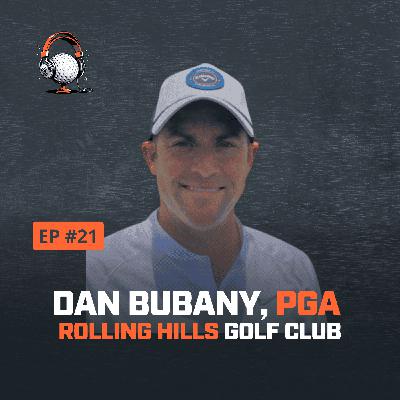
In this episode of The Golf Sit Down, we sit down with Dan Bubany, PGA Professional, to break down what actually leads to long-term golf improvement — and why traditional one-hour golf lessons often fail players, parents, and coaches.
Dan shares his journey from broadcast journalism to full-time golf coaching, and explains why group coaching, on-course training, and results-based development outperform private instruction in nearly every way. From junior golf development to adult amateurs struggling to break 90, this episode is packed with actionable insights.
We cover:
Why group coaching creates faster improvement
The difference between a golf coach and an instructor
How parents can best support junior golfers (without pushing)
Why training on the driving range doesn’t translate to the golf course
How accountability, process, and results all work together
What traits the best golf students share
How coaches can shift toward modern, sustainable coaching models
If you’re a parent of a junior golfer, a golf coach, or a player frustrated with slow progress, this episode will challenge everything you think you know about golf instruction.
📩 Learn more about Dan Bubany:
Instagram: @danbubanygolf
Website: danbubanygolf.com
🎧 Subscribe for more conversations on long-term golf development, coaching, and player growth.
The Golf Sit Down: https://linktr.ee/TheGolfSitDown
Host: Ryan Dailey, PGA @ryandaileygolf
Co-Host: Seth Thompson, PGA @seth_thompsongolf
Executive Producer: A.J. Reimann @a.j._reimann
Chapters
00:00 Introduction and Background of Dan Bubany
00:13 Transitioning from Broadcasting to Golf Coaching
04:53 The Importance of Group Coaching in Golf
09:53 Engaging Parents in the Coaching Process
14:33 Cultivating Intellectual Curiosity in Players
19:14 Supporting Junior Golfers and Their Development
24:11 The Importance of Accountability in Coaching
27:05 Results-Based Coaching: Balancing Outcomes and Process
32:02 Navigating Coaching Relationships: When to Move On
35:40 The Future of Coaching: Group Dynamics and Community
39:33 Transforming Golf Instruction: From Lessons to Play
44:01 The Evolution of Coaching Philosophy
#GolfCoaching
#JuniorGolf
#GolfDevelopment
#GolfParents
#GolfPodcast
#ModernGolf
#GroupGolfCoaching
#PGACoach
#GolfInstruction
#Break90
#YouthGolf
#GolfTraining

In this episode of The Golf Sit Down, Ryan and Seth sit down with Ben Polland, PGA, Director of Golf at Shooting Star (WY) and reigning 2024 PGA Professional Champion. Ben shares his incredible journey from late-blooming high school golfer to competing on the Korn Ferry Tour, PGA TOUR events, and representing the PGA of America internationally.
We dig into:
• Why competing often is the fastest way to grow
• The mental game shift that changed Ben’s career
• How to pick a great coach (and when to move on)
• Why junior golfers MUST play more tournaments
• What Ben learned playing with Scottie Scheffler
• How to practice with purpose — even while working full-time
If you're a junior golfer, parent, coach, or competitive golf nerd, this episode is packed with insights you can use TODAY.
👉 Like, comment, and subscribe for more elite-level conversations!
Hosts: Ryan Dailey, PGA & Seth Thompson, PGA
Executive Producer: A.J. Reimann
Find The Golf Sit Down: https://linktr.ee/TheGolfSitDown
⏱️ Chapter Markers
00:00 – Intro: Welcome Ben Pollin, PGA
00:09 – Ben’s background & growing up in Minnesota
02:00 – Choosing golf over baseball
03:00 – Why Ben chose Campbell University
04:10 – Early struggles & learning modern instruction
06:00 – Internships at Sebonack & Deepdale
07:30 – First major success & qualifying for nationals
09:40 – Turning pro & chasing the tour dream
11:00 – Competing to get better
14:00 – Playing with Scottie Scheffler
17:00 – Learning from elite players
19:00 – When self-belief finally clicked
21:00 – Pressure on tour vs. freedom now
23:00 – Managing a team while competing
24:30 – The importance of good coaching
27:20 – How to know if coaching is working
30:20 – Grip changes & experimentation
32:38 – Junior golf challenges & building programs
33:49 – How tournaments shape young players
35:49 – The Catherine Andino story
37:30 – How many tournaments juniors should play
38:52 – Mental freedom & pressure
39:50 – Why nerves are GOOD
41:38 – Big takeaways for parents & juniors
42:47 – Growth & comfort don’t coexist
43:26 – Closing thoughts & gratitude
#GolfPodcast #PGA #BenPollin #GolfTips #JuniorGolf #GolfImprovement #PGAProfessional #GolfMindset #GolfTraining #CompetitionGolf #KornFerryTour #GolfParents #GolfJourney

In this episode of The Golf Sit Down, Ryan Dailey and Seth Thompson sit down with Randall Henry, CEO of Henry-Griffitts, one of golf’s most respected custom-fitting companies.
Randall shares incredible behind-the-scenes stories from decades in the golf industry — from tour players in the 1980s to revolutionizing how juniors and beginners get fit today.
We break down:
Why most golfers are using clubs that are too strong
How ill-fitting clubs create lifelong swing flaws
Why lie angle matters more than you think
How Henry-Griffitts and Op36 are reinventing junior club fitting
Personal stories from tour ranges, Bill Russell's clubs, and what REALLY happens with off-the-rack sets
If you're a parent, coach, or golfer wanting to improve faster, this episode is packed with insights that will completely change the way you think about equipment.
Check out the new Operation 36 Golf Clubs Here
https://op36shop.com/products/clubs
🎙️ Subscribe for more conversations with top coaches and educators shaping the future of golf learning.
Hosts: Ryan Dailey, PGA & Seth Thompson, PGA
Executive Producer: A.J. Reimann
Find The Golf Sit Down: https://linktr.ee/TheGolfSitDown
#GolfPodcast #ClubFitting #HenryGriffitts #Op36 #JuniorGolf #GolfCoaching #GolfEquipment #GolfTips #CustomFitting #GolfSwing

In this episode of The Golf Sit Down, Ryan Dailey and Seth Thompson welcome Ty Gosnell, founder of The Players Golf Academy of Charleston and Director of Instruction at Rivertown Country Club.
Ty shares his journey from a multi-sport athlete to a seasoned PGA coach, the lessons he’s learned about player development, burnout, and the importance of helping kids fall in love with the grind—not just the game.
He discusses:
How playing multiple sports builds better golfers
Why travel sports can lead to burnout
The key ages when young golfers struggle to stay engaged
Coaching strategies to build passion and creativity
His philosophy on learning through fun and process over outcome
Whether you’re a golf parent, coach, or player, this episode is full of wisdom about long-term player development and keeping the game fun.
👉 Connect with Ty Gosnell:
📍 Instagram: @tygosnellgolf
📧 tymgosnell@gmail.com
🎙️ Subscribe for more conversations with top coaches and educators shaping the future of golf learning.
Hosts: Ryan Dailey, PGA & Seth Thompson, PGA
Executive Producer: A.J. Reimann
Find The Golf Sit Down: https://linktr.ee/TheGolfSitDown
⏱️ Chapter Markers
00:00 – Intro: Welcome & Guest Intro
00:35 – Ty’s Journey from Multi-Sport Athlete to Golf Coach
03:28 – Discovering Operation 36
05:33 – The Problem with Travel Sports & Burnout
09:49 – Learning to Love the Game Again
10:57 – The Two Hardest Ages for Golfers (9–11 & 15–17)
13:24 – First Car & Early Coaching Lessons
15:00 – Sparking Passion in Players
18:22 – Why Ty Hires Tour Players as Coaches
23:40 – What Tour Players Do Differently
25:15 – The Story of “Elizabeth” & Patience in Coaching
30:00 – Falling in Love with the Process
33:50 – Top Third of the Leaderboard Mindset
38:10 – Coaching Philosophy: Swing vs Hit
43:19 – Making Practice Fun at Every Age
47:20 – Trash Can Targets & Gamifying Learning
48:41 – How to Connect with Ty Gosnell
50:15 – Final Thoughts & Rubbermaid Challenge
#Operation36Golf #GolfPodcast #TyGosnell #JuniorGolf #GolfCoaching #GolfParentTips #PGAProfessional #GolfDevelopment #GolfTraining #GrowTheGame #GolfMindset #MasterTheMundane #CharlestonGolf #GolfPassion
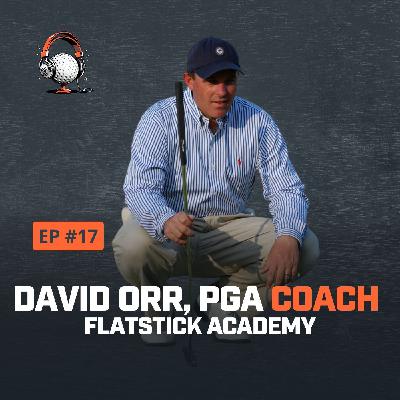
In this episode of The Golf Sit Down, hosts Ryan Dailey, Seth Thompson, and AJ Reimann welcome world-renowned coach David Orr.
With over 30 years of coaching experience and 16 years of putting research, David has worked with more than 85 Tour players — including Justin Rose, Suzanne Pettersen, Paul Casey, and multiple Ryder Cup and Solheim Cup players.
We dive deep into:
How juniors actually develop golf skills on the course, not the range
The importance of reps, emotional regulation, and “fear loops” in golf
Lessons David learned coaching college players, tour players, and juniors
Why most kids’ putters are too heavy, too long, or just plain wrong
The mental game difference between playing and performing
Genetics, reps, and the hidden factors that shape golf development
This episode is a must-listen for parents, coaches, and golfers who want to understand the real process of long-term player development.
📢 Learn more about David Orr:
🔗 Flatstick Academy – [https://flatstickacademy.com/]
🎙 Follow Operation 36 Golf:
✅ Subscribe for more conversations with leaders in junior golf & coaching
🔔 Turn on notifications so you never miss an episode
Hosts: Ryan Dailey, PGA & Seth Thompson, PGA
Executive Producer: A.J. Reimann
Find The Golf Sit Down: https://linktr.ee/TheGolfSitDown
⏱️ CHAPTER MARKERS
00:00 – Intro & Welcome David Orr
01:00 – Campbell Days & Mentorship in Golf Coaching
02:30 – Why Juniors Must Learn Golf on the Course, Not the Range
05:00 – No Gimmies in Operation 36: The Importance of Holing Out
06:20 – Four Environments of Learning (Mat, Practice Green, Course, Tournament)
08:30 – David’s Phases: Player → Coach → Putting Specialist
10:30 – Early Playing Career & Transition into Coaching
13:50 – Working with Justin Rose & Coaching on Tour
15:00 – Why Putting is an “Arranged Marriage”
17:00 – Trauma, Fear Loops & Mental Blocks in Putting
20:00 – Mechanics vs Skill: Why Stroke Fixes Aren’t Enough
22:00 – Parents, Pressure & Junior Golf Development
26:00 – Parenting Lessons from Sports & Soccer Coaching
28:30 – Fine Motor Coordination & Putter Fitting for Juniors
32:00 – Why Most Junior Putters Are Too Heavy or Too Long
35:00 – Aim, Roll, Stop → Face, Head, Shaft Fundamentals
38:00 – Why True Skills Must Travel (Different Grasses & Greens)
44:00 – Acclimating Quickly: Stories from Tour Practice Rounds
50:00 – Mental Skills: Emotional Regulation, Visualization & Recall
55:00 – Coaching vs Teaching: David’s Philosophy
1:01:00 – KISS Method: Fitting Junior Golf Putters
1:08:00 – When Kids Should Start Seeing a Putting Specialist
1:12:00 – Building Juniors “Different” from Everyone Else
1:15:00 – Closing Thoughts & Takeaways
#Operation36Golf #DavidOrr #FlatstickAcademy #PuttingCoach #GolfPodcast #JuniorGolf #GolfCoaching #GolfDevelopment #GolfParents #GolfTips #PGA #Putting

In this episode of The Golf Sit Down Podcast, we chat with Maggie Simons, Director of Instruction at Oregon Golf Club, about her incredible journey from a late start in junior golf to playing Division I at Wake Forest, competing professionally, and ultimately becoming one of the most respected coaches in the Pacific Northwest.
Maggie shares her insights on:
⛳ Why early specialization can hurt more than it helps
🏀 The value of multi-sport participation for juniors
📈 How to manage expectations through growth spurts and development
💡 Creating a fun, welcoming culture that retains golfers for life
🏆 Lessons from playing in an LPGA Tour event and how competition shapes players
👨👩👧👦 Coaching parents through the ups and downs of junior golf
Whether you’re a coach, parent, or player, this episode will inspire you to focus on what truly matters—developing a lifelong love for the game.
👍 Like, subscribe, and share this episode with anyone who wants to grow the game and support the next generation of golfers.
Hosts: Ryan Dailey, PGA & Seth Thompson, PGA
Executive Producer: A.J. Reimann
Find The Golf Sit Down: https://linktr.ee/TheGolfSitDown
Where to find Maggie Simons
https://www.instagram.com/msimons21?utm_source=ig_web_button_share_sheet&igsh=MWswamRqZWN5YW03Zw==
Chapters
00:00 Investing in Quality Gear
00:32 Maggie's Journey in Golf
03:45 The Importance of Diverse Sports
06:50 Managing Growth and Expectations
09:45 Emotional Development in Golf
21:48 Mindset and Performance
25:06 Navigating Competition in Youth Golf
31:32 The Path to College Golf: Insights and Strategies
37:13 Finding Balance: Golf as a Passion, Not an Identity
40:22 Creating a Fun and Supportive Golf Environment
49:40 Reflections on Competition and Community Support
55:03 Embracing Technology and Future Aspirations
#GolfPodcast #MaggieSimons #YouthGolf #GolfDevelopment #Operation36 #JuniorGolf #GolfCoaching #GrowthMindset #PositiveCulture #WomenInGolf #WakeForestGolf #GolfParents #GolfCompetition #GolfJourney #GolfCommunity

In this episode of The Golf Sit Down Podcast, we sit down with Andreas Kali, head coach of the Danish Junior Golf Academy. Andreas shares his journey from junior golf in Denmark to competing in college and turning professional, before finding his true passion in coaching.
We discuss the importance of mentorship, group training, player accountability, culture, and long-term development. Andreas emphasizes how fostering a love for the game, rather than focusing only on early results, creates players who not only succeed on tour but also stay connected to golf for life.
From stories about coaching elite players like Rasmus Nygaard-Peterson (12th at the U.S. Open) to lessons on building positive environments and handling parental expectations, this conversation is packed with insights for coaches, parents, and players alike.
👉 If you enjoyed this episode, don’t forget to subscribe, like, and share with someone who could benefit from these coaching insights!
Hosts: Ryan Dailey, PGA & Seth Thompson, PGA
Executive Producer: A.J. Reimann
Find The Golf Sit Down: https://linktr.ee/TheGolfSitDown
Where to find Andreas Kali
https://andreaskaligolf.com/
https://www.instagram.com/andreaskaligolf/?hl=en
Chapters
00:00 The Challenges of Professional Golf
00:34 Coaching Philosophy and Student Empowerment
09:01 Empowering Young Golfers
10:14 Choosing the Right Coach
11:53 The Importance of Player Engagement
12:59 Identifying Successful Traits in Players
13:38 The Role of Parental Support
18:48 The Pressure of Expectations
20:44 The Value of Group Training
26:56 Balancing Individual and Group Instruction
28:13 Cultivating Passion for the Game
32:40 The Evolution of Coaching Philosophy
37:52 Managing Player Emotions and Expectations
41:01 Building Resilience in Young Athletes
42:41 Shifts in Coaching Techniques Over Time
45:16 Holistic Approach to Player Development
47:01 Creating a Positive Training Environment
48:24 Future Aspirations in Coaching
#GolfPodcast #YouthGolf #GolfCoaching #PlayerDevelopment #GrowthMindset #JuniorGolf #Operation36 #GolfCulture #AndreasKali #GolfAcademy #Mentorship #LongTermDevelopment #PositiveCoaching

In this conversation, Wendi Wiese shares her journey in golf, from her early experiences to her innovative teaching methods at Texas Team Junior Golf. She emphasizes the importance of play in learning, emotional intelligence in coaching, and the role of parents in supporting young golfers. Wendi provides valuable insights for aspiring players and discusses how to foster a positive learning environment that encourages self-discovery and resilience.
Chapters
00:00 Introduction and Test Call Feedback
00:28 Long-Term Development in Golf
00:55 Wendi's Journey in Golf
08:12 Traditional vs. Modern Golf Instruction
10:51 The Importance of Community in Golf
12:57 Coaching with Constraints
19:59 Choices in Golf Practice Games
21:24 Creating a Supportive Environment for Young Athletes
23:46 The Importance of Consistency in Practice
26:20 Emotional Intelligence in Sports
34:22 Learning from Failure and Parental Support
Hosts: Ryan Dailey, PGA & Seth Thompson, PGA
Executive Producer: A.J. Reimann
Find The Golf Sit Down: https://linktr.ee/TheGolfSitDown
Where to find Wendi Wiese
https://www.instagram.com/coachwendiwiese?igsh=aGc3bGxrNTdxbXQx
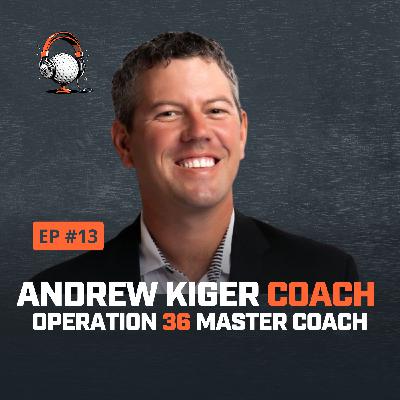
In this episode, coach Andrew Kiger shares his journey from baseball to golf and how mentorship and a service mindset shaped his approach to youth sports. He dives into common developmental mistakes, the importance of practice plans, discipline, and fostering a positive culture where young athletes thrive. With a focus on accountability and long-term growth, Kiger explains how coaches can inspire love for the game—and how that passion leads to real success.
Chapters
00:00 Introduction and Background
02:08 Mentorship and the Service Mindset
07:14 Parental Expectations and Their Impact
12:39 Keys to Success in College Golf
18:09 Balancing Passion and Commitment
24:07 The Importance of Long-Term Coaching
29:27 Navigating Parent Conversations
33:54 Creating a Positive Golf Culture
43:38 Ending
Hosts: Ryan Dailey, PGA & Seth Thompson, PGA
Executive Producer: A.J. Reimann
Find The Golf Sit Down: https://linktr.ee/TheGolfSitDown
Where to find Andrew Kiger
https://andrewkigergolf.com/
#GolfCoaching #YouthSports #GrowthMindset #Mentorship #LongTermDevelopment #PositiveCulture #PracticePlans #GolfPodcast #CoachLife #AthleteDevelopment #ServiceMindset #Accountability #GolfCulture

In this engaging conversation, Yu-kai Chou, a renowned gamification expert, discusses the principles of gamification and its application in various fields, including sports and education. He introduces the Octalysis framework, which breaks down human motivation into eight core drives, and shares insights on how these drives can be leveraged to enhance engagement and performance. The discussion also touches on the importance of intrinsic motivation, the impact of burnout, and the need to reinforce identity beyond performance metrics, especially in young athletes.
Hosts: Ryan Dailey, PGA & Seth Thompson, PGA
Executive Producer: A.J. Reimann
Find The Golf Sit Down: https://linktr.ee/TheGolfSitDown
Takeaways
Gamification can make life more enjoyable and productive.
The Octalysis framework identifies eight core drives of human motivation.
Understanding intrinsic vs. extrinsic motivation is crucial for engagement.
Burnout often stems from black hat motivation and performance pressure.
Reinforcing identity beyond performance helps prevent burnout in young athletes.
Gamification strategies can be applied in sports and education.
Curiosity is essential for learning and should be nurtured.
Age influences motivation and the perception of success.
Positive reinforcement should focus on effort and character, not just results.
Parents should avoid projecting their expectations onto their children.
Chapters
00:00 Introduction to Gamification and Life Transformation
02:20 Core Drives of Human Motivation
07:51 Intrinsic vs. Extrinsic Motivation in Sports
12:20 The Joy of the Game
18:29 The Role of Gamification
24:26 Navigating Parental Expectations
31:13 End
#YuKaiChou #Gamification #Octalysis #YouthSports #IntrinsicMotivation #PerformancePsychology #SportsDevelopment #GamifyEducation #BurnoutPrevention #IdentityBeyondWinning #615 #TheGolfSitDown #GolfSitDownPodcast #TGSChats #GolfProfessionals #GolfCoaches #GolfDads #GolfMoms #WomenInGolf #GrowTheGame #FutureGolfers #GolfLife #GolfTalk #GolfTips #GolfAddict #GolfGram #InstaGolf #GolfVibes #GolfSwing #GolfDay #GolferLife #GolfTime #GolfChat #GolfCommunity #GolfJourney #SitDownWithUs #TalkGolfToMe #InsideTheGame #PGAJL

In this conversation, the hosts discuss various aspects of golf coaching and development with guest Iain Highfield. They explore the importance of focusing on the process rather than just outcomes, the role of self-doubt in performance, and the significance of grit and resilience in young athletes. The discussion also touches on effective praise strategies, the balance between technical skills and mental performance, and learning from other sports. Ian shares insights on creating a supportive environment for athletes and emphasizes the need for variability in practice to enhance learning and retention.
Takeaways
Happiness comes from engaging with the process, not just outcomes.
Self-doubt can be beneficial for focus and performance.
Praise should focus on effort and process, not just results.
Grit and resilience are key to long-term success in sports.
Technical improvement requires a balance of practice and mental skills.
Learning from failure is essential for growth and development.
Creating a supportive environment helps athletes thrive.
The importance of variability in practice for skill retention.
Understanding the psychological aspects of performance is crucial.
Engaging with the sport contextually enhances learning.
Chapters
00:00 Introduction
04:06 Long-Term Golf Development Strategies
09:33 Personal Backgrounds and Perspectives
15:30 The Importance of Happiness in the Process
23:06 The Role of Praise in Development
30:48 Accountability in Junior Sports
35:41 Developing Grit and Resilience
41:02 Constraints-Led Learning in Golf Training
46:22 The Role of Technique in Skill Development
51:27 Balancing Practice: Block vs. Massed Practice
57:00 ending
Hosts: Ryan Dailey, PGA & Seth Thompson, PGA
Executive Producer: A.J. Reimann
Find The Golf Sit Down: https://linktr.ee/TheGolfSitDown
#GolfCoaching #MentalGame #YouthSports #IainHighfield #GolfDevelopment

In this conversation, Ryan Dailey and Seth Thompson discuss the PGA Junior League, emphasizing its role in the long-term development of young golfers. They explore the transition from the Op 36 program to Junior League, highlighting the benefits of team dynamics, confidence building, and the importance of playing different courses. The discussion also touches on the readiness of players for Junior League and the overall fun and social aspects of participating in the program.
Takeaways
PGA Junior League is a key step in developing young golfers.
The transition from Op 36 to Junior League is crucial.
Team dynamics in Junior League foster a supportive environment.
Playing in a scramble format reduces stress for young players.
Confidence is built through team play and support.
Different courses provide valuable experience for young golfers.
Junior League encourages social interaction among players and parents.
Skill levels should be considered for a positive Junior League experience.
The program is growing rapidly with thousands of participants.
Junior League offers a fun and competitive environment for youth golfers.
Chapters
00:00 Discussion on Coaching Changes in College Golf
00:26 Introduction to PGA Junior League
00:37 PGA Junior League's Role in Long-Term Development
06:57 Team Dynamics and Confidence Building
10:42 Transitioning from Op 36 to Junior League
15:16 The Importance of Adaptability in Golf
22:13 The Social Aspect of Junior League
28:25 Ending
Hosts: Ryan Dailey, PGA & Seth Thompson, PGA
Executive Producer: A.J. Reimann. Instagram: @golfwithvp
Find The Golf Sit Down: https://linktr.ee/TheGolfSitDown
#615
#TheGolfSitDown
#GolfSitDownPodcast
#TGSChats
#GolfProfessionals
#GolfCoaches
#GolfDads
#GolfMoms
#WomenInGolf
#GrowTheGame
#FutureGolfers
#GolfLife
#GolfTalk
#GolfLife
#GolfTips
#GolfAddict
#GolfGram
#InstaGolf
#GolfVibes
#GolfSwing
#GolfDay
#GolferLife
#GolfTime
#GolfChat
#GolfCommunity
#GolfJourney
#SitDownWithUs
#TalkGolfToMe
#InsideTheGame
#PGAJL

In this conversation, Ryan Dailey, Seth Thompson, and AJ discuss the key mistakes often made in youth sports, particularly in golf. They explore the importance of the right environment for development, the pitfalls of early specialization, the significance of proper equipment, the role of competition, and the impact of parental involvement. The discussion emphasizes the need for balance and communication between coaches, parents, and young athletes to foster a positive and productive sporting experience.
Takeaways
We can't lose the listener in the first 10 seconds.
Environment is crucial for motivation and development.
Kids should grow out of their equipment, not into it.
Early specialization can lead to burnout and injuries.
Competition is essential; don't wait until kids feel ready.
Parents should not live vicariously through their children.
Communication between parents and coaches is vital.
A well-rounded athletic background benefits young golfers.
Finding the right coach is important for athlete development.
Encouraging kids to try multiple sports can prevent burnout.
Chapters
00:00 Introduction to Long-Term Development in Golf
00:35 The Importance of Environment in Golf Training
10:48 Common Mistakes with Clubs and Equipment
17:07 The Importance of Proper Equipment Fitting
18:30 Understanding Specialization in Sports
21:27 Navigating Parental Pressure in Youth Sports
31:35 The Balance of Competition in Youth Sports
38:33 The Role of Parents in Youth Sports
52:44 Recap of Common Mistakes in Junior Golf
53:34 Ending
Hosts: Ryan Dailey, PGA & Seth Thompson, PGA
Executive Producer: A.J. Reimann. Instagram: @golfwithvp
Find The Golf Sit Down: https://linktr.ee/TheGolfSitDown
#615
#TheGolfSitDown
#GolfSitDownPodcast
#TGSChats
#GolfProfessionals
#GolfCoaches
#GolfDads
#GolfMoms
#WomenInGolf
#GrowTheGame
#FutureGolfers
#GolfLife
#GolfTalk
#GolfLife
#GolfTips
#GolfAddict
#GolfGram
#InstaGolf
#GolfVibes
#GolfSwing
#GolfDay
#GolferLife
#GolfTime
#GolfChat
#GolfCommunity
#GolfJourney
#SitDownWithUs
#TalkGolfToMe
#InsideTheGame
#YouthSports
#YouthGolf
#GolfParenting

This conversation delves into the 615 system, a method designed to help golfers improve their game by focusing on two key statistics: greens in regulation and putts. The discussion highlights the importance of these metrics in coaching, player development, and parental involvement in a young golfer's journey. The speakers share personal experiences and insights on how the 615 system has transformed their approach to teaching and learning golf, emphasizing the need for immediate feedback and the role of statistics in fostering a positive mindset among players.
Takeaways
The 615 system focuses on two key stats: greens and putts.
Understanding these stats helps players improve their game systematically.
Coaches can use stats to redirect emotional responses to performance.
Parents play a crucial role in supporting their child's development in golf.
Immediate feedback is essential for player improvement.
The 615 system simplifies the coaching process for both players and parents.
Celebrating small successes can motivate players to continue improving.
The system allows for a structured approach to practice and development.
Players can take ownership of their performance through stats.
The 615 system can be applied to various skill levels, from juniors to advanced players.
Chapters
00:00 Intro
01:47 Understanding the 615 System
08:40 The Importance of Simple Stats in Coaching
11:03 Strategies for Hitting Greens in Regulation
13:54 Understanding the Mental Game in Golf
16:13 The Role of Parents in a Young Golfer's Journey
19:12 The Speed of Feedback in Golf Coaching
23:35 Using Stats to Identify Areas for Improvement
24:29 Real-Life Applications of Stats in Coaching
31:29 Overcoming Fears in Using Stats for Improvement
39:50 The Journey of a Young Golfer to College
46:27 Closing Thoughts on the 615 System
47:22 Ending
Hosts: Ryan Dailey, PGA & Seth Thompson, PGA
Executive Producer: A.J. Reimann. Instagram: @golfwithvp
Find The Golf Sit Down: https://linktr.ee/TheGolfSitDown
#615
#TheGolfSitDown
#GolfSitDownPodcast
#TGSChats
#GolfProfessionals
#GolfCoaches
#GolfDads
#GolfMoms
#WomenInGolf
#GrowTheGame
#FutureGolfers
#GolfLife
#GolfTalk
#GolfLife
#GolfTips
#GolfAddict
#GolfGram
#InstaGolf
#GolfVibes
#GolfSwing
#GolfDay
#GolferLife
#GolfTime
#GolfChat
#GolfCommunity
#GolfJourney
#SitDownWithUs
#TalkGolfToMe
#InsideTheGame

In this episode, the hosts recap their conversations with four guests who have made significant contributions to the world of golf coaching. They discuss the importance of enthusiasm, persistence, and structured learning in growing the game, particularly among juniors. Each guest brings unique insights into coaching, mentorship, and the impact of a supportive environment on player development. The conversation emphasizes the need for passionate coaches who genuinely care about their students' growth and success.
Takeaways
Craig Brown's initiative in Bermuda shows the importance of motivation in growing junior golf.
Persistence is key in achieving results in golf development programs.
Paul Brown exemplifies the power of enthusiasm in coaching.
Ryan Smith highlights the significance of a supportive coaching team.
Evan Lambert's structured approach to teaching golf is effective for student learning.
All guests share a common passion for helping others in the game of golf.
The importance of mentorship in shaping successful coaches and players.
Parents should look for coaches who genuinely care about their child's development.
A good coach sets high standards and helps students meet them.
Choosing the right coach is crucial for a child's success in golf.
Chapters
00:00 Insights from Craig Brown of Bermuda Golf Association
07:09 Lessons from Paul Brown, Academy Director at Cypress Lakes
10:53 Ryan Smith's Approach to Elite Player Development
14:56 Evan Lambert's Educational Background in Golf Coaching
19:00 Summery of our guests discussion
28:26 Ending
Hosts: Ryan Dailey, PGA & Seth Thompson, PGA
Executive Producer: A.J. Reimann. Instagram: @golfwithvp
Free Download Resource about each guest: https://rb.gy/50b8qh
Find The Golf Sit Down: https://linktr.ee/TheGolfSitDown
#TheGolfSitDown
#GolfSitDownPodcast
#TGSChats
#GolfProfessionals
#GolfCoaches
#GolfDads
#GolfMoms
#WomenInGolf
#GrowTheGame
#FutureGolfers
#GolfLife
#GolfTalk
#GolfLife
#GolfTips
#GolfAddict
#GolfGram
#InstaGolf
#GolfVibes
#GolfSwing
#GolfDay
#GolferLife
#GolfTime
#GolfChat
#GolfCommunity
#GolfJourney
#SitDownWithUs
#TalkGolfToMe
#InsideTheGame

Comments

Download from Google Play

Download from App Store
 United States