


 Claim Ownership
FNDN Series
Subscribed: 0Played: 0
Subscribe

© Matt McFarlane
Description
Join discussions with Heads of People, Founders and experts in and around startups, to explore the topic of compensation and broader people practices.
29 Episodes
Reverse
Description:Welcome back to the FNDN Series, where we continue our deep dive into startup compensation with industry leaders from across the startup world. In our conversation with Shelley Johnson, Founder of Boldside and former HR leader, we explore how to build effective leadership capabilities from the ground up - both for developing yourself as a leader and creating systems to develop others. We dive deep into why most HR issues are actually upstream leadership problems, the importance of leadership onboarding processes, and practical frameworks for having difficult conversations including pay discussions. Shelley shares her three-pillar approach to building influence as an HR professional and reveals why leadership development doesn't need to be overcomplicated. Keep watching to discover actionable strategies for transforming leadership capability in your organization.Chapters:00:54 Getting to Know Shelley: From HR Generalist to Leadership Consultant 02:59 Why Leadership? The Connection Between Leadership and HR Issues 06:00 Making Leadership More Approachable: Small Steps and Consistency 08:07 The Upstream Problem: How Poor Leadership Creates People Issues 10:09 Building Self-Awareness Through Consistent Reflection 12:43 Creating Safe Spaces for Leader Vulnerability and Growth 15:09 What Does Good Leadership Look Like? The WAGOLL Framework 19:02 Defining Leadership Behaviors: Care, Courage, and Consistency 21:46 Lightweight Leadership Development: Monthly Manager Conversations 24:42 Why People Don't Want Leadership Roles Anymore 27:11 Stopping the Sink or Swim Strategy 28:20 Creating Leadership Onboarding Processes 30:45 Setting Clear Expectations for New Leaders 32:59 Is Management an Add-On or the Core Role? 37:47 Having Difficult Conversations: The Pay Discussion Challenge 41:38 Preempting Difficult Topics as a Manager 46:51 What Employees Can Do: Starting Pay Conversations 48:12 Building Confidence and Influence as an HR Professional 51:32 The People, Presence, Problems Framework for HR Influence 55:37 Final Thoughts: Start Simple with Leadership DevelopmentConnect with ShelleyVisit: boldside.com.au https://www.linkedin.com/in/shelley-johnson/?originalSubdomain=au Resources Mentioned:Leadership Development Concepts:WAGOLL Framework (What A Good One Looks Like) - Educational approach for showing examples of excellenceThe three C's of leadership: Care, Courage, and ConsistencyPeople, Presence, Problems framework for building HR influenceLeadership onboarding processes (similar to new starter onboarding)Workplace Practices:Regular one-on-one check-ins (15-30 minutes based on individual needs)Self-reflection habits for leadersProactive pay and career development conversationsMonthly manager learning communitiesMore FNDN Episodes:Spotify: https://open.spotify.com/show/4GeBIeZOKrFxG1oiiPxmiM Apple Podcast: https://podcasts.apple.com/us/podcast/fndn-series/id1794263484
Welcome back to the FNDN Series, where we continue our deep dive into startup compensation with industry leaders from across the startup world. In our conversation with Sarika Lamont, VP of People and Culture at Vidyard, we tackle the most challenging compensation conversations that people leaders face. From delivering "no raise" news to high performers during budget constraints, to navigating pay transparency questions about salary differences between new hires and existing employees, Sarika shares practical frameworks for handling these difficult discussions. We explore how AI can enhance performance feedback, the importance of transparency in building trust, and strategies for managing expectations when business realities clash with employee desires. Keep watching to discover how to turn your toughest pay conversations into opportunities for deeper engagement and trust-building.Chapters:00:50 Guest Introduction: Sarika Lamont, VP at Vidyard02:15 The Toughest Pay Conversation: Telling High Performers "No"03:21 Framework for Delivering Bad News About Compensation06:34 The Power of Recognition Beyond Money08:20 Building Year-Round Recognition and Development11:57 Using AI to Enhance Performance Feedback and Mentoring12:31 Practical AI Application for Personalized Development Plans13:02 Pay Transparency Challenges: New Hire vs. Existing Employee Pay16:02 Navigating Pay Band Implementation and Market Reality19:27 The Benefits of Long-Term Employment vs. Job Hopping21:15 Moving Toward Pay Transparency Despite Executive Concerns22:52 Treating Employees Like Adults: Trust and Consistency24:14 Conclusion and Wrap-UpConnect with SarikaVisit: vidyard.com https://linkedin.com/in/sarikal/ Resources MentionedTools and Companies:Vidyard - AI-enabled go-to-market platform for video messaging and hostingChatGPT - Used for creating structured performance feedback and development plansOntario Pay Transparency Laws - Full transparency requirement starting January 1st, 2026Concepts Discussed:Pay band quartile systems for compensation structureComp ratios and market positioning strategiesAI-powered performance feedback generation________________Pave is a compensation intelligence platform that gives you real-time compensation data from more than 8,300 companies, allowing you to make calls with confidence, not guesswork.Access Information & Resources from Pave:2026 Budgeting & Trends Report: Get your free copy of the full report discussed in the episode, which includes trends on planned merit budgets, "job hugging," and pay transparency.Report Landing Page (Email)Learn More About Pave: Visit the Pave homepage to explore how you can benchmark pay, price jobs, manage pay ranges, and run your merit cycle all in one place.Pave Homepage________________More FNDN Episodes:Spotify | Apple Podcast
Description:Welcome back to the FNDN Series, where we continue our deep dive into startup compensation with industry leaders from across the startup world. In our conversation with Sarika Lamont, Vice President of People & Culture at Vidyard, we explore how to customize and personalize compensation in today's challenging economic environment. We dive into the art of persona mapping for compensation design, discuss how five generations in the workforce have vastly different priorities, and examine practical strategies for creating equitable yet personalized reward packages without breaking the budget. Stay tuned as we uncover how to balance transparency, fairness, and personalization in your compensation strategy during economic downturns.Chapters:00:50 Guest Introduction: Sarika Lamont from Vidyard02:15 The Era of Personalization Meets Economic Reality03:04 Five Generations in the Workforce: Different Values and Priorities06:32 Building Employee Personas Like Marketing ICPs08:07 The Importance of Transparency in Equitable Compensation09:02 External Context: How Downturns Change Employee Priorities13:08 From Government Consulting to Tech: Scaling Persona Mapping14:01 The Interview Process: Validating Personas with Real Data15:01 Country-Specific Compensation: Australia vs America Priorities15:29 Why Companies Fear Asking Employees What They Want16:12 The Christmas Wishlist Approach to Employee Feedback18:10 Building Culture Through Transparent Communication19:52 Scaling Back: When You Need to Unbuild What You Built20:23 Budget Transparency and Honest Conversations22:03 Resources and Templates for Getting Started with Personas23:44 Using AI Tools to Build Persona MapsConnect with SarikaVisit: vidyard.comhttps://linkedin.com/in/sarikalamont Resources MentionedCompanies Mentioned:Vidyard - AI-enabled go-to-market tool with video messaging and hosting capabilitiesMercer - HR consulting firm (acquired the persona mapping consultancy mentioned)Netflix - Referenced as pioneer of personalization algorithmsTools and Concepts:Persona mapping templates (to be provided in show notes)ChatGPT/Claude - AI tools for building persona cardsEngagement survey data analysisCompa ratio analysis for compensation planning________________Pave is a compensation intelligence platform that gives you real-time compensation data from more than 8,300 companies, allowing you to make calls with confidence, not guesswork.Access Information & Resources from Pave:2026 Budgeting & Trends Report: Get your free copy of the full report discussed in the episode, which includes trends on planned merit budgets, "job hugging," and pay transparency.Report Landing Page (Email)Learn More About Pave: Visit the Pave homepage to explore how you can benchmark pay, price jobs, manage pay ranges, and run your merit cycle all in one place.Pave Homepage________________More FNDN Episodes:Spotify | Apple Podcast
Description:Welcome back to the FNDN Series, join us as we continue our deep dive into startup compensation with industry leaders from across the startup world. In our conversation with Sarika Lamont, VP of People and Culture at Vidyard, we explore how AI is transforming the people function beyond just tools and automation. Sarika shares her unique journey from leading people operations to spearheading AI adoption across her entire organization, revealing practical strategies for reducing administrative burden while enhancing employee experience. We dive deep into the mindset shifts required for successful AI implementation, the importance of critical thinking when leveraging AI tools, and how to start small with automation to create meaningful impact. Keep watching to discover how AI can revolutionize your people's operations and learn actionable steps to begin your own AI transformation journey.Sarika Lamont is a seasoned People leader with 20+ years in talent strategy, DEI, and organizational transformation. As VP of People and Culture at Vidyard, she leads AI and automation efforts while fostering inclusive, high-performance cultures that enable teams to thrive and deliver meaningful impact through clarity, focus, and execution.Chapters:00:00 Welcome to FNDN Series 01:12 Guest Introduction: Sarika Lamont 02:37 How AI Leadership Role Emerged at Vidyard 03:11 From Organic Interest to Company Priority 05:54 The Cultural Change Management Aspect of AI 07:05 Cross-Functional Collaboration with IT and Security 09:35 AI as a Connector: Seeing Opportunities Across Business 10:26 AI Tools vs Experimentation vs Wellbeing Considerations11:48 Critical Thinking and AI: Avoiding Over-Reliance 14:56 Reducing Administrative Burden and Burnout 16:53 Re-imagining How We Work with AI 18:47 Biggest Impact: Admin Reduction and Experience Improvement 22:59 Connecting Systems: From Manual to Automated Workflows 24:18 Getting Started: Practical Tips for AI Adoption 27:11 Conclusion and Wrap-UpConnect with Sarikalinkedin.com/in/sarikalamontVisit: vidyard.com Resources MentionedCompanies/Tools Mentioned:Kinfolk - AI-enabled platform for onboarding and workflow automationHiBob - HRIS platform integrated with AI workflowsZapier - Automation platform with HR AI applicationsConfluence - Documentation platform for policy informationOpenAI/ChatGPT - Generative AI tool mentioned for getting startedPeople Mentioned:Brandon Sammut - Chief People Officer at Zapier (HR and AI webinars)Bonnie - TA leader at Zapier____________Pave is a compensation intelligence platform that gives you real-time compensation data from more than 8,300 companies, allowing you to make calls with confidence, not guesswork.Access Information & Resources from Pave:2026 Budgeting & Trends Report: Get your free copy of the full report discussed in the episode, which includes trends on planned merit budgets, "job hugging," and pay transparency.Report Landing Page (Email)Learn More About Pave: Visit the Pave homepage to explore how you can benchmark pay, price jobs, manage pay ranges, and run your merit cycle all in one place.Pave Homepage_______________More FNDN Episodes at Spotify | Apple Podcast
Welcome back to the FNDN Series, where we continue our deep dive into startup compensation with industry leaders from across the startup world. In our conversation with Vaso Parisinou we tackle one of the most challenging aspects of early-stage people operations: designing and executing your first compensation cycle. We explore the critical steps from data preparation to employee communication, discussing how to build sustainable frameworks that reward performance while maintaining fairness and transparency. Vaso shares practical strategies for creating merit matrices, handling high performers at the top of salary bands, and incorporating non-monetary rewards like sabbaticals. Keep watching to discover the essential roadmap for getting your startup's first compensation cycle right and setting the foundation for future success.Chapters:00:00 Introduction to FNDN Series and Today's Topic01:12 The Challenge of First Compensation Cycles: Getting Support01:47 Key Milestones for Compensation Cycle Planning01:58 Starting with Clean Data and Proper Scaffolding05:03 Creating Merit Matrices for Pay-for-Performance Philosophy05:59 Handling Different Performance Levels and Band Positions06:45 Breaking Salary Bands: When and Why It Makes Sense07:44 Avoiding Performance Demotivation Through Rigid Limits08:00 Balancing Egalitarian Values with Performance Rewards09:07 Non-Monetary Rewards: Spot Bonuses and Sabbaticals10:15 Offering Choice: Tailoring Rewards to Individual Preferences11:21 Post-Cycle Retrospectives and Focus Groups13:21 Testing Employee Understanding of Compensation Philosophy14:23 Helping Employees Understand Pay Equity and Positioning16:26 Conclusion and Key TakeawaysConnect with VasoVisit: ravio.com https://linkedin.com/in/vaso-parisinou-4368b515/?originalSubdomain=ukCompany Mentioned:Ravio - Compensation benchmarking platform where Vaso works as an expert in startup compensation cyclesKey Concepts Discussed:Merit matrices and pay-for-performance frameworksCompensation ratio management within salary bandsNon-monetary reward strategies including sabbaticalsFocus group methodologies for compensation retrospectivesPay equity visualization and transparencyMore FNDN Episodes:Spotify: https://open.spotify.com/show/4GeBIeZOKrFxG1oiiPxmiM Apple Podcast: https://podcasts.apple.com/us/podcast/fndn-series/id1794263484
Welcome back to the FNDN Series, where we continue our deep dive into startup compensation with industry leaders from across the startup world. In our conversation with Shirley Baumer, Co-Founder at Dream Team, we explore how to transform people's team by applying product-led principles in practice. We discuss practical strategies for starting small with MVPs, implementing agile ceremonies for HR teams, and leveraging AI to free up time for strategic impact. Shirley shares actionable frameworks for running kickoff meetings, sync meetings, and retrospectives that help people teams ship faster, build credibility, and create measurable business impact. Keep watching to discover how to move from theory to practice and become a more commercial, effective people leader.Chapters:00:00 Introduction to the FNDN Series01:56 Starting with Product Thinking: Defining Outcomes Over Solutions02:40 Running Your First MVP: The Kickoff Meeting Framework05:58 Formalizing What You're Already Doing: User Interviews in HR07:32 Fine-Tuning vs. Radical Shifts in People Operations08:44 Scaling Product Practices: Agile Ceremonies for People Teams09:26 Three Key Rituals: Kickoff, Sync, and Closing Ceremonies11:34 Building Credibility Through Sprint Reviews and Visibility13:49 Normalizing Mistakes: Building Psychological Safety into Your Process14:58 Taking Pressure Off: Iterative Approaches to Compensation and Performance17:12 The Power of Owning Your Mistakes as a Leader18:26 Measuring Success: Qualitative Signals Over Cookie-Cutter KPIs22:23 Defining Impact-Driven Metrics for Each Initiative23:10 The Night and Day Difference: Personal Experience with Product-Led HR25:07 AI's Role in Product-Led People Teams: Automation and Data Insights28:11 Creating Space for Strategic Work Through Operations and Product Split29:58 The Future of AI in HR: From Hype to Practical Application32:29 Conclusion and Wrap-UpConnect with Shirley:https://www.linkedin.com/in/shirleyjb/ Visit: dreamteam.io Newsletter: https://agilehr.substack.com/ Company Mentioned:Dream Team - AI-powered HR platform that automates administrative work and surfaces data-driven insights for people teamsConcepts Discussed:MVP (Minimum Viable Product) approach for HR initiativesAgile ceremonies (kickoff meetings, sync meetings, retrospectives)Sprint reviews for people team deliverablesProduct thinking framework: outcomes over solutionsSynthetic audiences for user researchMore FNDN Episodes:Spotify: https://open.spotify.com/show/4GeBIeZOKrFxG1oiiPxmiM Apple Podcast: https://podcasts.apple.com/us/podcast/fndn-series/id1794263484 ProductLedHR, PeopleOperations, HRTransformation, AgileHR, ProductThinking, StartupHR, PeopleTech, HRInnovation, CompensationStrategy, PerformanceManagement, HRLeadership, StartupOperations, PeopleStrategy, HRTech, AIinHR, DataDrivenHR, HRProductManagement, PeopleAnalytics, StartupCulture, HRBestPractices
Why the Best People Teams Think Like Product Teams - Part 1 with Shirley Baumer Co-founder at Dream TeamDescription:Welcome back to the FNDN Series, where we continue our deep dive into startup people topics with industry leaders from across the startup world. In our conversation with Shirley Baumer, Co-founder at Dream Team and former Product Manager at Monday.com, we explore how people teams can adopt product-led thinking to drive real business impact. Shirley shares insights from her journey at Monday.com, where she was the first product manager and witnessed the company scale from 30 to over 2000 employees. We unpack the parallels between product teams and people teams, and why this mindset shift is critical for HR leaders who want to move beyond administrative work to become trusted strategic partners. Keep watching to discover practical frameworks for transforming your people operations from reactive to impact-driven.Shirley is Co-founder and CPO of DreamTeam, the AI-native people management platform now launching its first-ever AI agents for HR. Before DreamTeam, Shirley led product management at monday.com, joining as the first PM when the company had 30 employees and $6M ARR. She watched it scale to $1B ARR and 2,000 employees globally, experiencing firsthand how critical people management becomes during rapid growth. Shirley also co-founded STEPS&, a platform connecting healthcare providers with patients, and is a recognized speaker on product management and entrepreneurshipChapters:00:00 Introduction to the FNDN Series02:21 Guest Introduction: Shirley and Dream Team04:46 What is Product-Led Thinking for People Teams?06:04 Moving from Operational to Strategic: The Brand Challenge07:08 Why This Approach Matters Now More Than Ever09:01 Signs Your Team Needs a Product-Led Shift11:04 Having a Seat at the Table: What Success Looks Like12:22 Case Study: Rethinking Performance Reviews18:02 The Myth of Best Practice and the Power of Context19:59 Overcoming the Speed vs Quality Debate23:28 The Safety of Admin Work and Why We Must Move Beyond It24:34 Essential Skills for Product-Led People Teams27:53 Breaking the HR Brand Stereotype29:01 Starting Small: No Grand Announcements Needed30:48 Conclusion and Wrap-UpConnect with Shirley:https://www.linkedin.com/in/shirleyjb/ Visit: dreamteam.ai Newsletter: https://agilehr.substack.com/ Resources and Companies Mentioned:Monday.com - Work management platform where Shirley served as first Product Manager and led core product with $850M ARRDream Team - AI-native people operating system co-founded by Shirley, focused on zero admin work for HR teamsBooks and Resources:The Mom Test - Book on conducting effective user interviews (recommended by Luke Armani)Jessica Zweig - Thought leader on product-led thinking for HRLuke Armani - Thought leader on product-led thinking for HRMore FNDN Episodes:Spotify: https://open.spotify.com/show/4GeBIeZOKrFxG1oiiPxmiM Apple Podcast: https://podcasts.apple.com/us/podcast/fndn-series/id1794263484
Welcome back to the FNDN Series, where we continue our deep dive into startup compensation with industry leaders from across the startup world. In our conversation with Andrew Bartlow, HR Executive and Consultant with 30 years of experience, we tackle the controversial question of whether engagement surveys are effective tools for measuring compensation satisfaction. Andrew shares his candid perspective on why asking compensation questions in engagement surveys creates more problems than solutions, and reveals better methods for assessing whether your comp practices are actually working. We explore strategic approaches to compensation measurement, the importance of grounding HR work in business objectives, and practical alternatives to traditional survey methods that deliver more actionable insights.Chapters:00:00 Welcome & Introduction to the FNDN Series01:30 Guest Introduction: Andrew McIlvaine's 30-Year HR Journey03:17 The Problem with Compensation Questions in Engagement Surveys06:08 Why Engagement Surveys Create a Pandora's Box for Comp06:42 Better Ways to Measure Compensation Effectiveness09:37 Creating Strategic People Plans and Setting Clear Goals10:21 Exit Interviews vs Exit Surveys: Best Practices for Comp Data12:13 When to Use Live Conversations vs Surveys for Departing Employees13:18 Grounding Compensation Work in Business Objectives15:02 Final Words of Wisdom for People LeadersConnect with AndrewVisit: https://linkedin.com/in/bartlow/ The People Leader Accelerator helps HR professionals and their organizations to grow. They exist to support the success of Human Resources leaders.Resources MentionedSurvey Platforms:Gallup - Employee engagement survey providerCulture Amp - Employee feedback and analytics platformConcepts Discussed:Strategic People Plans - Framework for aligning HR initiatives with business goalsRed, Yellow, Green Talent Assessment - Simple performance tracking methodology50th/60th/75th Percentile Market Positioning - Compensation benchmarking strategiesKey Takeaways:Compensation questions in engagement surveys often create more problems than solutionsBetter to track specific metrics like top performer retention ratesExit surveys should be simple and structured for actionable dataGround all compensation work directly in business objectivesMore FNDN Episodes:Spotify: https://open.spotify.com/show/4GeBIeZOKrFxG1oiiPxmiMApple Podcast: https://podcasts.apple.com/us/podcast/fndn-series/id1794263484
Welcome back to the FNDN Series, where we continue our deep dive into startup compensation with industry leaders from across the startup world. In our conversation with Andrew, an HR veteran with 30 years of experience including CHRO roles at S&P 500 companies, we explore how to maximize compensation impact when resources are constrained. Andrew shares his insights on the power of differentiation in compensation, the importance of realistic performance distributions, and why tough conversations about performance are essential for organizational health. We dive deep into how to move beyond the "everyone gets the same" mentality and create meaningful compensation strategies that actually drive performance and business outcomes.Chapters:00:00 Welcome and Introduction to FNDN Series02:41 The Challenge of Overcomplex Compensation Systems03:30 First Principles: What Are We Really Trying to Achieve?05:15 The Magic of Differentiation in Compensation07:45 Why Distribution Matters: The 20-70-10 Model08:08 Communication and Manager Capability in Compensation11:00 The Budget Reality: Funding Differentiation11:49 Compensation Philosophy as Attraction and Repulsion Tool14:53 Alternatives When Cash Budget Is Constrained16:16 Budget as Choice: Connecting Compensation to Company Goals18:15 Market Informed vs Market Led Approach19:45 Strategic Benefits and Workforce PlanningConnect with AndrewVisit: https://linkedin.com/in/bartlow/ The People Leader Accelerator helps HR professionals and their organizations to grow. They exist to support the success of Human Resources leaders.Resources Mentioned:Companies/Organizations Mentioned:General Electric - Referenced for their historical 20-70-10 performance distribution modelPepsi - Andrew's background experienceHR Transform Conference - Event where budget strategy insights were sharedPave - Mentioned for their performance reward data report showing market differentiation gapsConcepts Discussed:Performance differentiation and distribution curvesMerit budget strategic planningMarket informed vs market led compensation philosophyBenefits renewal strategic approachMore FNDN Episodes:Spotify: https://open.spotify.com/show/4GeBIeZOKrFxG1oiiPxmiMApple Podcast: https://podcasts.apple.com/us/podcast/fndn-series/id1794263484
Description:Welcome back to the FNDN Series, where we continue our deep dive into startup compensation with industry leaders from across the startup world. In our conversation with Andrew Bartlow, a seasoned HR professional with 30 years of experience and current PE operating partner, we demystify how private equity really works and explore the powerful but lesser-known world of profit interests. Andrew breaks down common PE misconceptions, explains how profit interests differ from traditional stock options and RSUs, and reveals why these flexible ownership structures can create significant value for employees at all levels. Keep watching to discover how PE firms are moving beyond the "cut costs and flip" stereotype to build genuine value through strategic growth and broad-based employee ownership.Chapters:00:44 Guest Introduction: Andrew Bartlow's 30-Year HR Journey03:41 Private Equity 101: How PE Actually Works05:58 Understanding PE Stakeholders and Their Incentives08:40 Debunking PE Myths: Growth Over Cost-Cutting11:31 The Reality of PE Value Creation12:25 Profit Interests Explained: The PE Ownership Model15:51 Comparing Profit Interests to Stock Options19:54 Flexible Program Design for Heads of People22:28 Broad-Based Employee Ownership and Communication23:16 Conclusion and Wrap-UpConnect with AndrewVisit: https://linkedin.com/in/bartlow/ The People Leader Accelerator helps HR professionals and their organizations to grow. They exist to support the success of Human Resources leaders.Resources Mentioned:Companies/Organizations Mentioned:Ownership Works - Nonprofit promoting broad-based employee ownership in PE, spun out from KKRKKR - Major private equity firm pioneering employee ownership initiativesPeople Tech Partners - Community where PE compensation discussions take placeCulture Amp, Pepsi, GE - Companies mentioned as part of Andrew's backgroundKey Concepts Discussed:409A Valuations - Startup valuation methodology for stock optionsLeverage in PE transactions - How debt financing amplifies returnsBroad-based employee ownership - Extending profit interests to all employeesMore FNDN Episodes:Spotify: https://open.spotify.com/show/4GeBIeZOKrFxG1oiiPxmiM Apple Podcast: https://podcasts.apple.com/us/podcast/fndn-series/id1794263484
Most startups treat their compensation philosophy like a finished product once it’s written. But what happens after the doc is done?In this episode of the FNDN Series, Matt McFarlane speaks with Vaso, Chief People Officer at Ravio, about the real work of operationalising comp philosophies — turning them into systems employees actually experience and understand. Drawing from her time scaling Deliveroo and TrueLayer, Vaso shares frameworks for handling exceptions, building manager muscle, correcting legacy inequities, and turning pay practices into culture drivers. If you're a Head of People, founder, or comp leader at a scaling startup, this is the practical guidance you’ve been waiting for.Links & Resources:→ Connect with Vaso: https://www.linkedin.com/in/vaso-parisinou-4368b515/→ Explore Ravio: https://ravio.com/→ Subscribe to FNDN Series for more: https://fndnseries.fndn.com.au/→ Grab Ravio’s latest report on how 140 global companies handle pay reviews: https://ravio.com/reports/pay-review-survey
Description:Welcome back to the FNDN Series, where we continue our deep dive into startup compensation with industry leaders from across the startup world. In third conversation with Aubrey Blanche-Serellano, Founder of The MathPath and former VP at Culture Amp, we tackle the uncomfortable truth that most companies either lack a compensation philosophy or have one that's completely ineffective. Aubrey breaks down why most comp philosophies fail, how to design one that actually attracts and retains your ideal candidates, and the critical role transparency plays in creating procedural fairness. We explore the balance between employee input and executive accountability, discuss when to implement your first philosophy, and Aubrey shares her provocative question that will help any exec team get serious about their compensation approach. Keep watching to discover how to build a compensation philosophy that doesn't suck and actually serves your business goals.Chapters:00:48 The Problem: Most Comp Philosophies Are Useless01:16 Guest Introduction: Aubrey Blanche-Serellano02:12 Why Compensation Philosophies Fail02:31 Know Your ICP: Attracting the Right Talent03:46 Building Your Talent Strategy Foundation04:40 The Power of Transparency in Compensation06:47 The Human Side of Pay Decisions08:05 Co-Design: Getting Employee Input Right10:07 When Not to Build by Committee10:25 Should You Always Have a Comp Philosophy?11:35 Getting Started: The Executive Question12:31 What Would Embarrass You About Your Comp?13:08 Reflection and Implementation13:26 Final Thoughts and Wrap-UpConnect with Aubrey:https://linkedin.com/in/aubreyblanche Visit: https://themathpath.com/ Resources Mentioned:Frameworks:Even Over Framework - Prioritization tool for compensation trade-offsCP (Ideal Customer Profile) - Applied to talent acquisition strategyCulture Amp - People and culture platform where Aubrey achieved smallest gender pay gap among peersThe MathPath - Aubrey's company focused on equitable people initiatives and responsible AIMore FNDN Episodes at Spotify | Apple Podcast
Will AI Fix Compensation — or Just Make It Worse, Faster? with Aubrey Blanche-Serellano, Founder at The MathPathDescription:Welcome back to the FNDN Series, where we continue our deep dive into startup compensation with industry leaders from across the startup world. In our conversation with Aubrey Blanche-Serellano, Founder of The MathPath and former VP at Culture Amp, we explore the transformative potential of AI in compensation—and its risks. We dive into how AI could revolutionize pay equity analysis, the dangers of embedding human bias into machine decisions, and what the future holds for compensation professionals. From automated pay audits to personalized benefit packages, discover how AI might reshape everything we know about fair pay. Keep watching to learn how to harness AI's power while avoiding its pitfalls in your compensation strategy.Chapters:00:00 Introduction to AI in Compensation01:16 Guest Introduction: Aubrey Blanche-Serellano 02:37 AI's Role in Compensation: Pattern Matching and Analytics 03:52 The Dark Side: AI as a Supercharged Terrible Recruiter 04:49 Human Bias Becomes Machine Bias 07:11 The Amazon Resume Parser Cautionary Tale 08:54 AI Hallucinations and Critical Thinking 09:35 How AI Changes the Role of People Leaders 11:39 AI Literacy vs. Calculator Panic 12:07 AI-Powered Candidate Experience 14:59 Personalized Compensation Packages 17:26 Ethical Questions in Customizable Pay 18:27 What Will AI Kill in Compensation? 20:10 The Future: Automation vs. Human ExpertiseConnect with AubreyVisit: https://themathpath.com/https://linkedin.com/in/aubreyblanche Resources MentionedCompanies/Tools Mentioned:Culture Amp - People and culture platform where Aubrey achieved remarkable pay equity resultsAmazon - Example of biased AI resume parsing systemTextio - Kieran Snyder's company focusing on inclusive languageThe MathPath - Aubrey's consultancy for equitable people practices and responsible AIConcepts Discussed:RAG Models (Retrieval-Augmented Generation)Responsible AI FrameworkPay Equity Analysis ToolsAI Hallucination in Large Language ModelsTI-83 Calculator Analogy for AI LiteracyMore FNDN Episodes:Spotify: https://open.spotify.com/show/4GeBIeZOKrFxG1oiiPxmiMApple Podcast: https://podcasts.apple.com/us/podcast/fndn-series/id1794263484
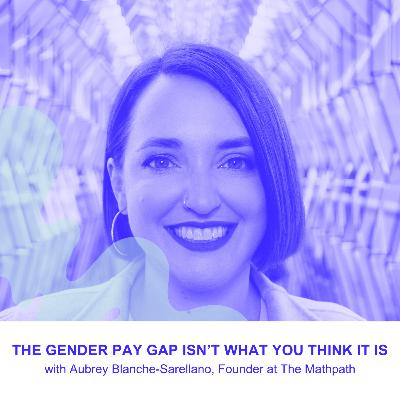
Description:Welcome back to the FNDN Series, where we continue our deep dive into startup compensation with industry leaders from across the startup world. In our conversation with Aubrey Blanche- Serellano, Founder of MathPath and former VP at Culture Amp, we unpack the critical misconceptions around the gender pay gap and explore what it actually measures versus what most people think it represents. We dive deep into Culture Amp's achievement of having the smallest gender pay gap among their peers and examine the practical strategies that drive real pay equity outcomes.Chapters:00:59 Guest Introduction: Aubrey Blanche02:47 What the Gender Pay Gap Actually Measures04:20 Common Misconceptions About Pay Gap vs Pay Equity05:51 Is Total Pay Equality Achievable?07:16 Culture Amp's Success Story: Smallest Gender Pay Gap08:17 The Power of Regular Pay Equity Audits10:07 Beyond Compensation: Professional Development Impact11:03 No Out-of-Cycle Adjustments Policy13:17 Values-Based Compensation Approach15:57 Training Recruiters on Compensation Philosophy17:16 Where to Start: The Importance of Auditing18:24 Conclusion and Wrap-UpConnect with Aubrey BlancheVisit: https://themathpath.com/ LinkedIn: https://linkedin.com/in/aubreyblancheCompany Mentioned:Culture Amp - People and culture platform where Aubrey achieved remarkable pay equity resultsWGEA (Workplace Gender Equality Agency) - Australian agency defining pay gap benchmarksMore FNDN Episodes at Spotify | Apple Podcast

We explore how storytelling transforms compensation strategy in our third conversation with Naomi Trickey, Chief People Officer at Mews. Discover why compensation isn't just spreadsheets and numbers—it's about creating a narrative that builds trust, drives engagement, and makes complex compensation frameworks resonate with employees. Learn how infusing empathy and strategic storytelling into your compensation approach can help navigate difficult conversations and create a more human-centered pay philosophy.Chapters: 00:00 - Introduction to FNDN Series 01:04 - Meet Naomi Trickey, CPO at Mews 01:48 - Why storytelling matters in compensation 04:47 - Implementing storytelling in compensation strategy 06:41 - Equipping leaders with storytelling tools for difficult conversations 09:13 - Recommended resources for mastering storytelling in business 11:24 - Episode wrap-up and closing thoughtsConnect with Naomi Trickey Visit https://mews.com/ Linkedin: https://linkedin.com/in/naomitrickey FNDN Episodes at Spotify | Apple Podcast
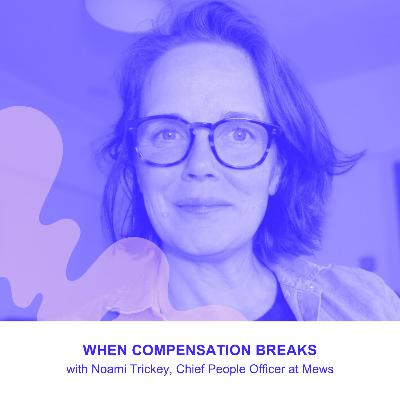
Description: Join Matt McFarlane in this FNDN Series as he delves into the second conversation with Naomi Trickey, Chief People Officer at Mews. In this informative episode, they discuss the challenges of sustaining effective compensation practices during rapid growth phases, the importance of creating robust compensation frameworks, indicators of when compensation structures need reevaluation, and the strategic relationship between compensation transparency and employee trust. This episode provides valuable insights into maintaining employee retention and engagement through dynamic compensation strategies tailored for fast-growing tech startups.Chapters: 00:00 Introduction to Startup Compensation01:11 Meet Naomi Trickey: Chief People Officer at Mews01:48 Challenges in Fast-Growth Startups03:30 Building Consistent Compensation Structures09:30 The Importance of Transparency and Engagement18:52 Strategies for Scaling Compensation23:22 Conclusion and Future InsightsConnect with Naomi Trickey Visit https://mews.com/ Linkedin: https://linkedin.com/in/naomitrickey More FNDN Episodes at Spotify | Apple Podcast
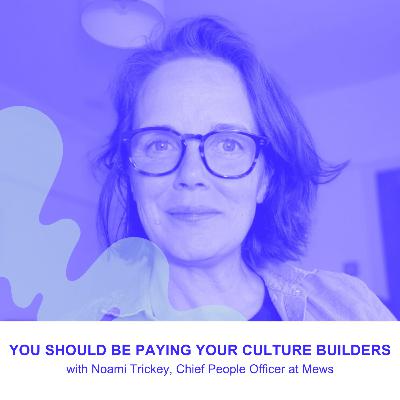
Description: Welcome back to the FNDN Series, where we continue our deep dive into startup compensation with industry leaders from across the startup world. In our conversation with Naomi Trickey, Chief People Officer at Mews, we explore how ERG (Employee Resource Group) work drives long-term business value, especially as ESGDI initiatives face increasing scrutiny. We examine how compensation structures must align with business objectives and the critical importance of building a solid business case for culture-building investments. Chapters: 00:59 Guest Introduction: Naomi Trickey03:42 The Catalyst for Remunerating ERGs08:45 Structuring ERG Compensation13:40 Challenges and Considerations18:46 Tips for Implementing ERG Compensation21:41 Conclusion and Wrap-UpConnect with Naomi Trickey Visit https://mews.com/ Linkedin: https://linkedin.com/in/naomitrickey People Mentioned: Ella McCann Tomlin - VP of ESG at MewsMatt Weller - CEO at MewsTobias Lütke - CEO of Shopify (referenced from LED's podcast)More FNDN Episodes at Spotify | Apple Podcast
Welcome back to the FNDN Series, where we continue our exploration of startup compensation with Melissa Theiss, Head of People at Kit and founder of Fledge. In this fourth episode of our conversation, we dive deep into one of the most operationally critical yet often overlooked responsibilities for people leaders—budgeting for the annual compensation cycle. We break down the five essential compensation buckets every startup should consider, discuss how to build a strong partnership with your finance team, and explore practical strategies for allocating your compensation budget effectively. If you've enjoyed our previous episodes with Melissa on cookie-cutter compensation, job structures, and rethinking bonuses, this final instalment offers equally valuable insights for getting your comp cycle right.Chapters: [01:41] Introduction to Melissa Theiss and her background[02:29] Building a partnership with your head of finance[03:27] The five essential compensation buckets explained[05:52] Avoiding common budget allocation mistakes[07:40] Becoming finance's best friend through collaboration[08:44] Building goodwill with finance throughout the year[10:18] Episode wrap-up and key takeawaysConnect with Melissa TheissVisit https://kit.com/ Linkedin: @melissatheiss Other resources mentioned:Matt Schulman: https://www.linkedin.com/in/matt-schulman-15911861/https://www.pave.com/ More FNDN Episodes at Spotify | Apple Podcast
Welcome back to the FNDN Series, where we continue our deep dive into startup compensation with Melissa Theiss, Head of People at Kit and founder of Fledge. In this third episode of our conversation, we unpack a hot topic in the startup world—are personal bonuses worth the trouble they cause? We explore how to transform bonuses from expected entitlements into true motivators, design programs that drive performance without creating resentment, and implement profit-sharing that connects employee success to customer outcomes. If you enjoyed our previous chats with Melissa on cookie-cutter compensation and job structure, you'll find this final instalment equally practical for rethinking your incentive strategy.Chapters: [01:45] Introduction to Melissa Theiss and her background[02:08] Are bonuses necessary for startups?[03:52] Turning bonuses into incentives, not expectations[05:24] Making bonuses tangible and meaningful[07:41] Transparency about bonus attainment rates[10:03] Designing a bonus program with real accountability[11:03] Profit-sharing as an alternative approach[12:18] Episode wrap-up and key takeawaysConnect with Melissa TheissVisit https://kit.com/ Linkedin: @melissatheiss More FNDN Episodes at Spotify | Apple Podcast
Welcome back to the FNDN Series, where we continue our discussions with Melissa Theiss, Head of People at Kit and founder of Fledge. In this second episode, we dig deep into one of the thorniest challenges startups face as they grow—how to build a job structure that scales without killing agility. We explore progression steps, title frameworks, when to introduce levels, and practical strategies for implementing job architecture while managing expectations. If you enjoyed our previous conversation with Melissa on avoiding cookie-cutter compensation, you'll find this follow-up packed with equally valuable insights on navigating the messy middle of startup growth.Chapters: [01:45] Introduction to Melissa Theiss and her background[02:41] Starting with the right levelling approach for small teams[04:49] Building frameworks from the middle outward[05:59] Aligning job titles with levels and using progression steps[07:21] Managing "head of" titles and when to retire them[09:26] Three approaches to implementing job architecture[12:40] Handling title inflation and expectation management[14:17] Strategies for levelling people objectively[15:53] Setting consistent promotion standards[16:51] Episode wrap-up and key takeawaysConnect with Melissa TheissVisit https://kit.com/ Linkedin: @melissatheiss More FNDN Episodes at Spotify | Apple Podcast

Comments

Download from Google Play

Download from App Store
 United States