


 Claim Ownership
Catholic Saints & Feasts of the Liturgical Year
Subscribed: 20Played: 568
Subscribe

© 2024 My Catholic Life! Inc.
Description
If a list were made of the greatest human beings who have ever lived, the Catholic saints would be at the top. Though historians often attempt to judge greatness from a subjective perspective, there must be objective criteria by which human greatness is judged. The only Being capable of establishing that criteria is God. The criteria that God has established are the virtues, as identified by Jesus and revealed by Him through the holy Gospels.
The goal of this podcast is to present each saint found on the Catholic liturgical calendar in such a way so as to identify the Godly virtues that place each one on that list. The Church has already confirmed the saints’ greatness and their heroic virtues. Importantly, God chose the men and women found in these pages, not only for greatness in their lifetimes, but also as models of holiness in ours. These men and women are gifts to you, given by God through the Church.
Each podecast reflection comes from the four-volume series Saints and Feasts of the Liturgical Year. These reflections can be read at our website for free: mycatholic.life. They are also available for purchase in eBook and paperback.
The goal of this podcast is to present each saint found on the Catholic liturgical calendar in such a way so as to identify the Godly virtues that place each one on that list. The Church has already confirmed the saints’ greatness and their heroic virtues. Importantly, God chose the men and women found in these pages, not only for greatness in their lifetimes, but also as models of holiness in ours. These men and women are gifts to you, given by God through the Church.
Each podecast reflection comes from the four-volume series Saints and Feasts of the Liturgical Year. These reflections can be read at our website for free: mycatholic.life. They are also available for purchase in eBook and paperback.
299 Episodes
Reverse
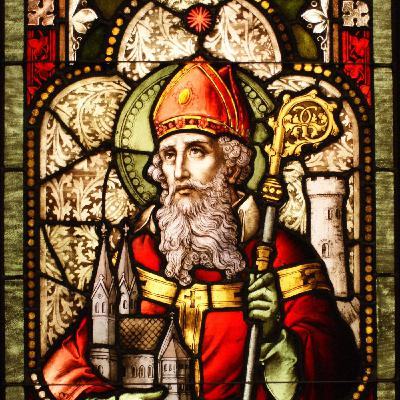
Read entire reflection online >>>March 17: Saint Patrick, Bishop—Optional Memorialc. 387–c. 460 or 493 (Actual dates are uncertain)Patron Saint of IrelandInvoked against snake bitesPre-Congregation canonizationLiturgical Color: Purple (Lenten Weekday)Quote: I, Patrick, a sinner, a most simple countryman, the least of all the faithful and most contemptible to many…was taken captive. I was at that time about sixteen years of age. I did not, indeed, know the true God; and I was taken into captivity in Ireland with many thousands of people…And there the Lord opened my mind to an awareness of my unbelief, in order that, even so late, I might remember my transgressions and turn with all my heart to the Lord my God… ~Confession of Saint PatrickPrayer:Saint Patrick, you were captured and made a slave. God used that captivity to change your heart and draw you to Himself. Once converted, you chose to become a holy slave of Christ, bringing His saving message to a hostile and pagan land. Please pray for me, that I may imitate your conversion and place myself at the service of the will of God. Saint Patrick, pray for me. Jesus, I trust in You.Source: Free RSS feed from catholic-daily-reflections.com — Copyright © 2026 My Catholic Life! Inc. All rights reserved. This content is provided solely for personal, non-commercial use. Redistribution, republication, or commercial use — including use within apps with advertising — is strictly prohibited without written permission.Image: Sicarr, CC BY 2.0, via Wikimedia Commons
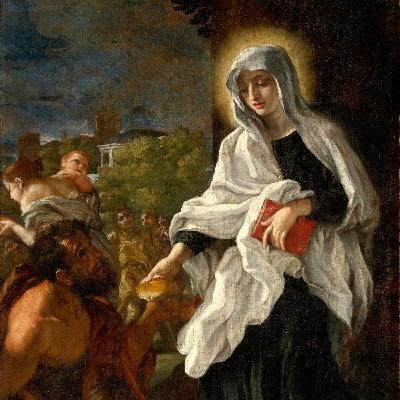
Read onlineMarch 9: Saint Francis of Rome, Religious—Optional Memorial1495–1550Patron Saint of hospitals, nurses, firefighters, booksellers, alcoholics, and the sickCanonized October 16, 1690 by Pope Alexander VIIILiturgical Color: White (Purple if Lenten Weekday)Quote: A married woman must, when called upon, leave her devotions to God at the altar to find him in her household affairs. ~Famous quote of Saint FrancesPrayer:Saint Frances of Rome, you loved and served God at every stage of your life. Please pray that I may serve God within my vocation, seeking only His holy and perfect will. Saint Frances, pray for me. Jesus, I trust in You.Source: Free RSS feed from mycatholic.life — Copyright © 2026 My Catholic Life! Inc. All rights reserved. This content is provided solely for personal, non-commercial use. Redistribution, republication, or commercial use — including use within apps with advertising — is strictly prohibited without written permission.Image: Giovanni Battista Gaulli, via Wikimedia Commons
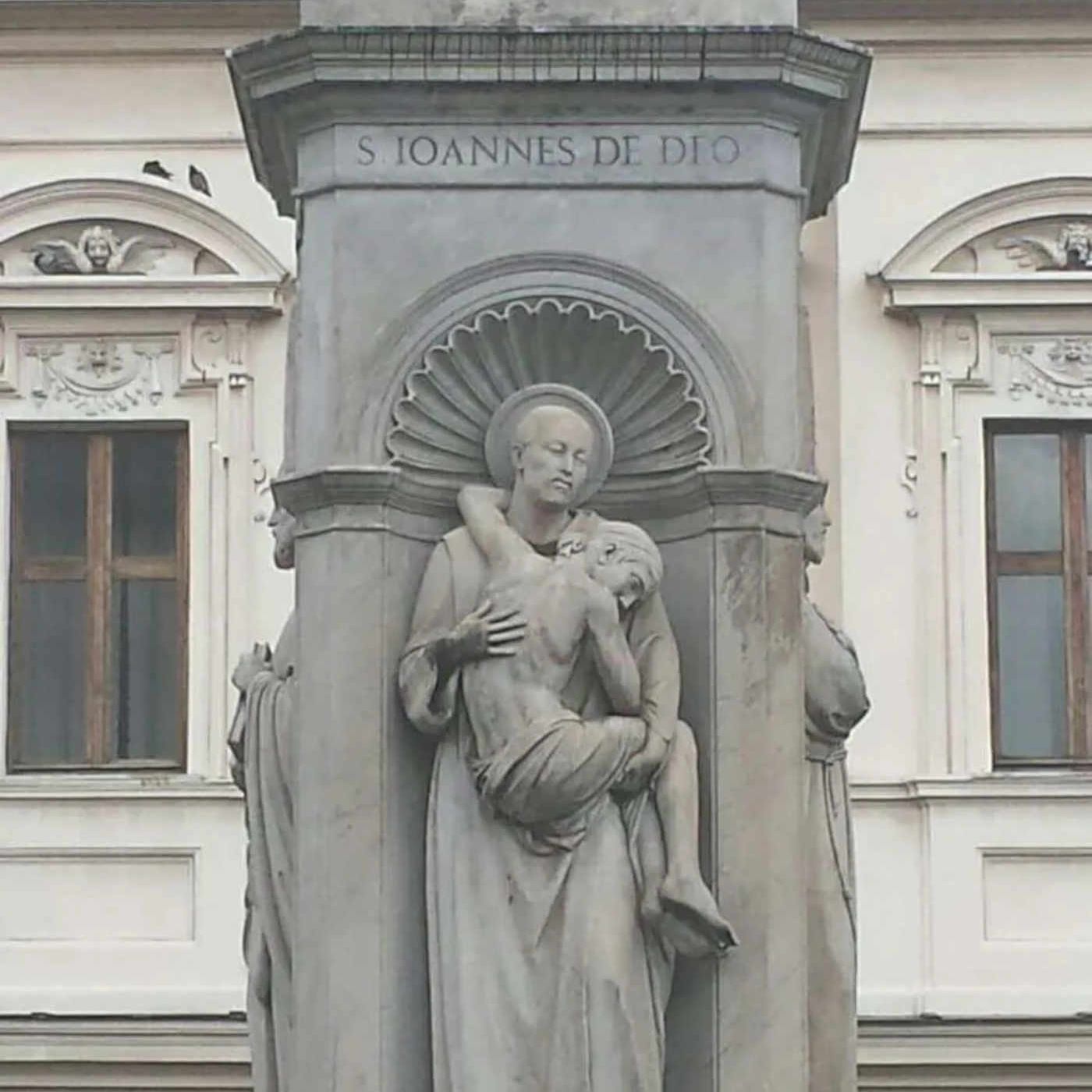
Read onlineMarch 8: Saint John of God, Religious—Optional Memorial1495–1550Patron Saint of hospitals, nurses, firefighters, booksellers, alcoholics, and the sickCanonized October 16, 1690 by Pope Alexander VIIILiturgical Color: White (Purple if Lenten Weekday)Quote: Lord be blessed for in your great kindness to me who am such a great sinner having done so many wicked things, yet you see fit to set me free from such a tremendous temptation and deception which I fell into through my own sinfulness. You have brought me into a safe harbor where I shall endeavor to serve you with all my strength. My Lord, I beg you with all my might, give me the strength of your grace and always let me see your clemency. I want to be your slave, so kindly show me what I should do. Give peace and quiet to my soul which greatly desires this. O most worthy Lord, may this creature of yours serve and praise you. May I give my whole heart and mind to you. ~Prayed by Saint John of God at the time of his final conversionReflection: Saint John of God was born in the village of Montemor-o-Novo, Portugal to middle-class, faith-filled parents. According to his early biographer, John was abducted from his home when he was only eight years old and taken to the town of Oropesa, Spain, more than 200 miles away. In Oropesa, John found himself homeless and alone. He met a good man named El Mayoral who gave him a job as a shepherd and a place to live. John worked hard until he was twenty-two years old, never returning to his parents’ home. El Mayoral wanted John to marry his daughter, but John wanted to see the world. He joined the army of the Holy Roman Emperor and battled the French. During his service, he was assigned to guard some captured clothing that went missing. John was accused of theft and condemned to death, but others intervened and he was released. Frustrated with military life, John returned to El Mayoral’s farm where he worked for another four years before entering the army once again to fight the Turks for the next eighteen years.Upon the completion of his military service, John decided to return to his home country in Montemor-o-Novo to learn what became of his parents. After much searching, he found one of his elderly uncles who informed him that his mother died of heartbreak after his abduction and that his father joined the Franciscans and advanced in holiness. John said to his uncle, “I no longer wish to stay in this country; but rather to go in search of a way to serve Our Lord beyond my native place, just as my father did. He gave me a good example by doing that. I have been so wicked and sinful and since the Lord has given me life, it is fitting that I should use it to serve him and do penance.”John began an interior search for the best way he could serve God and decided to journey to Africa, to ransom himself to the Muslims in exchange for their prisoners. On the journey, he met a knight and his family who were destitute and unable to care for themselves. The knight begged for John’s help that John gladly gave by working and giving them his earnings. When one of John’s fellow workers fled to Muslim territory and converted to Islam, John began to despair, thinking he should have done more for his friend. After seeking counsel from a Franciscan monastery, he decided to return to the mainland of Spain for the good of his soul.Upon his arrival, John threw himself into a life of prayer, made a general confession, and tearfully went from church to church begging God for the forgiveness of his sins. To support himself, he began to buy and sell religious pictures and books as a traveling salesman. He found this to be spiritually rewarding and fruitful for the salvation of souls. Eventually, at the age of forty-six, he set up a small shop of religious items at Granada’s city gate.Soon after, the great preacher Saint John of Ávila came to town to preach a mission. John was in attendance and was so moved by John of Ávila’s sermons, and so keenly aware of his own sins, that he started running through the streets like a madman, shouting for mercy. He returned to his shop and destroyed every book that was not religious, gave every other religious book and picture away to those passing by, gave away the rest of his possessions, and continued crying out in the streets that he was a sinner. “Mercy! Mercy, Lord God, on this tremendous sinner who has so offended you!” Many thought John was a lunatic. Some good men brought him to Saint John of Ávila who heard his confession, counseled him, consoled him, and offered his continued guidance. But John was so deeply touched by the priest’s holy help that he wanted everyone in the town to know how sinful he was, so he ran through the streets crying out again and rolled in mud as a sign of his sinfulness. Eventually, two compassionate men took John to the local insane asylum for treatment.The theory of the day was that those who were insane were best cured by locking them in a dungeon and torturing them continuously until they chose to abandon their insanity, and this is what happened to John. Saint John of Ávila heard of this and began communicating with John, encouraging him, and guiding him. He received every beating in the asylum with joy as penance and offered each sacrificially to God. Throughout, John exhorted the warden and other officers to treat the patients better. When John began to exude a peaceful disposition, the warden was pleased and permitted him to be freed of his shackles. John showed mercy and compassion to others, performing menial charitable tasks and spreading God’s love. He thought to himself, “May Jesus Christ eventually give me the grace to run a hospice where the abandoned poor and those suffering from mental disorders might have refuge and that I may be able to serve them as I wish.”After receiving permission to leave the asylum, John made a pilgrimage and had a vision of the Blessed Mother who encouraged him to work for the poor and infirm. Upon his return to Granada, he moved forward with his desire to open a hospital. Through begging, he was able to rent a building, furnish it, and begin seeking out the sick. He worked tirelessly to care for them, begged for food, brought priests to hear their confessions, and nursed them back to health. In the years following, John extended his mission of mercy to the poor, the abandoned, widows, orphans, the unemployed, prostitutes, and all who suffered. Soon, others were so inspired by the work John was doing that they joined him. His companions in the work made up what would eventually become the Order of Hospitallers. In John’s life, the group would be only an organized group of companions, but twenty-two years after John’s death, the pope would approve this group of men as a new religious order. Among the many miracles that have been reported, the most notable was when John ran in and out of a burning hospital to rescue patients without being burned himself. Saint John of God is a shining example of God’s power. He was a sinner and was thought to be mentally ill, but God did incredible things through him. If you ever feel as though you have nothing to offer God, think of Saint John and know that the weaker you may feel, the more God can use you.Prayer: Saint John of God, you struggled in many ways throughout your life. Through it all, you never gave up your desire to serve God and others. Please pray for me, especially when I lose hope, that I may imitate your example and offer myself to God for His glory and the service of all. Saint John of God, pray for me. Jesus, I trust in You.Source: Free RSS feed from mycatholic.life — Copyright © 2026 My Catholic Life! Inc. All rights reserved. This content is provided solely for personal, non-commercial use. Redistribution, republication, or commercial use — including use within apps with advertising — is strictly prohibited without written permission.Image: Church of St Bartholomew on the Tiber Island in Rome
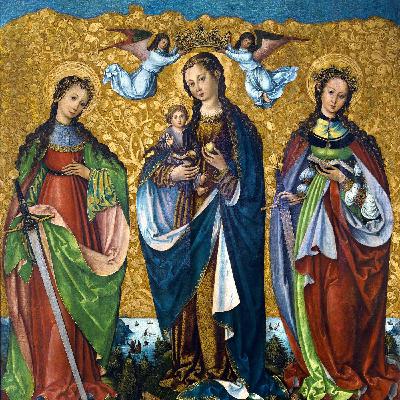
Read OnlineMarch 7: Saints Perpetua and Felicity, Martyrs—MemorialSaint Perpetua: c. 182–203Patron Saint of cattle and martyrsInvoked against the death of childrenSaint Felicity: Unknown–203Patron Saint of martyrs, help to have male children, and widowsInvoked against sterility and the death of childrenPre-Congregation canonizationsLiturgical Color: Red (Purple if Lenten Weekday)Quote: Now dawned the day of their victory, and they went forth from the prison into the amphitheater as it were into heaven, cheerful and bright of countenance; if they trembled at all, it was for joy, not for fear. Perpetua followed behind, glorious of presence, as a true spouse of Christ and darling of God; at whose piercing look all cast down their eyes. Felicity likewise, rejoicing that she had borne a child in safety, that she might fight with the beasts, came now from blood to blood, from the midwife to the gladiator, to wash after her travail in a second baptism. ~The Passion of Saints Perpetua and Felicity #18Reflection: The first records of martyrdom in North Africa took place in 180 when twelve Christians were tried and put to death for their faith. After those first martyrs, the Christian faith in North Africa grew stronger and new converts became commonplace. In an attempt to slow the growth of Christianity, Roman Emperor Septimius Severus issued a decree forbidding subjects of the Roman Empire to convert. If they did, they were given the opportunity to renounce their faith and honor the Roman gods. If they refused, they were put to death. In 203, five catechumens preparing for baptism were arrested in the Roman city of Carthage (modern-day Tunisia). Among those catechumens were the two martyrs we honor today.Vibia Perpetua was a twenty-two-year-old married noblewoman at the time of her arrest. She was also a mother, having recently given birth to a son whom she was still nursing. Her father was a pagan, but her mother and a brother were baptized Christians. A second brother was preparing for baptism alongside Perpetua, and a third brother had already died as a pagan. Perpetua had been touched by Christ and decided to become a Christian, but she was arrested before her baptism. Her pagan father came to her in prison and pleaded with her to renounce the Christian faith and refuse baptism to save her life so she could raise her son. Perpetua records that conversation as follows: “‘Father, do you see this vessel lying here to be a little pitcher, or something else? Can it be called by any other name than what it is?’ And he said, ‘No.’ ‘Neither can I call myself anything else than what I am, a Christian’” (Passion of Saints Perpetua and Felicity). A few days later, Perpetua was secretly baptized in prison.While in prison, Perpetua’s heart yearned for her baby. To her joy, the infant was brought to her so she could nurse him. When that happened, she said, “My prison suddenly became a palace to me and I would rather have been there than anywhere else.”Felicity, a slave, was also a young woman and pregnant at the time of her arrest. One eyewitness stated, “Felicity had feared that she might not be allowed to suffer with the rest, because pregnant women were not sent into the arena. However, she gave birth in the prison to a daughter whom one of their fellow Christians at once adopted.”When these brave women stood before their judge, Perpetua’s father showed up with her baby, pleading with her to renounce Christ, save her life, and be there for her son. The judge also encouraged her: “Spare your father’s white hairs. Spare the tender years of your child. Offer sacrifice for the prosperity of the emperors.” Perpetua refused. When asked directly if she were a Christian, she responded, “Yes, I am.” At that, her father violently inserted himself into the situation but was struck by the guard. When Perpetua saw this, her heart broke. She later recounted, “I felt this as if I myself had been struck, so deeply did I grieve to see my father treated thus in his old age.” The judge passed sentence and all were condemned to death by wild beasts. Still, they were filled with great joy as they returned to their prison. After the sentencing, Perpetua was no longer allowed to see her baby boy.On the day of their martyrdom, Perpetua and Felicity walked to the arena with heads high and joyful spirits. With them were Revocatus, a fellow slave with Felicity, and two freemen, Saturninus and Secundulus. The men were sent into the arena first to be devoured by a leopard, a wild boar, and a bear. Saturnius was the last standing. When a second leopard attacked and blood poured out, the crowd cried out, “He is well baptized now!”Perpetua and Felicity were then placed in the arena, and a wild cow was let loose as a way of mocking them as nursing mothers. The beast gravely wounded them but did not kill them, so an executioner was dispatched. Perpetua cried out to her brother, “Stand fast in the faith, and love one another. Do not let our sufferings be a stumbling block to you.” She then noticed the fear in the eyes of the executioner so she guided his sword to her neck and the young women received their eternal reward.Perpetua and Felicity were both new young mothers at the time of their martyrdom. They loved their newborn babies with tender love. But they also loved their God Whom they had both recently come to know. They were forced to choose. Either reject Christ and be there to raise their babies or remain Christian and leave their babies. With heroic courage and faith, they remained true to both. They remained faithful to Christ, dying as martyrs, and they fulfilled their greatest motherly duty by giving heroic witnesses of faith to their babies. We can only hope that as their children grew and were told the stories of their mothers’ love of God, those children were inspired and sought to imitate their mothers’ Christian faith.Place yourself in that same situation. Would you have had the courage to face death? Would you be able to stay true to your profession of faith under such extreme emotional and familial pressures? Pray to these saintly mothers and be reminded that the greatest gift we can pass onto others is the witness of our faith in Christ. Life is empty unless Christ is loved and professed, and death loses its sting when our lives are Christ’s.Prayer: Saints Perpetua and Felicity, you loved your infants and you loved your God. By embracing martyrdom for your faith, you gave the greatest witness possible to your children. Please pray for me, that I will never shy away from living my faith openly in a hostile world and that I will be a holy witness of God’s most pure love to all. Saints Perpetua and Felicity, pray for me. Jesus, I trust in You.Source: Free RSS feed from catholic-daily-reflections.com — Copyright © 2026 My Catholic Life! Inc. All rights reserved. This content is provided solely for personal, non-commercial use. Redistribution, republication, or commercial use — including use within apps with advertising — is strictly prohibited without written permission.Image Sacra Conversazione Mary with the Child, St Felicity of Carthage and St Perpetua
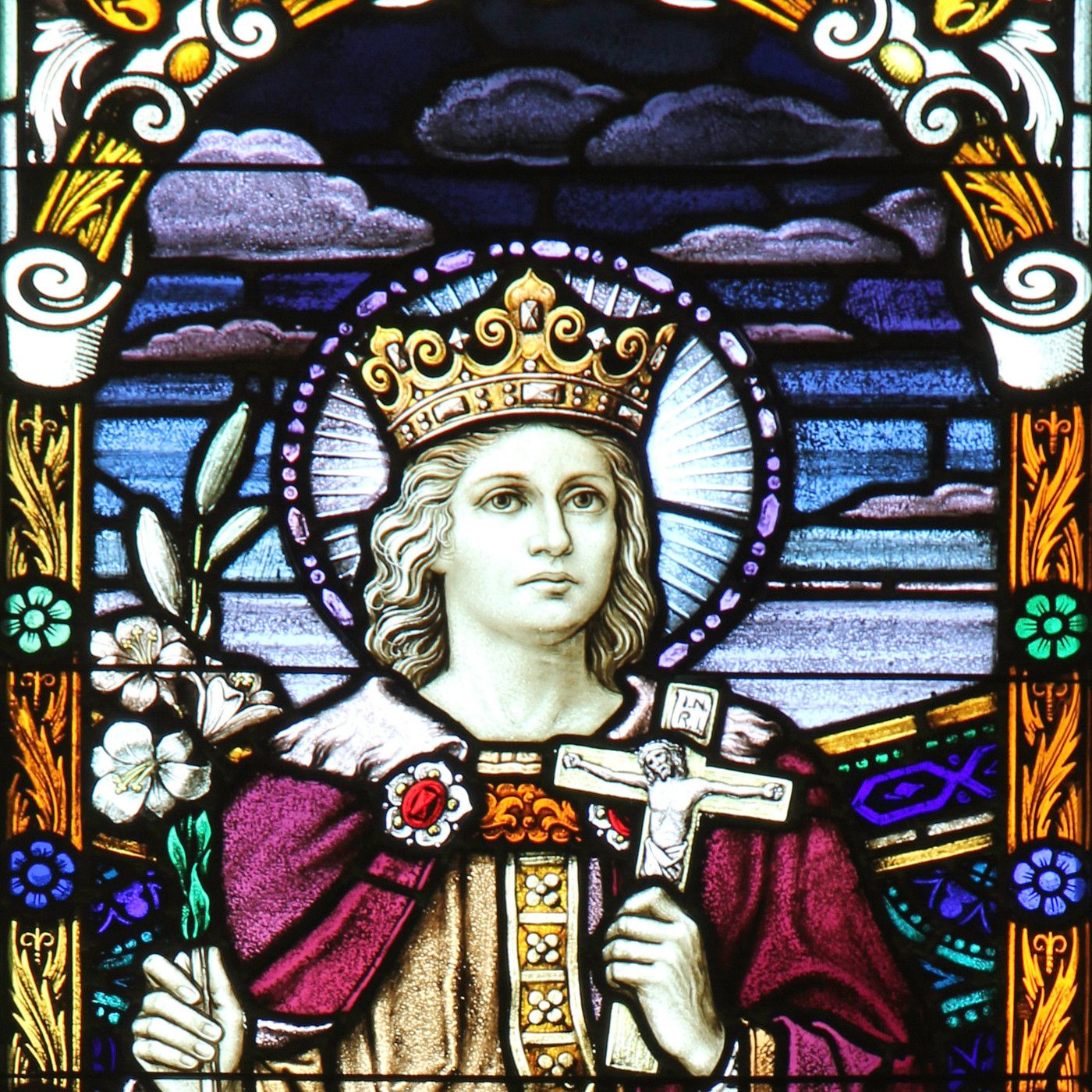
Read OnlineMarch 4: Saint Casimir—Optional Memorial1458–1484Patron Saint of Poland, Lithuania, and Lithuanian youthBelieved to have been canonized by Pope Leo X in 1521 or Pope Adrian VI in 1522Canonization confirmed by Pope Clement VIII in 1602Liturgical Color: White (Purple if Lenten Weekday)Quote: Daily, daily sing to Mary; Sing, my soul, her praises due. All her glorious actions cherish, With the heart’s devotion true. Lost in wond’ring contemplation, Be her majesty confessed! Call her Mother, call her Virgin, Happy Mother, Virgin blest! ~Verse of a favorite hymn of Saint CasimirReflection: King Casimir IV was King of Poland and Grand Duke of Lithuania. His wife, Queen Elizabeth, was the daughter of the Holy Roman Emperor Albert II. Their marriage was arranged primarily for political reasons, giving King Casimir IV greater influence in Bohemia and Hungary, but their marriage also bore great spiritual fruit. They had thirteen children, the third being the saint we honor today, Saint Casimir, named after his father.Saint Casimir was born on October 3, 1458, the second son and third child in the Polish royal family. King Casimir IV’s father had converted to Catholicism from paganism and introduced Christianity to Lithuania. King Casimir IV was, therefore, raised in a good Catholic home which he also provided to his children. A faithful Catholic herself, Queen Elizabeth was the loving mother of her thirteen children.As children born into royalty, Casimir and his siblings were well educated. From the age of nine until sixteen, Casimir and his older brother were tutored by a Polish priest named Father Jan Długosz. This good priest taught the boys Latin, German, law, history, rhetoric, and classical literature.Casimir had no desire for power, war, riches, or nobility. Father Długosz had taught him well, and Casimir had fallen in love with his God and the Blessed Virgin. He prayed frequently, often slept on the floor, engaged in other penitential practices, spent entire nights meditating on the Passion of our Lord, dressed simply, and desired to live a life of chastity. He was charitable to the poor, manifested the virtues, and edified all who encountered him. He especially had a deep devotion to our Blessed Mother and each day sang an ancient hymn called, “Daily, Daily Sing to Mary.”When Casimir was only thirteen, the King of Bohemia and Hungary died and King Casimir IV asserted his right to name a successor. The Bohemians agreed and accepted Vladislaus, the King’s firstborn son, as their king, but some of the Hungarians did not, preferring a godless tyrant named Matthias Corvinus. With the support of some of the Hungarian nobles, King Casimir IV decided to name his son Casimir to the Hungarian throne by force. Casimir was sent to lead the Polish army in battle against the Hungarians and take the throne. Casimir agreed out of obedience to his father, but his heart was not in it. He opposed the war, and in time the effort failed and Casimir returned to Poland. His opposition grew even stronger when he heard that Pope Sixtus IV had asked his father not to go to war. Upon Casimir’s arrival home, his father was furious and imprisoned him in a tower for three months. Those three months, however, were just what Casimir longed for.In the solitude of imprisonment, Casimir was able to return to his life of prayer and deepen his union with God. Afterward, he continued his studies and life of devotion, vowing to remain celibate for the Kingdom of God. His father was not pleased and attempted to arrange a marriage for him, but he refused. After completing his studies at the age of sixteen, Casimir worked closely with his father, but his heart remained with God and the Blessed Mother. When Casimir was twenty, his father had to be absent from Poland for about five years, tending to matters in Lithuania. During those years, Casimir was put in charge of ruling Poland, which he did with thoughtfulness, justice, and charity. When Casimir was twenty-five, he became ill with a lung disease. His father rushed back to Poland to be with his son, and on March 4, 1484, at the age of twenty-five, Casimir died.After his death, devotion to Casimir quickly exploded. Many people prayed to him, and many attributed miracles to his intercession. One notable miracle took place in 1519 when the Lithuanian army was engaged in battle with the Russians. It is said that Saint Casimir appeared to the Lithuanian soldiers in a vision and directed them to a place where they could best defend their city, which they successfully did. This might be the reason that Saint Casimir is the patron saint of both Poland and Lithuania.Shortly after that miracle, it is believed that Pope Leo X carefully examined Casimir’s life and miracles and was prepared to canonize him, but might have died before he was able to do so. Therefore, his successor, Pope Adrian VI, might have been the one to canonize him. Because those questions remained for some time, Pope Clement VIII officially confirmed Casimir’s canonization in 1602, adding him to the Roman liturgical calendar for Poland and Lithuania. In 1620, Saint Casimir was added to the Roman Calendar of the universal Church.Worldly power, riches, and honors were all within the grasp of this young prince, yet he chose the power, riches, and honors bestowed by the heavenly King instead. His heart was filled with faith from a very early age that only grew as he got older. Even after Casimir’s death, God used him to inspire many. Ponder your own ambitions in life, and seek to imitate this young prince who rejected the lies of this world, preferring only the eternal truths of the Kingdom of God.Prayer: Saint Casimir, at an early age you fell in love with God and the Blessed Virgin Mary. You prayed to them unceasingly and devoted your life to their service. You were a true prince in the court of the Great King of Heaven. Please pray for me, that I will always avoid the lures of this world, keeping my eyes fixed only on Heaven. Saint Casimir, pray for me. Jesus, I trust in You.Source: Free RSS feed from catholic-daily-reflections.com — Copyright © 2026 My Catholic Life! Inc. All rights reserved. This content is provided solely for personal, non-commercial use. Redistribution, republication, or commercial use — including use within apps with advertising — is strictly prohibited without written permission.Image from Flickr, by Lawrence OP
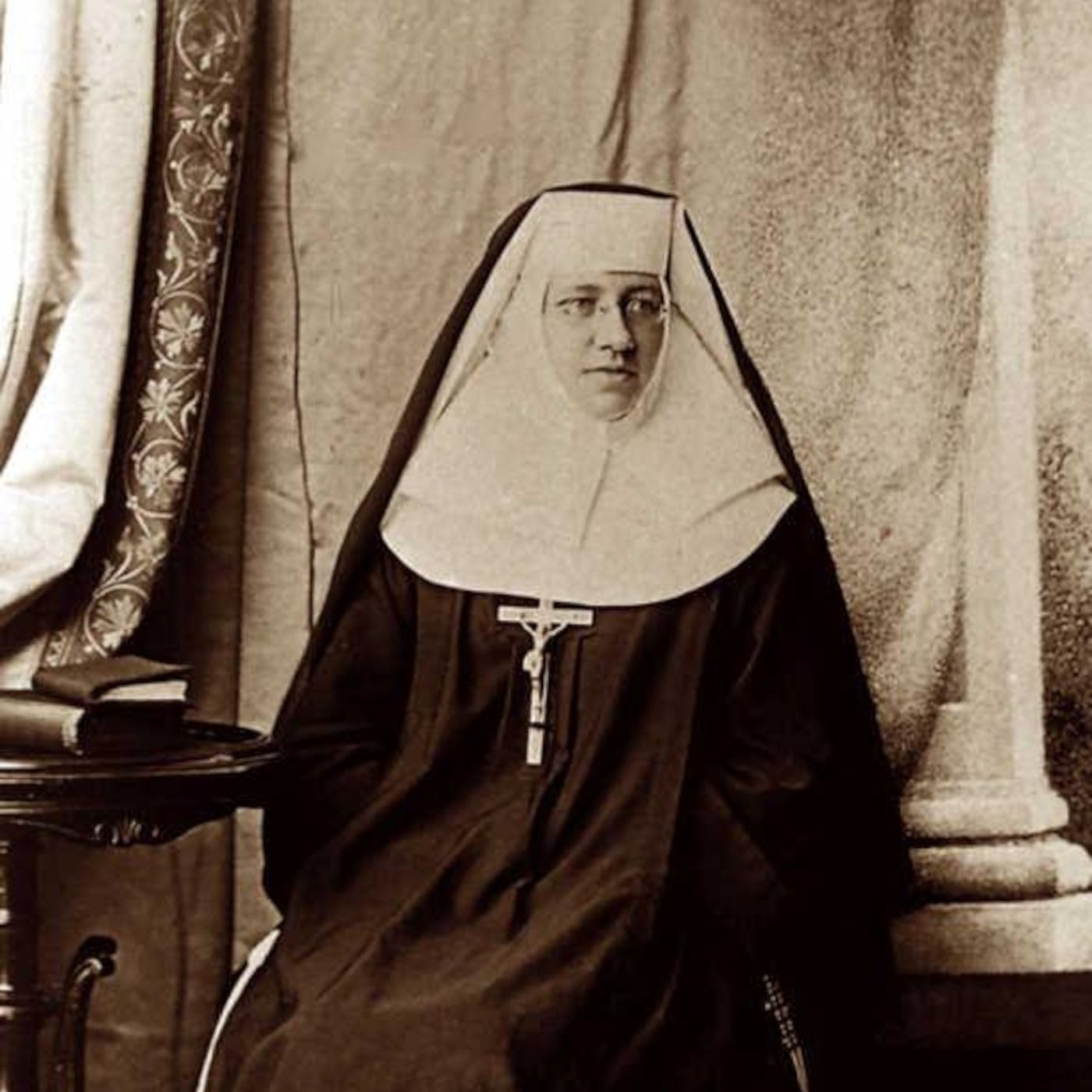
Read onlineMarch 3: Saint Katharine Drexel, Virgin—USA Optional Memorial1858–1955Patron Saint of racial justice and philanthropistsCanonized October 1, 2000 by Pope John Paul IILiturgical Color: White (Purple if in Lent)Quote: Like the little girl who wept when she found that her doll was stuffed with sawdust and her drum was hollow, I too have made a horrifying discovery and my discovery like hers is true. I have ripped both the doll and the drum open and the fact lies plainly and in all its glaring reality before me: All, all, all (there is no exception) is passing away and will pass away . . . I am disgusted with the world. God in His mercy has opened my eyes to the fact of vanitas vanitatis, and as He has made me see the vile stark emptiness of this earth. I look to Him—the God of Love—in hope. ~Letter to her spiritual directorReflection: On November 26, 1858, Catherine Marie Drexel was born in Philadelphia to Hannah Langstroth Drexel and her husband, Francis Drexel, an international banker and one of the wealthiest men in the United States. Her mother died when Catherine was only five weeks old, so Catherine and her older sister Elizabeth were cared for by their aunt and uncle until their father remarried in 1860. Three years later, Francis and his new wife, Emma, had a daughter, Louisa.The three girls had what many would describe as an ideal childhood. They were lovingly cared for, lived in a large home in Philadelphia, received an excellent education from private tutors, frequently traveled with their father and stepmother throughout the United States and Europe, and were taught the Catholic faith in both word and deed. Francis and Emma Drexel were devout Catholics who regularly prayed and performed charitable works. They taught the girls that their wealth was a gift to be used for the good of others. One way they put this conviction into practice was by opening their large home to the community a few times each week, distributing food, clothing, and money for rent assistance to the poor. When widows or single women were embarrassed to come, Emma would quietly seek the women out to assist them. She often taught the girls that “Kindness may be unkind if it leaves a sting behind.” The girls also learned about prayer by witnessing their father and stepmother praying daily before an altar in their home.When Catherine was only fourteen years old, she formulated a spiritual plan for her life with the help of her spiritual director, Father James O’Connor, who later was named the first bishop of Omaha. Catherine’s parents’ witness greatly influenced her, and she began to understand that spiritual riches were worth more than all the material wealth in the world.After completing her formal education at the age of twenty, Catherine made her social debut and was presented to Philadelphia high society, as was the custom for young wealthy women. Her heart, however, was not drawn to the life of a social elite, but to God and care for the poor. Over the next few years, Catherine’s stepmother suffered from cancer and died on January 29, 1883, at the age of forty-nine, which helped Catherine to realize that money cannot buy health or happiness. The following year, Catherine and her sisters traveled to the Western United States with their father where they saw firsthand the poverty of the Native American community on reservations. In 1885 their father died, leaving his fortune to his three girls. Francis’ will set up trust funds that stipulated that each daughter would equally receive the income produced by his remaining $14 million estate, which translated into about $1,000 every day for each daughter. By comparison, in the year 2023, the $14 million estate would be equivalent to almost $500 million, and each daughter would receive about $35,000 per day.Despite receiving this fortune, Catherine’s heart remained with the poor, especially the Native Americans out West, and impoverished Black communities. Over the next two years, with the help of two priests, she made substantial donations to reservations and visited them herself. In 1887, she was struggling with what she would do with her life. She felt drawn to the contemplative religious life but knew that this would make it impossible for her to use her inheritance for charitable work. During a visit to Rome, she had a private audience with Pope Leo XIII during which she begged the Holy Father to send an order of missionaries to the Native Americans. The pope lovingly said to her, “But why not be a missionary yourself, my child?” The pope’s words resonated deeply within her heart, and she soon found herself in tears outside Saint Peter’s Basilica, knowing what she must do.In 1889, Catherine entered the novitiate of the Sisters of Mercy in Pittsburgh, taking the name Sister Mary Katharine. The news traveled quickly among the social elite. Philadelphia’s Public Ledger printed an article with the headline: “Miss Drexel Enters a Catholic Convent—Gives Up Seven Million.” She made her final vows in 1891, and with thirteen companions founded the “Blessed Sacrament Sisters for Indians and Colored People.” Sister Katharine was chosen as the first superior general.Mother Katharine quickly went to work, using her inheritance to found a boarding school for Pueblo Indians in New Mexico and a school for African American girls in Virginia. Over the next sixty-four years, Mother Katharine and her sisters established forty-nine elementary schools, twelve high schools, Xavier University in New Orleans for Black students, and fifty-one convents. At the time of her death, her order had grown to more than 500 women religious.In 1935, following a heart attack at the age of seventy-seven, Mother Katharine retreated to a life of prayer. Her original longing for a contemplative life was realized and lasted for the next twenty years. Her father’s will was set up in such a way that the income she received from the trust fund could only be passed on to her children. If she had no children, the money was to be distributed to religious organizations that her father had specified. Of course, Mother Katharine’s order was not one of them, being founded after her father’s death. Some believe that God allowed her to live until the age of ninety-six so that her annual earnings from her trust fund could be used for the ongoing charitable work of her order. She lived her last years in prayer, in personal poverty, simplicity, and charity, giving all she had and all she was to the poor. She was canonized in the year 2000, only the second person born in the United States to be canonized up to that time (after Mother Elizabeth Ann Seton).Many people dream of being rich. Saint Katharine Drexel teaches us that money is not the source of fulfillment in life. Love is. Whether you are rich or poor, your happiness comes from lovingly serving the will of God. Be inspired by this holy woman and learn from her example by choosing the poverty of Christ over the riches of the world, and you will discover the true riches of Heaven.Prayer: Saint Katharine, you gave up earthly wealth so that you could receive the spiritual riches of a life of grace, and better the lives of many. God called and you responded. Please pray for me, that I may never give my heart over to worldly and passing goals, but will seek only a life of selfless service to all whom you give me to love. Saint Katharine Drexel, pray for me. Jesus, I trust in You.Source: Free RSS feed from catholic-daily-reflections.com — Copyright © 2026 My Catholic Life! Inc. All rights reserved. This content is provided solely for personal, non-commercial use. Redistribution, republication, or commercial use — including use within apps with advertising — is strictly prohibited without written permission.Image: Image via Flickr: CC 2.0
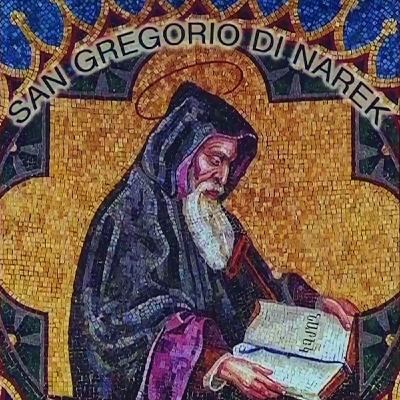
Read onlineFebruary 27: Saint Gregory of Narek, Abbot and Doctor of the Church—Optional Memorial951–c. 1003Widely venerated in the Armenian ChurchDeclared a Doctor of the Church in 2015 and inscribed on the Church Calendar as an Optional Memorial by Pope Francis in 2021Liturgical Color: White (Purple if Lenten Weekday)Quote: Speaking with God from the Depths of the Heart. The voice of a sighing heart, its sobs and mournful cries, I offer up to you, O Seer of Secrets, placing the fruits of my wavering mind as a savory sacrifice on the fire of my grieving soul to be delivered to you in the censer of my will. ~From Prayer One, Book of Narek, by Saint GregoryReflection: The Apostles Saint Jude Thaddeus and Saint Bartholomew are believed to have traveled to Armenia to share the Gospel. In 301, the Armenian king was converted who, in turn, made Christianity the kingdom’s official religion, making Armenia the first nation to do so. In the centuries that followed, churches and monasteries were built, the faith was taught, liturgies were celebrated, and an extensive Christian culture emerged.In the year 451, the Armenian Church separated from the Church of Rome over disagreements on doctrine from the Council of Chalcedon. Though the Armenian Church remained an apostolic Church, being founded by the Apostles, it became separated from the pope. Its Sacraments and life of prayer continued, but the division also continued. In recent decades, greater attempts at unification have been made, and the saint we honor today is the most recent attempt by the Roman Church to more fully unite with the Eastern Church of Armenia.By the tenth century, the Kingdom of Armenia was celebrated for its faith, many churches, literature, art, and architecture. It was a relatively peaceful time. In the year 951, a boy named Gregory was born near Lake Van, the largest lake in the Kingdom of Armenia, modern-day Turkey. His mother died when he was young. His father was the ruling prince of the Andzevatsiq province and also an Armenian bishop and scholar. His father was vocally supportive of some of the teachings of the Council of Chalcedon and believed that the head of the Armenian Church, called the Catholicos, enjoyed only the rank of bishop. This did not sit well with the Catholicos, who later excommunicated Gregory’s father from the Armenian Church.After their mother’s death, Gregory and his older brother were sent to live at the Monastery of Narek, under the guardianship of their maternal great-uncle Abbot Anania, the monastery’s founder. At about the age of twenty-six, Gregory was ordained a priest for the monastery and remained there for the rest of his life, teaching theology in the monastery’s school.The loss of his mother early in life led Gregory to a deep devotion to our Blessed Mother. He would later write, “This spiritual, heavenly mother of light cared for me as a son more than an earthly, breathing, physical mother could (Prayer 75).”Shortly after his ordination to the priesthood, Gregory wrote a commentary on the Song of Songs. He also wrote commentary on the Book of Job, numerous chants, homilies, and speeches that sang the praises of holy men. Toward the end of his life, he wrote his most famous work, The Book of Lamentations, or, as it is commonly known today, The Book of Narek.Gregory’s father had taught him to remain in a state of continuous dialogue with God, ever attentive to His divine presence. The Book of Narek seems to flow from Gregory’s ongoing dialogue. The book is a compilation of ninety-five prayers. Each prayer begins with the phrase, “Speaking with God from the Depths of the Heart.” The prayers then go on to express the deepest love of God by a soul that seems troubled, and even tormented at times. The torment, however, is not despair, but an interior expression of hope from a soul who is in touch with his fallen humanity and sin, while at the same time keenly aware of God’s mercy. His prayers reflect the psalms and are similar to Saint Augustine’s Confessions. Saint Gregory states that these prayers were written “by the finger of God” (Prayer 34) and that Gregory saw God, as he says, “with my own eyes” (Prayer 27f). In one of the final prayers, Gregory states, “although I shall die in the way of all mortals, may I be deemed to live through the continued existence of this book…This book will cry out in my place, with my voice, as if it were me” (Prayer 88b; c). He believed his book was written not only for himself, his monks, or the Armenian people, but for all people, for the entire world.Less than a century after Saint Gregory’s death, the Kingdom of Armenia was invaded by the Byzantines, then by the Turks. In the centuries that followed, these once-flourishing people suffered greatly under foreign domination. This suffering culminated in the twentieth century during the Armenian genocide when the Turks murdered an estimated 1–1.8 million Armenians. Throughout those centuries of great suffering and oppression, Saint Gregory’s book of prayers became the daily prayers of the Armenian people. Everyone had a printed copy; many people even slept with a copy under their pillow. In 2015, when the pope declared Saint Gregory a Doctor of the Church, and in 2021 when Saint Gregory was placed on the liturgical calendar for the Roman Church, his book of prayers suddenly became prayers for the entire world. They are prayers that need to be prayed by all people today so that the world will humble itself before God and become acutely aware of its sin and need for God’s mercy. Let us conclude with the conclusion of Saint Gregory’s final prayer.Prayer: Prepare the earth for the day of light and let the soil bloom and bring forth fruit, heavenly cup of life-giving blood, ever sacrificed, never running dry all for the salvation and life of the souls in eternal rest. And though my body die in sin, with Your grace and compassion, may I be strengthened in You, cleansed of sin through You, and renewed by You with life everlasting, and at the resurrection of the righteous be deemed worthy of Your Father’s blessing. To Him together with You, all glory, and with the Holy Spirit, praise and resounding thanks, now, always and forever, Amen.Pray the Book of Narek: stgregoryofnarek.amSource: Free RSS feed from catholic-daily-reflections.com — Copyright © 2026 My Catholic Life! Inc. All rights reserved. This content is provided solely for personal, non-commercial use. Redistribution, republication, or commercial use — including use within apps with advertising — is strictly prohibited without written permission.Image: Hovhannes Asatryan SutiComposer, CC BY-SA 4.0, via Wikimedia Commons
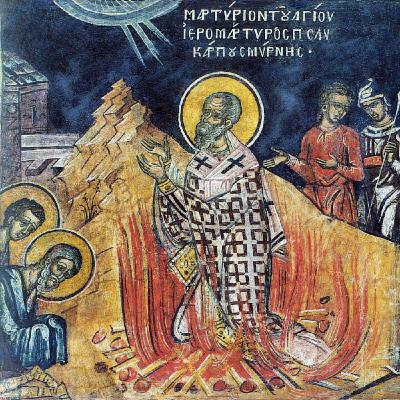
Read onlineFebruary 23: Saint Polycarp, Bishop and Martyr—Memorial(Optional Memorial if Lenten weekday)c. 65–c. 155 (or 166)Invoked against earaches and dysenteryPre-Congregation canonizationLiturgical Color: Red (Purple if Lenten Weekday)Quote: I exhort you all therefore to be obedient to the word of righteousness and to practice all endurance, which also you saw with your own eyes in the blessed Ignatius and Zosimus and Rufus, yes and in others also who came from among yourselves, as well as in Paul himself and the rest of the Apostles; being persuaded that all these ran not in vain but in faith and righteousness, and that they are in their due place in the presence of the Lord, with whom also they suffered. For they loved not the present world, but Him that died for our sakes and was raised by God for us. ~Letter of Polycarp to the PhillippiansReflection: Imagine learning about Christ from someone who knew Jesus personally. What a blessing that would be! This is the blessing today’s saint enjoyed. Saint Polycarp came to know Jesus through the preaching of Saint John the Apostle, the beloved disciple of our Lord.Saint John’s preaching touched many lives, including that of a young man named Polycarp. It is believed that Saint John ordained Polycarp a bishop and sent him to the town of Smyrna, Asia Minor (modern-day Turkey). Polycarp might have been only a teenager when he was ordained, and he shepherded the Church in Smyrna for more than sixty or seventy years. Saint Irenaeus later wrote that Polycarp “would speak of his familiar intercourse with John, and with the rest of those who had seen the Lord; and he would call their words to remembrance.” Irenaeus was Polycarp’s disciple, being about sixty-five years younger. That the faith passed on from Jesus to John, from John to Polycarp, from Polycarp to Irenaus, and from Irenaeus to his disciples down through the ages well illustrates that the faith we have today is “apostolic,” meaning passed down to us from the Apostles. Polycarp is commonly referred to as one of the three Apostolic Fathers of the Church because he learned from one of the Twelve and because some of his writings still exist. The other two are Saint Ignatius of Antioch and Saint Clement of Rome (the third pope).As a bishop, Polycarp was a fierce and courageous defender of the faith, especially against early heresies. He also worked closely with other bishops in the early Church, including the pope. One of those bishops was the Apostolic Father Saint Ignatius of Antioch. In 107 A.D. Ignatius was arrested and brought in chains through the city of Smyrna. Polycarp met him on the way and kissed his chains. Ignatius later wrote to Polycarp, asking him to care for his people. Polycarp did so in part by writing a letter to the Church in Philippi in which he beautifully exhorted the people in their faith. This is the only letter from Polycarp that has survived.Once when traveling through Rome, Polycarp sought out Pope Anicetus to gain his counsel about the many concerns of the Church. On most things they agreed, but they disagreed on the appropriate day of the year to celebrate Easter. The pope preferred it always be on the Sunday after Passover, but Polycarp preferred it to be more closely tied to Passover, no matter on which day of the week it fell. Since they could not agree, the pope permitted Polycarp and his Eastern Churches to continue their practice, while the Roman Church continued its practice. They affectionately concluded their time together by celebrating the Holy Mass.Though Polycarp collaborated with the pope and other bishops, he was quite harsh with heretics. For example, a heretic named Marcion taught that there were two gods, the Old Testament God and the New Testament God. One day Polycarp encountered Marcion in Rome. Marcion was surprised that Polycarp knew about his teaching and asked, “Do you know me, Polycarp?” Polycarp replied, “Yes, I know you to be the firstborn of the devil!”Polycarp is perhaps best known for his martyrdom, which is the second earliest written detailed account of a martyr’s death, the first being the account of Saint Stephen’s stoning as recounted in the Acts of the Apostles. According to that account, when the Roman authorities sought to arrest Polycarp, he at first hid for a week at the encouragement of some of his followers. Eventually, he was found but before he was arrested, he asked for an hour to pray and prepare himself. He was then brought before the proconsul in an arena filled with spectators. The proconsul called him an atheist because he rejected the gods of the Roman Empire. He then promised Polycarp would live if he rejected Christianity. The Romans found it more effective to convince Christians to blaspheme Christ than to martyr them. The proconsul threatened him with wild beasts, but Polycarp responded, “Eighty and six years have I served him, and in nothing has he wronged me. How, then, can I blaspheme my King, who saved me?” The proconsul then threatened to burn him to death, but Polycarp said, “You threaten me with fire that burns but for a season, and is soon quenched. For you are ignorant of the fire of the judgment to come, and of the eternal punishment reserved for the wicked.” The proconsul then condemned him to death and people gathered wood for the fire, but when they approached him to fasten him with nails to the wood, Polycarp said, “Leave me as I am, for He Who gives me strength to endure the fire will also allow me, without the security of your nails, to remain on the pyre without moving.” The fire was then lit, and Polycarp remained there by his own will. But to the surprise of all, his flesh did not burn. Instead, there came forth a sweet aroma as the fire surrounded him and protected him. Angered at this spectacular event, one of the soldiers thrust a spear into him, killing him. When he did this, a dove emerged from his chest, and so much blood gushed forth that the flames were extinguished. On seeing Polycarp’s dead body, some of the angry mob feared that his followers would take his sacred body and worship it, so they ignited the fire once again and burned his dead body.Martyrdom like this takes incredible courage to endure. It requires that one prefer a wholehearted profession of faith in Christ over one’s earthly life. Though you might not be called to such a physical martyrdom, you are called to have Polycarp’s faith and courage. That courage will make you a martyr in spirit, and that faith will lift you to the heights of Heaven. Ponder your own depth of faith and courage today, and allow Polycarp’s witness to strengthen your resolve to become more like him.Prayer: Saint Polycarp, you were blessed to be among the first followers of the Apostles and worked fervently for many decades to spread and defend the pure faith. In the end, you gave witness to Christ with a martyr’s death. Please pray for me, that I may learn from your witness and follow your holy example. Saint Polycarp, pray for me. Jesus, I trust in You.Source: Free RSS feed from catholic-daily-reflections.com — Copyright © 2026 My Catholic Life! Inc. All rights reserved. This content is provided solely for personal, non-commercial use. Redistribution, republication, or commercial use — including use within apps with advertising — is strictly prohibited without written permission.Image: Octave 444, CC BY-SA 4.0, via Wikimedia Commons
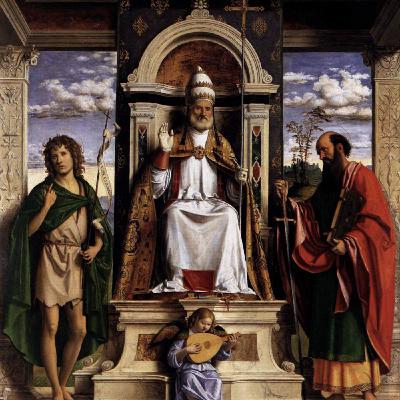
Reading onlineFebruary 22: Chair of Saint Peter, Apostle—FeastLiturgical Color: WhiteQuote: Blessed are you, Simon son of Jonah. For flesh and blood has not revealed this to you, but my heavenly Father. And so I say to you, you are Peter, and upon this rock I will build my church, and the gates of the netherworld shall not prevail against it. I will give you the keys to the kingdom of heaven. Whatever you bind on earth shall be bound in heaven; and whatever you loose on earth shall be loosed in heaven. ~Matthew 16:17–19Reflection: In Saint Peter’s Basilica in Rome, visitors are immediately struck by the large alabaster window on the back wall of the apse that depicts the Holy Spirit in the form of a dove. Below the window is an ancient wooden chair, believed to have been used by Saint Peter. In the seventeenth century, that ancient chair was encased in bronze by the famous artist Bernini and then placed above the altar in the apse. Surrounding the chair are statues of four early Doctors of the Church. Two of them represent the Eastern Church: Saint John Chrysostom and St. Athanasius. Two of them represent the Western Church: Saint Ambrose and Saint Augustine. These great saints represent the universality of the Church, both East and West, as well as the unity of their theological teaching with the authority of the Bishop of Rome. Above the chair are two angels jointly holding the triple crown tiara used by the Bishop of Rome, symbolizing that he is the father of kings, governor of the world, and Vicar of Christ. In their other hands, each angel holds a key, symbolizing the authority of the Bishop of Rome in matters of faith and morals.Today’s feast celebrates not only that chair as a precious relic from the time of Saint Peter, it also celebrates all that this chair represents. This feast was formally celebrated in Rome as early as the fourth century, but honor for the supremacy of Saint Peter and his successors was celebrated from the moment Jesus entrusted Peter with his unique mission.In the Gospel of Matthew 16:13–20, we have the discourse between Jesus and His disciples, which is the basis of today’s feast and our belief in the unique and universal authority of Saint Peter and his successors. Jesus asked the disciples, “[W]ho do you say that I am?” Simon responded, “You are the Messiah, the Son of the living God.” With that profession of faith, Jesus changed Simon’s name to Peter, saying to him, “And I tell you, you are Peter (Petros), and on this rock (petra) I will build my church.” “Peter” in Greek is Petros. The Greek word petra means a solid rock formation that is fixed, immovable, and enduring. Therefore, Jesus chose to make Peter a solid, fixed, and immovable foundation of rock on which the Church would be built and endure until the end of time. Jesus went on to tell Peter that He would give him the keys to the Kingdom of Heaven and that whatever he bound and loosed on earth would be bound and loosed in Heaven.It’s interesting to note that immediately after this discourse between Jesus and Peter, Jesus rebukes Peter for giving into fear after Jesus spoke about His impending death. While in the Garden of Gethsemane, on the eve of Jesus’ saving Passion, Peter chooses to sleep rather than stay awake and pray with Jesus. Then, after Jesus is arrested, Peter denies three times that he even knows Jesus. God chose a man of weakness and fear to become the rock foundation for the Church. This shows that God’s power is not limited by the instruments to whom He entrusts His power.After Jesus’ ascension into Heaven, Peter and the others are filled with the Holy Spirit at Pentecost. After this gift, Peter is more prepared for his mission. He is the first one to go forth courageously to preach the Word of God to the people in Jerusalem. He resolved conflicts within the Church when they arose. He became the first bishop of the newly evangelized city of Antioch and then chose to go to Rome, becoming the first bishop of Rome, where he would die a martyr. However, the death of Saint Peter was not the death of his authority and singular mission. Saint Linus followed him as the second bishop of Rome, and then Saint Cletus, Saint Clement, and so forth until today.Of the pope’s authority, Vatican Councils I and II affirmed that when the pope speaks Ex Cathedra, meaning, “From the Chair,” he speaks with the authority of Saint Peter who was entrusted with full, supreme, and universal authority to teach and govern. His teaching extends to all matters of faith and morals, and his governance encompasses the entire world. (Lumen Gentium, #22).As we ponder the authority and infallibility of the one who sits in the Chair of Saint Peter, try to see this sacred power, given to one weak and sinful man after another, as an act of the love of Christ for His Church. It is the power of Christ and His divine love that makes it possible for these men to shepherd the Church, providing stability, longevity, certitude, and hope. When popes are also saints, we are doubly blessed. When they are not, our Lord still works through them, providing the Church with the ongoing rock foundation it needs to endure all things until the end of time. Pray for the pope today. Pledge your obedience to him when he speaks Ex Cathedra, and know that your unity with him ensures your unity with Christ, Who governs through him.Prayer: Saint Peter, you were a weak and sinful man, but God entrusted you with great responsibility, despite your unworthiness. Please pray for me, that despite my unworthiness, I may be open to all that God entrusts to me and that I may use those gifts for His glory and the salvation of souls. Saint Peter and all your successors in Heaven, pray for me. Jesus, I trust in You.Source: Free RSS feed from catholic-daily-reflections.com — Copyright © 2026 My Catholic Life! Inc. All rights reserved. This content is provided solely for personal, non-commercial use. Redistribution, republication, or commercial use — including use within apps with advertising — is strictly prohibited without written permission.Image: Giovanni Battista Cima da Conegliano, Public domain, via Wikimedia Commons
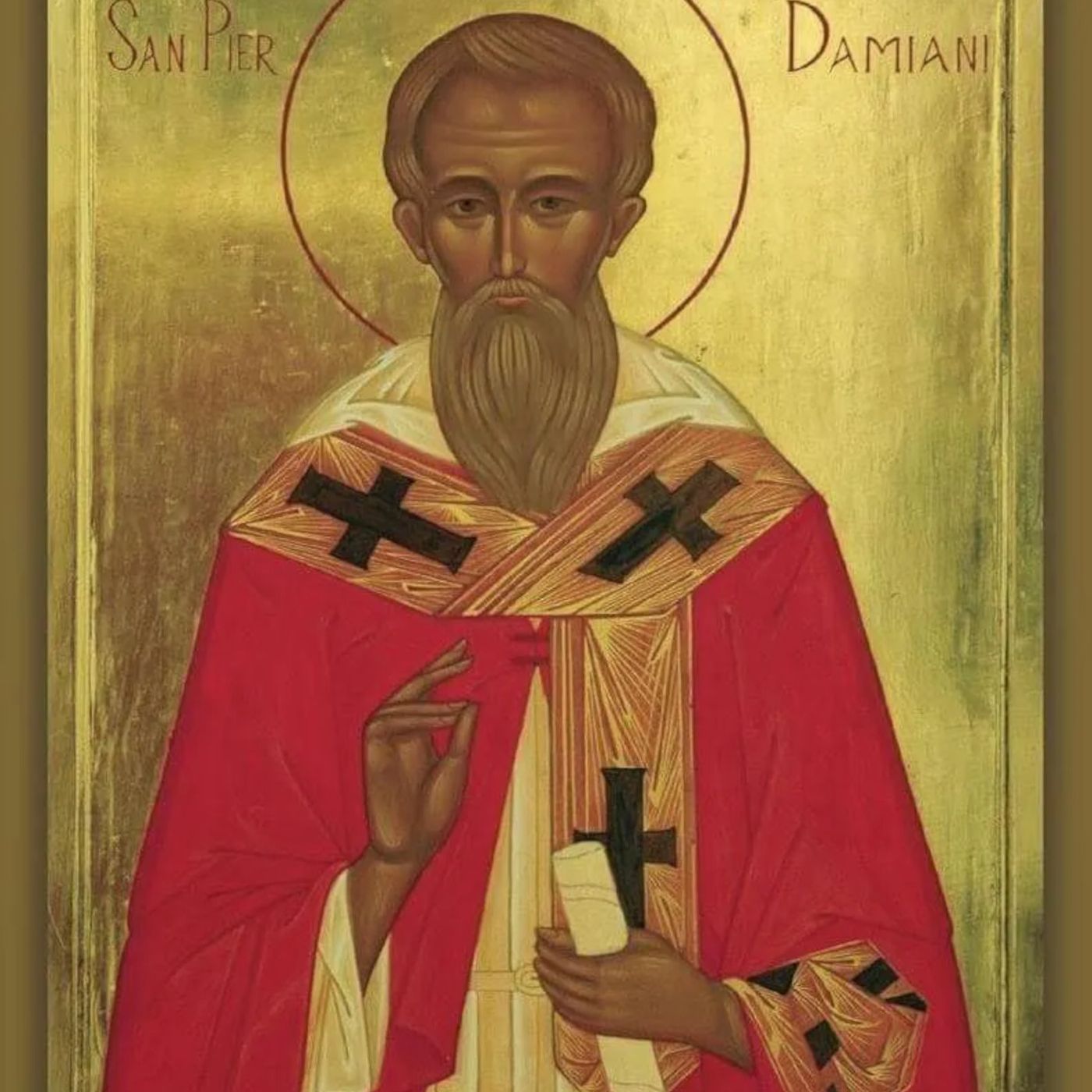
Read onlineFebruary 21: Saint Peter Damian, Bishop and Doctor of the Church—Optional Memorial1007–1072Patron Saint of Faenza and Font-Avellano, ItalyPre-Congregation canonizationCanonization confirmed and proclaimed a Doctor of the Church by Pope Leo XII in 1823Liturgical Color: White (Purple if Lenten Weekday)Quote: May your mind…fear the imminent day of Judgment, that you may not have to fear when it is upon you, that, as you prudently examine yourself in your own judgment, you may appear before the tribunal of the eternal Judge, not to be judged anew, but as one already judged and purified in the process; and that because through confession you have stood in the presence of the Judge, you may not be compelled to undergo the severe examination of the Judgment, but with the judges and senators of the land, as a judge yourself you may joyfully be conducted into glory. Amen. ~Letter 92Reflection: Orphan, laborer, student, monk, hermit, priest, theologian, teacher, writer, poet, ascetic, penitent, prior, reformer, bishop, cardinal, saint…these are but a few words to describe today’s courageous saint.Peter was the youngest child born into a poor but noble family in Ravenna, Italy. His parents died when he was young, so he went to live with one of his older brothers who mistreated him and forced him to labor as a swineherd. Eventually, another brother, a priest from Ravenna named Father Damian, took him in and provided him with an excellent education in which he greatly excelled. Peter was so grateful to his priest brother that he added his brother’s name to his own, making him Peter Damian.Upon the completion of his education, Peter Damian began to teach with much success. However, he soon found that the university setting was not for him, so he withdrew to a monastery in Fonte-Avellana for a forty-day retreat. Upon completing his retreat, he discerned a call to monastic life and received the habit.As a monk, Peter Damian lived a secluded life of prayer and extreme penance. His penances were so severe that they affected his health more than once. Eventually, his intellectual gifts were used once again when he was asked to teach his fellow monks. For the next few years, he taught in his own and neighboring monasteries and also began to write. One of his first works was the Vita, or “Life” of Saint Romuald, a recently deceased monk from his monastery known for his exceptional holiness.In 1043, at the age of thirty-five, Brother Peter Damian was named the prior of his monastery. He led the brothers with zeal and fidelity to their rule. He also began founding new hermitages in the surrounding villages.At that time, Pope Benedict IX was a truly scandalous pope who had obtained the papacy through bribery and lived an immoral life. In 1045, the pope decided to leave the papacy to marry his cousin. Before doing so, he wrote to his godfather, Father John Gratian, for advice. Being a holy man, Father Gratian encouraged him to resign, which Benedict did, leaving the papacy to Father Gratian, who became Pope Gregory VI. Brother Peter Damian was overjoyed at the change and wrote to the new pope, encouraging him to tackle corruption and scandal within the Church. In the years that followed, more than one pope called on Brother Peter Damian to help accomplish that very goal. He wrote many letters in an attempt to bring about reforms of the clergy, fought against simony (the selling of Church offices and spiritual favors), addressed sexual abuses, challenged the bishops, reformed monasteries, and gave a spectacular personal witness of holiness.In 1057, Brother Damian was made the Cardinal-Bishop of Ostia by the pope, despite his attempts to turn down the position. As a new cardinal, he quickly challenged his brother cardinals and tried to weed out corruption. He would eventually return to his hermitage and resume his life of prayer, but his fervor in fighting against the evils of the time continued. Pope after pope called on him for help, even while other Church leaders opposed him.In 1072, at the age of sixty-five after battling one corruption after another, Cardinal Peter Damian fell ill. After a week of illness in a monastery near his hometown, the cardinal died while the monks chanted around his bed.Every age of the Church has different needs. In the eleventh century, the Church needed an unwavering and courageous voice for reform. Saint Peter Damian was that voice. Though his heart was most at home in his monastery doing penance and chanting the psalms, his body was actively eradicating the mold that had covered the Church. Through his valiant efforts, many parts of the Church began to radiate as the Bride of Christ once again.Each of us is called to be a reformer in one way or another. First, we must seek to reform our own souls by eliminating sin through prayer, penance, and fidelity to God’s Law. From there, God will use us to extend His reform to others. Ponder any ways that you need to reform your own life, and then offer yourself to God’s service so that He can use you to weed out the evils you encounter in your daily life.Prayer: Saint Peter Damian, you were drawn to a life of solitude, prayer, and penance. From that hidden life as a monk, God sent you forth to reform His wounded Church. You answered the call with courage and zeal. Please pray for me, that I will never shy away from reforming my own life and that I will always answer the call to be an instrument of that reformation wherever I am sent. Saint Peter Damian, pray for me. Jesus, I trust in You.Source: Free RSS feed from catholic-daily-reflections.com — Copyright © 2026 My Catholic Life! Inc. All rights reserved. This content is provided solely for personal, non-commercial use. Redistribution, republication, or commercial use — including use within apps with advertising — is strictly prohibited without written permission.
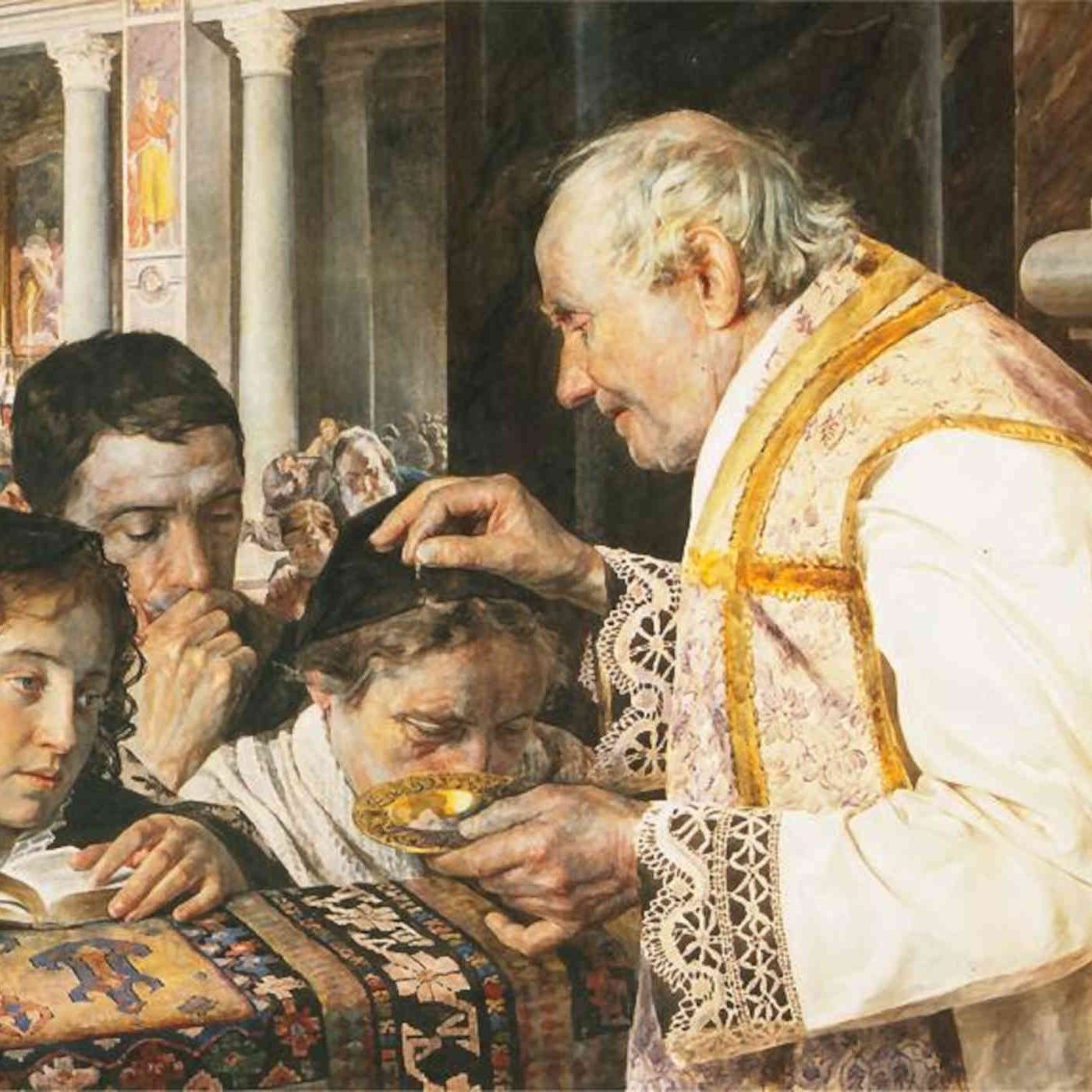
Read OnlineAsh WednesdayQuote: Remember that you are dust, and to dust you shall return. ~Distribution of ashesReflection: It was a common practice within the early Church that those who were found guilty of grave public sin needed to do public penance before they were admitted back into communion with the Church and admitted to the Most Holy Eucharist. The public sinners came forward in sackcloth forty days before Easter and were sprinkled with ashes, in keeping with many Old Testament examples of public penance. They fasted and prayed for forty days and then, on Easter, were readmitted into full communion with the Church. Eventually, prior to the end of the first millennium, this practice was extended to the entire Church as a way of highlighting everyone’s need for penance. One of the earliest mentions of this practice becoming universal comes from an English Benedictine monk who wrote:We read in the books both in the Old Law and in the New that the men who repented of their sins bestrewed themselves with ashes and clothed their bodies with sackcloth. Now let us do this little at the beginning of our Lent that we strew ashes upon our heads to signify that we ought to repent of our sins during the Lenten fast.Today, as a sign of our ongoing need to repent of our sins and do penance, the faithful are invited to come forward to be marked with ashes as a sign of their commitment to the penitential season of Lent, so as to celebrate with great joy the Solemnity of Easter. Lent is forty-six days long. Forty of those days are penitential days, and six of them are Sundays. Lent begins on Ash Wednesday and concludes with the Easter Vigil. The forty penitential days are an imitation of Jesus’ forty days in the desert.As we come forward to receive ashes, the minister traditionally says, “Remember that you are dust, and to dust you shall return.” This line is taken from the Book of Genesis when God expelled Adam and Eve from the Garden of Eden. He told Eve that she would suffer the pains of childbirth and be subjected to her husband. God told Adam that he would labor for his food through sweat and toil. To both of them, God said this curse would last “Until you return to the ground, from which you were taken; For you are dust, and to dust you shall return” (Genesis 3:19). Thus, the final curse of original sin is death: “...to dust you shall return.”As we come forward to receive ashes, we should hear God saying to us, as He said to Adam and Eve, that we also suffer the consequences of original sin and will die. But that curse must be seen in the light of God’s final plan of salvation. Today, we acknowledge that the curse of death will endure but also hold onto the hope of resurrection made possible through Christ. Lent is a time of repentance for our sin and hope in redemption. Ash Wednesday is our liturgical and public statement that we have chosen both repentance and redemption.As you come forward to receive the ashes today, don’t just go through the motions. Make this act a prayer and one of deep interior devotion. Call to mind your sins and the sins of your whole life, as best you can. Acknowledge the just punishment of eternal death that you deserve for your sins. But then call to mind the infinite and unmerited mercy of God. Remember that even though you are an undeserving sinner, God has reached down from Heaven to offer you the gift of eternal salvation. He has invited you to receive this gift through your repentance and humility. Humble yourself today in “sackcloth and ashes,” and as with those public sinners of old, God will use this Lent to more fully unite your soul with His through His glorious death and resurrection.Prayer: Most glorious and Triune God, You have justly condemned me but mercifully offered me redemption. As I enter this season of Lent, I wholeheartedly acknowledge my sin and repent. Please be merciful to me, a sinner. Help me to make this Lent a truly penitential season so that my soul will be more disposed to receive You this Easter. Jesus, I trust in You.Image: Ash Wednesday by Julian FałatSource: Free RSS feed from catholic-daily-reflections.com — Copyright © 2026 My Catholic Life! Inc. All rights reserved. This content is provided solely for personal, non-commercial use. Redistribution, republication, or commercial use — including use within apps with advertising — is strictly prohibited without written permission.
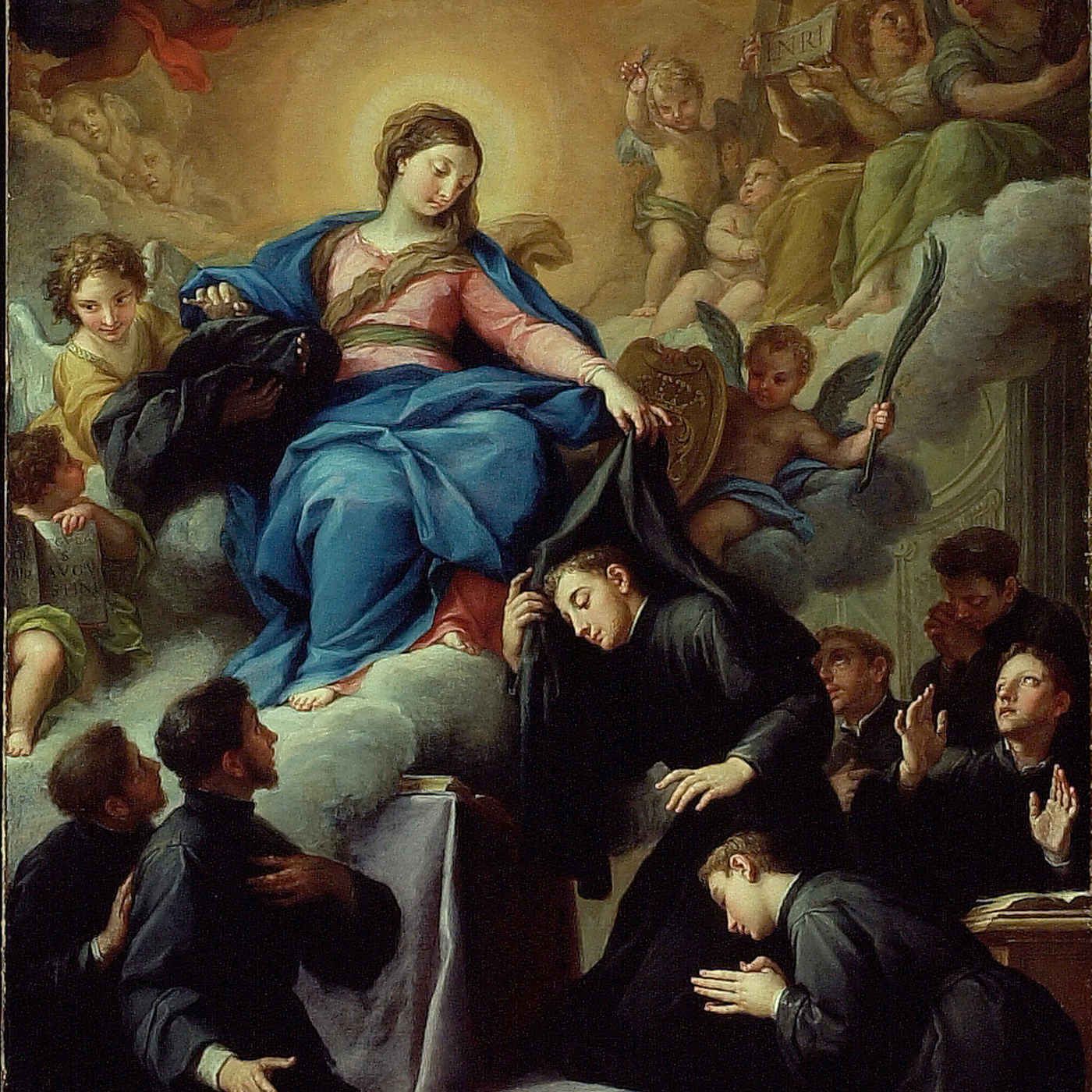
Read OnlineFebruary 17: Seven Holy Founders of the Servite Order—Optional MemorialThirteenth CenturyInvoked to aid in the imitation of the charity and patience of Our Lady of SorrowsCanonized January 15, 1888 by Pope Leo XIIILiturgical Color: White (Purple if Lenten Weekday)Quote:I have chosen you to be my first Servants, and under this name you are to till my Son’s Vineyard. Here, too, is the habit which you are to wear; its dark color will recall the pangs which I suffered on the day when I stood by the Cross of my only Son. Take also the Rule of Saint Augustine, and may you, bearing the title of my Servants, obtain the palm of everlasting life. ~From a vision of the Blessed Virgin MaryReflection: Bonfilius, Alexis, Manettus, Amideus, Hugh, Sostene, and Buonagiunta were seven successful cloth merchants from Florence, Italy. As members of a lay organization dedicated to the Blessed Mother, they were each devout in their faith. Their comradery, centered around their faith, not only united them more fully to God, but also to each other with a holy bond and a holy mission.At that time, Florence was a bustling city wrought with conflicts, due to competition between the noble rulers and the populists who sought to govern by the will of the people. Florence’s economy was also booming, due to the new merchant class whose financial worth was counted in coins rather than in the amount of land and servants they possessed. Within this context, these seven holy men of Florence desired an escape from the lust for money and power, and from the conflict that continued to grow.Around the year 1233, it is reported that all seven of these devout men individually experienced an apparition of the Blessed Virgin Mary, calling them to withdraw from the world and to devote themselves entirely to the service of God. They obeyed, and on September 8, the Feast of the Birth of the Blessed Virgin Mary, they gave up their careers and property and moved into a dilapidated house outside the city wall. They embraced the mendicant life of begging, poverty, and prayer. Many were drawn to them and found in them men of wisdom and virtue. As a result, they received many requests for spiritual counsel and moral guidance. Though they were drawn to this form of charity, they soon discovered that their first calling was to a life of prayer. Their close proximity to the city of Florence hindered the solitude to which they were called, so they moved to a dwelling eleven miles from the city on Monte Senario.Around the year 1240, at Monte Senario, the seven received a joint vision of the Blessed Virgin Mary who appeared to them surrounded by angels. She instructed them on their mission, clothed them in their habits, presented them with their rule of life, and personally founded their order.Central to their mission was to spread devotion to the Seven Sorrows of Mary and to be her servants. Within a decade, the order was tentatively approved by the pope and their numbers began to grow. In addition to new foundations in Italy, they quickly spread to Germany, France, and Spain. By the early thirteenth century, final papal approval was given and the order spread to Hungary, Bohemia, Austria, Poland, and modern-day Belgium. Eventually, missions were established in Crete, the Philippines, and India. Today, the Servite order has expanded to all parts of Europe, Africa, Australia, and the Americas.These holy men were called together by our Blessed Mother as they worked and lived in a growing city. Once united by their faith, they were set apart and drawn by God to a life of prayer. From that prayer, and their commitment to poverty, chastity, and obedience, God drew many others into their companionship. And through their companions, missionaries went forth to the corners of the earth.As you ponder the lives of these holy men, especially consider the unity they shared by answering the call to pray and serve together. That unity flowed from their love of God and our Blessed Mother. It also flowed from their united obedience to their calling. United as one in Christ, each individual was strengthened and the fruitfulness of their labors grew exponentially.You, too, are called to holiness and to a holiness that unites you with others who share your mission. Pray to God that you will be able to follow the example of these holy men by joining with those whom God has put in your life to strengthen your faith and expand the mission you have been given.Prayer: Dearest Founders of the Servite Order, you were called and you responded. You were given direction by Our Lady herself, and you obeyed. From that obedience, God raised up an army of servants who have spent centuries sharing His love and mercy with the world. Pray for me, that I may always obey God’s will and seek to serve Him alongside those whom God has placed in my life. Seven Holy Founders, pray for me. Jesus, I trust in You.Source: Free RSS feed from catholic-daily-reflections.com — Copyright © 2026 My Catholic Life! Inc. All rights reserved. This content is provided solely for personal, non-commercial use. Redistribution, republication, or commercial use — including use within apps with advertising — is strictly prohibited without written permission.
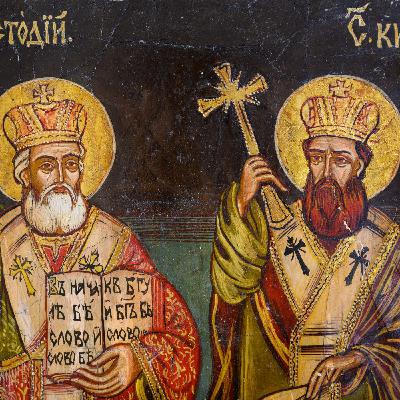
Read OnlineFebruary 14: Saints Cyril, Monk, and Methodius, Bishop—Memorial(Optional Memorial if Lenten weekday)Saint Cyril: c. 827–869Saint Methodius: c. 815–885Co-Patrons of Europe, Slavic peoples, unity of Eastern and Western ChurchesPre-Congregation canonizationQuote: Hear my prayer and protect your faithful people, for you have established me as their unsuitable and unworthy servant. “Make your people known for the unity and profession of their faith. Inspire the hearts of your people with your word and your teaching. You called us to preach the Gospel of your Christ and to encourage them to lives and works pleasing to you. “I now return to you, your people, your gift to me. Direct them with your powerful right hand, and protect them under the shadow of your wings. May all praise and glorify your name, the Father, Son, and Holy Spirit. Amen. ~From an old Slavonic biography of Saint CyrilReflection: Imagine what life would be like if you were unable to read because the language you spoke was not even in written form. No alphabet, no books, only a spoken language. This is the context into which our saints today were sent to preach the Gospel.Their story began in Thessalonica, Greece, a territory first evangelized by Saint Paul. Seven sons were born to a Greek-speaking imperial magistrate and his wife. Two of the boys were named Constantine and Michael. Their mother was most likely of Slavic descent, and the boys learned her unwritten language, along with Greek and Latin. When Constantine was about fourteen years old, he was sent to the great Greek city of Constantinople to study. It was there that he also came to know the young Byzantine Emperor, Michael III, who was only a young child. After completing his education, Constantine decided to become a priest. Shortly after his ordination, he was invited to teach and soon became well known as the “Philosopher.” Constantine’s brother Michael, about twelve years older than Constantine, began his career in civil service in Macedonia but chose to abandon that position to become a monk, taking the name Methodius.When Constantine was about thirty years old and his brother Methodius was in his early forties, Constantine decided to give up his teaching career and embrace a life of prayer in his brother’s monastery. Within a few years, however, Emperor Michael III, now an adult, asked Constantine to go on a mission to evangelize the Jews and Turks of Khazars, modern-day Russia, Ukraine, and Crimea. Methodius accompanied him on this mission, and they learned both Hebrew and Turkish so as to speak to the people in their native tongues.Within a couple of years, Prince Rastislav of Moravia asked Emperor Michael III to send missionaries to Great Moravia, today’s Czech Republic. His people had rejected paganism and embraced Christianity, but they didn’t have anyone who could explain the faith to them in their native Slavic language since the Germanic clergy adhered strictly to Latin. It was this mission that would be the beginning of a new era and a new method of evangelization within the Church.In Great Moravia, Constantine and Methodius began to translate the Bible and liturgical books into the Slavic language. Since there was no written form of the language or even an alphabet, Cyril created one. He translated the various sounds into symbols, which enabled him and his brother to then write down the sacred texts. In addition to their translations, they began to teach the people and future Slavic clerics how to read their new written language. Eventually, the new alphabet developed into what is now known as the Cyrillic alphabet and is the basis of many Eastern European and Asian languages used by more than 250 million people today.Despite the fact that the Slavic people were overjoyed to hear the Gospel and pray the liturgy in their native language, many of the Germanic clergy took issue with this approach. To solve this problem, the brothers traveled to Rome where they received the approval of Pope Adrian II, who ordained them bishops and sent them back to Great Moravia. Before leaving Rome, however, Constantine fell sick. Before dying, he fully consecrated himself to God as a monk in one of the Greek monasteries, taking the monastic name Cyril. His brother Methodius then returned to Great Moravia to continue his work.Bishop Methodius spent the next fourteen years evangelizing the people in their native language, forming clergy, and effectively administering the Church. He continued to endure harsh treatment from the Germanic clergy, even being imprisoned by them for a time, but he pressed on, extending his missionary work even beyond the borders of Great Moravia. It wasn’t until a millennia later that these brothers received the universal honor they deserved when the Western Church added them to its liturgical calendar. A century after that, Pope John Paul II, a Slav himself, honored these two brothers with the title of co-patrons of Europe and Apostles to the Slavs.These great brothers teach us that the Gospel must be personal and understood through the prism of our own language, culture, and human experience. They also teach us that we must work to share the Gospel with others in ways that they understand and to which they can relate. As we honor these great missionaries, ponder the ways that God wants to use you to reach out to others with His saving message. Though you might not be called to invent a new alphabet to do so, you will be called to step out of your comfort zone. Be courageous, creative, and zealous in this effort in imitation of these Apostles to the Slavs.Prayer: Saints Cyril and Methodius, you both gave your lives to the service of God. You served with zeal, creativity, and much determination. Please pray for me, that God may use me to become an instrument of His saving grace to those in need, bringing the Good News in ways to which they can relate. Saints Cyril and Methodius, pray for me. Jesus, I trust in You.Source: Free RSS feed from catholic-daily-reflections.com — Copyright © 2026 My Catholic Life! Inc. All rights reserved. This content is provided solely for personal, non-commercial use. Redistribution, republication, or commercial use — including use within apps with advertising — is strictly prohibited without written permission.Image: N.N./Pitichinaccio, Public domain, via Wikimedia Commons
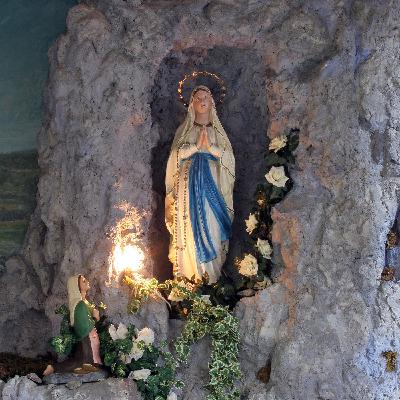
Read entire reflection online >>>February 11: Our Lady of Lourdes—Optional MemorialJanuary 11–July 16, 1858Patron Saint of the sick, asthma sufferersLiturgical Color: White (Purple if Lenten Weekday)Quote: I went every day for a fortnight, and each day I asked her who she was, and this petition always made her smile. After the fortnight I asked her three times consecutively. She always smiled. At last I tried for the fourth time. She stopped smiling. With her arms down, she raised her eyes to Heaven and then, folding her hands over her breast she said, “I am the Immaculate Conception.” ~Testimony of Saint Bernadette SoubirousPrayer:Dearest Mother, the Immaculate Conception, you chose the humblest of instruments in Bernadette to proclaim your universal message of repentance. You declared to the world that you are, indeed, the Immaculate Conception. Please pray for me, bring healing to my soul, and help me to be freed of all sin so that I may one day share in your glory in Heaven. Saint Bernadette, pray for me. Our Lady, the Immaculate Conception, pray for me. Jesus, I trust in You.Source: Free RSS feed from catholic-daily-reflections.com — Copyright © 2026 My Catholic Life! Inc. All rights reserved. This content is provided solely for personal, non-commercial use. Redistribution, republication, or commercial use — including use within apps with advertising — is strictly prohibited without written permission.Image via Adobe Stock
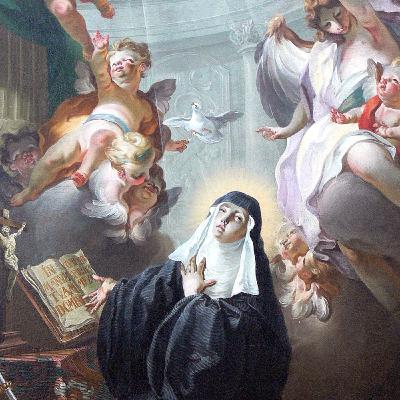
Read entire reflection online >>>February 10: Saint Scholastica, Virgin—Memorialc. 480–543Patron Saint of nuns, school, tests, reading, convulsive childrenInvoked against storms and rainPre-Congregation canonizationLiturgical Color: White (Purple if Lenten Weekday)Quote: The holy nun said to her brother: “Please do not leave me tonight; let us go on until morning talking about the delights of the spiritual life.” “Sister,” he replied, “what are you saying? I simply cannot stay outside my cell.”When she heard her brother refuse her request, the holy woman joined her hands on the table, laid her head on them and began to pray. As she raised her head from the table, there were such brilliant flashes of lightning, such great peals of thunder and such a heavy downpour of rain that neither Benedict nor his brethren could stir across the threshold of the place where they had been seated. ~Dialogues, Saint Gregory the GreatPrayer:Saint Scholastica, you and your brother shared not only the same family, but you were also deeply united in a spiritual friendship centered on God. Please pray for me, that I may discover friends who assist me on my journey through this world and that I may be such a friend to others. Saint Scholastica and Saint Benedict, pray for me. Jesus, I trust in You.Source: Free RSS feed from catholic-daily-reflections.com — Copyright © 2026 My Catholic Life! Inc. All rights reserved. This content is provided solely for personal, non-commercial use. Redistribution, republication, or commercial use — including use within apps with advertising — is strictly prohibited without written permission.Image: Johann Baptist Wenzel Bergl, CC BY-SA 3.0, via Wikimedia Commons
Read entire reflection online >>>February 8: Saint Josephine Bakhita, Virgin—Optional Memorial1869–1947Patron Saint of Sudan and human-trafficking survivorsCanonized October 1, 2000 by Saint Pope John Paul IILiturgical Color: White (Purple if Lenten Weekday)Quote: If I was to meet those slave-traders that abducted me and those who tortured me, I’d kneel down to them to kiss their hands, because, if it had not have been for them, I would not have become a Christian and religious woman. ~Saint Josephine BakhitaPrayer:Saint Josephine, you endured unimaginable cruelty from earthly masters. Through it all, you sought out the God Who continuously spoke to you from within. When you met this glorious God within the Catholic faith, you refused to serve anyone other than Him. Please pray for me, that I may allow God to transform every hardship in my life into a source of His grace and transforming mercy. Saint Josephine Margaret Fortunata, pray for me. Jesus, I trust in You.Source: Free RSS feed from catholic-daily-reflections.com — Copyright © 2026 My Catholic Life! Inc. All rights reserved. This content is provided solely for personal, non-commercial use. Redistribution, republication, or commercial use — including use within apps with advertising — is strictly prohibited without written permission.Image: Vatican
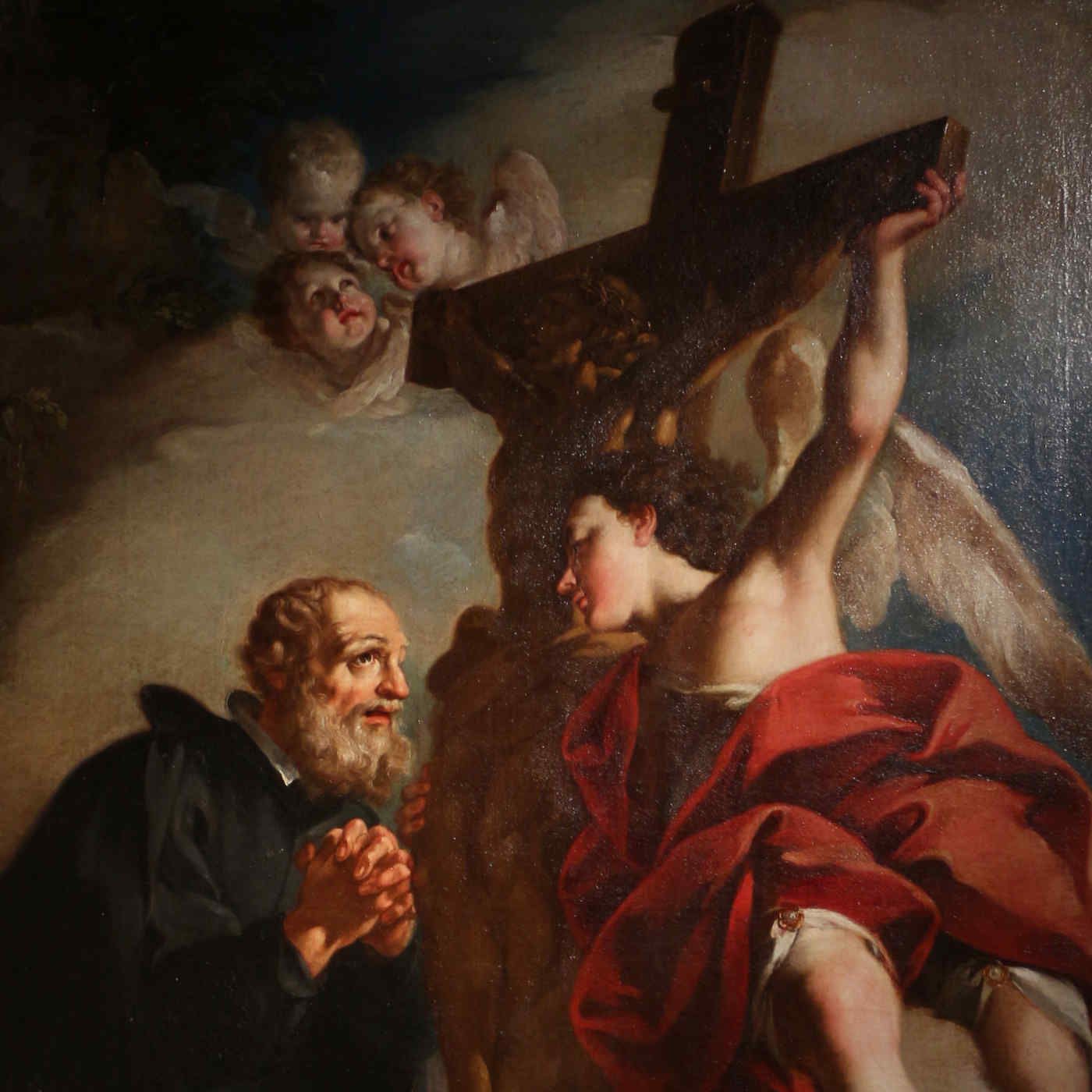
Read entire reflection online >>>February 8: Saint Jerome Emiliani, Founder—Optional Memorial1486–1537Patron Saint of orphans and abandoned childrenCanonized on July 16, 1767 by Pope Clement XIIILiturgical Color: White (Purple if Lenten Weekday)Quote: One morning, we were twenty-eight at St. Magdalene Hospital and we were praying. Since we had nothing to eat, father Jerome told us, “Do not doubt, my sons, the Lord will take care!” And while he was still praying, we heard the doorbell ring. They went to open the door. A person wanted to see father Jerome. He went to the door and came back with four loaves of bread…he fed all twenty-eight of us with only those four loaves and fresh water because he did not have anything else. And everybody had enough. And the father kept saying we had to eat cheerfully because the Lord would never abandon us. ~Eyewitness testimonyPrayer:Saint Jerome, you had a desire for greatness within your heart. Though you first sought to fulfill that desire by worldly and passing honors, God opened your eyes and helped you to discover that the greatest honor is found in the wholehearted service of His holy will. Please pray for me, that I may imitate your generosity and devote myself to the service of the Gospel and the care of those in need. Saint Jerome, pray for me. Jesus, I trust in You.Source: Free RSS feed from catholic-daily-reflections.com — Copyright © 2026 My Catholic Life! Inc. All rights reserved. This content is provided solely for personal, non-commercial use. Redistribution, republication, or commercial use — including use within apps with advertising — is strictly prohibited without written permission.Giacomo Guerrini, CC BY-SA 4.0, via Wikimedia Commons
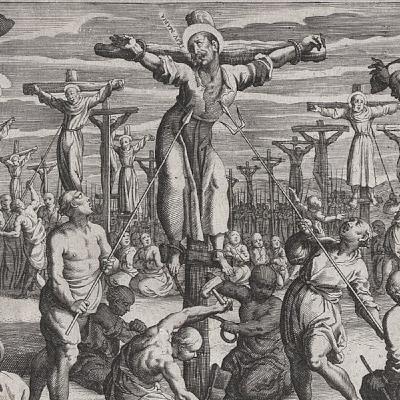
Read entire reflection online >>>February 6: Saints Paul Miki and Companions, Martyrs—MemorialMartyred February 5, 1597Patron Saints of JapanCanonized by Pope Pius IX on June 8, 1862Liturgical Color: RedQuote: Our brother, Paul Miki, saw himself standing now in the noblest pulpit he had ever filled. To his “congregation” he began by proclaiming himself a Japanese and a Jesuit. He was dying for the Gospel he preached. He gave thanks to God for this wonderful blessing and he ended his “sermon” with these words: “As I come to this supreme moment of my life, I am sure none of you would suppose I want to deceive you. And so I tell you plainly: there is no way to be saved except the Christian way. My religion teaches me to pardon my enemies and all who have offended me. I do gladly pardon the Emperor and all who have sought my death. I beg them to seek baptism and be Christians themselves.” ~Office of ReadingsPrayer:Holy Martyrs of Nagasaki, you and countless others gave your lives in witness to the faith that God planted in your hearts. Please pray for me, that I will have the same faith and courage that each one of you had, so that I will be a witness to Christ in all that I do. Holy martyrs of God, pray for me. Jesus, I trust in You.Source: Free RSS feed from catholic-daily-reflections.com — Copyright © 2026 My Catholic Life! Inc. All rights reserved. This content is provided solely for personal, non-commercial use. Redistribution, republication, or commercial use — including use within apps with advertising — is strictly prohibited without written permission.Image: The Martyrs of Nagasaki (1597), engraving by Wolfgang Kilian, Augsburg
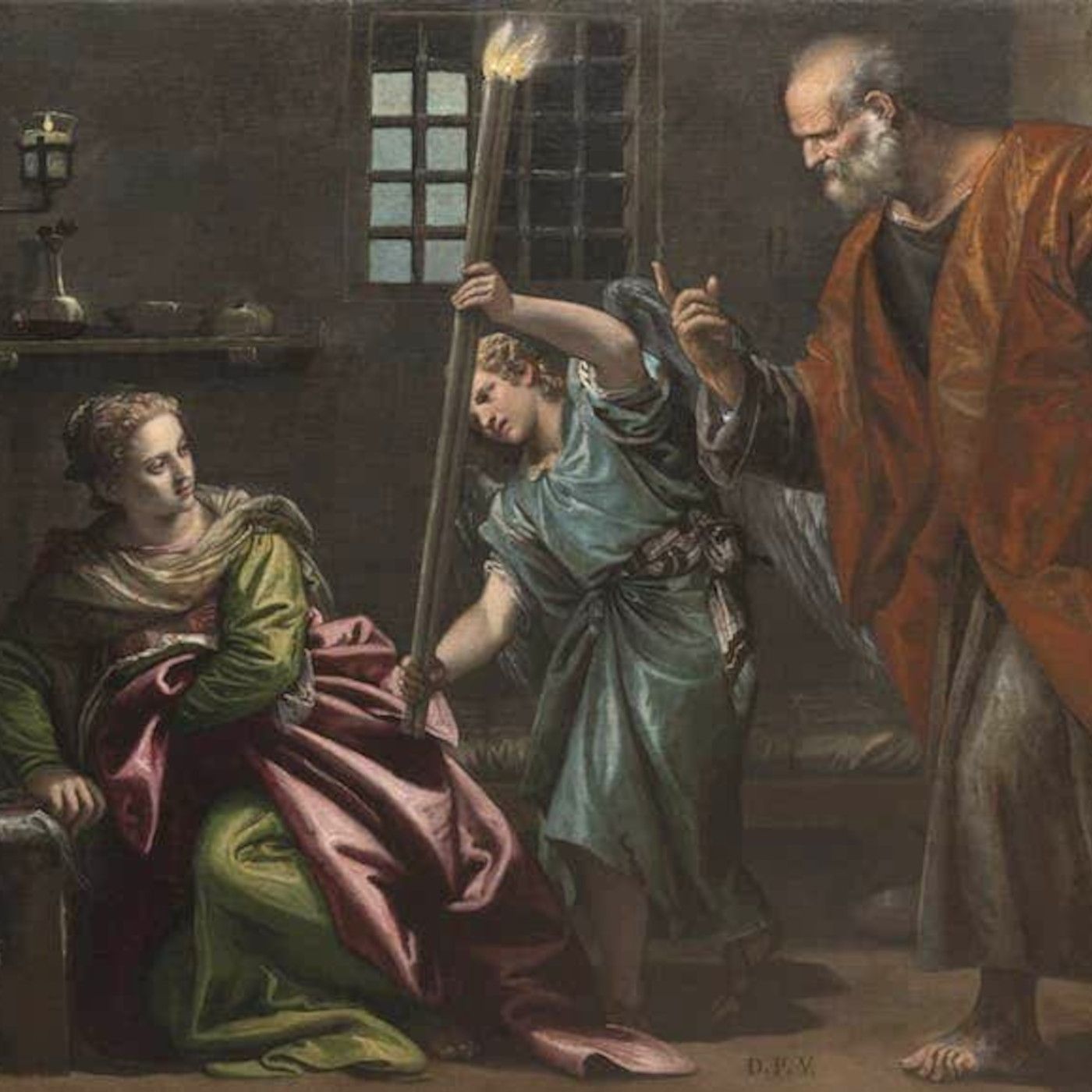
Read entire reflection online >>>February 5: Saint Agatha, Virgin and Martyr—Memorialc. 231–c. 251Patron Saint of breast cancer patients, martyrs, rape victims, bellfounders, and bakersInvoked against earthquakes, natural disasters, and firesPre-Congregation canonization, later confirmed by Pope Saint Gregory the Great, 7th centuryLiturgical Color: Red (Purple if Lenten Weekday)Quote: O Lord who made and created me, and have kept me from my infancy, … who took from me the love of the world, who have kept my body from pollution, who made me to overcome the executioner’s torments, iron, fire and chains, who gave me the virtue of patience in the midst of torments, I pray Thee to receive my spirit. ~1529 Roman BreviaryPrayer:Saint Agatha, you offered your life to Christ and your divine Spouse and were faithful to your last breath. Please pray for me, that I may learn from the witness of your life to be single-hearted in my fidelity to the will of God and devoted to Him above all earthly fears and evils, trusting in Him until the end. Saint Agatha, pray for me. Jesus, I trust in You.Source: Free RSS feed from catholic-daily-reflections.com — Copyright © 2026 My Catholic Life! Inc. All rights reserved. This content is provided solely for personal, non-commercial use. Redistribution, republication, or commercial use — including use within apps with advertising — is strictly prohibited without written permission.Image: St. Agatha Visited in Prison by St. Peter by Paolo Veronese
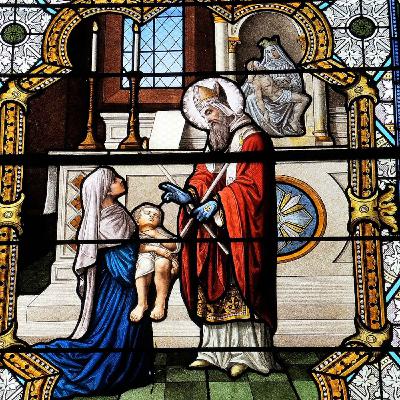
Read entire reflection online >>>February 3: Saint Blaise, Bishop and Martyr—Optional MemorialDied c. 316Patron Saint of illnesses of the throat and other illnesses, wool workers, animals, bricklayers, bakers, farm workersPre-Congregation canonizationLiturgical Color: RedQuote: Through the intercession of Saint Blase, bishop and martyr, may God deliver you from every disease of the throat and from every other illness. In the name of the Father, and of the Son, and of the Holy Spirit. ~Blessing of throatsPrayer:Saint Blaise, you accepted the will of God as it was expressed through the acclamation of the people to become their shepherd. You lovingly spread the faith, healed the sick, and laid down your life as a martyr. Please pray for me and my family that we may be kept safe from all illness, especially illnesses of the throat, and pray that I will have the same courage you had to be a witness to Christ, even to the point of death. Saint Blaise, pray for me. Jesus, I trust in You.Source: Free RSS feed from catholic-daily-reflections.com — Copyright © 2026 My Catholic Life! Inc. All rights reserved. This content is provided solely for personal, non-commercial use. Redistribution, republication, or commercial use — including use within apps with advertising — is strictly prohibited without written permission.Pethrus, CC BY-SA 4.0, via Wikimedia Commons

Comments

Download from Google Play

Download from App Store
 United States