


 Claim Ownership
Earthbound (Formerly Global Warming Is Real)
Subscribed: 2Played: 23
Subscribe

© Copyright 2026 Thomas Schueneman
Description
Earthbound is a podcast about what it means to be human on a warming planet. Host Thomas Schueneman, a climate writer, global freelance journalist, and audio producer, talks with scientists, philosophers, activists, artists, Indigenous leaders, policy experts, and everyday people about how a changing Earth is reshaping our lives—and how our choices, values, and imaginations are reshaping the planet in return.
From climate politics and planetary health to environmental justice, mental well‑being, psychology, and philosophy, the show explores the quiet work of repairing our relationship with nature and each other. Earthbound offers clear‑eyed, human‑centered stories from the Anthropocene.
From climate politics and planetary health to environmental justice, mental well‑being, psychology, and philosophy, the show explores the quiet work of repairing our relationship with nature and each other. Earthbound offers clear‑eyed, human‑centered stories from the Anthropocene.
28 Episodes
Reverse
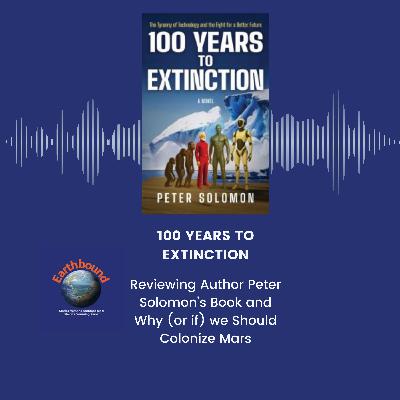
Do We Need to Colonize Mars to Survive?A Book Review of Dr. Peter Solomon's 100 Years to ExtinctionIn 2017, Stephen Hawking warned that humanity had just 100 years to move beyond Earth or face extinction. That bold prediction frames my Earthbound podcast conversation with Dr. Peter Solomon, physicist, serial entrepreneur, and author of 100 Years to Extinction. We dig into the triggers threatening our survival (climate change, AI, nuclear war, misinformation) and whether a Mars colony is really our best backup plan or a fool’s paradise.In my book review of Solomon’s novel, we follow Gen Z trio Aster, Liz, and Milo, an astrophysicist, geneticist, and political leader, respectively, as they vow to save the world from the damage of previous generations. They colonize Mars, refine nuclear fusion, and spark a political revolution back home through the New Planet Party. All this by the mid-2030s. I found his scientific optimism admirable, if a bit unrealistic, and the plot uneven at times. But his effort to frame our polycrisis age through the lens of solutions is always a good exercise.My takeaway? While I respect the genius of Hawking and Solomon, I believe the resources needed to colonize not just reach) Mars should first be applied to building a survivable, equitable civilization here at home. Solomon anticipates that objection, emphasizing throughout that Earth is precious and irreplaceable. I couldn’t agree more.Check out his follow-up book, 12 Years to AI Singularity, and if you enjoy this episode, please subscribe, leave a review, or support us at earthboundpodcast.com.Takeaways:Stephen Hawking emphasized the urgent need for humanity to establish a permanent presence beyond Earth within a century to ensure survival.The dialogue around extinction triggers is crucial, as it includes climate change, AI, and misinformation, which we need to address urgently.In his novel, Dr. Peter Solomon explores a future where a Gen Z trio tackles existential threats while colonizing Mars, showcasing a blend of hope and realism.While the book presents an optimistic view of colonization, it glosses over significant challenges, such as governance and social dynamics on Mars, leaving some questions unanswered.Ultimately, while exploring space is essential, our priority should be creating a sustainable and equitable future here on Earth.Links referenced in this episode:Peter Solomon: 100 Years to ExtinctionStephen Hawking’s Grim PredictionEarthbound: Living on Mars-Utopia or Fool’s Paradise?GlobalWarmingIsReal.comEarthboundPodcast.com/survey

Climate, Energy, Morality, and How We Thrive as a Species on a Finite PlanetWe tell ourselves stories to help us cope with existence, but too often we bend our stories to fit a misguided, destructive, and utterly unsustainable worldview. In this revised audio version of a 2019 article I published in Medium, we begin with a tight shot on Venezuela and the Trump administration’s recent military action and claim to its oil. From there, we slowly pan back and consider the moral grounding of a civilization convinced of its “God-given” right to extract, destroy, and dominate, if it means there is more energy to burn. We can find a better way to live, one based on our fundamental, biological morality. Resources:The Climate of Our Moral Character on MediumDeliver Us From Evil: How Biology, Not Religion, Made Humans Moral Greta Thunberg UN Speech TranscriptPolitico: Energy secretary plans visit to Venezuela — but says Trump isn’t focused on its oil richesCNBC: What Big Oil Executives Told Trump About Investing in Venezuela Top 10 Countries with the Largest Confirmed Oil Reserves Earthbound Podcast HomeGlobalWarmingisReal.com
This bonus episode features a short reading from my Thinking Out Loud section of my newsletter.Is empathy a strength or a weakness? How do we respond to forces that hide behind masks and seek to coerce, intimidate, and terrorize? In the midst of the chaos, how do we make sense of living in a warming world?There are lessons we can learn from the citizens of Minneapolis as they resist the masked men and their grasp at power, and from their efforts to maintain an unjust world, exemplifying the power of community, compassion, and empathy. These are the qualities that will lead us into a thriving future.As Bad Bunny says, love is stronger than hate.Sign up for my newsletter for more!
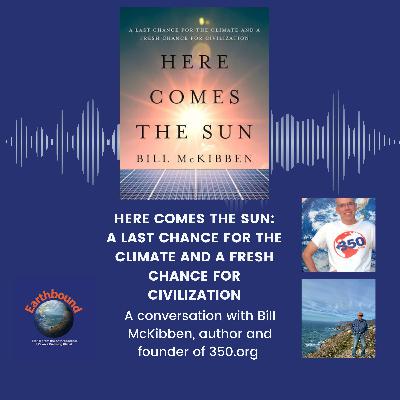
What if the sun, the same star that’s powered life on Earth for billions of years, could finally free us from the fossil fuel stranglehold that’s choking our future? That’s the question at the heart of this episode’s conversation with legendary climate activist and author Bill McKibben. In his latest book, Here Comes the Sun, McKibben delivers a message that's equal parts urgent and unexpectedly hopeful: after decades of fighting uphill against Big Oil, the economics of energy have fundamentally shifted, despite the rhetoric from vested interests and their bought-and-paid-for politicians. In 2024, more than 90% of new electricity generation globally came from renewable sources. Solar and wind aren’t “alternative" energy anymore, say McKibben, they are the future, and they're already cheaper, cleaner, and increasingly more accessible than fossil fuels. But the window to capitalize on this epochal shift is narrow, and the fossil fuel industry knows it, which is why they’ve purchased political power to protect their dying business model.McKibben doesn’t sugarcoat the climate crisis—he knows too much about the science for that. We've already locked in significant warming, and we won't stop short of 2 degrees Celsius. But he argues passionately that we're in a race to shave off every tenth of a degree we can, because each one represents 100 million people pushed out of livable climate zones. My conversation with McKibben explores practical, real-world solutions that are scalable right now: heat pumps, induction cooktops, electric vehicles, and even balcony solar panels that renters can plug directly into their walls. From California’s grid running on over 100% renewable energy during peak hours to China’s EV revolution eating the world’s lunch while America’s political leaders serve it up on a silver platter, McKibben paints a picture of a world in transition. This isn’t a conversation about distant doom or abstract policy—it’s about the tangible, human-scale changes we can make right now, and the massive structural shifts already underway that prove rapid transformation is possible. McKibben’s clear-eyed honesty about where we are, combined with his grounded optimism (though he says he isn’t an optimist) about what we can still do, offers a roadmap illuminated by the sun itself. The question isn’t whether the technology exists to save ourselves. It does. The question is whether we’ll choose to use it before it's too late. If you've ever felt paralyzed by the scale of the climate crisis, this episode will remind you that, even as we have backed ourselves into a corner, we have a brightly lit, if narrow, path out.Takeaways:Bill McKibben highlights the shift in energy economics where renewable sources are now cheaper than fossil fuels, marking a pivotal moment for climate action.The podcast emphasizes our deep connection to the sun, both biologically and emotionally, making renewable energy not just feasible but a natural choice for humanity.McKibben’s journey through climate activism illustrates how grassroots movements can reshape global agreements like the Paris Accord, showcasing the power of collective action.The conversation underscores that transitioning to solar and wind energy is not merely an alternative but the primary path forward for sustainable living.McKibben argues that while the climate crisis poses serious threats, there are still viable paths to mitigate its impacts through immediate, aggressive adoption of renewable energy.Resources:Bill McKibbenHere Comes the Sun350.orgThird ActInternational Energy Agency: 2024 Renewables Global OverviewEarthbound PodcastGlobalWarmingIsReal.com
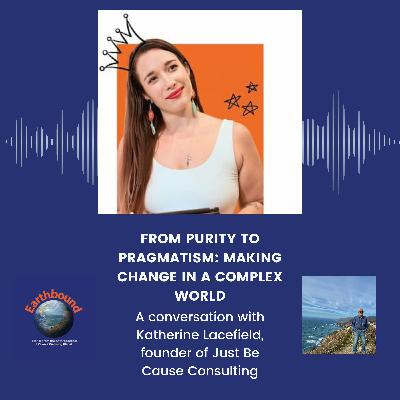
In a world of either-or thinking, where you’re expected to choose between hugging trees or hugging flags, Katherine Lacefield offers a refreshing alternative. The founder of Just Be Cause Consulting and host of the Just Be Cause Podcast joins us to dismantle the false binaries that plague environmental and animal rights movements. With candor and hard-won wisdom, she shares her journey from "crazy vegan" activism to a more nuanced understanding of how we create lasting change. Katherine reminds us that perfection isn’t the goal—connection is. Whether it’s a well-meaning mother buying the wrong cheese or an environmentalist grilling a steak, shaming people for imperfection only pushes potential allies away. The real work, she argues, lies in meeting people where they are and recognizing that caring about animals doesn’t mean you don’t care about people, and vice versa.Katherine’s extensive experience in nonprofit fundraising and philanthropy reveals a sector struggling with siloed thinking and resource distribution problems masquerading as resource scarcity. She challenges the philanthropic status quo, questioning why massive endowments sit in perpetuity while urgent environmental crises demand action now. Her vision for the future involves wealth transfer that empowers nonprofits to focus on impact rather than endless grant applications, and a cultural shift away from ego-driven legacy projects toward collaborative, intersectional problem-solving. From her travels across continents to her work with organizations bridging human and animal welfare, Katherine has witnessed firsthand how interconnected our challenges truly are—and how collaboration, not competition, offers our best path forward.This conversation tackles the uncomfortable truths about consumption, privilege, and the paralyzing fear of not doing enough. Katherine doesn’t offer easy answers because there aren’t any. Instead, she provides something more valuable: permission to be imperfect, encouragement to contribute according to your unique passions and bandwidth, and a framework for understanding that we don't have a resource problem—we have a distribution problem. In a time when despair and division seem to dominate the discourse, Katherine’s message is one of pragmatic hope rooted in gratitude, awareness, and the recognition that every authentic effort, no matter how small, matters.Takeaways In this episode, we explored the false dichotomy between environmental stewardship and human well-being.Kathryn Lacefield reminds us that pursuing purity in activism can alienate potential allies, leading to a counterproductive cycle of division.We discussed how viewing whatever motivates us as isolated issues neglects the deep connections among justice, environmental stewardship, and human well-being.The conversation highlighted the importance of empathy and collaboration in tackling climate challenges, reminding us that progress requires collective effort.Resources Just Because ConsultingJust Because PodcastEarthbound PodcastGlobal Warming Is Real

With this bonus holiday episode, I revisit a short article I originally wrote for a now-defunct website and republished on Medium back in 2022. Blood and Cigarettes takes us back to Christmas Eve and the trenches of World War I, and how redemption can be found in the unlikeliest of places.Ever since I heard the story of the Christmas Truce of 1914, it has intrigued me. The poignant tale of the 1914 Christmas Truce serves as a powerful reminder of our shared humanity, even amidst the chaos of war. This was not a truce fiercely negotiated by generals miles from the front, but an impromptu laying down of arms by the battered grunts in the trenches. The collective power of the human spirit reached across the barren no man’s land, transforming it into common ground.Standing shoulder-to-shoulder with their erstwhile enemies, they offered each other cigarettes, sang Christmas carols, and played football. The next day, they could return to war. Tonight was a different story.I keep coming back to this story at this time of year (especially this year) because it starkly illustrates the power of storytelling and mythmaking. Myth is not falsehood. We navigate the long night of winter, the dark solstice, with a tapestry of stories and myths patched together through the weaver of time. One thread that weaves its way through them all is our shared humanity. Try as one ideology or another would reject any common association with the other, it is there, a single fiber that binds us together even as we crouch in our trenches of imagined division.Can we not find inspiration in this tale, questioning our own narratives and the divisions they create? I challenge myself and you, dear listener, to seek common ground, to understand that we all inhabit this planet together, and to embrace our shared humanity.A New Name for Season TwoAs we conclude season one of the podcast, we are transitioning to our new name, Earthbound.We have many more great interviews and thought-provoking episodes in store for the new season.Thank you for listening.Takeaways:The 1914 Christmas truce during World War I exemplified humanity's capacity for empathy amidst conflict.Myths and narratives shape our lives, influencing our values, purpose, and ultimately our actions.In a poignant moment, soldiers from opposing sides united in the spirit of Christmas, transcending their enmity.The human condition is a constant struggle between our better angels and darker impulses, especially in times of strife.This holiday season, we are reminded of our potential to be a light in the darkness, just as those soldiers were.The fleeting peace of the Christmas truce highlights the importance of finding common ground in divisive times.Resources:The Story of the 1914 Christmas Truce
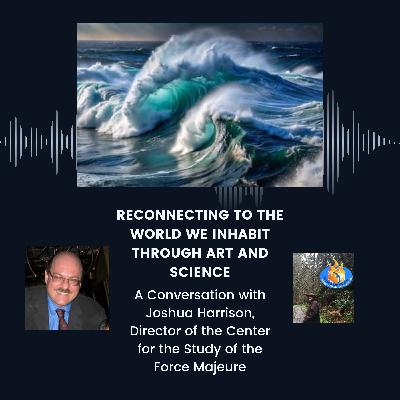
What Would The Ocean Say If You Could Ask It A Question?Exploring the intersection of art, science, and environmental activism, this episode features thought provoking conversation with Joshua Harrison, director of the Center for the Study of the Force Majeure based at the University of California, Santa Cruz. The art-science environmental research collaborative challenges us to rethink our relationship with the planet and provoke us into thinking beyond the status quo and our long-held assumption about how the world works and our relationship to it. Harrison's work lives at the edges: the intersection of disciplines, the boundaries between land and water, and the uncomfortable space between what we know and what we choose to ignore. Through immersive installations like the Sensorium for the World Ocean and community-based fire ecology projects with indigenous partners, Harrison is pioneering new ways to help us feel—not just understand—our impact on the world that sustains us. Harrison unpacks why our modern disconnection from nature isn't just a philosophical problem, but a practical crisis with deadly consequences. From the urban heat island effect claiming thousands of lives to overgrown forests fueling catastrophic wildfires, he reveals how abandoning circularity, community, and indigenous wisdom has left us vulnerable to the very "acts of God" his center studies. Yet Harrison refuses to leave us in despair. He traces the history of American innovation and destruction—from victory gardens to planned obsolescence, from universal education to the current brain drain—while pointing to concrete solutions: greening cities to match pre-colonial temperatures, recovering cultural burning practices, and building appreciating assets rather than extracting depreciating ones. The conversation explores how California's fire management thinking has shifted dramatically in just five years, proving that rapid change is possible when we're willing to learn.You Are Not Alone, And You Don't Have To Be PerfectThat's Harrison's message for anyone feeling overwhelmed by the scale of environmental crisis. He illustrates how mapping local resilience projects, connecting young people to place-based action, and finding the intersection of what you love, what you're good at, and what needs fixing offers a practical antidote to paralysis. As Gary Snyder reminds us: “Find your place in the world, dig in, and take responsibility from there.” Resources:Center for the Study of the Force MajeureLeaf IslandJoshua Harrison on LinkedIn

How I Felt Ridiculous When I Ordered Same-Day DeliveryIn this short bonus episode, I briefly examine the complexities of modern consumerism and the often-overlooked hidden costs of our convenience-driven shopping habits. As we rush into another holiday shopping season, I revisit a 2018 article that explored the darker side of online shopping convenience, particularly during events like Cyber Monday.The rapid evolution of retail and escalating consumer expectations, from the demand for same-day delivery to the profound human cost on logistics and fulfillment workers, present a stark reality. We’ll hear poignant accounts from industry workers, revealing the grim conditions that often go unnoticed as we click “buy now." As consumers, our knowledge and awareness empower us to make conscious decisions about what, where, and how we shop.Takeaways:The rapid convenience of online shopping has hidden costs, both financial and ethical, that we need to acknowledge. Witnessing the human toll behind instantaneous deliveries can change our perspective on what convenience really costs us. As consumers, we have the power to reshape expectations and demand better working conditions for retail workers. The dark side of e-commerce reveals uncomfortable truths about logistics and labor that are often overlooked. With increased awareness, we can make informed decisions about our consumption habits and their broader impacts.Resources:New York Times: The Daily Podcast: The Human Toll of Instant Delivery The Nation: Amazon’s Prime Sweatshop Is Nothing to CelebrateOriginal article in MediumGlobalWarmingIsReal.com
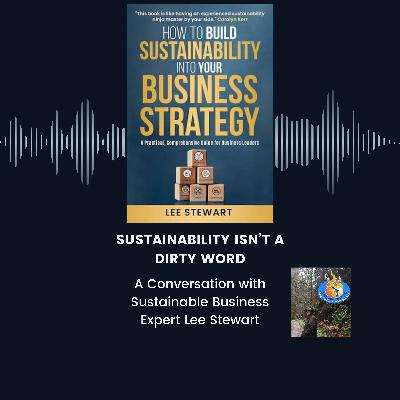
The 1970s “Crying Indian” campaign, as it came to be known, with its poignant imagery and simple message about littering, has left an indelible mark on American culture. Yet, as we unpack the history and implications of this campaign, we discover that not all was as it appeared. It served as a brilliant marketing tactic by corporations to shift the onus of pollution onto individuals, effectively masking the real environmental damage caused by corporate practices. The origins of the Keep America Beautiful campaign reveal how it was strategically designed to deflect attention from industry-generated pollution and place the blame squarely on consumers. The campaign highlights the pernicious nature of greenwashing and its evolution into the modern business landscape, where companies often prioritize image over genuine environmental responsibility. Our guest, Lee Stewart, is the author of How to Build Sustainability Into Your Business Strategy: A Practical No-Nonsense Guide for Business Leaders. His work and book provide insight into how businesses can navigate this complex terrain. He emphasizes the need to shift from superficial sustainability claims to authentic action. Drawing from his extensive experience across various industries, Lee outlines practical steps for integrating sustainability into business operations. He advocates for a triple bottom line approach, where profit, people, and planet are equally prioritized, and urges business leaders to engage their teams in meaningful conversations about sustainability. Takeaways:The iconic Crying Indian ad, while effective in reducing litter, also shifted blame onto individuals, diverting attention from corporate pollution. Cody Iron Eyes, the face of the ad, wasn’t actually Native American, raising questions about authenticity in environmental messaging. Authentic sustainability efforts must focus on systemic change rather than merely reducing individual litter, or they risk becoming greenwashing. Lee Stewart advocates for actionable sustainability strategies that genuinely engage businesses to create long-term environmental benefits. A robust sustainability strategy involves understanding the business’s impact, engaging employees, and aligning with customer expectations for a competitive edge. The call for transparency in sustainability practices is growing, with frameworks, like Lee Stewart’s Triple C framework, requiring companies to disclose their carbon emissions and environmental impacts.Resources:Lee Stewart Book, Bio, Media, and PressCody Iron Eyes and Keep America BeautifulGlobal Warming is RealEarthbound Podcast
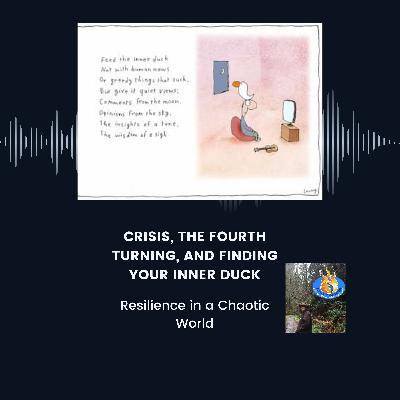
Feed the inner duckNot with human news Or greedy things that suck,But give it quiet views;Comments from the moon.Opinions from the sky.The insights of a tune.The wisdom of a sigh.-Michael LeunigHistory Doesn’t Repeat, But It RymesIn a world hurtling toward what feels like an inevitable cliff, our daily algorithmically fed news cycles have evolved from continuous to relentless, reaching a brutal intensity that leaves many feeling shell-shocked and powerless. We may be shell-shocked, but we are not powerless.In this episode, I explore parallels between our current political moment and historical patterns of crisis, highlighting the work of William Strauss and Neil Howe, who proposed the Strauss-Howe Generational Theory and the concept of “The Fourth Turning,” as described in their 197 best-selling book of the same name (and expounded upon in a 2023 sequel, The Fourth Turning is Here. The theory defines a Fourth Turning as a crisis period, a decisive era of upheaval that reshapes societies every 80 to 100 years. World War II ended 80 years ago.As we navigate what appears to be a contemporary Fourth Turning, characterized by authoritarian challenges, democratic erosion, and an alarmingly tepid response to the climate crisis, the question becomes not whether we can survive these historical forces, but how we can respond with wisdom and resilience.Seeking Our Inner Duck and the Work of Michael LuenigFrom here, my discussion takes a whimsical turn as I explore the wisdom of ‘following your inner duck.’ Australian artist and philosopher Michael Leunig renders a simple image of a humble man praying to a caring duck—his inner duck. The image is poignant in its simplicity.Amidst the noise, the notion of following our inner duck emerges as a whimsical yet profound metaphor for grounding ourselves in intuition and authenticity, reminding us to seek beauty and connection rather than get lost in the chaos. Leunig’s Duck invites a sincere approach to life, suggesting that by connecting with our inner selves—our ‘ducks’—we can navigate life’s storms and the historical forces bearing down with clarity and purpose.By prioritizing beauty, humility, and connection, we can cultivate a quiet resilience rooted in peace and empathy that not only helps us endure the present but also empowers us to navigate crises, a Fourth Turning, toward a brighter future.Ultimately, this episode is a thoughtful blend of history, philosophy, and practical wisdom, inviting us to reflect on our capacity for hope and action in the face of adversity.Takeaways:The relentless nature of today's news cycle can leave us feeling overwhelmed and disoriented, much like historical political blitzkriegs.Understanding historical patterns, such as Strauss and Howe's generational theory, can offer insights into our current societal crises and challenges.The importance of finding calm and balance, symbolized by the metaphor of following our inner duck, is crucial in navigating chaotic times.The Fourth Turning, as articulated by Strauss and Howe, suggests we are in a decisive era that will shape our society for decades to come.Even in the bleakest moments, maintaining hope and resilience is essential, as history shows us that crisis can lead to renewal and transformation.Engaging with our values and seeking beauty amidst chaos can help us remain grounded and effective in our responses to societal challenges.Resources:The Fourth TurningThe Strauss-Howe Generational TheoryMichael LeunigThe School for Duck Whisperers PodcastTSDW on LinkedInEarthbound PodcastGlobalWarmingisReal.com
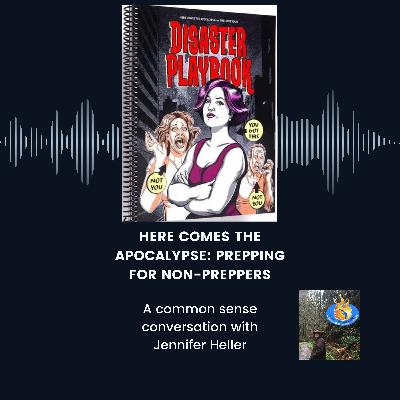
Here Comes the Apocalypse! Panicked or Prepared?The art of preparation in today's polycrisis, conspiracy-driven world is far from straightforward. In all cases, it is an art that encompasses, among other things, science-based common sense and community-oriented planning. Just as important is a sense of humor. With preparation, we can laugh in the face of the Apocalypse! As we navigate the eerie and unsettling landscape of climate change and societal upheaval, the notion of being prepared has evolved into a complex tapestry of ideologies and practices. Our guest, Jennifer Heller, the founder of Here Comes the Apocalypse, dives into this transformation, offering a refreshing perspective that strips away the theatrics often associated with disaster preparedness. Heller’s approach is grounded in community spirit and practical solutions, advocating for an informed yet light-hearted method of preparing for the unexpected. Through her personal experiences, including the loss of two close relatives' homes in two separate California wildfires, she emphasizes the critical importance of having a structured disaster plan that is accessible, sensible, and grounded in reality.Heller’s unique brand of humor shines throughout our chat, reminding us that while the topics at hand may often be grim, a dash of wit can make the daunting task of preparing for disaster a bit more palatable. Her program, Here Comes the Apocalypse, is not just about survival; it's about recovery and fostering a sense of community where preparedness is a shared responsibility. We conclude our conversation by remembering that, amidst the chaos, we should not lose sight of the joy in our daily lives.Humor and gratitude can keep us sane in crazy times.Takeaways:In an uncertain world, being prepared is not just a motto but a necessity for survival, as the reality of disasters is increasingly undeniable.Humor can play a crucial role in disaster preparedness, helping to lighten the weight of serious topics while equipping ourselves for potential crises.Local community engagement and cooperation are essential; when disaster strikes, your neighbors may be your best resources for support and safety.The traditional prepper mentality can be daunting, but practical approaches to preparedness can empower individuals without succumbing to paranoia or extremism.Having physical copies of important documents is vital; during a disaster, relying solely on digital information can lead to unnecessary complications and stress.Fostering a sense of community resilience not only prepares us for disasters but also cultivates connections that can enrich our everyday lives.Resources:Jennifer HellerHere Comes the ApocalypseFEMA Community Emergency Response TrainingEarthbound PodcastGlobalWarmingIsReal
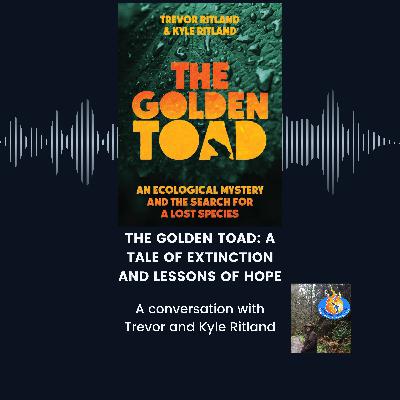
The Golden ToadIf you’re like me, by the time you first heard about the Golden Toad, it was already gone. A flash of gold high in the damp cloud forest of Costa Rica. This mysterious and elusive species, native to a tiny habitat in the misty clouds of Costa Rica, serves as a poignant reminder of the fragility of our ecosystems and the impacts of climate change. In this episode, I chat with Kyle and Trevor Ritland, authors of “The Golden: An Ecological Mystery and the Search for a Lost Species.” The Ritland brothers take us through their heartfelt exploration of this lost species, intertwining personal stories with scientific inquiry. Initially discovered in the 1960s, the golden toad became a fleeting marvel for scientists before being declared extinct just a few decades later. The episode paints a vivid picture of the golden toad’s unique habitat—its high-altitude, mist-laden world that mirrors the fragility of its existence.As the brothers recount their journey, they reflect on the ecological and emotional impacts of extinction. They discuss the dual threats of climate change and the chytrid fungus that may have conspired to silence the golden toad forever. Through their investigation, they emphasize the urgent need for conservation efforts in the face of global environmental changes. They also grapple with the ethical considerations of scientific inquiry, questioning how outsiders can respectfully engage with local ecosystems without causing harm. The episode leaves us pondering whether the golden toad truly vanished or if it remains hidden within unexplored niches of its mountainous home. The Ritland brothers inspire hope, even in the face of extinction, reminding us all that the loss of biodiversity is not just a tale of despair but also a call to action to protect our planet’s delicate ecosystems.Takeaways:The golden toad, once an icon of biodiversity in Costa Rica, was officially declared extinct in 2005, making its story one of both loss and ongoing mystery.Two primary factors contributed to the golden toad's extinction: climate change and the deadly chytrid fungus that decimated amphibian populations globally. Local communities play a crucial role in conservation efforts, balancing scientific inquiry with indigenous knowledge to protect the fragile ecosystems of Monteverde. The search for the golden toad highlights the interconnectedness of species survival and the importance of preserving habitats amidst climate change pressures. Despite being declared extinct, the possibility remains that the golden toad could still exist in undiscovered, damp microhabitats, prompting ongoing hope and exploration. Conservation initiatives like the Children’s Eternal Rainforest exemplify successful collaborations between local expertise and international support, aiming to preserve biodiversity. Links, References, and ResourcesThe Golden Toad: An Ecological Mystery and the Search for a Lost SpeciesKyle and Trevor RitlandAdventure TermChildren’s Eternal Rainforest Monteverde Conservation LeagueInternational Union for Conservation of Nature Red ListThe Golden ToadChytrid and ClimateGlobal Warming is Real
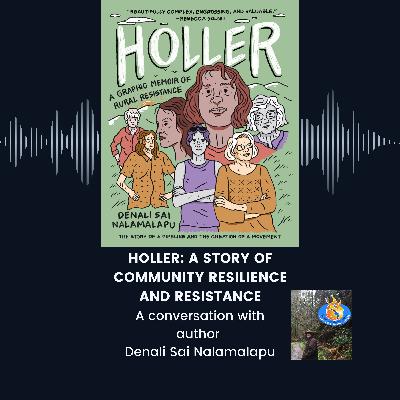
The Mountain Valley Pipeline and Stories of Resistance in AppalachiaAmidst the Appalachian dawn, our exploration of community resilience and environmental justice unfolds through the lens of Denali Sai Nalamalapu, author of ‘Holler: A Graphic Memoir of Rural Resistance.’ The Mountain Valley Pipeline (MVP) stands as a stark reminder of the battles waged by local communities against encroaching corporate interests. Denali expertly articulates the complexities of this decade-long struggle, revealing how the MVP’s construction, initially presented as a critical energy project, has instead become a symbol of corporate overreach and environmental degradation.The MVP was met with fierce and determined opposition from a diverse community of residents who understood the potential dangers it posed to their land, water supply, and way of life. We discuss the labyrinthine, back-slapping political maneuvering that allowed the MVP to be approved. A Faustian bargain at the highest levels, where environmental concerns and legitimate legal challenges were sidelined in favor of fossil fuel development–thanks to the intransigence of Senator Joe Manchin.Denali shares her experience and the stories of others who have dedicated a decade or more of their lives to the fight, demonstrating that the struggle against the MVP was not just about preserving land or one pipeline, but also about asserting the rights of communities to defend their homes. The episode highlights how grassroots activism can mobilize resistance across diverse voices as a powerful force against exploitation.The ongoing resistance against the expansion of the MVP into North Carolina serves as a testament to the indomitable spirit of those who refuse to back down in the face of corporate giants.Denali’s insights remind us that while the battle may be tough, the path toward justice, environmental stewardship, and energy sanity is one worth pursuing. We can confront the Goliaths of our time, armed with resilience, community, and an unwavering commitment to justice.Takeaways: The Mountain Valley Pipeline controversy underscores the conflict between local communities and corporate interests that prioritize profit over environmental well-being. Grassroots activism is not just a youthful endeavor; it encompasses voices from all ages, demonstrating the power of intergenerational solidarity in the pursuit of environmental justice. Despite the Mountain Valley Pipeline's construction, the ongoing resistance reflects a resilient community spirit that continues to challenge corporate exploitation of natural resources. Storytelling through graphic novels, as seen in Denali Sai Nalamalapu's work, is a compelling medium for conveying complex environmental issues to broader audiences. The fight against the Mountain Valley Pipeline underscores the importance of local knowledge and community connections in combating environmental injustices. Even in the face of setbacks, such as the pipeline's approval, the unity and determination of the Appalachian community serve as a beacon of hope for future climate action. References:Denali Sai NalamalapuHollar: A Graphic Memoir of Rural ResistanceMountain Valley PipelineMVP “Misleading and Disengenuous”Veterans fighting MVPGlobalWarmingIsReal
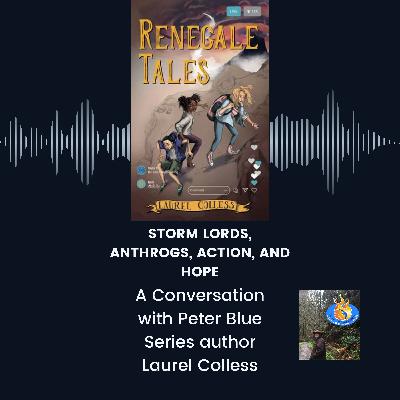
Vanquish the Storm Lords and Anthrogs!The power of stories to shape our understanding of the world is a central theme explored in this episode. We welcome Laurel Colless, an author dedicated to igniting the imaginations of young readers through her Peter Blue series of fantasy-adventure novels. By infusing her narratives with real-world environmental issues, Laurel not only entertains but also educates, allowing children and adolescents to confront the complexities of climate change. Our discussion explores how Peter Blue and his friends confront ecological challenges, transforming fear into hope and agency through teamwork and imaginative problem-solving. Our discussion navigates the challenges of communicating urgent topics to a younger audience without overwhelming them. Laurel shares her insights on how fantasy can be a vehicle for addressing serious issues, transforming fear into empowerment. We also touch on the significance of humor and hope in storytelling, emphasizing that these elements can provide a necessary balance in discussions about climate anxiety. As we follow Laurel’s journey from corporate sustainability to children’s literature, listeners gain insight into the transformative potential of narratives.This episode is a celebration of creativity and a testament to the importance of fostering a hopeful vision for the future, reminding us all that through storytelling, we can inspire change and resilience.Takeaways:We are a storytelling species. The most powerful technology throughout human history is storytelling, shaping civilizations and beliefs.As myth-makers and storytellers, we use stories to navigate our understanding of the universe and our place within it.Children's literature can be a force for good, addressing climate change through engaging narratives.Creating a compelling narrative around climate action is crucial for inspiring a global response to the crisis.Links referenced in this episode:Renagale TalesEye of the StormlordKnights UniteCarbon BustersGlobalWarmingIsReal.comqhEKEhYCVbb2vzmO5O8e
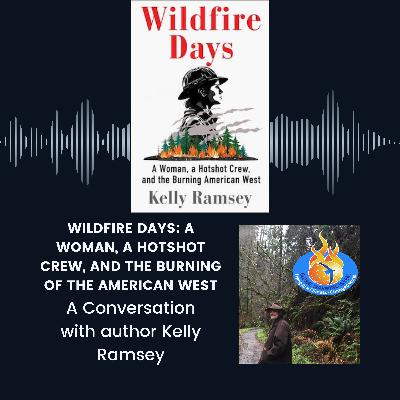
Wildfire Days"Wildfire is actually a natural part of our ecosystems and our landscape, particularly in the American West. Fires had been burning naturally for millennia and keeping the forest healthy.""It's the most incredible job. It's so fulfilling and exciting and fascinating... just seeing how fire moves on the landscape and how we can use fire intentionally to stop wildfires."-Kelly RamseyThe historical context of wildfire management reveals a legacy of suppression dating back to the Big Burn of 1910, which initiated a paradigm shift in how we perceive and respond to fire in our ecosystems. In this engaging episode, we confront the alarming reality of wildfires in California and the American West with someone who was on the front lines fighting wildfires during the most devastating and destructive years in California's history, when more than 4 million acres burned in 2020. My guest, Kelly Ramsey, is an engaging storyteller who brings a fresh perspective to the conversation as a hotshot firefighter and author of "Wildfire Days: A Woman, a Hotshot Crew, and the Burning of the American West." With a background in poetry and fiction, Kelly's journey to the fire line adds a unique and captivating narrative to the discussion. Our discussion touches on the pressing need for policy reform that embraces fire as a natural part of the landscape rather than something to be eradicated at all costs. In addition, she candidly shares her challenges as a female firefighter in a male-dominated crew and the complex dynamics of teamwork under extreme conditions. Through intimate storytelling, she reveals the physical and psychological demands of fighting fires on the front lines, the century-old forest management policies that have intensified today's wildfire crisis, what it takes to earn respect as the only woman on a testosterone-rich elite wildfire crew, and the complex dynamics of teamwork under extreme conditions. Our conversation weaves together personal narrative, environmental urgency, and a call to action for supporting the firefighters who risk everything to protect our forests and communities. Kelly's insights challenge common misconceptions about wildfire suppression while offering hope through indigenous fire management practices and community engagement.As we explore the psychological and physical demands of firefighting, this episode serves as a vital reminder of the human stories behind the statistics and the urgent need for community engagement and policy transformation in forest management.Takeaways: The historical suppression of wildfires has led to dangerously dense forests, increasing fire intensity. Indigenous practices of fire management are crucial for restoring ecosystems and preventing catastrophic wildfires. Wildland firefighting is a physically and mentally demanding job that comes with significant health risks and challenges. The mismanagement of forest resources has resulted in a crisis where climate change and wildfires converge dangerously. Despite the heroic efforts of firefighters, the system often undervalues their contributions and struggles with staffing shortages. Kelly Ramsey's journey from writer to firefighter illustrates the unexpected paths one can take in pursuing passion and purpose. Resources:Kelly RamseyBuy the Book!Grassroots Wildland Firefighters: A Voice for Federal Wildland FirefightersThe Big Burn of 19102020 GigafireGlobalWarmingisReal.comABC 10 (Opening Audio):https://youtu.be/roLRvN4W2XI?si=oPN0gwmmU-zLUBBm
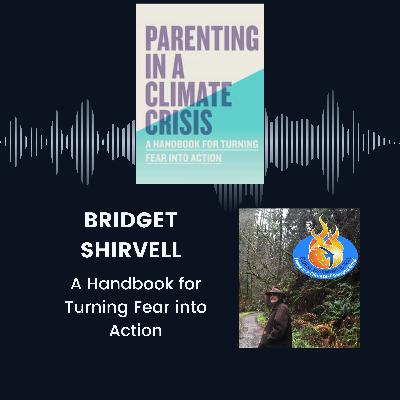
Raising Children in a Climate-Changed WorldMy conversation with Bridget Shirvell, author of 'Parenting in a Climate Crisis', explores the challenge of raising children in an era defined by environmental uncertainty. Acknowledging the universal desire of parents to leave behind a livable world for the next generation, we discuss how to balance hope and reality in parenting amidst climate anxiety. Bridget Shirvell's insights help guide parents in instilling a love for nature and equipping their children with the resilience and critical thinking skills necessary for navigating a world fraught with ecological challenges. She shares her own transformative journey from food systems reporter to a concerned mother, illustrating how personal experiences shape our understanding of climate issues. Our conversation explores practical strategies for parents, such as nurturing a sense of community and making everyday actions meaningful, as well as the empowering possibilities for shaping a better future together.Children are our hope, for they are the future. Our job is to prepare them for the world they will inherit. Parenting in a Climate Crisis: A Handbook for Turning Fear into Action helps guide a path forward. Takeaways: It's essential for parents to instill a sense of hope and resilience in their children about climate change, ensuring they can thrive in an uncertain world. Bridget Schirvell emphasizes the importance of nurturing a love for nature as a foundation for raising environmentally conscious kids amidst the climate crisis. Conversations about climate change don't have to be overwhelming; they can be integrated into daily life through simple actions and observations. Building community resilience is vital; sharing resources and fostering connections with neighbors can significantly mitigate the effects of climate challenges. Resources:Bridget ShirvellJournalist PortfolioGlobalWarmingIsReal

A Sound EnvironmentExploring the multifaceted nature of sound, this episode features an enlightening conversation with Chris Berdick about his book, Clamor: How Noise Took Over the World and How We Can Take It Back.Berdick discusses the physiological and psychological implications of noise pollution, drawing connections between our increasingly chaotic soundscapes and various health issues, including anxiety and heart disease. From the physiological impacts of noise, we briefly explore why simply measuring sound with a decibel meter fails to capture the full scope of sound perception, the toll of human noise in the natural world, and ways we can rethink intentional soundscapes.Berdick's insights encourage us to explore the profound impact of sound on our daily lives and consider how we might regain control over our auditory surroundings. While complete freedom from noise is neither attainable nor desirable, we can create healthier soundscapes for a more harmonious-sounding world.Takeaways:In our modern world, we're constantly surrounded by noise that impacts our health and well-being, often without us even realizing it.Chris Berdick highlights how both pleasant and unpleasant sounds shape our experiences and environments, influencing everything from stress levels to productivity.The increasing prevalence of noise pollution from sources like data centers and drone deliveries poses new challenges to our soundscapes and quiet spaces.Understanding the physiological effects of noise is crucial, as even low-level sounds can disrupt sleep and contribute to chronic health issues over time.Berdick emphasizes the need for intentional soundscapes, suggesting that we can create environments that promote well-being rather than detract from it.The concept of 'umwelt' explains that different species, including humans, perceive sound uniquely, underlining the importance of considering diverse auditory experiences in urban planning.Resources:Chris BerdikMore on ChrisQuiet Communities: Less BlombergJulia Barnett Rice (early noise control advocate)Hush City AppGlobalWarmingIsReal.com
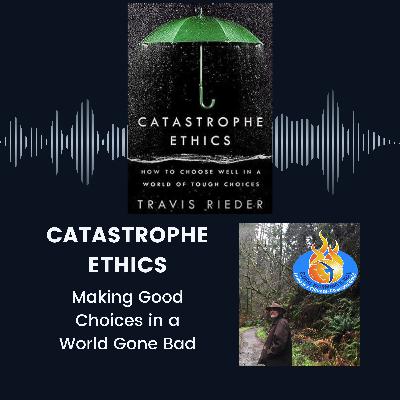
Find your place in the world. Dig in, and take responsibility from there.-Gary SnyderWhen the world faces existential threats like climate change, how do we make ethical choices that matter? In this thought-provoking episode, host Tom Schueneman explores philosopher Thomas Rieder's groundbreaking book "Catastrophe Ethics: How to Choose Well in a World of Tough Choices."Opening with a powerful scene from Netflix's "Landman," this episode confronts the fundamental ethical dilemma of our time: we're deeply embedded in harmful systems we can't easily escape. As Billy Bob Thornton's character bluntly states, fossil fuels run the world—until they don't. Stop them now, and civilization grinds to a halt.The Core Message:Travis Rieder's book, "Catastrophe Ethics," presents a compelling framework for navigating our moral responsibilities in the face of existential threats, such as climate change. At the heart of the discussion lies the pressing question of how individuals can act ethically in the face of overwhelming challenges that often render personal efforts seemingly insignificant.While individual actions may seem insignificant in addressing catastrophic threats, Rieder argues that collective action—the organization and alignment of many individual acts—creates meaningful change. Instead of succumbing to cynicism or denial, we need new moral tools for reasoning through unfamiliar ethical challenges.In this episode, I explore Rieder's insights, which encourage us to shift from a duty-bound sense of obligation to a more authentic, value-centered approach to our actions. By embracing ongoing reflection and adaptation, we can cultivate a more meaningful connection to our choices, even when the stakes feel impossibly high. Ultimately, the episode invites us to find our place in this complex world and take responsibility—no matter how small—because every action counts in the collective fight against climate change and other global crises.Rieder's investigation of climate change action within 'Catastrophe Ethics' reveals a profound and often frustrating reality: the ethical choices we face are frequently clouded by a sense of impotence against the larger backdrop of global crises. As we navigate through the complexities of individual agency versus collective action, we find ourselves grappling with the paradox that while our personal contributions may seem negligible, they are nonetheless crucial to the broader movement toward change.Rieder's call for a new ethical framework—one that prioritizes authentic values over rigid duties—invites us to rethink our approach to environmental stewardship. We reflect on how to cultivate a mindset that embraces adaptability and reflection in our daily choices, rather than succumbing to a sense of futility.By acknowledging the noise and distraction of modern life, Rieder encourages us to sift through the chaos and find actionable paths forward, all while sharing a few witty anecdotes about our attempts to navigate this moral labyrinth without losing our collective sanity.Key Philosophical Points Discussed:The Puzzle of Individual Action- Why individual actions feel meaningless against collective threats- The disconnect between moral imperatives and personal impact- How 8 billion people acting independently create informs "The Puzzle"Beyond Traditional Ethics- Why ancient moral frameworks struggle with modern polycrisis challenges- The limitations of duty-based ethics in addressing climate change- Moving from obligation to authentic, value-centered actionThe Statistical Insignificance Paradox- Individual carbon footprints are statistically meaningless- Yet, moral stakes for preserving civilization remain enormous- How collective action transforms meaningless individual actsPractical Applications & Insights:Daily Reflection: Rieder advocates for ongoing ethical reflection rather than predetermined moral pathsCombating Information Chaos: In our AI-saturated world, being well-informed (not ill-informed) becomes a moral imperativeFinding Your Place: Following Gary Snyder's wisdom—"Find your place on the planet, dig in and take responsibility from there."Key Takeaways:Traditional ethical frameworks weren't designed for global, interconnected crisesValue-centered ethics offer more flexibility than duty-bound obligationsIndividual powerlessness doesn't negate moral responsibilityCollective action transforms statistically meaningless acts into meaningful changeStaying genuinely informed is itself an ethical imperative in the post-truth eraEngagement in climate action, no matter how small, is crucial in our collective fight against inaction.Call to Action:Ready to explore how you can make ethical choices in our complex world? Visit TravisRieder.com to learn more about catastrophe ethics, order the book, and discover practical ways to align your values with action. Remember: no amount of engagement is too little when we act collectively. For more resources on climate action, visit GlobalWarmingIsReal.com and join the conversation about creating meaningful change in an age of crisis.Explore a logic tree of Reider's ideas and concepts
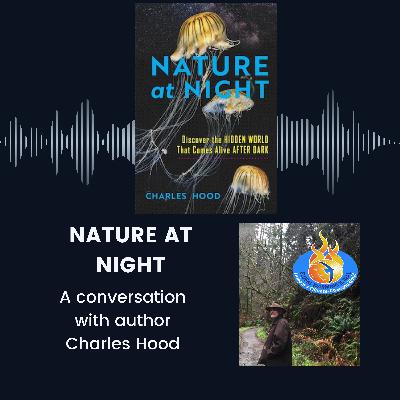
It's 3:00 AM. All is quiet, the world is asleep.But is it?In this illuminating episode, we journey into the darkness to explore the vibrant and often overlooked world of nocturnal creatures, guided by the passionate insights of naturalist Charles Hood. His book, Nature at Night, serves as our compass, leading us through a landscape where life thrives under the stars.Hood paints a vivid picture of the night as a time of transformation and activity, challenging the commonplace notion that all is quiet when darkness descends. Instead, he reveals a dynamic ecosystem full of sounds, movements, and interactions that awaken our sense of wonder.From his unexpected path through academia to his extensive travels documenting wildlife in remote corners of the globe, Hood's extensive experiences as a naturalist and writer inspire us to appreciate even the most overlooked aspects of our environment, from the familiar raccoons in our backyards to the mesmerizing vertical migrations of oceanic creatures.Hood maintains an optimistic outlook, reminding us that nature will persist, adapt, and thrive, regardless of the challenges it faces. His insights serve as a call to action for all of us to cultivate curiosity and appreciation for the natural world, urging listeners to step outside, explore, and connect with the life that surrounds us, especially in the magical hours of the night.Books by Charles HoodNature at Night: Discover the World That Comes Alive After Dark, From Timber PressA Salad Only the Devil Would Eat: The Joys of Ugly Nature, From Heyday BooksDouble Hyenas and Lazarus Birds: A Sideways Look at the Pacific Ocean and Everything in It, From Heyday BooksMore books by Charles HoodTakeaways:Nature is a dynamic cycle, thriving at night when the human world is asleep, highlighting the unseen beauty that flourishes in darkness.Charles Hood's exploration of nocturnal life encourages us to appreciate the often overlooked aspects of nature that exist right outside our doors.The concept of ugly nature, as expressed by Hood, challenges our perceptions and invites us to find beauty in the mundane and forgotten places.Understanding the vertical migration of ocean creatures reveals a complex, interconnected web of life that continues to inspire curiosity and fascination among nature lovers.Hood's journey through his unconventional educational path illustrates that persistence and a willingness to embrace the unexpected can lead to incredible experiences in life and nature.The podcast emphasizes the importance of supporting local bookstores, as they play a crucial role in keeping our literary culture vibrant and accessible.Links referenced in this episode:timberpress.comheydaybooks.comMonterey Bay Aquarium
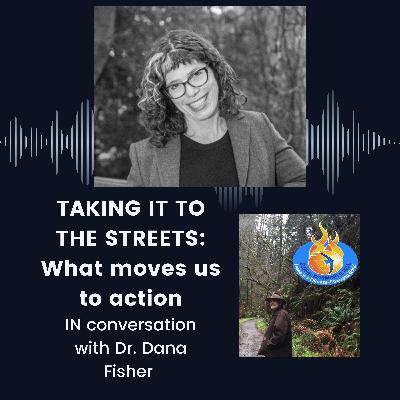
Taking It to the StreetsProtests and social movements are often seen as spontaneous eruptions of public sentiment. What drives people to take to the streets? What motivates them to take their anger and frustration offline, out in the open? In this insightful conversation with sociologist Dana Fisher, we explore the motivations behind collective action, especially in today's political climate of rising authoritarianism under the Trump administration. Dr. Fisher, a leading voice in climate sociology, examines how various social issues intersect, particularly how the current political environment has galvanized protests surrounding climate change, civil rights, and the decimation of federal services. Fisher's extensive fieldwork provides a nuanced understanding of how communities respond to crises. Her books and articles provide a roadmap for how individuals can contribute to meaningful change from the ground up, within their communities. She argues it is up to us, not outside forces, to shape our desired future. But we have to participate. "There are no free riders."Fisher shares her latest research and insights into the motivations of protesters, drawing parallels between the current resistance movements and historical precedents. Climate change, she argues, is not just a standalone issue but is intertwined with broader struggles for justice and equality. Social movements can coalesce around shared grievances, revealing that while climate may not always be the primary motivation for protestors, it is nevertheless a significant part of a larger narrative of resistance. As Fisher articulates, understanding these connections is crucial for fostering solidarity among diverse activist groups, and she encourages listeners to engage deeply with their communities to effect change.Books by Dana FisherBuy Saving Ourselves at this link and get 20% off with the code #COP20. Use the same code for 20% off on American ResistanceTED TalkHow to Be an Apocalyptic OptimistNotable Quotes from Dr. Dana Fisher"Climate will not be the unifying motivation, but what we will see is that climate is part of a cluster of motivations that is driving people to participate. At the Hands Off rally in April, 66% of the people in the streets said that climate was one of the issues that was motivating them.""We are in the apocalypse right now. And how far we go down that road is not really going to be determined by Donald Trump or his administration… We have to decide that. And I believe in the promise of America.""What we know from research is that when people feel anger, it actually gives you a sense of reason, and it gives you the motivation to get involved… It is a wonderful time to be angry and to think about what is the thing that you have to prioritize.""Nobody's coming to save us. We must save ourselves—in our communities, with our neighbors. We can make the world we want, but only if we participate in its making.""Rather than helping to win elections in other states, you should be building real capacity to win elections and win the issues you care about in your community. There are so many climate issues that we can address in our local communities."Takeaways Understanding the motivations behind protests helps us grasp the catalysts driving social change. Sociologists are crucial in deciphering public attitudes toward social movements and climate action. The Trump administration's policies have sparked economic uncertainty and a cultural backlash among activists. Climate change increasingly intertwines various social justice issues, galvanizing diverse movements. To foster resilience in our communities, we must engage locally and empower our neighbors to effect change. Hope lies in collective action; we must actively participate in creating the future we desire. This episode was recorded in May 2025. For more episodes and resources on climate action, visit globalwarmingisreal.com.#ApocalypticOptimism #ClimateAction #SocialMovements #CommunityResilience #PolyCrisis #ClimateJustice #Resistance #SavingOurselves

Comments

Download from Google Play

Download from App Store
 United States