


 Claim Ownership
Tulip Church Podcast
Subscribed: 0Played: 0
Subscribe

© 2026 Tulip Church
Description
A small town Church on Tulip Road, "Ordinary Folks serving an extraordinary God."
51 Episodes
Reverse
In this Lenten sermon, we explore what it truly means to be a “living sacrifice.” Moving from reflection to action, the message unpacks Romans 12 and challenges us to see sacrifice not as a one-time act, but as a daily, wholehearted surrender to God. Lent becomes an invitation to live fully for the One who gave everything for us.
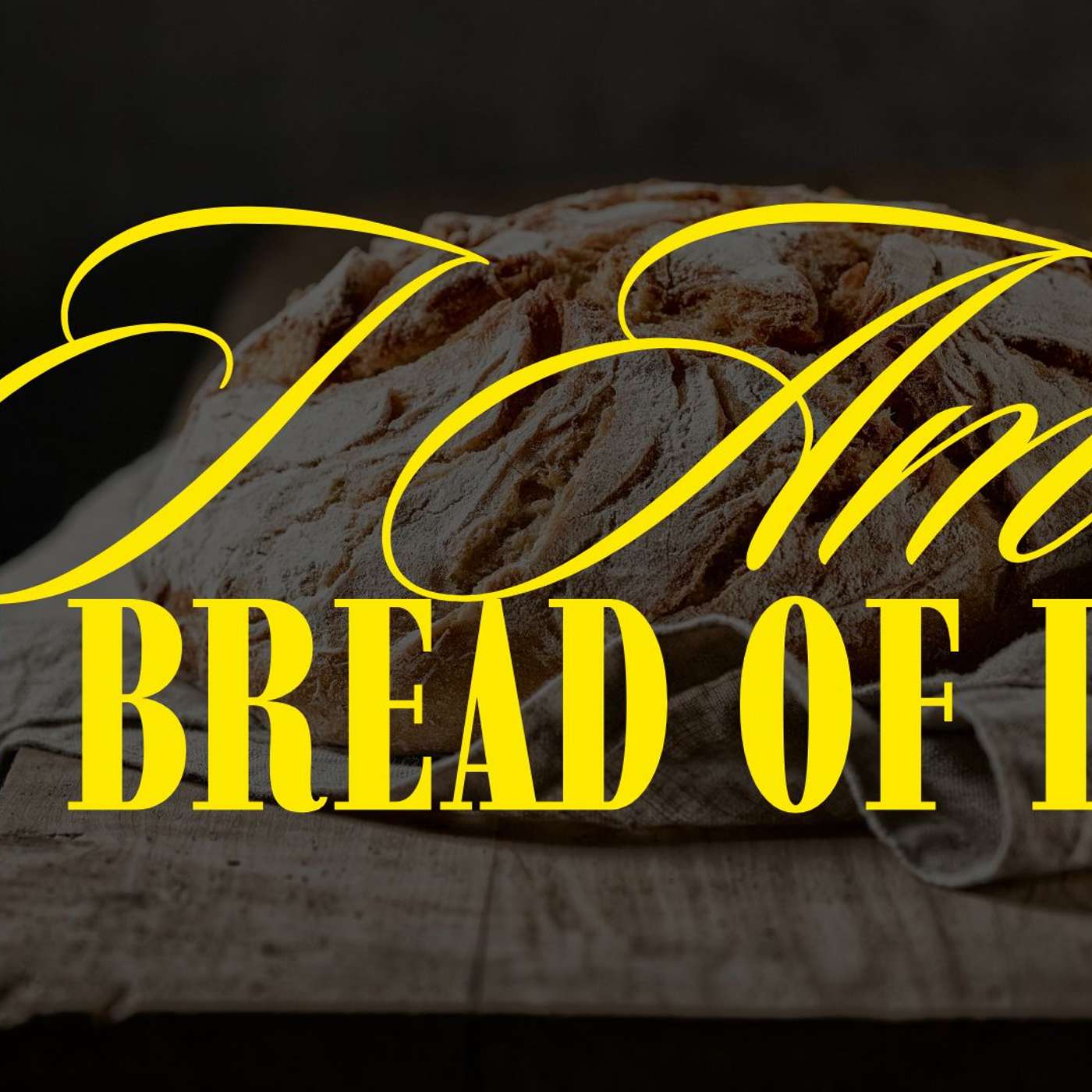
What does Jesus really mean when He says, “I am the Bread of Life”? In this message from John 6, we unpack why that statement sounded strange then—and why it still challenges us now. By looking at bread in its original, life-sustaining form, the story of manna in the wilderness, and the crowd that wanted another meal instead of more of Jesus, we’re invited to ask an honest question: What kind of bread are we asking for? This episode points us back to Jesus as the only source that truly satisfies, sustains, and gives life.

Celebration isn’t just a holiday mood—it’s a spiritual discipline woven throughout Scripture. In this episode, we wrap up our series on Spiritual Disciplines by exploring how God calls His people to remember, rejoice, and celebrate together. From Israel’s festivals to Jesus’ parables of lost things being found, we’re reminded that following Christ is meant to be marked by joy. We’ll look at why celebration matters, how it shapes our faith, and how practices like baptism and communion invite us into shared joy, unity, and gratitude for all God has done.

This episode explores the difference between attending worship and truly practicing it. We look at worship and meditation as spiritual disciplines that require participation, not passive observation. Through Scripture and reflection, we’re reminded that worship is about recognizing God’s worth through praise, prayer, and posture—both together as a church and alone in quiet meditation. Following Jesus’ example, this conversation invites us to move beyond checking a box and instead offer our lives as a genuine act of worship.

What does it really mean to keep the Sabbath holy? In this message, we explore Sabbath as both a day and a discipline—not just something we observe, but something we practice. Looking at Scripture and the example of Jesus, we discover how rest, worship, community, and intentional renewal prepare us for the work God calls us to do. The Sabbath wasn’t made to restrict us, but to restore us—and to help us live from a place of rest, not exhaustion.

What does true service look like in the Kingdom of God? In this sermon, we explore the spiritual discipline of service through Philippians 2 and Jesus’ example of washing His disciples’ feet. Discover how shifting from a first-person mindset to a Christ-centered, others-focused life shapes us to look more like Jesus.


As 2025 came to a close, the Lord spoke to us words of hope, and challenged Tulip to embrace the inevitable changes coming in 2026
In this message, we explore the prophecy of Immanuel from Isaiah 7 and Matthew 1, uncovering its original context and its lasting impact. Through the story of King Ahaz, Isaiah, and a nation struggling to trust God, we see how a familiar Christmas prophecy carries both immediate consequences and eternal hope. This sermon reminds us that God’s promises are not just fulfilled in the past—they are alive in the present. Immanuel, “God with us,” still changes our past, our present, and our future.
What are the odds that one life could fulfill ancient prophecy? In this episode, we examine the remarkable probability of Old Testament prophecies and how they come together in the birth of Jesus. From a star in the sky to gifts from kings and the sorrow felt in Bethlehem, we see both the wonder and the weight of God’s redemptive plan. This conversation invites us to hold hope and heartbreak together, recognizing God’s faithfulness—and our calling to rejoice with those who rejoice and weep with those who weep.
In this episode, we explore the Old Testament prophecies surrounding the birth of Jesus and why they matter today. From Bethlehem to Egypt to Nazareth, we trace how seemingly conflicting prophecies are perfectly fulfilled in Christ. Along the way, we reflect on God’s faithfulness, the purpose behind Jesus’ journey, and what these fulfilled promises reveal about God’s hand at work in our own lives—right here, right now.
This message flips our perspective on people we often overlook. Instead of seeing crowds as draining, needy, or inconvenient, Jesus calls them the harvest—valuable, wanted, and worth our effort. Matthew 9 shows Jesus moved by compassion, not frustration, and He invites us to see people the same way.The church isn’t a storage bin for the already-fixed; it’s a place where the broken and the workers stand side-by-side. As we head into the holidays, this challenge becomes even more urgent: notice the unseen, respond with compassion, welcome the hurting, and stop being picky about who deserves our time.Sow generously. Love widely. Create space for growth.Because the harvest is bigger—and closer—than we think.
In this episode, we step into the Thanksgiving season by exploring the deeper meaning behind Jesus’ parable of the sower in Matthew 13. While many focus on the soils and the harvest, we shift our attention to the sower—and what it means for us as followers of Christ. With growing needs in our community and countless opportunities to serve, we’re reminded that our calling is to generously scatter the seed of the Gospel without hesitation or fear of failure. Join us as we talk about excuses, obedience, and the beauty of being sowers in a world that’s hungry for hope.

In this episode, we wrap up our series on excuses by looking at the call of Jeremiah and Jesus’ parable of the great banquet. We’ll explore why we often feel “not ready” when God calls us, how everyday life can distract us from spiritual invitations, and what can happen when we choose to step past our excuses and say yes.

This week we looked at Gideon in Judges 6–8 and the excuses he gave when God called him. Gideon felt too small, asked for signs, worried about what others thought, and feared being wrong — just like we often do. But through every excuse, God reminded him: “I will be with you.” The challenge for us is simple — don’t let fear become the reason we say no to God.

In this episode, we dive into 1 Samuel 15:1–23 and the story of King Saul — a man chosen by God who let excuses and pride lead to his downfall. We unpack how Saul’s disobedience began with a simple thought: “That doesn’t make sense.”From blaming others to justifying his actions, Saul’s story shows how easy it is to twist truth when obedience feels inconvenient.Join us as we explore what it really means to trust God’s commands, even when they challenge our logic, comfort, or pride. Because in the end, as Samuel reminds us, “To obey is better than sacrifice.”👉 Tune in for a real and relatable look at faith, excuses, and the power of obedience.

In this episode, we kick off a new series on the heroes of the Bible—ordinary people chosen by God who had extraordinary excuses. This week, we dive into the story of Moses at the burning bush. Despite his doubts, insecurities, and feelings of unworthiness, God called him to lead His people. We’ll explore how Moses’ excuses mirror our own and how faith—not fear—empowers us to move beyond them.Join us as we learn what happens when we let God overcome our excuses.
The Gospel is more than a personal decision—it’s the fulfillment of God’s promises and the creation of a kingdom community. In this episode, we explore how Jesus completes Israel’s story, establishes His church, and calls us to live as His body together. From repentance to daily surrender, the Gospel is a journey of transformation—yesterday, today, and forever.

Comments

Download from Google Play

Download from App Store
 United States