DiscoverThe Obsession Podcast
The Obsession Podcast
Claim Ownership

The Obsession Podcast

Author: Karl Bethke & Mike Stadler

Subscribed: 4Played: 7
Share

Description

This is a podcast for the obsessed, and life changing habits needed to take deer with a bow every season! We talk about the techniques that we have used over the last twenty five plus years to take great bucks on film with bows. We will give you information on land layouts, tips like mock scrapes, food plotting, timberstand improvement. Things we have used to take well over two hundred plus deer on film over the years. We came up with this idea to help everyone become a more effective hunter, and to help boost your success in the woods. We are looking forward to helping everyone to have a more fulfilling hunt at every level. Our back ground we have worked in the hunting industry in many levels for over 25yrs. We did the TV thing we worked for Summit treestands on their TV show Summit high place for years. When they sold the company we moved on to our own company RushOutdoorswi, then the Obsession TV which allot of you watched on the hunt channel. Our show The whitetail Obsession was quite popular. When we seen how the decline of the shows at that level was changing, and not representing the everyday hunter we started RushOutdoorswi YouTube channel. A channel for real hunts with well over three hundred hunts it has become quite popular also. We thank all of you for the success. Thank You! We have now been asked to do podcasts on many different aspects of hunting, and to share our 25 plus years each of hunting knowledge to help everyone become a better hunters. We believe that we can help more people become successful at this level, and are excited about this new venture. We are excited to hear your questions, and give you the answers that we believe will help you get the buck of a lifetime! Remember you can listen right here, Apple Pocast, Goggle Podcast, Iheartradio Podcast, Spotify Podcast, and ask questions. Remember you can see the show if you want to see our ugly mugs on our YouTube channel RushOutdoorswi, and remember to subscribe to the channel. Also remember to ask us anything you want to know about hunting. You can ask your questions right there on the comments at our YouTube channel, or you E mail questions to rushoutdoorswi@gmail.com. Thanks for listening, and all of your support.
218 Episodes
Reverse
Land and buck and QDM management differences 101. This is part one of three in a discussion on the differences between Land Management, and Buck management, and of course QDM. We start with the last one QDM. Mike and Karl Discuss QDM. Why most people can't really do it, and even more so the misconception of what QDM really is. In the up coming weeks we will discuss Land Management, and Buck Management in depth on the shows. Lets get into it here we go. Our view of Quality Deer Managements pros, cons, and misconceptions. Thanks for watching and leave us your comment let us know what you do on your properties you hunt. Or are you a meat hunter or hunt to just get out and enjoy the great oppurtunities we have in our great country. Thanks for watching we appreciate each of you.
What is hunting success each Year? Kathy asked the guys what they think hunting success is each year. The Mike and Karl do their best to describe what they believe hunting success is well at least for them! What do you think hunting success is to you? Put it in the comments. We want to hear what each of you thinks you need to have done to feel successful. We hope you all enjoy the show and the comments from others. Also we have the BS corner. A question or comment of the week at the end of the show where we talk about what we have seen on the socials that we think is complete BS. Give us your two cents on that also. As always we appreciate each of you and have a great week.
Regrets when it comes to buck hunting. Mike and Karl are asked by Kevin if they regret anything or have they ever regretted shooting a buck at anytime? Man that is a question for sure the guys have been at this for a lot of years.But Kevin here is what the guys have to say about regretting of shooting any of the animals they have hunted over the last 30yrs, and some of the thoughts they have on why you should never have any regrets on animals you take or hunts or hunting tactics you have or use. But the guys get in some deep thoughts on this one for sure. as always thanks for watching. #theobsession #theobsessionpodcast #deerseason #rushoutdoorswi #bowhunting #hunting #deerhunting #deerseason #whitetail #huntinglife #hunting #imatthegymwhereareyou #iminthewoodswhereareyou #huntingtalk
Food plots are they ruining your hunting? Becky asked Mike and Karl about foodplots hunting them locations on where and when to hunt them. Do we think they are ruining your hunt? Heck ya we think so here is why. The consensus among many seasoned hunters is that while food plots are excellent for habitat and herd health, hunting them incorrectly or too often can absolutely ruin your hunting opportunities by educating deer to avoid the area during daylight hours. The key issue is not the food plot itself, but the hunting pressure and access/exit strategies surrounding it. Here is a breakdown of why food plots can seem to ruin your hunt, and the general locations and times recommended for hunting them effectively: Why Food Plots Can Ruin Your Hunt Educating Deer: The biggest problem is overhunting, which quickly teaches mature bucks to only visit the plots after dark. Deer are highly sensitive to human presence (scent, sight, sound) and will adapt their movement patterns to avoid danger. Poor Access Routes: If your entry and exit routes to the stand cross through staging areas or bedding cover, you will spook deer before you even settle in, making the entire area unproductive. Unrealistic Expectations: Many hunters expect deer to appear in daylight simply because a plot exists. If the plot lacks adequate nearby cover, or is in a high-pressure area, deer will not feel secure enough to use it during the day. Focus on the Wrong Time/Location: Hunting destination plots (large, primary food sources) is often ineffective for mature bucks, who prefer to use staging areas just inside cover before committing to the open plot at dark. Locations and When to Hunt Them Instead of hunting directly over the main food source, experts like Mike and Karl (implied from the user's prompt context and general hunting advice) advocate for a more strategic approach: Hunt Staging Areas: The most consistent success for mature bucks is found in transition areas or "staging areas" between bedding cover and the main food plot. Set up stands in these locations (often 50-100 yards away from the plot itself) where bucks feel safer during daylight hours. Use "Sanctuary" Plots: Designate certain high-quality plots as sanctuaries where you never hunt. This gives the deer a safe place to feed, encouraging consistent use of your property. Plan Access First: Only place stands where you can access them without being detected by deer. Access and exit routes should be planned based on prevailing winds and terrain to remain scent-free and out of sight. Match Plot Type to Season: Early Season:Small staging plots near bedding areas are highly effective. The Rut: Focus shifts to doe bedding areas and travel corridors, with food plots being effective during specific conditions or in conjunction with these other areas. Late Season: Large, nutritious destination plots (like standing grains or brassicas) become more valuable as other food sources diminish. Hunt Sparingly: Hunt premier food plot locations only a maximum of one or two times per season, and only when conditions are perfect (e.g., the right wind, just before a weather front). Ultimately, food plots are a powerful tool for habitat management, but success in hunting them depends heavily on managing hunting pressure and employing smart, strategic positioning away from the main food source to ambush deer in more secure, natural movement areas.
Mike and Karl, hosts of The Obsession Podcast, have discussed how fog can influence deer movement, noting that the condition of the fog—its density and duration—plays a role in hunting success. They and other hunters have observed both positive and negative scenarios for buck movement depending on the fog's characteristics. Findings on Fog and Deer Movement Here is a summary of the points discussed by Mike and Karl, supported by general hunting consensus: Positive Scenarios (Good Fog): Increased Sense of Security: Many hunters, including those sharing opinions on Facebook, believe deer feel safer and more likely to move in the fog due to reduced visibility, which they use to their advantage. Delayed Morning Movement: Deer may move later into the morning, especially as the fog begins to lift or "burn off," providing opportunities for hunters who stay in their stands longer. Enhanced Scenting Conditions: The high humidity and dampness associated with fog can increase a deer's ability to smell, potentially making them move more cautiously but also providing advantages to a hunter who manages their wind effectively. Negative Scenarios (Bad Fog): Extremely Diminished Visibility: Very dense fog significantly limits a hunter's visibility, making it difficult to spot or take a clean shot at a distance, which can decrease confidence. Secretive Behavior: Some research suggests that whitetails become more secretive and movement can be minimal during periods of dense, unsettled weather associated with low-pressure fronts that bring fog. Scent Pooling: The dense air in foggy conditions can cause scent to "pancake" or hug the ground, making wind direction crucial and increasing the risk of a deer smelling the hunter and spooking. Summary of Best Practices Based on their experiences and documented findings, the guys suggest: Stay in the stand longer, past first light, as movement may occur later in the morning. Be meticulous with scent control and pay strict attention to wind direction, as scent behaves differently in dense, humid air. Set up in locations where you anticipate deer movement once the fog begins to clear, such as field edges or transition areas, as movement often increases right after the fog lifts. What specific type of terrain do you typically hunt in when faced with foggy conditions, and would you like some tips for setting up in that environment?
2025 end of year discussion the good and the bad from this season things we learned, and some things we want to forget! Karl and Mike discuss the season. We also hit on a couple of your questions and thank you all for watching this season. We share the success from many of our listeners. Happy New year to all of you, and as always we appreciate each of you. Thanks for watching.
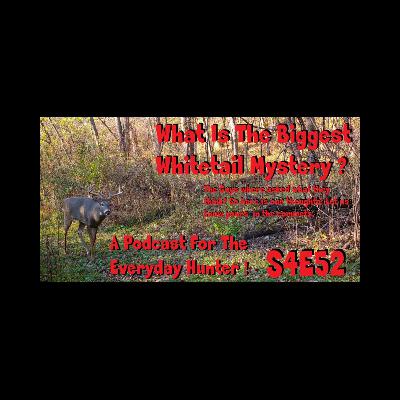
The biggest whitetail mystery? The guys are asked in thier minds what is the biggest whitetail mystery? Karl and Mike sit down and discuss a few of the major things they have seen over the last 30 plus years of hunting that has been the hardest to understand, or to try and figure out why the whitetails do what they do. Let us know what you think is the hardest thing to figure out when you are hunting your areas. Put it right here in the comments lets have a discussion we want your opinions. As always thanks for watching we apprecaitae each of you, and we hope you had a Merry Christmas. 2026 is just around the corner.
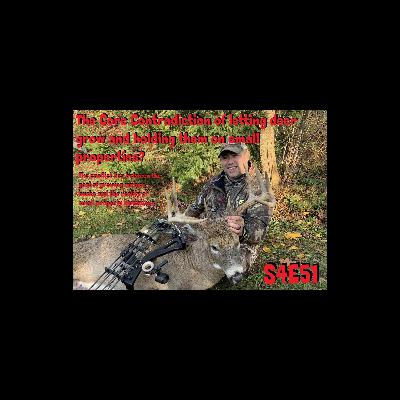
The Core Contradiction of letting deer grow and holding them on small properties? The conflict lies between the goal of growing mature bucks and the reality of small property limitations. "Letting Them Grow" (The Goal): To harvest mature bucks (often 3.5 to 5.5+ years old), you have to pass on younger bucks. The mantra is "Let them go, so they can grow." This requires a long-term investment of time and restraint. "Holding Them" (The Problem): Home Range vs. Property Size: A mature whitetail buck's home range is typically much larger (often 640+ acres or a square mile) than most small hunting properties (e.g., 20, 40, or 80 acres). The Risk: You cannot physically "hold" a free-ranging buck on a small property 100% of the time. When you "let him grow" and he wanders off your property (which he inevitably will to feed or breed), he is at risk of being harvested by neighbors who may not share your management goals. The Paradox: By improving your land to hold more deer, you may attract more bucks, but you also risk feeding and housing them only for them to get shot the moment they cross your fence line. Common Discussion Points on This Topic Becoming the "Core" Area: Accepting that you can't hold a deer 24/7, but striving to be the place where he spends his daylight hours (bedding) or feels safest. The Sanctuary Concept: Designating a large percentage of a small property as a "no-go" zone for humans so deer feel virtually unpressured, encouraging them to stay during daylight. Neighborhood Co-ops: Trying to build relationships with neighbors to get everyone on the same page about age-structure goals (though this is often difficult). Attraction vs. Pressure: The balance of improving habitat (food plots, timber stand improvement) without pressuring the deer off the property with too much human activity.
"We discuss the self-defined 'hunter' versus 'killer' labels on social media. Honestly people, what the hell is with the killer labels in social media? The word 'killer' should never be associated with hunters or hunting. A killer is in jail! A good hunter is a totally different thing! The guys talk about this label that many hunters nowadays think is a sign of excellence. In reality, it's disrespectful to hunters in general and makes us all look bad in the public eye. Being a good hunter starts with respect for the game you are hunting. We talk about excitement, respect, and remorse—the three main things we think every hunter in the world experiences with the harvest of any animal he or she pursues. As always, we want to hear your thoughts. Leave them right here in the comments. We appreciate each of you! Have a great week and good luck out there if you are still hitting it hard." #theobsessionpodcast #hunting #deerhunting #outdoorlife #bowlife #hunting #landmanagement #huntingtips #whitetailhunting #whitetailhunting #huntingtips #outdoorlife #huntingethics #rushoutdoorswi #iamatthegymwhereareyou #iaminthewoodswhereareyou #bowandarrow
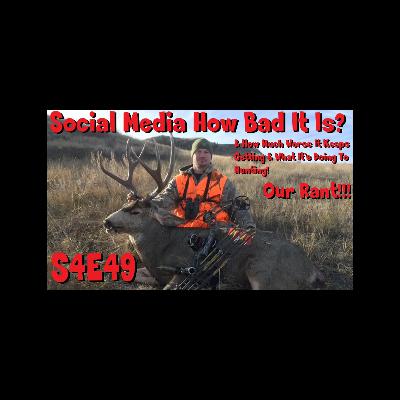
Social media and how much worse it keeps getting our rant on this subject. The guys sit down and talk about what they have seen change this year even more then the past few years on social media. We discuss what we see happening good and bad in our industry. Is all of this B.S killing hunting? Are you actually learning anything, and most importantly. How do you guys feel about what you are seeing here on social media? We really want to here your views so leave a comment here in the comment section on our Youtube channel. As always thanks for watching and we appreciate each of you. Have a great week we will see you next Saturday.
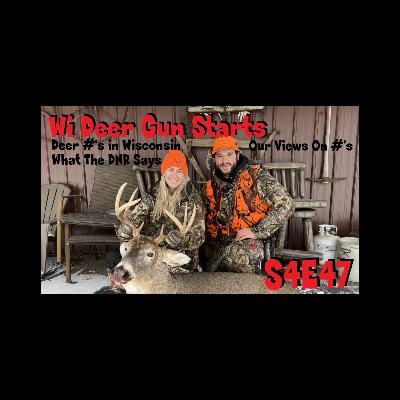
Deer gun season starts and the Wisconsin DNR puts out deer #'s in the state. Well its gun season here in Wisconsin. We wish everyone good luck and be safe out there. The guys are heading to North Dakota to chase whitetail with a bow. But before they left that talk about the crazy number the Wisconsin DNR says we have for deer they also hit on gun deer season in our state. Expectations and thoughts for success. Besafe and we appreciate each of you. Good luck. #theobsessionpodcast #deerhunting #bowhunting #huntingseason #huntinglife #deerseason #huntingtips #whitetail #whitetailhunting #huntingtips #iminthewoodswhereareyou #strengthinthehuntpowerinthegrind
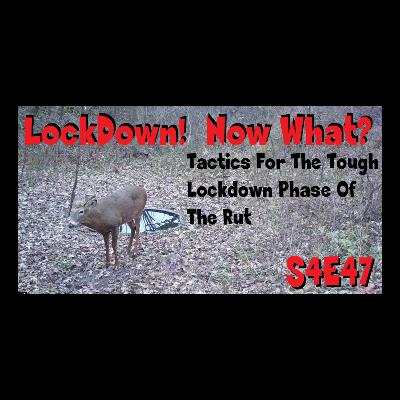
Lockdown now what? Tactics for Success. Well if you still have a tag it is a time consuming sit for the next week or so. That said there are a few tactics Mike and Karl use for success over this time and the guys hit on them in the podcast. These are what the guys use to raise the odds in their favor over this timespan. Thanks for watching and like always we appreciate your time. Good luck out there. General "lockdown" deer hunting strategies often include: Patience and persistence: As mentioned in the prompt, it can be a time-consuming sit, requiring long hours in the stand. Focusing on food sources: After the initial peak of the rut (breeding season) when bucks are actively chasing, they often return to primary food sources. Hunting near thick cover/bedding areas: Deer tend to rest more during this phase, making areas around their bedding spots key locations. Lets Break this all down!
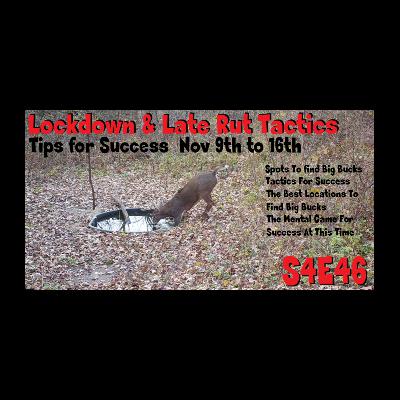
Lockdown and late rut hunting tips for success Nov 9th to Nov 16th We are getting into the Lockdown and things are starting to get tough. Here are a few tactics that we use for success on bucks over this time span. Mike and Karl talk about the things that they have used over the years if they have not filled thier tags at this time yet. With many of the bucks taken already, and all of the pressure that the deer have had over the last few weeks, and with the lockdown in full swing oppurtunities are less but they are still there guys stick with it put the time in and play it smart you can still take the buck of your dreams.
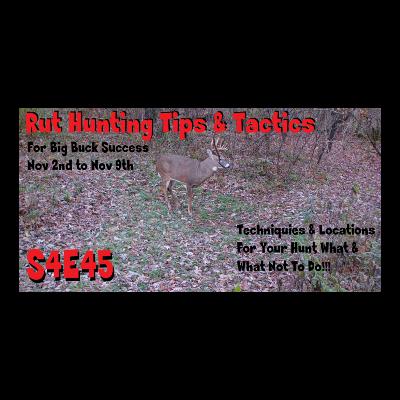
Rut Hunitng tips and techniques for buck success Nov 2nd to Nov 9th. Now the rut is in full swing and maybe past the middle of the seeking phase in most northern states. Its lock down time or is it. Karl and Mike discuss the tactics they will be using if they have still not filled their tag yet here in Wisconsin. The guys hit on locations to hunt the bigger bucks in your area what to expect to see nad maybe a few ideas on how to change your luck if things are getting tough. Remember depending on where you hunt north to south in the country these techniques may very by a few days to a week northern states are almost always deeper in the rut cycle than southern states. We appreciate you checking the show remeber to please subscribe and like the show as we are just showing what we have learned over the 30 yrs of whitetail hunting all over the US. As always we appreciate each and everyone of you! Good luck and keep at it there are still giant roaming the woods.
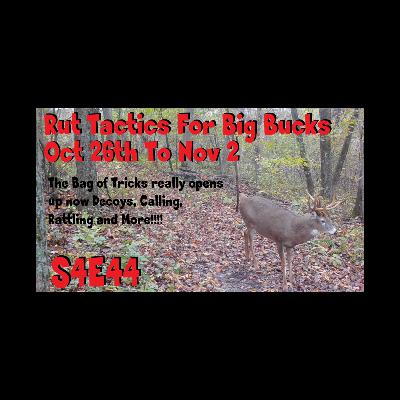
Rut tactics for big bucks Oct 26th to Nov 2nd. Tactics for hunting bucks oct 19th to oct 26th tips & more. Between October 26 and November 2, bucks are in the early seeking phase of the rut, transitioning from their late-October patterns to actively searching for the first does coming into heat. Bucks will be restless, their testosterone levels are rising, and they are moving more in daylight, making this a prime time for hunters. Karl and Mike discuss the best tactics for taking one of your target bucks over the next week leading up to the rut. Its one of the best weeks to hunt these bucks using these prerut tactics. Mike and Karl talk about what they are pulling out of the bag this next week weather permitting. Its time to get the horns, the calls and the decoys into play coming this week. But first remember we still have to play the game smart so the guys discuss how things change from this weekend to next. It is proabably the biggest change in tactics over a one week span in the year. Have a great week, and good luck to all of you. Here are some key tactics to consider for this week:
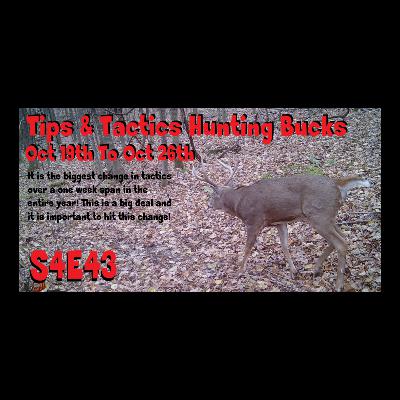
Tactics for hunting bucks oct 19th to oct 26th tips & more. Karl and Mike discuss the best tactics for taking one of your target bucks over the next week leading up to the heavy prerut rut. Its one of the best weeks to hunt these bucks using these prerut tactics. Mike and Karl talk about what they are pulling out of the bag this next week weather permitting. Later in the week its time to get the horns, the calls and the decoys into play coming the end of this week. But first remember we still have to play the game smart so the guys discuss how things change from this weekend to next. It is proabably the biggest change in tactics over a one week span in the year, and this is how we see it. As always thanks for watching, and leave your comment we apprecaite each of you. Have a great week, and good luck to all of you. Here are some key tactics to consider for this week:
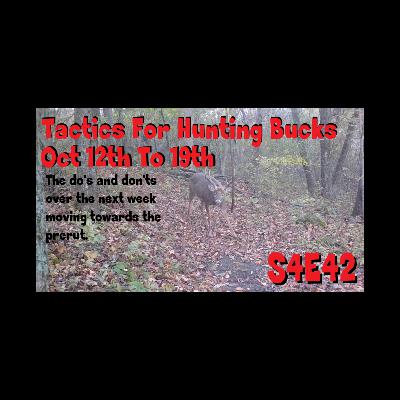
Tactics for hunting bucks oct 12th to oct 19th tips & more. Karl and Mike discuss the best tactics for taking one of your target bucks over the next week leading up to the prerut. This is a exciting time don't blow your chances for later in the season by making a bad mistake. the guys talk about the do's and don'ts for this next week as we inch closer to the prerut action coming soon for the best chances to take a giant later this month. Target acorns: Mid-October can be a "lull" because deer shift their focus from food plots to mast crops like white oak acorns. Bucks often bed closer to these new, abundant food sources, making timber hunting more productive than watching open fields. Monitor seclusion: Avoid hunting major food plots that receive high hunting pressure. Instead, focus on smaller, secluded food sources or "staging areas" where bucks hang up before entering larger fields at dark. Locate bedding cover: If you are comfortable with aggressive tactics, you can identify a buck's bedding area and set up within 200 yards. This is risky but can be effective during this period when bucks feel secure. Hunt travel corridors: Position stands in funnels or travel corridors between bedding areas and food sources. Bucks will often work rub and scrape lines in these transition areas close to bedding. Remember check out the show for great examples of all of this and more.
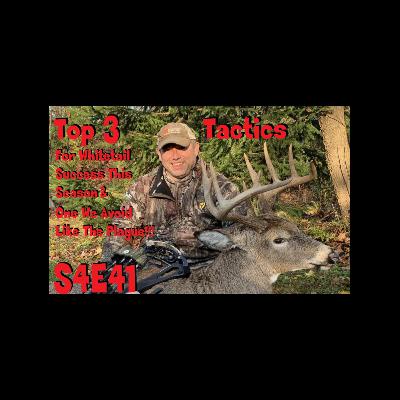
The Three Best Tactics For You This Year To Take A Great Buck. Karl and Mike are asked what are the three best tactics they use to take big bucks each year. The guys talk about what they have been most successful doing over the last 30 yrs almost while shooting good bucks each season. Karl also brings up the one thing they avoid using like the plague! So checkout this short podcast and maybe catch a couple tips to help you shoot the big buck on your hunting spots this fall!
The First Major cold front is hitting right now! These are some tips for oct 6th to oct 11th the first big cold front of the season is here. These are some of the main plans and tips for hunting this week Oct 6th to Oct 11th Good luck out there. Remember to Like and subscribe it sure will help us out. We appreciate each of you.
For Mike and Karl, the number of years needed for success on mature bucks isn't about physical endurance but rather about accumulated knowledge and strategic adjustments as the body ages. While the physical demands of hunting can become more challenging with age, seasoned hunters often find that experience makes them more efficient, not less. Does success on mature deer come easier with age? Yes, in many ways. Mature bucks are the most difficult to hunt, but they also become more consistent in their behavior as they get older. The deep knowledge gained over decades of hunting helps experienced hunters anticipate these movements, allowing for more strategic and less physically demanding hunts. Here's how experience can increase the odds of bagging a mature buck: Reading the land: An experienced hunter can find the "X marking the spot" on a property—the one or two key locations that consistently hold mature deer. This skill is developed by spending more time scouting than hunting. Focusing on security and details: Veteran hunters know that mature bucks prioritize safety above all else. This means being meticulous about details like minimizing scent, planning entry and exit routes, and hunting the right locations at the right time. Playing the waiting game: Experienced hunters have the patience to wait for the ideal conditions—such as the perfect wind or a specific weather pattern—before hunting a high-pressure spot. This is a level of discipline that younger, more impatient hunters may lack. Understanding behavior: Over time, a seasoned hunter gains a deep understanding of deer habits, knowing when and where to hunt specific areas during different parts of the season. How the hunt evolves with age As the body gets older and less tolerant of physical strain, the hunting approach naturally adapts. It becomes less about brute force and more about strategic cunning and careful planning. Smarter hunting: The hunt transforms from a high-energy "gonzo" approach to a "minimalist style" focused on strategy. This might mean less field time and more time scouting and waiting for the perfect moment. Adjusting tactics: Physical limitations, such as knee and hip pain, lead hunters to adapt their methods. Instead of long, grueling hikes, older hunters might favor shorter canoe trips or focus on hunting fields. Technology as an equalizer: Modern gear and technology help compensate for declining physical abilities. Tools like cellular trail cameras reduce the need for disturbance, while hunting apps can aid in identifying ideal spots with less foot traffic. Prioritizing enjoyment over exertion: The goal shifts from simply covering ground to maximizing every minute spent afield. The focus moves to enjoying the experience, being in nature, and appreciating the process. As one hunter put it, the main thing is "being there". Ultimately, the biggest limitation on a hunter's career is often mental, not physical. The wisdom gained over a lifetime of hunting ensures that the love for the sport—and the drive for success—can continue for as long as one's mindset allows.
loading
Comments