


 Claim Ownership
The Justin M Lewis Podcast
Subscribed: 2Played: 0
Subscribe

© Justin M Lewis
Description
Exploring politics, leadership, and philosophy from a centrist perspective—challenging assumptions, seeking balance, and advocating for thoughtful, principled discourse in a world often divided by extremes.
justinmlewis.substack.com
justinmlewis.substack.com
121 Episodes
Reverse
The more I study AI, the less interested I am in whether machines “understand” and the more curious I am about how humans know anything at all. We learn through experience, pattern recognition, and probability—just dressed up as certainty. AI doesn’t feel scary to me. It feels like a mirror. This is a public episode. If you would like to discuss this with other subscribers or get access to bonus episodes, visit justinmlewis.substack.com
Forty million people now ask AI for medical advice every day. That fact isn’t a story about technology — it’s a story about trust. When systems become opaque and human judgment feels inaccessible, people turn to probability at scale not because it’s perfect, but because it’s available. The real question isn’t whether we should trust AI. It’s why we’ve stopped trusting each other — and whether humans and inspectable AI together might help us rebuild something better. This is a public episode. If you would like to discuss this with other subscribers or get access to bonus episodes, visit justinmlewis.substack.com
Most of today’s AI systems are fast, fluent, and confident — but they don’t know what they know, why they know it, or when they should be uncertain. As AI moves into domains where consequences matter, that gap becomes impossible to ignore. That’s why I’m joining NOLA AI as a strategic advisor — to help build intelligence that moves beyond probability toward trust, grounded in epistemic awareness, persistent knowledge, and inspectable reasoning. This is a public episode. If you would like to discuss this with other subscribers or get access to bonus episodes, visit justinmlewis.substack.com
I’ve lived through this moment before. In 1997, the internet was chaotic, unfinished, and easy to dismiss — surrounded by noise, skepticism, and voices calling it a fad. What followed wasn’t instant transformation, but decades of experimentation, failure, and quiet breakthroughs that reshaped the global economy. AI feels the same today. We’re early, and the headlines miss the point. The real work isn’t in hot takes or fear, but in patient building — in the long arc where what’s ridiculous falls away and what truly matters endures. This isn’t the end of anything. It’s the beginning of something vast, and the most important part of the story is still ahead. This is a public episode. If you would like to discuss this with other subscribers or get access to bonus episodes, visit justinmlewis.substack.com

My superpower has never been being the best at any one thing. It’s been belief — the quiet, relentless act of believing in others before they learn to believe in themselves. If life has worn you down, know this: there is still goodness in the world, and there are people rooting for you. I am one of them. This is a public episode. If you would like to discuss this with other subscribers or get access to bonus episodes, visit justinmlewis.substack.com
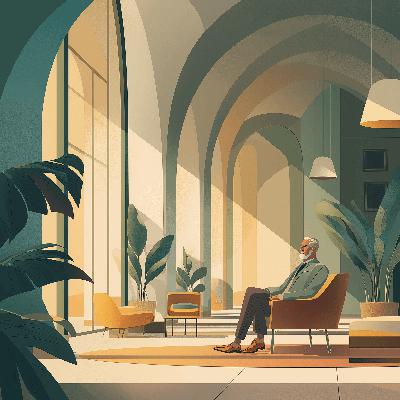
JD and I visited the new Instrument office today, and I’m writing this from the lobby—sitting still in a way I never allowed myself to when this company was my responsibility. There’s something almost disorienting about being in a space built by hands that aren’t yours, for a company that still carries your fingerprints. It’s like returning to a childhood home that has been lovingly renovated—you recognize the foundation, but the feeling is entirely new.What strikes me most in this moment is how profoundly Instrument has evolved. This is a different business than the one we founded, and I mean that with genuine admiration. The company I helped build was raw—beautifully so, but raw nonetheless. It was a fist fight, a sprint up a hill we weren’t certain we belonged on, driven by urgency, belief, and a touch of defiance. This version, the one I’m sitting inside of now, has none of that tension. It doesn’t need to prove anything. It simply is. It sits confidently in its own skin.The space reflects that truth. It’s refined. Sophisticated. Feminine in the way strength becomes once it’s fully earned—not loud, not demanding, but unmistakably present. I can feel the bones of the company JD, Vin and I pushed so hard to shape, but they’re wrapped now in something softer, more considered, and undeniably more beautiful than I could have imagined. And maybe that’s the hardest and most rewarding part of being a founder: realizing that the truest measure of success is when the thing you started becomes better than your own limitations.My Instrument was built out of grit and belief, crafted with late nights, impossible deadlines, and a hunger to belong in rooms that didn’t yet have a seat for us. This Instrument doesn’t carry that insecurity. It stands here with quiet confidence. It belongs without question. And while I never quite figured out how to operate from a place of comfort, I’m proud—deeply proud—that the company found its way there without me needing to.As I watch people move through the space—some collaborating, some in focused solitude, some simply passing through—I’m struck by how beautifully this office captures the rhythm of modern work. It’s not just an environment; it’s a living interpretation of the hybrid world we inhabit now. There are places to gather, places to retreat, places to think, and places to breathe. It feels intentional. Human. A space built not just for output, but for experience.And that is its own kind of artistry.Walking through today, I felt something I didn’t expect: gratitude. Not for the past—though I carry endless gratitude for that—but for the fact that Instrument continued to evolve, to refine, to expand its identity beyond the one we created. That is the dream of any builder: that what you start becomes strong enough to outgrow you.If you ever have the chance to visit, you should. Stand inside this space and feel what belief, creativity, effort, and evolution can produce when placed in the hands of a new generation who loves it in their own way.To the team who brought this to life—well done. Truly. We know what it takes to make something look effortless. We know how many hands and hearts are required to create an environment that feels both natural and elevated. You delivered something remarkable. Something worthy of the company’s past and worthy of its future.Sitting here today, I feel proud—not of what I did, but of what you have done with the foundation we laid.And there is no better feeling for a founder than that.If this reflection spoke to you — if you’ve ever stood inside something you once built and felt it had grown into its own life — I hope it reminded you of the quiet pride in letting things evolve beyond you. There’s a humility in that, and a gratitude for the people who carry the work forward in their own way.If episodes like this resonate, I’d love for you to share them, send them to someone who’s navigating change, or subscribe so these reflections find you each week. These stories are meant to be companions — reminders that growth, reinvention, and renewal are all part of the journey.Until next time — be kind, be great, work hard… and keep going. This is a public episode. If you would like to discuss this with other subscribers or get access to bonus episodes, visit justinmlewis.substack.com

Portland International Raceway is more than a racetrack — it’s a place where people come together for the love of motion. After spending this year at tracks across the country, I’ve come to appreciate just how much PIR already offers and how much more it could become. With imagination, investment, and belief, PIR can transform into a world-class hub for racing, riding, mentorship, and innovation — a place that brings Portland together again. This is a public episode. If you would like to discuss this with other subscribers or get access to bonus episodes, visit justinmlewis.substack.com
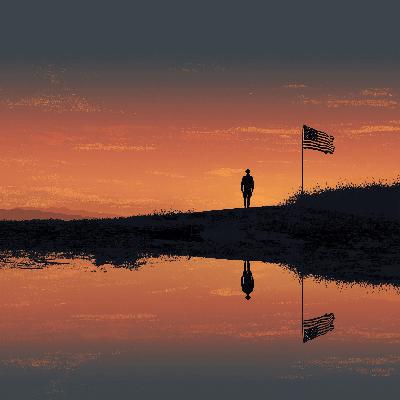
On Veterans Day 2025, we’re reminded that the American dream isn’t dead — it’s alive in the small few who still believe in service over self, duty over division, and sacrifice over comfort. These men and women show us what this country can be at its best, and call us to live up to the same higher ideals. This is a public episode. If you would like to discuss this with other subscribers or get access to bonus episodes, visit justinmlewis.substack.com
Twenty years ago, Instrument wasn’t inevitable — it was faith, stubborn belief, and courage disguised as optimism. I didn’t know it would become what it is today; I simply believed it could. That belief, paired with relentless effort and an unwillingness to compromise on integrity or ambition, turned a fragile beginning into a living legacy. And tonight isn’t about looking back to polish a trophy — it’s about honoring the privilege of watching something you once imagined grow beyond you, carried forward by new hands, new ideas, and a vision still bold enough to become more than any of us dreamed. Onward. This is a public episode. If you would like to discuss this with other subscribers or get access to bonus episodes, visit justinmlewis.substack.com

Portland Public Schools has committed $60 million to build the Center for Black Student Excellence — including a $16 million deal for one of the city’s most expensive office buildings. It’s a well-intentioned plan wrapped in terrible execution. If we truly want to help students, especially those long underserved, we must stop chasing optics and start demanding outcomes. Equity isn’t achieved through extravagance — it’s achieved through endurance. This is a public episode. If you would like to discuss this with other subscribers or get access to bonus episodes, visit justinmlewis.substack.com
Somewhere along the way, we broke the covenant that made America work. Capitalism was once the great equalizer — a ladder of effort, discipline, and reward. But greed has turned that ladder into a wall. If capitalism doesn’t remain accessible to the many, the only option left is socialism. The time has come to recalibrate — not to tear the system down, but to make it worthy of our belief again. This is a public episode. If you would like to discuss this with other subscribers or get access to bonus episodes, visit justinmlewis.substack.com
With President Trump threatening to deploy military forces in Portland, the temptation is to fight louder, push harder, and make sure we’re seen. But that only feeds the spectacle. The smarter path is discipline: getting our name off his tongue, going heads down, and focusing on our people. Oregon’s strength won’t come from outrage — it will come from building a self-reliant state strong enough to weather the storm until the next election. This is a public episode. If you would like to discuss this with other subscribers or get access to bonus episodes, visit justinmlewis.substack.com
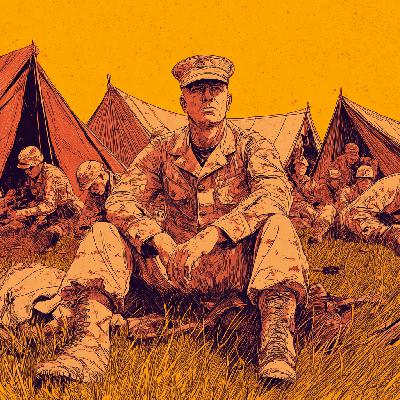
Major General Paul E. Lefebvre, “LB6”—was the finest leader I ever knew. He was a Marine’s Marine, tactically brilliant and deeply human. He led from the field, remembered the details of his Marines’ lives, and carried himself with calm, sharp kindness. His presence set the standard I’ve tried to live up to in every chapter of my life. This is my thank you to him, and a reflection on the invisible ways great leaders leave their mark. This is a public episode. If you would like to discuss this with other subscribers or get access to bonus episodes, visit justinmlewis.substack.com
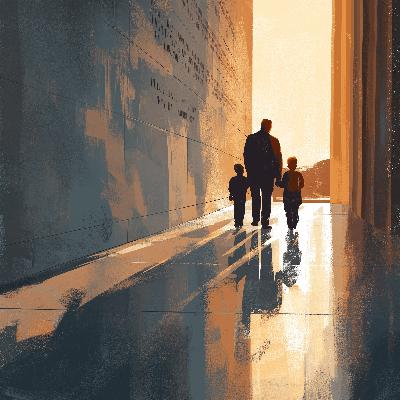
On a recent trip to Washington, D.C. with my boys, I was struck by how memorial after memorial seemed to hold the answers we’re still searching for today. From Jefferson’s call to liberty, to FDR’s reminder that we are bound together, to Dr. King’s dream of justice and courage—the wisdom isn’t hidden or lost. It’s all here, waiting for us to open our eyes and apply it with fresh understanding. This is a public episode. If you would like to discuss this with other subscribers or get access to bonus episodes, visit justinmlewis.substack.com
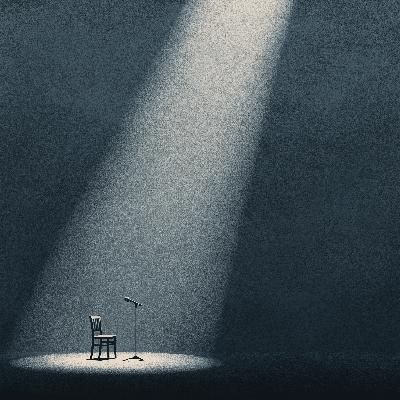
Charlie Kirk’s death is not just the loss of a man—it is the silencing of a voice that dared to enter the arena. Whether you agreed with him or not, his courage to keep showing up mattered. What America needs right now is not fewer voices, but more: voices willing to wrestle with hard ideas, to risk being wrong, to speak with both conviction and compassion. This is a public episode. If you would like to discuss this with other subscribers or get access to bonus episodes, visit justinmlewis.substack.com

What people often see is confidence that looks effortless, even too quick. What they don’t see is the work behind it—the discipline of imagining the end state, tracing the steps backward, and running hundreds of scenarios until clarity emerges. By the time I speak, the conviction is real because the hours of unseen thought have already been done. That is the responsibility of leadership: to do the hard, quiet work so others can move forward with certainty. This is a public episode. If you would like to discuss this with other subscribers or get access to bonus episodes, visit justinmlewis.substack.com
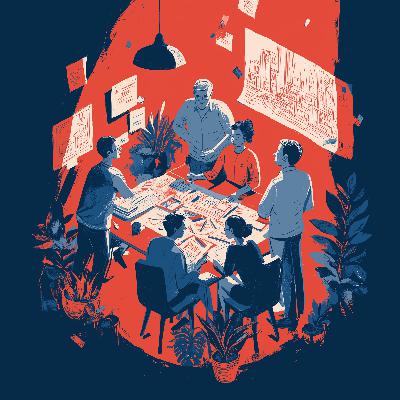
After fifteen months away from office life, I stepped back into a business I’ve long admired. What I discovered reminded me that leadership is not about control or command—it’s about energy, conviction, and belief in people. When we lead with heart, when we give with respect and transparency, skeptics become believers, and possibility turns into momentum. The principles of service still work, and they always will. This is a public episode. If you would like to discuss this with other subscribers or get access to bonus episodes, visit justinmlewis.substack.com
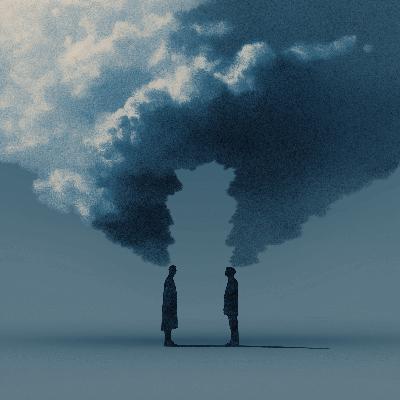
Violence like this doesn’t happen in a vacuum—it happens in the climate we all help create. We are the air each other breathes. Every word we speak, every posture we take, adds to the atmosphere we live in together. The question is simple: are we making it easier to breathe—or harder? This is a public episode. If you would like to discuss this with other subscribers or get access to bonus episodes, visit justinmlewis.substack.com
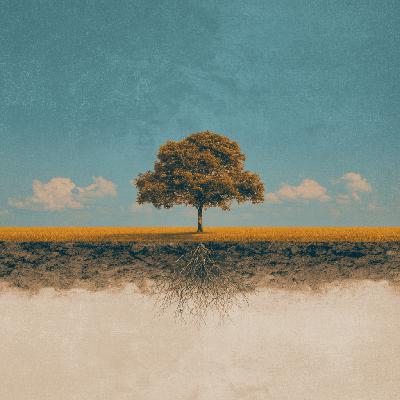
At many points in life, you will be alone. Not as punishment, but as truth. The greatest gift you can give yourself is learning to be at peace in your own presence—to master your thoughts, to steady your heart, to find strength in the stillness. Because when you no longer fear solitude, you stop waiting to be saved and start living with power, clarity, and calm. This is a public episode. If you would like to discuss this with other subscribers or get access to bonus episodes, visit justinmlewis.substack.com
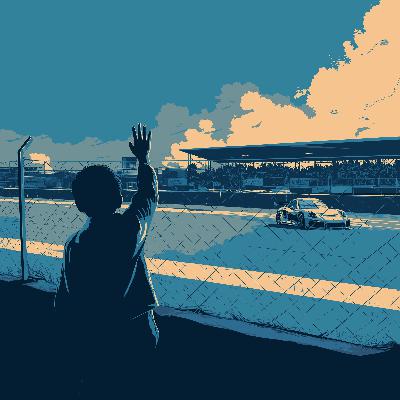
This past Tuesday, I was at the track getting acclimated to my Porsche GT4 RS Clubsport. This is not the kind of car you see on the street. There’s no interior, no bells and whistles, no conveniences to make the ride more comfortable. No stereo, no cupholders, not even door panels. Just a raw machine—engine, chassis, tires, steering wheel. A surgical instrument designed for one purpose only: to go fast, to compete, to live at the edge of what’s possible.It was my first time in the car, and the learning curve was steep. Everything about it demanded precision—the braking points, the turn-in, the weight transfer. I was humbled, but I could also feel myself adapting, improving, step by step. By the end of the day, I was proud of the progression. Stoked on the car. Happy to be in that seat, doing something I love.But that’s not really what this story is about.Sometime in the afternoon, over the loudspeakers, came an announcement: the track was hosting a Make-A-Wish event. A young boy was coming for a ride in a Lamborghini. A dream come true for almost any kid—to sit inside one of the most recognizable exotic cars in the world, hear the roar of its engine, feel the speed from the passenger seat. A young boy’s wish, fulfilled.The Lamborghini is beautiful, of course. All smooth leather, carbon fiber trim, and tech features designed to make the impossible accessible. But it’s still, at the end of the day, a street car. It has bluetooth and climate control. It’s made to dazzle as much as it is to drive.I had the chance to talk with the boy and his family before his ride. I asked if they’d like to come see something different—not a car built for the road, but one built for the track. A car stripped of every luxury, every unnecessary ounce, every distraction, so it can do only what it was meant to do: race.We walked over to the GT4 Clubsport. He stood there, wide-eyed, taking it all in—the roll cage, the fire system, the bucket seat, the massive slicks. It wasn’t polished or glamorous in the way the Lamborghini was. It was raw, exposed, unapologetically purposeful. And that’s exactly what made it special.He was stoked. So was I. I don’t think he or his family had ever seen up close what a true race machine really looks like. We chatted for a bit, shared a few smiles, and then they went on to enjoy their day.About 45 minutes later, I was strapped back into that very car, sitting at pit wall waiting for my next session. And there he was again—standing with his family along the fence. We made eye contact. His face lit up, and he raised his arm with a smile that said it all: Go fast. Please.So I did.But before I dropped the clutch, I sat there for a moment. Alone in that cockpit, helmet on, hands on the wheel, engine humming behind me. I gave thanks. Thanks for the day. Thanks for the car. Thanks for my life, for the fact that I get to do this. And most of all, thanks for that boy—for the gift of being placed in his path, even for just a brief encounter.Because it was clear: his life has not been simple. He has been dealt something complicated, something heavy, something no child should have to carry. And yet there he stood—radiant, full of joy, present in every sense. He didn’t wear his hardship like a burden. He wore it like light.That moment reached deeper into me than anything else I experienced that day. It reminded me, as it always does, that the greatest tragedy is not the cards we are dealt—it is living without cherishing them. It is forgetting how precious and fragile life really is.I don’t know where his road leads. None of us do. But I know this: he gave me a gift that day. A reminder that life is not measured in years or miles per hour, but in presence. In gratitude. In grace.So I drove for him. Every lap, every corner, every ounce of focus—I carried him with me. I don’t know if he felt the same, but I hope that moment was as meaningful for him as it was for me.We all get these moments. A wave from across a racetrack. A chance encounter on a trail. A small gesture from a stranger that shakes us awake to the truth: life is short, but it can also be deep. These aren’t interruptions to the “real” work of living. They are the work. They are what makes life full.That boy reminded me then. And now, I carry that reminder with me—not just to drive for him, but to live for him too.That boy reminded me that life is fragile, beautiful, and worth cherishing. His joy became a gift, one I carry with me still—not just to drive for him, but to live for him too. If this episode resonated, please share it with someone who might need the reminder. And if you haven’t already, make sure you’re subscribed on Substack, Spotify, or Apple Podcasts—wherever you listen and think.Until next time: be kind, be great, and work hard. This is a public episode. If you would like to discuss this with other subscribers or get access to bonus episodes, visit justinmlewis.substack.com

Comments

Download from Google Play

Download from App Store
 United States