


 Claim Ownership
A Productive Conversation
Subscribed: 6,805Played: 150,562
Subscribe

© 2025 Productivityist Inc.
Description
Hosted by productivity strategist Mike Vardy, A Productive Conversation offers insightful discussions on how to craft a life that aligns with your intentions. Each episode dives into the art of time devotion, productiveness, and refining your approach to daily living. Mike invites guests who are thinkers, doers, and creators to share their strategies for working smarter and living more intentionally. From practical tips to deep dives on mindset shifts, this podcast will help you reframe your relationship with time and find balance in a busy world.
Subscribe and join the conversation—because a productive life is more than just getting things done.
Subscribe and join the conversation—because a productive life is more than just getting things done.
662 Episodes
Reverse
There’s a quiet trap many of us fall into when the pace picks up: we start reacting instead of leading. The inbox fills, the interruptions stack, and before long, the day is no longer ours—it’s everyone else’s.In this conversation, I sit down with Rich Czyz, author of Autopilot: Practical Productivity for School Leaders, to explore how systems—not willpower—can help us reclaim that sense of direction. While his work is rooted in education, what we discuss applies far beyond school walls. This is about shifting from firefighting to forward thinking.Six Discussion PointsProductivity isn’t about doing more—it’s about reclaiming space for what actually mattersThe inbox is often just a collection of other people’s priorities unless you set boundaries around itSystems work best when they are simple enough to start immediately and flexible enough to evolveBatching and theming aren’t constraints—they’re ways to restore focus in fragmented environmentsDelegation requires letting go of control, not just tasksElimination—not optimization—is often the most powerful first move toward meaningful workThree Connection PointsAutopilot: Practical Productivity for School LeadersFour O'Clock FacultyThe Practice of ProductivenessIf there’s a throughline in this conversation, it’s this: the goal isn’t to perfect your system—it’s to make space for what matters most. Whether you’re leading a school, a team, or simply your own day, the question is the same: what can you remove so that what remains has room to matter?
The latest episode in our monthly PM Talks series explores a deceptively simple idea: practice. It’s a word we hear constantly—in sports, work, and creative pursuits—but we rarely stop to examine what it actually means or why it matters so much. In this conversation, Patrick Rhone and I unpack the many layers of practice—from the fundamentals that shape excellence to the quiet discipline of repetition that rarely gets the spotlight. Along the way we explore identity, devotion, habits, AI, and why focusing on fewer things might actually help us do them better.Six Discussion PointsPractice is both an act of trying something and the art of doing it well—one evolves into the other over time.High performers separate themselves through relentless practice, often long after others have stopped.Fundamentals matter more than flash; mastery comes from repeatedly doing the simple things well.Habits and routines are often the result of practice, but the practice itself is what creates them.Technology—including AI—can short-circuit practice if it replaces the act of doing rather than supporting it.Devoting yourself to fewer things can deepen practice and produce higher quality results over time.Three Connection PointsPatrick Rhone — https://patrickrhone.comProductiveness updates — https://mikevardy.com/productivenessRelentless by Tim GroverPractice isn’t something we graduate from. It’s something we live inside of. The people who truly excel understand this—whether they’re athletes, creators, entrepreneurs, or anyone simply trying to get better at what matters to them. The question isn’t whether we practice. The question is what we choose to practice, and how consistently we show up to do it.
We live in a world where everything is digital — yet almost none of us were ever taught how to manage digital information well. Files, notes, emails, documents, IDs, receipts… they pile up. And unlike physical filing cabinets, our computers let us create anything anywhere — which sounds like freedom but often leads to chaos.In this episode, I sit down with Johnny Decimal, creator of the Johnny Decimal system, to explore a structured, deceptively simple way to bring order to your digital life. What began as a practical solution for a shared Dropbox folder has grown into a framework that helps people organize their records with clarity and confidence — without turning their lives into an overengineered productivity lab.Six Discussion PointsThe real digital problem isn’t volume — it’s the absence of structure.Fewer decisions create more clarity: limiting your top-level “areas” reduces cognitive friction.Numbers provide stability where words create ambiguity.A shallow hierarchy (three levels only) prevents organizational sprawl.Personal records management is different from personal knowledge management — and that distinction matters.“Comfortable awareness” beats perfection in both information and task management.Three Connection PointsJohnny Decimal's websiteSign up for Johnny Decimal's email listHow to Build an Achievement Structure: Getting the Front End Work DoneWhat struck me most about this conversation is how grounding structure can be. Not rigid. Not restrictive. Just grounding. When you know where something lives — and you trust that it will be there — your attention is freed for better work and better living. If you’ve ever felt buried under digital clutter, this episode offers a thoughtful starting point.
In a culture that prizes metrics, optimization, and constant output, what does it mean to truly flourish?In this episode of A Productive Conversation, I sit down with New York Times bestselling author Daniel Coyle to explore a deeper question beneath performance: how do we build meaning, joy, and fulfillment in systems that reward speed over substance? If you’ve ever felt successful on paper but unsettled underneath, this conversation is for you.Daniel—author of The Culture Code and The Talent Code—has spent years studying high-performing organizations, from the Navy SEALs to professional sports teams. But in his latest book, he turns toward something more foundational: flourishing as joyful, meaningful growth. We talk about why life isn’t a game to win but a garden to tend, why pauses matter more than productivity hacks, and why the best leaders ask better questions instead of delivering faster answers.Six Discussion PointsFlourishing vs. Performance – Why happiness and success aren’t enough—and why flourishing goes deeper.Life as Garden, Not Machine – The shift from optimizing systems to cultivating living ones.Awakening Cues – The power of intentional pauses that reconnect us to what truly matters.Relational Attention – How asking better questions builds meaning and connection.Community Over Individualism – Why flourishing doesn’t happen alone—even in high-performance environments.Writing and Evolution – How Daniel’s work evolved from individual talent to group culture to a more philosophical exploration of meaning.Three Connection PointsFlourish: The Art of Building Meaning, Joy and FulfillmentDaniel's websiteOur previous conversation (Episode 420 of APC)In a world obsessed with output, this conversation is a reminder that flourishing isn’t something you chase—it’s something you cultivate. And cultivation takes intention.
Gratitude shows up in a lot of productivity conversations—but rarely as a practice that changes how we relate to others. In this episode of A Productive Conversation, I sit down with Joel Zuckerman, author of Gratitude Tiger, to explore gratitude as something we actively express, not just quietly feel.Joel has written more than 300 Letters of Gratitude over the past twelve years, and what began as a simple exercise has evolved into a life-shaping practice. We dig into why handwritten letters matter, how gratitude can move from introspection to expression, and why this practice benefits the writer just as much as the recipient.Six Discussion PointsWhy “Gratitude Tiger” is more than a catchy title—and what TIGER actually stands forThe difference between a thank-you note and a true Letter of GratitudeWhy writing letters of gratitude is a creative process, not an obligationThe seven pillars of expressive gratitude—and where most people get stuckDopamine, reflection, and why gratitude creates lasting satisfactionLegacy, ripple effects, and why you should never wait to write the letterThree Connection PointsGratitude Tiger: Creating Joy Through the Art of Impactful LettersJoel's WebsiteThe Productivity Diet Gratitude doesn’t need to be complicated to be powerful. This conversation reminded me that one letter—written with intention—can deepen relationships, shift perspective, and leave a legacy that outlasts the moment. If you’ve ever thought about reaching out to someone who mattered in your life, this episode might be the nudge you need.
This episode is the latest in our monthly PM Talks series, where Patrick Rhone and I step back from tactics and tools to explore the deeper questions that shape how we live, work, and show up. What we planned to discuss was poise—but what we actually talked about was something more urgent.Recorded in real time as events were unfolding in Minneapolis and St. Paul, this conversation became about moral clarity, civic responsibility, and what it means to stay aligned when neutrality no longer feels like an option. This isn’t a polished debate or a tidy argument. It’s a candid conversation about right versus wrong—and why that distinction matters now.Six Discussion PointsWhy this conversation couldn’t follow the plan—and why that matteredThe difference between poise as composure and poise as alignmentWhy this moment isn’t about left versus right, but right versus wrongThe danger of performative belief and the erosion of truthHow lived experience carries weight even when it isn’t “linkable”What it means to keep living your life responsibly in a fractured momentThree Connection PointsRequiem for the American Dream (documentary)Willhoit’s Law (on power and the application of law)PM Talks series archiveI’m grateful Patrick was willing to have this conversation when he did, and I’m grateful to you for listening. This episode isn’t meant to inflame or persuade—it’s meant to bear witness. Sometimes that’s the most productive thing we can do.
Working from home sounds simple—until kids, calendars, meals, meetings, and relationships all collide. In this episode, I sit down with Thom Gibson, a work-from-home dad and social media strategist, to talk honestly about what it really takes to make remote work and family life coexist.Thom is the founder of WFH Dads, and his perspective is grounded not in theory, but in lived experience—raising two young kids, navigating shared schedules with his wife, and building a workday that leaves room for presence, not just productivity.Six Discussion PointsHow Thom transitioned into working from home during the pandemic—and why he stayedWhy default schedules matter more than perfect plansThe overlooked power of clear boundaries between “work time” and “family time”How simplifying meals reduces daily decision fatigueWhy Thom changed his journaling practice after 15 yearsThe thinking behind the Six-Hour Workday Playbook for dadsThree Connection PointsWFH DadsGet The Six-Hour Workday PlaybookHow to Build a Powerful Journal in 3 Steps (Starting Today)This conversation reinforced something I’ve believed for a long time: structure isn’t the enemy of freedom—it’s what makes freedom possible. Thom’s approach to work-from-home life is thoughtful, practical, and refreshingly human, and I think a lot of parents—especially dads—will see themselves reflected in this episode.
This week on A Productive Conversation, I sit down with Brad Stulberg, author of The Way of Excellence, to explore what excellence really means in a world obsessed with efficiency, optimization, and performative productivity. Brad has spent years studying sustainable excellence across sport, leadership, creativity, and life—and this conversation digs into why excellence is neither perfection nor hustle, but something far more human.Brad and I unpack the difference between true excellence and what he calls “pseudo-excellence,” why metrics often outlive their usefulness, and how habits like routine, curiosity, and gumption play a central role in meaningful progress. Along the way, we explore why satisfaction outlasts happiness, why flow isn’t always the goal, and how focusing on the task at hand—not the time on hand—changes everything.Six Discussion PointsWhy excellence must be reclaimed from hustle culture, optimization, and perfectionismThe difference between efficiency and excellence—and why short-term efficiency often undermines long-term growthMetrics, mastery, and knowing when measures help—or get in the wayFlow versus values-driven excellence (and why not all flow is good)Gumption, routines, and building momentum without becoming roboticWhy satisfaction comes from effort on worthwhile work, not outcomes aloneThree Connection PointsThe Way of Excellence by Brad StulbergThe Growth Equation (Blog Posts)Listen to Brad's previous appearance on APCThis conversation is a reminder that excellence isn’t about doing more—it’s about doing what matters with care, patience, and intention. Brad’s work offers a compelling counterpoint to the constant pressure to optimize everything, and instead invites us to pursue a more grounded, values-aligned version of success—one that shapes us as much as the work itself.
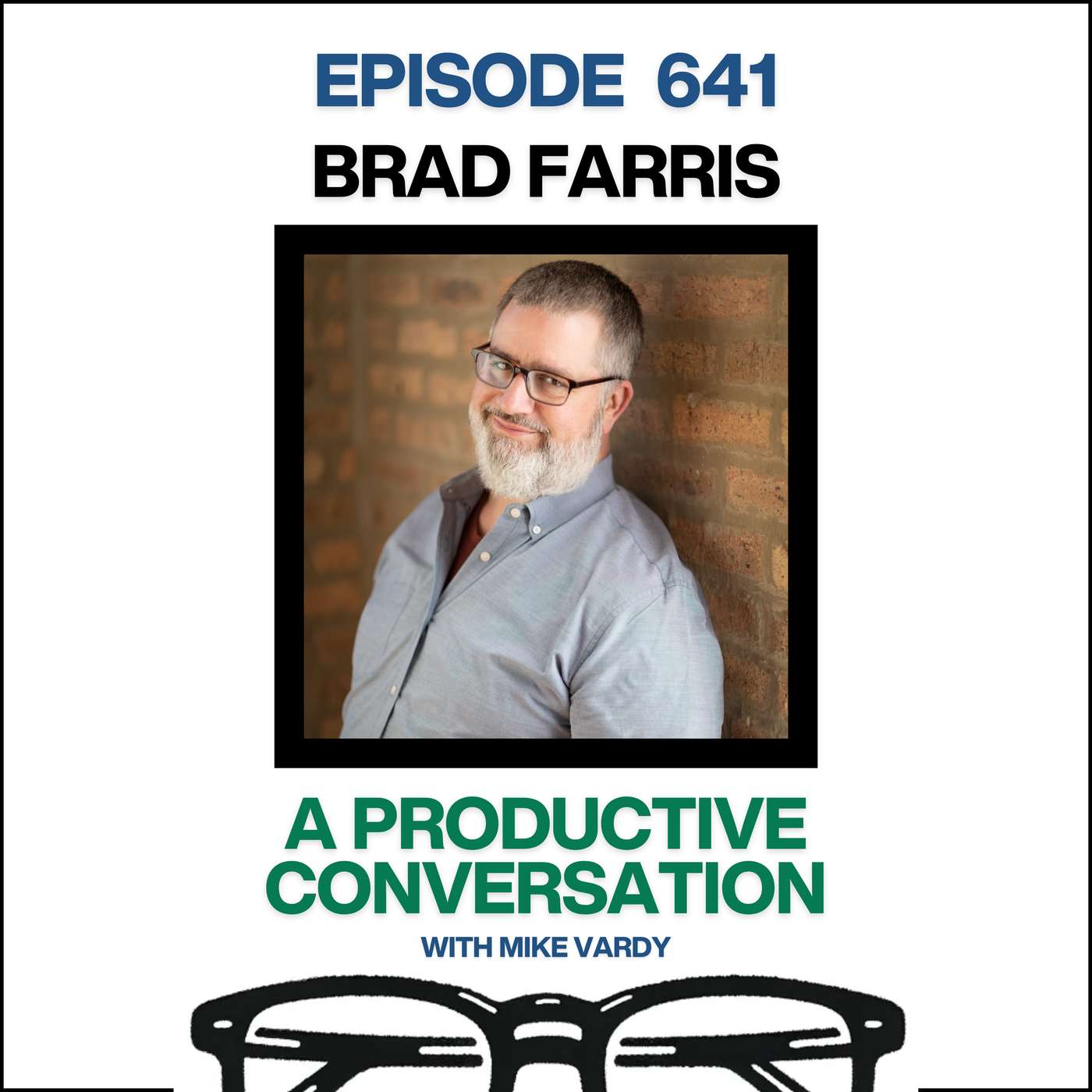
There are moments when a conversation slows you down in the best possible way. My discussion with Brad Farris was one of those moments—a reminder that growth isn’t just about doing more, faster, or harder, but about becoming the kind of leader who can sustain momentum without burning everything down in the process.Brad has spent decades working alongside agency and expert-firm owners, helping them move past the $1M–$2M ceiling and into healthier, more durable growth. What stood out to me wasn’t just his experience—it was his insistence that the real work happens internally. The biggest constraint to progress, he argues, isn’t strategy or systems. It’s what’s happening between your ears.Six Discussion PointsWhy agency growth stalls at the $1M–$2M mark—and why effort alone won’t fix itThe hidden cost of hurry, speed, and “getting through the list”Why leadership is about choosing, not clearingHow inbox habits reveal whether you’re managing or leadingThe role of presence, energy, and reflection in better decision-makingWhy leading yourself is the first step to leading othersThree Connection PointsAnchor Advisors – Brad’s home base and advisory workBrad Farris on LinkedInHow To Transform A Single Daily Theme Into An Everyday FocusBrad’s perspective reinforces something I’ve seen repeatedly: sustainable growth isn’t about squeezing more output from yourself or your team. It’s about creating the conditions where clarity, rest, and intention can do their work. This conversation is an invitation to slow down just enough to lead better.
This episode is the first installment of Season 3 in our monthly PM Talks series, where Patrick Rhone and I slow things down to explore the ideas that quietly shape how we live and work. This time, we start with an act of honesty right out of the gate—being transparent about when the episode was recorded—and let that openness set the tone for everything that follows.From there, the conversation unfolds into something deeper. We talk about honesty not as a moral stance, but as a practical one—especially when it comes to time, commitments, and the stories we tell ourselves about why things don’t happen. January has a way of inviting big intentions, and this discussion is a timely reminder that clarity begins with truth.Six Discussion PointsWhy the hardest lies to spot are the ones we tell ourselvesThe difference between urgency and immediacy—and why it matters“I don’t have time” as a story, not a factHow calendars can act as commitments, not constraintsHonesty about capacity, energy, and personal rhythmsWhy knowing who you are (and aren’t) changes everythingThree Connection PointsPatrick's websiteThe Year Compass (mentioned as a reflection tool)Mike’s upcoming book, Productiveness.Honesty isn’t about being harsher with ourselves—it’s about being clearer. This conversation is an invitation to pause, notice, and tell better stories about what we can actually do with the time and energy we have.
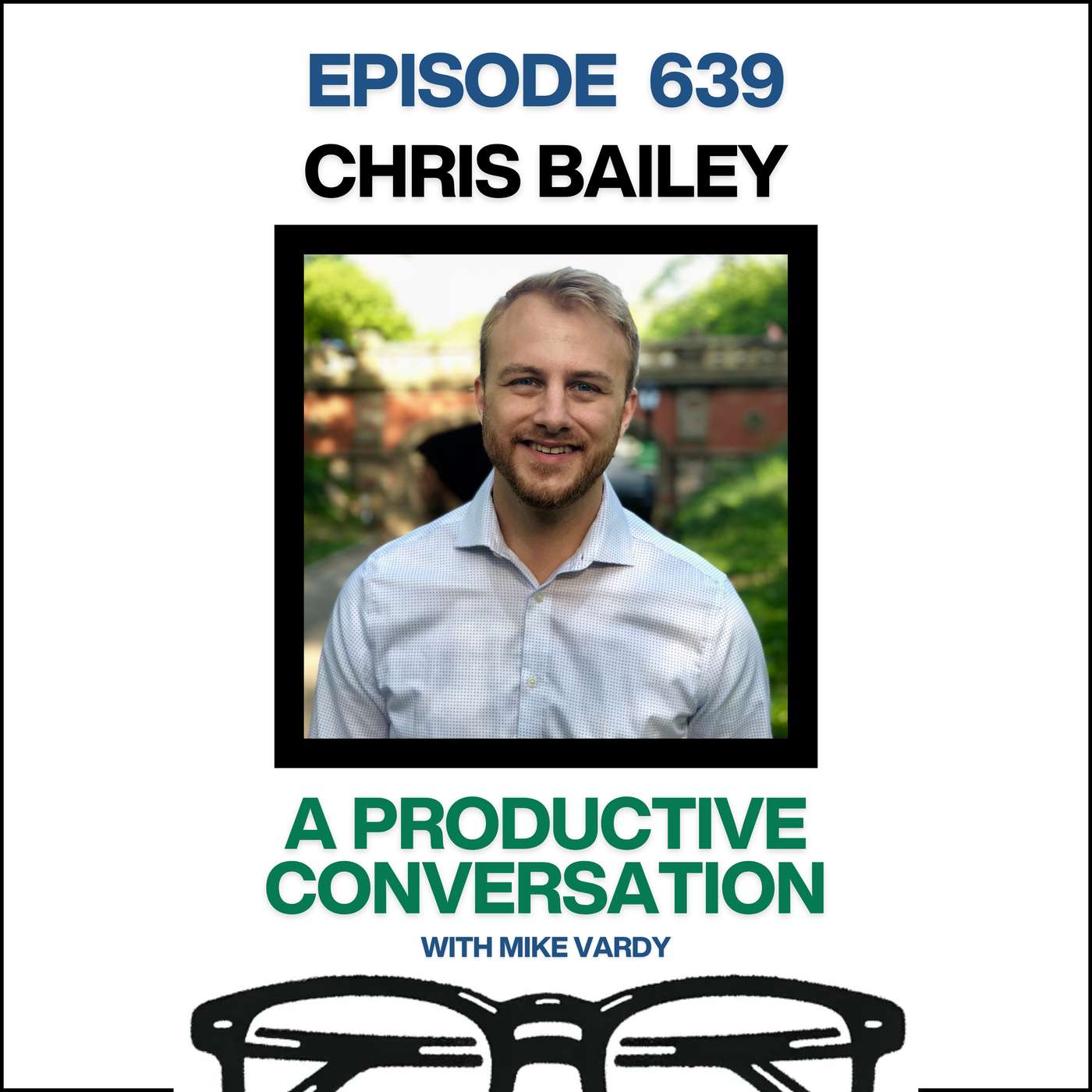
In this episode of A Productive Conversation, I sit down once again with author and researcher Chris Bailey to explore what it really means to live—and work—intentionally. This conversation centers on his latest book, Intentional: How to Finish What You Start, and the decade of curiosity that led him there.We dig into why goals often fail us, how culture shapes our relationship with productivity, and why values—not habits, hacks, or willpower—sit at the core of meaningful progress. This isn’t a surface-level productivity chat. It’s a thoughtful examination of why we do what we do, and how to align our days with who we actually are.Six Discussion PointsWhy values—not goals—are the true drivers of intentional actionThe “intention stack” and how daily actions connect to lifelong directionWhy SMART goals aren’t as smart as we’ve been led to believeCultural differences in how productivity and calm are valuedNight owls, morning routines, and the danger of “sepia-toned” goalsThe role of reflection in escaping default behavior and finishing what mattersThree Connection PointsBuy the bookCheck out Chris's websiteListen to Chris's first appearance the podcast (from October 2014!)This episode is a reminder that productivity isn’t about doing more—it’s about doing what fits. If you’ve ever felt friction between your goals and your values, or wondered why “good habits” still leave you unsatisfied, this conversation will give you plenty to reflect on—and return to.
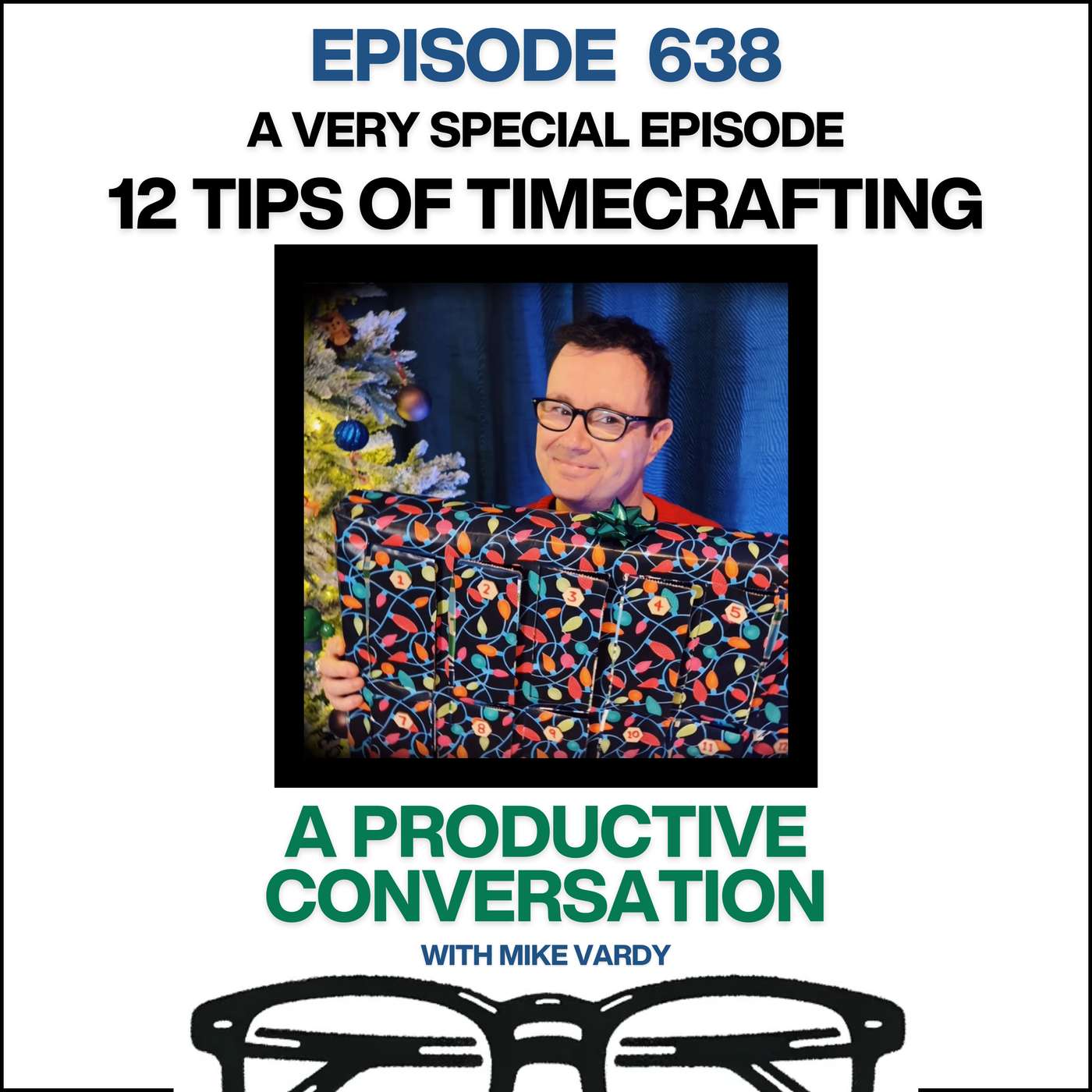
This is a reflective, solo episode where I share twelve essential TimeCrafting tips—not as rules or resolutions, but as orienting ideas you can return to whenever your days feel scattered or misaligned. Think of this as a pause at the edge of the calendar year, and an invitation to relate to time differently. These tips are meant to be lived with, not completed. You don’t need all twelve. One idea is often enough to begin again. Whether you’re closing out a year or simply noticing that your relationship with time feels off, this episode offers a grounded way to reset without pressure.These twelve tips aren’t meant to be applied all at once—or perfectly. They’re ideas to return to when you notice drift, friction, or fatigue creeping in. Progress doesn’t require dramatic restarts. It asks for awareness, honesty, and the willingness to come back. Wherever you are in your year—or your life—I hope this episode helps you take a gentle step toward what matters.You don’t have to absorb all of this at once—just stay with it, and let one idea meet you where you are.During the episode, I mention both The 12 Days of TimeCrafting (which is a limited time offering) and my membership community. If you become a member, you'll have access to The 12 Days of TimeCrafting beyond its limited-time release period... and so much more. You can learn more about this community here.
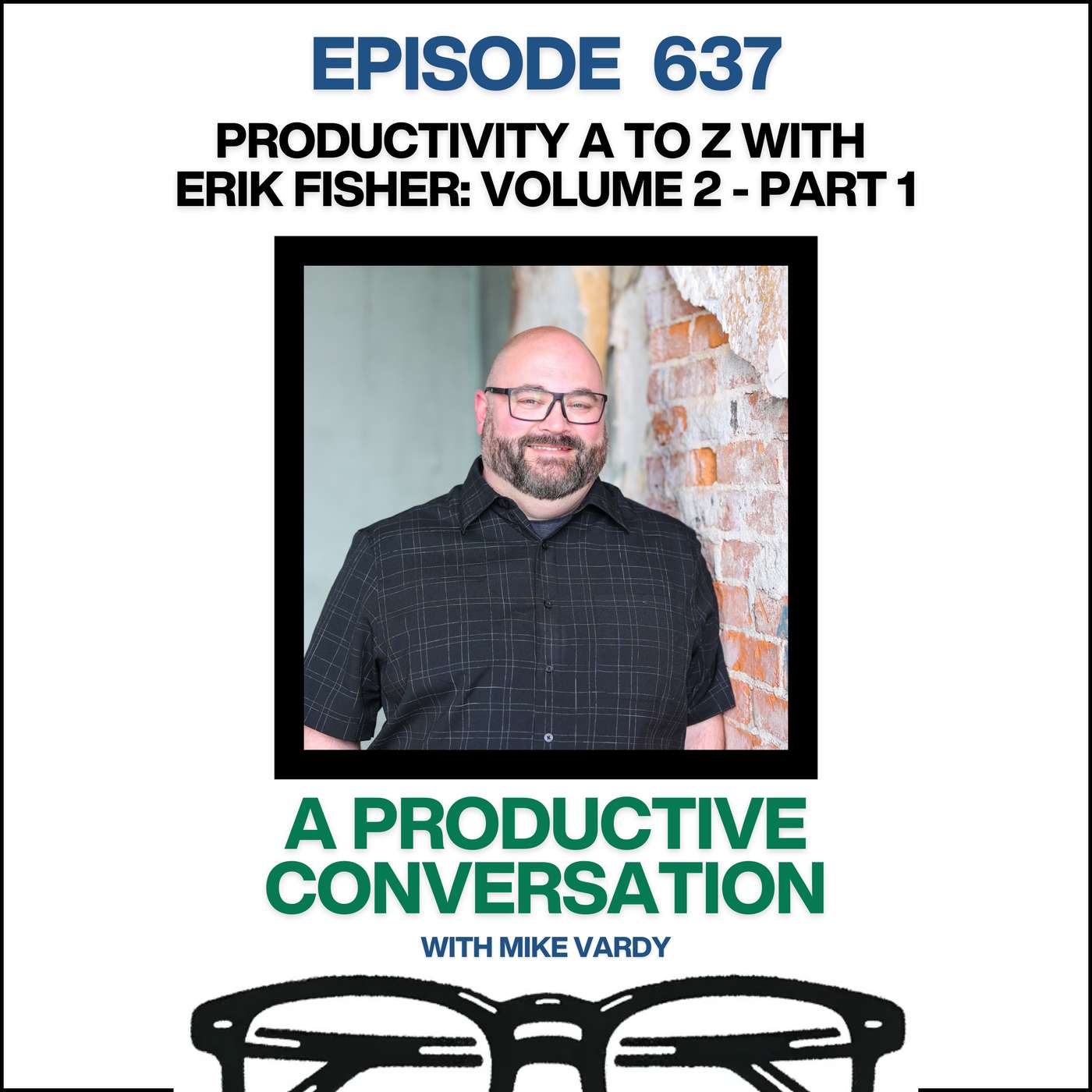
In December 2024, Erik Fisher and I sit down to explore the alphabet of productivity — a tradition that started as a one-off idea and has now become an annual ritual. This year, we dove back in to see how our thinking has shifted, sharpened, or completely transformed. Turns out, a lot can change in a year… especially when life, work, and expectations rearrange themselves without asking permission.In this special episode of A Productive Conversation, Erik joins me to unpack the first half of our A-to-Z list – the second part is featured on Eriks' podcast, Beyond the to-Do List. It’s a rich mix of practice, philosophy, and the very human realities that shape how we show up to our work. If you’re craving a more grounded, nuanced approach to productivity, this conversation is an invitation to rethink your rhythms.Exploring productivity through the alphabet isn’t about clever wordplay — it’s about noticing how our relationship with work evolves year after year. Erik and I always walk away from these conversations reminded that productivity isn’t fixed; it’s lived. And in that spirit, we’ll pick up with N to Z on his show next. I hope you’ll join us there.
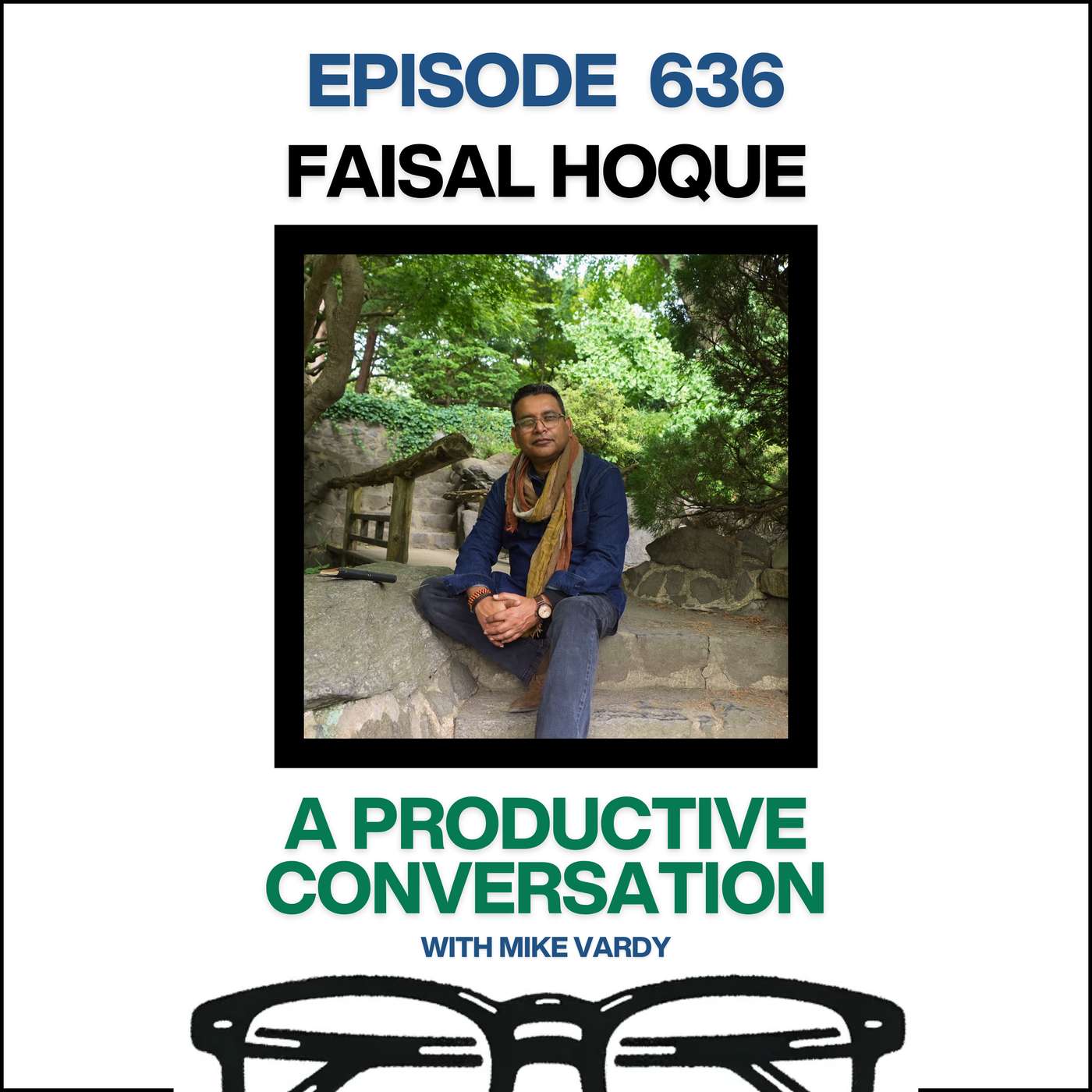
This time on A Productive Conversation, I sit down with someone who has spent decades at the intersection of technology, leadership, and what it means to remain truly human. Faisal Hoque isn’t just writing about AI from afar—he has lived inside this world for more than thirty years. From founding multiple companies to advising global organizations and government agencies, he brings a rare blend of deep technical expertise and grounded philosophical clarity.In this conversation, we get into his newest book, Transcend: Unlocking Humanity in the Age of AI, and explore the place where innovation meets conscience. We talk about fear and fascination, the frameworks that help us navigate uncertainty, and the practical ways AI is already reshaping how we think, work, and relate. It’s a wide-ranging, honest exchange about what we stand to gain—and what we can’t afford to lose.Six Discussion PointsWhy the rise of generative AI is only the beginning—and why thinking still mattersHow fear and fascination operate as “twin cousins” in our relationship with emerging technologyUsing the OPEN and CARE frameworks as complementary guides for opportunity and riskWhat organizations often overlook when AI governance becomes purely operationalThe philosophical crossroads ahead: outsourcing cognition vs. elevating human capacityHow empathy, devotion, and even love should shape the way we design and interact with technologyThree Connection PointsTranscend: Unlocking Humanity in the Age of AIFaisal’s websiteFaisal’s writing at Psychology TodayGetting to speak with Faisal reinforced something I’ve been thinking about for a long time: technology can extend what we do, but only we can determine who we become. AI may accelerate our output, sharpen our insights, and open new doors—but it can’t choose our purpose. That part remains ours. This conversation left me more convinced than ever that if we want a future worth inhabiting, we have to bring our humanity to the center of it.
This episode marks the final PM Talks conversation of the 2025 calendar year, and it’s a fitting one: Patrick and I explore legacy — not as something we engineer, but as something that unfolds in the stories others tell about us. As always, this episode is part of our monthly PM Talks series, and it might be the most reflective note we’ve ended on so far.We talk about time, presence, family, uncertainty, and the way small choices echo long after we’re gone. This one weaves philosophy into the everyday in a way that feels real, grounding, and honestly necessary as we close out the year.Six Discussion PointsWhy time feels like it’s accelerating as we age, and how presence slows the smaller slices of our daysThe balance between certainty and agency — and how we navigate what we do and don’t controlWhy trying to “control” your legacy is ultimately a losing battleHow stories — both true and inferred — shape the legacies we inherit and the ones we leaveThe importance of documenting your own story so others don’t have to invent one laterHow everyday tasks, decisions, and moments of presence quietly become the stories others use to remember usThree Connection PointsPatrick’s workThe Productivity DietOur episode on uncertaintyLegacy isn’t a monument — it’s a story, shaped by moments we’re often too busy to notice. This conversation reminded me that what endures isn’t the grand plan, but the small choices, the presence we bring, and the stories people choose to carry forward. Thanks for being with us through another year of PM Talks. There’s a lot more ahead in the next season.
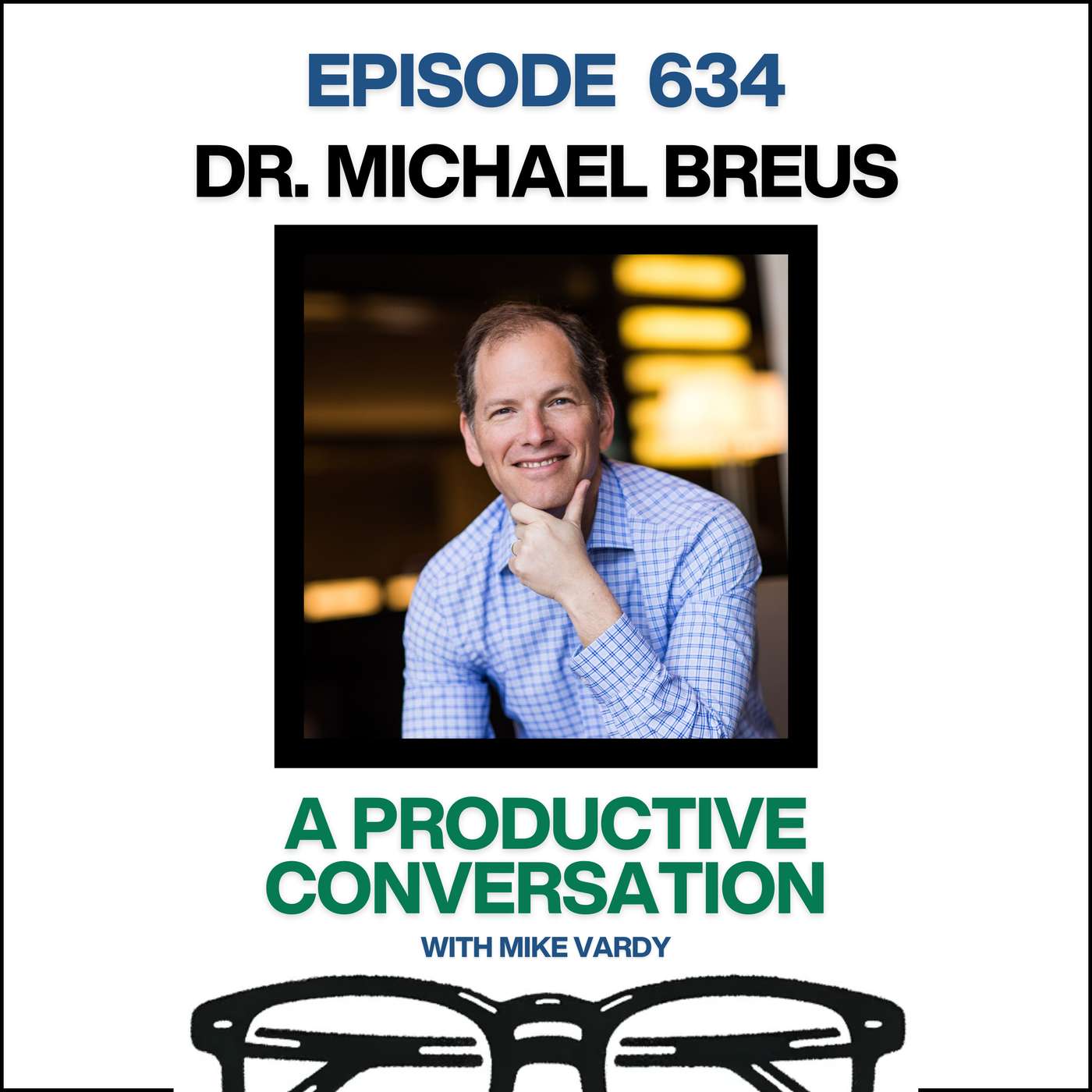
Most of us think of sleep as a nightly event. Michael Breus thinks of it as a lifelong pattern—a shifting, evolving chronotype that changes as we age. Every time he joins me, we end up deep in the details of how rest, alertness, and biology shape our days. This conversation was no different.In this episode, Michael and I dig into the core ideas behind his book Sleep, Drink, Breathe, why wellness keeps getting more complicated, and how simple habits—done with intention—can create real momentum. We also get into mouth taping, CPAP myths, the rise of at-home sleep tests, and why hydration and breathwork may be more important than most people realize.Six Discussion PointsHow chronotypes shift as we age—and why both of us are noticing that shift right now.The three “dominoes” of wellness and why breathing and hydration often need fixing before sleep.Why wellness feels overwhelming today, and the simple starting points Michael recommends.The real science behind mouth taping and why it can be risky without proper screening.How home sleep testing has changed—and why diagnosing sleep apnea is easier than ever.The Sleep, Drink, Breathe plan and how small, steady habits build lifelong change.Three Connection PointsRead Sleep Drink Breathe: Simple Daily Habits for Profound Long-Term HealthGet Life Gives to the Giver by Joe PolishTake The Sleep QuizConversations with Michael always leave me thinking differently about how deeply biology shapes behaviour. His work reminds me that productivity isn’t a matter of pushing harder—it’s a matter of aligning with the rhythms that already exist. If you’re looking to simplify wellness, understand your changing chronotype, or build habits that actually last, this episode is a worthwhile listen.
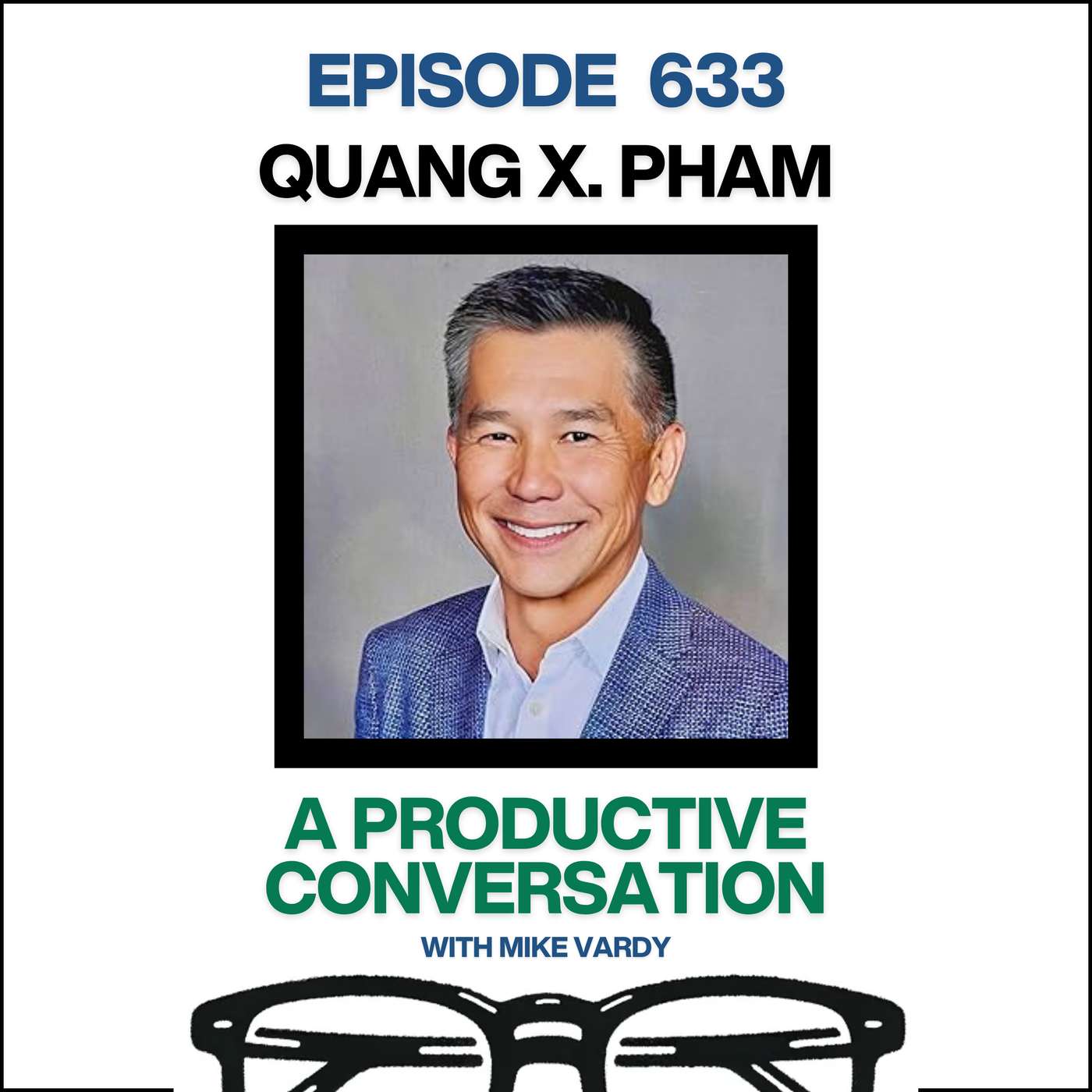
In this episode of A Productive Conversation, I sit down with Quang X. Pham — entrepreneur, author, and the first American of Vietnamese descent to become a U.S. Marine Corps aviator. Quang’s story is the definition of an underdog’s rise — from a young refugee in America to leading a Nasdaq-listed biotech company. His new book, Underdog Nation: Zero in on Effort and Results for Success, captures the lessons learned through perseverance, purpose, and performance.Our conversation dives into what it truly means to be an underdog — not just in sports or business, but in life. We explore the power of confronting limitations, committing with conviction, and using adversity as fuel for achievement. Quang’s experiences in the Marine Corps, pharmaceutical industry, and biotech leadership bring nuance and depth to the conversation on resilience, effort, and results.Six Discussion PointsHow arriving in America as a 10-year-old refugee shaped Quang’s early understanding of effort and resultsLessons from his time as a U.S. Marine Corps aviator and how “reading the room” became a leadership skillWhy underdogs must balance confidence with humility — and learn to show up when no one’s watchingThe four “Avenues of Approach” from Underdog Nation: Commit, Confront, Course Correct, and Build CredibilityThe role of patience and decision-making in both biotech innovation and personal growthWhy ego and insecurity are the biggest internal battles underdogs face — and how to replace them with clarity and focusThree Connection PointsVisit Quang's websiteGet Quang's bookWhile you're buying Quang's book, buy Hugh MacLeod's book tooThis conversation reminded me that success isn’t about where you start — it’s about what you choose to confront, commit to, and continue refining. Quang’s story proves that perseverance and patience go hand-in-hand, and that results come to those who focus not on optics, but on outcomes.
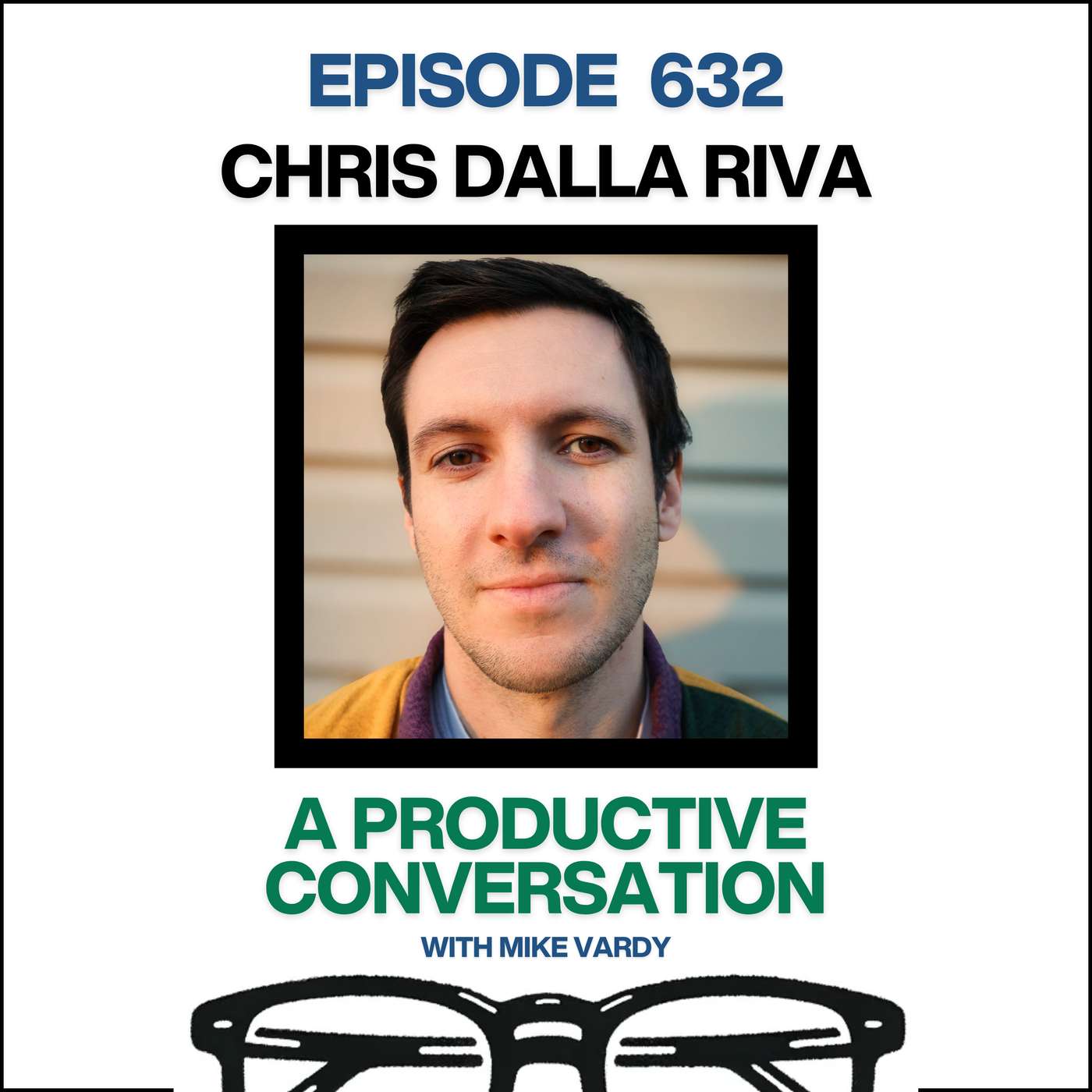
This episode of A Productive Conversation features Chris Dalla Riva, a musician, data analyst, and Senior Product Manager at Audiomack who bridges the gap between creativity and analytics. Chris joins me to discuss his book Uncharted Territory: What Numbers Tell Us About the Biggest Hit Songs and Ourselves.As part of his research, Chris listened to every Billboard Hot 100 number-one song—nearly 1,200 of them—tracking trends, rating songs, and discovering how randomness, technology, and taste shape what becomes a hit. We explore the intersection of numbers and nuance, how data can deepen our understanding of art, and what the patterns of pop music reveal about us.Six Discussion PointsThe origin of Chris’s experiment to listen to every Billboard number-one hitWhy Bob Dylan never topped the Hot 100—and what that says about luck and timingHow data, subjectivity, and quality intertwine when rating songsThe cyclical nature of musical trends, from movies to TikTokThe uneasy relationship between music and technology—from Auto-Tune to AIWhy the album format—and vinyl—still matter in a streaming worldThree Connection PointsCheck out Chris's newsletterBuy Chris's bookRead Mike's essay, The Sound of TimeChris and I cover a lot of ground in this conversation—from Bob Dylan’s surprising chart record to the influence of AI on modern music. If you’ve ever wondered what hit songs say about culture, creativity, and ourselves, this episode hits all the right notes.
This latest edition of our monthly PM Talks series dives into a topic that underpins nearly everything we do: trust. From trusting the moment you’re in to trusting the systems you build, Patrick Rhone and I explore how this single word quietly defines the way we live, work, and connect.In this conversation, we move from the personal—trusting ourselves, our instincts, and our attention—to the societal, exploring what happens when trust erodes in our institutions, technology, and even the tools meant to make life easier.Six Discussion PointsWhy trusting the moment enhances presence—and how presence strengthens trust.How trust manifests in everyday choices, like buying a car or managing a calendar.The connection between simplicity, minimalism, and building trustworthy systems.Why democracy, money, and even productivity all rest on unseen foundations of trust.The difference between a trusted system and your trusted system.How patience, presence, and attention preserve trust over time.Three Connection PointsPatrick's blog post on trustWatch The Big Short and/or Margin CallListen to Episode 596: Curiosity | PM Talks S2E3Trust isn’t static—it’s something we build, test, and sometimes rebuild. Whether you’re trying to trust your tools, your timing, or yourself, I hope this episode helps you see where trust already lives in your life—and where it might need a little reinforcement.
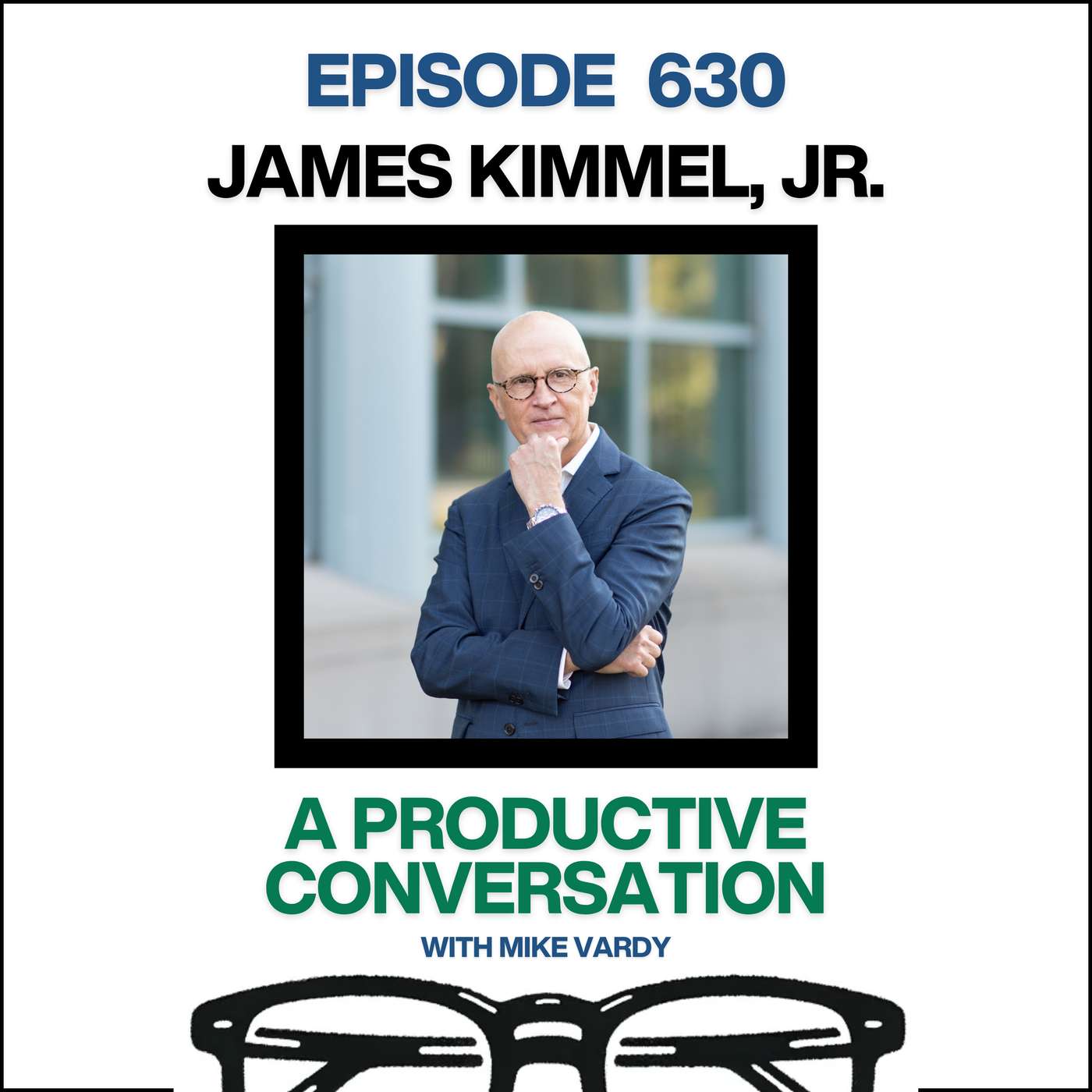
In this episode of A Productive Conversation, I sit down with James Kimmel Jr., JD — a Yale lecturer, lawyer, and leading researcher on the neuroscience of revenge. His new book, The Science of Revenge: Understanding the World’s Deadliest Addiction—and How to Overcome It, explores why our brains crave retaliation and how forgiveness can literally rewire us toward peace.Our conversation begins with a deeply personal story that shaped James’s life’s work and unpacks how revenge functions like an addiction — one fueled by pain, dopamine, and unchecked desire. What follows is a fascinating look at how our minds process grievance, why forgiveness is a neurological superpower, and how awareness can keep us from being consumed by cycles of anger and retaliation.Six Discussion PointsHow a violent act of bullying led James to study the neuroscience of revengeThe brain’s pain and reward circuits — and how they make revenge feel like a drugWhy grievances compound and can trigger impulsive reactionsThe distinction between self-defense, grief, and revengeHow forgiveness shuts down the brain’s pain network and restores self-controlWhy awareness, reflection, and tools like journaling can help break the revenge cycleThree Connection PointsGet James's bookVisit James's websiteCheck out the Miracle Court appThis conversation reminded me that the pause — that small, deliberate moment between grievance and reaction — can change everything. James’s work shows us that forgiveness isn’t about excusing others; it’s about freeing ourselves. I hope this episode helps you reflect on where small moments of release might lead to greater clarity, peace, and yes, productiveness.


Download from Google Play

Download from App Store
 United States
I got a bit lost in the talk about sports, but that's just me
I swear this Greg guy seems to like the sound of his own opinions. He says a lot without really saying a lot on this subject. No thanks. 😴💤
intentionally writing "a crappy first draft"? That's an interesting idea and one for me to consider within my writing.
Another good episode with some good tips for making the most of life right where you are, even if it's not where you want to be today.
Good content. 👍 We all have 24 hours in our day and it's more a case of working SMARTER than harder if we want to get stuff done.
What a fascinating discussion on the power of honesty! 👍🏻
Excellent listen! A lot to take from this. Great work.
Great, Awsome
So true. No buffer, no possible linear productivity system.
Where have you been all my life! I am in the process of buying the company I work for in a multi million dollar deal. I am where I am because I believe in hard work and perseverance. But, something was missing, I recently started falling behind... No matter how hard I worked. I found your podcast while preparing for a road trip. I have been able to implement ideas and methods I have heard while driving. Thank you! It is very rare a person can make a few productivity changes and see such a big impact! What I have finally realized is that old addage "work smarter, not harder"
waiting for the Baron Fig carrier pigeon man! 😅😅
I admire the respect you guys show for each other. Something we all need to learn from. Teaching us all competition is dead due to collaboration.
thanks for this amazing podcast