


 Claim Ownership
The Total Tri Coaching Podcast
Subscribed: 0Played: 0
Subscribe

© 2026 philq3
Description
Performance coaches Phil Murphy and Grant Sheldon discuss all things Training and lifestyle related for those chasing Performance gains in Triathlon, Running and Cycling
29 Episodes
Reverse
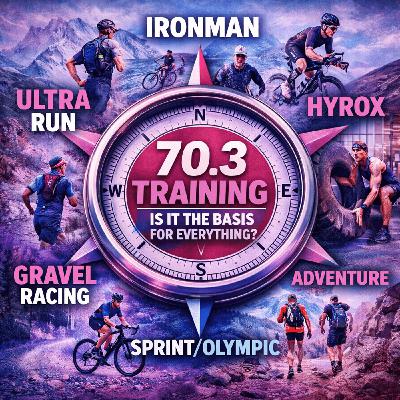
In this episode of the Total Tri Coaching Podcast, Phil and Grant discuss why 70.3 triathlon training is an ideal basis to build your training from as an endurance sports athletes who wants to maximise all of the opportunities out there. The endurance landscape has changed. To be the best, you need to be quite specific of course, but most athletes are not trying to be a World Champion, may not possess the background or talent to be one of the best age-groupers, or even the ability or desire to turn this hobby in to a living as a professional — For many we realise they want to train consistently, race well, stay healthy, and enjoy a wide range of endurance challenges. From Ironman and shorter-course triathlon to trail and ultra running, gravel racing, HYROX, and everyday “fit for life” performance, 70.3 training provides the perfect foundation to work from Phil and Grant break down what 70.3 training actually involves, how it fits into real life, and why it develops the aerobic engine, durability, and resilience that transfer so well across sports. They also explain how, with just 6–8 weeks of focused transition, athletes can shift direction and compete strongly in almost any endurance event. If you’re looking for longevity, flexibility, and a training approach that supports both performance and life experience, this episode makes the case for why 70.3 training is the basis for everything.Instagram - @totaltritrainingFacebook - https://www.facebook.com/TotalTriTraining/ Website – www.totaltritraining.comEmail – enquiries@totaltritraining.com COACHINGOne-to-one Coaching: https://www.totaltritraining.com/coaching-services/Squad Coaching: https://www.totaltritraining.com/total-tri-training-collective/ HOSTSPhil Murphy – https://www.totaltritraining.com/phil-murphy/Grant Sheldon - https://www.totaltritraining.com/grant-sheldon
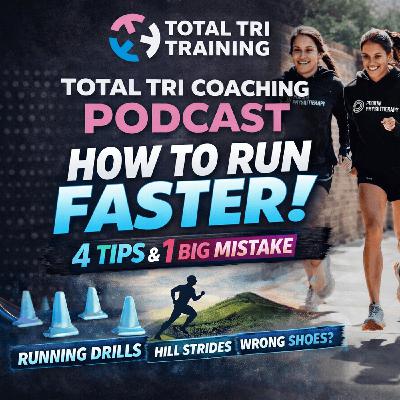
Most runners think getting faster means running more or running harder — but that’s only part of the story. In this episode of the Total Tri Training Podcast, Phil and Grant are joined by Rose Fernando from Podium Physio and the Run Clinic in Raynes Park, London, to unpack four overlooked factors that can dramatically improve your running performance — and one key area most athletes focus on but often get wrong. We cover: * Why running drills aren’t just a warm-up, but a powerful tool for improving run economy, tendon health, and technique* How uphill strides act as low-impact strength training to build power and speed* The importance of bespoke strength & conditioning, tailored to your running style, injury history, and individual weaknesses* How wearing the right footwear can support — or sabotage — your running mechanics* Why easy trail running is one of the most underrated tools for strength adaptation and injury prevention Plus, we tackle intensity control in key sessions — including how to correctly execute: 3 × 10-minute tempo with floats8 × 3-minute threshold intervals If you want to run faster, stay healthier, and train smarter — this episode is a must-listen.
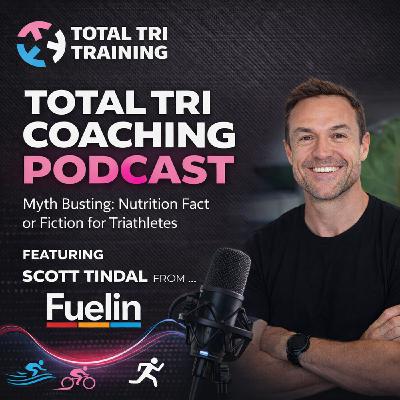
Do triathletes really need 120g of carbs per hour? Are liquid carbs better than solids? Is fasted training the key to fat adaptation — and are supplements actually game changers?In this quickfire episode of the Total Tri Training Podcast, we’re joined by Scott Tindall from Fuelin to break down the most common sports nutrition claims in triathlon and endurance sport.We tackle:* Carbohydrate myths and fueling targets* Fat adaptation and fasted training* Protein, recovery, and post-session nutrition* Salt tablets, supplements, nitrates, and creatine* Race-day hydration and GI issuesShort answers, practical takeaways, and no hiding behind “it depends” — just evidence-based guidance to help you fuel smarter, train better, and race stronger.
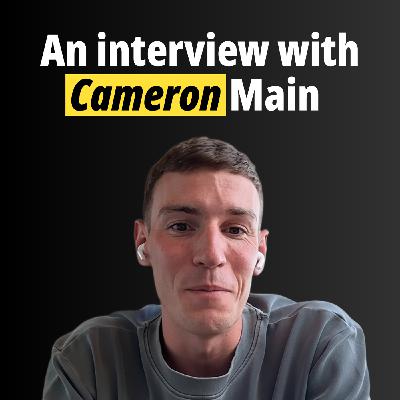
In this episode, we sit down with British professional triathlete Cam Main to unpack his journey from a lightning-fast but injury-prone short-course athlete to Ironman winner and Kona qualifier.Cam opens up about his early years in the sport, training in Loughborough alongside athletes like Alex Yee and Cassandre Beaugrand, and the lessons learned from a high-performance short-course environment. We dive deep into the physiology behind his success over longer distances — including why producing high lactate can still work in Ironman racing — and how control, durability, and pacing became the cornerstones of his progression.There’s huge practical value for age-groupers as Cam shares insights on swim and run technique, training structure, bike focus, managing injury, and maintaining form under fatigue. We also discuss his packed 2024 race schedule, recovery between Ironmans, heat preparation for Kona, and how to plan a season around major goals.A must-listen for anyone interested in long-course performance, smart training, and building durability without losing speed.

Races are selling out faster than ever — and while that’s a great sign for triathlon’s popularity, it’s also changing how athletes plan their seasons. In this episode, Grant and Phil unpack whether sold-out races are actually helping athletes, or quietly creating more pressure, less flexibility, and fewer opportunities to race. We talk about why many athletes now race less often than they used to, how the Ironman-first mindset can cause people to skip the enjoyment of local and shorter races, and why racing more frequently can make you a better — and happier — triathlete. From choosing events that suit your strengths, to racing locally vs abroad, to asking whether triathlon is even the right endurance event for you, this episode is all about making smarter, more athlete-centred race decisions. If you’re planning your season, feeling like you missed out, or wondering how to get more out of 2026 — this one’s for you.
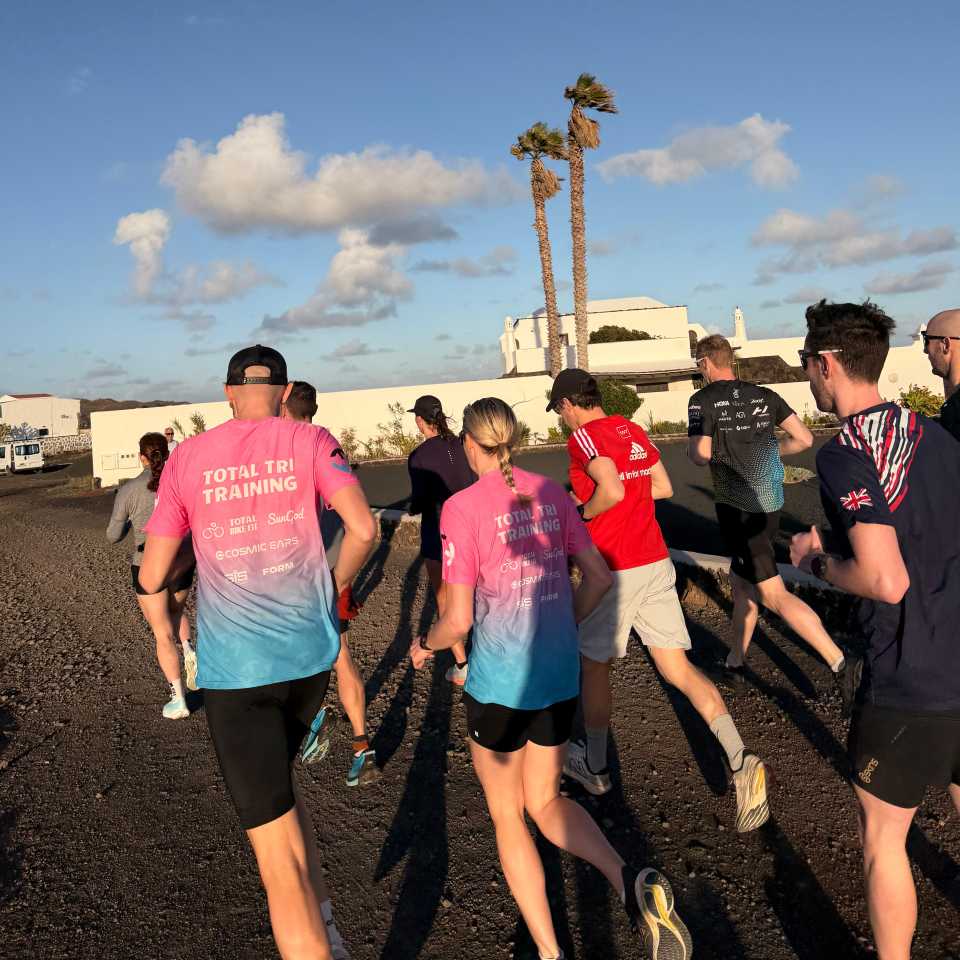
Your training doesn’t need more Click-bait— it needs clarity.
In this episode of the Total Tri Training Podcast, Grant and Phil break down five key winter training sessions that actually move the needle — and more importantly, why they work, how to execute them properly, and who they’re truly for.
This isn’t a list of flashy workouts designed for clicks. It’s an honest coaching conversation about physiological development, smart progression, and executing the right sessions at the right time of year. If you want to understand your training — not just survive it — this episode will help you train with purpose all winter long.
January has a way of making everyone hit reset — whether they planned to or not. In this episode, we chat about why New Year’s resolutions so often fall apart, and why it’s usually not a motivation issue, but an approach problem. Instead of trying to overhaul your whole self, we talk about using January as a chance to pause, reflect, and make a few smart adjustments.
Focus on what went right last year and keep that in play, adjust the few bits that went wrong. If a lot went wrong, then why? We offer some sound advice to help fix solutions permanently
Then the guys dig into the mindset shift that comes with a new year, especially for athletes. Races that once felt miles away suddenly feel close, motivation spikes, and the urge to do more kicks in. We unpack why keeping things simple tends to work better than going all-in, how “boring” habits actually move the needle, and why high motivation doesn’t automatically mean more training is the answer.
On the training side, we talk about this time of year being less about race-specific prep and more about pushing thresholds and making real physiological progress. It’s about building a bigger engine, doubling down on the basics, and nudging the dial forward without rushing ahead. The flashy stuff can wait — because what you do now sets the ceiling for everything that comes later.
You don’t win races in January — but you can definitely lose them
🎧 How Hard Is Hard Enough? Demystifying Training Intensities
Training intensity is one of the most talked-about—and most misunderstood—topics in endurance sport.
Last week on the Total Tri Training Podcast, host Phil Murphy and elite triathlete Grant Sheldon dive headfirst into the confusion surrounding training zones, RPE, pace, power, and lab-based metrics.
This episode cuts through the noise to help athletes train smarter, not harder—whether you’re racing short course or Ironman.
If you’ve ever wondered whether you’re training too hard, too easy, or just missing the point entirely… this one’s for you.
1️⃣ How Do We Get an Idea of Intensity?
Heart rate, pace, power, lactate, RPE—there’s no shortage of ways to measure intensity. Phil and Grant break down what each metric actually tells you, where it falls short, and why no single number gives the full picture. Learn how to use the right tool at the right time—without drowning in data
2️⃣ Teaching Athletes to Feel Intensity
The guys explain why internal awareness is a critical skill and how athletes can develop a reliable sense of effort that holds up in training and racing
3️⃣ How Strict Are Training Zones… and Are They Even a Thing?
Are zones fixed boundaries—or fuzzy ranges? Phil and Grant challenge the idea of “perfect” zone execution and explain why obsessing over precision can actually limit performance, especially for age-group athletes.
4️⃣ Why Do We Need Intensity Control?
More isn’t always better. This chapter explores how poor intensity control leads to stagnation, burnout, and inconsistent race performances—and why nailing the easy days is just as important as smashing the hard ones.
5️⃣ How Do We Simplify Intensity Control for Athletes?
Not every athlete needs a lab test or complex spreadsheets. The guys share practical, athlete-friendly strategies for keeping training on track—whether you’re guided by RPE, pace, power, or a blend of all three.
6️⃣ Time-Crunched Athlete vs 30-Hour-a-Week Pro
Training intensity doesn’t look the same for everyone. Phil and Grant compare how intensity distribution differs between busy age-groupers and full-time professionals, and what everyday athletes can realistically learn (and ignore) from the pro model.
🚀 Why You Should Listen
If you want to:
Train with more confidence
Stop second-guessing your sessions
Understand why your training is structured the way it is
Get better results with the time you have
This episode will help you cut through complexity and focus on what truly drives performance.
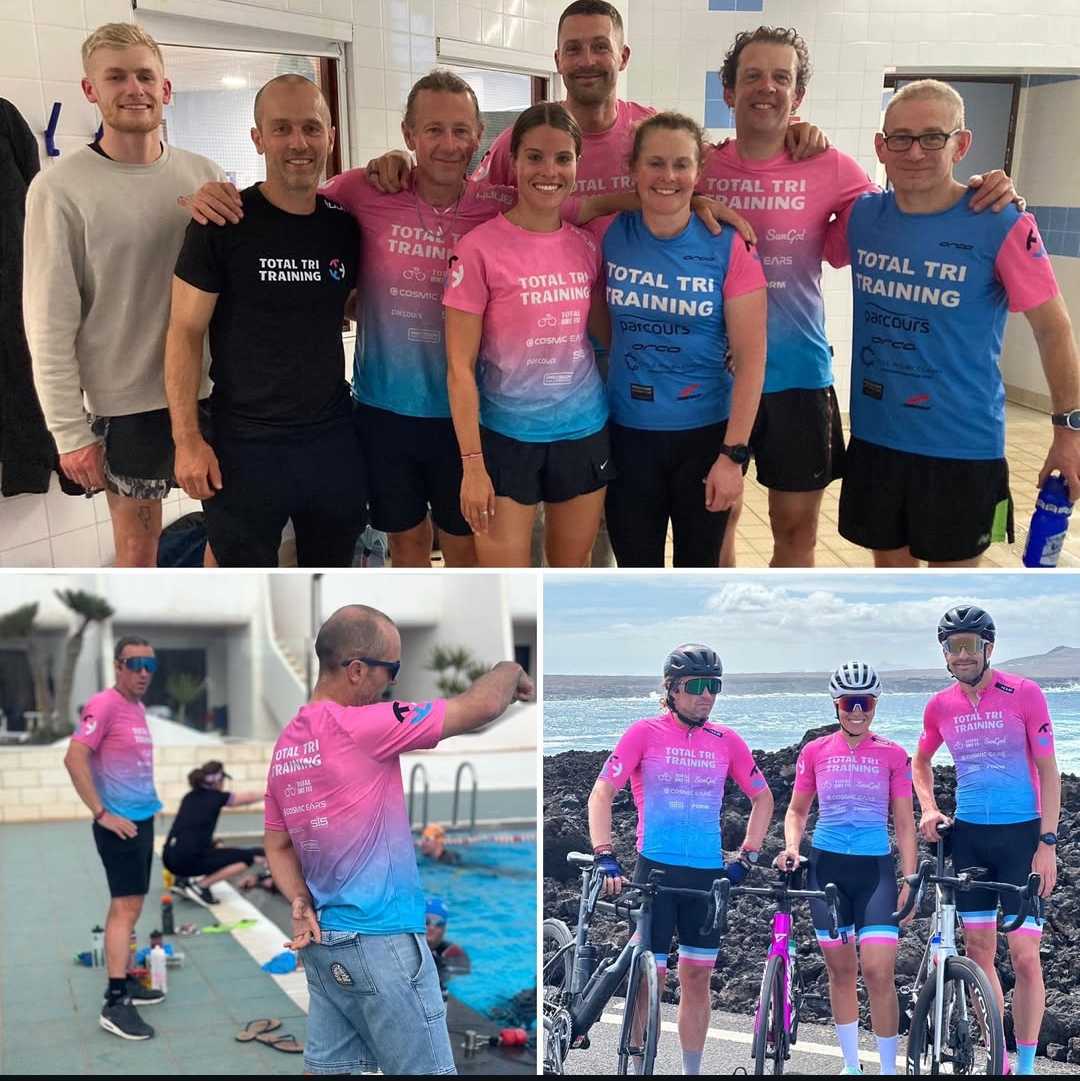
In this episode of the Total Tri Training Podcast, hosts Phil and Grant open the door to the world of effective coaching.
Whether you're already a coach, considering becoming one, an athlete working with a coach, or someone thinking about getting a coach, this conversation offers valuable insight from two people with a high level of success in the industry
Phil and Grant explore the importance of:
Having skin in the game
Leading with passion
Maintaining a high-performance mindset
How athletes can get the most out of a coaching relationship
Coaching Methodology
What qualities to look for when choosing a coach
What coaches look for in the athletes they may work with
The episode also breaks down the roadmap of taking an athlete from point A to point B—how that journey is built, adapted, and refined—and highlights how coaching is ultimately about helping people achieve their dreams.
A must-listen for anyone invested in growth, performance, and the athlete-coach partnership.
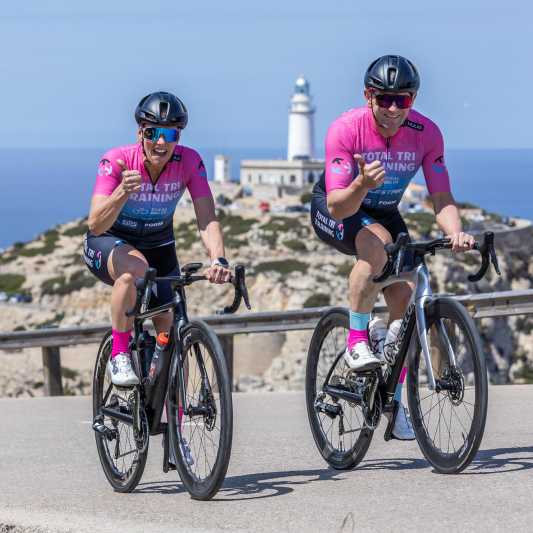
In this episode of the Total Tri Training Coaching Podcast, hosts Phil Murphy and Grant Sheldon are joined by special guest Fran Recchia for a deep dive into what it really takes to stay fast after 40. Aimed at masters athletes in triathlon and other endurance sports, this conversation breaks down the realities of aging—and the opportunities that come with it.
We explore two key themes:
1. What you can’t stop declining with age – including changes in heart function, VO₂ max, muscle mass, hormones, and the nervous system.
2. What you can control – smart training strategies, recovery priorities, strength work, mindset, lifestyle choices, and how to adapt to get the most out of every year.
Fran leads a dedicated segment on women-specific aging in sport, offering insights into hormonal shifts, performance considerations, and training approaches for female athletes navigating their 40s and beyond.
With Phil’s perspective as a high-performing masters athlete who continues to offset age-related changes through intentional training and mindset, this episode blends science, experience, and practical takeaways for any athlete determined to stay competitive—and keep getting faster.
Tune in, learn, and redefine what’s possible after 40.
This week’s Total Tri Training Coaching Podcast is all about data and technology
Triathlon has always pushed the boundaries of innovation — even more than cycling, where strict tech rules hold things back. That cutting-edge spirit is part of what makes the sport so exciting.
But with so much tech available, it’s impossible (and unnecessary) to use everything. So the real questions are:
How do you know what’s right for you?
When should you use it?
And how do you turn that data into meaningful improvements in training and racing?
This week’s episode answers all of that.
We break it down clearly across:
•Swim, Bike, and Run
•Beginner, intermediate and advanced
• Advanced tools such as lactate readers and temperature sensors
It’s a longer episode packed with useful insight — and before diving into the tech discussion, the lads also cover:
• The latest around the T100 situation
• How the 70.3 Worlds played out for age-group athletes
• Updates on the Kona qualification rule changes
Plenty to keep you informed and entertained this week on the podcast.
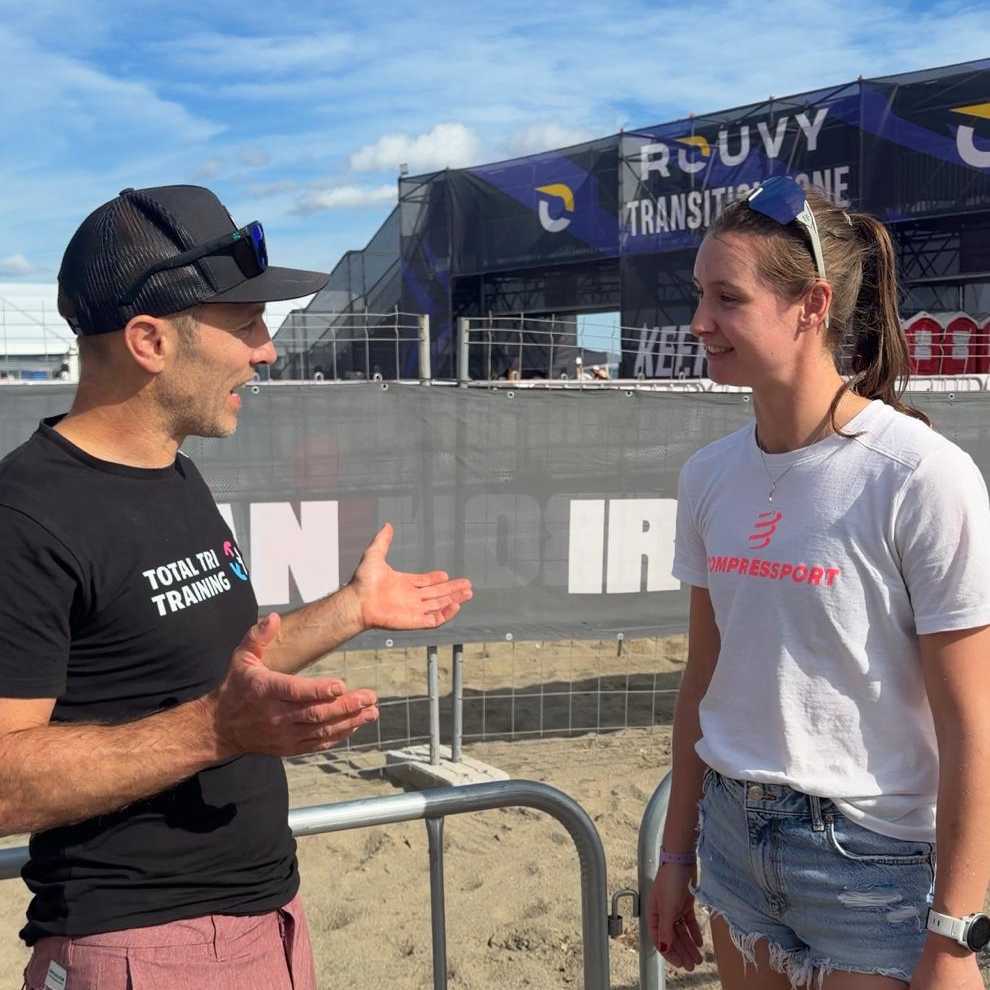
In today’s episode of the Total Tri Training Podcast, Phil and Grant break down the secrets to perfect race-day execution. We go deep on pacing strategy — including why setting a power cap on climbs and conserving carbohydrate could be the key to a strong run in Marbella this weekend.
Then, we chat with four inspiring athletes ahead of race day:
**Gail Walker** – chasing success in the 50–54 age group
**Karan from Mumbai, India** – taking on his first World Championship in the 30–34 category
**Ellie Hunter** – ready to be “on the hunt” in the women’s age-group race
**Chris Standidge** – three-time AG World Champion sharing invaluable insight
From first-timers to seasoned champions, these stories will resonate with every triathlete. Tune in for race wisdom, motivation, and a taste of the championship atmosphere in Marbella!
As the colder months roll in, how should triathletes adapt their nutrition to stay healthy, perform well, and feel great? This week, Phil and Grant sit down with Scott Tindal, performance nutrition coach and co-founder of Fuelin, to talk all things winter fuelling.
Scott shares his insights on alcohol, body composition, and general health — plus how to align your nutrition goals with your training through the off-season. He also gives his top three tips to level up your nutrition knowledge and cooking skills this winter.
As always, the result is a clear, practical plan:
✅ Assess your health
🎯 Set your goals
📚 Educate yourself
🍽️ Find the joy in eating well while building lasting habits
Perfect listening for anyone looking to make winter their most balanced and productive season yet!
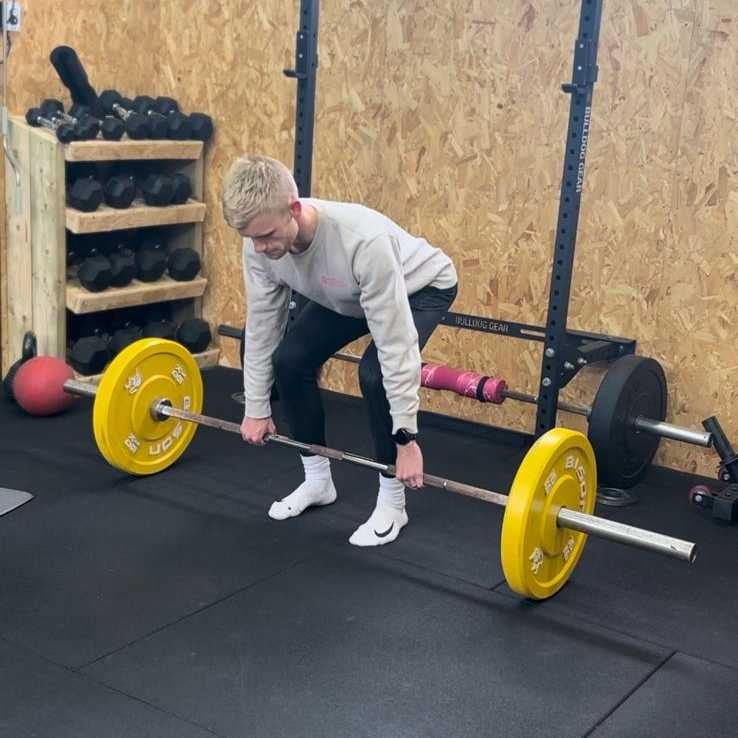
With a big increase in the number of our athletes now doing S and C at least once a week, with the podium results to show for it, can you afford to miss out?
Today’s Show:
De-bunking the Myth that Strength & Conditioning is complicated. In this episode, Phil and Grant are joined by Tom from Total Strength Endurance. They break down the why and how of S&C for Endurance Sports athletes — helping you understand how smart gym work can transform performance across all three sports.
They cover:
•Why S&C matters more than you think (you can’t fire a cannon from a canoe!)
•How stronger muscles and better movement improve swim power, efficiency, and posture
•How leg strength reduces the oxygen demand in cycling
•How better Co-ordination, Muscular Strength and Connective tissue conditioning leads to better running times
•How to build a simple, effective gym session using five key moves — push, pull, core, single-leg, and double-leg
Plus: when to focus on strength through the season, how to balance gym and sport training, and the Mystique of “plyometrics” explained
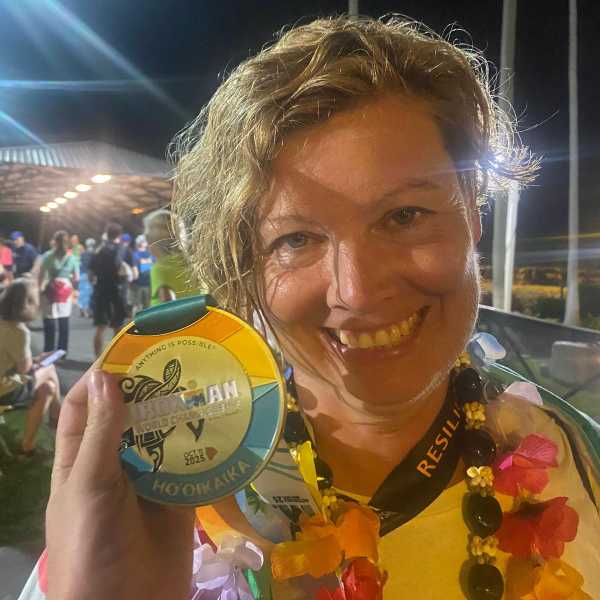
The 2025 Ironman World Championships in Kona brought the heat — literally and figuratively. In this episode of The Total Tri Coaching Podcast, we break down the standout performances, the brutal conditions, and the key lessons every athlete can take from the world’s toughest race
Then, we shift gears into something every triathlete should be doing right now: the end-of-season review. Learn how to reflect, review, and refine your year to maximise next year – from delivering the fun to maximum performance outcome
Whether you’re chasing a Kona slot or your first 70.3 finish, this episode is packed with practical insights to help you finish strong and start next season smarter.
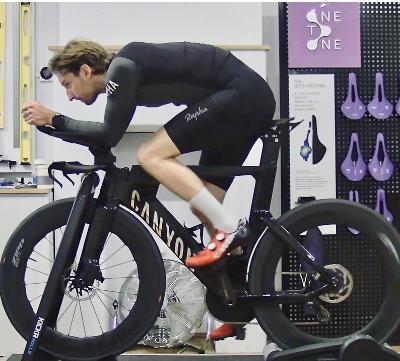
Phil and Grant sat down with two bike fitting experts this week. Richard Melik from Freespeed who has been in the sport since the 80s and our own resident bike fitter and pro triathlete Kit Walker. We discuss, what the process of bike fitting entails. When you should get one and why it is probably the best bang for your buck no matter what your level. One thing from this conversation was clear; these guys love the details but also know how to use that knowledge to help everyone. If nothing else, you will learn a tip or two for a faster ride. We also gave our predictions for Kona this weekend and discussed our own racing and training. One of which includes a a very fetching white skinsuit…
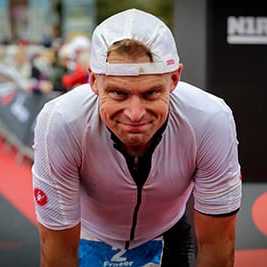
Fraser Cartmell had a great career in both Short course and Long Course Triathlon before transitioning into some presenting, commentary, and coaching.
Host, Grant Sheldon knew Fraser from training in Stirling as he was coming through the ranks and looked up to Fraser as that older role model. Now Grant, along with Phil, have Fraser on the Podcast to talk everything from his pro career, his amazing and often funny experiences in the sport to who he is now and where he and the sport are heading
One thing is massively apparent – this guy LOVES Triathlon. We could have probably made a 10-hour episode!!! But the 1 hour you get here is full of Golden Nuggets of information to help you in the sport, all wrapped up in a chilled out catch-up between two old friends in the sport
This week, the guys take you through everything, including thinking bigger than just the A race.
How do you qualify for the world champs or GB age group team. We break both of these down and get into the detail. The new format from Ironman is analysed and discussed. Is it perfect? No, in short, but we explain why we also like the idea behind it. Is it doing a good job of promoting things like female participation in championship races? Is it fair to both sexes and all ages?
Then thinking about maximising experience and sharing races with your coach and team mates before then planning the season that works best for you:
•How to spread out races
•How many races per year
•How to block races together
•Making sure you don’t lose fitness with bad planning
•The complications of single sport races such as marathons
•Peaking at the right time
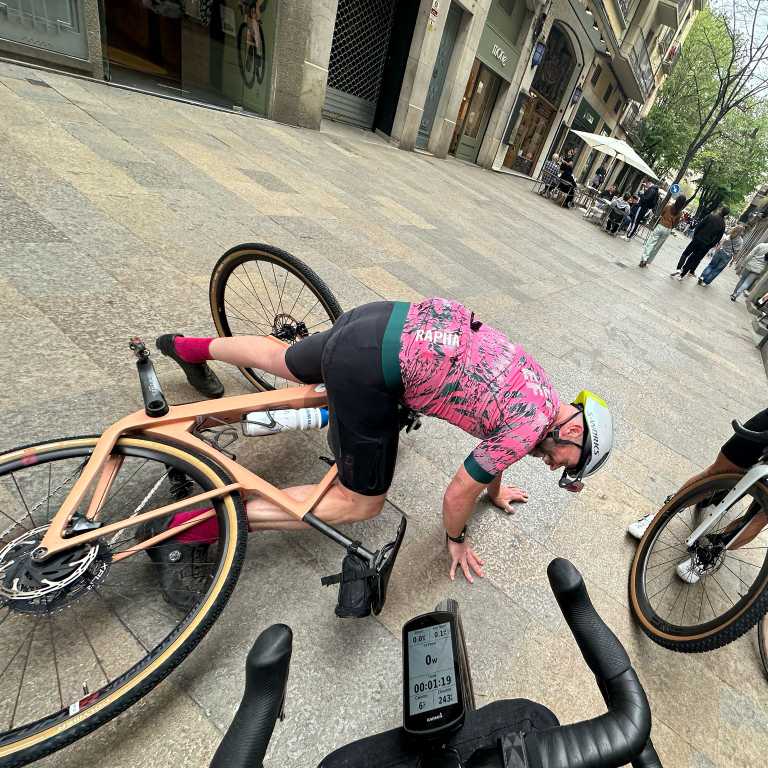
Back with a big one. Grant and Phil chat about reflecting on the season, post race breaks, and how winter training looks for athletes.
In-depth look in to swim, bike, run and gym work along with the mindset shift for Traithletes after a hard year of racing
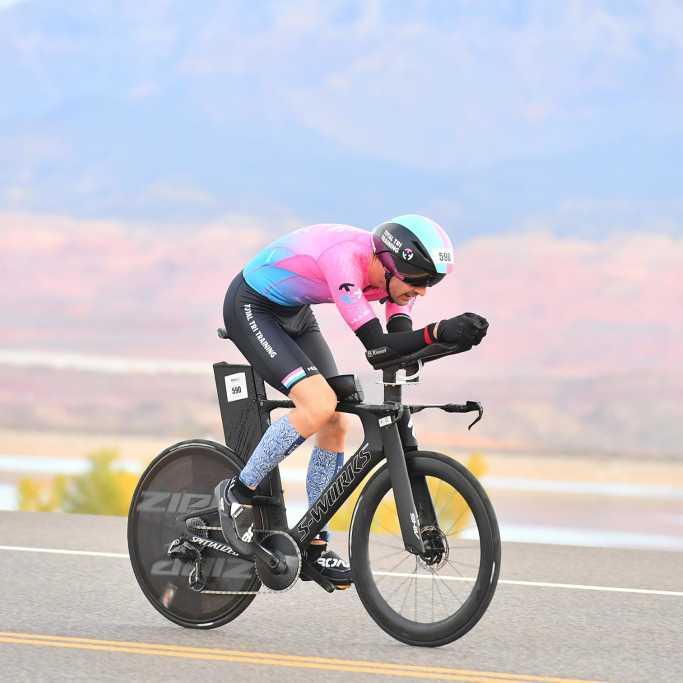
Phil and Chris get into the nitty gritty of how to be a faster version of yourself for 2025 on the bike. This is quite a detailed conversation with different thoughts for athletes at all levels and ultimately a lot to take away and digest.
The guys were involved in Triathlon at the time when speed went through the roof and were very much on the forefront of this in their own racing.
This pursuit of speed is relentless, and the guys are still chasing it. A great listen as we head to summer

Comments

Download from Google Play

Download from App Store
 United States