


 Claim Ownership
Conversations with Musicians, with Leah Roseman
Subscribed: 13Played: 601
Subscribe

© Leah Roseman
Description
There’s a fascinating variety to a life in music; this series features wonderful musicians worldwide with in-depth conversations and great music. Many episodes feature guests playing music spontaneously as part of the episode or sharing performances and albums. The inspiration and connection found in a meaningful creative life, the challenges faced, and the stories from such a diversity of people will draw you into this weekly series, with many topics that will resonate with all listeners. Available also as video and transcript: https://www.leahroseman.com/about
233 Episodes
Reverse
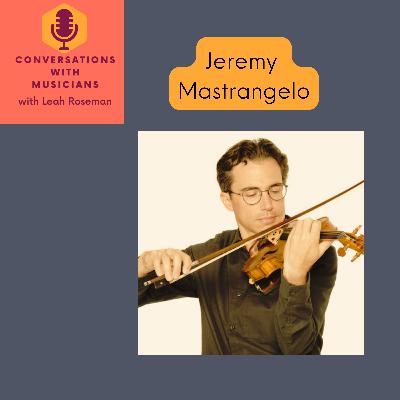
Conversations with Musicians with Leah Roseman is available wherever you listen to podcasts. The video and transcript are linked here on my website, where you can check out my episodes catalog and sign up for Sneak Peeks for upcoming guests: https://www.leahroseman.com/episodes/jeremy-mastrangelo
This week’s guest is violinist Jeremy Mastrangelo, who’s a wonderful colleague of mine in Canada’s National Arts Centre Orchestra. He’s known in our greenroom as a great storyteller, onstage as an excellent musician, and having heard him give brilliant masterclasses I can attest to his excellence as an educator as well. This episode is infused with Jeremy’s wit and wisdom as well as a couple of beautiful violin performances. We talk about violin shopping in Cremona, teenage life at Interlochen Academy, the difficulties and joys of a career as an orchestral musician, family, and the benefits of deepening our understanding of the composers we play. You will find that one of the wonderful stories in this episode reveals an unexpected discovery!
This independant podcast needs your support. Can you help with $3? https://ko-fi.com/leahroseman Thanks so much!
Timestamps:
(00:00) Intro
(02:11) Jeremy’s brother Dave, his childhood starting violin
(10:31) Bach Aria from Goldberg Variations
(13:23) Dave Mastrangelo arrangements
(15:05) orchestra audition process
(19:11) working conditions, collective agreements, Syracuse orchestra experience, Sara Mastrangelo
(27:21) please support the podcast!
(28:00) different roles and chairs in the orchestra
(30:31) Interlochen
(34:13) intro to Piazzolla etude
(35:45) Piazzolla Tango Etude no. 3
(39:34) dealing with uncertainty, pandemic Syracuse then Ottawa with Pinchas Zukerman
(45:37) ideal orchestra experiences, role of conductor and players
(50:15) Cremona with wife Sara, Italian heritage, Vittorio Villa
(55:54) Jeremy’s violin teachers Rafail Sobolevsky, Bill Preucil, Hal Grossman, Paul Kantor
(01:03:26) Rafail Sobolevsky story
(01:10:13) Sally Thomas, James Ehnes
(01:14:12) cooking
(01:16:07) great books about composers and performers
(01:20:37) solo experiences, stress dreams, benefits of knowing more about the composers
(01:28:16) one final orchestra story
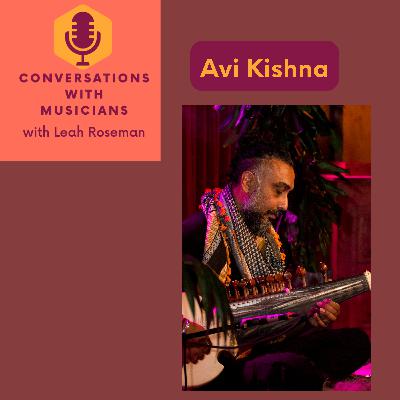
Avi Kishna is a Dutch sarod player based in Amsterdam, of Indo-Surinamese heritage. You’ll get to know the sarod as an instrument and hear Avi’s perspectives on Dutch society and his interesting collaborations. Among his mentors is his inspiring father, Ramdew Kishna, a multi-talented musician, director, and painter, who played a pivotal role in shaping Avi's musical journey along with his guru, Koustuv Ray. As a young man, Avi embarked on a successful career as in sales and marketing, but during this time he pushed music aside, and I found it deeply touching to hear how he was able to come back to music with the wisdom of having left such an important part of himself behind. You’ll hear about Avi’s project working with schools in Amsterdam to help provide music programs in underserved communities and this episode features some of his sarod music. Like all my episodes, you can also watch this on my YouTube channel, and I’ve also linked the transcript here to my website: https://www.leahroseman.com/episodes/avi-kishna
Can you buy this podcaster a coffee to support this series? https://ko-fi.com/leahroseman Thanks!
Here you'll find the links to Avi's projects like Raga Reflections, where to stream and buy his music, upcoming performances, including a video with dancer Shailesh Bahoran (which we talk about): https://www.sarodbyavi.com/
Link to Muziek Educatie Centrum Amsterdam: https://www.muziekeducatiecentrum.nl/jeugd-fonds-sport-cultuur-amsterdam
Follow me on Social Media: https://linktr.ee/leahroseman
Episode with sitar player Mohamed Assani: https://www.leahroseman.com/episodes/mohamed-assani
Episode with bansuri player Milind Date:
https://www.leahroseman.com/episodes/milind-date-bansuri-player
Complete Catalog of Episodes: https://www.leahroseman.com/about
Newsletter sign-up: https://mailchi.mp/ebed4a237788/podcast-newsletter
Timestamps:
(00:00) Intro
(03:42) the sarod
(11:57) Indo-Surinamese heritage and history
(16:16) South Asian music in the Netherlands
(19:38) dancer Shailesh Bahoran
(25:00) excerpt from While She Sleeps
(28:06) bringing different music together, Soundscape Sessions
(38:01) please support this podcast!
(38:39) Ramdew Kishna, Avi’s father
(43:27) racism and inclusion
(50:53) sarod guru Gungun Kaustuv Ray
(56:14) learning from others
(57:56) Raga Reflections
(01:04:19) Darbari
(01:08:00) sales and marketing career, return to music
(01:13:05) giving back through music education

It was so inspiring to have this conversation with the multi-talented singer-songwriter and pianist Vienna Teng . In this episode we’re featuring the band Few of a Kind’s new album, a beautiful collaboration with Vienna, Brandon Ridenour, Ben Russell, Yousif Sheronick, and Andrew Gutauskas. Vienna takes us inside their creative process with excerpts from each track. She also reflects on what truly makes a great song, how her identity evolved with parenthood, and how she has connected with audiences through her climate action workshops. Vienna also shared insights into two other brilliant recent projects, her unique album We’ve Got You and “The Riversitter” after Dave Eggers’ “The Museum of Rain”.You’ll hear the charming story of how she actually found her stage name, some highlights including opening for Joan Baez, performing on the Late Show with David Letterman and especially what it felt like to return to touring and recording after a ten-year hiatus after working in environmental sustainability. Full Show Notes for all the links: Vienna Teng's albums, website, Songwriter podcast, linked episodes with Gabriel Kahane, Jean Rohe, Ida Gillner, Fern Lindzon and Diane Nalini and my Newsletter, Merch store and how you can buy me a coffee to support this series!photo: Sherwin Lainez(00:00) Intro(02:21) Stage name story, David Letterman and early fame, working at Cisco(07:09) Few of a Kind band, with clip track 1 “Transcontinental 1:30 AM”(11:49) life of a singer, Ben Russel with clip of track 4 Two Steps From the Blues(18:31) creative process Few of a Kind, Octavian studios(20:52) environmental sustainability, decision to go back to university(28:07) Few of a Kind, clip of track 2 Alone, Brandon Ridenour(31:32) crafting a life in music with social impact(34:12) other linked episodes and ways to support this series(35:02) what makes a great song, Asian American identity Alex Wong(42:31) climate action workshops connected to concerts(47:20) We’ve Got You with clips, how Comfort and Spark fit together(54:33) writing “The River Sitter” after David Eggers “The Museum of Rain”(01:00:36) Few of a Kind, with clip of track 3 Five’s Alive, Andrew Gutauskis, Yousif Sheronick(01:07:40) touring, opening for Joan Baez(01:12:03) coming back after 10 year hiatus
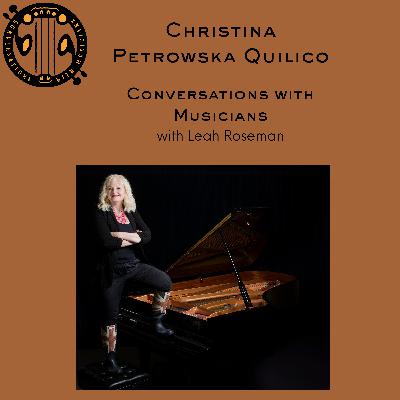
I was honoured to have this opportunity to talk to the pianist Christina Petrowska Quilico about her extraordinary life in music and the arts. She shared wonderful and moving stories about Ann Southam, Louis Quilico, Pierre Boulez, Jacques Isrealievitch, and her legendary teacher Rosina Lhévinne. I was really struck by Christina’s open-minded attitude throughout her long career to learning new music, culminating in almost 70 brilliant and powerful albums so far; it’s amazing to learn that most of her recordings are recorded live, in one take. Christina also shared how meaningful it is to her to be a mother and grandmother, as well as respected academic; she’s Professor Emerita and Senior Scholar at York University in Toronto. Among many honours, she has been appointed to the Order of Canada, and the Royal Society of Canada. Her curiosity and creative energy seem limitless; she’s a poet and visual artist, she’s studied Ancient Egyptian culture, and she lives her life spiked with humour and a down-to-earth attitude. We are also including excerpts from several of Christina’s albums and performances including music by Mozart, Art Tatum, Ann Southam, Meredith Monk and David Jaeger, all detailed in the timestamps, with links in the show notes.The show notes will also bring you to: Christina's website, linked episodes you'll enjoy, my podcast newsletter for exclusive information about upcoming guests, podcast merch, the YouTube video, and all the albums featured on this podcast! (00:00) Intro(02:19) Ann Southam (07:29) clip fo Ann Southam’s Glass Houses Revisited #5 from concert; video linked in show notes(09:09) Ann Southam(11:29) mindset for recording(17:11) Jacques Israelievitch Mozart project with (22:07) clip of Mozart Sonata no. 32 in B flat major, K. 454, 3rd movement Allegretto, album linked in show notes(23:20) Louis Quilico, opera(30:38) visual art, synesthesia(35:32) Other linked episodes(36:31) learning so much new music, Pierre Boulez stories(45:55) first husband Michel-Georges Brégent, David Jaeger (49:07) clip of Takemitsu Les Yeux Clos from Games of the Night Wind, album linked in show notes(50:12) upcoming projects, career path, Rosina Lhévinne(56:30) impact of sexism on her career(0:01:13) audio clip Paris by Meredith Monk from Retro Americana, album linked in show notes(01:02:24) Retro Americana album, with clip of I’ll Never Be the Same by Art Tatum (01:05:22) Rzewski, clip of Winnsboro Cotton Mill Blues from Retro Americana(01:06:28) David Jaeger, arts funding, CBC(01:12:21) piano repertoire and technique, Jeaneane Dowis (01:16:39) learning music, funny story, Vintage Americana album(01:20:44) clip of Fantasy Pieces - Allegro Minacciando by David Del Tredici from Vintage Americana) (01:21:36) living a creative life, mindset, studying Ancient Egypt
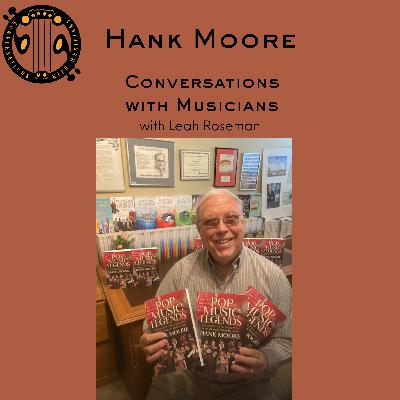
Hank Moore became a radio DJ at just ten years old, then went on to influence the broadcasting industry. You’ll hear about his experiences interviewing Elvis Presley, working as an advisor to President Lyndon B. Johnson, and earning two inductions into the Rock & Roll Hall of Fame. From payola to the negative effects of the deregulation of broadcasting, he offers valuable perspectives on the music industry. Hank has crossed paths with legends like Ed Sullivan, Frank Sinatra, and Burt Bacharach, and lived through many moments that defined popular culture. We discussed his Pulitzer Prize nominated "Pop Music Legends" and some of the many highlights from his varied and fascinating career in broadcasting and business. Like all my episodes, you can watch this on my YouTube channel or listen to the podcast, and I’ve also linked the transcript. t’s a joy to bring these inspiring episodes to you, and I do all the many jobs of research, production and publicity. Have a look at the show notes of this episode, where you’ll find all the links, including different ways to support this podcast and other suggested episodes. Show Notes with All the Links! Hank Moore website(00:00) Intro(01:53) Hank Moore’s books, celebrities, radio, Lady Bird Johnson, Lee Iacocca, Bing Crosby(19:16) Elvis Presley, André Previn, Rock & Roll Hall of Fame(30:31) advisor to President Lyndon Johnson, radio industry(49:18) linked episodes, ways to support this podcast(50:02) Ed Sullivan, Mitch Miller, popular music history(58:54) Payola, meeting Burt Bacharach, McCarthy black list(01:08:39) stars discovered on talent shows, music industry problems(01:20:40) non-profit work, business and political work(01:27:45) Carole King, creative process
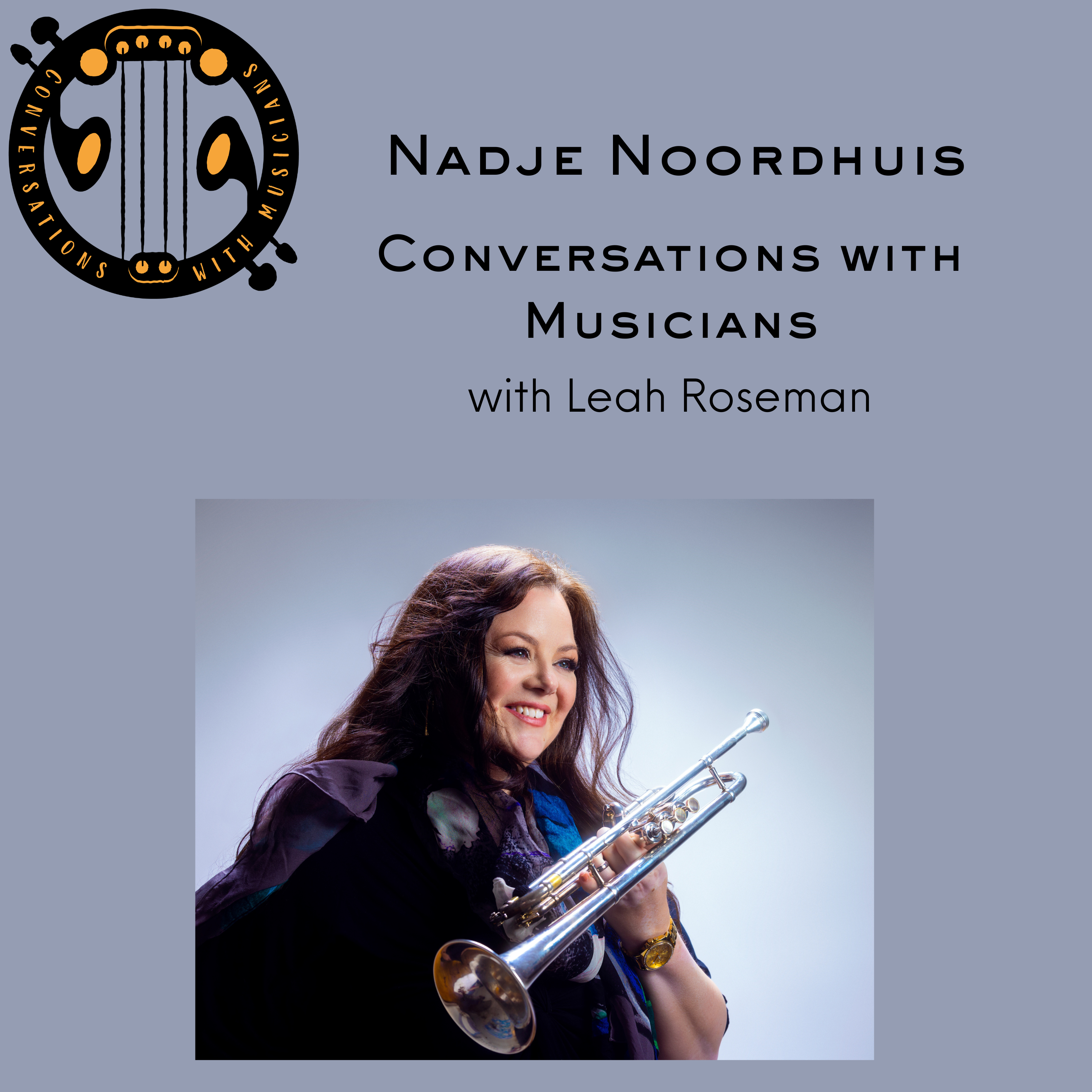
The trumpet player and composer Nadje Noordhuis joined me for a wide-ranging conversation about identity, creativity, and carving out a life in music on her own terms. Nadje reflects on her early musical upbringing in Sydney, Australia, and the formative training that led her toward jazz trumpet. She remembers her friend Lois Martin, and Nadje speaks candidly about experiences of sexism in the music world, and the challenges of breaking into the New York jazz scene—financial struggles, years at the Manhattan School of Music, and finding her footing as a woman in jazz.She reflected on her collaborative project Multitudes with composer James Shipp, and you’ll be hearing clips from that project as well as Gulfoss with Maeve Gilchrist, Full Circle with Fred Hersch. She talked about being about to record with the legendary engineer Jan Erik Kongshaug, and Nadje encourages all of us to take risks to follow our own paths. Complete Show Notes with all the links! (Video, linked episodes, Transcript, podcast merchandise and Ko-fi support page, newsletter)Nadje Noordhuis Websitephoto: Matt Baker(00:00) Intro(02:12) Sara Caswell, Dutch heritage(03:45) Multitudes with James Shipp(07:06) clip of Run Together from Multitudes(07:48) more about Multitudes, clip of Say Goodbye(09:31) Lois Martin(13:36) Laurie Frink(16:09) versatility in building a career, Anat Cohen(19:21) early music training childhood in Australia(22:20) experiences of sexism, decision to pursue jazz trumpet(30:15) Full Circle album Elan Mehler, Fred Hersch (clip Little Song from Full Circle)(34:24) move to New York, financial struggles(39:06) breaking into the jazz scene as a woman, Manhattan school(43:54) other linked episodes and ways to support this project(44:51) youth in Sydney, Australia(48:40) teaching, Fifth Bridge(53:26) recording Gulfoss album with clip of Seven Miles(57:25) working with Jan Erik Kongshaug, recording Ten Sails with Luke Howard(01:05:35) clip of Rainbow from Multitudes, living as an expat(01:07:36) clip of Full Circle, reflections on choosing her own path
Julia Keefe (Nez Perce) is an internationally acclaimed Native American jazz vocalist, actor, activist, and educator currently based in New York City. You’ll hear how her Indigenous Big Band project started, the history behind jazz in Native American communities and inspiration from Delbert Anderson to Jim Pepper. A special influence in her life has been Mildred Bailey and you’ll be hearing some clips from Julia’s Mildred Bailey Project album throughout this podcast; the track names are in the timestamps. Mildred was a very important figure in jazz and Julia is also working on a film about her life and career. Julia spoke about some of the sexual harassment she has experienced and how she was affected by the experience of sexual assault by a professor when she was in graduate school. She opened up about how she got through that time with the support of her vocal teacher Jo Lawry . In the shadow of this challenging time, Julia shared some fascinating specifics into how her voice teachers Jo, Theo Bleckmann and also Kate McGarry helped push her artistic and expressive boundaries, and later what a transformative experience it was to be mentored by Esperanza Spalding. Julia’s identity as an Indigenous jazz musician shapes her creative life in so many affirming and inspirational ways; I’m so happy to share this meaningful conversation with you. Complete Show NotesIn the show notes: links to other suggested episodes, newsletter, buy me a coffee, podcast merch, link to Indigenous Big Band video, transcript and of course Julia Keefe's music!Julia Keefe website photo: Don Hamilton(00:00) Intro(02:38) Indigenous Big Band, Delbert Anderson(10:21) clip of Jim Pepper’s “Water”, video linked in show notes (12:24) Mildred Bailey Project(14:19) clip of “Thanks for Memory" track 8 (15:08) Mildred Bailey Project album release(18:10) Mildred Bailey with clip of Rockin’ Chair opener track 1 (25:28) clip of track 9 Rockin’ Chair, Mildred Bailey film project with Lily Gladstone, Gary Farmer(39:23) clip of track 2 “Lover, Come Back to Me” Sterlin Harjo film “Love and Fury”(41:51) linked episodes and ways to support this podcast(42:56) Jim Pepper(49:06) Julia’s childhood, Kamia, learning Nimipuutimt(55:00) residential schools bands history(01:00:24) Master’s at Manhattan, Kate McGarry, Jo Lawry, Theo Bleckmann(01:05:35) personal challenges including sexual assault, support of Jo Lawry(01:19:11) Esperanza Spalding mentorship
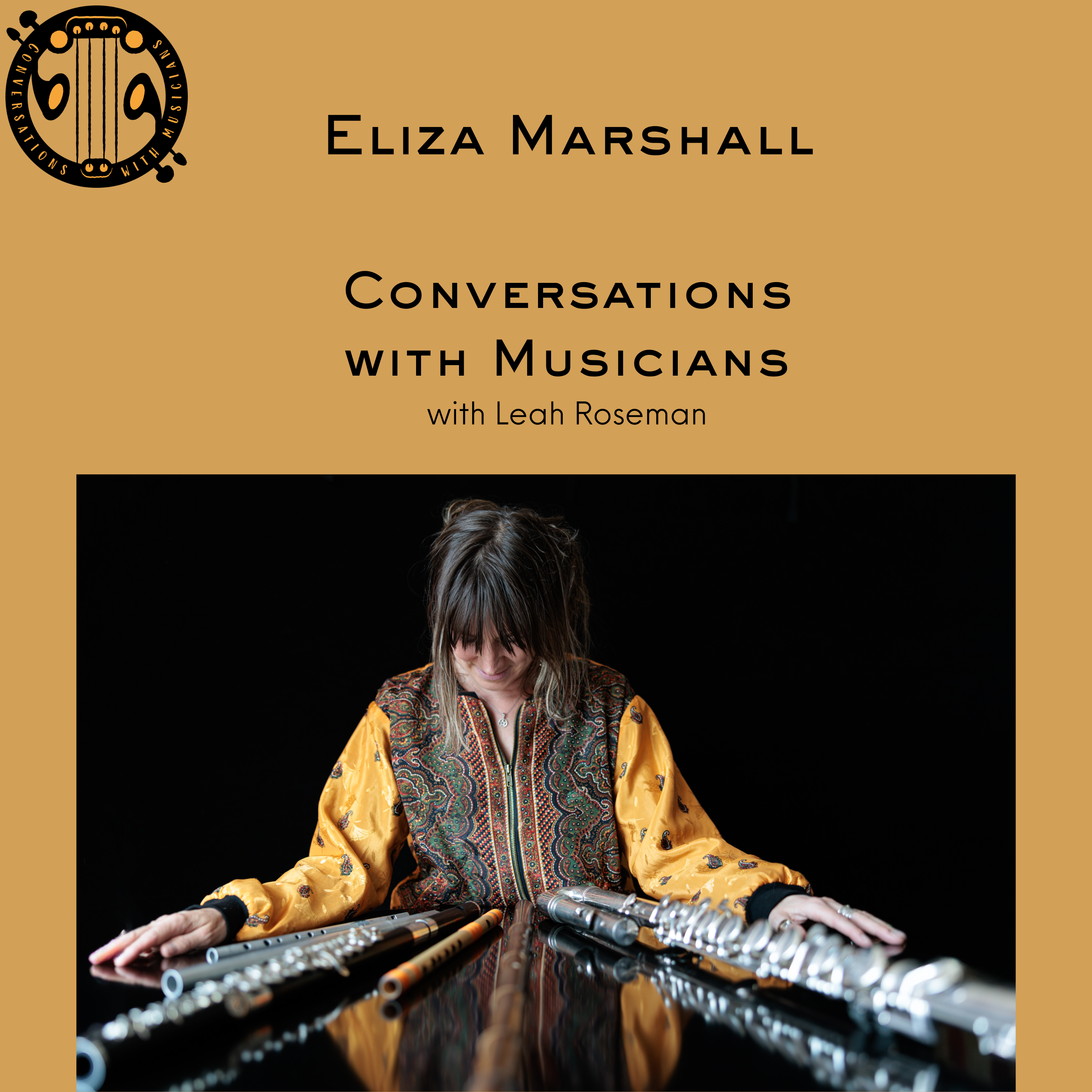
Eliza Marshall is a British flute player acclaimed for her expressive multi-style playing and in this episode we’re celebrating her new album “Eternal Birth” in which this award-winning flautist and composer channels over two decades of international collaboration into a bold, genre-defying album, with a rich cinematic soundscape, blending classical, folk and world traditions, with haunting flutes, whistles, bansuris, spoken word, percussion and electronics. Recorded in both the UK and Senegal, the album features an extraordinary line-up of world-class andGrammy Award-Winning musicians: Ady Thioune, Ansumana Suso, Drew Morgan , Dónal Rogers, and Lena Jonsson . Eliza shared her rich musical life: her studies with Michael Cox, her varied career including performing on the long-running West-End show The Lion King in London, touring with Peter Gabriel, and the joys and challenges of using a loop pedal. She shared insights about the importance of the folk band Ranagri in her life, her multi-disciplinary project Freedom to Roam, her love of the Hebrides Islands, the importance of re-wilding, and finding the courage to push boundaries and take risks.This episode is being released a few days before the release of Eternal Birth; you’ll find the pre-order link on Eliza’s website. I was really inspired to exchange ideas with Eliza about living a life rich with connection and creativity. Show notes take you to linked episodes you'll love, the video, transcript, podcast Newsletter to get access for exclusive information about upcoming guests, and support link for this independent project for which I do all the many jobs! (also podcast merch)Complete Show Notes Eliza Marshall WebsitePhoto: Jason SheldonTimestamps: (00:00) Intro(03:04) album “Eternal Birth”, Lena Jonsson, with clip of They Listen (06:29) layering textures, interest and research into music of Africa, percussionist Ady Thioune(09:13) youth Steiner Education, trip to Buea,Cameroon(11:13) about Roots Entwined, with clip of track 2(13:28) many different flutes, collaborating with Joby Talbot(17:40) about track 3, Our Times Reborn with clip(19:56) joy in composing, Reich influence, Sarah Jeffery(21:45) Michael Cox, learning different flutes and styles(26:25) Freedom to Roam project(31:32) Dónal Rogers, Ranagri, staying with projects long-term(36:08) linked episodes and buying me a coffee to keep this podcast going(37:08) Leah improv and podcast, Hebrides Islands, re-wilding(43:03) loop pedal, Linsey Pollak, getting outside your comfort zone, The Lion King job(53:45) Ansumana Suso on kora, safeguarding the fertility of the Earth, with clip of track 6 On and On(56:49) Ady Thioune, trips to Senegal (01:02:48) Rebeca Omordia, Omo Bello, my podcast(01:05:55) playing with Peter Gabriel(01:08:30) mortality with clip track 7 Dust to Dust (01:12:14) Stevie Wonder, studio work, love of film music, album cover meaning(01:16:56) Embracing our interconnectedness, with clip of track 8 Interconnected, self-care
I’m honoured to bring to you this in-depth conversation with the brilliant musician, writer, composer and storyteller Gabriel Kahane as my first episode of Season 6 of this podcast. You’ll be hearing many short clips from several of his albums including his piano concerto Heirloom, written for his father Jeffrey Kahane. This is a wide-ranging interview and you’ll hear about Gabriel’s upcoming book project, the impact of his early theatre training, how learning to conduct is helping him as a composer, and reflections from his hiatus from the internet and social media. Fans who love Book of Travelers and Magnificent Bird will hear clips and insights from those projects and we also got into his work as an artist-citizen in his large-scale work “emergency shelter intake form” commissioned by the Oregon Symphony about homelessness and the housing crisis. The track and album names are specified in the timestamps and everything is linked in the show notes, including other suggested episodes and ways to support this independent podcast: Complete Show NotesGabriel Kahane Website00:00) Intro(02:25) Book of Travelers, train trip, American Guide Series, Baedeker with clip from Book of Travelers(08:19) Book of Travelers, Pattern of the Rail, November with clip(10:45) Book of Travelers, arranging songs for ensembles, clip of Model Trains(16:24) train trip, more stories(19:20) piano concerto Heirloom, decimated press landscape, clip of beginning of first movement “Guitars in the Attic”, Heirloom piano concerto(22:58) Jeffrey Kahane, Heirloom bringing vernacular music into the concert hall with clip of first movement “Guitars in the Attic”, Heirloom piano concerto which uses Where Are the Arms(29:24) orchestration of Where Are the Arms and how it relates to the concerto with clip (from Heirloom album, the final track)(35:14) about the 2nd movement “My Grandmother Knew Alban Berg” and 3rd movement “VERA’S CHICKEN-POWERED TRANSIT MACHINE”, Heirloom piano concerto, with clips of both(38:52) pandemic move to Portland, living without the internet for a year, Magnificent Bird album(47:27) To Be American with clip from Magnificent Bird(50:27) other linked episodes and ways to follow and support this podcast!(51:15) story of Gabriel’s grandmother’s late life romance, clip of Sit Shiva from Magnificent Bird(55:24) Gabriel’s writing and upcoming book project, the importance of creativity(01:08:06) duo with Pekka Kuusisto “Council”(01:09:52) conducting orchestras(01:21:23) creative process, storytelling, challenges of internet distraction(01:28:21) “emergency shelter intake form” with clip XI. A Brief History of The Subprime Mortgage Loan Crisis and housing crisis, clip III. Where Did You Stay Last Night(01:35:11) CraigslistliederPhoto: Jason Quigley
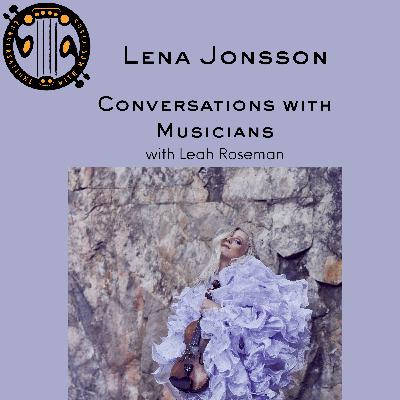
The Swedish fiddler Lena Jonsson has created a unique style inspired by traditional Swedish music as well as many other influences. Today we’re focusing on the wonderful 3rd album by her trio, “Folk Covers” which celebrates many great folk music composers of today. I think you’ll really enjoy this uplifting conversation which features a lot of music, including Lena giving us some spontaneous house concert experiences, and clips from the new album, with insights into process of curating and interpreting these folk covers; please note the timestamps have the tune names. You’ll also learn about the Swedish folk scene and regional differences, her experiences studying both in Sweden and Boston at Berklee, her love of creative design and how to dance a Polska. I want to let you know that I’m going to be taking a short break for a couple of weeks, but I’m very excited to bring you Season 6 of this podcast at the beginning of January 2026!Complete Show Notes for this Episode!Lena Jonsson Websitephoto: Klara Granberg (00:00) Intro(02:16) album Folk Covers, with clip of Äntligen!(04:33) childhood musical family in Hälsingland Sweden(10:28) microtonality and ornamentation in Swedish fiddling with Silkesvalsen(13:25) fiddling, duo with Brittany Haas(16:33) Four Minute Love Story with clip “Neljän Minuuttin rakkaus” Johanna Jukola(18:44) arranging, curating with Erik Ronström and Krydda Sundström with clip of Fortcalquier by Genticorum(22:29) first Canadian tour, Blue Skies festival(24:26) teaching folkhögskola, Berklee experience(30:22) Burdland, cover of Kinnaris with clip, Norwegian hardanger fiddle influence(34:51) learning from archival recordings(37:23) other linked episodes and ways to support this series(38:10) experience studying in Stockholm(42:00) Bubbles in Central Park with clip, how to dance a Polska(47:58) how to pronounce Lena and bits of Swedish culture, and clip of Unless/The Tobagganist by Hawktail(54:58) love of design and fashion, duo with Johanna Juhola(59:00) Morgenslått with clip, memorizing music(01:03:01) Erik Rydvall nyckelharpa, Midsummer, great fiddle teachers(01:07:33) harpist Maeve Gilchrist, clip of Brenda's Abbey, how the trio got started(01:12:09) composing with performance of Ispolskan
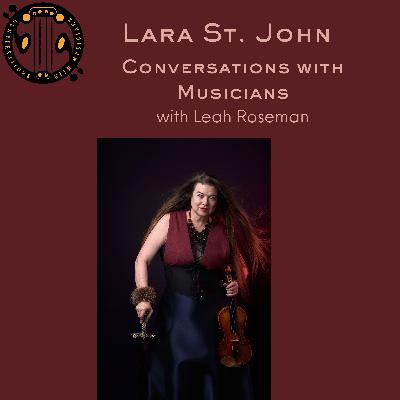
Violinist Lara St. John joins me to discuss her upcoming documentary Dear Lara, her remarkable career, and her ongoing work to ensure a safe and inclusive music community . Lara’s creativity, warmth, humour and brilliance come through in this wide-ranging interview and you’ll hear about her decision to become the first classical soloist to start her own record label, her formative year in the former USSR, advice about learning music and the violin, and a tribute to one of her main mentors, Joey Corpus. In fact Joey’s amazing story wasn’t one I was familiar with and since this conversation I’ve learned more about this inspiring pedagogue. We talked about two of her many albums, and you’ll hear a couple of clips from Shiksa and She/Her/Hers; track names are in the timestamps and everything is linked to Lara’s website in the show notes. Lara is also known for her love for iguanas, and at the very beginning of this episode you’ll get to meet Baby Octavius! Trigger warning: Please note that there are detailed timestamps below, so you can go to specific parts of this interview; there are mentions of both sexual assault and a suicide attemptComplete Show Notes with linked episodes, newsletter, podcast merch and more!Lara St. John WebsiteVaraiuni Bar Fight video on Lara's channel.Timestamps: (00:00) Intro with mention of sexual abuse (trigger warning) (03:10) meeting the Caribbean iguana Baby Octavius (04:59) Order of Canada, meeting other celebrities for Canadian Thanksgiving (06:28) the story of Moishe the violin, klezmer (09:48) about album Shiksa with clip from The Pain Will Find Us (14:17) “Dear Lara” film, trigger warning mention of rape (27:16) changing perspectives on her career (32:27) other linked episodes and supporting this podcast (33:16) perspectives on children in music, competitions (35:36) U.S.S.R. experience (38:18) her record label Ancalogon, album She/Her/Hers women composers with clip of Ana Sokolović Danza 2 (42:55) adjusting repertoire, Gabriela Lena Frank with clip of Luciérnagas (46:40) clip of video Variaiuni Bar Fight from Shiksa, linked in show notes (47:54) first trip to Peru, brief reference to suicide attempt (49:16) Marlboro, Felix Galimir (53:06) Joey Corpus violin pedagogue, portato problems, final reflections on film making and career directionphoto: Titolayo Ayangade
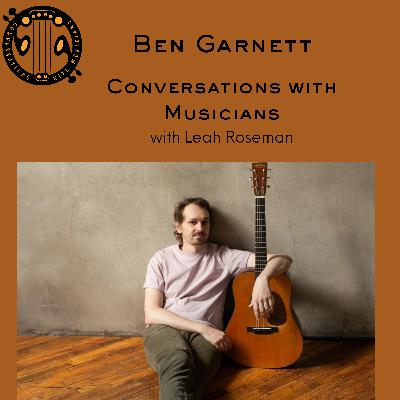
Guitarist Ben Garnett has released a beautiful new album, Kite’s Keep, and this episode features clips and insights from the project. The record includes collaborations with acoustic music greats familiar to listeners of this podcast, including Darol Anger and Brittany Haas. Ben’s mentor, Chris Eldridge of the Punch Brothers, also appears, and Ben discusses the wisdom he’s gained from other influential musicians in his life, among them his cousin, acclaimed rock guitarist Andy Timmons, the brilliant Julian Lage, and bandleader Missy Raines. He also talks about how playing tuba was helpful, and how he immersed himself in a range of musical styles—studying jazz in university before finding his way into Nashville’s acoustic bluegrass scene.Like all my episodes, you can watch this on my YouTube channel or listen to the podcast on many podcast platforms, and I’ve also linked the transcript. It’s a joy to bring these inspiring episodes to you every week, and I do all the many jobs of research, production and publicity. Have a look at the show notes of this episode, where you’ll find all the links, including different ways to support this podcast! In the show notes I"ve also linked other episodes which I think may interest you: with Darol Anger, Brittany Haas, Marc van Vugt, Tal Yahalom and Alisa RoseComplete Show Notes with ALL LINKS!(00:00) Intro(01:57) Kite’s Keep album, Brittany Haas, Darol Anger, clip Look Again(06:59) Darol Anger, clip Tell Me About You(10:07) album cover, photo by Emilio Mesa(11:35) tuba, music education(13:43) Andy Timmons(19:11) Julian Lage(24:25) Chris Eldridge, producing 1st album Imitation Fields, clip of Post Office Prodigies(29:09) Julian Lage, Chris “Critter” Eldridge(34:20) other linked episodes and ways to support this project(35:09) jazz, Chris Eldridge, Paul Kowert, Ethan Jodziewicz, clip of The Clockmaker(40:33) love of movies, Bluegrass, Missy Raines(51:13) touring strategies, Ben’s guitars(56:25) Celia Hill, clip A Place for the In Between, Matt Glassmeyer(01:00:14) teaching, clip the end of Somewhere Near Hope, next projectsphoto: Natia Cinco
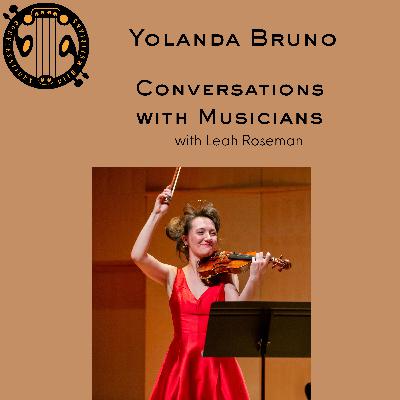
Canadian violinist Yolanda Bruno spoke to me about her new album Dear Jeanne and her film The Immortal Serafin, which both honour the late Jeanne Lamon, the renowned baroque violinist, and Music Director of Tafelmusik for 34 years. Yolanda explains how she explores the story of Jeanne’s 1759 Santo Serafin baroque violin, which was generously loaned to Yolanda for one year. You’ll hear a few clips from the album, including Jeanne’s masterful string trio arrangement of Bach’s iconic Ciaccona, as well as a taste of a Leclair duo with Julia Wedman, another important mentor for Yolanda, and a work by Beth Silver honouring Jeanne’s Dutch-Jewish heritage. Yolanda reflects on what it means to live more sustainably with her partner, the accordionist Michael Bridge, who was previously featured on this podcast. She shared how her her annual project Music for Your Blues has impacted her life, as well as a very memorable experience performing in a high-security penitentiary, which taught her about connection and dignity, and the value of live music. I also wanted to shine a light on Yolanda’s brilliant first ablum, The Wild Swans, featuring 11 women composers, recorded with pianist Isabelle David. You’ll hear short excerpts by Lera Auerbach and Kelly-Marie Murphy. We end the episode with Yolanda’s insights about avoiding burnout by achieving balance in her life using the idea of longer cycles of time, which I loved.Complete Show Notes with All the Links! Yolanda Bruno Websitephoto: Curtis Perry(00:00) Intro(02:34) Dear Jeanne and her film The Immortal Serafin, Jeanne Lamon, Tafelmusik(12:25) Jeanne’s arrangement of Bach Ciaconna with clip (Yolanda with Julia Wedman, Christina Mahler - J.S. Bach Ciaccona from Partita No. 2 in D minor, BWV 1004(15:46) film The Immortal Serafin, living more sustainably and mindfully, Michael Bridge(24:39) the process of buying the Serafin, Jaak Liivoya, Bill Monical(30:56) how Yolanda started playing baroque violin, meeting Jeanne(34:41) clip of Jean-Marie Leclair Sonata for Two Violins in D Major, Op. 3, No. 3, ii. Allegro, lessons with Julia Wedman(38:00) other linked episodes and ways to support this series(38:50) Leclair, Beth Silver, Jeanne Lamon’s Dutch-Jewish heritage (44:16) musical family, The Wild Swans album, Lera Auerbach with clip Lera Auerbach - 24 Preludes for Violin and Piano, op. 46: No. 9 in E Major (Allegro)(51:38) Kelly Marie-Murphy The Swan Parapraxis with clip Kelly-Marie Murphy - The Swan Parapraxis, Carmen Bruno cello The Wild Swans album, Katherine Dowling(55:22) Music for Your Blues, reading, memorable concerts(01:02:37) performing for incarcerated audience in a penitentiary, Jean Rohe, Diane Schoemperlen(01:07:04) studying in England, balancing life in annual cycles
I really enjoyed this opportunity to speak with Mack Hagood, author of Hush: Media and Sonic Self-Control, to explore how we use sound to manage our minds, moods, and modern lives. From white noise apps and noise-cancelling headphones to tinnitus and sound therapy, Mack helped me understand the complex relationship between media, technology, and the human need to tune in (or out). We discuss the surprising cultural history behind everyday sonic tools — from the 1964 Sleep-Mate sound conditioner to Irv Teibel’s visionary Environments recordings, to Dr. Amar Gopal Bose’s 1978 flight epiphany that led to noise-cancelling headphones. Mack reflected on teaching “The Smartphone in Society,” and concerns with both social media and streaming platforms. Towards the end of this conversation he explained why started his podcast Phantom Power and how his childhood in New Orleans eventually led him to the new field of sound scholarship. Complete Show Notes with all the links! Timestamps:(00:00) Intro(02:34) life as a guitarist, Pinetop (05:47) tinnitus(15:32) first white noise machine Sleep Mate(22:54) Hush: Sonic Media and Sonic Self-Control, Irv Teibel environments series(30:36) Bose noise-cancelling headphones (35:30) Edison Realism test, how our listening is culturally conditioned (41:03) other linked episodes and ways to support this series(41:47) soundscapes, R. Murray Schafer, field recordings(45:14) podcast Phantom Power(49:02) Walkmans, consumption of music, white noise apps(52:14) The Smartphone in Society, social media(59:08) why Mack got into podcasting as a sound scholar, Liz Pelley, problems with Spotify(01:08:07) how he became a sound scholar
Michael Stephen Brown is both a fantastic pianist and composer, and in this episode you’ll be hearing some excerpts from his upcoming album Twelve Blocks, which is a very personal project for him of chamber music and solo piano pieces. You’ll hear the stories and personal connections with each of these works that he’s composed. He shared his experiences at several inspiring arts residencies including living in Aaron Copland’s house unplugged from the internet, his close friendship with the late Shirley Perle, and his research into Felix Mendelssohn’s relationship with Delphine von Schauroth and her compositions. We talked about the importance of removing the stigma from getting therapy and providing more affordable access to mental health support to those in the performing arts through his support of Creative Care. and his longstanding collaboration with cellist and comedian Nick Canellakis; you’ll also be hearing a clip of one of their performances. At the core of this interview are Michael’s broad interests and how he reflects his curiosity and love of storytelling in his creative work. There’s lots more to this in-depth episode, and all the music you’ll be hearing is composed by Michael; have a look at the show notes for all the links.Photo: Sofian Kahn(00:00) Intro(02:31)learning composition and piano from age of 5, teachers Rothgarber, Julliard, Lowenthal, Adler(06:16) 12 Blocks with clip, Ursula Oppens, Jerome Lowenthal(08:32) more previews of 12 Blocks with clips, Osmo Vänskä, Erin Keefe, Yaddo residency, Lake Alan, Love’s Lives Lost, Susanna Phillips, SPA trio, Paul Neubauer(18:35) inspiration from poetry and personal relationships, clip Breakup Etude for Right Hand Alone(21:45) McDowell artist retreat, Carnival of Endangered Wonders(29:23) Andràs Schiff mentorship(31:05) Delphine von Schauroth and Felix Mendelssohn(34:55) other linked episodes and how to support this series(35:50) Aaron Copland residency
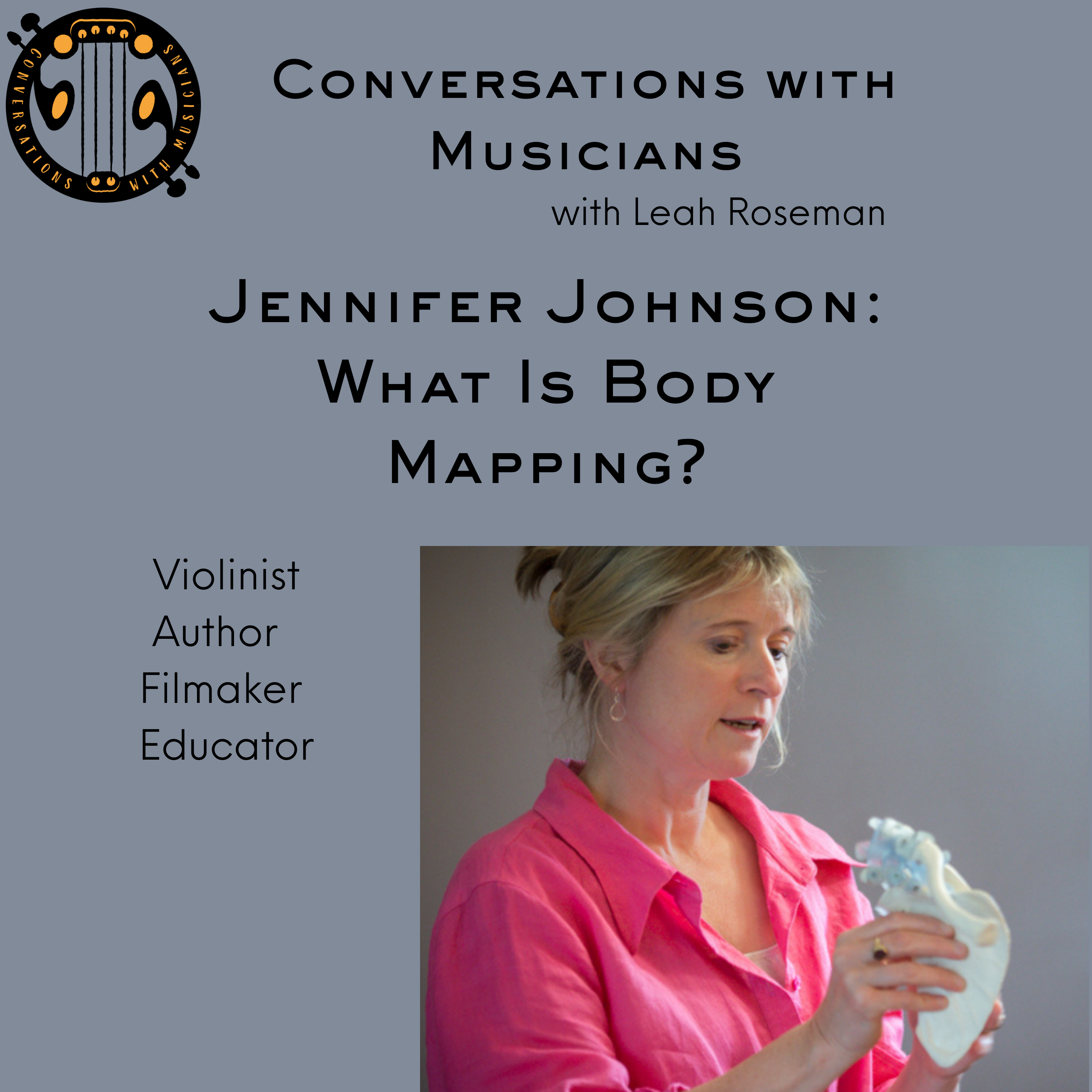
This week’s episode is a personal one for me, since Jennifer Johnson has been helping me gain more ease and comfort in violin playing and living in general. An understanding of Body Mapping will help you whether you play an instrument, sing, or simply go about your daily life. Jennifer Johnson is a violinist, film maker, and the author of several books including “What Every Violnist Needs to Know About the Body”. She’s an internationally sought-after Master Teacher and Teacher Trainer in Body Mapping and is renowned for her expertise in helping musicians to move according to the design of their bodies to prevent playing injuries and promote ease.I also wanted to shine a light on Jennifer’s film Music, Movement & Transformation: The Body Mapping Story, which is partly a beautiful tribute to her inspiring mentor Barbara Conable.I’m sure you’ll find this conversation with Jennifer is full of actionable tips and insights to help you, including some of the best advice about dealing with stage fright that I’ve ever heard.Complete show notes: including links for Jennifer's film, her website, my newsletter, podcast merch and linked episodes with transcript and video.(00:00) Intro(01:59) string quartet career, injury, Alexander Technique, meeting Barbara Conable, Body Mapping(11:05) Body Mapping, common mismappings(17:29) transformations, stories of Body Mapping success(25:50) film "Music, Movement & Transformation: The Body Mapping Story”, Duane Andrews, Murat Eyuboglu(36:51) other linked episodes, ways to help this series(37:36) worldwide community of Body Mapping educators(41:23) Jennifer’s books, backwards walking, 6 places of balance(53:04) humero-scapular rhythm(58:39) film, Barbara Conable quotes, instrument-specific books(01:04:16) stage fright advice(01:10:44) how to teach Body Mapping to childrenphoto: Colette Phillips
Cherokee singer-songwriter Agalisiga “The Chuj” Mackey shares the story behind his debut country-folk album, created entirely in the Cherokee language with producer Jared Tyler. He discusses language revitalization, the Cherokee syllabary, immersion schools, and the impact of boarding schools. Agalisiga also reflects on Indigenous history, cultural preservation, and his musical influences—showing how traditional language and contemporary music can keep a culture thriving.Agalisiga Mackey Music Show notes: bring you to other episodes you'll like, newsletter sign-up to get sneak peeks, podcast merch, buy me a coffee, YouTube video, and transcript!(00:00) Intro(02:39)Cherokee culture and language(10:11)When I was a Boy Tsitsutsa Tsigesvwith clip(13:24) developing Cherokee language and culture app(17:31) forced relocation Trail of Tears(22:00) Agalisiga’s elders, legacy of boarding schools(28:55) Tiny Desk experience, clip Daganigisi (I’m Gonna Leave)(32:18) other episodes linked and ways to support this project(33:05) Sequoyah’s Syllabary, Cherokee sounds and culture(41:33) musical influences, clip of Gatlohiha (I’m Crying)(48:19) Bringing the language into the present, creating the album, Jared Tyler, clip of Dvkiyohiselvi (I Shall Be Released)(57:47) Anvdvnelisgi ᎠᏅᏛᏁᎵᏍᎩi album(59:16) family, learning Spanish(01:02:11) bringing the culture into the present
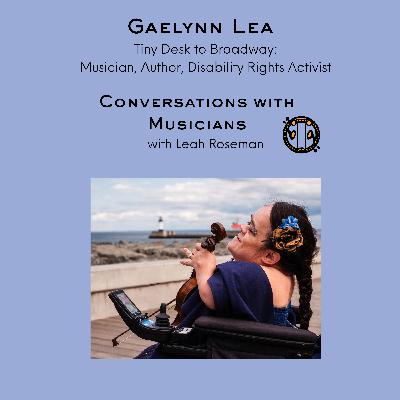
Gaelynn Lea is a violinist, singer-songwriter, disability rights advocate, author, and public speaker. Born with osteogenesis imperfecta, Gaelynn began her musical journey with the support of a childhood music teacher and her musical family. You’ll hear about how her big break happened when she won NPR Music’s Tiny Desk Contest in 2016, which led to a fascinating creative life which in the last few years has included international touring and scoring Macbeth on Broadway, starring Daniel Craig and Ruth Negga. Gaelynn is really open to trying new things, and this really came through as she talked to me about how she’ll never have enough time to explore all her curiosities, reflections on her first compositions and songs, how she collaborated with mentors Alan Sparhawk, and Charlie Parr, and how she created a new musical fable for the stage called Invisible Fences with disabled storyteller Kevin Kling. You’ll be hearing clips from some of Gaelynn’s albums during the podcast, and her Bandcamp is linked in the show notes for you. We begin with a look at her upcoming memoir—It Wasn’t Meant to Be Perfect— a warm, funny and deeply-felt exploration of disability, music, and the messy creativity of an artist’s life. I plan to welcome Gaelynn back for a future episode focused on that work. You can find the pre-order link in the show notes. It will be published by Algonquin Press in April 2026.Episode page with video, transcript and other episodes you'll love! Gaelynn Lea Website Albums on Bandcamp Order It Wasn’t Meant to be Perfect Invisible Fences with Kevin Kling Newsletter Podcast Merch Buy me a coffee photo: Explore Duluth(00:00) Intro(03:32) Gaelynn’s upcoming memoir—It Wasn’t Meant to Be Perfect(10:42) Macbeth score and album, meeting Michael Stipe, Whippoorwill Arts Fellowship(16:02) about “Perfect”, with clip from Macbeth album(18:50) Gaelynn’s childhood, learning the violin in an adapted way, her instruments(26:20) decision not to have surgery (29:01) Someday We’ll Linger in the Sun with clip(32:06) other episodes you’ll love, ways to support this independent project(32:53) how winning Tiny Desk changed her life and for her husband(38:32) disability visibility, mindset, beginning of song-writing and composing Alan Sparhawk, Charlie Parr(45:56) The Long Way Around with clip from The Living Room Sessions(49:46) Dragons and Fairies with clip from The Living Room Sessions, joys of improvisation, looping(54:45) fiddle repertoire, jamming in Edinburgh (59:45) Invisible Fences with Kevin Kling, disability activism, psychological challenges
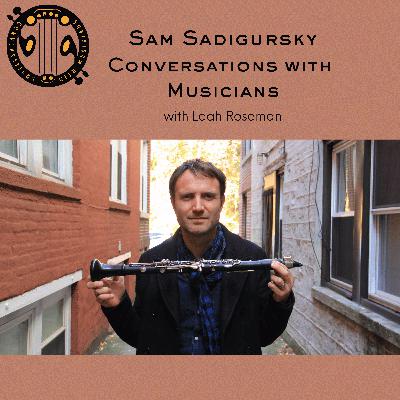
Sam Sadigursky is a renowned clarinetist, composer, and member of the Philip Glass Ensemble. In this episode, we explore his latest project The Solomon Diaries with Nathan Koci, his work on Broadway in The Band’s Visit, and his career spanning jazz, classical, and contemporary music. Sam shares stories from touring with Philip Glass, mentors Brad Mehldau and Lee Konitz, and his upbringing in a musical immigrant family.We also dive into improvisation beyond music, the impact of streaming algorithms, and the cultural legacy of the Borscht Belt. Listen to insights into Sam’s unique voice as a composer and performer, and hear excerpts from some of his wonderful creative output. Sam Sadigursky’s websitePodcast website: episode page with YouTube, TranscriptNewsletter sign-up Podcast merch Buy me a coffee?Other episodes you'll love: Meg Okura Tasha Warren Yale Strom Colleen Allen Rachel Eckroth and John Hadfield(00:00) Intro(02:11)Sam’s musical family and early influences(08:02) jazz, hearing heroes play teen years in L.A.(10:12) Isaac Sadigursky, VNP Hora with clip(14:26) move out to New York(17:05) about Six Miles at Midnight with clip, Nathan Koci, Satie influence (21:07) Touring with Philip Glass Ensemble(25:23) influence of Glass, Migrations Vol. 5 Solomon Diaries(28:59) clarinet music, Eleven from 24 Rhythmic Duets for Clarinet, teaching, Vince Trombetta(33:54) other linked episodes you’ll love and ways to spread the word!(34:33) about “Lucky” vol. V The Solomon Diaries, wife Sarah, Danny Fox(40:10) early jazz mentors and opportunities, Brad Mehldau, Bill Berry(42:31) parenting, streaming and music industry challenges(45:44) Broadway: The Band’s Visit and beyond(51:18) solo piano music, Incidentalee dedicated to Lee Konitz, from Figures/Broken Pieces performed Nick Sanders(54:39) many instruments, decision to focus on clarinet(57:38) Borsht Belt history, Marisa Scheinfeld, The Solomon Diaries(01:03:24) Guy Klucevsek, “Secondhand” The Solomon Diaries Vol. IV by Nathan Koci(01:08:17) creative output, music industry challenges, Words Project, upcoming projects
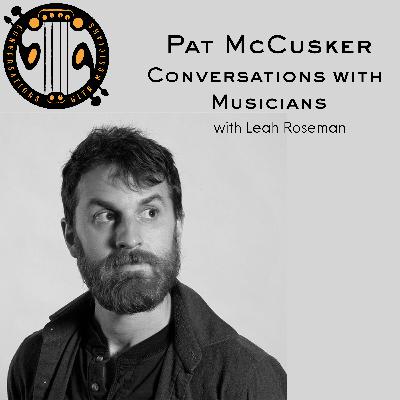
Composer and audio producer Pat McCusker joins me to talk about his work creating music for The Ezra Klein Show, his role at The New York Times, and what it’s like touring the world as a musician with actor David Duchovny. Pat's music also appears on The Daily, Modern Love, and many more.🎶 What we talk about in this episode:Composing the theme for The Ezra Klein ShowScoring for podcasts and working with The New York TimesTouring internationally with David DuchovnyThe power of music in shows like Severance and White LotusTools and gear Pat uses as a composerManaging anxiety and building creative communityIf you're a composer, musician, or podcast fan, you'll find plenty to connect with in this conversation.Web page for the episode includes transcript, YouTube link.Pat McCusker David DuchovnyOther episodes with some of the media composers I've featured: Pat Irwin, Christoph Zirngibl, Adam Blau, Anže Rozman and Kara TalveBuy me a coffee?Podcast MerchNewsletter sign-up🎙️ About the show: Conversations with Musicians. with violinist Leah Roseman: weekly episodes featuring a fascinating diversity of musical guests worldwide. (00:00) Intro(02:55) how Pat became a podcast composer(07:16) creative process Magical Tree Creatures theme for “The Ezra Klein Show” with clip(10:37) composing for podcasts at The New York Times, the function of music in podcasts(18:01) listening and appreciating great podcasts, Marc Maron(23:11) The Big Question Mark with clip, "Interesting Times with Ross Douthat”(26:37) Severance and White Lotus inspirations, Moog synthesizers(32:09) other episodes you’ll love, ways to support this podcast(32:58) rock career, Buzzbody, David Duchovny, Pat Irwin(41:00) Holding Patterns with David Duchovny (website linked in show notes)(45:57) joy of performing and touring, his dad(49:35) Pat’s youth, discovering guitar, Berklee (55:43) Buzzbody Full of Fear, dealing with anxiety(01:03:12) some personal creative projects, wife Simo(01:10:52) suggestions for books, podcasts, music

Comments

Download from Google Play

Download from App Store
 United States